Bekomm eine E-Mail, wenn Kate in einem Podcast zu Gast istPodAppear prüft neue Folgen, sobald sie erscheinen, und lässt die weg, in denen Kate nur erwähnt wird. Bis zu 15 Personen kostenlos, ohne Kreditkarte.Bis zu 15 Personen kostenlos, ohne Kreditkarte.
Kate kostenlos folgen
KK

Kate Kresge

Zwei Jahre auf Sendung

GastHostErwähnt

Selbst moderierte Folgen

Do29Okt
The Root Cause Medicine Podcast

The Root Cause Medicine PodcastHost

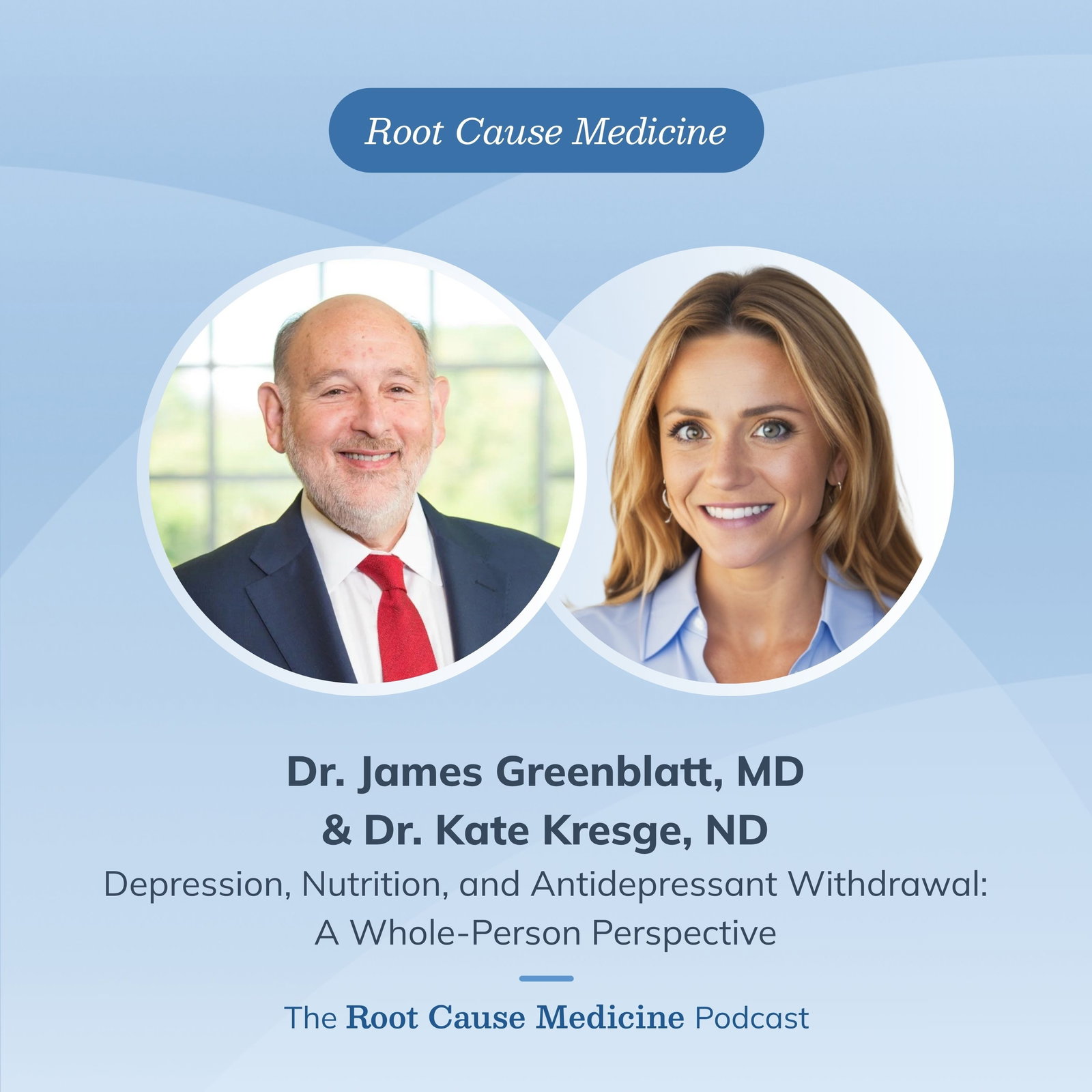
Depression, Nutrition, and Antidepressant Withdrawal: A Whole-Person Perspective

Dr. Kate Kresge is joined by psychiatrist James Greenblatt, MD, to discuss themes from his book Finally Hopeful, including nutrition, depression, laboratory assessment, and antidepressant withdrawal. Clinical Takeaways Depression warrants a broad clinical assessment. Symptoms may overlap with medical conditions and nutritional deficiencies. (Bode 2021) (Lee 2020) (Bender 2017) The episode discusses thyroid function, iron, vitamin B12, folate, vitamin D, and other factors as part of a broader evaluation—not as universal causes of depression. Antidepressant discontinuation should be individualized. Abruptly stopping an antidepressant can cause withdrawal symptoms. (Henssler 2024) (Horowitz 2019) Gradual, clinician-supervised tapering is important; nutritional status may also be considered, although supplementation has not been established as a way to prevent withdrawal. (Horowitz 2019) Nutrition can be considered within whole-person mental healthcare. Protein, amino acids, omega-3 fatty acids, B vitamins, zinc, and magnesium are discussed. Testing and supplementation should reflect individual needs rather than assuming a common deficiency. Guest: James Greenblatt, MD James Greenblatt, MD, is a psychiatrist and educator in integrative and functional psychiatry. He discusses a whole-person framework for evaluating depression, nutritional status, and antidepressant discontinuation. Clinician FAQ 1. Can nutritional deficiencies contribute to depressive symptoms? Yes, nutritional status can be clinically relevant, but depression is multifactorial. (Bender 2017) (Malhi 2018) The episode discusses iron, vitamin B12, folate, vitamin D, zinc, and other nutrients clinicians may evaluate when appropriate. 2. Why distinguish antidepressant withdrawal from depression? Withdrawal can occur when antidepressants are reduced or stopped, and symptoms may overlap with psychiatric symptoms. (Henssler 2024) (Horowitz 2019) Distinguishing withdrawal from recurrence of depression is important during discontinuation. (Horowitz 2019) 3. Should nutritional status be assessed before antidepressant tapering? The episode proposes evaluating nutritional status before and during tapering. Medication changes should be individualized and managed with the prescribing clinician. 4. What role do amino acids play in mental health? Amino acids from dietary protein are precursors for many biologically important molecules, including neurotransmitters. (Tang 2025) The episode discusses amino acid assessment as part of Dr. Greenblatt’s clinical approach. 5. Why screen for medical conditions in patients with depression? Some medical conditions may produce symptoms that resemble or coexist with depression. (Bode 2021) (Lee 2020) (Clappison 2020) The episode highlights thyroid disorders, anemia, and celiac disease as examples clinicians may investigate when clinically indicated. Key Moments 03:44 Whole-person framework for depression 07:46 Antidepressant withdrawal 11:29 Nutritional assessment before tapering 23:23 Amino acids and nutrition 37:26 B vitamins and minerals 46:15 Depression and celiac disease case Disclaimer The views expressed on this podcast are those of the hosts and the guests, and they don't necessarily reflect the views of Fullscript or any affiliated organizations. This podcast is for informational and educational purposes only, and it's not intended to be medical advice. For your safety, always check with your healthcare provider before making any changes to your healthcare routine. References Bender, A., Hagan, K. E., & Kingston, N. (2017). The association of folate and depression: A meta-analysis. Journal of Psychiatric Research, 95, 9–18. https://doi.org/10.1016/j.jpsychires.2017.07.019 Bode, H., Ivens, B., Bschor, T., Schwarzer, G., Henssler, J., & Baethge, C. (2021). Association of hypothyroidism and clinical depression: A systematic review and meta-analysis. JAMA Psychiatry, 78(12), 1375–1383. https://doi.org/10.1001/jamapsychiatry.2021.2506 Clappison, E., Hadjivassiliou, M., & Zis, P. (2020). Psychiatric manifestations of coeliac disease, a systematic review and meta-analysis. Nutrients, 12(1), 142. https://doi.org/10.3390/nu12010142 Henssler, J., Schmidt, Y., Schmidt, U., Schwarzer, G., Bschor, T., & Baethge, C. (2024). Incidence of antidepressant discontinuation symptoms: A systematic review and meta-analysis. The Lancet Psychiatry, 11(7), 526–535. https://doi.org/10.1016/S2215-0366(24)00133-0 Horowitz, M. A., & Taylor, D. (2019). Tapering of SSRI treatment to mitigate withdrawal symptoms. The Lancet Psychiatry, 6(6), 538–546. https://doi.org/10.1016/S2215-0366(19)30032-X Lee, Y.-J., & Kim, H.-B. (2020). Association between anaemia and adult depression: A systematic review and meta-analysis of observational studies. Journal of Epidemiology and Community Health, 74(7), 565–572. https://doi.org/10.1136/jech-2020-213842 Malhi, G. S., & Mann, J. J. (2018). Depression. The Lancet, 392(10161), 2299–2312. https://doi.org/10.1016/S0140-6736(18)31948-2 Tang, J., Krushelnycky, L., Shaqo, A., & Cho, C. E. (2025). A comprehensive review of nutritional influences on the serotonergic system. Advances in Nutrition, 16(11), 100524. https://doi.org/10.1016/j.advnut.2025.100524

51 minAbspielen in:

Do24Sep
The Root Cause Medicine Podcast

The Root Cause Medicine PodcastHost

Meet the New Voices of the Root Cause Medicine Podcast

You've been hearing new voices in the host chair lately — so this week we're pulling back the curtain to introduce them properly. Dr. Kate Kresge sits down with Dr. Holly Lucille, Dr. Lara Zakaria, and Dr. Jessica Christie for a roundtable on the winding, deeply personal paths that led each of them into root-cause medicine. A pharmacist nearly buried under her own stack of nutrition books who came out dual-licensed. A psychology student who couldn't find a medical school that took food and sleep seriously, so she built her own path. A holistic nurse turned naturopathic doctor who fought for her profession on the statehouse floor. And a host whose decade-long "mystery illness" resolved in three days once the right test was finally run. What ties them together is a stubborn refusal to stop at the easy answer — the instinct to say, let's think this through, because so often the protocol failed the patient, not the other way around. Consider this your proper introduction to the team learning and sharing what works, right alongside you. What you'll hear Why every one of these clinicians came to functional medicine as a "detective" — and often as a patient first. Dr. Lara Zakaria's path from community pharmacist to dual-licensed nutritionist, and a clear-eyed explainer on what the CNS credential actually requires. Dr. Jessica Christie's move from developmental psychology into naturopathic medicine, becoming her own first patient, and finding her way into fertility and women's health. Dr. Holly Lucille's journey through holistic nursing and naturopathic medicine — and helping pass California's ND licensing bill (SB 907) in 2004. Dr. Kate Kresge's decade of misdiagnosed illness that resolved in days once the root cause was identified — and why it reshaped how she thinks about mental-health symptoms with a physiological root cause. How Rupa and Fullscript coming together puts labs, education, boot camps, webinars and AI-assisted evidence in one free place for clinicians. The team's reframe of "the patient failed treatment" into "the treatment failed the patient" — and what patient-centered care really means. Key themes Let's think things through — clinical reasoning over the 15-minute prescribe-and-go visit. The empowered, informed patient is a good thing; clinicians add the nuance. Whole-person care means mind and body are never truly separate. Personalization: the protocol fits the patient, not the other way around. Timestamps 02:21 — Welcoming the hosts 03:13 — Naming the listeners 05:35 — "Let's think things through" 06:40 — Nuance and the empowered patient 09:02 — Dr. Lara Zakaria's story 12:16 — Dr. Jessica Christie's story 16:00 — Rupa magazine + free education 17:03 — What a CNS is 20:10 — Dr. Holly Lucille's story 28:17 — Whiskey Flower + Wipeout 30:16 — Rupa + Fullscript coming together 32:20 — AI Assist for whole-person care 34:00 — Dr. Kate Kresge's story 44:11 — The protocol failed the patient 46:05 — What excites the team next 53:21 — Wrap-up + listener name reveal Want to elevate your practice? This episode is sponsored by Fullscript, a comprehensive care delivery platform designed to support whole-person, integrative healthcare. Fullscript allows clinicians to streamline supplement dispensing, lab ordering, and patient education in one free, centralized system—helping reduce administrative burden while supporting clinical decision-making. For practitioners, Fullscript offers access to professional-grade supplements, evidence-informed protocols, and lab integrations that can support more efficient planning and follow-up. For patients, it provides a clear, organized way to receive recommendations, manage refills, and stay engaged in their care. The goal is not to replace clinical judgment, but to make it easier for clinicians to focus on what matters most: thoughtful, individualized patient care. Disclaimer: Views expressed are those of the hosts and guests and do not necessarily reflect Fullscript or affiliated organizations. For informational and educational purposes only; not medical advice.

56 minAbspielen in:

Sa22Aug
The Root Cause Medicine Podcast

The Root Cause Medicine PodcastHost

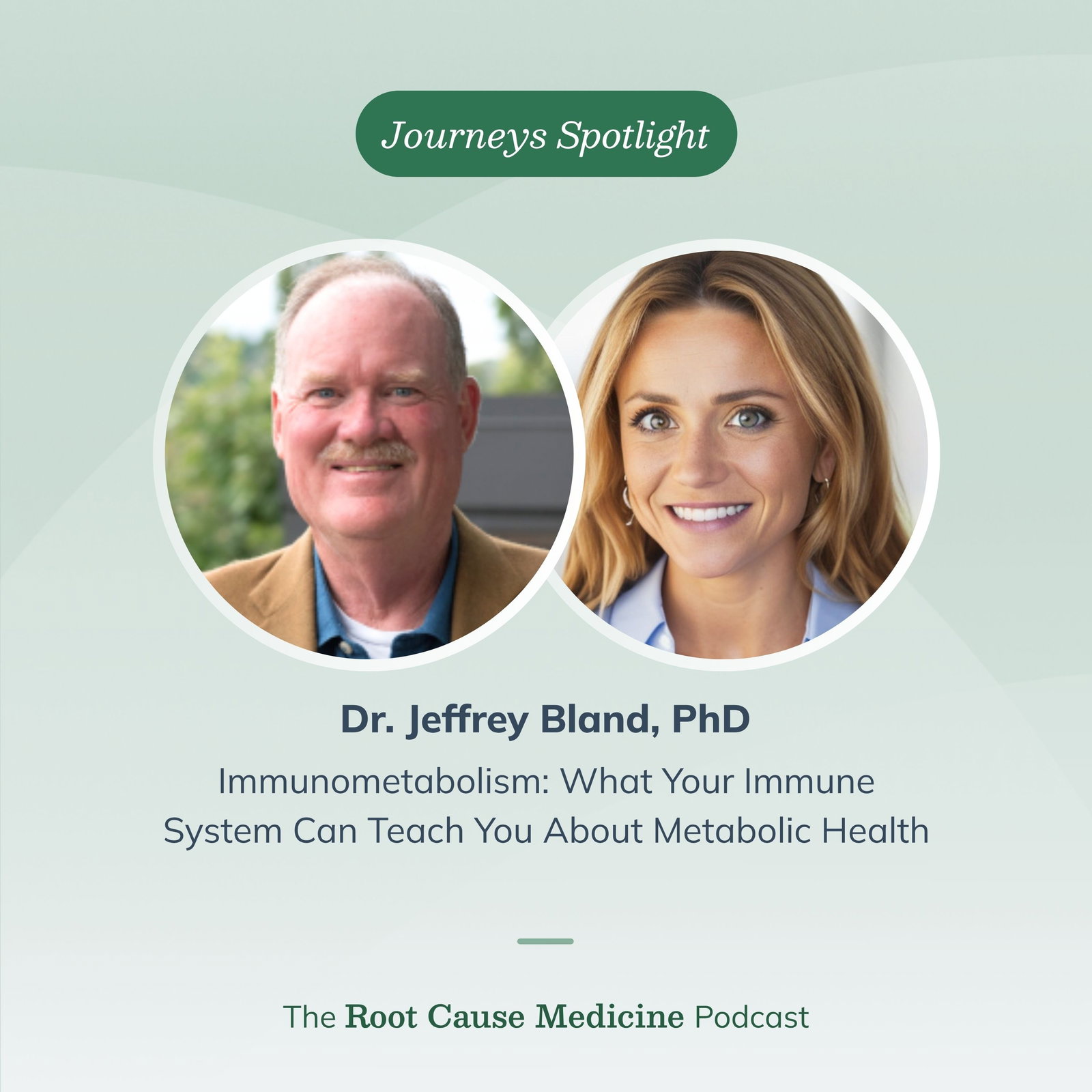
Immunometabolism: What Your Immune System Can Teach You About Metabolic Health

What if metabolism and immune function aren’t separate systems, but part of one continuous conversation? In this episode of the Root Cause Medicine Podcast, Dr. Jeffrey Bland joins Kate Kresge to explore immunometabolism, the study of how immune activity and cellular metabolism influence one another. They discuss how inflammation can affect energy use across tissues, why metabolic health is about far more than weight, and how systems biology is changing the way clinicians think about chronic disease. (O'Neill 2016) Dr. Bland also introduces emerging inflammatory indices—including the Systemic Immune-Inflammation Index (SII) and Systemic Inflammation Response Index (SIRI)—that can be derived from components of a routine CBC with differential. (Islam 2024) The conversation explores their potential role as contextual markers of inflammatory activity, while emphasizing how Journeys can help to automate CBC calculations and help create customized reports for practitioners using blood labs values, history, symptoms and more. The episode closes with a practical look at nutrition, polyphenol-rich foods, lifestyle medicine, large-scale health data, and the growing potential for personalized care. Clinical Takeaways from This Episode Immunometabolism connects immune signaling with cellular energy use. Immune cells alter their metabolic activity when activated, and immune-derived signals can influence the function of tissues throughout the body. (O'Neill 2016) Chronic inflammation is a systems-level process. Rather than viewing inflammation as an isolated problem within one organ, immunometabolism highlights communication among adipose tissue, the liver, brain, muscles, immune cells, and other tissues. (Burak 2024) (Juárez-Rojas 2024) A CBC may contain more information than clinicians traditionally use. SII and SIRI combine routinely measured blood-cell populations into indices being studied as markers of systemic inflammatory and immune activity. (Islam 2024) They should be interpreted in clinical context rather than used independently to diagnose disease or dictate treatment. (Mangoni 2024) Lifestyle interventions affect multiple biological systems at once. Dr. Bland discusses dietary patterns rich in diverse plant compounds alongside movement, sleep, and stress management as components of a broader approach to metabolic and immune health. (Koelman 2022) Practitioners can order Dr. Jeff Bland’s Immunometabolic Journey on Fullscript.com Guest Introduction Dr. Jeffrey Bland is a longtime leader in functional and systems-based approaches to health and one of the influential voices behind the development of functional medicine. His work focuses on translating complex biology—including immunology, metabolism, nutrition, genetics, and systems medicine—into clinically meaningful ways of thinking about health. In this conversation, he brings that systems perspective to immunometabolism and explores how clinicians may begin connecting familiar laboratory data with a deeper understanding of immune and metabolic function. FAQ What is immunometabolism? Immunometabolism examines the two-way relationship between immune function and metabolism. Immune cells require energy to perform their functions, and changes in their metabolic state can influence inflammatory signaling and communication with other tissues. (O'Neill 2016) What are SII and SIRI? SII and SIRI are calculated indices derived from blood-cell counts commonly included in a CBC with differential. They have been studied across several clinical populations as markers associated with systemic inflammatory and immune activity, but they are nonspecific and should be interpreted alongside the broader clinical picture. (Islam 2024) Can SII or SIRI diagnose chronic inflammation? No single index can establish the cause or clinical significance of inflammation on its own. These measures may provide additional context, but symptoms, medical history, other laboratory findings, medications, acute illness, and underlying conditions can all influence blood-cell counts. (Mangoni 2024) Why does mitochondrial function come up in a discussion about immunity? Immune activation changes cellular energy demands. Because mitochondria and other metabolic pathways help determine how cells generate and use energy, cellular metabolism is closely connected with immune-cell behavior. (O'Neill 2016) How can practitioners order a CBC with SIRI and SII calculations included? Ordering a CBC and other biomarkers included in the Immuno-Metabolic Journey from Dr. Jeff Bland allows for automatic calculation of SIRI and SII, as well as recommending next steps for clinicians depending on findings. Timestamps 02:22 — What immunometabolism means Why immune function and metabolism can no longer be viewed as separate biological systems. 06:15 — From “angry fat” to systems biology How communication between immune cells and adipose tissue helped shape modern thinking about immunometabolism. 09:31 — Immunometabolism and root-cause thinking Looking upstream from organ dysfunction toward the processes that may be influencing it. 17:23 — Metabolism is more than weight Cellular energy production, mitochondria, inflammation, and why metabolic function affects the entire body. 22:01 — What a routine CBC may reveal Moving beyond gross abnormalities to explore patterns within the CBC with differential. 23:20 — Introducing SII and SIRI How researchers combine neutrophils, lymphocytes, platelets, and monocytes into inflammatory indices. 34:06 — Translating biomarkers into whole-person care Nutrition, polyphenols, movement, sleep, and stress management enter the conversation. 39:27 — Why food complexity matters Dr. Bland uses buckwheat to illustrate the diversity of plant polyphenols. 46:38 — Big data and personalized medicine How large health datasets may help researchers identify more individualized biological patterns. 54:43 — Owning your health Dr. Bland closes with a message about agency, personalization, and creating healthier patterns over time. Want to elevate your practice? This episode is sponsored by Fullscript, a comprehensive care delivery platform designed to support whole-person, integrative healthcare. Fullscript allows clinicians to streamline supplement dispensing, lab ordering, and patient education in one free, centralized system—helping reduce administrative burden while supporting clinical decision-making. For practitioners, Fullscript offers access to professional-grade supplements, evidence-informed protocols, and lab integrations that can support more efficient planning and follow-up. For patients, it provides a clear, organized way to receive recommendations, manage refills, and stay engaged in their care. The goal is not to replace clinical judgment, but to make it easier for clinicians to focus on what matters most: thoughtful, individualized patient care. Disclaimer: The views expressed on this podcast are those of the hosts and guests and don’t necessarily reflect those of Fullscript or any affiliated organizations. This podcast is for informational and educational purposes only and is not intended to be medical advice. For your safety, always check with your doctor or healthcare provider before making changes to your health routine. References Burak, M. F., Stanley, T. L., Lawson, E. A., Campbell, S. L., Lynch, L., Hasty, A. H., Domingos, A. I., Dixit, V. D., Hotamışlıgil, G. S., Sheedy, F. J., Dixon, A. E., Brinkley, T. E., Hill, J. A., Donath, M. Y., & Grinspoon, S. K. (2024). Adiposity, immunity, and inflammation: Interrelationships in health and disease—A report from the 24th Annual Harvard Nutrition Obesity Symposium, June 2023. The American Journal of Clinical Nutrition, 120(1), 257–268. https://www.sciencedirect.com/science/article/abs/pii/S0002916524004556 Islam, M. M., Osoydan Satici, M., & Eroglu, S. E. (2024). Unraveling the clinical significance and prognostic value of the neutrophil-to-lymphocyte ratio, platelet-to-lymphocyte ratio, systemic immune-inflammation index, systemic inflammation response index, and delta neutrophil index: An extensive literature review. Turkish Journal of Emergency Medicine, 24(1), 8–19. https://pubmed.ncbi.nlm.nih.gov/38343523/ Juárez-Rojas, J. G., Reyes-Barrera, J., & Medina-Urrutia, A. X. (2024). Adipose tissue immunometabolism: Unveiling the intersection of metabolic and immune regulation. Revista de Investigación Clínica, 76(2), 65–79. https://www.scielo.org.mx/scielo.php?script=sci_arttext&pid=S0034-83762024000200001 Koelman, L., Egea Rodrigues, C., & Aleksandrova, K. (2022). Effects of dietary patterns on biomarkers of inflammation and immune responses: A systematic review and meta-analysis of randomized controlled trials. Advances in Nutrition, 13(1), 101–115. https://pmc.ncbi.nlm.nih.gov/articles/PMC8803482/ Mangoni, A. A., & Zinellu, A. (2024). The diagnostic role of the systemic inflammation index in patients with immunological diseases: A systematic review and meta-analysis. Clinical and Experimental Medicine, 24(1), Article 27. https://link.springer.com/article/10.1007/s10238-024-01294-3 O'Neill, L. A. J., Kishton, R. J., & Rathmell, J. (2016). A guide to immunometabolism for immunologists. Nature Reviews Immunology, 16(9), 553–565. https://pubmed.ncbi.nlm.nih.gov/27396447/ Zeevi, D., Korem, T., Zmora, N., Israeli, D., Rothschild, D., Weinberger, A., Ben-Yacov, O., Lador, D., Avnit-Sagi, T., Lotan-Pompan, M., Suez, J., Mahdi, J. A., Matot, E., Malka, G., Kosower, N., Rein, M., Zilberman-Schapira, G., Dohnalová, L., Pevsner-Fischer, M., … Segal, E. (2015). Personalized nutrition by prediction of glycemic responses. Cell, 163(5), 1079–1094. https://www.cell.com/cell/fulltext/S0092-8674(15)01481-6

60 minAbspielen in:

Mo17Aug
The Root Cause Medicine Podcast

The Root Cause Medicine PodcastHost

One Hidden Immune Trigger Everyone Misses: A Complex Autoimmune Case Study

One Hidden Immune Trigger Everyone Misses: A Complex Autoimmune Case Study What happens when a patient with multiple autoimmune conditions has already addressed the obvious contributors but continues to experience flares? In this case study episode, Dr. Kate Kresge sits down with clinical nutritionist and IFM-certified practitioner Robyn Puglia to walk through a complex case of polyautoimmunity and persistent immune dysregulation. (Anaya 2014) The patient had already worked with multiple practitioners and addressed gut health, food reactivity, mold, and stress. Robyn explains how additional testing shifted her attention away from the gut and toward an unexpected area, the respiratory tract, and how that finding changed the care plan. (Holers 2018) It's a powerful lesson in clinical reasoning for your most complex patients. (Nissen 2014) 3 Key Takeaways Autoimmune conditions often travel together. (Rojas-Villarraga 2012) Polyautoimmunity describes more than one autoimmune disease in a single patient, and three or more is known as multiple autoimmune syndrome. (Anaya 2014) Robyn's patient had four. Don't assume the gut is always the driver. (De Luca 2019)(Holers 2018) When the most plausible contributors have been addressed, Robyn steps back and asks whether another system, exposure, or infection deserves evaluation. (Miller 2012) Interpret testing in context. A respiratory microbial pattern became an important clue in this case, and Robyn emphasizes reading results alongside symptoms, history, and prior testing rather than treating one test as the whole answer. Guest: Robyn Puglia is a clinical nutritionist and IFM-certified functional medicine practitioner who works with patients at what she calls the "zebra" or even "unicorn" stage: people who have often seen multiple experienced practitioners and already addressed nutrition, metabolic health, circadian rhythms, stress, and gut health. Clinical FAQ How does Robyn approach patients who've "tried everything"? She reviews what's already been addressed, avoids repeating the same investigation, and widens the lens to systems, exposures, or infections that haven't yet been evaluated. (Miller 2012) Why look beyond the gut in autoimmunity? The gut is a common and important contributor, but it isn't always the primary one. In this case, testing pointed to the respiratory tract despite the absence of obvious respiratory symptoms. (De Luca 2019) (Holers 2018) Can one case guide care for other patients? An individual case illustrates clinical reasoning. It doesn't establish that the same testing or intervention will produce similar results in other patients, which is why Robyn pairs findings with the full clinical picture. (Nissen 2014) Ready to elevate your practice? This episode is sponsored by Fullscript, a comprehensive care delivery platform designed to support whole-person, integrative healthcare. Fullscript helps clinicians bring supplement dispensing, lab ordering, and patient education into one centralized workflow. For more practitioner education on supplements, nutrition, and evidence-informed clinical care, visit Fullscript Academy at academy.fullscript.com. Disclaimer: The views expressed on this podcast are those of the hosts and guests and don’t necessarily reflect those of Fullscript or any affiliated organizations. This podcast is for informational and educational purposes only and is not intended to be medical advice. For your safety, always check with your doctor or healthcare provider before making changes to your health routine. References Anaya, J.-M. (2014). The diagnosis and clinical significance of polyautoimmunity. Autoimmunity Reviews, 13(4–5), 423–426. https://www.sciencedirect.com/science/article/abs/pii/S1568997214000615 De Luca, F., & Shoenfeld, Y. (2019). The microbiome in autoimmune diseases. Clinical and Experimental Immunology, 195(1), 74–85. https://academic.oup.com/cei/article-abstract/195/1/74/6403589 Holers, V. M., Demoruelle, M. K., Kuhn, K. A., Buckner, J. H., Robinson, W. H., Okamoto, Y., Norris, J. M., & Deane, K. D. (2018). Rheumatoid arthritis and the mucosal origins hypothesis: Protection turns to destruction. Nature Reviews Rheumatology, 14(9), 542–557. https://www.nature.com/articles/s41584-018-0070-0 Miller, F. W., Alfredsson, L., Costenbader, K. H., Kamen, D. L., Nelson, L. M., Norris, J. M., & De Roos, A. J. (2012). Epidemiology of environmental exposures and human autoimmune diseases: Findings from a National Institute of Environmental Health Sciences Expert Panel Workshop. Journal of Autoimmunity, 39(4), 259–271. https://www.sciencedirect.com/science/article/abs/pii/S0896841112000595 Nissen, T., & Wynn, R. (2014). The clinical case report: A review of its merits and limitations. BMC Research Notes, 7, Article 264. https://link.springer.com/article/10.1186/1756-0500-7-264 Rojas-Villarraga, A., Amaya-Amaya, J., Rodriguez-Rodriguez, A., Mantilla, R. D., & Anaya, J.-M. (2012). Introducing polyautoimmunity: Secondary autoimmune diseases no longer exist. Autoimmune Diseases, 2012, Article 254319. https://onlinelibrary.wiley.com/doi/10.1155/2012/254319

12 minAbspielen in:

Do6Aug
The Root Cause Medicine Podcast

The Root Cause Medicine PodcastHost

The Missing Piece in Youth Sports: Building Healthy, High-Performing Teen Athletes

What does it take to help young athletes perform at their best—not just today, but for decades to come? In this episode of Root Cause Medicine, Dr. Kate Kresge sits down with emergency medicine physician and functional medicine practitioner Dr. Erik Peterson to discuss a whole-person approach to adolescent athletic performance. Drawing from more than 20 years in emergency medicine, his background as a collegiate athlete, and his work caring for young competitors, Dr. Peterson explains why optimizing performance starts with supporting the developing body rather than simply pushing it harder. The conversation explores how nutrition, sleep, recovery, body composition, metabolic health, and resilience influence athletic success during adolescence. Dr. Peterson also shares why he believes healthcare providers, coaches, and parents have an opportunity to improve long-term health by focusing on foundational physiology during these critical developmental years. Beyond sports performance, this episode is also a conversation about the evolution of medicine—from treating illness in the emergency department to helping people stay healthy through proactive, root-cause care. Listen If You... Treat adolescent athletes in your practice Coach youth sports Parent a competitive athlete Work in sports medicine, functional medicine, pediatrics, or primary care Want to better understand the foundations of long-term athletic performance What You'll Learn How Dr. Peterson gets his athletes results using only food, supplements and lifestyle Common mistakes young athletes make when trying to optimize performance Why body composition and metabolic health matter more than weight alone The important role parents and coaches play in creating healthy performance habits Dr. Peterson's journey from emergency medicine physician to functional medicine practitioner Who Is Dr. Erik Peterson? Dr. Erik Peterson is a board-certified emergency medicine physician who has practiced emergency medicine for more than two decades while also leading a precision medicine practice focused on performance optimization, men's health, women's health, and preventive care. A former collegiate athlete, he combines his experience in acute care with evidence-informed lifestyle medicine to help athletes and active individuals optimize health, resilience, and long-term performance. Learn more about his program at https://firstcallperformance.com/ Key Takeaways Performance is Built Outside the Gym: Training is only one part of athletic success. Nutrition, sleep, recovery, stress management, and overall metabolic health create the foundation that allows athletes to adapt and perform. (Mountjoy 2023) (Cunha 2023) Adolescence Is a Critical Opportunity: The teenage years represent an important period for developing healthy habits that influence performance, injury risk, and long-term health. (Blyth 2025) Parents and Coaches Matter: The adults surrounding young athletes often shape their relationship with food, training, recovery, and health. Creating supportive environments can have lasting effects beyond sports. (Baceviciene 2023) Functional Medicine Complements Performance Care: Looking upstream at nutrition, biomarkers, lifestyle, and physiology may help identify opportunities to support athletic performance while promoting long-term wellness. (Haller 2023) Want to elevate your practice? This episode is sponsored by Fullscript, a comprehensive care delivery platform designed to support whole-person, integrative healthcare. Fullscript allows clinicians to streamline supplement dispensing, lab ordering, and patient education in one free, centralized system—helping reduce administrative burden while supporting clinical decision-making. For practitioners, Fullscript offers access to professional-grade supplements, evidence-informed protocols, and lab integrations that can support more efficient planning and follow-up. For patients, it provides a clear, organized way to receive recommendations, manage refills, and stay engaged in their care. The goal is not to replace clinical judgment, but to make it easier for clinicians to focus on what matters most: thoughtful, individualized patient care. Disclaimer: The views expressed on this podcast are those of the hosts and guests and don’t necessarily reflect those of Fullscript or any affiliated organizations. This podcast is for informational and educational purposes only and is not intended to be medical advice. For your safety, always check with your doctor or healthcare provider before making changes to your health routine. Sources: Baceviciene, M., Jankauskiene, R., & Rutkauskaite, R. (2023). The comparison of disordered eating, body image, sociocultural and coach-related pressures in athletes across age groups and groups of different weight sensitivity in sports. Nutrients, 15(12), 2724. https://www.mdpi.com/2072-6643/15/12/2724 Blyth, F., Haycraft, E., Peral-Suarez, A., & Pearson, N. (2025). Tracking and changes in the clustering of physical activity, sedentary behavior, diet, and sleep across childhood and adolescence: A systematic review. Obesity Reviews, 26(6), e13909. https://onlinelibrary.wiley.com/doi/10.1111/obr.13909 Cunha, L. A., Costa, J. A., Marques, E. A., Brito, J., Lastella, M., & Figueiredo, P. (2023). The impact of sleep interventions on athletic performance: A systematic review. Sports Medicine – Open, 9(1), 58. https://www.ncbi.nlm.nih.gov/pmc/articles/PMC10354314/ Haller, N., Behringer, M., Reichel, T., Wahl, P., Simon, P., Krüger, K., Zimmer, P., & Stöggl, T. (2023). Blood-based biomarkers for managing workload in athletes: Considerations and recommendations for evidence-based use of established biomarkers. Sports Medicine, 53(7), 1315–1333. https://pubmed.ncbi.nlm.nih.gov/37204619/ Mountjoy, M., Ackerman, K. E., Bailey, D. M., Burke, L. M., Constantini, N., Hackney, A. C., Heikura, I. A., Melin, A., Pensgaard, A. M., Stellingwerff, T., Sundgot-Borgen, J. K., Torstveit, M. K., Jacobsen, A. U., Verhagen, E., Budgett, R., Engebretsen, L., & Erdener, U. (2023). 2023 International Olympic Committee's (IOC) consensus statement on Relative Energy Deficiency in Sport (REDs). British Journal of Sports Medicine, 57(17), 1073–1097. https://pubmed.ncbi.nlm.nih.gov/37752011/

55 minAbspielen in:

Warum PodAppear

Folge Menschen, nicht Podcasts.

Du hast Kate in einer Sendung gehört. PodAppear findet für dich die nächste, und genauso für alle anderen, die du hören willst.

  • Eine Meldung, wenn die Person zu Gast istPer E-Mail: sofort oder gebündelt als Tages- oder Wochenübersicht. Dann nur noch auf Play drücken.
  • Gäste statt bloßer ErwähnungenFolgen, in denen ein Name nur fällt, landen getrennt. Eine Meldung heißt: Die Person ist wirklich in der Sendung.
  • Alle in einem FeedGründerinnen, Autoren, Sportler, Forscherinnen. Folge allen mit Namen, quer durch jede Sendung, in der sie auftreten.

Bis zu 15 Personen kostenlos, ohne Kreditkarte.

Fr26Jun
The Root Cause Medicine Podcast

The Root Cause Medicine PodcastHost

Integrative and Functional Nutrition Dietitians: How They Amplify Care

What happens when patients leave an integrative or functional medicine appointment with multiple recommendations but limited practical support for implementation? In this episode, Kate Kresge sits down with Monique Richard, Holly Van Poots, and Sudha Raj to discuss the evolving role of Registered Dietitian Nutritionists (RDNs) trained in Integrative and Functional Nutrition (IFN). The conversation centers on the Revised 2025 Scope and Standards of Practice for RDNs in Nutrition in Integrative and Functional Medicine, which clarifies the scope, standards, and clinical contribution of IFN practitioners. (Crowe-White 2025) Together they explore why nutrition may remain underused in some conventional care settings, including concerns that many medical providers receive limited formal nutrition training. (Adams 2010) They also discuss why sustained behavior change often requires more time, context, and follow-up than a brief visit can provide, and why food choices are shaped by more than nutrient content alone. The discussion highlights how IFN dietitians can help translate complex plans into sustainable daily habits while helping patients connect symptoms, lifestyle patterns, culture, stress, and nutrition. The episode makes a practical case for team-based care and shows how integrative nutrition practitioners can help bridge the gap between clinical recommendations and meaningful long-term change. Clinical Takeaways From This Episode Behavior Change Is Often the Missing Piece Many visits focus on diagnosis and treatment decisions, while meaningful behavior change takes time, relationship-building, and ongoing support. (Crowe-White 2025) (Körner 2016) IFN dietitians help patients put recommendations into practice in real-world settings. Food Is More Than Nutrients Food choices are shaped by culture, identity, family history, emotional experience, access, and lifestyle. Accounting for these factors may help make nutrition recommendations more realistic, acceptable, and sustainable; effects on clinical outcomes depend on the condition, intervention, and patient context. (Odoms-Young 2024) (Crowe-White 2025) Nutrition Is Central to Complex Chronic Disease Many patients present with concerns where nutrition may be one component of care, including issues related to digestive health, metabolic health, immune function, and quality of life. (Crowe-White 2025) (Moloney 2025) Dietitians Serve as Translators of Functional Medicine Plans Many patients leave appointments with extensive recommendations. IFN practitioners can help patients prioritize, personalize, and implement clinician recommendations within the patient’s preferences, resources, culture, and care plan. (Moloney 2025) (Senkus 2024) Team-Based Care Improves Patient Support Integrative care tends to work best when physicians, naturopathic doctors, nurse practitioners, health coaches, and nutrition professionals collaborate on whole-person care. (Körner 2016) (Crowe-White 2025) Guest Introduction Monique Richard, MS, RDN, LDN Monique Richard is an experienced registered dietitian nutritionist specializing in integrative and functional nutrition. Known for her practical and patient-centered approach, she helps individuals explore lifestyle, nutrition, and environmental factors that may be relevant to their health goals and care plans. She often describes IFN practitioners as "nutrition detectives" who help connect the dots between symptoms, habits, and underlying patterns. Holly Van Poots, MS, RDN Holly Van Poots is a leader in integrative and functional nutrition education and one of the contributors to the newly published guidance paper on the role of IFN dietitians. Her work focuses on defining how nutrition professionals contribute to whole-person care beyond traditional dietary counseling. Sudha Raj, PhD, RDN Sudha Raj brings a deep understanding of nutrition behavior change, cultural competency, and patient-centered care. Her work emphasizes the importance of relationship-based nutrition counseling and understanding the lived experiences that shape food choices and health behaviors. The statements, information and opinions shared by each individual are not in the capacity as official spokespeople, or, on behalf, of the Academy of Nutrition and Dietetics. They volunteered to be authors/contribute to the NIFM SOP and received no funding from the Academy. FAQ What is integrative and functional nutrition? Integrative and functional nutrition combines evidence-informed nutrition science with a whole-person approach that considers lifestyle, environment, stress, sleep, culture, and other contributors to health. How is an IFN dietitian different from traditional nutrition counseling? While foundational nutrition principles remain the same, IFN practitioners often spend more time exploring nutrition- and lifestyle-related factors, patient context, and personalized behavior-change strategies. Why are dietitians important in functional medicine practices? Dietitians can help patients translate complex recommendations into practical daily actions, which may support adherence and follow-through. Evidence for clinical outcomes varies by condition and intervention. (Moloney 2025) What are patients often missing after a functional medicine visit? Patients frequently understand what they should do but struggle with how to implement recommendations. IFN practitioners help bridge that gap. Why is food considered more than just nutrition? Food carries cultural, emotional, social, and historical meaning. Accounting for these factors can help build realistic, sustainable nutrition strategies. (Odoms-Young 2024) Timestamps 00:00:00 – Why nutrition changes are powerful but hard for patients to implement 00:02:17 – Why the new IFN dietitian scope paper matters now 00:03:51 – Integrative vs. functional nutrition and the “nutrition detective” role 00:05:00 – The biggest gaps IFN-trained RDNs can fill in patient care 00:08:22 – What a visit with an integrative and functional RDN actually looks like 00:12:16 – How labs and testing fit into nutrition care 00:15:11 – How dietitians train in integrative and functional nutrition 00:18:59 – Eating disorders, elimination diets, and the need for collaboration 00:25:55 – Where to find IFN-trained dietitians and build referral relationships 00:29:43 – The future of medical nutrition, value-based care, and whole person health 00:35:09 – Rapid-fire: misconceptions, sustainable habits, and underappreciated nutrition care Future Discussion — The expanding role of RDNs in multidisciplinary healthcare teams Want to elevate your practice? This episode is sponsored by Fullscript, a comprehensive care delivery platform designed to support whole-person, integrative healthcare. Fullscript allows clinicians to streamline supplement dispensing, lab ordering, and patient education in one free, centralized system—helping reduce administrative burden while supporting clinical decision-making. For practitioners, Fullscript offers access to professional-grade supplements, evidence-informed protocols, and lab integrations that can support more efficient planning and follow-up. For patients, it provides a clear, organized way to receive recommendations, manage refills, and stay engaged in their care. The goal is not to replace clinical judgment, but to make it easier for clinicians to focus on what matters most: thoughtful, individualized patient care. Disclaimer: The views expressed on this podcast are those of the hosts and guests and don’t necessarily reflect those of Fullscript or any affiliated organizations. This podcast is for informational and educational purposes only and is not intended to be medical advice. For your safety, always check with your doctor or healthcare provider before making changes to your health routine. References Adams, K. M., Kohlmeier, M., & Zeisel, S. H. (2010). Nutrition education in U.S. medical schools: Latest update of a national survey. Academic Medicine, 85(9), 1537–1542. https://doi.org/10.1097/ACM.0b013e3181eab71b Crowe-White, K. M., Richard, M., & Raj, S. (2025). Revised 2025 scope and standards of practice for registered dietitian nutritionists in nutrition in integrative and functional medicine. Commission on Dietetic Registration. https://www.cdrnet.org/vault/2459/web//20251215%20NIFM%20Article%20FINAL%20-%202.pdf Federal Trade Commission. (2022). Health products compliance guidance. https://www.ftc.gov/business-guidance/resources/health-products-compliance-guidance Körner, M., Bütof, S., Müller, C., Zimmermann, L., Becker, S., & Bengel, J. (2016). Interprofessional teamwork and team interventions in chronic care: A systematic review. Journal of Interprofessional Care, 30(1), 15–28. https://doi.org/10.3109/13561820.2015.1051616 Moloney, L., Rozga, M., Steiber, A., & Handu, D. (2026). The effectiveness of medical nutrition therapy in prevention and treatment of chronic disease: A position paper of the Academy of Nutrition and Dietetics. Journal of the Academy of Nutrition and Dietetics, 126(2), Article 156219. https://doi.org/10.1016/j.jand.2025.10.010 Odoms-Young, A., Stanford, F. C., Palacios, C., Anderson, C. A. M., Andres, A., Fisher, J. O., Gardner, C. D., Giovannucci, E., Hoelscher, D. M., Jernigan, V. B. B., Raynor, H. A., Webster, A., Fultz, A. K., Bahnfleth, C., English, L. K., Higgins, M., Lawless, M., Momin, S., Butera, G., … Obbagy, J. (2024). Culturally tailored dietary interventions and diet-related psychosocial factors, dietary intake, diet quality, and health outcomes: An evidence scan. U.S. Department of Agriculture, Nutrition Evidence Systematic Review. https://doi.org/10.52570/NESR.DGAC2025.ES01 Senkus, K. E., Dudzik, J. M., Lennon, S. L., DellaValle, D. M., Moloney, L. M., Handu, D., & Rozga, M. (2024). Medical nutrition therapy provided by a dietitian improves outcomes in adults with prehypertension or hypertension: A systematic review and meta-analysis. The American Journal of Clinical Nutrition, 119(6), 1417–1442. https://doi.org/10.1016/j.ajcnut.2024.04.012

39 minAbspielen in:

Do11Jun
The Root Cause Medicine Podcast

The Root Cause Medicine PodcastHost

Adult Acne in Perimenopause: Hormones, Diet, Supplements, and Root Causes With Dr. Mamina Turegano

Adult acne can be especially frustrating when it appears after years—or even decades—of relatively clear skin. In this bonus episode, Dr. Kate Kresge sits down with dermatologist Dr. Mamina Turegano to explore why acne often emerges or worsens during perimenopause and what may be driving those changes beneath the surface. Dr. Turegano explains how shifting hormone patterns, particularly changes in the balance between estrogen and androgens, may contribute to breakouts during midlife. She also discusses the potential roles of stress, diet, skincare habits, environmental exposures, and select supplements in acne management. The conversation offers a practical, evidence-informed look at adult female acne, emphasizing individualized treatment approaches that support both skin health and overall wellbeing. Why This Matters Many women are surprised when acne appears in their 30s, 40s, or 50s. Adult female acne is increasingly common and often requires a different treatment approach than adolescent acne. Understanding the hormonal, metabolic, and lifestyle factors that may contribute to breakouts can help patients make more informed decisions about treatment and self-care. Key Clinical Takeaways Perimenopause may contribute to acne flares Hormonal changes during the menopausal transition may alter the balance between estrogen and androgen activity, contributing to increased sebum production and acne in susceptible individuals. (Bagatin 2019) (Alexandre 2024) Adult skin requires a different acne strategy Compared to adolescent acne, adult female acne often occurs in skin that is more prone to dryness, irritation, and barrier dysfunction, making gentle treatment approaches especially important. (Dréno 2013) Topical therapies remain foundational Evidence-based acne management continues to rely heavily on topical retinoids, benzoyl peroxide, and other targeted therapies such as azelaic acid. (Reynolds 2024) Diet may influence acne severity Research suggests that higher-glycemic dietary patterns may contribute to acne severity, while evidence regarding dairy intake remains mixed and population dependent. (Meixiong 2022) Supplements should be personalized Some nutraceuticals—including zinc, probiotics, vitamin D, omega-3 fatty acids, and pantothenic acid—have been studied for acne support, but evidence varies considerably by ingredient and study quality. (Shields 2023) Vitamin B12 may be a trigger in some individuals Although uncommon, acneiform eruptions associated with vitamin B12 supplementation have been reported in the medical literature. (Bowden 2023) Topics Covered Why adult acne is becoming more common Acne during perimenopause and menopause Hormonal changes and androgen activity Stress and skin health Environmental and lifestyle contributors Retinoids, azelaic acid, sulfur, and benzoyl peroxide When systemic therapies may be appropriate Diet, blood sugar regulation, and dairy Supplements commonly discussed for acne support Biotin, vitamin B12, and acne concerns Practical skincare strategies for adult women Guest Bio Dr. Mamina Turegano is a board-certified dermatologist with expertise in medical, surgical, and cosmetic dermatology. She is known for translating complex skin science into practical, patient-centered guidance and frequently speaks about acne, skin aging, hormone-related skin concerns, and integrative approaches to dermatologic care. Timestamps 00:00 Introduction 02:04 Why adult acne develops during perimenopause 04:01 Adult acne versus teenage acne 05:00 Topical treatment approaches 07:22 Supplements and acne support 09:47 Biotin, vitamin B12, and breakouts 14:32 Acne in men versus women 15:35 Diet, dairy, fiber, and blood sugar 17:04 Final thoughts and resources References Alexandre, M., Saint Aroman, M., Mengeaud, V., Carballido, F., Doat, G., Coutinho, A., & Bagatin, E. (2024). Unveiling the nuances of adult female acne: A comprehensive exploration of epidemiology, treatment modalities, dermocosmetics, and the menopausal influence. International Journal of Women’s Health, 16, 663–678. https://doi.org/10.2147/IJWH.S431523 Bagatin, E., de Freitas, T. H. P., Rivitti-Machado, M. C., Ribeiro, B. M., Nunes, S., & da Rocha, M. A. D. (2019). Adult female acne: A guide to clinical practice. Anais Brasileiros de Dermatologia, 94(1), 62–75. https://doi.org/10.1590/abd1806-4841.20198203 Bowden, A., Ekeh, O., Brownstone, N. D., & Hsu, S. (2023). Acneiform eruption secondary to over-the-counter vitamin B12. Cureus, 15(8), Article e43275. https://doi.org/10.7759/cureus.43275 Dréno, B., Layton, A., Zouboulis, C. C., López-Estebaranz, J. L., Zalewska-Janowska, A., Bagatin, E., Zampeli, V. A., Yutskovskaya, Y., & Harper, J. C. (2013). Adult female acne: A new paradigm. Journal of the European Academy of Dermatology and Venereology, 27(9), 1063–1070. https://doi.org/10.1111/jdv.12061 Meixiong, J., Ricco, C., Vasavda, C., & Ho, B. K. (2022). Diet and acne: A systematic review. JAAD International, 7, 95–112. https://doi.org/10.1016/j.jdin.2022.02.012 Reynolds, R. V., Yeung, H., Cheng, C. E., Cook-Bolden, F., Desai, S. R., Druby, K., Freeman, E. E., Keri, J. E., Stein, L. F., Tan, J. K. L., Tollefson, M. M., Weiss, J. S., Wu, P. A., Zaenglein, A. L., Han, J. M., & Barbieri, J. S. (2024). Guidelines of care for the management of acne vulgaris. Journal of the American Academy of Dermatology, 90(5), 1006–1030.e30. https://doi.org/10.1016/j.jaad.2023.12.017 Shields, A., Ly, S., Wafae, B., Chang, Y.-F., Manjaly, P., Archila, M., Heinrich, C., Drake, L., Mostaghimi, A., & Barbieri, J. S. (2023). Safety and effectiveness of oral nutraceuticals for treating acne: A systematic review. JAMA Dermatology, 159(12), 1373–1382. https://doi.org/10.1001/jamadermatol.2023.3949

22 minAbspielen in:

Do4Jun
The Root Cause Medicine Podcast

The Root Cause Medicine PodcastHost

Hair Loss: Root Causes and Treatment Options

Hair loss can feel deeply personal, especially when it happens after illness, stress, rapid weight loss, postpartum changes, or a hormonal transition. In this episode, Dr. Mamina Turegano joins Dr. Kate Kresge to unpack the most common patterns of hair shedding and thinning, including telogen effluvium and androgenetic alopecia. Dr. Turegano explains why hair loss is often multifactorial and why the timing matters: shedding may appear months after a physiologic or emotional stressor. She walks through the root-cause workup she considers in practice, including thyroid function, ferritin, vitamin D, B12, zinc, sex hormones, inflammation, scalp health, and medication history. The conversation also covers postpartum hair loss, dandruff and scalp inflammation, protein intake, GLP-1-related weight loss, birth control changes, and evidence-informed options such as minoxidil, red light therapy, scalp massage, and PRP. Throughout the episode, Dr. Turegano brings a practical, compassionate approach to helping patients understand what may be driving hair loss and when a dermatology referral matters. Clinical Takeaways from This Episode Telogen effluvium timing matters: Diffuse shedding often appears two to four months after a stressor such as illness, surgery, childbirth, hemorrhage, crash dieting, low protein intake, thyroid dysfunction, or medication changes. (Malkud 2015)(Hughes 2024) Pattern recognition guides the workup: Telogen effluvium, androgenetic alopecia, alopecia areata, traction alopecia, and scarring alopecias can look different clinically, which is why scalp exam and referral are important when diagnosis is uncertain. (Mubki 2014) Nutrient status can inform care: Ferritin, vitamin D, B12, zinc, and thyroid markers may help identify contributing factors in selected patients, though deficiencies are not the only explanation for shedding. (Ahmed 2026)(Durusu 2024) Postpartum shedding is common but still deserves context: Hormonal shifts, delivery-related stress, sleep disruption, breastfeeding, and blood loss may all contribute, and persistent or patterned loss should be evaluated. (Hirose 2023) Treatment should match the diagnosis: Topical minoxidil, low-level laser therapy, and PRP have evidence for androgenetic alopecia, but protocols, response, safety considerations, and patient context vary. (Adil 2017)(Perez 2024)(Yao 2024) Guest Bio: Mamina Turegano, MD, is a triple board-certified dermatologist, internist, and dermatopathologist based in New Orleans. She specializes in medical, cosmetic, and integrative dermatology, blending conventional and holistic approaches to skin health. With over 2 million followers across social media, she shares dermatologist-backed skincare and wellness insights with a broad audience. She also co-hosts a podcast, called Skin Deep MDs, has been published in leading medical journals, and frequently contributes her expertise to major press outlets, TV, and beauty publications. Frequently Asked Questions What is telogen effluvium? Telogen effluvium is a form of diffuse, nonscarring hair shedding that often follows a physiologic or emotional stressor. The shedding commonly appears a few months after the trigger rather than immediately. (Malkud 2015)(Hughes 2024) What labs may be useful for hair shedding? Depending on the patient’s history and exam, clinicians may consider CBC, ferritin, thyroid markers, vitamin D, B12, zinc, and selected hormone testing. Lab results should be interpreted in context rather than used as a stand-alone explanation. (Durusu 2024) Can postpartum hair loss be normal? Postpartum shedding is common and often related to hormonal shifts after delivery, but persistent, severe, patterned, or scarring hair loss should be evaluated. Blood loss, low iron stores, thyroid changes, and sleep disruption may also matter. (Hirose 2023) Does washing hair make shedding worse? Not necessarily. Infrequent washing may make shedding look more dramatic because shed hairs accumulate between washes. Scalp inflammation or seborrheic dermatitis may also contribute to ongoing irritation and should be addressed when present. When should a patient see a dermatologist for hair loss? Referral is especially important for patchy hair loss, scalp pain, itching, redness, scaling, shiny or scarred areas, rapid progression, frontal hairline recession, or hair loss that does not fit a clear trigger pattern. Scarring alopecias can cause permanent loss if not recognized early. (Mubki 2014) Timestamps 00:00 — Why hair loss and shedding deserve a root-cause conversation 06:44 — Telogen effluvium vs androgenetic alopecia 10:31 — Ferritin, vitamin D, thyroid, B12, zinc, hormones, and ANA 15:09 — When to refer for scarring alopecia or autoimmune causes 17:54 — Hair washing, dandruff, scalp oil, and local inflammation 24:03 — GLP-1 medications, birth control, beta blockers, statins, and SSRIs 29:18 — Protein, calorie restriction, vegetarian diets, and nutrient status 35:42 — Postpartum shedding, hemorrhage, breastfeeding, and recovery 38:55 — Minoxidil, breastfeeding considerations, red light therapy, and PRP 44:15 — Scalp massage, circulation, and realistic supportive strategies Want to elevate your practice? This episode is sponsored by Fullscript, a comprehensive care delivery platform designed to support whole-person, integrative healthcare. Fullscript allows clinicians to streamline supplement dispensing, lab ordering, and patient education in one free, centralized system—helping reduce administrative burden while supporting clinical decision-making. For practitioners, Fullscript offers access to professional-grade supplements, evidence-informed protocols, and lab integrations that can support more efficient planning and follow-up. For patients, it provides a clear, organized way to receive recommendations, manage refills, and stay engaged in their care. The goal is not to replace clinical judgment, but to make it easier for clinicians to focus on what matters most: thoughtful, individualized patient care. Disclaimer: The views expressed on this podcast are those of the hosts and the guests, and they don't necessarily reflect the views of FullScript or any affiliated organizations. This podcast is for informational and educational purposes only, and it's not intended to be medical advice. For your safety, always check with your healthcare provider before making any changes to your healthcare routine. References Adil A, Godwin M. The effectiveness of treatments for androgenetic alopecia: A systematic review and meta-analysis. J Am Acad Dermatol. 2017 Jul;77(1):136-141.e5. doi: 10.1016/j.jaad.2017.02.054. Epub 2017 Apr 7. PMID: 28396101. Ahmed A, Alali A, Alahmadi M, Alghamdi S, Khawaji Z, Humedi A, Alqurashi S. Association between Serum Trace Elements and Telogen Effluvium: A Systematic Review and Meta-Analysis. Skin Appendage Disord. 2026 Mar 18. doi: 10.1159/000550921. Epub ahead of print. PMID: 42077991; PMCID: PMC13134860. Durusu Turkoglu IN, Turkoglu AK, Soylu S, Gencer G, Duman R. A comprehensive investigation of biochemical status in patients with telogen effluvium: Analysis of Hb, ferritin, vitamin B12, vitamin D, thyroid function tests, zinc, copper, biotin, and selenium levels. J Cosmet Dermatol. 2024;23:4277-4284. doi:10.1111/jocd.16512 Hirose A, Terauchi M, Odai T, Fudono A, Tsurane K, Sekiguchi M, Iwata M, Anzai T, Takahashi K, Miyasaka N. Investigation of exacerbating factors for postpartum hair loss: a questionnaire-based cross-sectional study. Int J Womens Dermatol. 2023 Jun 16;9(2):e084. doi: 10.1097/JW9.0000000000000084. PMID: 38323220; PMCID: PMC10846762. Hughes EC, Syed HA, Saleh D. Telogen Effluvium. 2024 May 1. In: StatPearls [Internet]. Treasure Island (FL): StatPearls Publishing; 2026 Jan–. PMID: 28613598. Malkud S. Telogen Effluvium: A Review. J Clin Diagn Res. 2015 Sep;9(9):WE01-3. doi: 10.7860/JCDR/2015/15219.6492. Epub 2015 Sep 1. PMID: 26500992; PMCID: PMC4606321. Mubki T, Rudnicka L, Olszewska M, Shapiro J. Evaluation and diagnosis of the hair loss patient: part I. History and clinical examination. J Am Acad Dermatol. 2014 Sep;71(3):415.e1-415.e15. doi: 10.1016/j.jaad.2014.04.070. PMID: 25128118. Perez SM, Vattigunta M, Kelly C, Eber A. Low-Level Laser and LED Therapy in Alopecia: A Systematic Review and Meta-Analysis. Dermatol Surg. 2025 Feb 1;51(2):179-183. doi: 10.1097/DSS.0000000000004442. Epub 2024 Oct 15. PMID: 39404126. Yao J, Zhu L, Pan M, Shen L, Tang Y, Fan L. The additive value of platelet-rich plasma to topical Minoxidil in the treatment of androgenetic alopecia: A systematic review and meta-analysis. PLoS One. 2024 Aug 28;19(8):e0308986. doi: 10.1371/journal.pone.0308986. PMID: 39197003; PMCID: PMC11356437.

37 minAbspielen in:

Do14Mai
The Root Cause Medicine Podcast

The Root Cause Medicine PodcastHost

Inside Mosaic Diagnostics: Clinical Applications of Organic Acids, Environmental, and Microbiome Testing

What Is Mosaic Diagnostics and How Are Its Lab Tests Used in Clinical Practice? In this episode, Dr. Kate Kresge speaks with Mosaic Diagnostics CEO Scott Mattivi and Chief Medical Officer Dr. Kurt Woeller to explore how specialty laboratory testing is used in functional and integrative medicine. Mosaic Diagnostics offers tests such as organic acids, environmental exposure biomarkers, and microbiome assessments, which may help clinicians evaluate complex, multi-system presentations. These tools are typically used as part of a systems-based clinical framework, supporting pattern recognition rather than serving as standalone diagnostic tests. The discussion also explores how clinicians interpret multi-system lab data, the role of practitioner education, and how emerging technologies—such as AI-assisted tools—may support clinical efficiency and decision-making. What Does Mosaic Diagnostics Test For? Mosaic Diagnostics provides specialty lab testing commonly used in integrative and functional medicine, including: Organic acids testing (OAT) Environmental toxin and mycotoxin testing Microbiome and gastrointestinal assessments Metabolic and immune-related biomarkers These tests are designed to provide insight into biochemical pathways, microbial activity, and environmental exposures. Results are generally interpreted alongside clinical history, symptoms, and conventional labs to support individualized care. Key Clinical Insights What Is Organic Acids Testing (OAT)? Organic acids testing evaluates urinary metabolites involved in intermediary metabolism. It may provide insight into: Mitochondrial function Nutrient metabolism (e.g., B vitamins, amino acids) Oxidative stress patterns Microbial activity When interpreted within clinical context, OAT may support identification of metabolic patterns and inform clinical hypotheses (Gallagher, 2018). What Does Environmental Toxin Testing Measure? Environmental exposure testing evaluates biomarkers associated with compounds such as: Mycotoxins Heavy metals (in some panels) Industrial chemicals These tests may help characterize exposure patterns, though interpretation can be complex due to variability in exposure timing, metabolism, and elimination. Clinical relevance should be assessed cautiously and within the broader evidence base (Warth, 2013; Owolabi, 2024). Clinical Takeaways Organic acids testing may offer a systems-level view of metabolism and support pattern recognition when interpreted in context (Gallagher, 2018). Environmental testing may help identify exposure patterns, though clinical actionability varies (Warth, 2013; Owolabi, 2024). Specialty lab testing is most effective when used to evaluate patterns across systems, rather than isolated biomarkers. Practitioner education plays a key role in appropriate interpretation and application of these tests. AI tools may enhance data interpretation and workflow efficiency but should be used alongside clinical expertise. Who Should Listen to This Episode? This episode is designed for healthcare providers who: Use or are considering functional or integrative lab testing Work with complex, chronic, or multi-system conditions Want to better understand organic acids testing or mycotoxin testing Are interested in clinical data interpretation strategies Are exploring AI tools in clinical practice FAQ: Mosaic Diagnostics and Specialty Lab Testing What Is Mosaic Diagnostics Known For? Mosaic Diagnostics is known for specialty laboratory testing used in functional and integrative medicine, including organic acids testing, environmental exposure assessments, and microbiome analysis. Timestamps 00:00 – Introduction to Mosaic Diagnostics 03:22 – Origins of organic acids testing 08:26 – Expansion into environmental and microbiome testing 23:41 – Environmental exposures and clinical applications 31:57 – Overview of testing portfolio 42:09 – Organic acids testing in practice 47:41 – Innovation and AI in clinical workflows Sponsor Section This episode is sponsored by Fullscript, a comprehensive care delivery platform designed to support whole-person, integrative healthcare. Fullscript allows clinicians to streamline supplement dispensing, lab ordering, and patient education in one free, centralized system—helping reduce administrative burden while supporting clinical decision-making. For practitioners, Fullscript offers access to professional-grade supplements, evidence-informed protocols, and lab integrations that can support more efficient planning and follow-up. For patients, it provides a clear, organized way to receive recommendations, manage refills, and stay engaged in their care. The goal is not to replace clinical judgment, but to make it easier for clinicians to focus on what matters most: thoughtful, individualized patient care. Disclaimer The views expressed on this podcast are those of the hosts and the guests, and they don't necessarily reflect the views of Fullscript or any affiliated organizations. This podcast is for informational and educational purposes only, and it's not intended to be medical advice. For your safety, always check with your health care provider before making any changes to your health care routine. References Gallagher RC, Pollard L, Scott AI, Huguenin S, Goodman S, Sun Q; ACMG Biochemical Genetics Subcommittee of the Laboratory Quality Assurance Committee. Laboratory analysis of organic acids, 2018 update: a technical standard of the American College of Medical Genetics and Genomics (ACMG). Genet Med. 2018 Jul;20(7):683-691. doi: 10.1038/gim.2018.45. Epub 2018 Mar 15. PMID: 29543224. Warth B, Sulyok M, Krska R. LC-MS/MS-based multibiomarker approaches for the assessment of human exposure to mycotoxins. Anal Bioanal Chem. 2013 Jul;405(17):5687-95. doi: 10.1007/s00216-013-7011-1. Epub 2013 Jun 18. PMID: 23774829; PMCID: PMC3695324. Owolabi, Iyiola & Siwarak, Kawisara & Greer, Brett & Rajkovic, Andreja & Dall’asta, Chiara & Karoonuthaisiri, Nitsara & Uawisetwathana, Umaporn & Elliott, Christopher & Petchkongkaew, Awanwee. (2023). Applications of Mycotoxin Biomarkers in Human Biomonitoring for Exposome-Health Studies: Past, Present, and Future. Exposure and Health. 16. 1-23. 10.1007/s12403-023-00595-4. Muñoz JP, Bleak TC, Calaf GM. Glyphosate and the key characteristics of an endocrine disruptor: A review. Chemosphere. 2021 May;270:128619. doi: 10.1016/j.chemosphere.2020.128619. Epub 2020 Oct 19. PMID: 33131751.

1 h 00 minAbspielen in:

Do12Feb
The Root Cause Medicine Podcast

The Root Cause Medicine PodcastHost

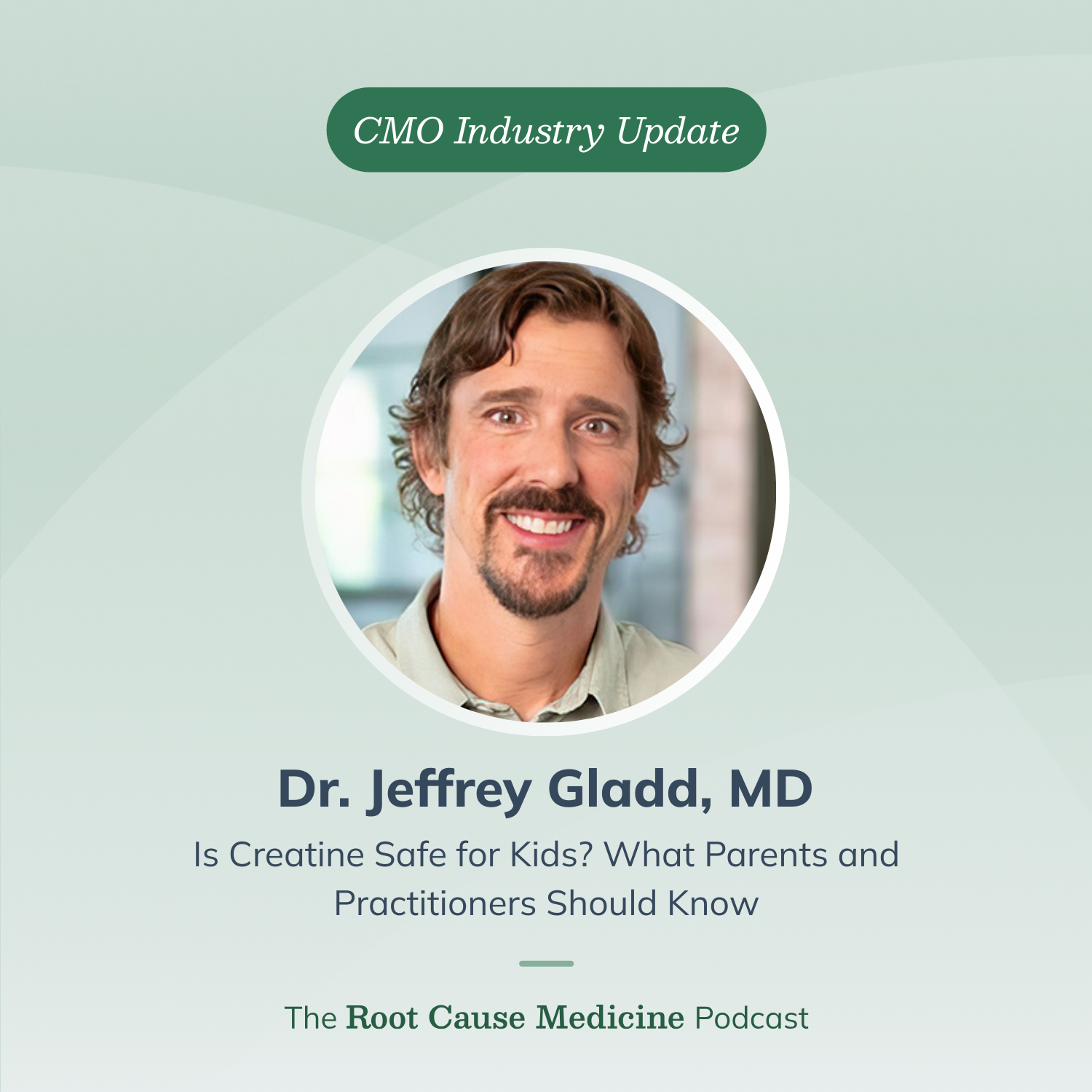
Is Creatine Safe for Kids? What Parents and Practitioners Should Know

Creatine is one of the most extensively researched nutrients in sports, metabolic, and brain health, yet parents and practitioners alike have questions about its use in children and adolescents. In this episode, Dr. Kate Kresge speaks with Jeff Gladd, MD, Chief Medical Officer at Fullscript, to clarify how creatine functions in normal physiology, what the research shows about pediatric safety, and how clinicians can guide families with confidence. Together, they explore growth-related energy needs and practical clinical considerations—offering an evidence-informed framework for responsible conversations about creatine use in youth. Is Creatine Safe for Kids? What Parents and Practitioners Should Know Creatine Supports Pediatric Energy Metabolism: Creatine is synthesized endogenously and obtained through diet, primarily from meat and fish. Average turnover is estimated at 2–4 g/day in adults, with children excreting approximately 14–15 mg/kg/day, reflecting ongoing metabolic demand during growth (Wang, 2018). Available Evidence Supports Safety in Healthy Youth: Although long-term pediatric-specific trials are limited, existing studies and decades of clinical use report no serious adverse events in healthy children and adolescents at typical doses (Kreider, 2017) Creatine Status Is Associated With Lean Mass and Bone Health: Lower creatine availability has been linked to lower lean mass accrual, lower bone mineral content, and less favorable body composition in youth (Korovljev, 2021). Clinical Context and Product Quality Are Key: Caution may be appropriate for individuals with known kidney disease. Professional-grade, single-ingredient creatine monohydrate is preferred over blends, which may contain unintended additives (Kreider, 2017). Emphasize a nutrition-first framework, with supplements as adjunctive support Review total protein and animal protein intake, especially in low-meat or vegetarian diets Assess caloric adequacy during growth spurts and high physical activity Adequate sleep and recovery during growth and training Balanced training loads to reduce overuse and endurance-related stress (Kreider, 2017). Creatine monohydrate is the most studied and evidence-supported form of creatine Professional-grade, third-party tested products, including NSF Certified for Sport® options for athletes. Practitioners can prescribe these through Fullscript (Kreider, 2017). Basic metabolic panel to assess renal function and electrolytes Body composition tracking when relevant Additional evaluation only when rare creatine synthesis or transport disorders are suspected (Kreider, 2017). 00:00 – Why creatine raises concerns for kids and teens 03:28 – How the body produces and uses creatine 05:39 – Low creatine availability and body composition 07:18 – Safety data and common side effects 09:07 – Addressing the “gateway supplement” myth 10:48 – Labs clinicians may consider for patients taking creatine 12:44 – Why supplement quality matters 13:45 – Choosing NSF Certified for Sport® creatine monohydrate 14:47 – Practical takeaways for families and clinicians Kreider RB, Kalman DS, Antonio J, Ziegenfuss TN, Wildman R, Collins R, Candow DG, Kleiner SM, Almada AL, Lopez HL. International Society of Sports Nutrition position stand: safety and efficacy of creatine supplementation in exercise, sport, and medicine. J Int Soc Sports Nutr. 2017 Jun 13;14:18. doi: 10.1186/s12970-017-0173-z. PMID: 28615996; PMCID: PMC5469049. Wang W, Du C, Lin L, Chen W, Tan L, Shen J, Pearce EN, Zhang Y, Gao M, Bian J, Wang X, Zhang W. Anthropometry-based 24-h urinary creatinine excretion reference for Chinese children. PLoS One. 2018 May 23;13(5):e0197672. doi: 10.1371/journal.pone.0197672. PMID: 29791502; PMCID: PMC5965866. Korovljev D, Stajer V, Ostojic SM. Relationship between Dietary Creatine and Growth Indicators in Children and Adolescents Aged 2-19 Years: A Cross-Sectional Study. Nutrients. 2021;13(3):1027. Published 2021 Mar 23. doi:10.3390/nu13031027 Antonio J, Candow DG, Forbes SC, Gualano B, Jagim AR, Kreider RB, Rawson ES, Smith-Ryan AE, VanDusseldorp TA, Willoughby DS, Ziegenfuss TN. Common questions and misconceptions about creatine supplementation: what does the scientific evidence really show? J Int Soc Sports Nutr. 2021 Feb 8;18(1):13. doi: 10.1186/s12970-021-00412-w. PMID: 33557850; PMCID: PMC7871530. Jagim AR, Stecker RA, Harty PS, Erickson JL, Kerksick CM. Safety of Creatine Supplementation in Active Adolescents and Youth: A Brief Review. Front Nutr. 2018 Nov 28;5:115. doi: 10.3389/fnut.2018.00115. PMID: 30547033; PMCID: PMC6279854. Geyer H, Parr MK, Mareck U, Reinhart U, Schrader Y, Schänzer W. Analysis of non-hormonal nutritional supplements for anabolic-androgenic steroids - results of an international study. Int J Sports Med. 2004 Feb;25(2):124-9. doi: 10.1055/s-2004-819955. PMID: 14986195.

16 minAbspielen in:

Do5Feb
The Root Cause Medicine Podcast

The Root Cause Medicine PodcastHost

Ashwagandha & Liver Injury: What Clinicians Need to Know with Dr Eric Viegas

In this Root Cause Medicine podcast episode, Dr. Kate Kresge is joined by Dr. Eric Viegas, quality and safety lead at Fullscript, to explore emerging concerns around ashwagandha-associated drug-induced liver injury (DILI). While ashwagandha remains one of the most widely used adaptogens in integrative medicine, recent international case reports have highlighted rare but clinically meaningful hepatic adverse events. This episode equips clinicians with a mechanistic understanding of potential risk factors, withanolide content that may increase vulnerability, and practical strategies for patient screening, education, and monitoring—without dismissing the therapeutic value of this foundational herb. Clinical Takeaways from This Episode Ashwagandha-Associated Drug-Induced Liver Injury (DILI) Is Rare but Documented Case reports from Japan, Iceland, and the U.S. describe hepatocellular injury typically occurring within 2–12 weeks of initiation, often resolving after discontinuation (Björnsson, 2020). Withanone and Oxidative Stress as a Proposed Mechanism The withanolide withanone may contribute to genotoxic and oxidative stress, particularly in states of depleted glutathione, potentially impairing hepatic detoxification capacity (Siddiqui, 2021). Withanolide Concentration Matters Products standardized to high withanolide content may pose greater theoretical risk compared to traditional whole-root or aqueous preparations (Björnsson, 2020). Patient Vulnerability Influences Risk Profile Individuals with pre-existing liver concerns, polypharmacy, high oxidative stress burden, or impaired phase II detoxification may warrant closer consideration and monitoring (Siddiqui, 2021). Clinical-Grade Supply Chains Support Risk Mitigation Practitioner-dispensed platforms with transparent sourcing, certificates of analysis, and clear extract documentation may help reduce exposure to adulterated or mischaracterized products. Patient Education and Monitoring Remain Frontline Tools Counseling on symptom awareness and considering baseline and follow-up liver enzymes may support safer use when ashwagandha is clinically appropriate. Guest Introduction Dr. Eric Viegas is a quality expert at Fullscript, where he oversees supplement quality programs, supply chain integrity, and clinical-grade standards. With expertise in pharmacology, toxicology, and nutraceutical regulation, Dr. Viegas supports practitioners in making evidence-informed decisions around supplement sourcing, formulation, and patient safety. Learn more: https://fullscript.com Labs, Nutrition, and Lifestyle Support Liver Function and Safety Monitoring Labs Comprehensive Metabolic Panel (CMP) ALT AST Total and direct bilirubin Alkaline phosphatase, as clinically indicated (Björnsson, 2020) Nutritional Considerations for Hepatic Resilience Adequate dietary protein to support glutathione synthesis (Siddiqui, 2021) Lifestyle and Integrative Support Strategies Review of total supplement and medication load with attention to polypharmacy Patient education on early symptoms of liver stress such as fatigue, pruritus, dark urine, and jaundice (Björnsson, 2020) All strategies are intended for educational support and clinical consideration and should be applied within the context of individualized care. Sponsor This episode is sponsored by Fullscript, a comprehensive care delivery platform designed to support whole-person, integrative healthcare. Fullscript allows clinicians to streamline supplement dispensing, lab ordering, and patient education in one free, centralized system—helping reduce administrative burden while supporting clinical decision-making. For practitioners, Fullscript offers access to professional-grade supplements, evidence-informed protocols, and lab integrations that can support more efficient treatment planning and follow-up. For patients, it provides a clear, organized way to receive recommendations, manage refills, and stay engaged in their care. The goal is not to replace clinical judgment, but to make it easier for clinicians to focus on what matters most: thoughtful, individualized patient care. FAQs 1) Can ashwagandha cause liver injury? Yes, but it appears to be rare. Published case series and reports describe ashwagandha-associated drug-induced liver injury (DILI) with symptom onset most often within weeks (commonly ~2–12 weeks) after starting, and improvement typically occurring after stopping the product. Clinicians should treat this as an uncommon, but plausible, idiosyncratic adverse event rather than a predictable toxicity for all users. (Björnsson et al., 2020) 2) What are the typical symptoms of ashwagandha-related liver injury? Reported presentations resemble other forms of DILI and may include fatigue, pruritus, dark urine, and jaundice; some patients may have nonspecific malaise before overt cholestatic or hepatocellular patterns are recognized on labs. Educate patients to discontinue the product and seek evaluation promptly if these symptoms occur. (Björnsson et al., 2020) 3) How long after starting ashwagandha might liver injury show up? In published cases, liver injury has typically appeared within 2 to 12 weeks after initiation (though individual variability exists, as with other DILI phenotypes). This timing supports a practical monitoring window for higher-risk patients, especially early in therapy. (Björnsson et al., 2020) 4) Who is at higher risk for ashwagandha-associated DILI? Risk appears to be influenced by host vulnerability and context, including pre-existing liver disease or prior liver injury, significant polypharmacy, and higher oxidative stress burden. Because DILI is often idiosyncratic, risk stratification is imperfect; however, these factors justify a more conservative approach and closer follow-up. (Siddiqui et al., 2021; Björnsson et al., 2020) 5) What is the safest way to use ashwagandha clinically? A clinically cautious approach is to: Prefer transparent, clinically vetted supply chains with clear extract specifications and quality documentation. Screen for liver history and medication/supplement load. Educate patients on early warning symptoms. Consider baseline and follow-up liver enzymes (e.g., ALT, AST, bilirubin) in higher-risk individuals or if symptoms develop. This framing supports safer use without implying the product is universally unsafe or “detoxifying,” and keeps claims within educational and clinical-monitoring boundaries (Björnsson et al., 2020; Siddiqui et al., 2021). References Björnsson HK, Björnsson ES, Avula B, Khan IA, Jonasson JG, Ghabril M, Hayashi PH, Navarro V. Ashwagandha-induced liver injury: A case series from Iceland and the US Drug-Induced Liver Injury Network. Liver Int. 2020 Apr;40(4):825-829. doi: 10.1111/liv.14393. Epub 2020 Feb 11. PMID: 31991029; PMCID: PMC8041491. Siddiqui S, Ahmed N, Goswami M, Chakrabarty A, Chowdhury G. DNA damage by Withanone as a potential cause of liver toxicity observed for herbal products of Withania somnifera (Ashwagandha). Curr Res Toxicol. 2021;2:72-81. Published 2021 Feb 16. doi:10.1016/j.crtox.2021.02.002

12 minAbspielen in: