Bekomm eine E-Mail, wenn Jordan in einem Podcast zu Gast istPodAppear prüft neue Folgen, sobald sie erscheinen, und lässt die weg, in denen Jordan nur erwähnt wird. Bis zu 15 Personen kostenlos, ohne Kreditkarte.Bis zu 15 Personen kostenlos, ohne Kreditkarte.
As shown by the recent flash floods, Nepali mountain communities are on the front line of climate change. Can they adapt?
Host Jordan Dunbar talks to two Sherpas who have become climate researchers. They are glaciologist Tenzing Chogyal Sherpa, and Pasang Yangjee Sherpa, who researches how global warming affects indigenous groups in Nepal.
This programme was recorded in July 2026.
Got a question for The Climate Question? Email us: theclimatequestion@bbc.com
Producers: Diane Richardson and Melanie Stewart-Smith
Sound engineer: Tom Brignell and Dave O'Neill
Editor: Simon Watts
Insects play a crucial role in food production and the spread of disease, as well as being keystone species in many ecosystems. What does a warmer world mean for them?
Climate Question hosts Graihagh Jackson and Jordan Dunbar talk to zoologist Dr Tim Cockerill, Senior Lecturer at Falmouth University.
Got a question or comment? You can email the team: theclimatequestion@bbc.com
Producers: Diane Richardson, Graihagh Jackson and Grace Braddock
Sound mix: Mike Regaard and Tom Brignell
Editor: Simon Watts
It’s one of the most commonly debated questions in the climate world: Is this weather we’re experiencing natural, or is it linked to man-made climate change?
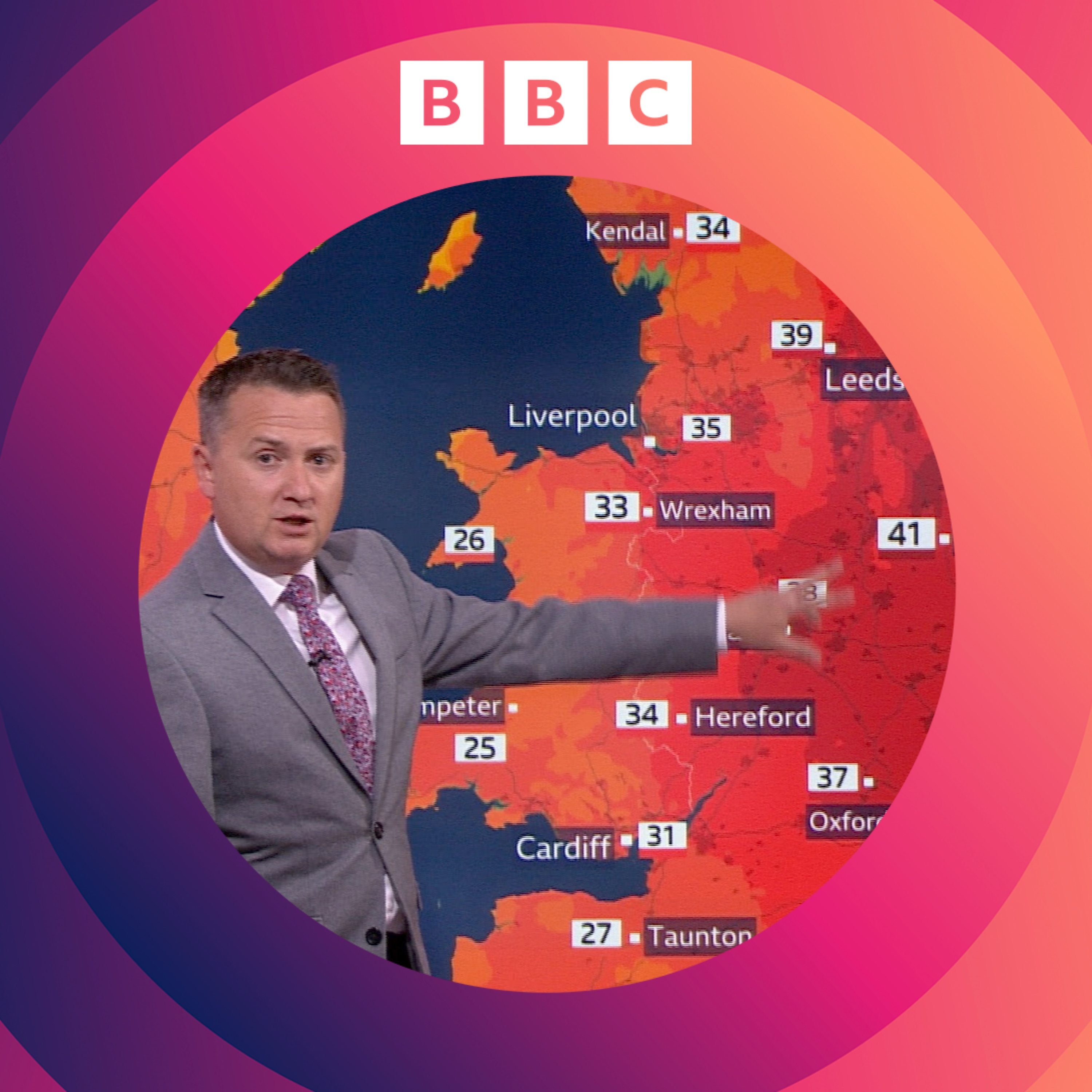
In this episode of The Climate Question, Hosts Graihagh Jackson and Jordan Dunbar are joined by BBC Lead Weather Presenter, Matt Taylor. Matt’s forecasts are seen not just in the UK but around the world.
Matt chats to Graihagh and Jordan about the crucial difference between weather and climate, and the challenge of communicating this on air. They discuss why heavy snowfall will still be possible in a warmer world, as well as the likely increase in droughts, heatwaves and extreme weather.
Matt also talks about whether climate change will make his forecasts more or less accurate. And he tells Graihagh and Jordan about an encounter with BBC wildlife legend, David Attenborough!
Got a climate question or comment? Email us at theclimatequestion@bbc.com
Presenters: Graihagh Jackson and Jordan Dunbar
Producers: Nik Sindle and Melanie Stewart-Smith
Sound Mix: Ricardo McCarthy and Tom Brignell
Editors: Simon Watts and Melanie Stewart-Smith
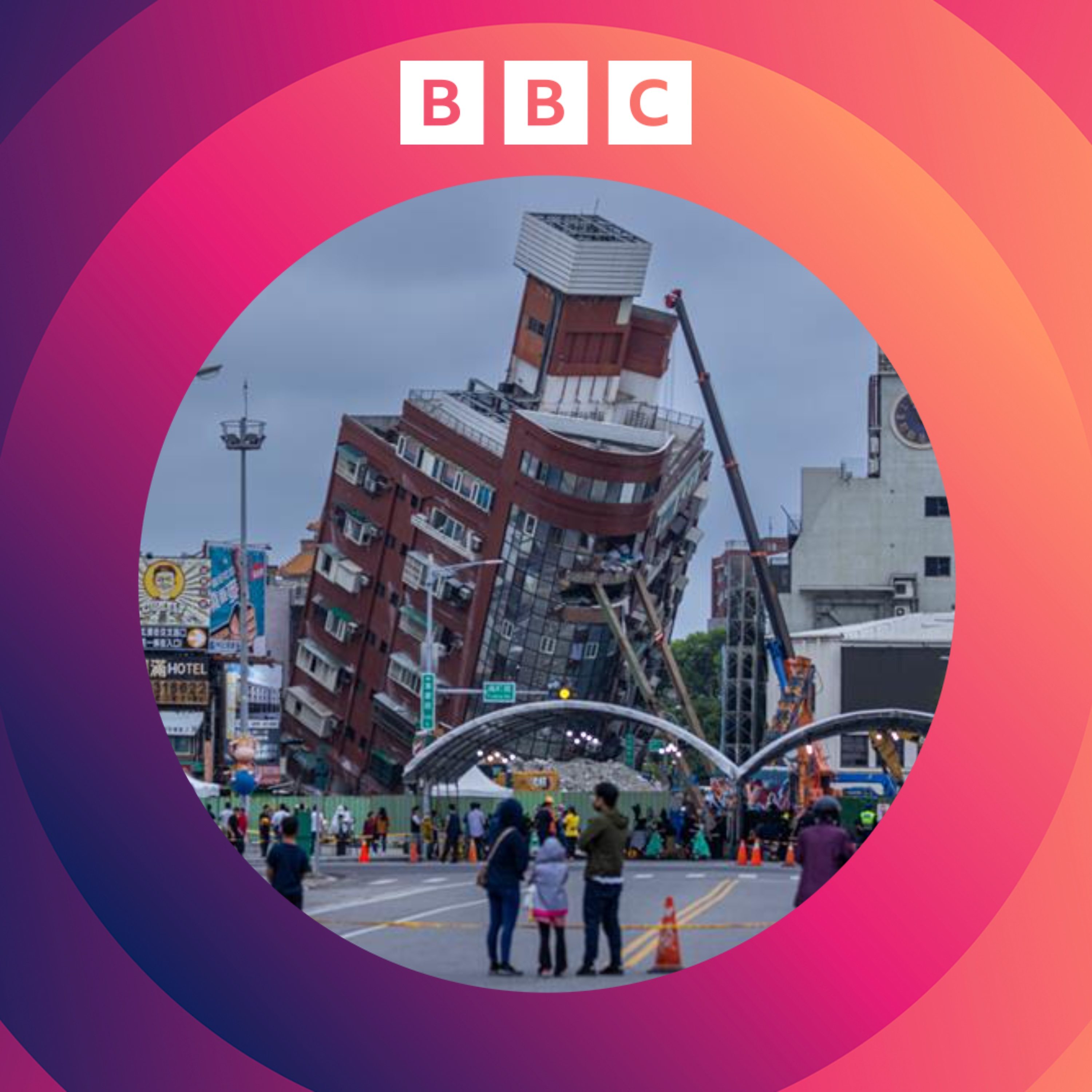
Earthquakes are caused by a sudden release of stress along faults in the earth's crust, not by climate change, but some new studies suggest that melting glaciers and permafrost may influence when, where and how often seismic activity occurs.
In this episode, hosts Graihagh Jackson and Jordan Dunbar chat to seismologist Dr. Verena Simon from the Swiss Seismology Service and Associate Professor of Geosciences at Colorado State University, Sean Gallen.
Got a question or comment? email us at theclimatequestion@bbc.com
Production team: Diane Richardson, Grace Braddock
Sound Engineer: Tom Brignell and Philip Bull
Production Coordinator: Brenda Brown.
Editor: Simon Watts.
(Photo by Annabelle Chih/Getty Images)
How much does advertising influence what we buy and how we think?
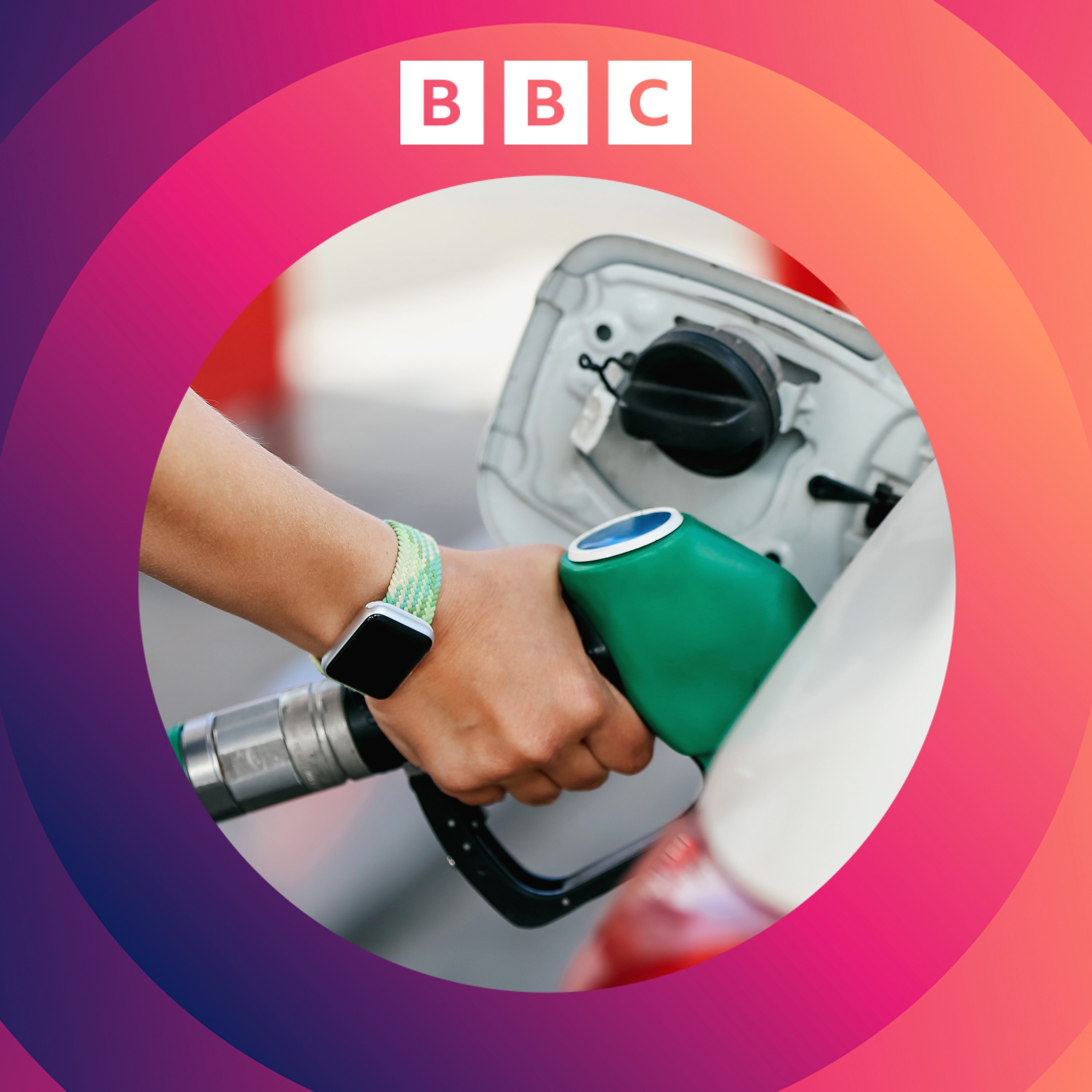
A growing number of cities are restricting adverts for fossil fuel products, from flights and petrol cars to gas heating. From May, Amsterdam is set to become the first capital city to do so. In 2024, the UN Secretary-General António Guterres called on countries to introduce similar bans worldwide.
In this episode of The Climate Question, Jordan Dunbar asks whether banning fossil fuel adverts is a good idea and whether it makes any difference when it comes to fighting climate change.
He speaks to Marco Silva from BBC Verify about the role advertising plays in shaping public attitudes, and Anna Holligan, the BBC's correspondent in The Hague, explains how the restrictions in The Netherlands actually work.
Guests:
Anna Holligan – BBC correspondent in The Hague
Marco Silva – Senior journalist, BBC Verify
Got a question or comment? email us at theclimatequestion@bbc.com
Production team: Grace Braddock, Diane Richardson, Nik Sindle, Melanie Stewart-Smith
Sound Engineer: Tom Brignell and James Piper
Production Coordinator: Brenda Brown
Editor: Simon Watts
Picture: Getty Images
Transport is one of the fastest-growing sources of greenhouse gas emissions, and in cities around the world it is also one of the biggest daily frustrations. Congestion, pollution and long journeys to work affect millions of people every day.
In this episode of The Climate Question, Jordan Dunbar explores how cities can move large numbers of people more quickly, cheaply and with fewer emissions. With most urban journeys still dominated by private cars, the challenge is how to shift people towards more efficient forms of transport.
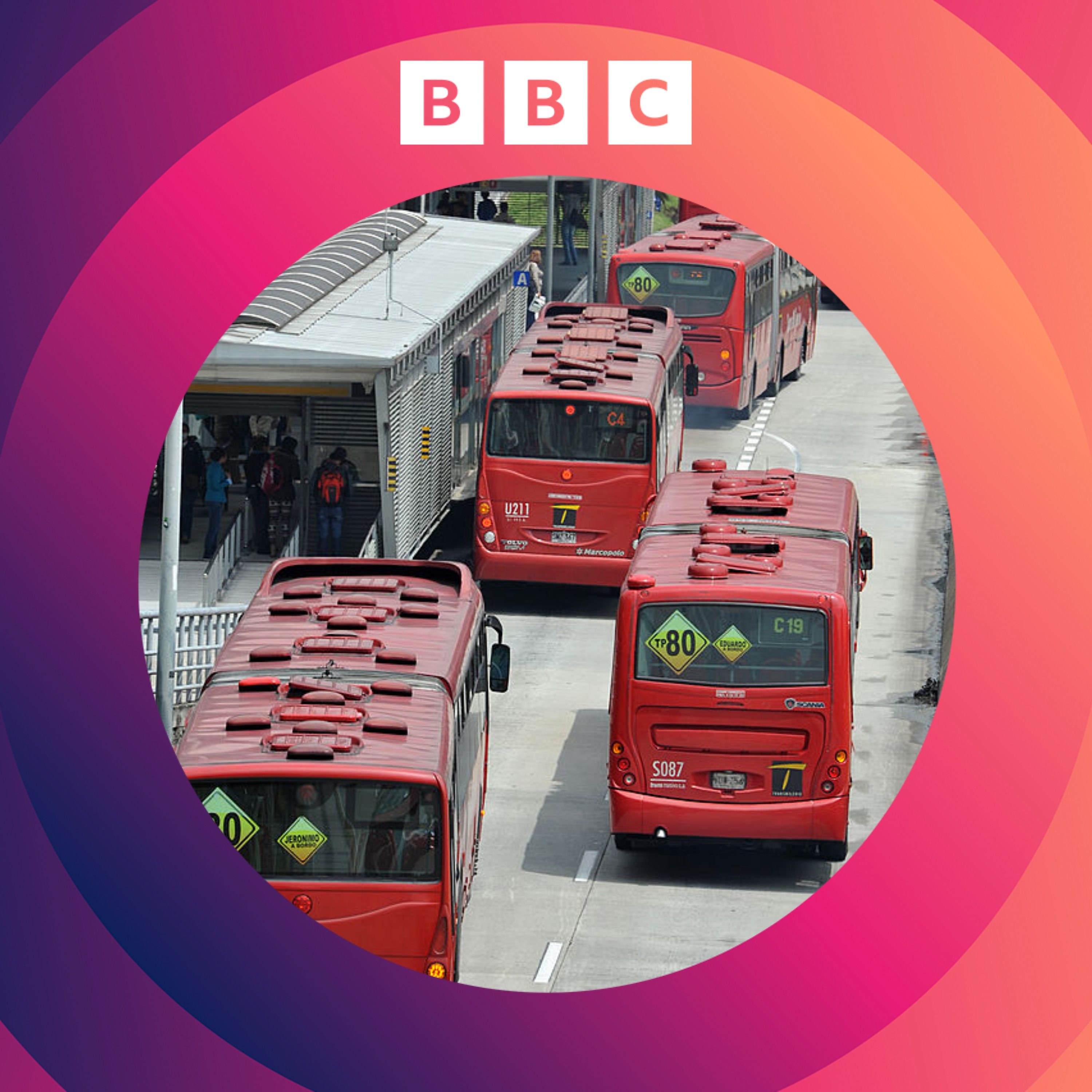
He speaks to Dario Hidalgo, a transport expert based in Bogotá, where a system known as Bus Rapid Transit has helped transform how millions of people travel. By giving buses dedicated lanes, larger vehicles and faster boarding systems, cities can move more people using fewer vehicles, cutting both congestion and emissions. Variations of the model are now being used in cities around the world.
Jordan also hears from Sarah Kaufman, Director of the NYU Rudin Center for Transportation in New York, about why similar systems can be harder to implement in dense cities, and how measures like congestion charging are helping to reduce traffic and fund improvements to public transport.
While electric cars are often seen as part of the solution, both experts say reducing the number of cars on the road altogether is key. From buses to bikes, they explore how cities might redesign transport systems to be cleaner, faster and more efficient.
Guests:
Dario Hidalgo – Professor of Transport and Logistics, Pontificia Universidad Javeriana, Bogotá
Sarah Kaufman – Director, NYU Rudin Center for Transportation, New York
Got a question or comment? email us at theclimatequestion@bbc.com
Production team: Grace Braddock, Diane Richardson, Nik Sindle
Sound Engineer: Tom Brignell and Mike Regaard
Production Coordinator: Brenda Brown
Editor: Melanie Stewart-Smith
Image: Guillermo Legaria/AFP via Getty Images
26 minAbspielen in:
Warum PodAppear
Folge Menschen, nicht Podcasts.
Du hast Jordan in einer Sendung gehört. PodAppear findet für dich die nächste, und genauso für alle anderen, die du hören willst.
Eine Meldung, wenn die Person zu Gast istPer E-Mail: sofort oder gebündelt als Tages- oder Wochenübersicht. Dann nur noch auf Play drücken.
Gäste statt bloßer ErwähnungenFolgen, in denen ein Name nur fällt, landen getrennt. Eine Meldung heißt: Die Person ist wirklich in der Sendung.
Alle in einem FeedGründerinnen, Autoren, Sportler, Forscherinnen. Folge allen mit Namen, quer durch jede Sendung, in der sie auftreten.