Bekomm eine E-Mail, wenn Jonny in einem Podcast zu Gast istPodAppear prüft neue Folgen, sobald sie erscheinen, und lässt die weg, in denen Jonny nur erwähnt wird. Bis zu 15 Personen kostenlos, ohne Kreditkarte.Bis zu 15 Personen kostenlos, ohne Kreditkarte.
Jonny kostenlos folgen
JA

Jonny Amos

Zwei Jahre auf Sendung

GastHostErwähnt

Selbst moderierte Folgen

Di29Sep
The Music Business Buddy

The Music Business BuddyHost

Episode 117: How Artists Can Build Real Fan Relationships

How OpenStage Is Changing the Artist–Fan Relationship What if artists could build a direct relationship with their fans — rather than relying on social platforms, streaming services and other third parties? In this episode of The Music Business Buddy, Jonny Amos speaks with Rob Sealy from OpenStage about the gap between having an audience and actually knowing who your fans are. The conversation explores why follower counts and streaming numbers don't tell the whole story, why consented fan data matters, and how artists can build deeper relationships with the people who genuinely support their careers. In This Episode Rob’s financial services background and how it shaped his approach to music. How his son’s band highlighted the disconnect between artists, fans and audience data. Why artists may know their follower numbers without knowing their most valuable fans. The financial reality facing artists and why gross income doesn't always mean sustainable earnings. Why streaming, social media and mailing lists can create a false sense of audience ownership. Why genuine fan relationships can be more valuable than raw reach or follower counts. How OpenStage helps artists capture consented fan data and build direct relationships. How personalised access, rewards and tiered experiences can build loyalty. How fan insight can improve touring, ticketing, marketing and campaigns. Timestamps 00:00 — Introducing Rob Sealy and OpenStage 01:12 — Rob’s background in financial services 03:18 — How his son’s band sparked OpenStage 05:42 — The disconnect between artists and fans 07:15 — Why artists don't always know their real fans 09:03 — The 7–10% revenue reality for artists 11:26 — The problem with streaming and social platforms 13:48 — Reach versus genuine fan relationships 15:32 — How OpenStage works 17:41 — Consent, fan data and audience ownership 19:56 — Creating personalised fan experiences 22:14 — Rewards and building loyalty 24:36 — Fan insight, touring and ticketing 27:02 — Understanding engaged fans 29:18 — Turning data into meaningful relationships 31:42 — Examples of OpenStage in action 34:05 — The future of the artist–fan relationship 36:12 — Why direct relationships matter Key Takeaways Reach Isn't the Same as Relationship Followers, streams and views don't necessarily mean an artist has a meaningful relationship with their audience. Understanding and engaging with fans directly can be far more valuable. Artists Need Greater Ownership Social platforms and streaming services provide huge reach, but artists don't control those platforms or necessarily have direct access to their audiences. Consented, first-party fan relationships can provide greater control and insight. Data Should Create Better Experiences Fan data is most valuable when it leads to better engagement — from personalised access and rewards to smarter touring, ticketing and marketing. The Future Is More Personal As technology makes it easier to reach huge audiences, genuine artist–fan relationships may become even more important. The question isn't simply: “How many people can I reach?” It's: “How well do I know the people who genuinely care about what I do?” About OpenStage OpenStage helps artists build stronger, more direct relationships with their fans through consented audience data and tools designed to create meaningful fan experiences. https://openstage.live
42 minAbspielen in:

Di22Sep
The Music Business Buddy

The Music Business BuddyHost

Episode 116: From Songwriting to Sync - Inside Independent Music Publishing

Phil Simpson on Independent Music Publishing, Sync and the Power of Human Taste Jonny Amos speaks with Phil Simpson, founder of First Original Music, about independent music publishing, sync, and why human relationships and taste remain at the heart of the business. Phil explains how First Original Music works with songwriters across publishing, administration and sync, what he looks for in a writer, and why a strong first approach can make such a difference. The conversation explores what makes a song genuinely useful for sync, how production and arrangement can affect opportunities, and why metadata, stems, instrumental versions and good presentation can improve a songwriter’s chances of being discovered and placed. In This Episode First Original Music’s approach to publishing, administration and sync. What Phil looks for in songwriters beyond simply making great music. Why personalised emails get attention while generic industry outreach is often ignored. What makes a song sync-friendly, including production, pacing and lyrical flexibility. How recording and arrangement choices can make a great song harder to place. The role of publishers as sounding boards in a writer’s long-term development. The growth of streaming content and the increasing competition for sync opportunities. Why metadata, stems, lyrics, instrumental versions and clean presentation matter. First Original Music’s move from global administration towards a network of independent international publishing partners. Why human taste and relationships remain crucial as technology and AI develop. Timestamps 00:00 — Introducing Phil Simpson and music publishing 01:00 — First Original Music’s deal models and sync focus 03:06 — What Phil looks for in a writer 05:36 — Why personalised emails get read 07:52 — What makes a song work for sync 08:22 — Production, pacing and lyrical ambiguity 10:44 — When recording choices affect sync opportunities 11:14 — Publishers as sounding boards 12:30 — More opportunities, but more music competing 13:26 — Metadata, stems, lyrics and codes 15:12 — Using stems for an editorial brief 16:34 — Specific songs for brands and shows 17:26 — Taste, timing and interpretation 19:54 — Why First Original moved away from global administration 21:48 — Building international indie publishing relationships 23:11 — Why smaller publishers can respond faster 24:44 — The future of independent publishing 26:09 — Human judgment and the limits of search tools 27:50 — AI, taste and human connection 28:31 — AI, attribution and provenance 29:36 — Building genuine publisher relationships 31:17 — Alignment, values and the importance of a strong first email Key Takeaways Don’t Write “For Sync” — Write Great Songs The strongest sync opportunities often come from authentic songs that are emotionally flexible and can be interpreted in different ways. Independent Publishing Is About Adding Value Great independent publishers bring taste, relationships, industry knowledge and hands-on support — not simply rights administration. Presentation Matters Good metadata, lyrics, stems, instrumental versions and organised assets make music easier for publishers and music supervisors to discover and use. Human Taste Still Matters Technology can improve discovery and attribution, but human judgment, instinct and relationships remain essential. Notable Quotes “What can we do to add value here?” “The fatal flaw in AI that will always be there is taste.”

37 minAbspielen in:

Di25Aug
The Music Business Buddy

The Music Business BuddyHost

Episode 112: How The Creator Economy Is Changing Music Licensing (With Chordal CEO Grayson Sanders)

In this episode, Chordal CEO Grayson Sanders joins me, Jonny Amos, for a discussion on the complexities of music licensing in the digital age, the potential of AI in rights management, and the future of micro-licensing for the creator economy. We explore how technology is transforming the industry and what it means for artists, rights holders, and content creators. Keywords music licensing, AI rights management, micro-licensing, digital content, creator economy, rights clearance, TikTok music, music industry innovation Key Topics Music licensing complexities in the internet age AI's role in rights management and licensing Micro-licensing as a scalable revenue model The future of music licensing by 2035 TikTok's music licensing innovations The role of human curation vs algorithms in music discovery Challenges faced by independent artists in licensing The impact of AI on music rights and discovery Takeaways Music rights are owned by multiple parties, making licensing complex. AI is used for rights cleaning, matching, and discovery, not for generating music. Micro-licensing is becoming essential due to internet content volume. Traditional blockbuster licensing will coexist with micro-licensing. Platforms like TikTok are pioneering scalable licensing solutions. Human curation remains vital despite AI advancements. Independent artists often lack knowledge about licensing requirements. AI can help manage rights more efficiently and fairly. Guest Name Grayson Sanders - CEO of Chordal Sound bites "Music licensing is more complex than ever." "AI helps manage rights, not just create music." "Community curation will outpace algorithms." Chapters 00:00 Introduction to music licensing challenges in the digital age 01:57 How music rights are owned and the complexity of licensing 03:53 The impact of the internet on licensing speed and scalability 06:10 Chordal's platform and its role in licensing and rights management 07:57 Expanding licensing to independent artists and creators 11:02 The rise of micro-licensing and its importance 13:58 The influence of AI in rights management and licensing 17:04 Future of licensing in 2035: human vs. platform transactions 20:00 The cultural shift back to human curation and community-based discovery 22:52 The role of AI in managing rights and enhancing discovery 25:56 The impact of platforms like TikTok on licensing and music use 33:01 The importance of fair remuneration and rights holder control 36:00 Final thoughts: coexistence of traditional and new licensing models Resources Chordal Platform - https://chordal.com Music Ally Article on TikTok Commercial Music Library - https://musically.com/2026/05/11/chordal-got-5bn-tiktok-views-for-commercial-music-library-tracks/

42 minAbspielen in:

Di11Aug
The Music Business Buddy

The Music Business BuddyHost

Episode 110: How Song Royalties Are Being Miscounted And How Tech Fixes It (Audoo CEO Ryan Edwards)

Your music can be playing in thousands of real-world places right now: cafés, shops, gyms, pubs, restaurants, clubs and grassroots venues. The uncomfortable truth is that public performance royalties are still often calculated from surveys, proxies and best guesses, not from actual usage. That means creators can be underpaid or overpaid, and a lot of value ends up drifting into the black box instead of reaching the people who wrote and performed the work.  I’m joined by Ryan Edwards, CEO of Audoo, a company building audio meters that help rights organisations measure what is really being played in venues. Ryan shares the moment he heard his own band’s track in a department store and realised he had no practical way to verify it on a royalty statement. We unpack the scale of the problem, including how limited sampling can distort distributions, and why accurate public performance reporting matters more than ever now that music catalogues are treated like investable assets.  We also get properly technical. Ryan explains how Audoo creates a digital fingerprint in real time, matches it against a massive catalogue, and stays GDPR compliant by never storing or transmitting raw audio. We talk about adoption barriers, why some collecting societies move fast while others resist change, and what accurate play data unlocks beyond payments: touring strategy, marketing timing, cultural campaigns, and clearer insight into where music actually lives in the world.  If you care about music licensing, PRO reform, royalty transparency, metadata, and fair pay for songwriters and performers, this one is for you. Subscribe for more deep dives into how the modern music industry works, share the episode with a creator who needs it, and leave a review telling me what part of royalty accounting you want decoded next. https://audoo.com Reach out to me ! Support the show Enjoyed this episode? Subscribe to The Music Business Buddy Brief for weekly insights on the future of the music industry, AI, artist development, rights and the creator economy. The podcast explains what's happening. The newsletter explains why it matters. Join The Music Business Buddy Brief for exclusive weekly insights on the future of the music industry. Subscribe: https://themusicbusinessbuddy.beehiiv.com Websites www.jonnyamos.com https://themusicbusinessbuddy.buzzsprout.com Instagram https://www.instagram.com/themusicbusinessbuddypodcast/ https://www.instagram.com/jonny_amos/ Email jonnyamos@me.com Newsletter Sign Up https://themusicbusinessbuddy.beehiiv.com

1 h 02 minAbspielen in:

Di4Aug
The Music Business Buddy

The Music Business BuddyHost

Episode 109: How and Why Sync Licensing Is About To Change (with Nathan Duvall)

Sync is meant to be simple: a great track, a clear brief, a fair fee, everyone gets paid. In reality, it can be weeks of chasing split sheets, conflicting PRO records, missing contacts and approvals that arrive too late to matter. I’m joined by hitmaker and builder Nathan Duvall to talk about what happens when the modern pace of content collides with a licensing system that still struggles to answer one basic question: who owns what, and where? We get into what Nathan is building with SyncIt, including the unglamorous but essential work of collating rights ownership data at scale and reducing the friction that slows down music licensing for adverts, TV, film, games and social campaigns. We also explore why big brands like L’Oreal cannot wait for endless back and forth, how licensing terms can price music out of the market, and why AI is already part of the toolkit whether the industry feels ready or not. Then we zoom out to sport and fan culture. Nathan explains Fanthem, an AI-powered fan engagement platform that lets supporters generate chants and anthems, and why FIFA is trialling it for the Under 17s World Cup. From there we move into artist strategy: building an audience while creating a licensable body of work, the shift towards visual-first music discovery, and the practical reality that expertise still matters when brands need cut-downs, mixes, masters and fast delivery. We close with a straight-talking look at masters ownership, multiple income streams, and the contract details artists overlook, especially retention period and consent clauses. If this helps, subscribe, share it with someone navigating sync licensing or label deals, and leave a review with your biggest takeaway. https://syncit.ac Reach out to me ! Support the show Enjoyed this episode? Subscribe to The Music Business Buddy Brief for weekly insights on the future of the music industry, AI, artist development, rights and the creator economy. The podcast explains what's happening. The newsletter explains why it matters. Join The Music Business Buddy Brief for exclusive weekly insights on the future of the music industry. Subscribe: https://themusicbusinessbuddy.beehiiv.com Websites www.jonnyamos.com https://themusicbusinessbuddy.buzzsprout.com Instagram https://www.instagram.com/themusicbusinessbuddypodcast/ https://www.instagram.com/jonny_amos/ Email jonnyamos@me.com Newsletter Sign Up https://themusicbusinessbuddy.beehiiv.com

37 minAbspielen in:

Warum PodAppear

Folge Menschen, nicht Podcasts.

Du hast Jonny in einer Sendung gehört. PodAppear findet für dich die nächste, und genauso für alle anderen, die du hören willst.

  • Eine Meldung, wenn die Person zu Gast istPer E-Mail: sofort oder gebündelt als Tages- oder Wochenübersicht. Dann nur noch auf Play drücken.
  • Gäste statt bloßer ErwähnungenFolgen, in denen ein Name nur fällt, landen getrennt. Eine Meldung heißt: Die Person ist wirklich in der Sendung.
  • Alle in einem FeedGründerinnen, Autoren, Sportler, Forscherinnen. Folge allen mit Namen, quer durch jede Sendung, in der sie auftreten.

Bis zu 15 Personen kostenlos, ohne Kreditkarte.

Di28Jul
The Music Business Buddy

The Music Business BuddyHost

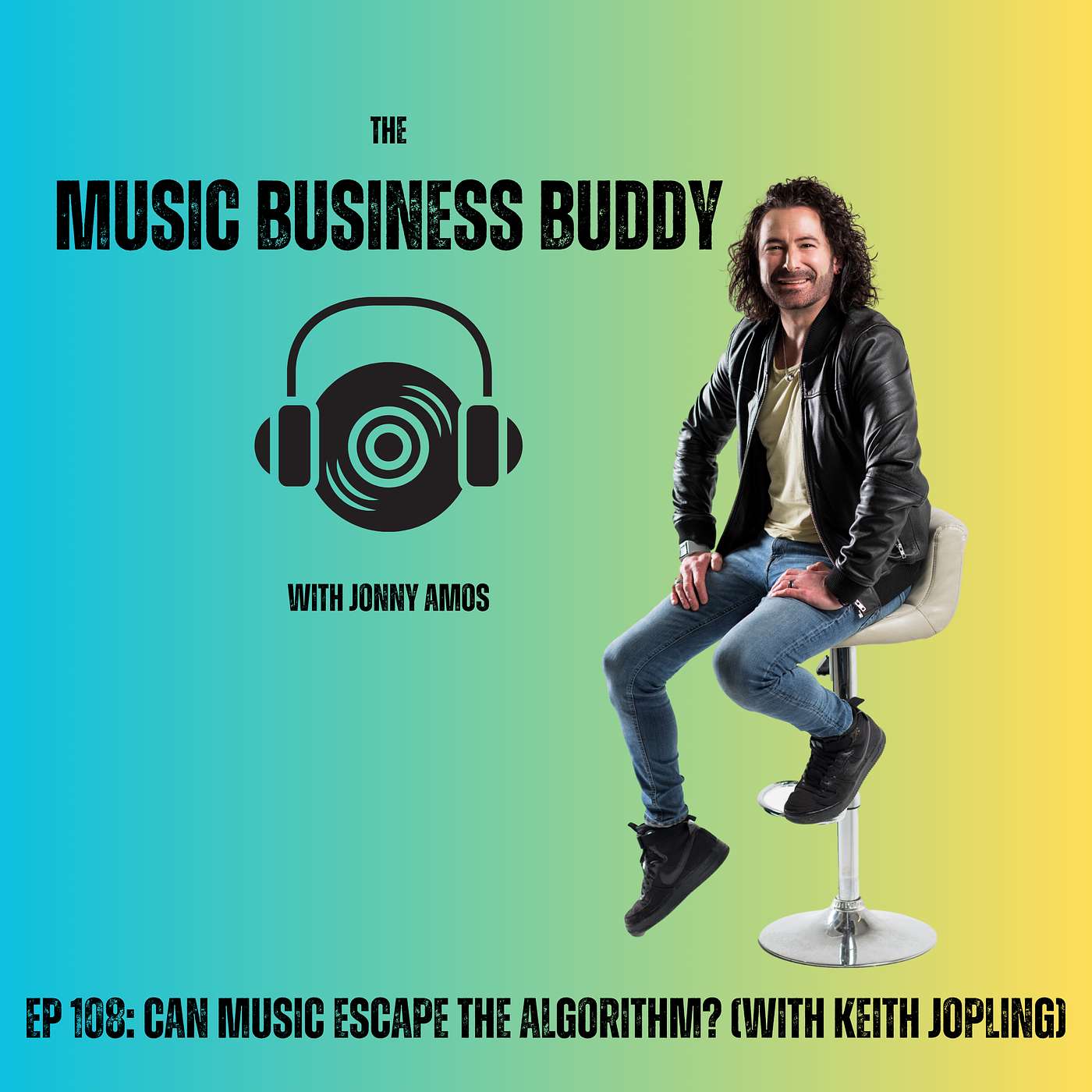
Episode 108: Can Music Escape The Algorithm? (with Keith Jopling)

You can feel it happening: a quiet revolt against the feed. When music becomes something we scroll past, count, and optimise, we lose the part that actually nourishes us. So I sit down with Keith Jopling, former Spotify global head of strategy and one of the UK’s sharpest music industry thinkers, to talk about the surprisingly radical idea at the heart of his book Body Of Work.   We start with the album and why it refuses to die. Keith breaks down what campaigns like Charli XCX’s Brat reveal about culture, timing, and the return of album-era moments, especially among younger fans. From Taylor Swift to Billie Eilish to Olivia Rodrigo, we explore why cohesive projects still matter even when “album consumption” is difficult to measure in the streaming era, and why physical formats like vinyl and CDs can be part fandom, part merch, and part a genuine route back to attention and meaning.  Then we get practical for creators: what constitutes a hit record in 2026? We look at how charts have become more industry-facing, what streaming numbers can and cannot tell you, and why the most honest metric might be the song your crowd sings back the loudest. We also challenge the obsession with measurement, including the growing pressure to treat music as a set of financial metrics, and land on the real antidotes: live music, better craft, and rituals like listening parties that make music communal again.  If you care about the future of the music business, the creator economy, and the health of music culture, press play. Subscribe, share this with a music obsessive, and leave a review with the last album you listened to front-to-back. https://www.songsommelier.com https://www.songsommelier.com/body-of-work Reach out to me ! Support the show Enjoyed this episode? Subscribe to The Music Business Buddy Brief for weekly insights on the future of the music industry, AI, artist development, rights and the creator economy. The podcast explains what's happening. The newsletter explains why it matters. Join The Music Business Buddy Brief for exclusive weekly insights on the future of the music industry. Subscribe: https://themusicbusinessbuddy.beehiiv.com Websites www.jonnyamos.com https://themusicbusinessbuddy.buzzsprout.com Instagram https://www.instagram.com/themusicbusinessbuddypodcast/ https://www.instagram.com/jonny_amos/ Email jonnyamos@me.com Newsletter Sign Up https://themusicbusinessbuddy.beehiiv.com

52 minAbspielen in:

Di30Jun
The Music Business Buddy

The Music Business BuddyHost

Episode 104: What Sustainable Artist Development Really Looks Like (With John Hart)

Most artists don’t fail because they lack talent. They fail because they rush, chase the wrong signals, or hand over control before they understand what they own. I’m joined by John Hart, A&R consultant and artist management specialist, for a straight-talking look at what sustainable artist development really means in today’s music industry. We get specific about what a good manager looks for and it’s not “who might get a hit”. John explains why he backs long-term career potential, why songwriting still sits at the centre of modern revenue, and how authenticity is built through clear identity rather than rigid genre rules. We also dig into audience thinking: who your fans are, what they value, and how that should shape everything from your visuals to your live strategy. From there we go deep on deal structures and rights. We talk publishing deals that fund recording, working with producers as true creative partners, and why keeping control of masters can open up options later through licensing deals, catalogue value, and smarter investment. We also cover the unglamorous money: neighbouring rights, mechanicals, and metadata, plus the mistakes artists make by releasing too early and treating Spotify like a shop instead of a discovery platform. We finish with the big shifts ahead, including AI, market fragmentation, and the resilience you need to survive rejection and keep moving. If you’re building a serious independent music career, hit subscribe, share this with an artist mate, and leave a review. Which part of your career needs a clearer plan right now? Reach out to me ! Support the show Enjoyed this episode? Subscribe to The Music Business Buddy Brief for weekly insights on the future of the music industry, AI, artist development, rights and the creator economy. The podcast explains what's happening. The newsletter explains why it matters. Join The Music Business Buddy Brief for exclusive weekly insights on the future of the music industry. Subscribe: https://themusicbusinessbuddy.beehiiv.com Websites www.jonnyamos.com https://themusicbusinessbuddy.buzzsprout.com Instagram https://www.instagram.com/themusicbusinessbuddypodcast/ https://www.instagram.com/jonny_amos/ Email jonnyamos@me.com Newsletter Sign Up https://themusicbusinessbuddy.beehiiv.com

56 minAbspielen in:

Di23Jun
The Music Business Buddy

The Music Business BuddyHost

Episode 103: What Great Music Producers Actually Do (With TenRoc)

Most music producers spend years trying to be louder, faster, and more impressive in the room. Tenroc argues the opposite;l the real edge is knowing what the song needs, then doing only that. Jonny Amos sits down with the New York songwriter-producer behind work connected to artists like Jon Bellion, Rihanna, the Jonas Brothers and Julia Michaels, and pulls back the curtain on how modern sessions actually function. We dig into the messy, practical question every producer faces - am I here to write, to build tracks, to programme drums, to play instruments, or to get out of the way? Tenroc explains how he reads the room, protects the creative flow, and builds relationships that last even when the song never gets released. He also shares a personal turning point: moving from behind-the-scenes work into putting out an album as an artist, driven by a clear sense of purpose. If you love craft, you will enjoy the nerdy details. Tenroc breaks down how he learned “commercial” sound through chart study and reverse-engineering, why emotion is often innate, and how tools like GarageBand, Logic Pro and FL Studio shaped his workflow. We also tackle the underrated skill that gets producers paid: finishing songs, using song structure to hold attention, and understanding when a verse, pre-chorus, hook, or bridge should appear. Finally, we talk music publishing in plain language - what a good publisher actually does, and why taste and collaborator fit matter more than chasing the biggest name on paper. If you want practical music production advice, major label session reality, and a clearer path for artist development, press play, then subscribe, share with a producer friend, and leave us a review. Reach out to me ! Support the show Enjoyed this episode? Subscribe to The Music Business Buddy Brief for weekly insights on the future of the music industry, AI, artist development, rights and the creator economy. The podcast explains what's happening. The newsletter explains why it matters. Join The Music Business Buddy Brief for exclusive weekly insights on the future of the music industry. Subscribe: https://themusicbusinessbuddy.beehiiv.com Websites www.jonnyamos.com https://themusicbusinessbuddy.buzzsprout.com Instagram https://www.instagram.com/themusicbusinessbuddypodcast/ https://www.instagram.com/jonny_amos/ Email jonnyamos@me.com Newsletter Sign Up https://themusicbusinessbuddy.beehiiv.com

28 minAbspielen in:

Di9Jun
The Music Business Buddy

The Music Business BuddyHost

Episode 101: How Independent Artists Build Funding Without Giving Away Ownership

When you approach crowdfunding with a plan, it becomes one of the most powerful tools an independent artist can use to fund an album, a tour, a music video, or the next career step without handing over control. I am joined by Ella Kuijpers and Remy Van Leeuwen, the founders of Crowdable; a crowdfunding platform built specifically for music. Remy and Ella kindly explain why their work is as much about hands on strategic support as it is about raising capital, and what “success” looks like behind the scenes. We talk through the practical mechanics that many artists miss: setting a realistic funding goal, building a clear project page with video and story, choosing rewards you can actually deliver, and communicating with urgency across socials, newsletters, and gigs. One of the most useful frameworks they share is the three group rollout: start with close friends and family to create momentum, then widen to peers and existing fans, and only then reach future fans who do not know you yet. We also get into the emotional side, including the fear of asking for money, and how to reframe a donation as giving supporters a real chance to be part of the work. Along the way, we place music crowdfunding in the wider UK music industry funding landscape as a tool that can sit alongside grants, distributor deals, and label investment, while also proving you have an engaged fan base. If you’re planning a crowdfunding campaign or wondering whether it can fit your artist business model, you’ll leave with a clearer strategy and fewer pitfalls. Subscribe, share this with an artist friend, and leave a review with the project you’d crowdfund next. https://www.crowdable.co.uk/ Reach out to me ! Support the show Enjoyed this episode? Subscribe to The Music Business Buddy Brief for weekly insights on the future of the music industry, AI, artist development, rights and the creator economy. The podcast explains what's happening. The newsletter explains why it matters. Join The Music Business Buddy Brief for exclusive weekly insights on the future of the music industry. Subscribe: https://themusicbusinessbuddy.beehiiv.com Websites www.jonnyamos.com https://themusicbusinessbuddy.buzzsprout.com Instagram https://www.instagram.com/themusicbusinessbuddypodcast/ https://www.instagram.com/jonny_amos/ Email jonnyamos@me.com Newsletter Sign Up https://themusicbusinessbuddy.beehiiv.com

34 minAbspielen in:

Di12Mai
The Music Business Buddy

The Music Business BuddyHost

Episode 97: How Artists Build Real Fans In China (Platforms, Strategy & What Actually Works)

China can look like the biggest opportunity in music and the easiest place to get lost. I sit down with Jonathan Heeter, who runs Middle8, an outsourced China division for Western labels and artists, to translate what actually works on the ground and what Western playbooks get wrong. We map the Chinese music streaming landscape through Tencent’s QQ Music ecosystem and NetEase Cloud Music, then dig into why discovery algorithms can feel more sophisticated while staying stubbornly opaque. The real unlock is measurement: when public streaming data is limited, engagement becomes the signal. Jonathan explains why comments on tracks matter, what “memetic behaviour” looks like across Chinese platforms, and how that turns into measurable fandom you can take to promoters and brands. From there we move into monetisation and deal structure. China’s music business often operates holistically, optimising total revenue across streaming, touring, brand partnerships and IP, rather than treating each income stream as a silo. We also get practical about sync licensing in China, why buyouts are common, and why commissioned brand integrations can be far more lucrative than chasing back-end pennies. Finally, we cover must-know platforms for music marketing in China, including Red Note (Xiaohongshu), WeChat, Bilibili and Weibo, plus the realities of expensive paid media and real-name verification rules. If you’re an artist, manager, label or publisher building a China strategy, this is your roadmap. Subscribe for more music business insight, share this with someone planning an international campaign, and leave a review with the one China question you still want answered. https://middle8.agency Reach out to me ! Support the show Enjoyed this episode? Subscribe to The Music Business Buddy Brief for weekly insights on the future of the music industry, AI, artist development, rights and the creator economy. The podcast explains what's happening. The newsletter explains why it matters. Join The Music Business Buddy Brief for exclusive weekly insights on the future of the music industry. Subscribe: https://themusicbusinessbuddy.beehiiv.com Websites www.jonnyamos.com https://themusicbusinessbuddy.buzzsprout.com Instagram https://www.instagram.com/themusicbusinessbuddypodcast/ https://www.instagram.com/jonny_amos/ Email jonnyamos@me.com Newsletter Sign Up https://themusicbusinessbuddy.beehiiv.com

48 minAbspielen in:

Di5Mai
The Music Business Buddy

The Music Business BuddyHost

Episode 96: How Indie X Turn Fans Into Income (Artist Ownership & Revenue Strategy)

The fastest way to stall a music career is to build a following you can’t reach. I sit down with Jack McCarthy from IndieX to get practical about artist ownership: how attention becomes data, how data becomes relationships, and how relationships become reliable income that does not vanish between releases and tours. We talk through a simple framework that turns the fuzzy idea of a “fan base” into something you can measure and improve: audiences on social platforms, contacts on your email list or text list, customers who buy directly, and repeat customers who come back. From there, we get into real-world music marketing moves that pull people closer, from live show list-building to online offers like early access, tour location prompts, and creative drops that feel aligned with your art. Jack also explains the “revenue roller coaster” and why so many artists ride painful spikes around albums and touring. The alternative is always-on e-commerce marketing: lightweight campaigns throughout the year, smart calendars, and a clear customer journey that builds cash flow over time. We also get honest about streaming revenue, how to use streaming data as leverage, and why direct-to-fan should mean fewer middlemen, not new ones hiding behind shiny platforms. If you want a more sustainable music business built on fan data, e-commerce, and direct-to-consumer strategy, hit play, then subscribe, share this with one artist friend, and leave us a review.  https://indepreneur.io/services/ Reach out to me ! Support the show Enjoyed this episode? Subscribe to The Music Business Buddy Brief for weekly insights on the future of the music industry, AI, artist development, rights and the creator economy. The podcast explains what's happening. The newsletter explains why it matters. Join The Music Business Buddy Brief for exclusive weekly insights on the future of the music industry. Subscribe: https://themusicbusinessbuddy.beehiiv.com Websites www.jonnyamos.com https://themusicbusinessbuddy.buzzsprout.com Instagram https://www.instagram.com/themusicbusinessbuddypodcast/ https://www.instagram.com/jonny_amos/ Email jonnyamos@me.com Newsletter Sign Up https://themusicbusinessbuddy.beehiiv.com

37 minAbspielen in:

Di28Apr
The Music Business Buddy

The Music Business BuddyHost

Episode 95: How SongPot AI is Changing Music Discovery (And What It Means for Sync & Creators)

You can feel the right track in your bones, but finding it inside a giant catalogue can still be painfully slow. That gap between what we mean and what search engines can understand is where sync licensing briefs stall, temp tracks take over, and great back catalogue gets left behind. I'm joined by Tiangu Zhu, founder of Songpot, to unpack a simple but ambitious goal: building AI that truly understands music as a language, not just as metadata. We talk through the real-world problems music supervisors and media teams face when words fail. Genre, mood and “danceability” are subjective, tagging is inconsistent, and a song rarely fits neatly into a few labels. Tiangu explains how AI music discovery can analyse audio itself to reveal “unspoken similarities”, helping libraries and rights holders improve music search, speed up clearance workflows, and deliver better matches for sync licensing. We also get into how Songpot can sit in the stack as a platform or an API for more tech-native companies. Then we flip to the creator side. Tiangu makes a clear case for human-centred generative AI: not replacing artists, but acting like a new instrument for producers and musicians. From prototyping ideas faster to turning a hummed melody plus a style into an instant draft, the focus stays on helping creators translate what’s in their head into something they can actually hear, share, and refine. If you care about music supervision, music libraries, catalogue value, music information retrieval, or practical AI tools for music production, this conversation will stretch your thinking. Subscribe for more, share this with a friend in sync or production, and leave a review if you want us to keep bringing you guests building the future of the music industry. https://songpot.art Reach out to me ! Support the show Enjoyed this episode? Subscribe to The Music Business Buddy Brief for weekly insights on the future of the music industry, AI, artist development, rights and the creator economy. The podcast explains what's happening. The newsletter explains why it matters. Join The Music Business Buddy Brief for exclusive weekly insights on the future of the music industry. Subscribe: https://themusicbusinessbuddy.beehiiv.com Websites www.jonnyamos.com https://themusicbusinessbuddy.buzzsprout.com Instagram https://www.instagram.com/themusicbusinessbuddypodcast/ https://www.instagram.com/jonny_amos/ Email jonnyamos@me.com Newsletter Sign Up https://themusicbusinessbuddy.beehiiv.com

44 minAbspielen in:

Do16Apr
The Music Business Buddy

The Music Business BuddyHost

Episode 93: Inside Hit-Making With Grammy-Winning A&R Pete Ganbarg

Hits don’t happen by accident. They happen when the right singer meets the right song and a focused team executes without ego. That’s the throughline of my conversation with Pete Ganbarg—a two-time Grammy-winning A&R leader whose fingerprints are on era-defining records and publishing wins—spanning artist development, writer mentorship, and the power of aligned campaigns. We start with the essentials: what makes an artist investable today. Pete is blunt about work ethic, output, and urgency in a short attention span world. From there, we bridge the recorded and publishing sides. He treats writers like artists, investing patience and guidance until they can “ride the bike” solo. That approach has generated heavyweight copyrights and resilient careers, supported by smart admin partnerships and precise registrations across ASCAP, BMI, and global sub-publishers. As the landscape shifts—piracy, social feeds, streaming, and now AI—Pete’s stance is steady. A&R doesn’t change: great songs plus great voices. He sees AI as a tool, like sampling or synths, provided provenance is trackable and creators are paid. The public cares about what they feel, not how a track was made. To show what execution looks like, Pete breaks down the Daughtry debut: five people, six weeks, crystal roles, seven million albums. That’s what happens when a team plays its positions and the music lands seamlessly with listeners. We also dig into Pete’s path from chart-obsessed fan to A&R chief, the advice he’d give his 18-year-old self, and the “invisible fingerprints” philosophy—do the work so well no one knows your name, only the artist’s. Finally, we explore Rock and Roll High School, the podcast he launched to teach music history to young teams that has grown into a living archive of first-person stories from the creators behind the songs we love. Context sharpens ears; literacy in the past fuels better signings and smarter strategies today. If you care about building a durable music career—artist or writer—this is a masterclass in development, royalties, rights, teamwork, and taste. Subscribe, share with a creative friend, and leave a review telling us the biggest lesson you’re taking into your next release. Reach out to me ! Support the show Enjoyed this episode? Subscribe to The Music Business Buddy Brief for weekly insights on the future of the music industry, AI, artist development, rights and the creator economy. The podcast explains what's happening. The newsletter explains why it matters. Join The Music Business Buddy Brief for exclusive weekly insights on the future of the music industry. Subscribe: https://themusicbusinessbuddy.beehiiv.com Websites www.jonnyamos.com https://themusicbusinessbuddy.buzzsprout.com Instagram https://www.instagram.com/themusicbusinessbuddypodcast/ https://www.instagram.com/jonny_amos/ Email jonnyamos@me.com Newsletter Sign Up https://themusicbusinessbuddy.beehiiv.com

34 minAbspielen in:

Di31Mär
The Music Business Buddy

The Music Business BuddyHost

Episode 91: How to Become a Session Drummer (Real Career Path with Collette Williams)

The path from rehearsal room to global stages is rarely straight, and Collette Williams shows how grit, honesty, and community can bend the line in your favour. I sit down with the session drummer and multi-instrumentalist to unpack the craft behind TV appearances, the leap from drum tech to the Blossoms live setup, and the mindset that turns fear into fuel when the brief suddenly changes. Collette opens the door on the contrast between mimed TV performances and fully live broadcasts: the glued hi-hats, the choreography of movement, the pressure of one-take camera cuts, and the pure rush of playing Later… with Jools Holland while your heroes watch from the balcony. Then we trace the moment networking met readiness: a chance meeting with Blossoms’ tour manager led to drum tech gigs at Reading and Leeds, a seat on percussion and backing vocals, and finally a bold shift to acoustic guitar and keys when the new album demanded it. She didn’t posture—she negotiated for support, practised with intent, and walked on at Gunnersbury Park in front of 50,000. We also rewind to Rews, the heavy-rock duo that became the first signing to Marshall Records. The secret wasn’t hype; it was relentless touring, authentic conversations at the merch desk, and a fan-first approach that attracted management, booking power, and a label partnership. Along the way, Colette shares clear, hard-won lessons for music creators about networking that sticks, artist development, session etiquette, and building a patchwork career that includes teaching and side hustles without losing artistic momentum. Her most personal chapter challenges a stubborn industry myth. Performing at seven months pregnant, her waters broke mid-show; plans changed, but the mission didn’t. Visibility can be a conversation as much as a spotlight. With candour and warmth, Colette shows how to balance touring and parenting with supportive teams, flexible logistics, and a focus on what matters most: presence over perfection. If you found value in this story, follow the show, share it with a friend who needs the nudge, and leave a review so more creators can find it. Reach out to me ! Support the show Enjoyed this episode? Subscribe to The Music Business Buddy Brief for weekly insights on the future of the music industry, AI, artist development, rights and the creator economy. The podcast explains what's happening. The newsletter explains why it matters. Join The Music Business Buddy Brief for exclusive weekly insights on the future of the music industry. Subscribe: https://themusicbusinessbuddy.beehiiv.com Websites www.jonnyamos.com https://themusicbusinessbuddy.buzzsprout.com Instagram https://www.instagram.com/themusicbusinessbuddypodcast/ https://www.instagram.com/jonny_amos/ Email jonnyamos@me.com Newsletter Sign Up https://themusicbusinessbuddy.beehiiv.com

50 minAbspielen in:

Mi4Mär
The Music Business Buddy

The Music Business BuddyHost

Episode 87: How Artists Define Their Sound, Genre & Identity (Step-by-Step)

Identity isn’t a vibe—it’s a system. We dig into the practical steps artists can take to define who they are, where they fit, and how that clarity turns into real momentum. From choosing a primary genre and useful secondary tags to shaping a sonic identity you can reproduce live and across records, we share a toolkit that makes your music easier to find, understand, and support. We talk about the evolution from influence to originality, and how scenes, culture, and technology leave fingerprints on your sound. You’ll hear why Auto‑Tune can be a pillar, how TikTok subtly rewires structure, and why the “bedroom pop” aesthetic still echoes in today’s hits. We unpack message and values—how artists like Taylor Swift and Oasis align behaviour, lyrics, and community to project a clear promise fans can believe in. Authenticity becomes more than a buzzword when your music, conduct, and visuals agree. Sonic identity gets special focus: production choices, vocal delivery, repeatable chains, and the role of collaborators. We dig into producer‑artist chemistry—think Quincy Jones and Michael Jackson, 40 and Drake—and how the right partnership can reveal the strongest version of your sound. Finally, we translate audio to visuals with branding: colours, textures, type, and styling that make you recognisable at a glance. When your identity is clear, metadata, playlisting, PR, and partnerships stop being guesswork and start working together. If you found this helpful, follow the show, share it with a fellow creator, and leave a quick review telling us your primary and secondary genres—let’s see where you fit. Reach out to me ! Support the show Enjoyed this episode? Subscribe to The Music Business Buddy Brief for weekly insights on the future of the music industry, AI, artist development, rights and the creator economy. The podcast explains what's happening. The newsletter explains why it matters. Join The Music Business Buddy Brief for exclusive weekly insights on the future of the music industry. Subscribe: https://themusicbusinessbuddy.beehiiv.com Websites www.jonnyamos.com https://themusicbusinessbuddy.buzzsprout.com Instagram https://www.instagram.com/themusicbusinessbuddypodcast/ https://www.instagram.com/jonny_amos/ Email jonnyamos@me.com Newsletter Sign Up https://themusicbusinessbuddy.beehiiv.com

21 minAbspielen in:

Mi25Feb
The Music Business Buddy

The Music Business BuddyHost

Episode 86: Music Rights & Catalogues Explained (What Artists Must Understand)

What if the biggest lever on your music’s success isn’t a new single, but the data behind it? We sit down with music catalogue specialist Robin Maddicott to unpack the hidden systems that decide where your tracks land, who discovers them, and how the money finds its way back. From artist-page mapping to remixer credit strategy, Robin shows how small metadata choices create outsized results on Spotify, Apple Music, and beyond. We also lift the hood on catalogue as an asset class. Clean data isn’t just tidy admin; it’s enterprise value. Robin explains why verified splits, consistent identifiers, and transparent collections command better multiples, and how deep audits can surface black-box income in neglected territories. For buyers, broken data can be opportunity. For creators, discipline at the point of creation is the cheapest way to protect long-term value. Then we confront the AI frontier. Can provenance standards like C2PA embed authorship into audio and make attribution machine-readable? Where do detection tools work, and where do they fail when a human re-records an AI seed? Robin maps a path toward fair licensing of training data and recognition of reused “music DNA” without stifling creativity. Finally, we talk campaign strategy: why integrity is the new scarcity, how catalogue storytelling (like the José González anniversary) expands audiences, and why the pendulum may swing from always-on posting back to crafted, seasonal moments that restore a bit of mystique. If you care about discovery, royalties, and future-proofing your rights in an AI-driven market, this conversation gives you a playbook and a compass. Subscribe, share with a fellow creator, and leave a review with the one metadata fix you’ll implement this week. Reach out to me ! Support the show Enjoyed this episode? Subscribe to The Music Business Buddy Brief for weekly insights on the future of the music industry, AI, artist development, rights and the creator economy. The podcast explains what's happening. The newsletter explains why it matters. Join The Music Business Buddy Brief for exclusive weekly insights on the future of the music industry. Subscribe: https://themusicbusinessbuddy.beehiiv.com Websites www.jonnyamos.com https://themusicbusinessbuddy.buzzsprout.com Instagram https://www.instagram.com/themusicbusinessbuddypodcast/ https://www.instagram.com/jonny_amos/ Email jonnyamos@me.com Newsletter Sign Up https://themusicbusinessbuddy.beehiiv.com

39 minAbspielen in: