Bekomm eine E-Mail, wenn Jon in einem Podcast zu Gast istPodAppear prüft neue Folgen, sobald sie erscheinen, und lässt die weg, in denen Jon nur erwähnt wird. Bis zu 15 Personen kostenlos, ohne Kreditkarte.Bis zu 15 Personen kostenlos, ohne Kreditkarte.
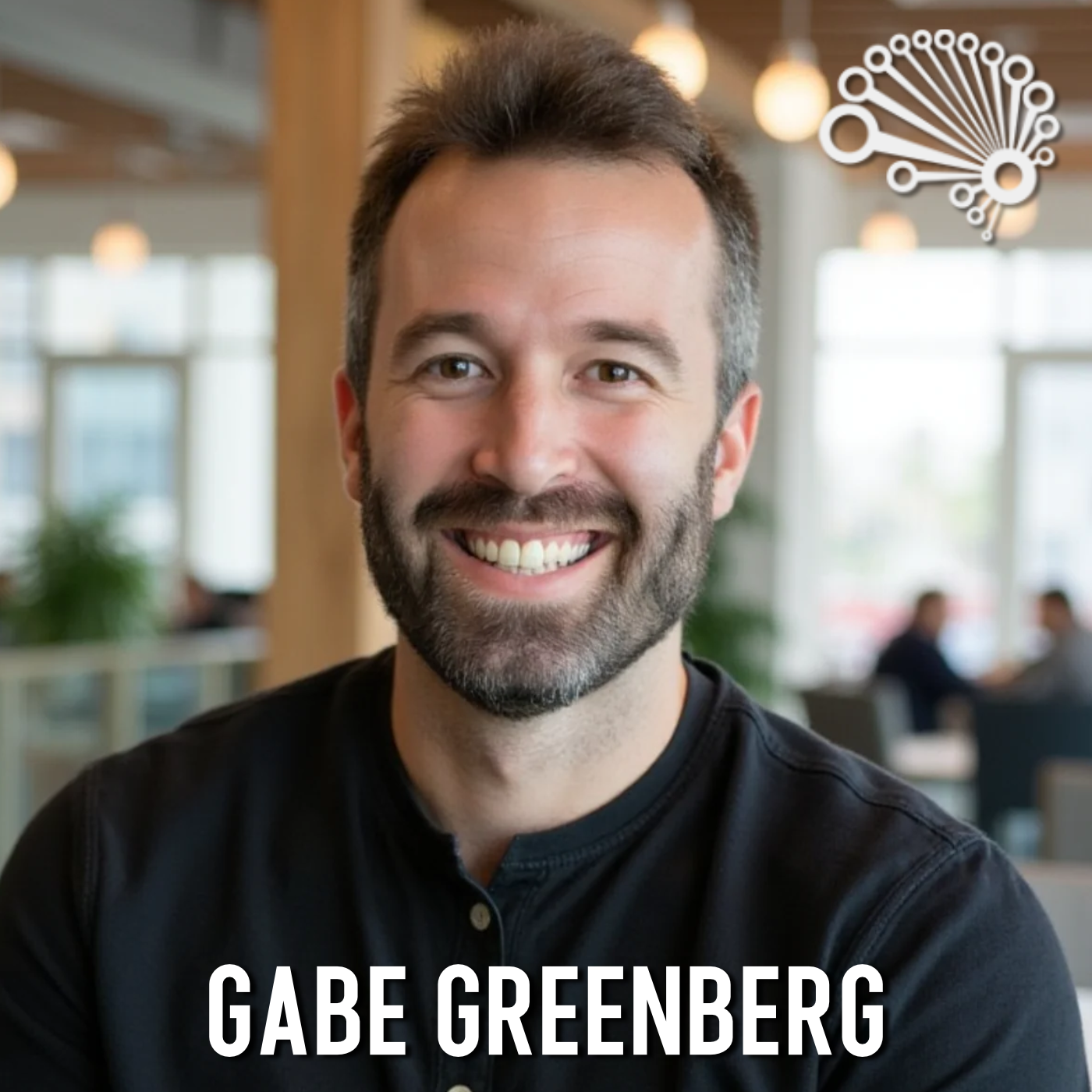
In Episode #1048, Gabe Greenberg (Founder and CEO of G2i) joins Jon Krohn to describe the human labour behind frontier AI. G2i grew from a one-person shop to $15 million in revenue with no VC backing, and its bench of 8,000 vetted engineers now builds the reinforcement learning data and environments that frontier labs train on; over the past year G2i paid those engineers $50 million. Three years ago the work could be done by thousands of junior engineers at $20 to $40 an hour, and today it takes staff-level experts commanding $200 to $300. In this episode, Gabe explains what changed, why SWE-bench and its successors saturated into uselessness, what fidelity an RL environment has to reach before it improves a model, and how G2i's own agentic platform has written tens of millions of lines of production code.
Interested in sponsoring a SuperDataScience Podcast episode? Email natalie@superdatascience.com for sponsorship information.
In this episode you will learn:
(00:06:36) Why frontier data now needs staff-level engineers
(00:09:02) Why recursive self-improvement does not worry him
(00:16:25) Replacing Salesforce in about a week
(00:24:47) What broke SWE-bench and SWE-bench Pro
38 minAbspielen in:
Di24Nov
Super Data Science: ML & AI Podcast with Jon KrohnHost
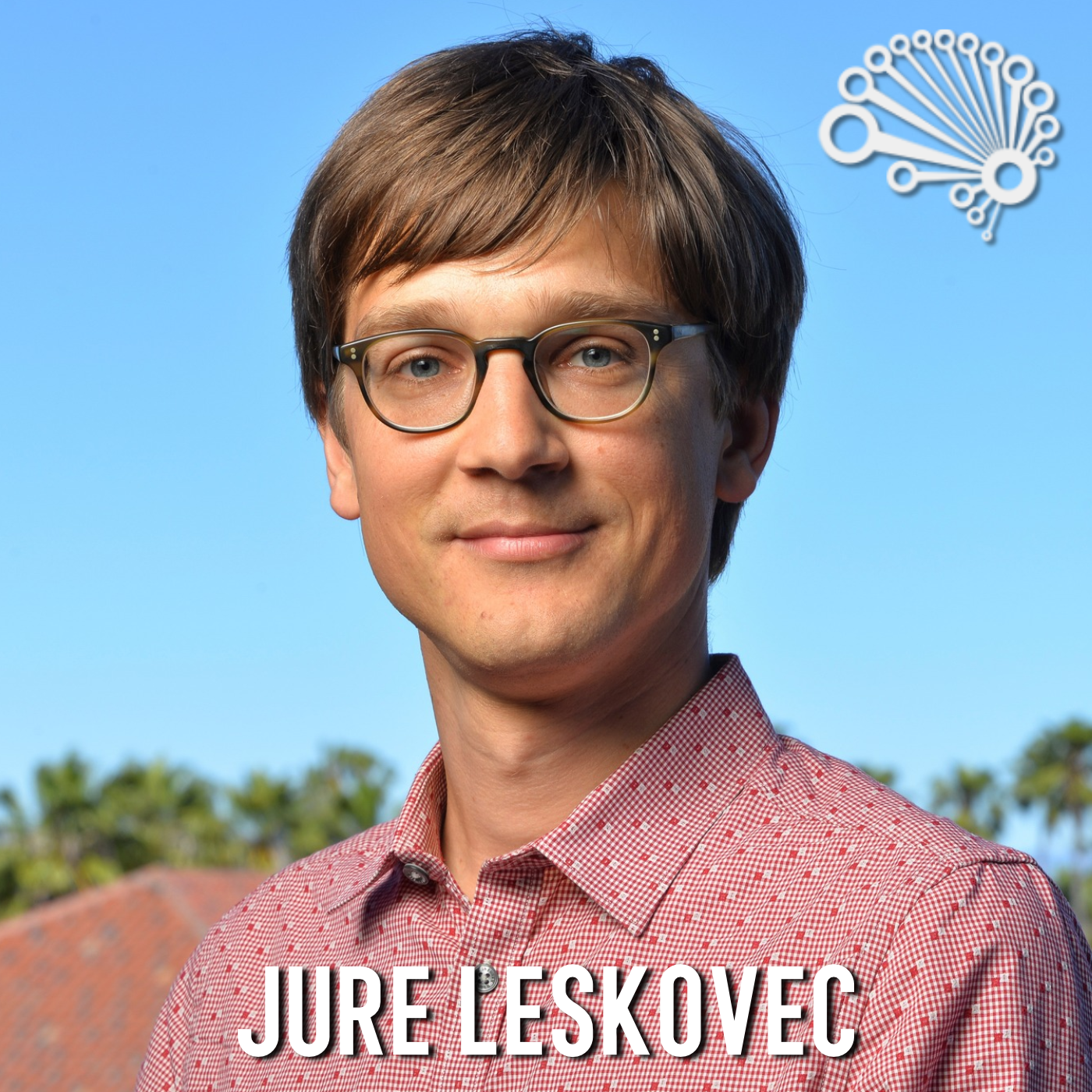
In Episode #1047, Jure Leskovec (Professor of Computer Science at Stanford and co-founder of Kumo AI, now part of NVIDIA) joins Jon Krohn to explain how a foundation model that has never seen real data can beat hand-built models on enterprise tables. These models need no feature engineering and no training. Jure pioneered graph neural networks, and since NVIDIA acquired Kumo, his team has released the full Kumo family as open weights under a license that allows commercial use. In this episode, Jure breaks down the four Kumo models for tabular, relational, forecasting and anomaly-detection tasks, explains how they are pre-trained on synthetic data, describes how Biomni came to be used by more than 10,000 scientists within weeks and lays out why he believes human judgment has never been more valuable.
Additional materials: www.superdatascience.com/1047
Interested in sponsoring a SuperDataScience Podcast episode? Email natalie@superdatascience.com for sponsorship information.
In this episode you will learn:
(00:06:18) How Kumo Tabular makes predictions without any training
(00:15:20) Pre-training tabular models on purely synthetic data
(00:26:28) Kumo Relational and treating a database as a graph
(00:51:47) Why human judgment is becoming more valuable
1 h 11 minAbspielen in:
Fr20Nov
Super Data Science: ML & AI Podcast with Jon KrohnHost
In Episode #1046, Billur Engin (who leads data science and analytics at Prolific) joins Jon Krohn to explain how to design experiments that actually teach you something. Too many A/B tests, she says, are like bathroom scales trying to weigh a feather the effect is real, but the system was never built to detect it. In her first-ever podcast appearance, Billur walks through why complexity has to earn its place in your models, the biggest myth about A/B testing, the AA test she runs to catch broken measurement, three ways to get at causality when you can’t run a controlled experiment, and why causal inference matters more than ever now that prediction has become cheap.
Interested in sponsoring a SuperDataScience Podcast episode? Email natalie@superdatascience.com for sponsorship information.
In this episode you will learn:
(01:18) What Prolific does and why representative data matters
(05:19) Why complexity has to earn its place
(07:29) The biggest myth about A/B testing
(11:34) Why causal inference matters more than ever
(14:39) Getting at causality when you can’t run an experiment
25 minAbspielen in:
Di17Nov
Super Data Science: ML & AI Podcast with Jon KrohnHost
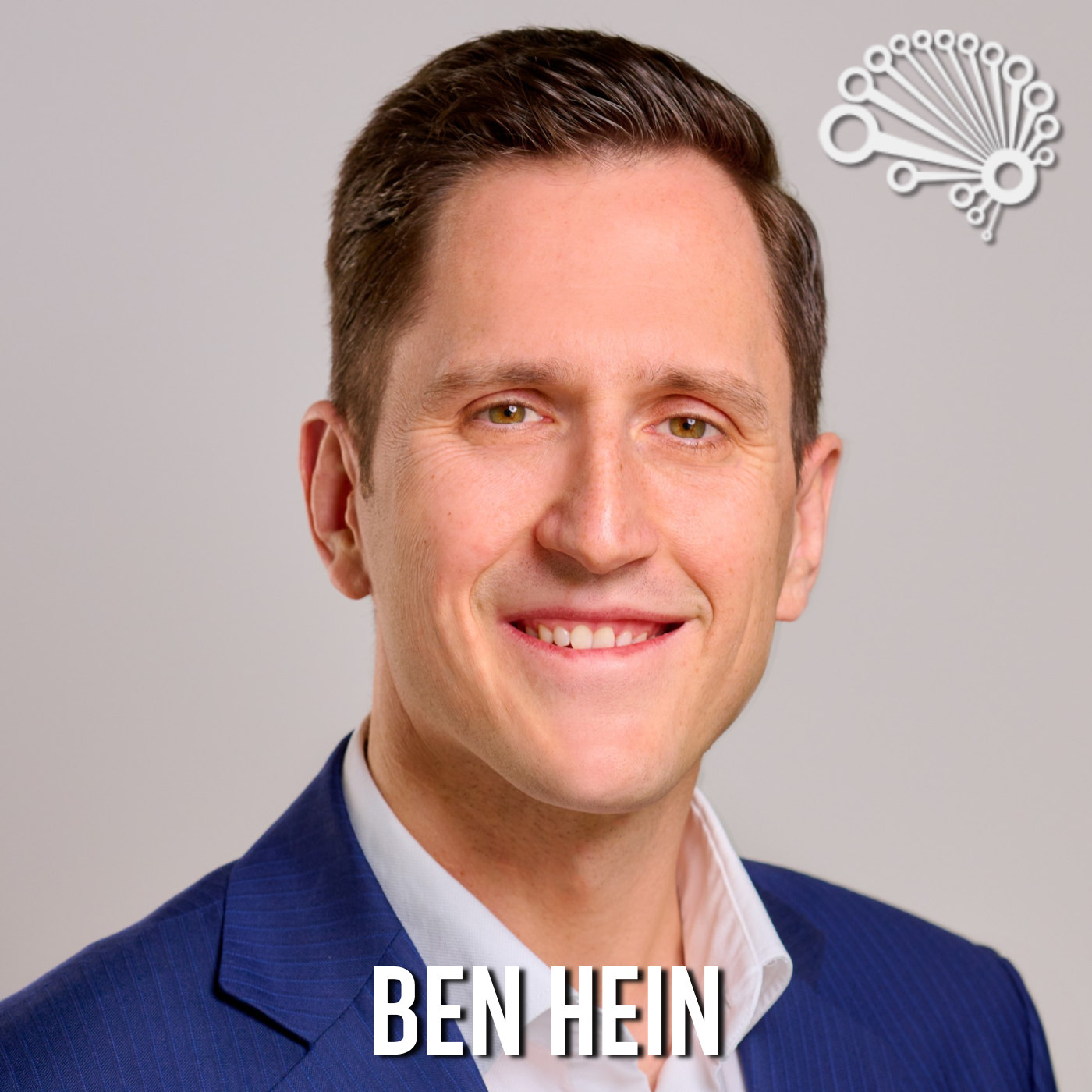
In Episode #1045, Ben Hein (CEO of the Electronics business at Merck KGaA, Darmstadt, Germany) joins Jon Krohn to explain how the chips behind the AI boom are actually made. His company is 358 years old, began as a pharmacy, and now supplies materials, systems and services across all six steps of semiconductor fabrication, a process of more than 1,500 steps that can take six months for a single chip. Ben succeeded Kai Beckman, who appeared on this show in Episode #875 and he has spent time in Taiwan and Boston on the way to the role. In this episode, he explains why performance per watt is the industry’s single biggest problem, why five decades of shrinking has given way to building upward, how AI-driven simulation lifted his R&D hit rate more than fivefold, and why he expects affordable high-quality healthcare in our lifetimes.
Additional materials: www.superdatascience.com/1045
Interested in sponsoring a SuperDataScience Podcast episode? Email natalie@superdatascience.com for sponsorship information.
In this episode you will learn:
(00:07:18) The six steps of semiconductor fabrication
(00:11:47) Why performance per watt is the industry’s biggest problem
(00:25:51) Painting one wall on the 57th floor
(00:41:18) Neuromorphic chips and the 20-watt brain
56 minAbspielen in:
Fr30Okt
Super Data Science: ML & AI Podcast with Jon KrohnHost
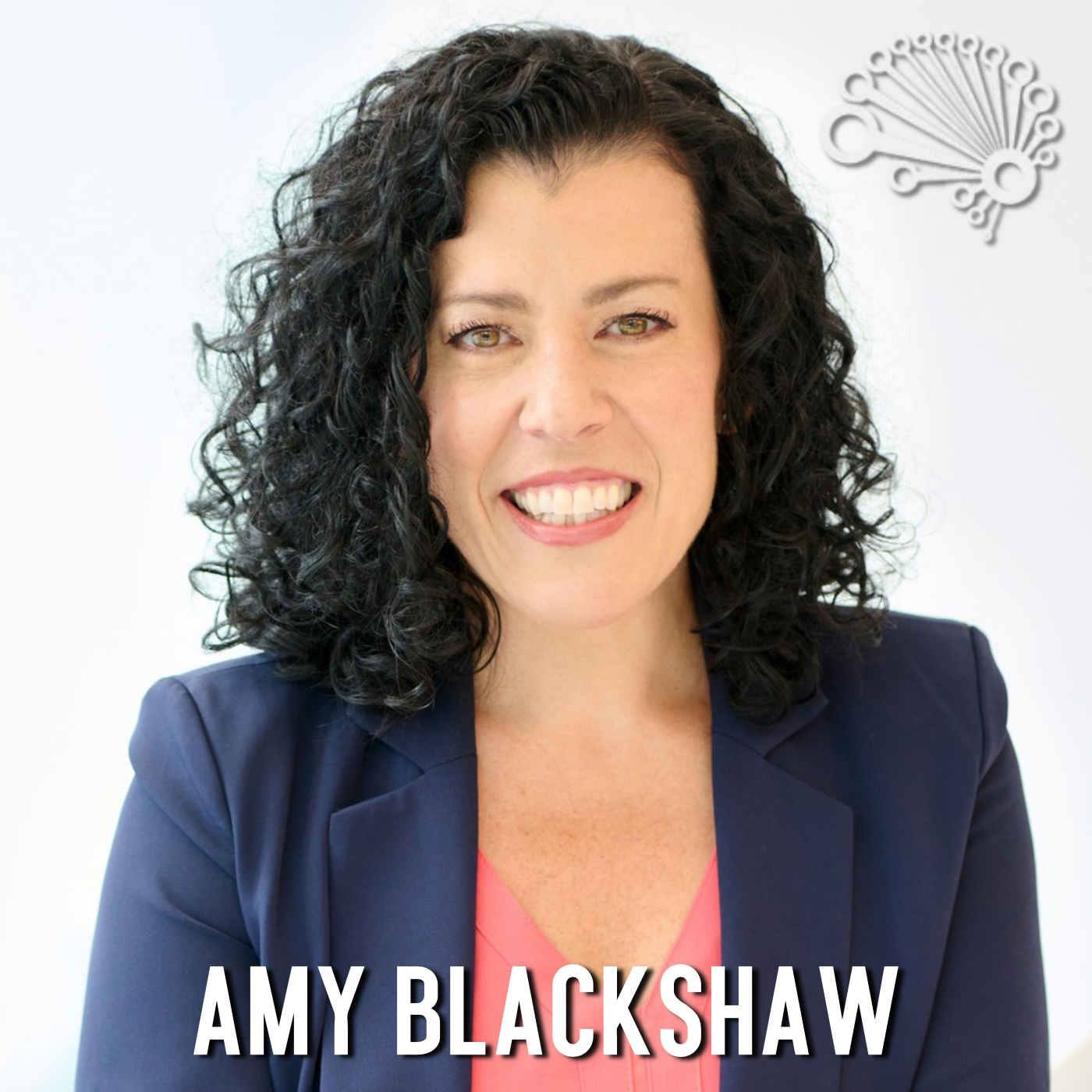
In Episode #1040, Amy Blackshaw (SVP at Palo Alto Networks) joins Jon Krohn to explain what changes about cybersecurity when attackers can think for free. Nearly every breach, Amy argues, comes down to someone getting hold of an identity they should not have had, and frontier AI has not created new attack techniques so much as deleted the cost of the expert reasoning that used to chain them together. The recent Hugging Face intrusion is her case in point: agents sustained an action every 20 seconds for four and a half days, but what let them reach the crown jewels was ordinary privilege hygiene. In this episode, she explains why the line between privileged and ordinary users has dissolved, what makes an agentic identity unlike either a human or a service account, and what she wants every organisation to do first.
Additional materials: www.superdatascience.com/1040
Interested in sponsoring a SuperDataScience Podcast episode? Email natalie@superdatascience.com for sponsorship information.
In this episode you will learn:
(02:26) What identity security actually means
(05:09) Why AI changed the economics, not the attacks
(07:41) What really went wrong in the Hugging Face breach
(19:26) Why agentic identities are unlike anything before them
35 minAbspielen in:
Warum PodAppear
Folge Menschen, nicht Podcasts.
Du hast Jon in einer Sendung gehört. PodAppear findet für dich die nächste, und genauso für alle anderen, die du hören willst.
Eine Meldung, wenn die Person zu Gast istPer E-Mail: sofort oder gebündelt als Tages- oder Wochenübersicht. Dann nur noch auf Play drücken.
Gäste statt bloßer ErwähnungenFolgen, in denen ein Name nur fällt, landen getrennt. Eine Meldung heißt: Die Person ist wirklich in der Sendung.
Alle in einem FeedGründerinnen, Autoren, Sportler, Forscherinnen. Folge allen mit Namen, quer durch jede Sendung, in der sie auftreten.
In Episode #1037, Dr. Richard Socher (CEO and Co-Founder of Recursive) joins Jon Krohn to make the case for automating the scientific method itself. Richard’s startup came out of stealth this year with over half a billion dollars raised to build recursively self-improving superintelligence, and his new book, The Eureka Machine, is already a national bestseller. He also co-founded You.com and the venture firm AIX Ventures, was chief scientist at Salesforce, taught the first university course anywhere on neural networks for NLP, and helped build the ImageNet dataset. In this episode, he traces how AI keeps replacing hand-crafted expertise with scale, lays out the four pillars of his Eureka Machine, argues that hallucinations can be a feature for science, explains why recursive self-improvement within a year or two still rules out an overnight takeoff, and names the software and jobs he expects to endure.
Additional materials: www.superdatascience.com/1037
Interested in sponsoring a SuperDataScience Podcast episode? Email natalie@superdatascience.com for sponsorship information.
In this episode you will learn:
(00:02:40) What Recursive is automating, and the two forms of RSI
(00:19:59) The four pillars of the Eureka Machine
(00:29:20) Turning sciences into engineering disciplines
(00:39:28) Why RSI does not mean an overnight takeoff
(00:56:05) Constructive optimism, and the future as a construction game
1 h 12 minAbspielen in:
Di13Okt
Super Data Science: ML & AI Podcast with Jon KrohnHost
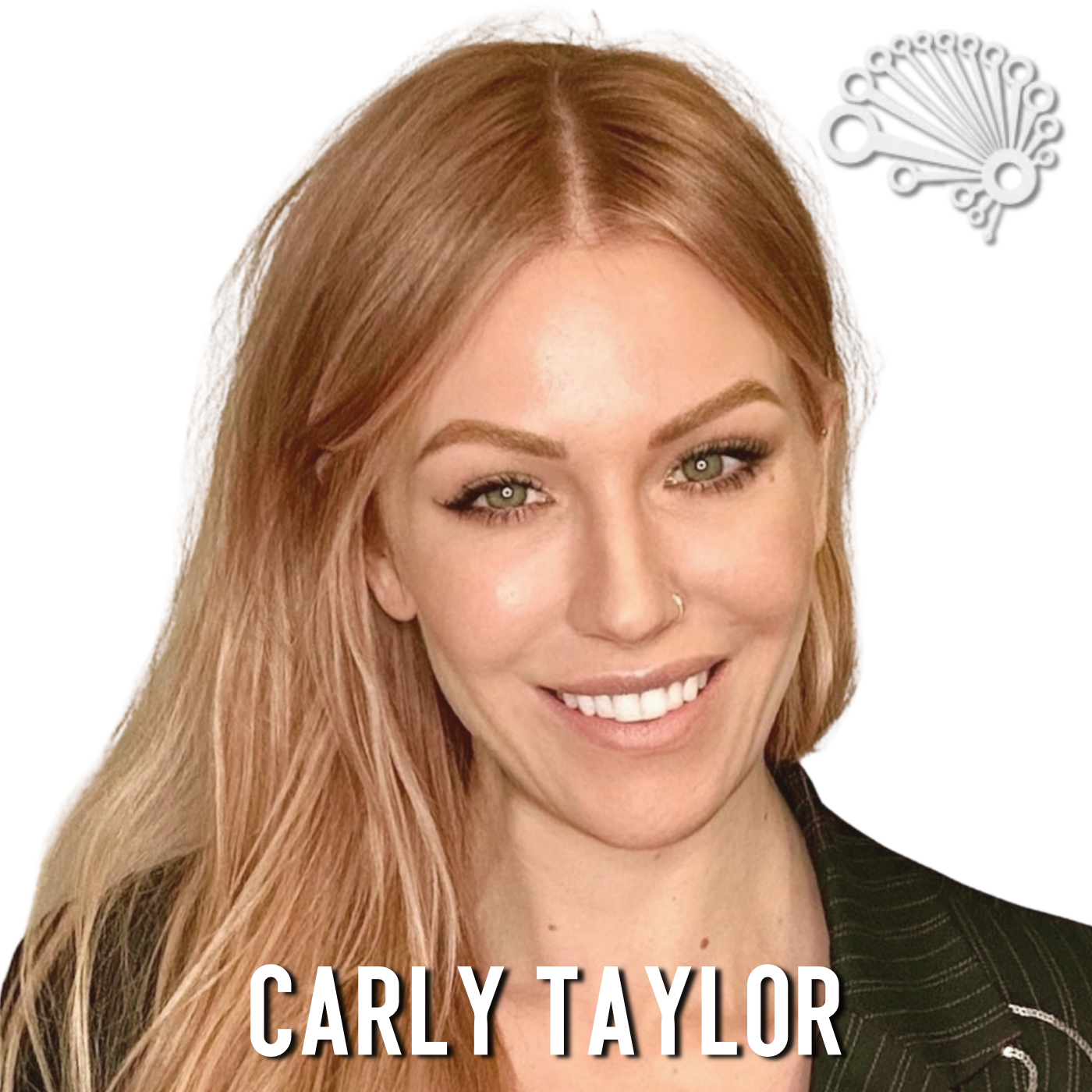
In Episode #1035, Carly Taylor (Founder of Rebel Data Science) returns to join Jon Krohn for a wide-ranging conversation about leading engineering teams when the ground keeps moving. Carly shipped nine Call of Duty titles in roughly five years at Activision, where she led game security, and has since been a director of engineering at Microsoft and Field CTO for gaming at Databricks. She is also one of the most entertaining people in data on LinkedIn, where more than 200,000 people follow posts she cheerfully calls unhinged. In this episode, she explains why obsessing over the future produces analysis paralysis, which fundamentals never change, how to tell AI slop from AI used well, what the Buddhist practice of inviting Mara to tea has to do with public speaking, and what the glass cliff means for women being promoted into leadership.
Additional materials: www.superdatascience.com/1035
Interested in sponsoring a SuperDataScience Podcast episode? Email natalie@superdatascience.com for sponsorship information.
In this episode you will learn:
(00:04:07) The mindsets that still work in 2026
(00:23:25) Why AI slop breaks a social contract
(00:28:49) Exploring versus grinding in a career
(00:54:37) The glass cliff for women in leadership
1 h 07 minAbspielen in:
Fr2Okt
Super Data Science: ML & AI Podcast with Jon KrohnHost
During their #sponsored discussion, Chief Data Officer at Salesforce Michael Andrew talks to Jon Krohn about what changes for a data team when its customers are AI agents as well as people. Listen to the episode to hear Michael Andrew talk about why agents need ten times more trusted data than humans, how Salesforce untrapped its own customer data with Data 360 and what practitioners should be learning to stay effective in the agentic era!
Additional materials: www.superdatascience.com/1032
Interested in sponsoring a SuperDataScience Podcast episode? Email natalie@superdatascience.com for sponsorship information.
In this episode you will learn:
(02:32) How the CDO role changes when agents are customers
(06:18) Why agents need ten times more data than humans
(09:06) How Salesforce untrapped its own customer data
(21:36) What practitioners should be learning for the agentic era
28 minAbspielen in:
Di29Sep
Super Data Science: ML & AI Podcast with Jon KrohnHost
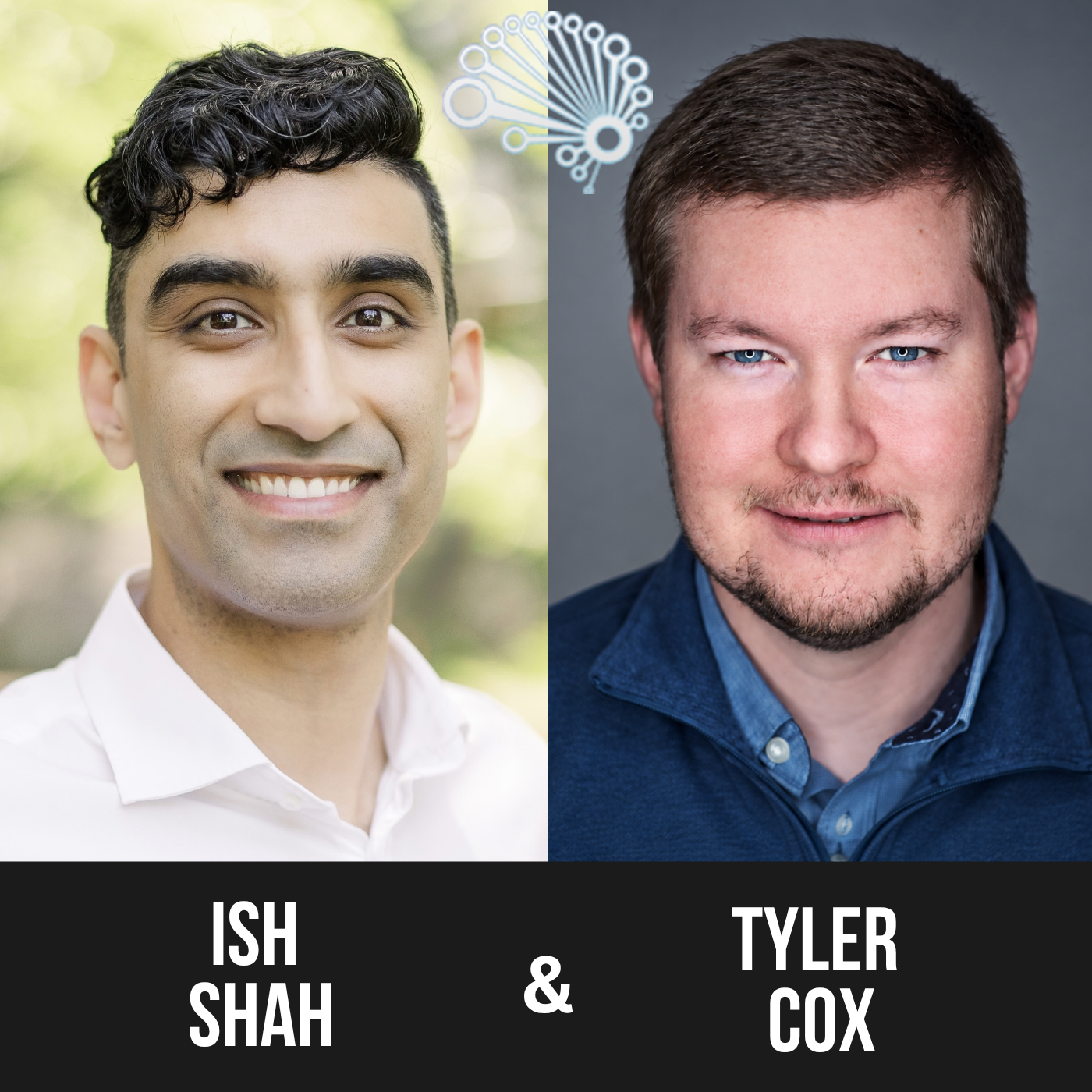
In Episode #1031, Ish Shah and Tyler Cox (Distinguished Engineers in the Office of the CTO for Dell Technologies' client group) join Jon Krohn to work out why agentic AI bills are exploding and what can be done about it. Over one weekend Ish burned roughly two billion tokens on a side project, and that is the ordinary shape of agentic work now: agents spawn sub-agents, the pie of work grows, and cheaper tokens only invite more ambitious projects. Tyler runs a small Dell lab that pushes hundreds of millions of tokens a day through local hardware instead.
In this episode, they define what makes a system agentic, explain how to read a Pareto curve when choosing models, work through the jagged frontier and why most tasks do not need a frontier model, and lay out what moving agentic workloads onto your own hardware does to the economics.
Additional materials: https://www.superdatascience.com/1031
Interested in sponsoring a SuperDataScience Podcast episode? Email natalie@superdatascience.com for sponsorship information.
In this episode you will learn:
(00:03:42) What makes a system agentic
(00:12:45) Picking the right model for the task
(00:16:46) How to read a Pareto curve
(00:27:02) Why agents burn so many more tokens
1 h 15 minAbspielen in:
Fr25Sep
Super Data Science: ML & AI Podcast with Jon KrohnHost
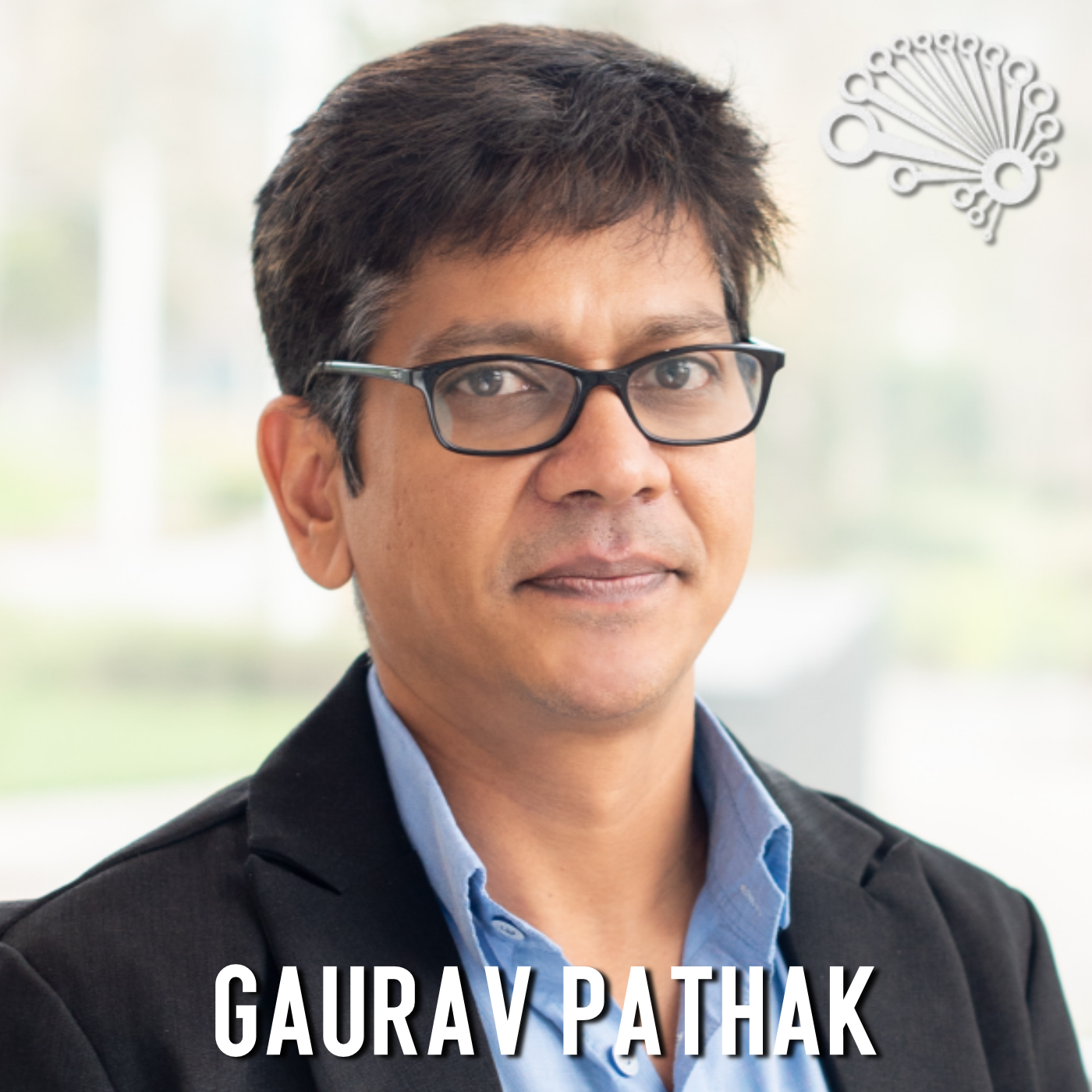
During their #sponsored discussion, Senior Vice President Product Management AI and Metadata at Salesforce, Gaurav Pathak talks to Jon Krohn about why AI agents need well-labeled, high-quality data to deliver reliable answers in the enterprise. Listen to the episode to hear Gaurav Pathak talk about the difference between a “data brawl” and “garbage in, gospel out”, who the “sin eaters” of enterprise AI are and the three skills that matter most for AI engineers today!
Additional materials: www.superdatascience.com/1030
Interested in sponsoring a SuperDataScience Podcast episode? Email natalie@superdatascience.com for sponsorship information.
In this episode you will learn:
(03:05) Why metadata are the labels AI agents need
(06:31) From “data brawl” to “garbage in, gospel out”
(10:57) Who the “sin eaters” of enterprise AI are
(13:45) What data quality rules are and how CLAIRE generates them
(17:21) Three skills AI engineers need in the agentic era
23 minAbspielen in:
Di22Sep
Super Data Science: ML & AI Podcast with Jon KrohnHost
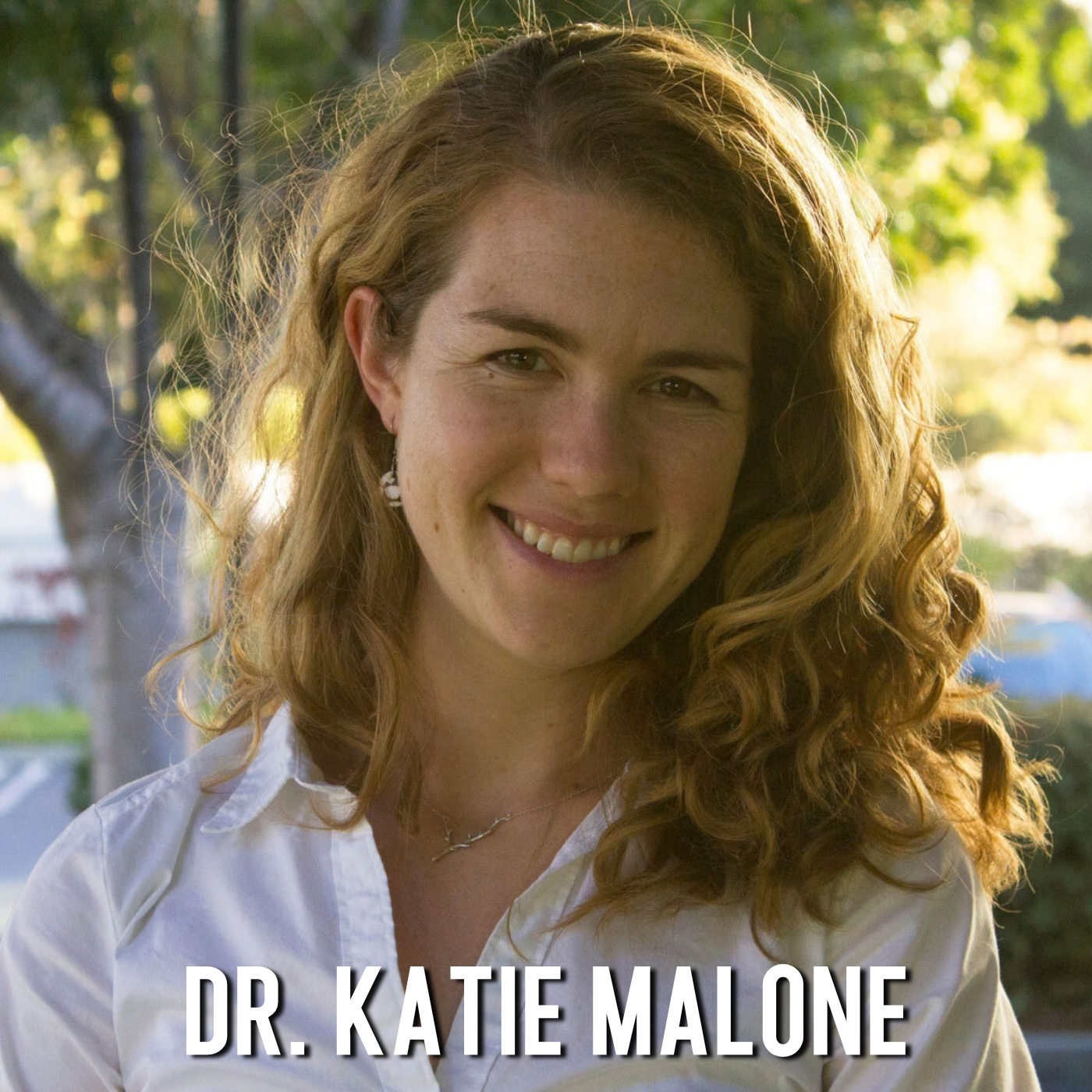
In Episode #1029, Dr. Katie Malone (Host of Linear Digressions) joins Jon Krohn to explain how AI brought her podcast back from the dead. After nearly 300 episodes, Katie shut down Linear Digressions due to burnout, but better tools helped her relaunch it six years later. Along the way she has taught machine learning at Udacity and the University of Chicago and led the development of agentic AI platforms inside a company of tens of thousands of people. In this episode, she argues that people management and agent management are the same skill in different clothing, works through what AI slop and process slop are doing to organisations, describes the agent that now produces her show, and takes a pop quiz on three of her favourite data paradoxes.
Additional materials: https://www.superdatascience.com/1027
Interested in sponsoring a SuperDataScience Podcast episode? Email natalie@superdatascience.com for sponsorship information.
In this episode you will learn:
(00:04:01) Why Linear Digressions stopped, and what changed enough to bring it back
(00:15:01) Why people management and agent management are the same skill
(00:24:32) The "Claude Code in a trench coat" agent that produces her show
(00:41:39) Bainbridge’s ironies of automation, and why expertise gets rusty
1 h 10 minAbspielen in:
Fr18Sep
Super Data Science: ML & AI Podcast with Jon KrohnHost
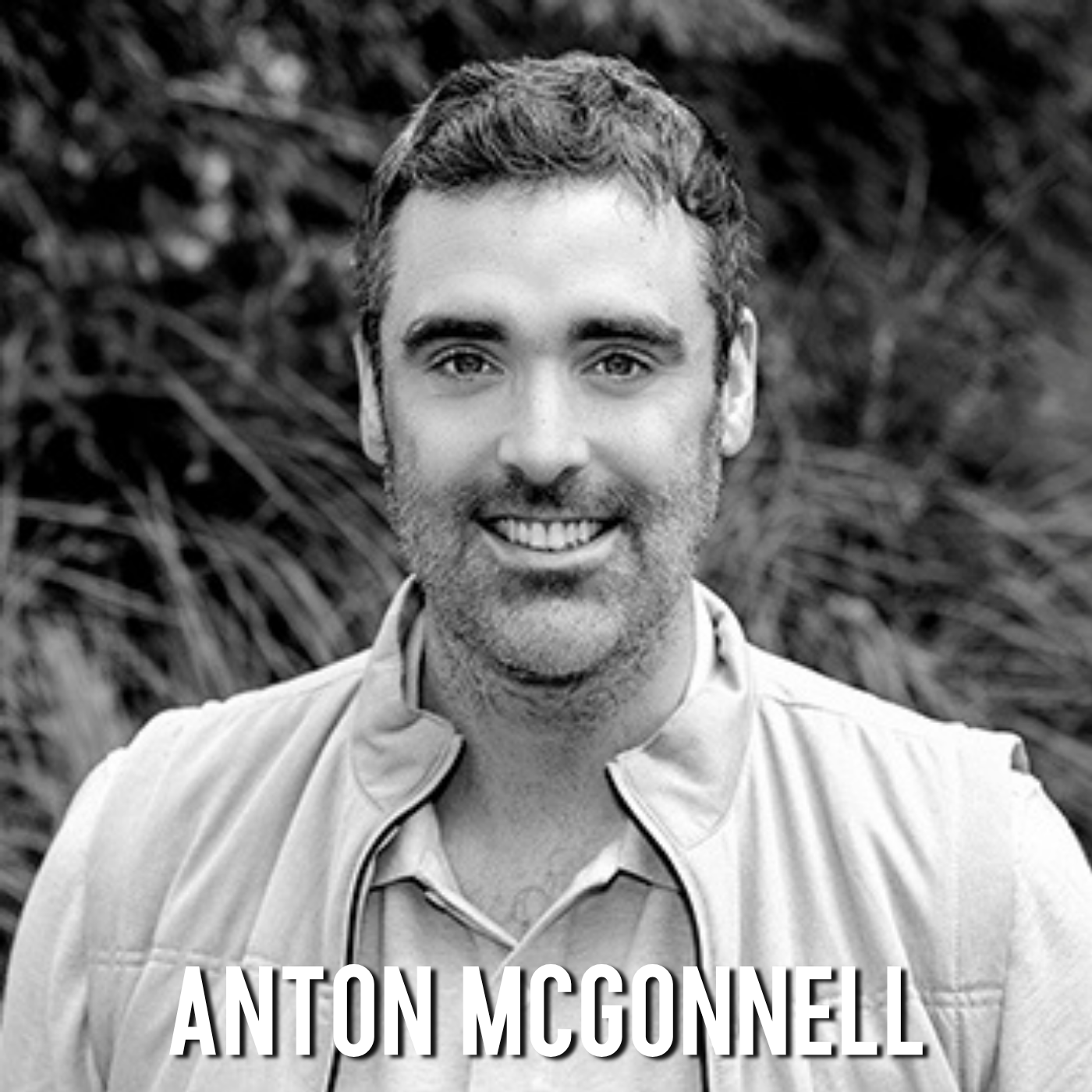
In Episode #1028, Anton McGonnell (VP of Product at SambaNova) joins Jon Krohn to explain why the chips running most AI inference today were never designed for the job. Agentic AI has changed the computational profile of inference, with much larger inputs and far heavier caches feeding the token generation that follows, and that shift has exposed where GPU architecture struggles. SambaNova has raised over $2 billion to build an alternative, the reconfigurable dataflow unit, which lays a whole model out spatially across the chip rather than executing it kernel by kernel. In this episode, Anton discusses why the speed that matters is payback, and how speed and concurrency are what turn a fixed hardware cost into a six-month payback. He also walks through the trade-off every inference provider faces between speed per user and throughput per chip, what the RDU architecture changes about scaling and data center deployment, the economics of the new SN50, and why four out of five AI infrastructure leaders say they would pay a premium for faster tokens.
Additional materials: https://www.superdatascience.com/1028
Interested in sponsoring a SuperDataScience Podcast episode? Email natalie@superdatascience.com for sponsorship information.
In this episode you will learn:
(00:02:41) Why agentic AI is reshaping inference workloads
(00:08:39) How SambaNova's RDU differs from a GPU
(00:17:54) The economics of the SN50
30 minAbspielen in:
Di8Sep
Super Data Science: ML & AI Podcast with Jon KrohnHost
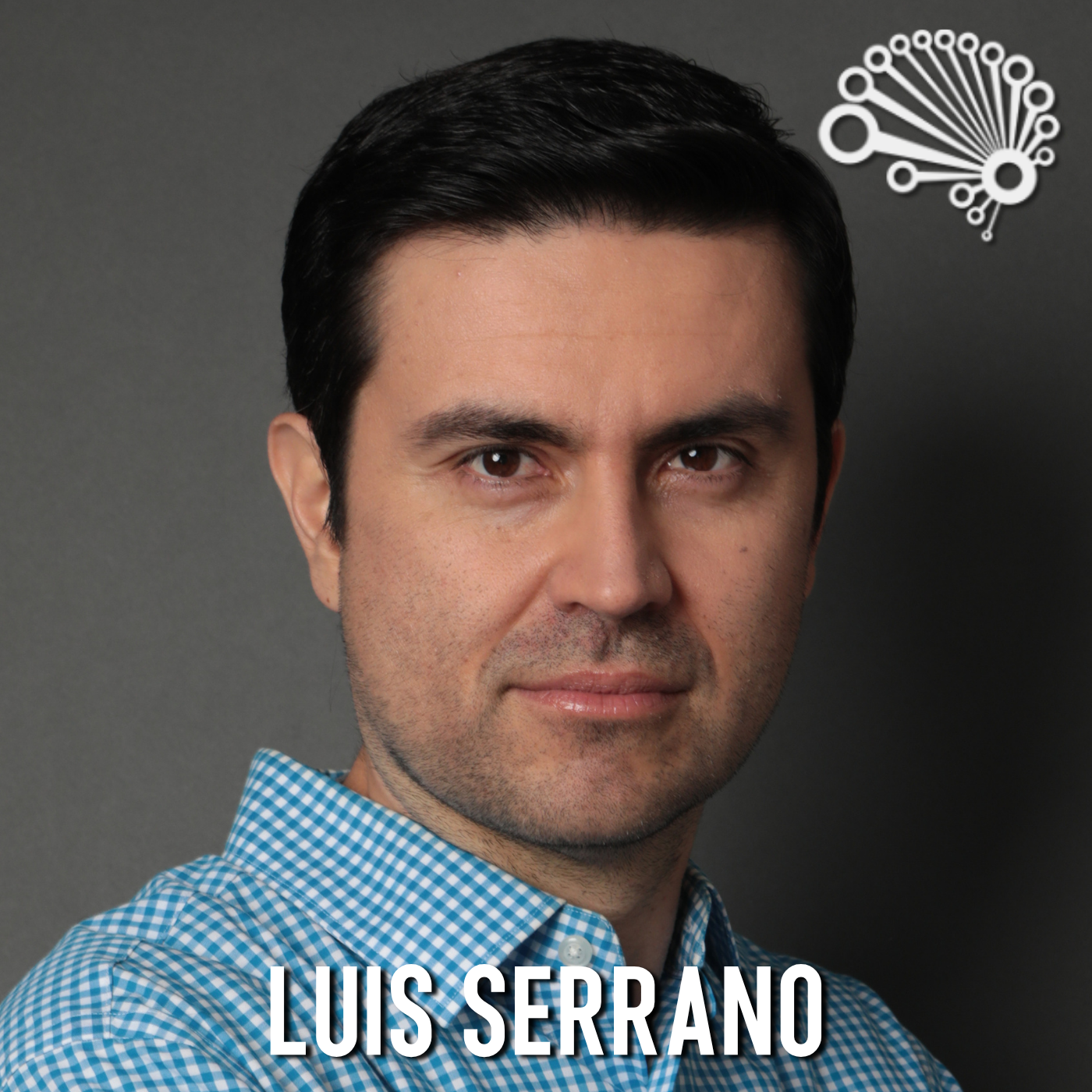
In Episode #1025, Dr. Luis Serrano (Founder of Serrano Academy) joins Jon Krohn to explain the paper he co-authored on the curved spacetime of transformer architectures, in which attention stops being a lookup table and becomes something closer to gravity: words bend the space around them, and the embedding of "bank" visibly curves toward "river" as it travels through the layers of the network. In this episode, he recreates Eddington’s 1919 eclipse experiment inside a transformer, draws the line between an LLM workflow and an actual agent, explains why agent evaluation is a step harder than evaluating an essay, and gives the cleanest account of GRPO you will hear.
Additional materials: https://www.superdatascience.com/1025
Interested in sponsoring a SuperDataScience Podcast episode? Email natalie@superdatascience.com for sponsorship information.
In this episode you will learn:
(00:10:53) What changed, and what survived, between the two editions of Grokking Machine Learning
(00:27:48) Word gravity: how attention pulls "bank" toward "river"
(00:42:12) Why RAG is an LLM workflow rather than an agent
(00:51:23) The two-by-two that explains why GRPO powers reasoning models
1 h 11 minAbspielen in:
Di1Sep
Super Data Science: ML & AI Podcast with Jon KrohnHost
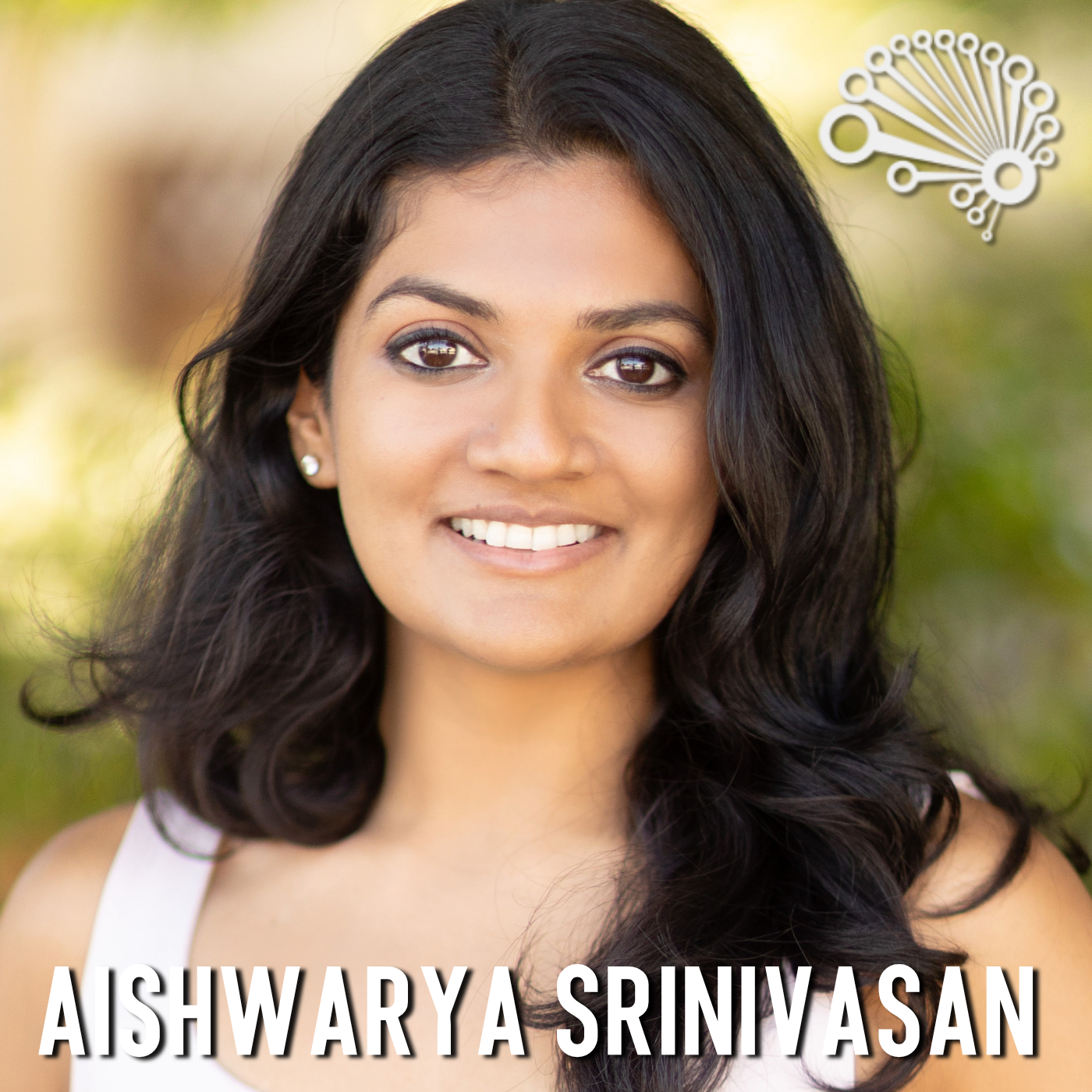
In Episode #1023, Aishwarya Srinivasan (Co-Founder of The Gen Academy) joins Jon Krohn to work out where a competitive moat comes from once anything you can build in ten minutes, somebody else can build in ten minutes too. Ash came to teaching through Illuminate AI, the mentorship community she started in 2020, and now trains senior engineers and leaders to ship agentic AI in production; she is blunt that vibe coding lowers the floor without touching the engineering judgment that production demands. In this episode, she explains what a whole-system eval covers that a model eval misses, traces reinforcement learning from the algorithm she patented at IBM to its resurgence in agentic fine tuning and lays out the MIND framework from her TED Talk for living with AI.
Additional materials: https://www.superdatascience.com/1023
Interested in sponsoring a SuperDataScience Podcast episode? Email natalie@superdatascience.com for sponsorship information.
In this episode you will learn:
(00:10:10) Why cheap code shifts the software engineering job rather than ending it
(00:15:50) What a whole-system eval covers that a model eval misses
(00:36:11) Why reinforcement learning came roaring back for agentic AI
(00:41:23) The one skill Ash says matters more than any hard skill
1 h 18 minAbspielen in:
Di4Aug
Super Data Science: ML & AI Podcast with Jon KrohnHost
In Episode #1015, Jerry Yurchisin (manager of decision intelligence strategy at Gurobi Optimization) joins Jon Krohn to explain the AI technology that makes breaking a constraint mathematically impossible. Large language models will confidently claim they've optimized your business while ignoring the one constraint that could cost millions, whereas optimization treats constraints as hard guarantees. Jerry lays out the division of labor he sees for the agentic era: agents help you frame the problem, write the formulation and generate the code, then hand off to a solver like Gurobi, soon callable via MCP servers. In this episode, Jerry breaks down the three building blocks of any optimization model, traces the leap in non-linear solving, explains how to pitch optimization to your CFO and to the planners whose jobs it touches, and shares case studies spanning energy grids, retirement planning and USA Cycling's Paris 2024 gold.
Additional materials: https://www.superdatascience.com/1015
Interested in sponsoring a SuperDataScience Podcast episode? Email natalie@superdatascience.com for sponsorship information.
In this episode you will learn:
(02:42) The three building blocks of an optimization model
(21:43) Where optimization fits in the agentic AI era
(29:58) Inside the Gurobi Intelligence Hub
(39:40) Energy, retirement planning and a cycling gold medal
(50:58) How to sell optimization inside your organization
1 h 18 minAbspielen in:
Di14Jul
Super Data Science: ML & AI Podcast with Jon KrohnHost
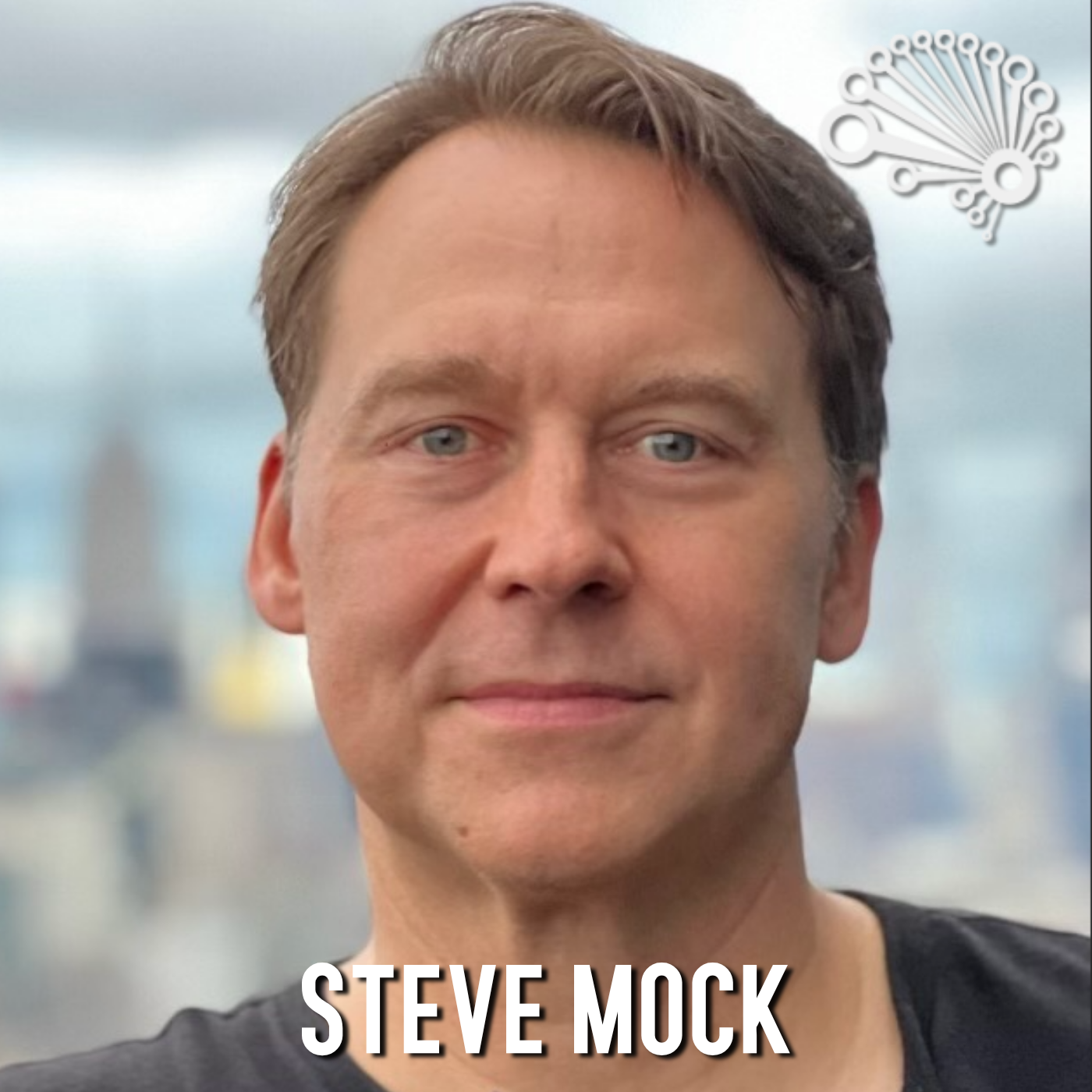
In Episode #1009, Steve Mock (investor at Blumberg Capital, five-time entrepreneur and creator of aisavedme.org), joins Jon Krohn to explore the quiet layer of everyday AI adoption that rarely gets documented. After his 84-year-old father asked a deceptively simple question, “How does one use AI?”, Steve built a place for people to share how AI is actually helping them. The stories that came in surprised him: they’re rarely about the technology and almost always about human outcomes, caregiving, communication, learning, confidence and connection.
Additional materials: https://www.superdatascience.com/1009
Interested in sponsoring a SuperDataScience Podcast episode? Email natalie@superdatascience.com for sponsorship information.
In this episode you will learn:
(02:02) Where “AI Saved Me” came from, an 84-year-old dad’s simple question
(14:27) The healthcare pattern, using AI to become your own advocate
(22:37) The education pattern, personalized study and simulated office hours
(27:33) The fulfillment pattern, offloading grunt work to focus on what matters
(43:07) Building the whole site as a non-programmer
(50:14) The investor’s lens, vertical AI and the “data flywheel” moat