Bekomm eine E-Mail, wenn Jerad in einem Podcast zu Gast istPodAppear prüft neue Folgen, sobald sie erscheinen, und lässt die weg, in denen Jerad nur erwähnt wird. Bis zu 15 Personen kostenlos, ohne Kreditkarte.Bis zu 15 Personen kostenlos, ohne Kreditkarte.
MONTHLY SPONSORS
Old Timer Knives - https://www.theoldtimer.com
Mossy Oak - https://www.mossyoak.com/
Weatherby - https://weatherby.com
Morton Buildings - https://mortonbuildings.com
Duck Club Bourbon - https://duckclubbourbon.com
A new hunting season, a rapidly growing population, and a duck that still has scientists scratching their heads.
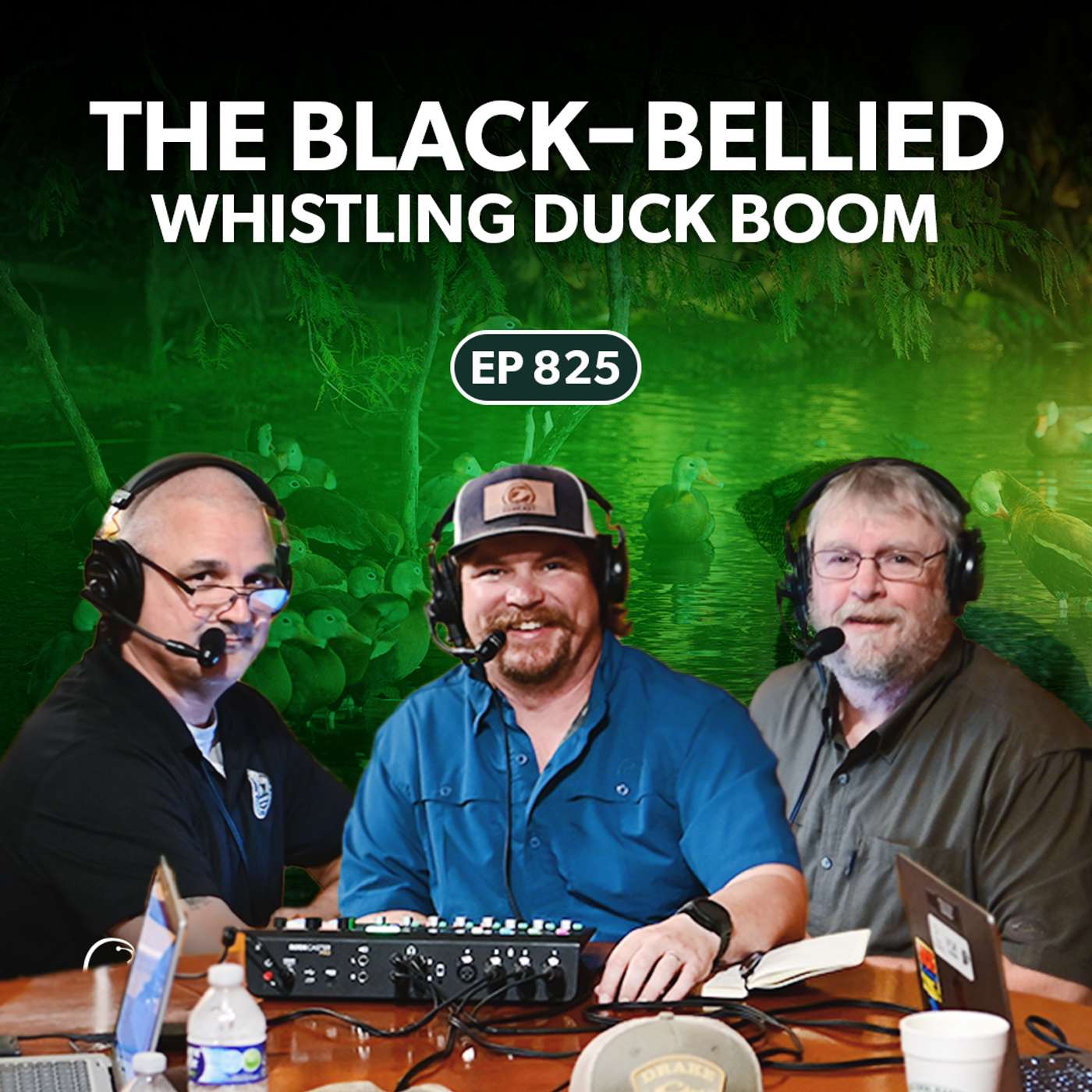
Host Dr. Jerad Henson is joined by Jim Ronquest and Jason Olsak, Waterfowl Program Manager for the Louisiana Department of Wildlife and Fisheries, for a deep dive into Louisiana’s new experimental black-bellied whistling duck season.
As black-bellied whistling ducks continue expanding across the Gulf Coast and Mississippi Flyway, wildlife managers are racing to understand their movements, population dynamics, and growing impact on both hunters and landowners. Jason explains how Louisiana developed the new season, the research behind it, and what biologists hope to learn over the next four years.
The conversation also explores banding studies, GPS transmitter research, urban populations, agricultural conflicts, and why these birds may be one of the most unique waterfowl species in North America. Along the way, the group shares observations from a week spent hunting black bellies in South Louisiana and discusses what makes them such a challenging—and rewarding—bird to chase.
Topics Covered
Louisiana’s new black-bellied whistling duck season
Why black bellies are expanding across the South
Population estimates and harvest opportunities
Banding and GPS tracking research
Urban ducks, golf-course ducks, and nuisance concerns
Hunter participation and season evaluation
Migration, movement, and survival questions
Why black bellies are unlike any other duck
Listen now: www.ducks.org/DUPodcast
Send feedback: DUPodcast@ducks.org
SPONSORS:
Bird Dog Whiskey and Cocktails:
Whether you’re winding down with your best friend, or celebrating with your favorite crew, Bird Dog brings award-winning flavor to every moment. Enjoy responsibly.
MONTHLY SPONSORS
Old Timer Knives - https://www.theoldtimer.com
Mossy Oak - https://www.mossyoak.com/
Weatherby - https://weatherby.com
Morton Buildings - https://mortonbuildings.com
Duck Club Bourbon - https://duckclubbourbon.com
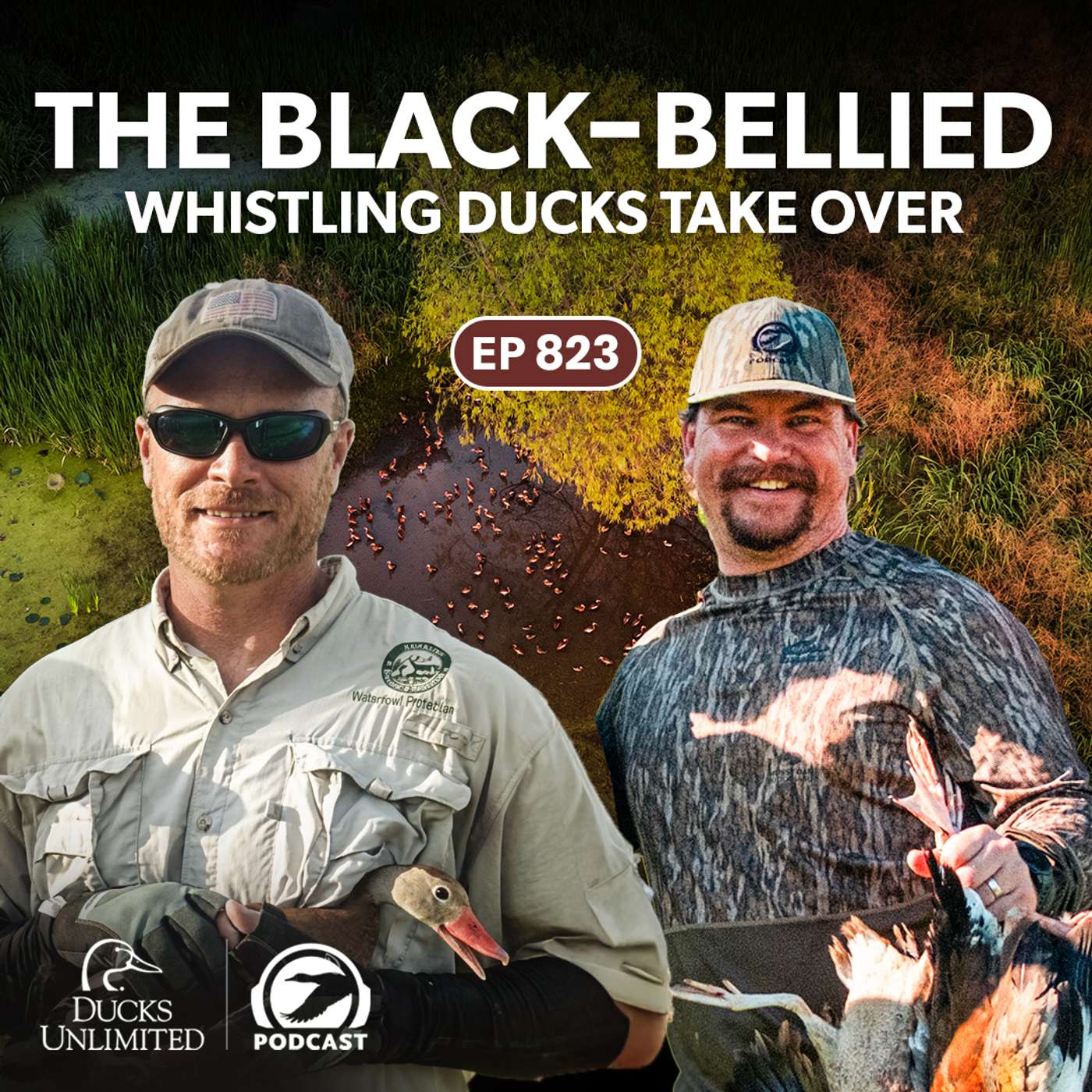
Black-bellied whistling ducks have gone from a rarity in Louisiana to one of the most recognizable birds on the landscape. But how did it happen, and what makes them so different from every other duck in North America?
Host Dr. Jerad Henson sits down with Paul Link, Research Program Manager at Rockefeller Wildlife Refuge and one of the leading researchers studying black-bellied whistling ducks, for a fascinating deep dive into one of waterfowl biology’s biggest success stories.
Paul explains how the species expanded across the Gulf Coast, why traditional surveys struggle to measure their population, and what years of banding and research have revealed about their movements, nesting behavior, and survival strategies. The conversation also explores their unusual parenting style, long breeding season, adaptability to urban environments, and their surprising ability to avoid hunters.
Topics Covered
The history of black-bellied whistling ducks in Louisiana
Why their population exploded over the last two decades
Nest boxes, giant clutches, and incredible parental care
Migration, movements, and surprising band recoveries
Why they thrive in cities, suburbs, marshes, and rice fields
The mystery of their low harvest and band recovery rates
Disease, survival, and population regulation
Listen now: www.ducks.org/DUPodcast
Send feedback: DUPodcast@ducks.org
SPONSORS:
Bird Dog Whiskey and Cocktails:
Whether you’re winding down with your best friend, or celebrating with your favorite crew, Bird Dog brings award-winning flavor to every moment. Enjoy responsibly.
MONTHLY SPONSORS
Old Timer Knives - https://www.theoldtimer.com
Mossy Oak - https://www.mossyoak.com/
Weatherby - https://weatherby.com
Morton Buildings - https://mortonbuildings.com
Duck Club Bourbon - https://duckclubbourbon.com
Rice fields do more than grow food. They provide critical habitat for millions of ducks, shorebirds, and other wildlife across North America.
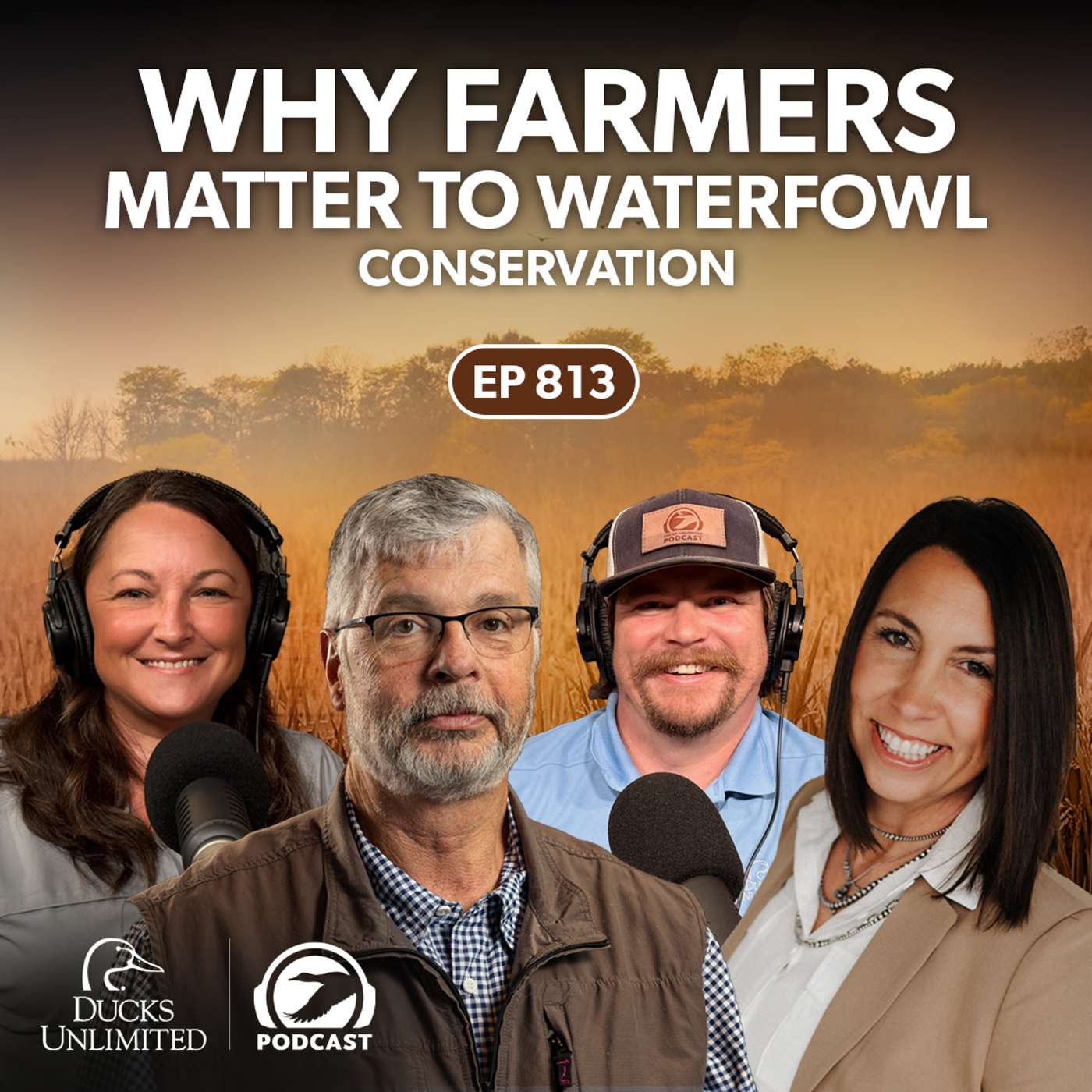
In the first installment of a special agriculture-focused series, host Dr. Jerad Henson is joined by Misty Adams, Kyle Soileau, and Regina Stafford of Ducks Unlimited’s conservation delivery team to discuss the Rice Stewardship Program and the role working lands play in waterfowl conservation.
The conversation explores how DU partners with rice producers across Arkansas, Louisiana, Texas, and California to deliver conservation practices that improve water efficiency, support wildlife habitat, enhance soil health, and help keep farmers profitable. The group also discusses incentive-based programs, water management technologies, conservation easements, and the future of rice production in a rapidly changing agricultural landscape.
Topics Covered
The origins of the Rice Stewardship Program
Why rice fields are critical waterfowl habitat
Working lands conservation in California and the Mississippi Alluvial Valley
Water management and irrigation efficiency
Surface water vs. groundwater challenges
Winter flooding and wildlife benefits
Conservation incentives for rice producers
The future of rice farming and waterfowl habitat
How DU works with farmers to deliver conservation at scale
Listen now: www.ducks.org/DUPodcast
Send feedback: DUPodcast@ducks.org
SPONSORS:
Bird Dog Whiskey and Cocktails:
Whether you’re winding down with your best friend, or celebrating with your favorite crew, Bird Dog brings award-winning flavor to every moment. Enjoy responsibly.
51 minAbspielen in:
Warum PodAppear
Folge Menschen, nicht Podcasts.
Du hast Jerad in einer Sendung gehört. PodAppear findet für dich die nächste, und genauso für alle anderen, die du hören willst.
Eine Meldung, wenn die Person zu Gast istPer E-Mail: sofort oder gebündelt als Tages- oder Wochenübersicht. Dann nur noch auf Play drücken.
Gäste statt bloßer ErwähnungenFolgen, in denen ein Name nur fällt, landen getrennt. Eine Meldung heißt: Die Person ist wirklich in der Sendung.
Alle in einem FeedGründerinnen, Autoren, Sportler, Forscherinnen. Folge allen mit Namen, quer durch jede Sendung, in der sie auftreten.