Two years on the air
GuestHostMentioned
Dec 2024MarJunSepDec 2025MarJunNov 2026
Tue10Nov

Science WeeklyHost
As the nights draw in, many of us can experience low mood. But for a small proportion of people a more intense depression develops through the winter months. It’s a phenomenon that since the 1980s has been labelled seasonal affective disorder, or Sad, and can be debilitating for sufferers. To find out more about the latest scientific understanding of Sad, Ian Sample speaks to Russell Foster, professor of circadian neuroscience at the University of Oxford. He explains what scientists think the mechanism for the condition could be and what the evidence says about the best way to tackle it. • In the UK and Ireland, Samaritans can be contacted on freephone 116 123. In the US, you can call or text the 988 Suicide & Crisis Lifeline at 988 or chat at 988lifeline.org. In Australia, the crisis support service Lifeline is 13 11 14. Other international helplines can be found at befrienders.org. Help support our independent journalism at theguardian.com/sciencepod
17 min
Thu5Nov

Science WeeklyHost
Social media is awash with claims iron deficiency can be identified in the mirror by dark circles, breaking hair and dry skin. But is ‘ferritin face’ real? Madeleine Finlay tells Ian Sample why so many of us struggle to keep our iron levels up, how we can actually diagnose low iron and the best way to correct a deficiency, with help from Hal Drakesmith, a professor of iron biology at Oxford University, and advice from Dr Sue Pavord, a consultant haematologist at Oxford university hospitals and associate senior lecturer in clinical medicine at St Edmund Hall. Help support our independent journalism at theguardian.com/sciencepod
20 min
Tue20Oct
Science WeeklyHost
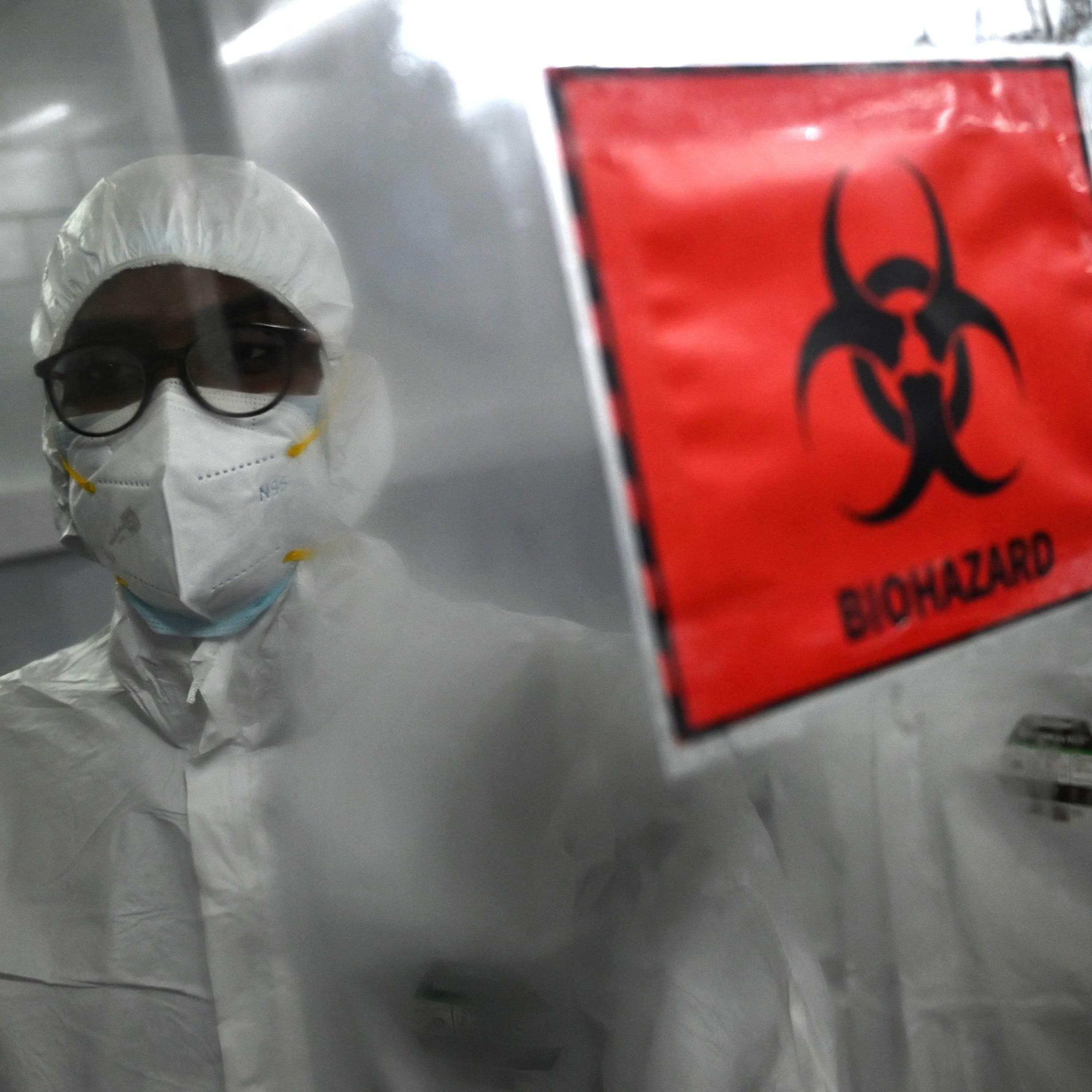
In his annual speech on threats to the nation, Sir Ken McCallum, the head of the UK’s intelligence service, MI5, warned that AI had the potential to ‘change the stakes’ on existing and even new bioweapons. To find out why, and how, Ian Sample speaks to Dr Tom Inglesby, director of the Johns Hopkins Center for Health Security and the Bloomberg School of Public Health. He explains what has governments so worried and what measures could be put in place to reduce the risks. Help support our independent journalism at theguardian.com/sciencepod
16 min
Thu24Sep
Science WeeklyHost
Madeleine Finlay sits down with her co-host and Guardian science editor, Ian Sample, to discuss three science stories from the week, including a study that offers a clue in the age-old debate about whether sex differences are present from birth or a product of socialisation. Also on the agenda is the super El Niño, which is predicted to lead to 450,000 deaths in the next six months, and an answer to why the UK’s meningitis outbreak earlier this year was so big.. Help support our independent journalism at theguardian.com/sciencepod
22 min
Thu17Sep
Science WeeklyHost
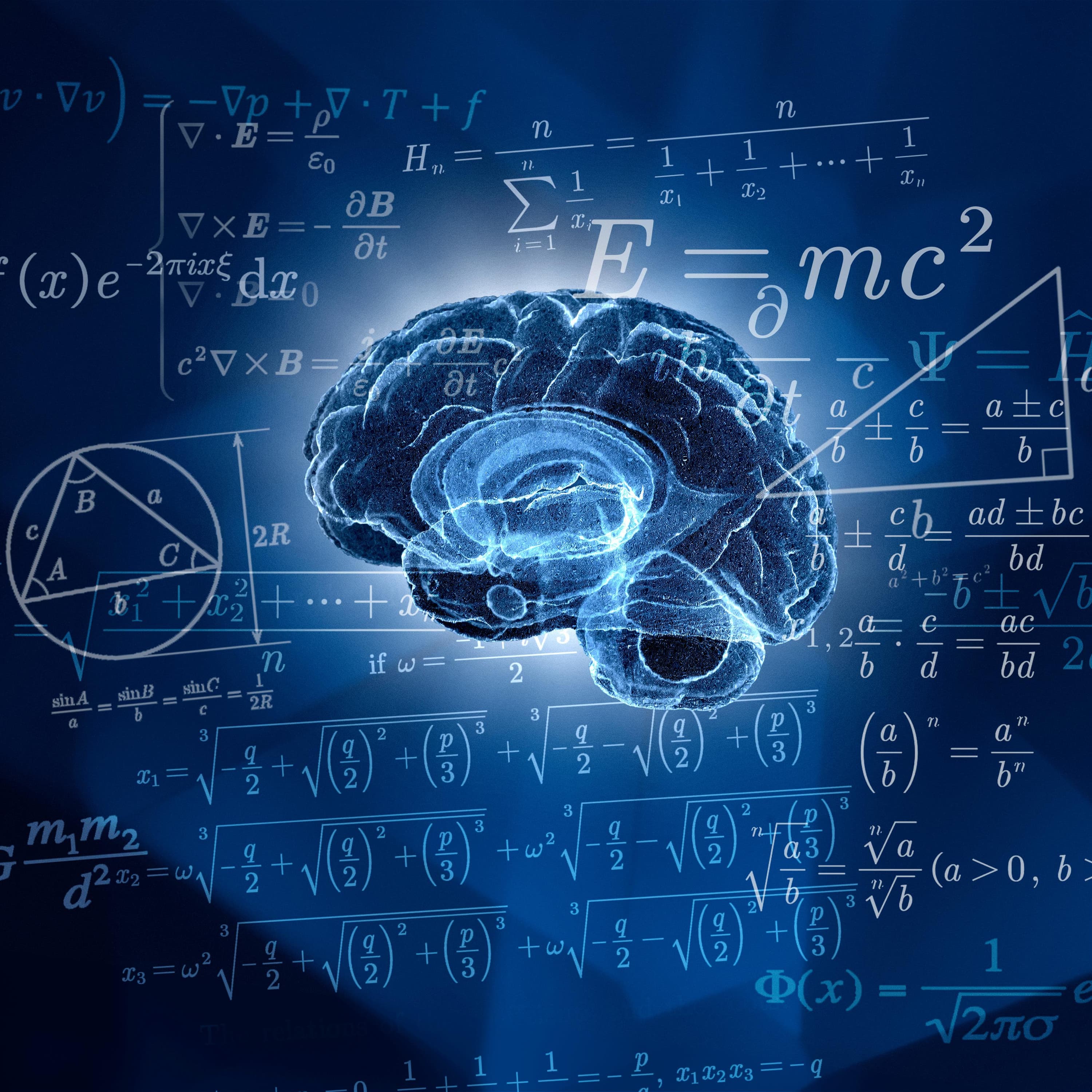
In early September, OpenAI announced it had solved a major mathematics problem that has stumped humans for nearly a century. The news left mathematicians reeling, and many expressed concern over what will be left for humans as AI becomes ever more adept at unravelling complex problems. Now 25 recipients of the Fields medal – often called the Nobel prize for maths – have signed an open letter expressing their fears of a ‘severe misalignment’ between AI companies and their field. To find out how AI is likely to upend maths – and how mathematicians might respond – Ian Sample speaks to Colva Roney-Dougal, professor of pure mathematics at the University of St Andrews. Help support our independent journalism at theguardian.com/sciencepod
16 min
Thu4Jun

Football WeeklyHost
It’s just a week until the first whistle of the 2026 World Cup. To celebrate, Madeleine Finlay sits down with Ian Sample to discuss the science behind the tournament. It’s set to be one of the hottest World Cups on record and a group of scientists has written to Fifa asking them to reconsider their heat mitigations for players and referees. Dr Oliver Gibson of Brunel University outlines their concerns. Also on the agenda is the huge fossil fuel impact of this tournament, and the impact of VAR on the psychology of referees, and fans. Help support our independent journalism at theguardian.com/footballweeklypod. Watch us on YouTube: https://www.youtube.com/@FootballWeeklyPodcast
21 min