Bekomm eine E-Mail, wenn Helen in einem Podcast zu Gast istPodAppear prüft neue Folgen, sobald sie erscheinen, und lässt die weg, in denen Helen nur erwähnt wird. Bis zu 15 Personen kostenlos, ohne Kreditkarte.Bis zu 15 Personen kostenlos, ohne Kreditkarte.
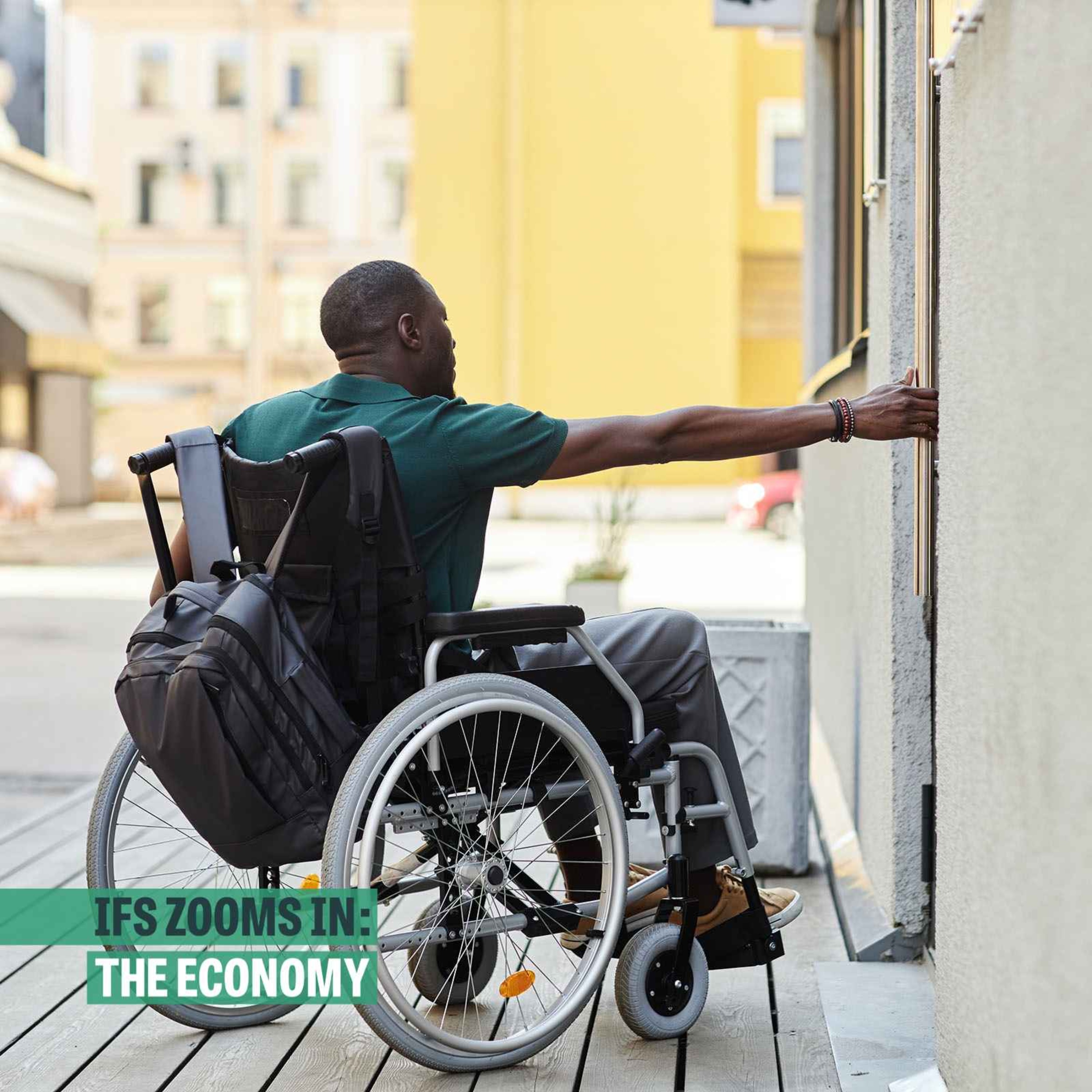
Personal Independence Payment (PIP) supports people with extra costs related to disability, but the Timms Review says the current system needs reform. What changes are being proposed, and how could they affect claimants?
Helen Miller is joined by Tom Waters and Eduin Latimer to discuss the review’s recommendations, including making applications and reassessments less burdensome, linking support more closely to disability-related costs, and offering services alongside cash awards.
They explore how a more personalised system might work, who would qualify, and which key questions remain for government to resolve.
Become a member: https://ifs.org.uk/individual-membership
Find out more: https://ifs.org.uk/podcasts-explainers-and-calculators/podcasts
Hosted on Acast. See acast.com/privacy for more information.
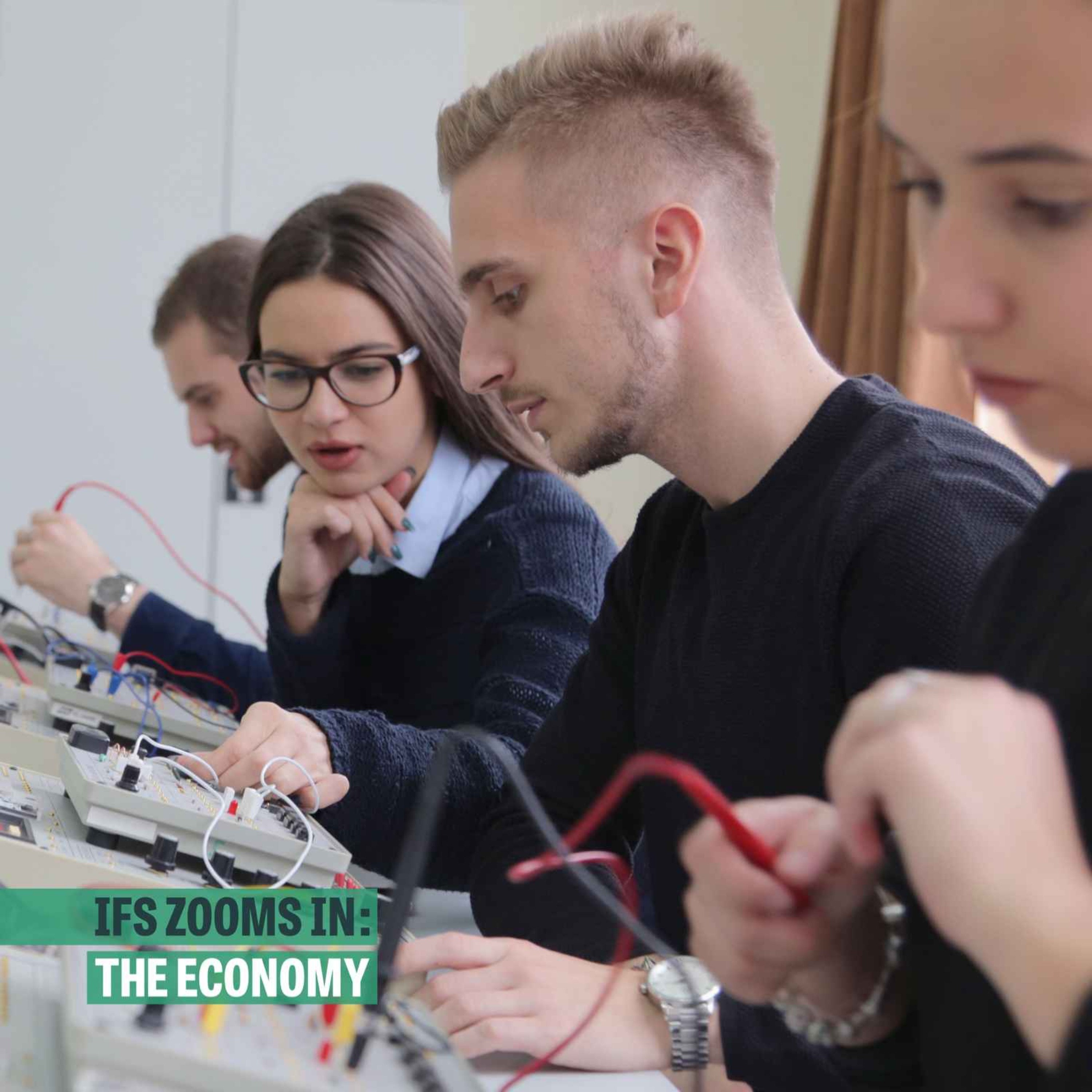
Around one million 16 to 24-year-olds are not in employment, education or training. What could help more young people move into learning or work, and what are the risks of major reforms?
Helen Miller is joined by Jonathan Cribb and Eduin Latimer to discuss Alan Milburn’s review of support for young people. They examine its Support Guarantee, Opportunity Guarantee and locally led Youth Opportunity Services, alongside recommendations on training, apprenticeships, employment support and incentives for employers.
The episode also looks at the proposal to replace current health-related benefits for under-25s. Who could gain from the new approach, who might lose income, and how certain are the projected savings and employment effects? The conversation considers local delivery, differences in local capacity, and why programmes should be evaluated and adapted as evidence emerges.
Become a member: https://ifs.org.uk/individual-membership
Find out more: https://ifs.org.uk/podcasts-explainers-and-calculators/podcasts
Hosted on Acast. See acast.com/privacy for more information.
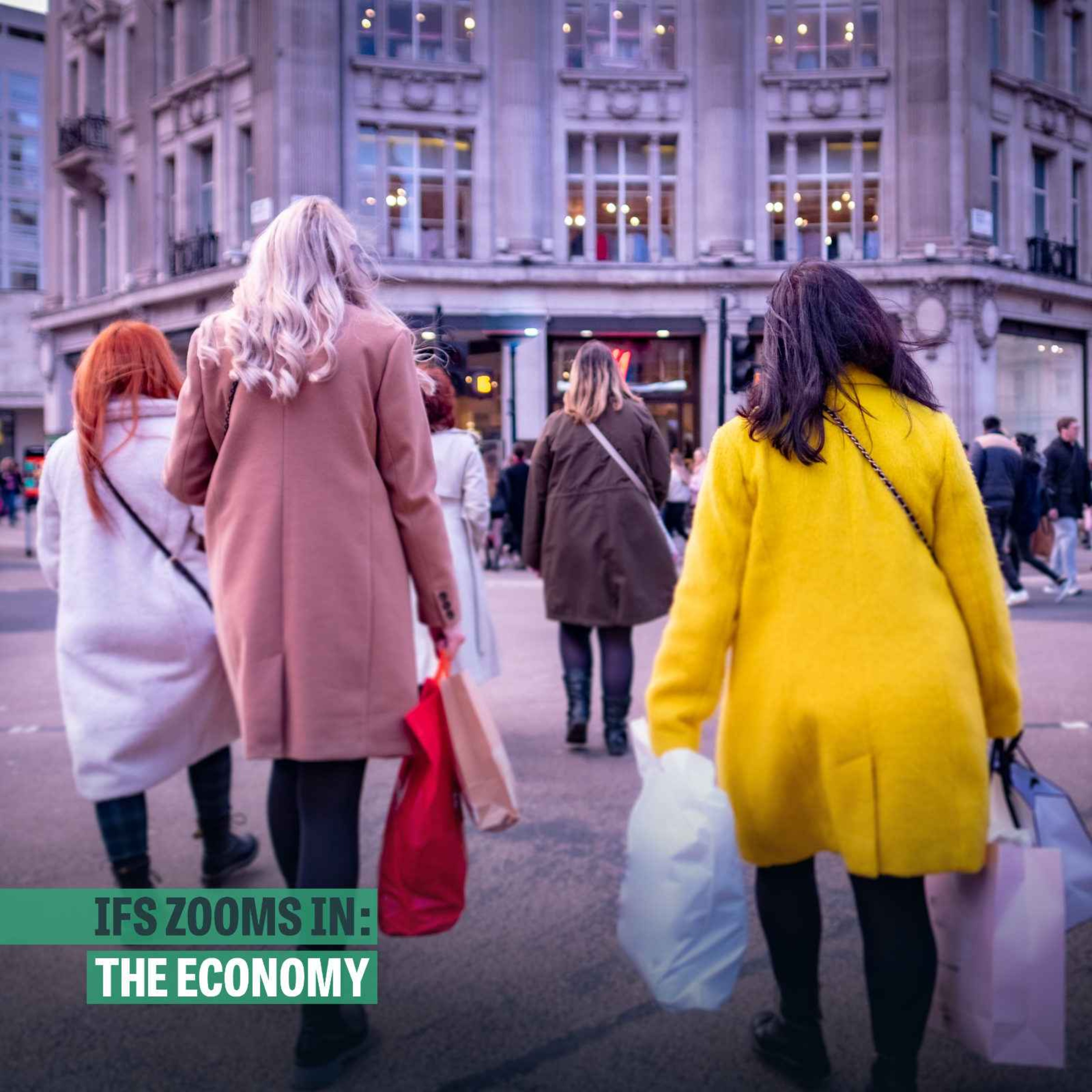
The UK economy has grown faster than expected, but many households are still feeling the strain. Why has productivity growth slowed, and what might it take for living standards to improve?
Helen Miller is joined by Jonathan Haskel, Chair of the Office for Budget Responsibility, and Jack Meaning, UK Chief Economist at Barclays. They discuss inflation, wages, unemployment, household finances and investment, as well as the outlook for UK growth and the uncertainties around AI.
The episode explores how stronger headline growth can sit alongside continued pressure on household incomes, and what the evidence suggests about the years ahead.
Become a member: https://ifs.org.uk/individual-membership
Find out more: https://ifs.org.uk/podcasts-explainers-and-calculators/podcasts
Hosted on Acast. See acast.com/privacy for more information.
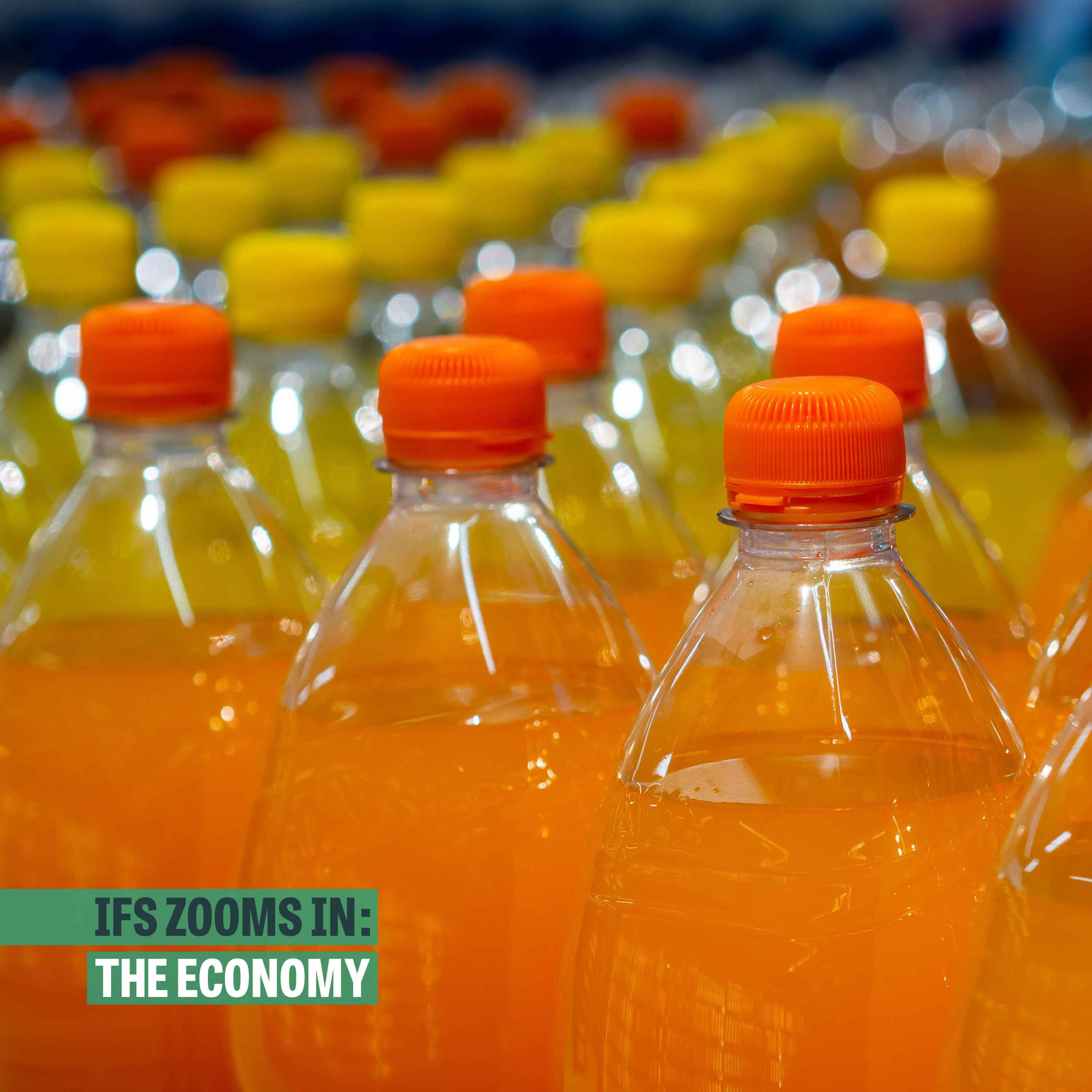
Nearly one in three adults in the UK is obese, and governments have introduced a growing range of policies aimed at improving our diets. From taxes on sugary drinks to restrictions on junk food advertising, the government is increasingly trying to influence what we eat. But are these policies actually working?
In this episode, Helen Miller is joined by Henry Dimbleby, author of the National Food Strategy, and IFS researcher Gautam Vyas to examine the economics of healthy eating.
They discuss why governments intervene in our diets, whether the UK's sugar tax has been successful, and the unintended consequences of restricting unhealthy food. They also explore whether weight-loss drugs could fundamentally change how we think about obesity, nutrition and the government's role in shaping our diets.
Become a member: https://ifs.org.uk/individual-membership
Find out more: https://ifs.org.uk/podcasts-explainers-and-calculators/podcasts
Hosted on Acast. See acast.com/privacy for more information.
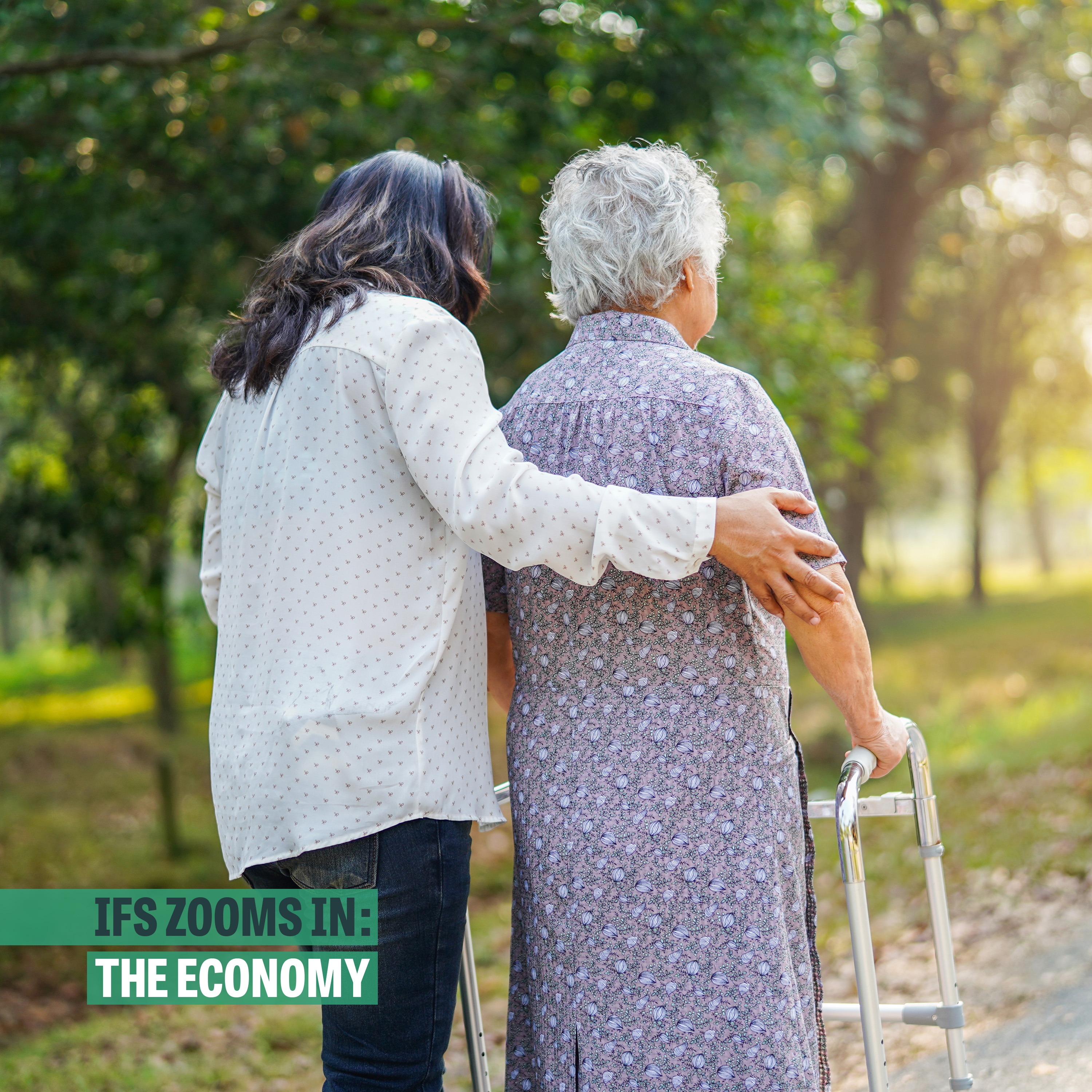
Social care reform has challenged successive governments for decades. Now, the government wants to create a national care service and has launched a new push to find a long-term solution.
But how does social care actually work? Who currently pays for it, and why can some people face such large and unpredictable costs? What pressures does the system place on councils? And what would meaningful reform cost?
Helen Miller is joined by Andrew Dilnot, former Chair of the Commission on Funding of Care and Support and former IFS Director, and David Phillips, an Associate Director at IFS, to explain the problems with England’s social care system, the options for reform and why finding a solution has proved so difficult.
Become a member: https://ifs.org.uk/individual-membership
Find out more: https://ifs.org.uk/podcasts-explainers-and-calculators/podcasts
Hosted on Acast. See acast.com/privacy for more information.
44 minAbspielen in:
Warum PodAppear
Folge Menschen, nicht Podcasts.
Du hast Helen in einer Sendung gehört. PodAppear findet für dich die nächste, und genauso für alle anderen, die du hören willst.
Eine Meldung, wenn die Person zu Gast istPer E-Mail: sofort oder gebündelt als Tages- oder Wochenübersicht. Dann nur noch auf Play drücken.
Gäste statt bloßer ErwähnungenFolgen, in denen ein Name nur fällt, landen getrennt. Eine Meldung heißt: Die Person ist wirklich in der Sendung.
Alle in einem FeedGründerinnen, Autoren, Sportler, Forscherinnen. Folge allen mit Namen, quer durch jede Sendung, in der sie auftreten.
What makes a job “good”? Is it pay, flexibility, progression, security, purpose, autonomy, or the people you work with?
Policy debates about inequality often focus on wages and getting people into work. But jobs are about much more than income. The quality of work affects people’s health, wellbeing, productivity, family life and future opportunities.
In this episode, Helen Miller is joined by Jonathan Cribb and Naomi Clayton, Chief Executive of the Institute for Employment Studies, to explore what good work really means, who gets access to good jobs, and what government can do to improve the quality of work in the UK.
They discuss inequalities in pay, gender and geography, the importance of progression and training, the rise of flexible and insecure work, the role of employment rights, and how trends such as AI could shape the future of jobs.
This is the fourth and final episode in our series on inequality.
This episode draws on work done as part of the IFS-Deaton Review, funded by the Nuffield Foundation.
Become a member: https://ifs.org.uk/individual-membership
Find out more: https://ifs.org.uk/podcasts-explainers-and-calculators/podcasts
Hosted on Acast. See acast.com/privacy for more information.
Around 80% of people think the gap between those on high and low incomes is too big. But only around 40% think the government should redistribute income from the rich to the poor.
Why is there such a gap between concern about inequality and support for action to reduce it?
In the second episode of our mini-series on inequality, we ask why people care about inequality, whether they distinguish it from poverty, and how views about luck, hard work, wealth and power shape attitudes to policy.
Helen Miller is joined by Jonathan Cribb, Deputy Director at IFS, and Bobby Duffy, Professor of Public Policy and Director of the Policy Institute at King’s College London. They draw on work for the IFS Deaton Review of Inequalities, funded by the Nuffield Foundation, to explore what the British public thinks about inequality, what kinds of inequality worry people most, and what they want government to do about it.
Become a member: https://ifs.org.uk/individual-membership
Find out more: https://ifs.org.uk/podcasts-explainers-and-calculators/podcasts
Hosted on Acast. See acast.com/privacy for more information.
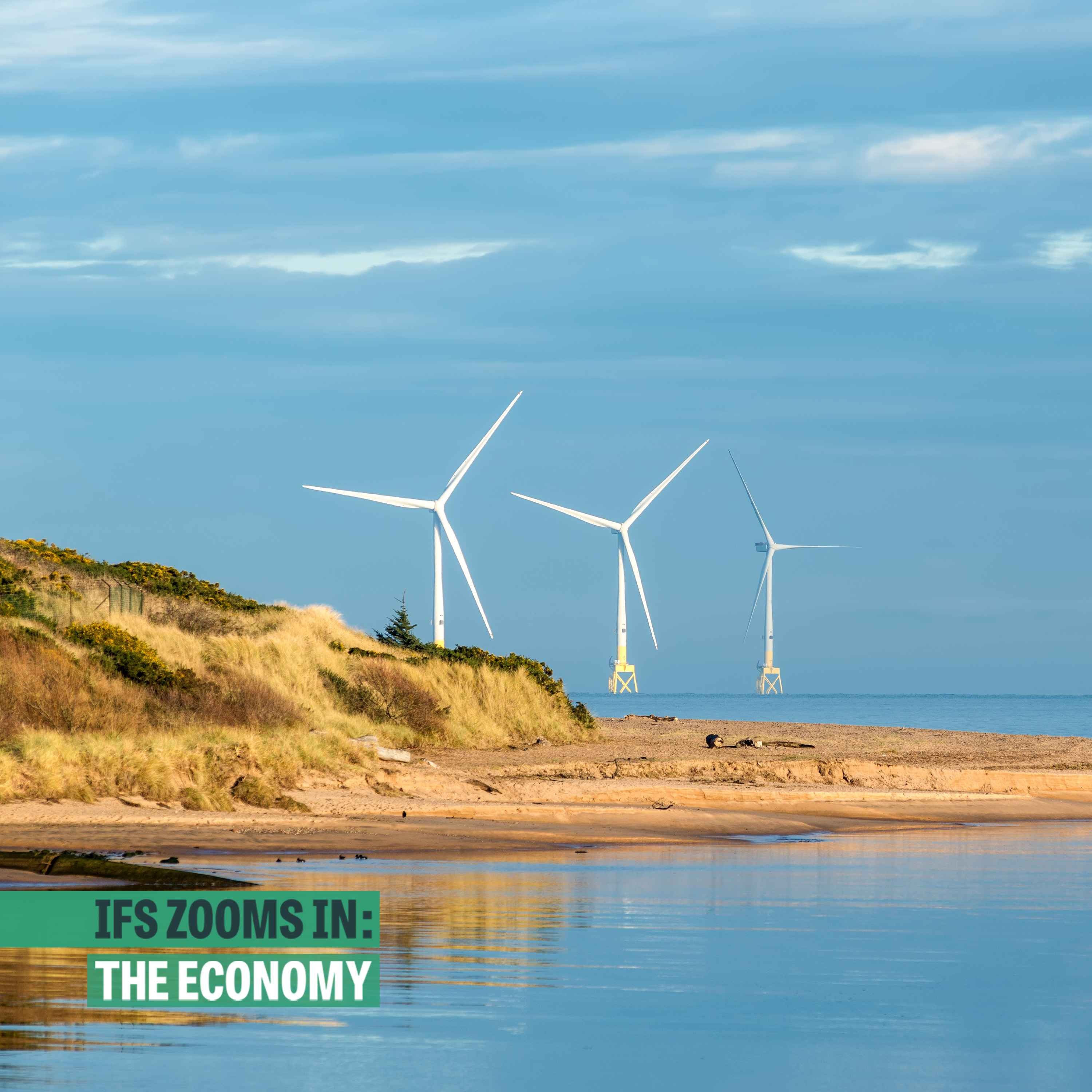
Conflict in the Middle East has pushed up energy prices in the UK. Even if the war ends soon, prices may not return to pre-war levels, and government could still face pressure to support households.
But the problem runs deeper than the current crisis. Even before the latest shock, the UK had some of the highest electricity prices in the developed world. Why is electricity so expensive here? How much of the problem is down to gas? Are renewables making bills cheaper or more expensive? And if government wants to cut electricity prices, what can it actually do?
Helen Miller is joined by Dieter Helm, Professor of Economic Policy at the University of Oxford, and Peter Levell, Deputy Research Director at IFS, to discuss Britain’s energy mix, the costs of renewables, net zero targets, and how policy should respond to energy price shocks.
Become a member: https://ifs.org.uk/individual-membership
Find out more: https://ifs.org.uk/podcasts-explainers-and-calculators/podcasts
Hosted on Acast. See acast.com/privacy for more information.
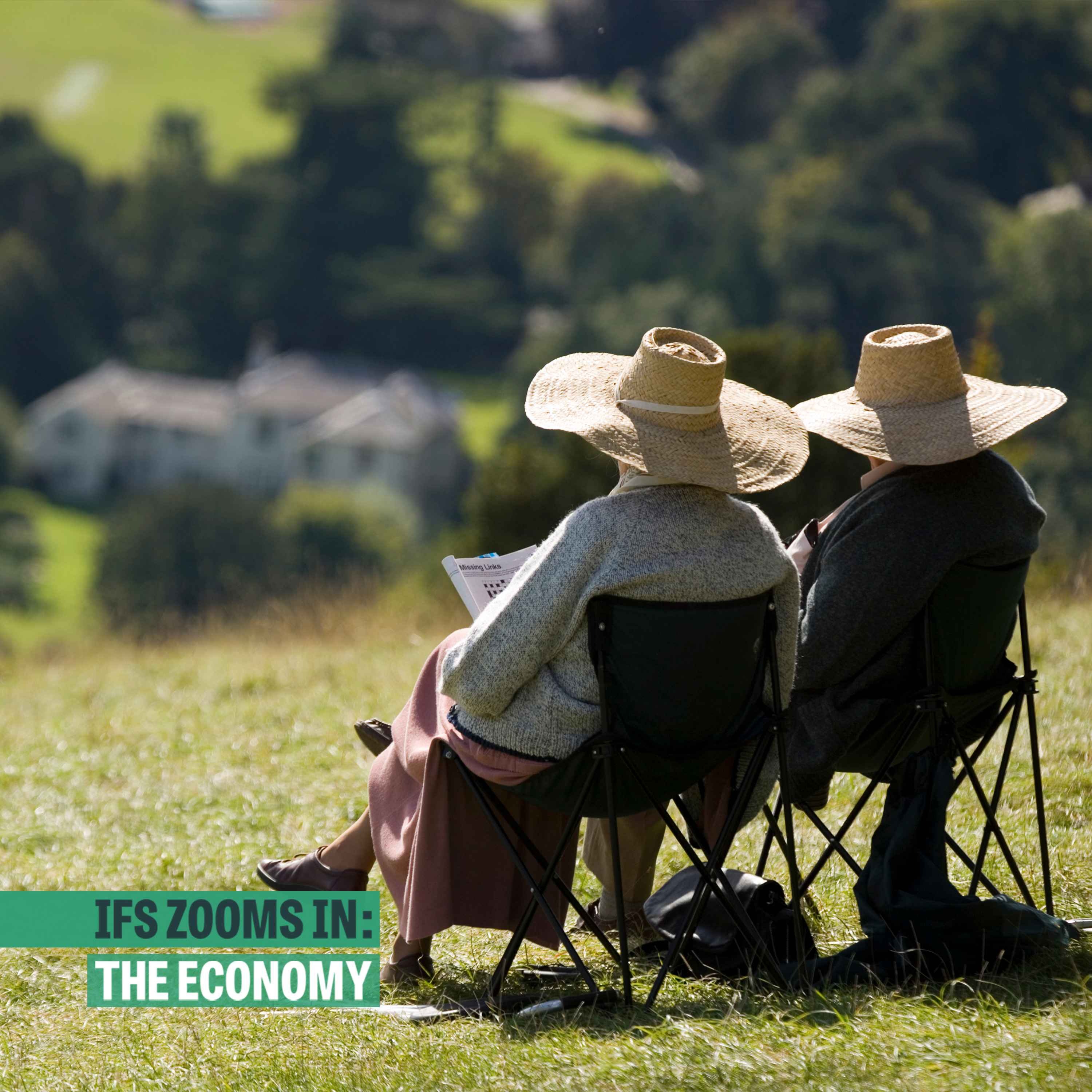
For decades, pensioners were one of the poorest groups in Britain. That is no longer true. Today, the average pensioner is at least as well off as the average working-age person, and in wealth terms many are far better off.
In this episode, Helen Miller is joined by Jonathan Cribb and Heidi Karjalainen to examine what the data really say about pensioner incomes, wealth and living standards. Where does pensioners’ money come from? How much is driven by the state pension, private pensions and housing wealth? Which pensioners are still struggling? And how do today’s retirees compare both with their parents’ generation and with younger people who are still working?
They also look ahead to the future: will younger generations enjoy the same living standards in retirement, or are higher house prices, lower homeownership and the decline of defined benefit pensions changing the picture? This episode sets out the big story of how pensioners’ finances have changed, and what it means for the future.
Become a member: https://ifs.org.uk/individual-membership
Find out more: https://ifs.org.uk/podcasts-explainers-and-calculators/podcasts
Hosted on Acast. See acast.com/privacy for more information.