Bekomm eine E-Mail, wenn Hannah in einem Podcast zu Gast istPodAppear prüft neue Folgen, sobald sie erscheinen, und lässt die weg, in denen Hannah nur erwähnt wird. Bis zu 15 Personen kostenlos, ohne Kreditkarte.Bis zu 15 Personen kostenlos, ohne Kreditkarte.
Could new UK law on pay transparency help close the gender pay gap, or place a costly burden on British business?
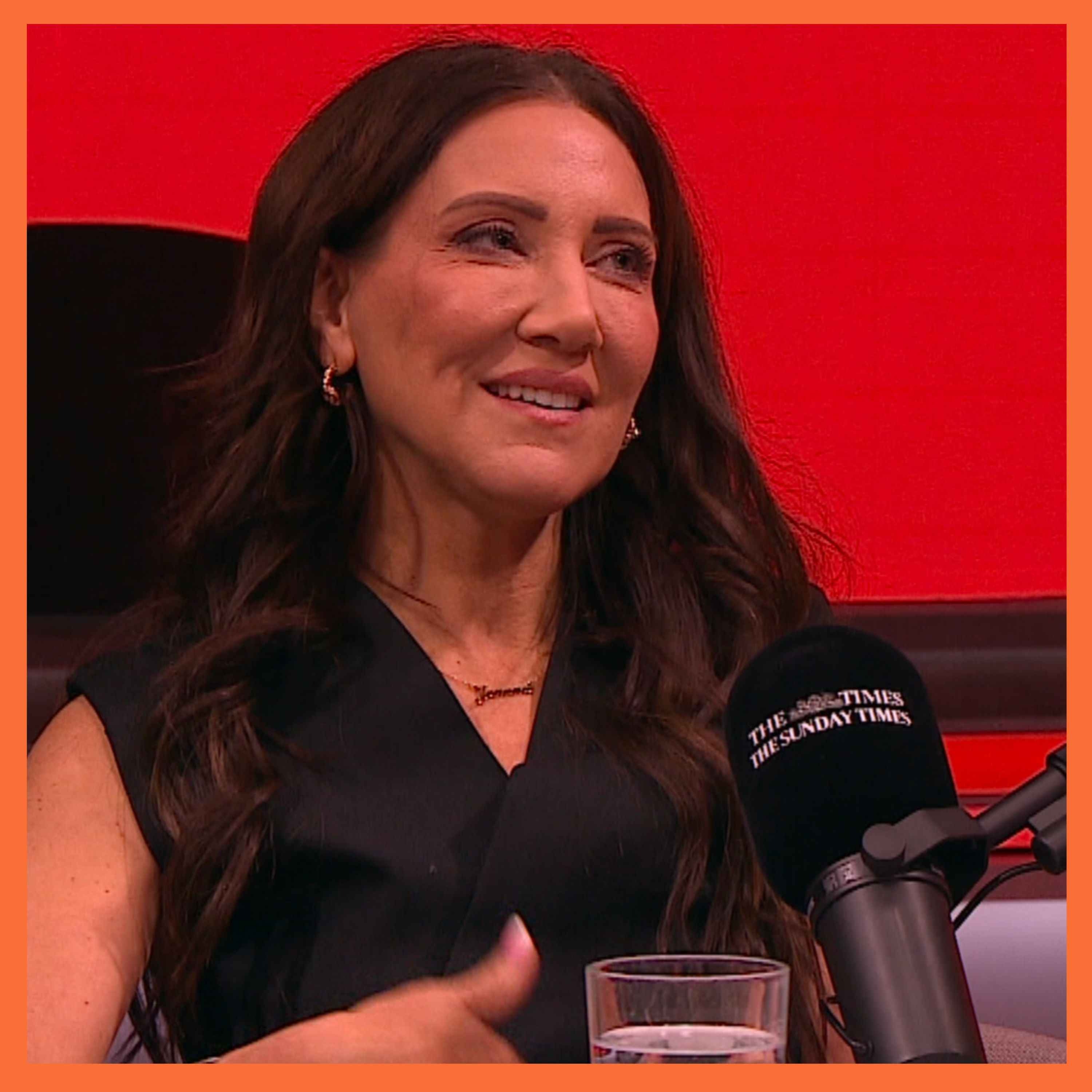
In this episode of The Business, Hannah Prevett is joined by Edwina Dunn, entrepreneur and founder of the non-profit The Female Lead, to discuss whether planned reforms to pay transparency rules could end pay discrimination as well as what impact the changes could have on businesses.
The government's recently closed its consultation on equal pay and pay discrimination, recommending mandatory salary ranges on all job adverts. Legislation is set to be brought forward “as soon as possible”, according to Prime Minister Andy Burnham, who recently urged firms to adopt pay transparency voluntarily before the law changes.
Dunn, who previously founded and led Dunnhumby, the data science firm behind the Tesco Clubcard, explains how salary transparency might not be a silver bullet for closing the gender pay gap. She also examines the wider impact on corporate strategy and the UK economy, addressing what industry leaders worry about most, from internal friction to potential salary inflation.
If you enjoyed this episode, make sure to press follow at the top of your podcast app.
This podcast was brought to you thanks to the support of readers of The Times and The Sunday Times. Subscribe today to get full digital access.
This episode is sponsored by PwC.
Presenter:
Hannah Prevett, associate business editor at The Sunday Times
Guests:
Edwina Dunn, entrepreneur and founder of The Female Lead
Producer: Hope Federico
Executive Producers: Emily Leahy and Miriam Hall
Image: Getty
Get in touch: thebusiness@thetimes.com
More from The Times
Is it time to ban job ads that hide the salary?
Could I face an equal pay claim?
Women hold majority of self-employed service jobs for first time
More from The Business
Why Are Women Paid Less Than Men?
Inside the Multi-Billion-Pound Resurgence of Marks & Spencer
Wealth and Inheritance Tax Driving Away the UK’s Super Rich?
Hosted on Acast. See acast.com/privacy for more information.
How did Raspberry Pi turn a credit card-sized computer into one of the biggest success stories in British tech business? And has the world jumped to conclusions when it comes to investing in AI data centres?
In this episode of The Business, Raspberry Pi co-founder and chief executive Eben Upton joins Hannah Prevett on stage at The Times Tech Summit to discuss why the company chose to manufacture and list in the UK, and what domestic technology firms must consider as they scale.
Eben first developed the low-cost computer during his studies at the University of Cambridge to provide hands-on programming experience for computer science students. Fifteen years later, Raspberry Pi has grown into a cornerstone of the UK tech industry.
When Raspberry Pi floated on the London Stock Exchange in 2024, Upton went against the grain of UK tech companies listing abroad. He explains why listing on the London stock market was the right strategic move for the business, how UK firms can successfully attract international capital without abandoning Britain, and what expanding domestic production means for the wider UK economy.
“We build in the UK, not 'cause we're patriotic, but because it's the best place to build. And we listed in London, not because we're patriotic, but because it was the best place to list.”
Upton also shares his candid view on current tech industry valuations, questioning the scaling and investment into AI data centres. “ It's four years after ChatGPT launched, right? And we have jumped to this conclusion about deployment of capital, really probably faster than the evidence supports. “
If you enjoyed this episode, make sure to press follow at the top of your podcast app.
This podcast was brought to you thanks to the support of readers of The Times and The Sunday Times. Subscribe today to get full digital access.
This episode is sponsored by PwC.
Guest:
Eben Upton, co-founder and chief executive of Raspberry Pi
Presenter:
Hannah Prevett, associate business editor at The Sunday Times
Producer: Hope Federico
Executive Producers: Miriam Hall and Emily Leahy
Image: Getty
Get in touch: thebusiness@thetimes.com
More from The Times
Memory chip shortage is boosting profits at UK’s Raspberry Pi
Is it worth buying a slice of Raspberry Pi?
AI can’t live without data centres. Locals can’t live with them
More from The Business
Synthesia CEO: Europe is a "Trust Fund Kid"
Nvidia's Jensen Huang: The affair threatening a $4.5T tech giant
Could the UK Electricity Grid Fail?
Hosted on Acast. See acast.com/privacy for more information.
How did Hawksmoor grow from a single Shoreditch steakhouse into a global brand, and can UK hospitality survive rising tax burdens?
In this episode of The Business, Hawksmoor co-founder and Chief Executive Will Beckett joins Hannah Prevett at Hawksmoor St Pancras to reflect on what he's learned from 20 years in British business, and what UK hospitality wants from Chancellor John Healey's budget.
He breaks down the harsh financial pressures facing the industry, including how tax changes, rising business rates, and employment legislation impact hospitality margins.
“I know that the hospitality industry would like me to say, ‘big, sweeping change’ - I just think it's unlikely,” he tells the programme. “Anything that is just relieving the tax burden or relieving the pressure slightly, that, in a way that would help smaller independent businesses flourish, I think has to be good news.”
Beckett, who runs the business alongside his co-founder, Creative Director Huw Gott, also discusses scaling the steakhouse chain across London and taking on private equity investment to take the brand to the US with major openings in New York, Chicago, and Boston.
"We've learned about how to pitch Britishness and London. Boston's really well known for lobster rolls, but in Hawksmoor Boston, we do a lobster crumpet.”
If you enjoyed this episode, make sure to follow this podcast.
This podcast was brought to you thanks to the support of readers of The Times and The Sunday Times. Subscribe today to get full digital access.
Guest:
Will Beckett, chief executive and co-founder of Hawksmoor
Presenter:
Hannah Prevett, associate business editor of The Sunday Times
Producer: Hope Federico
Executive Producer: Miriam Hall and Emily Leahy
Get in touch: thebusiness@thetimes.com
More from The Times
I was a jack of all trades until I sunk my teeth into Hawksmoor
How a very British steakhouse won over New York
More from The Business
Will the Chancellor Increase Capital Gains Tax in the Budget?
The Employment Rights Act: A Generational Shift for British Business
Hosted on Acast. See acast.com/privacy for more information.
What does it take to become a top football agent in the UK? From negotiating million-pound contracts, to managing player transfers, a football agent holds the power to change the game long before players walk onto the pitch.
In this episode of The Business, we explore the high-stakes world of sports management, where agent fees topped £400 million in the Premier League last year. Jo Tongue, leading football agent and chief executive of Tongue Tied Management, joins Hannah Prevett, associate business editor at The Sunday Times, to take us behind the scenes of commercial deal making in football.
Jo discusses managing players' careers, negotiating commercial deals, and representing some of the biggest names across British football, including the manager of Manchester United, Michael Carrick.
As a board member of Women in Football, Jo also reflects on working in a male-dominated industry and addressing the persistent inequalities facing female sports professionals.
On social media she says abuse "is rife for women, to the point where I think a lot of females just go, ‘I'm just not gonna put anything out there because it's just not worth the stress."
More from the Times:
‘It never occurred to me that I couldn’t succeed in football as a girl’
Michael Carrick hails ‘fresh start’ but one win in seven tells own story
More from the Business
Beyond TV: How Trinny Woodall Built A Beauty Brand
“I was ashamed”: How failure built Castore
Guests:
Jo Tongue, football agent and chief executive of Tongue Tied Management
Presenter:
Hannah Prevett, associate business editor at The Sunday Times
Producer: Hope Federico
Executive Producer: Miriam Hall and Emily Leahy
Video Producer: Super Llama
Hosted on Acast. See acast.com/privacy for more information.
This branded episode is brought to you by PwC
What should business leaders expect from the chancellor's first Budget? President of the British Chambers of Commerce and former Bank of England Chief Economist Andy Haldane joins The Business to discuss.
Hannah Prevett and Dominic O’Connell explore what John Healey will be weighing up before heading to the despatch box. Joined by Andy Haldane and Claire Blackburn (PwC’s UK Tax Leader), they examine the economic pressures facing the UK economy, the politics behind the potential fiscal policy choices, and potential changes to capital gains tax.
They discuss what British business and industry leaders need from this Budget to drive economic growth, manage corporate strategy, and restore commercial confidence.
You can also watch this episode on Times Business channel on YouTube.
Guests:
Andy Haldane, President of the British Chamber of Commerce and former Chief Economist at the Bank of England
Claire Blackburn, PwC’s UK Tax Leader
Presenter:
Hannah Prevett, associate business editor, The Sunday Times
Dominic O’Connell, business correspondent, Times Radio
Producer: Shabnam Grewal
Executive Producer: Emily Leahy
Video Producer: Super Llama
Get in touch: thebusiness@thetimes.com
Hosted on Acast. See acast.com/privacy for more information.
Hosted on Acast. See acast.com/privacy for more information.
31 minAbspielen in:
Warum PodAppear
Folge Menschen, nicht Podcasts.
Du hast Hannah in einer Sendung gehört. PodAppear findet für dich die nächste, und genauso für alle anderen, die du hören willst.
Eine Meldung, wenn die Person zu Gast istPer E-Mail: sofort oder gebündelt als Tages- oder Wochenübersicht. Dann nur noch auf Play drücken.
Gäste statt bloßer ErwähnungenFolgen, in denen ein Name nur fällt, landen getrennt. Eine Meldung heißt: Die Person ist wirklich in der Sendung.
Alle in einem FeedGründerinnen, Autoren, Sportler, Forscherinnen. Folge allen mit Namen, quer durch jede Sendung, in der sie auftreten.
What does Labour’s industrial strategy mean for British business? Business Secretary Jonathan Reynolds speaks to Hannah Prevett at the Labour Party conference.
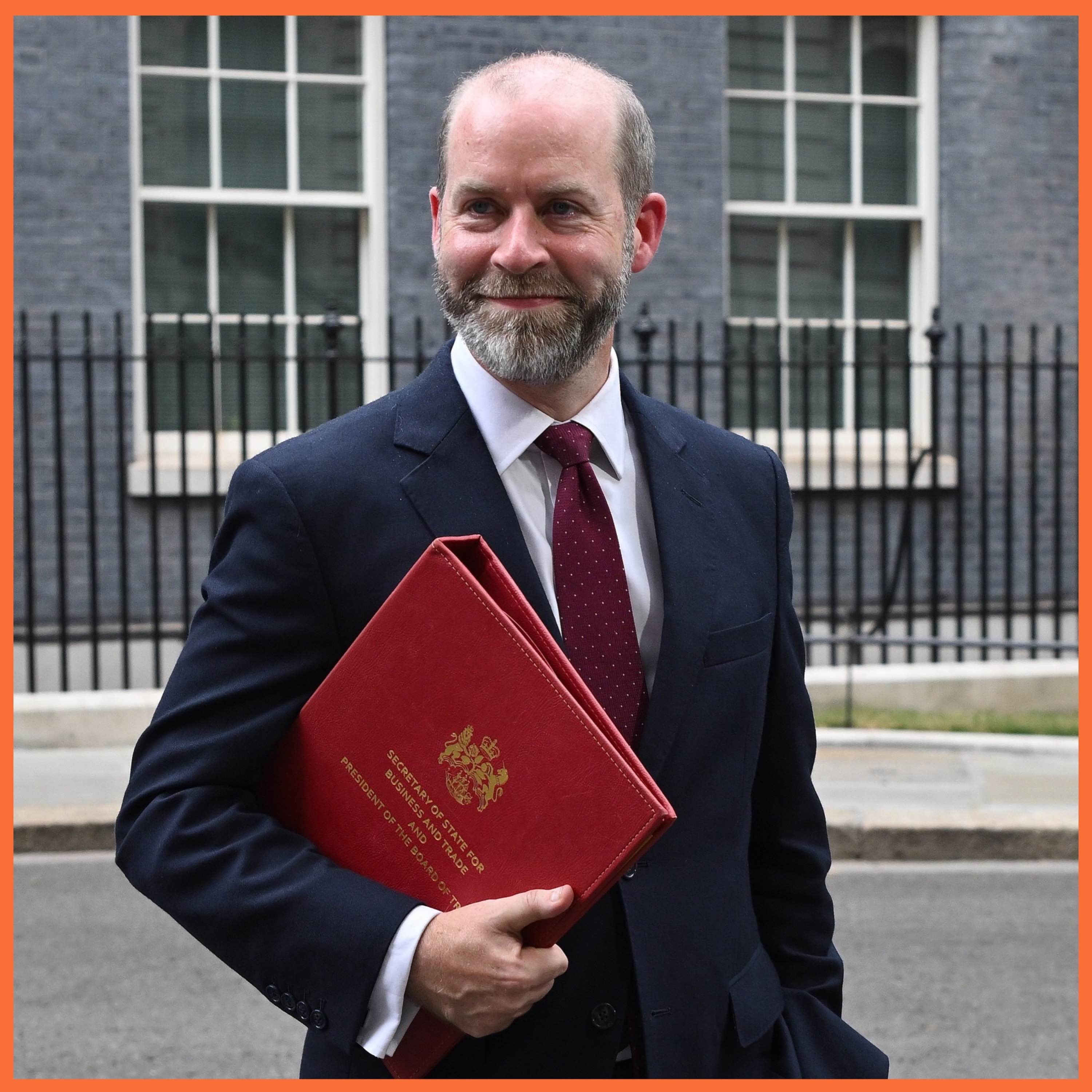
In this episode of The Business, recorded live on stage at the Labour Party conference in Liverpool, Business Secretary Jonathan Reynolds joins Hannah Prevett, associate business editor at The Sunday Times, to outline the government's plans for driving economic growth across the UK economy. Reynolds discusses how Labour’s industrial strategy will operate alongside regional growth plans, what the government's corporate strategy is for taking British Steel into public control, and how fiscal policy will support UK manufacturing and infrastructure. He also shares his perspective on Heathrow expansion, rising diesel costs, and the government's plans to restore business confidence.
Guest:
Jonathan Reynolds, Secretary of State for Business and Trade
Presenter:
Hannah Prevett, associate business editor at The Sunday Times
Producer: Hope Federico
Executive Producer: Miriam Hall and Emily Leahy
Get in touch: thebusiness@thetimes.com
Hosted on Acast. See acast.com/privacy for more information.
How did M&S pull off one of the biggest turnarounds in British retail? Hannah Prevett speaks to operations director Sacha Berendji about the high street giant's transformation.
In this episode of The Business, we explore how M&S transformed its food, fashion, and shop location strategy to capture market share across British business. From store renewals and digital growth - to managing a cyber attack - we consider what its resurgence reveals about wider retail trends and consumer spending across the UK economy. M&S operations director Sacha Berendji joins Hannah Prevett, associate business editor at The Sunday Times, to discuss the corporate strategy behind the multi-billion-pound revival of M&S. He explains how leadership set the course to revamp its product lineup, handle the logistics of "fortress factories" and is now approaching shoplifting challenges. He also discusses the tax burden on high street retailers, along with what M&S wants from government fiscal policy to address rising costs and the youth unemployment crisis.
He breaks down the company's decision to close a number of high street shops across the country:
“We're very well aware of the role that we play on a high street and within a local community, so we never take these decisions [to close a location] lightly - but when you look at the economics at play, not just for us, but for all retailers, and, really importantly, where customers are shopping, it has become more and more difficult to justify being in locations where there isn't customer foot fall,” he says on the show. “It's not an anti-high street agenda … If the high street is the right place, then we'll be on the high street.”
Guest:
Sacha Berendji, operations director at M&S
Presenter:
Hannah Prevett, associate business editor at The Sunday Times
Producer: Hope Federico
Executive Producer: Miriam Hall and Emily Leahy
Get in touch: thebusiness@thetimes.com
Picture: Getty
Hosted on Acast. See acast.com/privacy for more information.
Are wealth creators fleeing Britain, and what does a super-rich exodus mean for Treasury tax revenues and the wider UK economy?
In this episode of The Business, Hannah Prevett investigates why high earners are leaving the country and whether changes to non-dom status are accelerating the trend. She is joined by Dan Neidle, tax lawyer and founder of Tax Policy Associates, and Robert Watts, Times contributor and compiler of the Sunday Times Rich List.
Together, they explore high-profile departures, including hedge fund founder Chris Rokos, who paid £330m in UK tax in a single year. They examine how abolishing non-dom rules, rising inheritance tax, and proposed exit taxes impact capital investment across British business. And as ministers prepare their upcoming budget, Hannah asks how government fiscal policy can retain top talent in the country, protect tax receipts, and drive long-term economic growth.
Presenter:
Hannah Prevett, associate business editor at The Sunday Times
Guests:
Dan Neidle, founder of Tax Policy Associates
Robert Watts, Times contributor
Producer: Hope Federico
Executive Producer: Emily Leahy and Miriam Hall
Video Producer: Bronwen Latham
Image: Getty
Hosted on Acast. See acast.com/privacy for more information.
How is Pret A Manger turning a London high-street staple into a powerhouse brand? In this episode of The Business, chief executive Pano Christou breaks down the Pret A Manger global strategy, detailing how the company adapts its corporate strategy for international markets while staying true to its British business roots.
Recorded live at The Times Future of London summit, Hannah Prevett sits down with one of retail's most prominent industry leaders. Pano reflects on his 26-year journey from the shop floor to the executive suite, sharing lessons in entrepreneurship, building a resilient model, and navigating changing retail trends and consumer habits.
If you enjoyed this episode, make sure to press follow at the top of your podcast app.
Presenter:
Hannah Prevett, associate business editor of The Sunday Times
Guest:
Pano Christou, Chief Executive of Pret A Manger
Producer: Hope Federico
Executive Producers: Miriam Hall and Emily Leahy
Video Producer: Bronwen Latham
Image: Getty
Get in touch: thebusiness@thetimes.com
Hosted on Acast. See acast.com/privacy for more information.
This branded episode is brought to you by PwC.
Why are so many young people out of work? Government adviser Alan Milburn joins The Business to discuss youth unemployment, the rising number of NEETs (not in employment, education or training) and first jobs.
In this episode, Alan Milburn — who has been examining the surge in young people classified as NEETs — is joined by PwC’s Chief People Officer Philippa O’Connor. Together with hosts Hannah Prevett and Dominic O’Connor, they analyse why tackling youth unemployment is critical for the UK economy and future economic growth.
Drawing on research from the Social Market Foundation and PwC, they explore why British business must invest in entry-level talent, how industry leaders can help young people build a career, and what’s needed to keep young people out of long-term unemployment.
Guests:
Alan Milburn, author of the government-commissioned review into young people and work
Phillippa O’Connor, chief people officer, PwC UK
Presenter:
Hannah Prevett, associate business editor, The Sunday Times
Dominic O’Connell, business correspondent, Times Radio
Producer: Hope Federico
Executive Producer: Emily Leahy
Get in touch: thebusiness@thetimes.com
Hosted on Acast. See acast.com/privacy for more information.
Hosted on Acast. See acast.com/privacy for more information.
How did Trinny Woodall build a global cosmetics empire by targeting an overlooked market? Hannah Prevett speaks to the Trinny London founder about entrepreneurship, corporate strategy, and leading a modern British business.
In this bonus episode, Trinny Woodall shares how she turned personal brand authority into an innovative enterprise, which she launched at age 53. As one of the UK’s most prominent industry leaders, Trinny Woodall explains why raising capital was challenging, how she navigated changing retail trends - and what it takes to scale a brand.
"The more we go into AI, the more important it is when you scroll through social, you're being sent an ad or you're seeing something on a billboard ... That company has a soul and it has a code of beliefs which are not to do with the product it's selling you," she says. "That code of beliefs is actually what you relate to and connect with, and therefore, at that top-line level, you agree with what the feeling is, of that brand."
If you enjoyed this episode, make sure to press follow at the top of your podcast app and look for the full episode with Trinny Woodall wherever you get your podcasts.
Guest:
Trinny Woodall, founder and CEO of Trinny London
Presenter:
Hannah Prevett, associate business editor at The Sunday Times
Producer: Hope Federico
Executive Producer: Miriam Hall and Emily Leahy
Video Producer: Bronwen Latham
Get in touch: thebusiness@thetimes.com
Hosted on Acast. See acast.com/privacy for more information.
How did Trinny Woodall build cosmetics brand Trinny London into a multimillion-pound British business? Hannah Prevett speaks to the founder about reinvention.
Few people understand business reinvention quite like Trinny Woodall. Best known for her hit television career, Trinny Woodall launched her cosmetics enterprise Trinny London from her own home in 2017 at age 53. In this episode of The Business, we explore how she navigated fundraising hurdles, targeted the over-40s skincare market, and established a major force in UK retail trends.
Trinny Woodall reveals the corporate strategy behind building her beauty brand from scratch, her non-negotiables in hiring, and why establishing a support network of female founders was crucial to her success in entrepreneurship.
"You need to really build a network of other female founders so that you feel you have women at the same place as you with the same struggles," Woodall says. "Because it's important to sense-check your thought process against somebody who is in a very similar position to you."
Guest:
Trinny Woodall, founder and CEO of Trinny London
Presenter:
Hannah Prevett, associate business editor, The Sunday Times
Producer: Hope Federico
Executive Producer: Miriam Hall and Emily Leahy
Video Producer: Bronwen Latham
Get in touch: thebusiness@thetimes.com
Hosted on Acast. See acast.com/privacy for more information.