Bekomm eine E-Mail, wenn Graihagh in einem Podcast zu Gast istPodAppear prüft neue Folgen, sobald sie erscheinen, und lässt die weg, in denen Graihagh nur erwähnt wird. Bis zu 15 Personen kostenlos, ohne Kreditkarte.Bis zu 15 Personen kostenlos, ohne Kreditkarte.
Climate change is having major health impacts around the world, which are only expected to increase as our planet gets warmer. These impacts range from heat stroke to the spread of tropical diseases, from hospitals losing power during extreme weather to the effect on our mental health.
In a show first broadcast in 2025, Graihagh Jackson talks to Dr Jemilah Mahmoud, executive director, Sunway Centre for Planetary Health, Malaysia and Dr Omnia El Omrani, vice-chair of the Global Climate and Health Alliance, about the challenges the medical sector faces, as well as possible solutions and how healthcare must also address its own emissions problem.
If you have a question or a comment, email us at theclimatequestion@bbc.com or leave a WhatsApp message at + 44 8000 321 721
Presenter: Graihagh Jackson
Producer: Diane Richardson
Research: Jordan Dunbar
Production co-ordinator: Brenda Brown
Sound engineer: Tom Brignell and Philip Bull
Editor: Simon Watts
Europe is reeling from a record-breaking drought which has closed nuclear power stations, stopped river traffic and sent food prices soaring. And there may now be more intense droughts in some parts of the world because of climate change.
Our host Graihagh Jackson explores solutions from water usage apps in South Africa to solar irrigation systems in Egypt. She also looks at the challenges of adapting our energy infrastructure for a warming planet.
Her guests are Dr Iain Staffell, Associate Professor of Sustainable Energy at Imperial College London, and Dr Vidhisha Samarasekara, Strategic Program Director for Water, Climate Change and Resilience at the International Water Management Institute.
Got a question for The Climate Question? Email us: theclimatequestion@bbc.com
Picture Credit: International Water Management Institute (IWMI)
Producers: Diane Richardson and Melanie Stewart-Smith
Sound Mix: Tom Brignell and Philip Bull
Editor: Simon Watts
Graihagh Jackson talks to mothers from India, Kenya and the UK about how climate change is affecting women's decisions about whether to have children and how to raise them.
Her guests are Bhavreen Kandhari, a clean air campaigner from Delhi; Dr Susan Chomba, a Kenyan forest scientist and environmentalist; and Dr Elizabeth Cripps, a political philosopher specializing in climate justice. This programme was first broadcast in 2025.
Got a question for The Climate Question? Email us: theclimatequestion@bbc.com
Produced and presented by Graihagh Jackson
Sound mix: Tom Brignell and Neil Churchill
Editor: Simon Watts
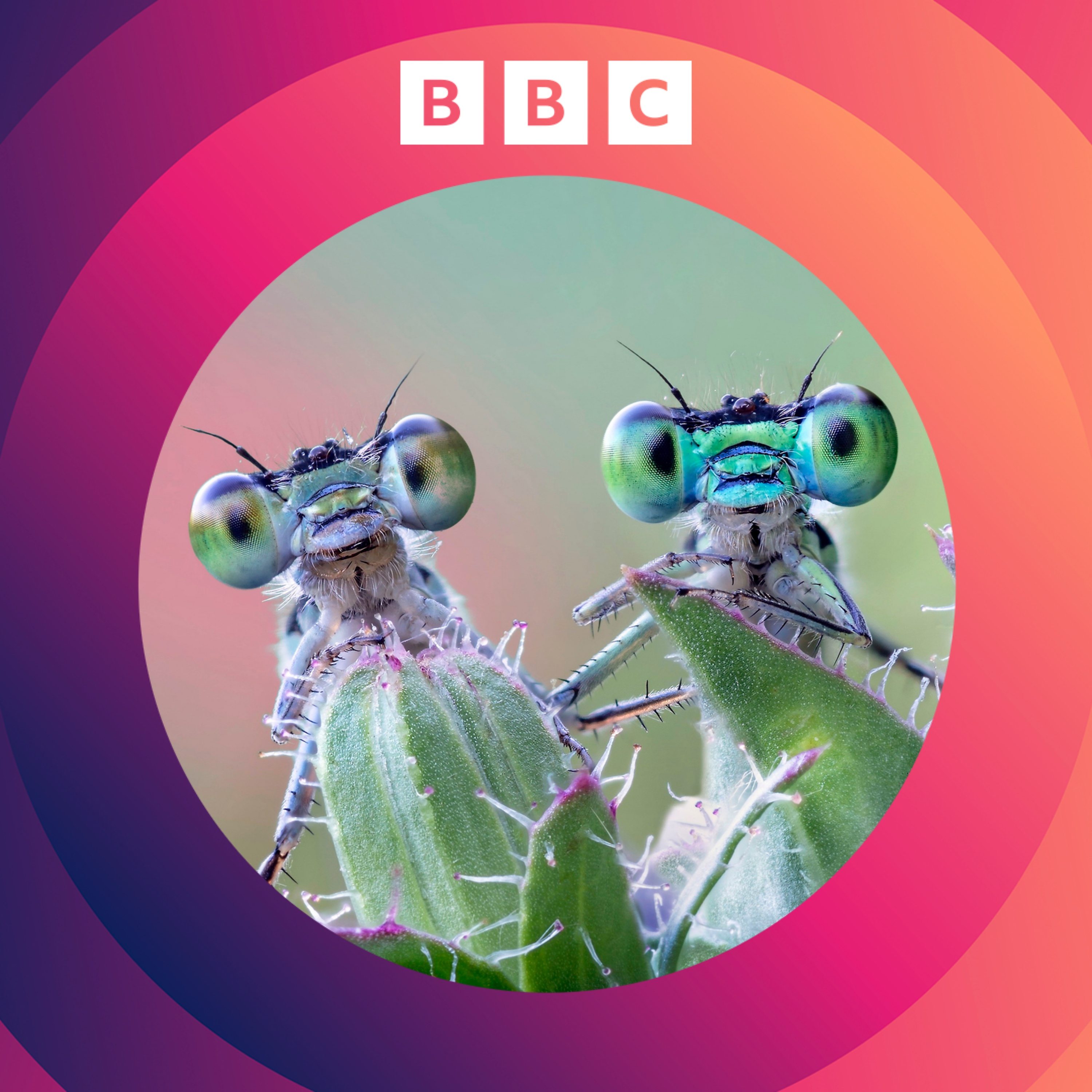
Insects play a crucial role in food production and the spread of disease, as well as being keystone species in many ecosystems. What does a warmer world mean for them?
Climate Question hosts Graihagh Jackson and Jordan Dunbar talk to zoologist Dr Tim Cockerill, Senior Lecturer at Falmouth University.
Got a question or comment? You can email the team: theclimatequestion@bbc.com
Producers: Diane Richardson, Graihagh Jackson and Grace Braddock
Sound mix: Mike Regaard and Tom Brignell
Editor: Simon Watts
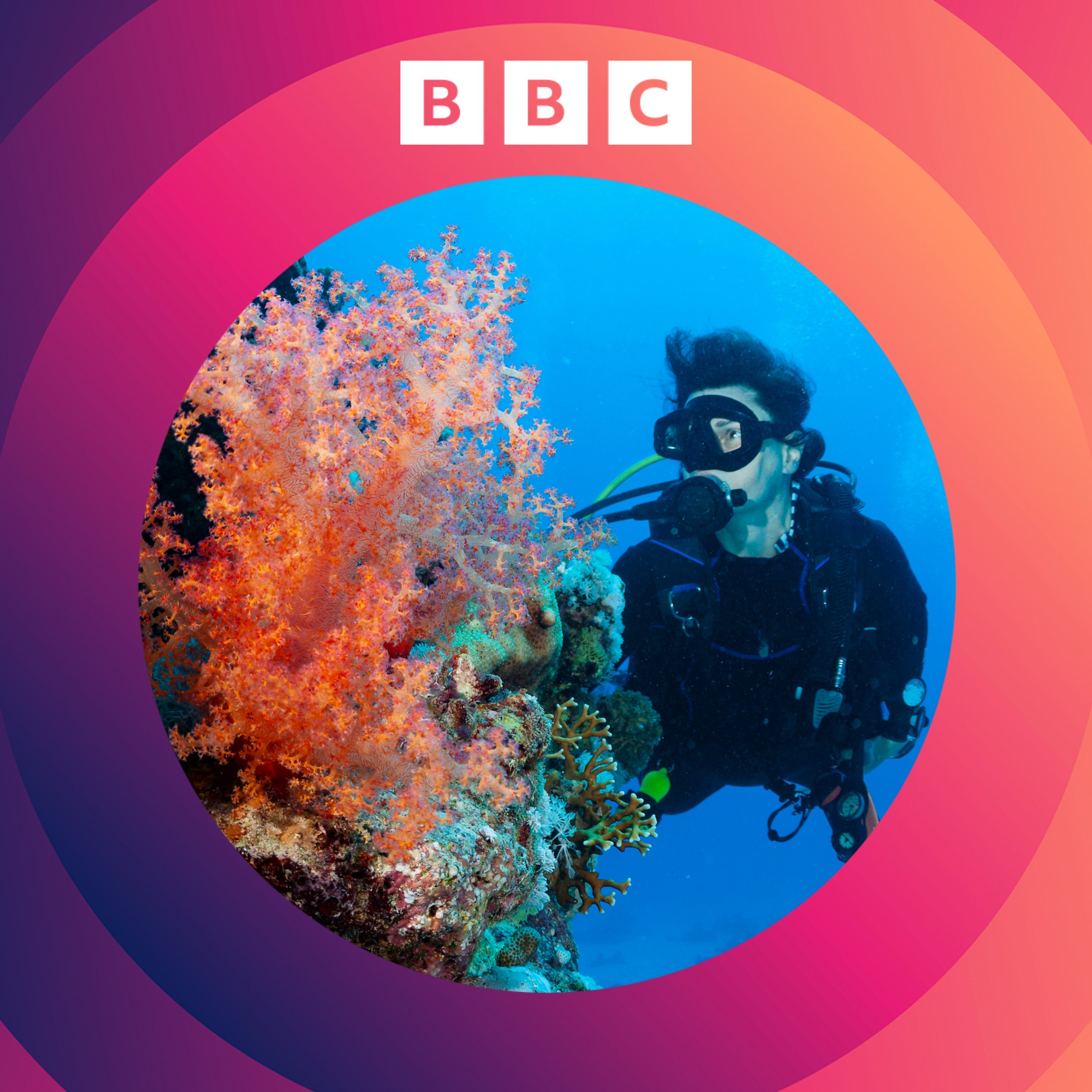
Corals protect humans and sustain 25% of all marine life. But reefs are under threat from climate change, and mass bleaching events mean that some scientists estimate they could disappear by 2100.
In this episode, Graihagh Jackson is joined by BBC CrowdScience presenter, Caroline Steel. We go to Puerto Rico to see how self-duplicating, carnivorous coral could be the solution. We also speak to the scientist who helped discover what was causing coral bleaching in the first place - back when climate change was commonly denied.
This programme was first broadcast in 2024.
Guests:
Dr Ove Hoegh-Guldberg, Professor of Marine Studies at the University of Queensland in Brisbane
Dr Stacey Williams, Executive Director at the Institute for Socio Ecological Research
Picture: Prickly alcyonarian - Dendronephthya sp. Orange red colored soft coral. Credit: ultramarinfoto via Getty.
Presenters: Graihagh Jackson and Caroline Steel
Producer: Octavia Woodward
Production co-ordinator: Brenda Brown
Editor: Simon Watts
Sound Engineer: Tom Brignell
Got a climate question you’d like answered? E-mail the team: theclimatequestion@bbc.com
It’s one of the most commonly debated questions in the climate world: Is this weather we’re experiencing natural, or is it linked to man-made climate change?
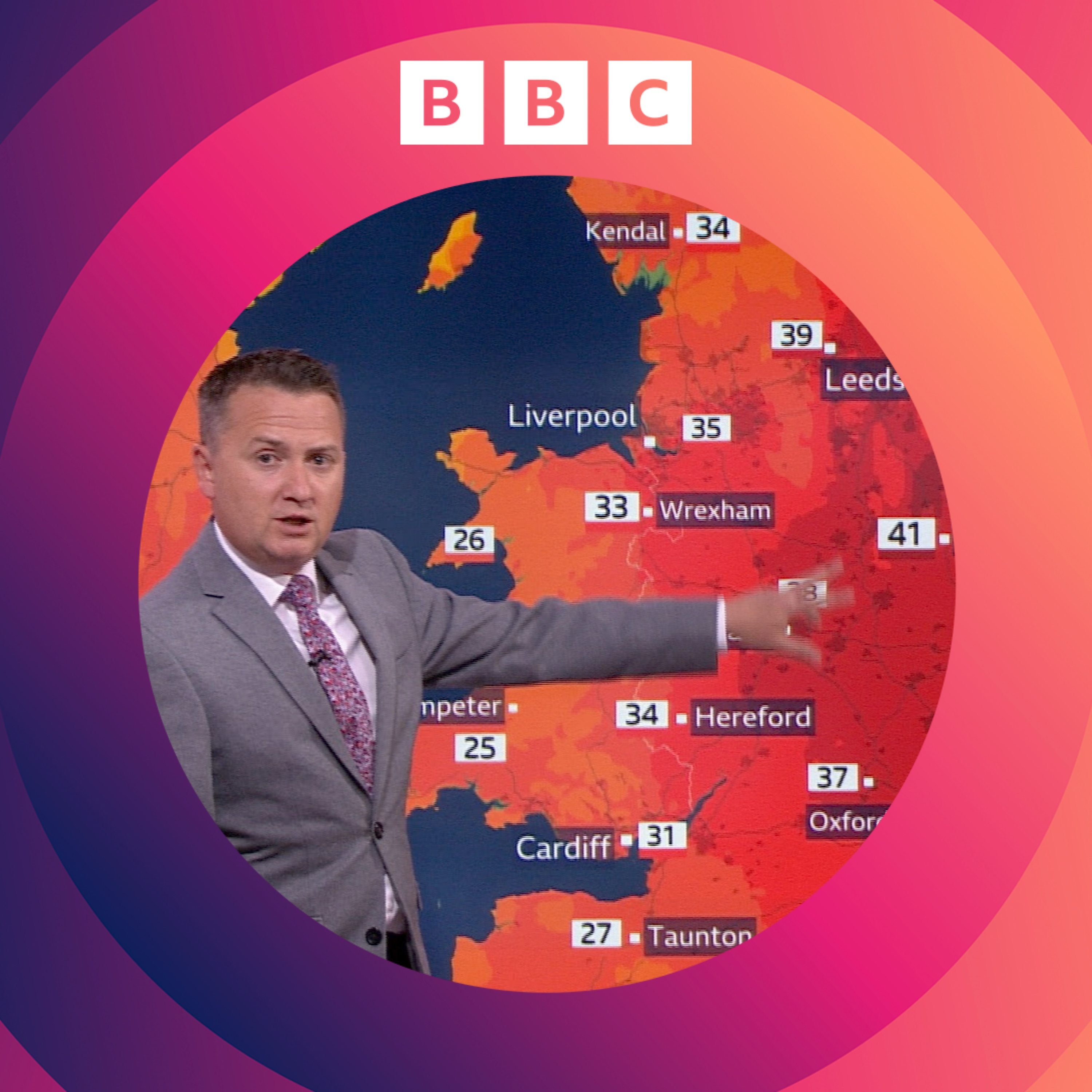
In this episode of The Climate Question, Hosts Graihagh Jackson and Jordan Dunbar are joined by BBC Lead Weather Presenter, Matt Taylor. Matt’s forecasts are seen not just in the UK but around the world.
Matt chats to Graihagh and Jordan about the crucial difference between weather and climate, and the challenge of communicating this on air. They discuss why heavy snowfall will still be possible in a warmer world, as well as the likely increase in droughts, heatwaves and extreme weather.
Matt also talks about whether climate change will make his forecasts more or less accurate. And he tells Graihagh and Jordan about an encounter with BBC wildlife legend, David Attenborough!
Got a climate question or comment? Email us at theclimatequestion@bbc.com
Presenters: Graihagh Jackson and Jordan Dunbar
Producers: Nik Sindle and Melanie Stewart-Smith
Sound Mix: Ricardo McCarthy and Tom Brignell
Editors: Simon Watts and Melanie Stewart-Smith
Earthquakes are caused by a sudden release of stress along faults in the earth's crust, not by climate change, but some new studies suggest that melting glaciers and permafrost may influence when, where and how often seismic activity occurs.
In this episode, hosts Graihagh Jackson and Jordan Dunbar chat to seismologist Dr. Verena Simon from the Swiss Seismology Service and Associate Professor of Geosciences at Colorado State University, Sean Gallen.
Got a question or comment? email us at theclimatequestion@bbc.com
Production team: Diane Richardson, Grace Braddock
Sound Engineer: Tom Brignell and Philip Bull
Production Coordinator: Brenda Brown.
Editor: Simon Watts.
(Photo by Annabelle Chih/Getty Images)
26 minAbspielen in:
Warum PodAppear
Folge Menschen, nicht Podcasts.
Du hast Graihagh in einer Sendung gehört. PodAppear findet für dich die nächste, und genauso für alle anderen, die du hören willst.
Eine Meldung, wenn die Person zu Gast istPer E-Mail: sofort oder gebündelt als Tages- oder Wochenübersicht. Dann nur noch auf Play drücken.
Gäste statt bloßer ErwähnungenFolgen, in denen ein Name nur fällt, landen getrennt. Eine Meldung heißt: Die Person ist wirklich in der Sendung.
Alle in einem FeedGründerinnen, Autoren, Sportler, Forscherinnen. Folge allen mit Namen, quer durch jede Sendung, in der sie auftreten.