Bekomm eine E-Mail, wenn Estelle in einem Podcast zu Gast istPodAppear prüft neue Folgen, sobald sie erscheinen, und lässt die weg, in denen Estelle nur erwähnt wird. Bis zu 15 Personen kostenlos, ohne Kreditkarte.Bis zu 15 Personen kostenlos, ohne Kreditkarte.
Estelle kostenlos folgen
Estelle Brachlianoff

Estelle Brachlianoff

French engineer and business executive

Estelle Brachlianoff war in den letzten 12 Monaten in 3 Podcast-Folgen aus 3 verschiedenen Sendungen zu Gast. Zuletzt: The Interview, 27. Sept. 2026.

Kurzbiografie aus WikipediaFoto: Majani d'Inguimbert, CC BY-SA 4.0, über Wikimedia Commons

Zwei Jahre auf Sendung

GastHostErwähnt

Gastauftritte

So27Sep
The Interview

The Interview

Estelle Brachlianoff, Veolia CEO: We need to rethink waste

Justin Rowlatt speaks to Estelle Brachlianoff, chief executive of environmental firm Veolia. The corporation’s origins can be traced all the way back to 19th Century France, when it was established as a water company during the country’s industrial revolution. More than a century-and-a-half later, it’s grown to become one of the world’s leading operators of environmental services, working across five continents - providing water supplies, waste management and energy services. In this exclusive, wide-ranging interview, Brachlianoff reveals how a multi-billion dollar corporation operates, as well as how Veolia adapts to the various challenges posed by climate change, and opportunities offered by technological advances. “Why is it important that we increase the recycling rates? It's not just for the CO2 emissions, although it's important, it's because it's a source of materials as opposed to importing it from elsewhere. So in a way, instead of mining the planet, what about mining our waste? Instead of importing paper and oil and plastic, because plastic of course is traditionally made out of oil and lithium to make batteries, what about mining our waste?” says Brachlianoff. (Image: Estelle Brachlianoff. Credit: Getty Images) Get in touch with us on email TheInterview@bbc.co.uk and use the hashtag #TheInterviewBBC on social media. Thank you to the Big Boss Interview team for their help in making this programme. The Interview brings you conversations with people shaping our world, from all over the world. The best interviews from the BBC, including episodes with entrepreneur Isaac Larian, meteorologist Celeste Saulo, and Arm CEO Rene Haas. You can listen on the BBC World Service on Mondays, Wednesdays and Fridays at 0800 GMT. Or you can listen to The Interview as a podcast, out three times a week on BBC Sounds or wherever you get your podcasts. Presenter: Justin Rowlatt Producers: Ben Cooper and Olie D'Albertanson Editor: Damon Rose

27 minAbspielen in:

Do3Sep
Big Boss Interview

Big Boss Interview

Veolia CEO: We Can Help Run Thames Water If Govt Nationalise It

(Episode 52) The chief executive of the world's largest water company has said Veolia would consider running Britain's water infrastructure if it were taken into public ownership, opening the door to a model in which the state owns the assets but private companies operate them. Asked whether that could mean "nationalise the assets, and Veolia comes in to manage them," Estelle Brachlianoff said: "It could be an option, yes." She described what that could look like in practice: Veolia running drinking water facilities, wastewater treatment plants and network management under contract, as it already does in other countries. What she ruled out was buying Thames Water. Pressed on the commercial opportunity, she said the ownership model was for government to decide. Brachlianoff leads a business with around €45 billion in turnover and 220,000 employees worldwide, including 15,000 in the UK. She says drought and water scarcity cost the British economy more than £1 billion this summer, with two-thirds of the country affected by drought and some areas coming close to rationing. Her warning is that this is not an exceptional summer but the beginning of a pattern. Climate change means shortages will become more frequent and more severe, she argues, and waiting until the next crisis will ultimately cost households and government more. That leads to the question she is repeatedly pressed on: who pays? Britain needs to fix leaks, increase resilience, deal with contaminants including PFAS "forever chemicals" and prepare for rapidly growing demand, while households remain under pressure and the Treasury faces competing calls on public money. Brachlianoff accepts that investment is needed, but argues that the answer is not simply to spend more. It is to spend more intelligently. Instead of digging up and replacing entire stretches of leaking pipe, for example, she advocates using AI to pinpoint the precise sections that are failing. She also points to greater reuse of wastewater, noting that treated wastewater already provides around 75% of irrigation water in Jordan, alongside the possible expansion of desalination. Her claim is that technology and efficiency could allow Britain to make its water system more resilient without water bills increasing as a proportion of household income. But she acknowledges that guarantee becomes much harder if the country waits until the next shortage before acting. For Brachlianoff, water is increasingly a national security issue as much as an environmental one. She points to the Middle East, where desalination plants have appeared on military target lists and some Veolia facilities are now protected by Patriot missile systems. Britain's risks are less dramatic, but the underlying principle is the same: without secure water supplies there is no food production, no industry and no functioning economy. And demand is about to become more complicated. According to Veolia, by 2030, UK data centres are forecast to consume the equivalent of the combined water use of Birmingham and Glasgow. Brachlianoff says tensions between communities and data centres over access to water are already becoming political issues in parts of the United States. Elsewhere, the environmental case becomes more contested. Veolia says it can now destroy PFAS - or "forever chemicals" contaminants to 99.9999%, but the question of who should pay for cleaning up decades of pollution remains unresolved. Brachlianoff says the cost will probably have to be shared between government, industry and consumers. Presenter: Justin Rowlatt Producer: Olie D'Albertanson

43 minAbspielen in:

Di2Dez 25
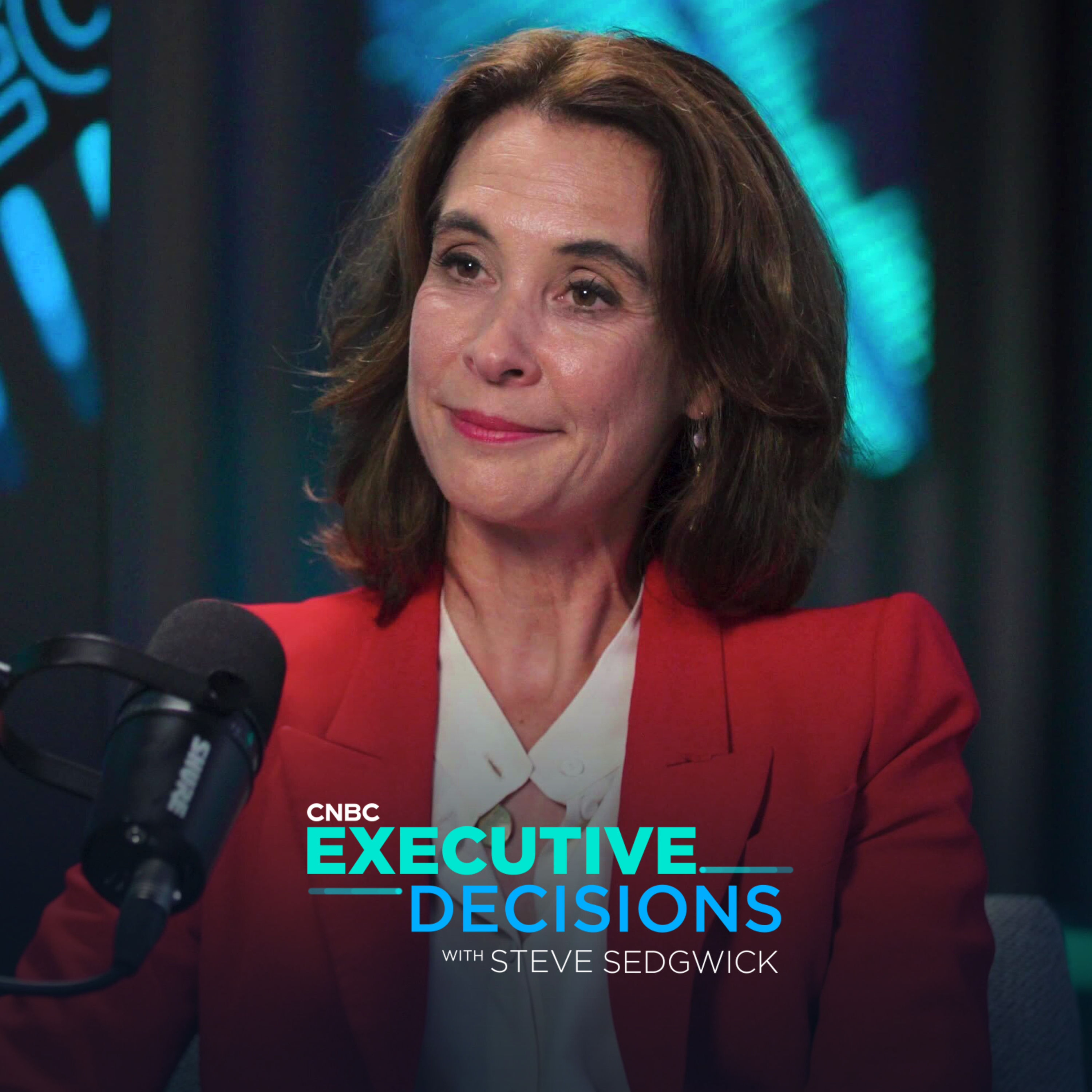
Executive Decisions with Steve Sedgwick

Executive Decisions with Steve Sedgwick

Build, Don’t Complain: Veolia CEO Estelle Brachlianoff

In this episode of Executive Decisions, Steve Sedgwick sits down with Estelle Brachlianoff, CEO of Veolia, for an inspiring conversation about leadership, innovation and sustainability. Estelle shares her remarkable career journey, shaped by the influence of her trailblazing mother and grandmother. Originally drawn to astrophysics, she ultimately chose ecological transformation, driven by curiosity and a passion for creating meaningful impact. Throughout the discussion, Estelle underscores the value of trusting your instincts and taking decisive action, illustrating these principles with pivotal moments from her own career. She opens up about the challenges of balancing professional ambitions with personal life, and how initiatives like “Veolia Cares” reflect her commitment to progressive workplace policies. The conversation also explores the urgent need for bold environmental solutions amid political complexities, and Estelle offers her perspective on the growing role of AI in shaping executive decisions. See Privacy Policy at https://art19.com/privacy and California Privacy Notice at https://art19.com/privacy#do-not-sell-my-info.

37 minAbspielen in:

Warum PodAppear

Folge Menschen, nicht Podcasts.

Du hast Estelle in einer Sendung gehört. PodAppear findet für dich die nächste, und genauso für alle anderen, die du hören willst.

  • Eine Meldung, wenn die Person zu Gast istPer E-Mail: sofort oder gebündelt als Tages- oder Wochenübersicht. Dann nur noch auf Play drücken.
  • Gäste statt bloßer ErwähnungenFolgen, in denen ein Name nur fällt, landen getrennt. Eine Meldung heißt: Die Person ist wirklich in der Sendung.
  • Alle in einem FeedGründerinnen, Autoren, Sportler, Forscherinnen. Folge allen mit Namen, quer durch jede Sendung, in der sie auftreten.

Bis zu 15 Personen kostenlos, ohne Kreditkarte.