Get an email when Ellie is a guest on a podcastPodAppear checks new episodes as they come out and leaves out the ones that only mention Ellie. Free for up to 15 people, no card needed.Free for up to 15 people, no card needed.
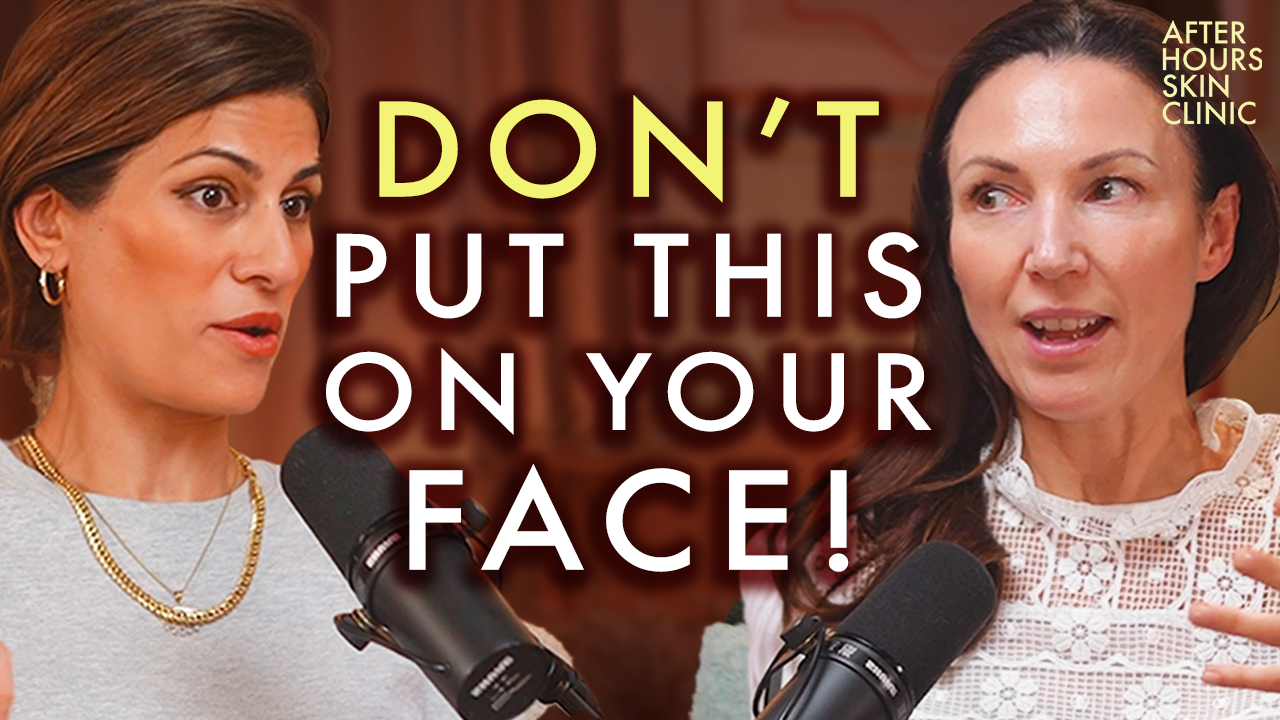
What is the single best skincare product you can buy for £1? …and how about £1 million? Consultant dermatologists Dr Emma Craythorne and Dr Ellie Rashid take on a MrBeast-inspired skincare challenge, building an evidence-based skin health plan across seven budgets. From high-street cleansers and £10 sunscreens to 3D mole mapping, resurfacing lasers, and funding under-researched skin conditions, they go into the products that are worth your money whether your budget is tight or infinite! They focus on what actually works, and where clinical investment truly counts.
Subscribe and follow After Hours Skin Clinic so you never miss an episode, and send your dermatology questions to ahsc@raconteur.tv.
Let us know your thoughts in the comments👇
Resources & Charities Mentioned:
British Skin Foundation (Dermatology Research): britishskinfoundation.org.uk
Klira (Dr Emma’s bespoke prescription skincare): klira.skin
OneWelbeck Skin Health & Allergy: onewelbeck.com/skin-health-and-allergy
Products & Treatments Discussed:
Vaseline Original Pure Petroleum Jelly
Dove Beauty Cream Bar
Altruist Dermatologist Sunscreen Sun Protection Factor (SPF) 50
CeraVe Hydrating Cleanser
Klira bespoke formulation
Energy-based devices (CO2, Fraxel, UltraClear erbium laser)
Thulium (1927nm) laser
Chapters:
00:00:00 Welcome & the MrBeast skincare challenge
00:02:50 £1: Best budget skincare (Vaseline vs. Dove)
00:04:36 £10: High-street SPF and cleansers
00:05:33 £100: Bespoke prescription retinoids
00:07:20 £1,000: Where your money is best spent
00:09:34 £10,000: Resurfacing lasers vs. holistic health
00:13:27 £100,000: Longevity clinics and Thulium lasers
00:16:00 £1,000,000: Funding under-researched skin conditions
Instagram / TikTok: @afterhoursskinclinic
Dr Ellie Rashid Instagram: @drellierashid
Dr Emma Craythorne Instagram: @dremmacraythorne
YouTube: After Hours Skin Clinic Channel
Team
Hosts: Dr Emma Craythorne & Dr Ellie Rashid
Producer: Ella Blaxill
This is a Raconteur Studios Production.
Learn more about your ad choices. Visit podcastchoices.com/adchoices
From spoiled 18th-century sausages to modern off-label injections in the scrotum, scalp, and fingertips, botulinum toxin has come a long way since its cosmetic debut. In this episode, Dr Emma Craythorne and Dr Ellie Rashid pull back the curtain on the most unexpected medical and aesthetic applications of Botox and reveal the one place you should never let anyone inject you.
Emma and Ellie trace how a paralytic foodborne toxin became medicine's most versatile neuromodulator, acting on pain receptors, blood vessels, and oil glands far beyond surface wrinkles. Plus, they examine the clinical reality of "Scrotox" and "Barbie Tox," share surprising trial data linking frown-line injections to improved depression symptoms, and break down a recent UK hospital emergency involving counterfeit, unlicensed Korean toxin.
👇 Let us know your thoughts in the comments
💌 Send us your questions ahsc@raconteur.tv
Episode Highlights:
The Origins of Botulinum Toxin: How 18th-century sausage poisoning and 1980s eye-spasm treatments led to modern cosmetic dermatology.
Beyond Muscle Paralysis: How neuromodulators interact with collagen-producing cells, blood vessels, and pain receptors (Substance P).
"Scrotox" & Intimate Injections: Separating dermatological hyperhidrosis treatments for scrotal and perineal sweating from unproven penile length trends.
Medical Off-Label Uses: Treating keloid scars, Raynaud’s disease in the fingers, nodular prurigo itch, and excessive facial oiliness ("micro-Botox").
"Barbie Tox" & Neck Bands: How relaxing the platysmal bands and trapezius muscles relieves tension and smooths neck lines.
The Glabella Mood Study: Clinical trial evidence showing frown-line toxin injections can significantly ease symptoms of severe depression.
The Worst Place to Get Injected: Lessons from a recent UK ICU outbreak caused by unlicensed practitioners and improperly diluted black-market Korean toxin.
Key Questions Answered:
What are the most surprising medical and off-label uses for botulinum toxin beyond wrinkles?
Does "Scrotox" or injecting Botox into the groin actually work, and what are the medical risks?
How can patients verify their Botox practitioner is safe and avoid counterfeit, unlicensed toxins?
Connect with us:
After Hours Skin Clinic Instagram: @afterhoursskinclinic
Dr Ellie Rashid Instagram: @drellierashid
Dr Emma Craythorne Instagram: @dremmacraythorne
TikTok: @afterhoursskinclinic
YouTube: After Hours Skin Clinic Channel
Listen on Spotify: After Hours Skin Clinic
Listen on Apple Podcasts: After Hours Skin Clinic
This is a Raconteur Studios Production.
Learn more about your ad choices. Visit podcastchoices.com/adchoices
Would you put menstrual blood on your face if it made your skin glow? Should we all be Menstrual Masking? Or, is it actually causing more harm than good?
Halloween is just around the corner, so in this episode Consultant Dermatologists Dr Emma Craythorne and Dr Ellie Rashid explore the more unusual skincare practices. Stuff involving the use of human blood! What's the evidence? Should a Vampire Facial (PRP - Platelet Rich Plasma injections) be on your list this Halloween? ...They also cover the absolute non-negotiables for staying safe under the knife or the needle!
Plus, in the spirit of spooky season, they look at DIY face mask ingredients like pumpkin, garlic, and eggs to ascertain whether they’re worth the effort - or not. SPOILER: one of them frequently causes contact allergies!
Key Questions Answered:
Does applying menstrual blood to your face actually improve skin quality or glow? And what are the risks?
Vampire facials: Do PRP injections live up to the hype or claims?
What are the clinical infection risks of getting a blood-related procedure in an unregulated setting?
Can household items like garlic, pumpkin or egg whites safely treat acne or tighten skin? Are the DIY Halloween themed skincare trends worth following?
Episode Highlights:
The Menstrual Blood Mask Trend: Deconstructing why viral period blood skincare makes zero physiological sense and introduces severe bacterial risks.
The 500 Dalton Rule: Why your skin’s natural barrier keeps large pathogens and proteins out.
The Truth About Vampire Facials: How PRP (platelet-rich plasma) works, the "buffy layer" separation, and lessons from the Albuquerque clinic outbreak.
Microneedling & Bloodletting Safety: Why sterile CQC-registered environments are non-negotiable for any procedure breaking the skin barrier.
Lasers vs. Blood: How modern fractional and ablative lasers (like UltraClear) create intentional clinical micro-injuries compared to DIY methods.
Kitchen Skincare Fails: Why garlic causes fingertip contact dermatitis and why pumpkin enzymes belong in cleansers, not raw DIY masks.
👇 Let us know your thoughts in the comments
💌 Send us your questions ahsc@raconteur.tv
Connect with us:
After Hours Skin Clinic Instagram: @afterhoursskinclinic
Dr Ellie Rashid: @drellierashid
Dr Emma Craythorne: @dremmacraythorne
TikTok: @afterhoursskinclinic
YouTube: After Hours Skin Clinic Channel
This is a Raconteur Studios Production.
Learn more about your ad choices. Visit podcastchoices.com/adchoices
Dr Emma Craythorne and Dr Ellie Rashid separate scientific fact from marketing fiction to reveal the top 5 lifestyle and environmental factors actively breaking down your skin's collagen scaffolding.
In this episode, Emma and Ellie examine how 95% of accelerated skin aging stems from UVA radiation, why perimenopausal hormone drops impact skin texture, and what sugar has to do with collagen loss. Plus, they explore the impact of urban air pollution (particulate matter) on pigmentation and share expert evidenced based ways to preserve and stimulate your collagen.
Episode Highlights:
Collagen Anatomy 101: How fibroblast cells manufacture your skin's scaffolding.
The #1 Collagen Killer (UVA & Infrared): Why cloud-cover UV rays degrade collagen and elastin long before your skin burns.
The Smoking & Vaping Factor: Why plastic surgeons test for nicotine before surgery due to compromised wound healing and micro-vascular constrictions.
Hormones, HRT & Menopause: Differentiating between systemic hormone replacement benefits and estrogen creams.
The Sugar-Glycation Connection: How high blood sugar stiffens collagen and why topical "anti-glycation" creams fail to reach deep dermal layers.
The Hidden Enemy (Air Pollution): How PM2.5 and PM10 soot particles trigger oxidative stress, collagen breakdown, and dark spot formation.
The ultimate collagen defense strategy.
Key Questions Answered:
What are the top 5 things that destroy skin collagen?
Do topical estrogen creams or anti-glycation moisturizers actually work to restore collagen?
How does daily resistance training exercise increase dermal skin thickness?
👇 Let us know your thoughts in the comments
💌 Send us your questions ahsc@raconteur.tv
Connect with us:
After Hours Skin Clinic Instagram: @afterhoursskinclinic
Dr Ellie Rashid: @drellierashid
Dr Emma Craythorne: @dremmacraythorne
TikTok: @afterhoursskinclinic
YouTube: After Hours Skin Clinic Channel
This is a Raconteur Studios Production.
Learn more about your ad choices. Visit podcastchoices.com/adchoices
From Jennifer Aniston’s peptide confessions to unregulated online vials sold for £5, teenagers asking for acne fixes, and DIY under-the-skin injections, peptides are e.v.e.r.y.w.h.e.r.e. This week, Dr Emma Craythorne and Dr Ellie Rashid pull back the curtain on the worrying, unregulated world of injectable "longevity" peptides and separate real pharmaceutical science from social media hype.
In this episode, Emma and Ellie break down what a peptide actually is, why GLP-1 weight-loss medications (like Ozempic and Mounjaro) have created a halo effect for unsafe knock-offs, and why DIY under-the-skin injections carry massive unmonitored risks. Plus, they examine the truth behind copper peptides (GHK-Cu), why that viral blue liquid injection might be a complete waste of money, and the startling results of clinical studies that the beauty industry ignores.
Episode Highlights:
The Jennifer Aniston Effect: How celebrity skincare confessions can fuel an unregulated online frenzy.
What Is a Peptide? Deconstructing the science of amino acid chains, from essential insulin to GLP-1s.
The Unregulated Black Market: Why £5 internet vials labeled "for research purposes only" are a health disaster waiting to happen.
BPC-157 & Small Animal Studies: Why rat tendon research does not translate to human safety or skin rejuvenation.
The Truth About Copper Peptides (GHK-Cu): Debunking the myths around wound healing, acne, wrinkles, and reversing gray hair.
The "No Side Effects Reported" Trap: Why non-drug products lack mandatory reporting systems for adverse events.
Topical vs. Injectable: Why that viral blue copper peptide serum looks pretty on TikTok but lacks solid clinical backing.
Key Questions Answered:
Are injectable peptides bought online safe or effective for skin aging and longevity?
Do topical copper peptides (GHK-Cu) actually cure acne, reduce wrinkles, or stop gray hair?
What is the difference between prescription GLP-1 peptides and unregulated DIY peptide vials?
Want to learn more about peptides? Listen to our episode 'Peptides: What Are They, How Do They Work, and Should You Use Them?' on Apple, Spotify or YouTube.
Connect with us:
After Hours Skin Clinic Instagram: @afterhoursskinclinic
Dr Ellie Rashid Instagram: @drellierashid
Dr Emma Craythorne Instagram: @dremmacraythorne
TikTok: @afterhoursskinclinic
Listen on Spotify: After Hours Skin Clinic
Listen on Apple Podcasts: After Hours Skin Clinic
👇 Let us know your thoughts in the comments
💌 Send us your questions ahsc@raconteur.tv
This is a Raconteur Studios Production.
Learn more about your ad choices. Visit podcastchoices.com/adchoices
23 minPlay in:
Why PodAppear
Follow people, not podcasts.
You heard Ellie on one show. PodAppear finds the next one for you, and every other person you want to hear.
An alert when they are a guestBy email as it happens, or as a daily or weekly digest. Then press play.
Guests, not name-dropsEpisodes that only mention a name are kept apart, so an alert means they are really on the show.
Everyone in one feedFounders, authors, athletes, scientists. Follow anyone by name, across every show they visit.
Navigating skincare during pregnancy can feel like an overwhelming minefield of misinformation, fearmongering, and conflicting advice. This week on the After Hours Skin Clinic, Dr Emma Craythorne and Dr Ellie Rashid unpack the latest clinical evidence to bring expectant mothers complete peace of mind.
In this episode, Emma and Ellie run down a definitive A-to-Z list of popular skincare ingredients: from tretinoin, retinol, and hydroquinone to azelaic acid, salicylic acid, and vitamin C. They explain the difference between localised skin application and systemic absorption, break down why you shouldn't panic if you used a retinoid before finding out you were pregnant, and share the exact ingredients dermatologists rely on to manage pregnancy acne, melasma, and rosacea safely.
Episode Highlights:
The Anxiety of Pregnancy Skincare: Why fear-based advice causes unnecessary stress and how science guides safe choices.
Topical vs. Oral Retinoids: Why you should stop prescription tretinoin and why over-the-counter retinol are not advised, but why accidental use of topical retinoids isn't a reason to panic.
The Hard No Ingredient: Why hydroquinone must be strictly avoided during pregnancy due to high systemic absorption into the bloodstream.
Managing Hormonal Acne & Melasma Safely: Why azelaic acid, benzoyl peroxide, and low-dose glycolic acid are dermatologist-approved pregnancy powerhouses.
Navigating Acids & Bakuchiol: Understanding the safety thresholds for salicylic acid (2% limit) and the latest 2026 data on bakuchiol.
Nipple Balms & Newborn Safety: The single evidence-backed ingredient safe for breastfeeding babies (and why it makes the ultimate lip balm).
Key Questions Answered:
What skincare ingredients are strictly unsafe to use during pregnancy?
Is it safe to use salicylic acid, glycolic acid, or azelaic acid while pregnant?
What should I do if I accidentally used a retinoid before realizing I was pregnant?
Products Mentioned:
Klira (Custom prescription skincare formulated by Dr Emma Craythorne)
Lansinoh Lanolin Nipple Cream / Lip Balm
Azelaic Acid (Topical treatment evaluated for pregnancy safety)
Hydroquinone (Prescription agent strictly not advised in pregnancy)
Benzoyl Peroxide (Topical antibacterial ingredient cleared for pregnancy)
Salicylic Acid (up to 2%) & Glycolic Acid
Vitamin C (L-ascorbic acid, 10–15% at pH 2.5)
Connect with us:
After Hours Skin Clinic Instagram: @afterhoursskinclinic
Dr Ellie Rashid: @drellierashid
Dr Emma Craythorne: @dremmacraythorne
TikTok: @afterhoursskinclinic
YouTube: After Hours Skin Clinic Channel
👇 Let us know your thoughts in the comments
💌 Send us your questions ahsc@raconteur.tv
This is a Raconteur Studios Production.
Klira - Founded by Dr Emma Craythorne, Klira is a bespoke luxury skincare formula prescribed by dermatologists. You may hear it mentioned from time to time on the podcast and if you want to find out more head over to klira.skin
Learn more about your ad choices. Visit podcastchoices.com/adchoices
In this episode of the After Hours Skin Clinic podcast, Consultant Dermatologists Dr Emma Craythorne and Dr Ellie Rashid discuss why misleading skincare advice spreads so quickly online, how social media algorithms reward sensational claims, and what to look for when deciding who to trust.
In this episode:
Why skincare misinformation spreads so quickly
Can you trust skincare influencers?
How to tell if advice is evidence-based
Why dermatologist-led education matters
The truth about viral sunscreen myths
How to spot misleading skincare claims and why qualifications matter
Emma and Ellie's experiences creating educational content online.
If you've ever wondered who you should believe when it comes to skincare advice, this episode will help you separate fact from fiction.
👇 Have you come across skincare misinformation online? Let us know in the comments.
🔔 Subscribe for dermatologist-led, evidence-based skincare.
🎧 Listen on Apple Podcasts & Spotify.
Producer: Ella Blaxill
Series Editor: Eve Streeter
Music: Simon Elms
This is a Raconteur Studios Production.
Learn more about your ad choices. Visit podcastchoices.com/adchoices
Consultant dermatologists Dr Emma Craythorne and Dr Ellie Rashid explain what keratosis pilaris (KP), also known as strawberry skin or chicken skin, actually is, why it develops around hair follicles, and which evidence-based treatments work best, including lactic acid, urea creams, chemical exfoliants, retinoids, moisturisers and laser hair removal.
In this episode:
What keratosis pilaris (KP) actually is
Why people call it strawberry skin or chicken skin
The real cause of keratosis pilaris
Why KP often runs in families
The connection between hair follicles, keratin and inflammation
Why KP gets worse during winter
The truth about physical exfoliation and scrubs
Lactic acid vs salicylic acid: which works best?
The role of urea creams and moisturisers
When retinoids may help
Why laser hair removal may be one of the most effective treatments
How to prevent redness and pigmentation
Key Takeaways:
Keratosis pilaris affects around 50% of people
Physical scrubbing can make KP worse
Chemical exfoliants outperform mechanical exfoliation
10% lactic acid appears more effective than 5% salicylic acid
Urea-based moisturisers help soften and smooth rough skin
Consistent moisturising supports the skin barrier
SPF helps prevent post-inflammatory pigmentation
Laser hair removal may provide longer-term improvement
Products Mentioned:
Ameliorate Transforming Body Lotion
Eucerin UreaRepair
The Ordinary Glycolic Acid
CeraVe SA Smoothing Range
Cetaphil Salicylic Acid Range
Subscribe for evidence-based skincare advice from consultant dermatologists.
Follow & Connect:
Instagram: @afterhoursskinclinic
Email: info@afterhoursskinclinic.com
Producer: Ella Blaxill
Exec: Eve Streeter
Music by Simon Elms.
This is a Raconteur Studios Production.
Learn more about your ad choices. Visit podcastchoices.com/adchoices
Dry hands are not just a winter problem and if your skin is cracking, stinging or constantly flaring, there is usually more going on than “just dryness.”
In this episode of the After Hours Skin Clinic, Dr Emma Craythorne and Dr Ellie Rashid unpack the different types of hand dermatitis, why some people are genetically prone to eczema, and how everyday habits like over-washing, wet work and even handling receipts can quietly damage the skin barrier.
They explain the difference between atopic eczema, irritant dermatitis, allergic contact dermatitis and pompholyx eczema, including the hidden allergens that can keep hand eczema going for years without people realising it.
They explore:
Who is especially vulnerable to hand eczema
The role of filaggrin and skin barrier dysfunction
Why soap can make eczema dramatically worse
How patch testing works and why it can completely change treatment outcomes
The surprising reason some steroid creams can worsen eczema
The best soap substitutes and moisturisers for dry, damaged hands
How to protect hands properly with gloves and overnight treatments
New prescription treatments for chronic hand eczema now available through specialist dermatology clinics
There are also practical recommendations throughout the episode, including favourite dermatologist-approved hand creams, cleansers and barrier repair strategies that can genuinely improve painful fissures and chronic dryness.
Products mentioned include:
Dermol 500
Aveeno Hand Ointment
CeraVe Healing Ointment
La Roche-Posay Cicaplast Hands
O’Keeffe’s Working Hands
If your hands are persistently dry, cracked, itchy or inflamed - especially if treatments never seem to fully work - this episode explains what might be missing.
Follow & Connect with us ⬇️
YouTube: http://www.youtube.com/@AfterHoursSkinClinic
Instagram: @afterhoursskinclinic
Email: ahsc@raconteur.tv
Producer: Ella Blaxill
Exec: Eve Streeter
Music by Simon Elms.
This is a Raconteur Studios Production.
Learn more about your ad choices. Visit podcastchoices.com/adchoices
Why does your ponytail suddenly feel thinner? Why does your parting look wider in photos? And why are so many women told that hair thinning is “just part of ageing” ... with very little guidance on what to do next?
In this episode of the After Hours Skin Clinic , consultant dermatologists Dr Emma Craythorne and Dr Ellie Rashid unpack the science, myths and emotional reality of female pattern hair loss.
From hormonal shifts and nutritional deficiencies to stress, postpartum shedding and scalp inflammation, they explain why female hair thinning is often misunderstood and why early diagnosis matters more than most people realise.
Expect evidence-based advice, practical treatment insights, and a few unexpectedly funny moments involving ketoconazole shampoo and a very confused patient.
Inside this episode:
What female pattern hair loss actually is (and why it’s different from male pattern baldness)
The signs dermatologists look for during scalp examination and trichoscopy
Why hair loss in women is often dismissed for too long
The role of hormones, genetics, thyroid health, stress and menopause
Iron, ferritin, zinc and vitamin D: the blood tests that really matter
Why “hair vitamins” aren’t always the answer
How dandruff and seborrhoeic dermatitis can affect scalp health and hair growth
The truth about minoxidil, including the “dread shed”
Oral minoxidil, spironolactone, finasteride and other medical treatments
PRP, microneedling, laser-assisted delivery and LED helmets, what does the evidence actually say?
Why postpartum hair shedding can sometimes uncover underlying female pattern hair loss
When thinning hair could signal something more serious
This episode is for anyone who has ever looked at their hairbrush, widened parting or thinning ponytail and wondered: is this normal and what can I do about it?
Follow & Connect with us ⬇️
YouTube: http://www.youtube.com/@AfterHoursSkinClinic
Instagram: @afterhoursskinclinic
Email: ahsc@raconteur.tv
Producer: Ella Blaxill
Exec: Eve Streeter
Music by Simon Elms.
This is a Raconteur Studios Production.
Learn more about your ad choices. Visit podcastchoices.com/adchoices
Are retinoids ruining your skin, or transforming it?
From viral misinformation to real clinical evidence, this episode tackles the biggest retinoid myths, like whether they thin your skin or cause inflammation.
Consultant dermatologists Dr Emma Craythorne and Dr Ellie Rashid give you a step-by-step guide to using prescription retinoids safely and effectively.
What You’ll Learn in This Episode:
Do retinoids thin the skin? (Spoiler: no. This episode covers what they actually do)
The difference between retinol vs prescription retinoids like tretinoin and adapalene
Why retinoids are the gold standard for anti-ageing and acne
What “retinization” and retinoid dermatitis really looks like
How to manage:
What purging is (and how long it lasts)
Why your skin might react differently in cold UK weather
The biggest skincare mistake: combining retinoids with exfoliating acids
Why SPF is essential when using retinoids
How to Use Retinoids (Dermatologist-Approved Routine)
A step-by-step approach to minimise irritation:
Apply to dry skin (wait 20–30 minutes after washing)
Avoid sensitive areas (corners of nose, mouth, eyes)
Start slowly and build consistency
Use the “moisturiser sandwich” technique if needed
Try short-contact therapy for sensitive skin
Keep your routine simple—avoid over-exfoliating
Retinoid Side Effects Explained
Retinoid dermatitis: dry, red, flaky patches (often around nose/mouth)
Purging: temporary breakouts as skin turnover increases
Sensitivity changes due to environment, illness, or product changes
Products mentioned:
La Roche-Posay Lipikar Baume AP+M
La Roche-Posay Cicaplast Baume B5
Avène Cicalfate Restorative Protective Cream
Peptide-based moisturisers (barrier-supporting)
Hydrocolloid spot patches (zit stickers)
Niacinamide (around 4%) serums
Klira - Founded by Dr Emma Craythorne, Klira is a bespoke luxury skincare formula prescribed by dermatologists. You may hear it mentioned from time to time on the podcast and if you want to find out more head over to klira.skin
Follow & Connect with us ⬇️
YouTube: http://www.youtube.com/@AfterHoursSkinClinic
Instagram: @afterhoursskinclinic
Email: ahsc@raconteur.tv
Send in your questions!
Producer: Ella Blaxill
Exec: Eve Streeter
Music by Simon Elms.
This is a Raconteur Studios Production.
Learn more about your ad choices. Visit podcastchoices.com/adchoices
Thinking about dermal fillers? In this episode of the After Hours Skin Clinic, London Consultant Dermatologists Dr Emma Craythorne and Dr Ellie Rashid break down everything you need to know about facial fillers, from benefits to serious risks.
As two leading experts, they get questions both in-clinic and out. In this video, they answer your most asked questions on fillers:
What are dermal fillers and how do they work?
Do fillers dissolve or migrate over time?
The truth about hyaluronic acid fillers vs biostimulatory fillers (Sculptra, Radiesse)
Can filler be reversed safely? The risks of hyaluronidase
Real complications: granulomas, biofilms, and long-term filler presence
Can filler cause “pillow face” or stretch your skin?
Is filler safe and who should you trust to inject it?
UK regulations: why anyone can inject fillers and what to look for (CE / UKCA marking)
Rare but serious risks: vascular occlusion, tissue death, and blindness
Plus: Would Emma and Ellie have filler themselves?
This episode is essential listening if you’re considering cosmetic injectables and want evidence-based, medically qualified, un-biased advice.
📍 Recorded in Central London
📩 Send your questions via Instagram or email
YouTube: http://www.youtube.com/@AfterHoursSkinClinic
Instagram: @afterhoursskinclinic
Email: ahsc@raconteur.tv
⚠️ This podcast is for information only and not a substitute for medical advice
Producer: Ella Blaxill
Exec: Eve Streeter
Music by Simon Elms.
This is a Raconteur Studios Production.
Learn more about your ad choices. Visit podcastchoices.com/adchoices