
Bekomm eine E-Mail, wenn Dominic in einem Podcast zu Gast istPodAppear prüft neue Folgen, sobald sie erscheinen, und lässt die weg, in denen Dominic nur erwähnt wird. Bis zu 15 Personen kostenlos, ohne Kreditkarte.Bis zu 15 Personen kostenlos, ohne Kreditkarte.
Dominic kostenlos folgen
DO

Dominic O'Connell

Zwei Jahre auf Sendung

GastHostErwähnt

Selbst moderierte Folgen

Di17Nov
The Business

The BusinessHost

Anthropic: The IPO that could make or break the AI Boom

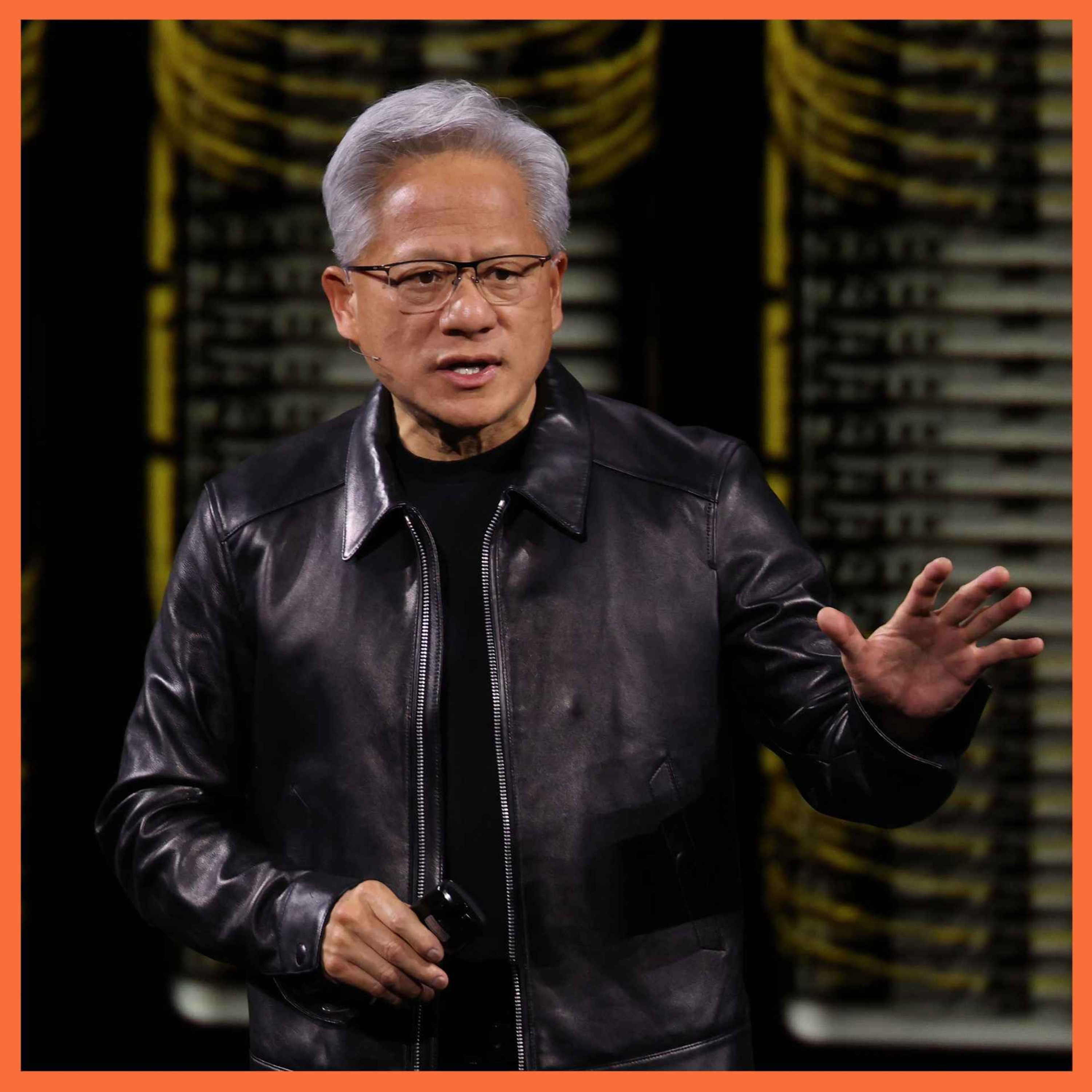
How do the baffling numbers behind Anthropic’s massive float add up, and can the AI bull market justify a $1.3 trillion valuation? In this episode of The Business, Dominic O’Connell examines the public debut of Anthropic, the company behind the Claude AI assistant, as its shares begin trading on the stock market this week. Joined by veteran analyst Stephen Clapham of Behind the Balance Sheet and Wall Street Journal reporter Corrie Driebusch, we unpack the eye-watering figures inside the prospectus, consider what investors are actually buying into and whether the recent Nvidia scandal will impact demand. “If Anthropic prices it too high – and then the stock market has another bad day on its listing day – shares could fall 10%,” Driebusch said on the show. “As one large fund manager said to me: ‘If we've committed $100 million to Anthropic shares and the stock trades down 10%, there goes my year.’” Clapham stresses the importance of thinking carefully about Anthropic’s corporate strategy and how it may be positioned in three or five years' time across a fiercely competitive tech industry. “We know Anthropic has grown like a weed this year – we know that every programmer in the world was trying out Claude Code... But we don't know in the long run what competition there will be for Claude Code,” Clapham said on the show. This episode is sponsored by PwC. Guests: Stephen Clapham, founder of Behind the Balance Sheet Corrie Driebusch, reporter at The Wall Street Journal Presenter: Dominic O’Connell, Times columnist and Times Radio business correspondent Producer: Hope Federico Executive Producers: Miriam Hall and Emily Leahy Image: Getty Get in touch: thebusiness@thetimes.com If you enjoyed this episode, make sure to press follow at the top of your podcast app. This podcast was brought to you thanks to the support of readers of The Times and The Sunday Times. Subscribe today to get full digital access. More from the Business: Nvidia’s Jensen Huang: The affair threatening a $4.5T tech giant IPOs Go ‘Mega’ – Should We Be Worried? More from the Times Why Britain’s biggest AI data centre is still a pile of bricks AI’s promise must not blind us to the risks to financial stability Hosted on Acast. See acast.com/privacy for more information.
33 minAbspielen in:

Mo9Nov
The Business

The BusinessHost

Nvidia’s Jensen Huang: The affair threatening a $4.5trn tech giant

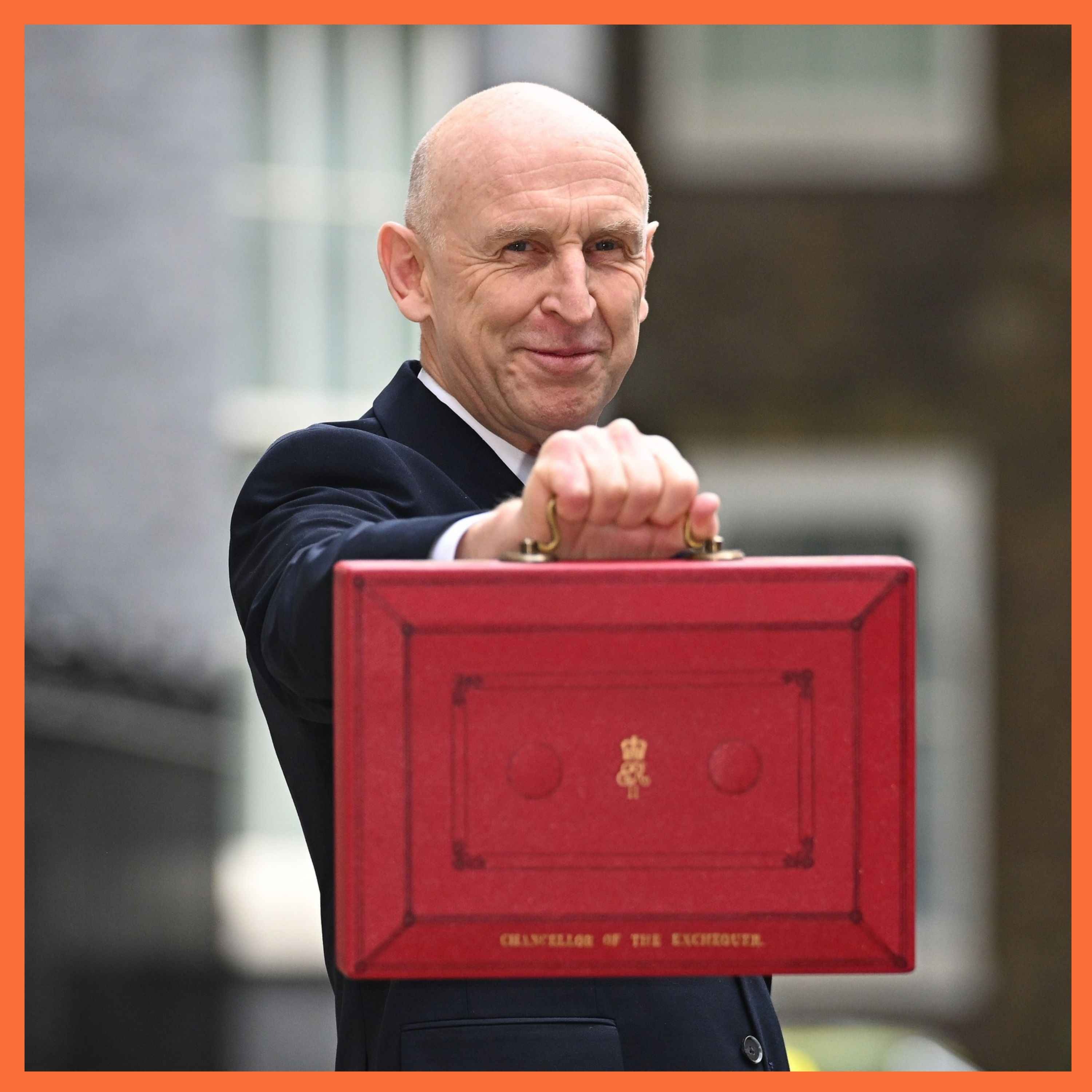
Can Nvidia survive the explosive scandal engulfing chief executive Jensen Huang, or will the fallout trigger a wider crash across the AI boom? In this episode of The Business, Dominic O’Connell looks at the bombshell confession from Nvidia boss Jensen Huang regarding his affair with a businesswoman suspected of being linked to Chinese intelligence services. With the company's board launching an urgent inquiry, we examine whether the silicon giant's leadership is untenable. Dominic is joined by Louisa Clarence-Smith, US business editor for The Times, and Maike Currie, vice-president of personal finance at PensionBee, to break down how volatility at Nvidia could reverberate across the global stock market. Will tremors in the tech industry knock UK investor confidence, affect the FTSE and impact capital flows for British business? Ultimately, they ask: what is next for Huang, and the company he has shepherded to global dominance? "I think what is interesting here is that this is not just about an embarrassing personal relationship or infidelity - but what we've got here is the issue of national security,” PensionBee’s Maike Currie said on the show. “We know that the US and Washington, specifically, have been very focused on protecting its AI technology and its AI chips from reaching China … this is a race between China and America who is going to dominate.” Nvidia has said it “prioritises US national and economic security, which is paramount to the interests of Nvidia and its shareholders”. In announcing its investigation, it said while the board had “no reason to believe that either national security or Nvidia secrets were compromised”, it would examine “all available information”. Jensen Huang has made a public apology to his family and his colleagues, and said he will co-operate with the company investigation. This episode is sponsored by PwC. Guests: Louisa Clarence-Smith, US business editor, The Times Maike Currie, vice-president of personal finance, PensionBee Presenter: Dominic O’Connell, Times columnist and Times Radio business correspondent Producer: Hope Federico Executive Producer: Miriam Hall and Emily Leahy Get in touch: thebusiness@thetimes.com This podcast was brought to you thanks to the support of readers of The Times and The Sunday Times. Subscribe today to get full digital access. More from the Business IPOs Go ‘Mega’ – Should We Be Worried? Synthesia CEO: Europe is a "Trust Fund Kid" More from the Times Nvidia takes $300bn hit after boss Jensen Huang admits affair Who is Alice Huang? The Nvidia scandal explained Hosted on Acast. See acast.com/privacy for more information.
28 minAbspielen in:

Do5Nov
The Business

The BusinessHost

Sustainable aviation fuel: can a UK start-up clean up flying?

Can the UK lead the world in sustainable aviation fuel? In this episode of The Business, Dominic O’Connell is joined by Andrew Symes, chief executive of British start-up OXCCU, to explore how an old technology could hold the key to the future of flight. Sustainable aviation fuel, made from renewables, waste materials and captured carbon dioxide could play a huge role in air travel’s future and limiting its damage to the environment. The UK government has mandated increasing amounts of sustainable aviation fuel into the standard jet fuel blend, rising to 10 per cent by 2030. Yet today's global supply remains limited, expensive, and dependent on imported waste fats. OXCCU believes it has found an answer. By reviving an old chemical technology, the company bypasses the energy-intensive and costly steps usually associated with synthetic fuel. Andrew Symes explains why commercial aviation cannot rely purely on battery electrification, how their technology unlocks domestic supply for the UK economy, and what it will take to scale sustainable aviation fuel production into commercial airlines and international global trade. Could British business innovation lead the race to decarbonise aviation? If you enjoyed this episode, make sure to press follow at the top of your podcast app. This podcast was brought to you thanks to the support of readers of The Times and The Sunday Times. Subscribe today to get full digital access. This episode is sponsored by PwC. Guests: Andrew Symes, chief executive of OXCCU Presenter: Dominic O’Connell, Times Radio business correspondent Producer: Hope Federico Executive Producers: Emily Leahy and Miriam Hall Video Producer: Superllama Image: Getty Get in touch: thebusiness@thetimes.com More from The Times The man on a mission to fuel flights with food waste Dirty secret of green fuel shortages to push up cost of flights Michael O’Leary: Air fares could rise by 20% next year More from The Business Dubai Airports CEO: "This war could be our new normal" Diesel Crisis: Is UK facing a rationing threat? Can Labour reindustrialise Britain? Hosted on Acast. See acast.com/privacy for more information.

33 minAbspielen in:

Mi28Okt
The Business

The BusinessHost

Budget 2026 Special: What's in it for business?

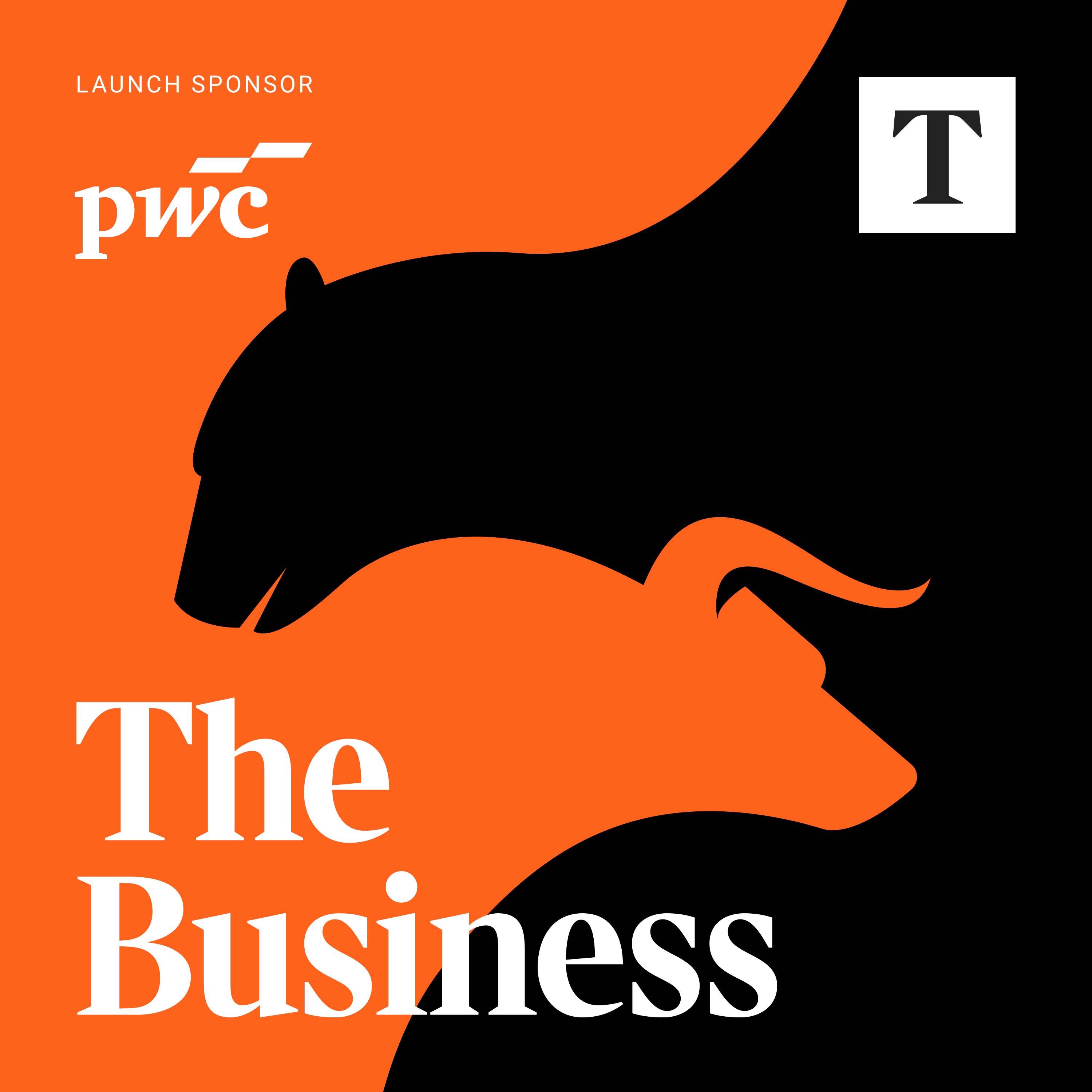
What does Chancellor John Healey's 2026 budget mean for business? In this episode of The Business, Dominic O’Connell is joined by Dan Neidle, founder of Tax Policy Associates, and Shevaun Haviland, director general of the British Chambers of Commerce, to unpack an Autumn Budget designed to give British people ‘breathing room’. At the despach box the chancellor said: "Too many people feel this country isn't working well for them, and in particular, households and businesses face challenges from rising energy costs due directly to the conflict in the Middle East. In the face of that, what matters is how we respond as a government. And my choice in the budget today is to give families and businesses some breathing space now, and to begin the radical reform of energy to reduce bills in the future." They examine how the Chancellor plans to balance short-term household relief with long-term economic growth. We break down the cash ISA U-turn, capital gains tax adjustments, and the new Founders’ Relief, dissecting the practical realities for British business owners and leaders. They also explore the devolution of business rates, and what this Autumn Budget means for high streets facing mounting costs. The Business is sponsored by PwC Guest: Shevaun Haviland, Director General of British Chambers of Commerce Dan Neidle, founder of Tax Policy Associates Presenter: Dominic O’Connell, Times columnist and Times Radio business correspondent Producer: Hope Federico Executive Producer: Miriam Hall and Emily Leahy Image: Getty Get in touch: thebusiness@thetimes.com More from The Times Budget 2026 key points: a summary of the highlights What the budget means for you More from The Business Diesel Crisis: Is UK facing a rationing threat? Taylor Wimpey: Can Labour fix the UK’s broken housing market? Can Labour really reindustrialise Britain? Hosted on Acast. See acast.com/privacy for more information. Hosted on Acast. See acast.com/privacy for more information.

31 minAbspielen in:

Mi21Okt
The Business

The BusinessHost

Diesel Crisis: Could UK fuel rationing really happen?

With pump prices passing £2 a litre and national reserves dropping, could the diesel crisis force ministers to activate emergency fuel rationing? In this episode of The Business, Dominic O’Connell looks at what current diesel pricing means for the UK economy. Joined by Helen Thompson, Professor of Political Economy at Cambridge, and Joe DeLaura, Global Energy Strategist at Rabobank, we examine whether low reserves and refining capacity threaten long-term economic growth. They break down how global supply disruptions, refinery closures, and changing government fiscal policy are squeezing margins across British business. Crucially, they consider - could rationing truly be a reality in the United Kingdom? “There's always that possibility because the Trump administration has shown that we will extract our pie from other countries. [The thinking is]: ‘If you don't buy American we'll stop selling you diesel, or maybe we'll do a diesel export ban for 90 days unless you release some of your strategic petroleum reserves, or unless you sell us something, or unless you let us have an aircraft base in your country,’” DeLaura says on the show. “Fortunately, I think the US and the UK have a pretty strong long-standing relationship, but the Administration has tested a lot of those long-standing relationships … it's the fact that we even have to ask this question that really concerns me.” Thompson, however, said it is a risk, but not likely - though she pointed out that some Asian countries did have to take that path. “I think for that situation to materialise in Europe, there would have to be something else on top of what has already happened … [but] the Trump administration itself might bring that about,” she says on the program. “This administration's first port of call, in a way, in dealing with its supposed allies, is the energy weapon.” More from the Times: Get drilling at Rosebank or risk diesel shortages, ministers warned Trump’s diesel deal with Putin is gift to Russia, says Zelensky More from the Business North Sea Oil and Gas: The Future of UK Energy Security Could the UK Electricity Grid Fail? Guests: Helen Thompson, Professor of Political Economy at Clare College, Cambridge Joe DeLaura, Global Energy Strategist at Rabobank Presenter: Dominic O’Connell, Times columnist and Times Radio business correspondent Producer: Hope Federico Executive Producer: Miriam Hall and Emily Leahy Photo: Getty Hosted on Acast. See acast.com/privacy for more information.

35 minAbspielen in:

Warum PodAppear

Folge Menschen, nicht Podcasts.

Du hast Dominic in einer Sendung gehört. PodAppear findet für dich die nächste, und genauso für alle anderen, die du hören willst.

  • Eine Meldung, wenn die Person zu Gast istPer E-Mail: sofort oder gebündelt als Tages- oder Wochenübersicht. Dann nur noch auf Play drücken.
  • Gäste statt bloßer ErwähnungenFolgen, in denen ein Name nur fällt, landen getrennt. Eine Meldung heißt: Die Person ist wirklich in der Sendung.
  • Alle in einem FeedGründerinnen, Autoren, Sportler, Forscherinnen. Folge allen mit Namen, quer durch jede Sendung, in der sie auftreten.

Bis zu 15 Personen kostenlos, ohne Kreditkarte.

Mo12Okt
The Business

The BusinessHost

Dubai Airports CEO: "This war could be our new normal"

Can Dubai’s $35 billion Al Maktoum International Airport expansion survive growing Middle East conflict, or will regional tensions stall the world's biggest aviation megaproject? In this episode of The Business, Dominic O’Connell is joined by Paul Griffiths, chief executive of Dubai Airports, to discuss the ambitious expansion of Al Maktoum International Airport. Designed to handle 260 million passengers across five runways, the airport represents a massive investment in the future of global travel and trade. Griffiths reflects on navigating regional instability, missile threats, and managing airport security during heightened tensions. “I think there are some things that we are considering which could harden some of the infrastructure against possible threats, but I think most of this is going to be technology that actually stops the impact of any conflict being felt by the infrastructure, that’s the most important thing,” Griffiths says on the show. Following Houthi missile attacks on Saudi’s Riyadh airport, the UK Foreign Office has now advised against all but essential travel to a large portion of Saudi Arabia. Griffiths tells the program Dubai’s airspace is so far unaffected. “The attacks on civilian infrastructure that are happening in Saudi are very regrettable and abhorrent in so many ways,” he says. “We have to remember that the Middle East is a pretty big place - and Riyadh and Jeddah are as far away as Italy is from the UK, so it is a war between two countries that are not fortunately touching the UAE. Obviously we are maintaining vigilance.” From his early career alongside Sir Richard Branson at Virgin Atlantic to running Gatwick and leading Dubai Airports, Griffiths outlines his corporate strategy for connecting world markets. He also discusses how international aviation disruptions impact passenger recovery, supply chains, and the wider UK economy - as well as how he has balanced his other career as a pipe organ musician. Guest: Paul Griffiths, chief executive of Dubai Airports Presenter: Dominic O’Connell, Times columnist and Times Radio business correspondent Producer: Hope Federico Executive Producer: Miriam Hall and Emily Leahy Get in touch: thebusiness@thetimes.com Picture: Getty More from the Business: EasyJet vs Wall Street: The £5.7bn Battle for a British Budget Airline Inside the Multi-Billion-Pound Resurgence of Marks & Spencer Wealth and inheritance tax driving away the UK’s super rich? More from the Times: Saudi Arabia airport hit by second Houthi strike after 13 killed in attack — as it happened Dubai airport prepares for take-off amid US-Iran conflict Hosted on Acast. See acast.com/privacy for more information.

34 minAbspielen in:

Mo12Okt
The Business

The BusinessHost

What to expect from the Budget with Andy Haldane

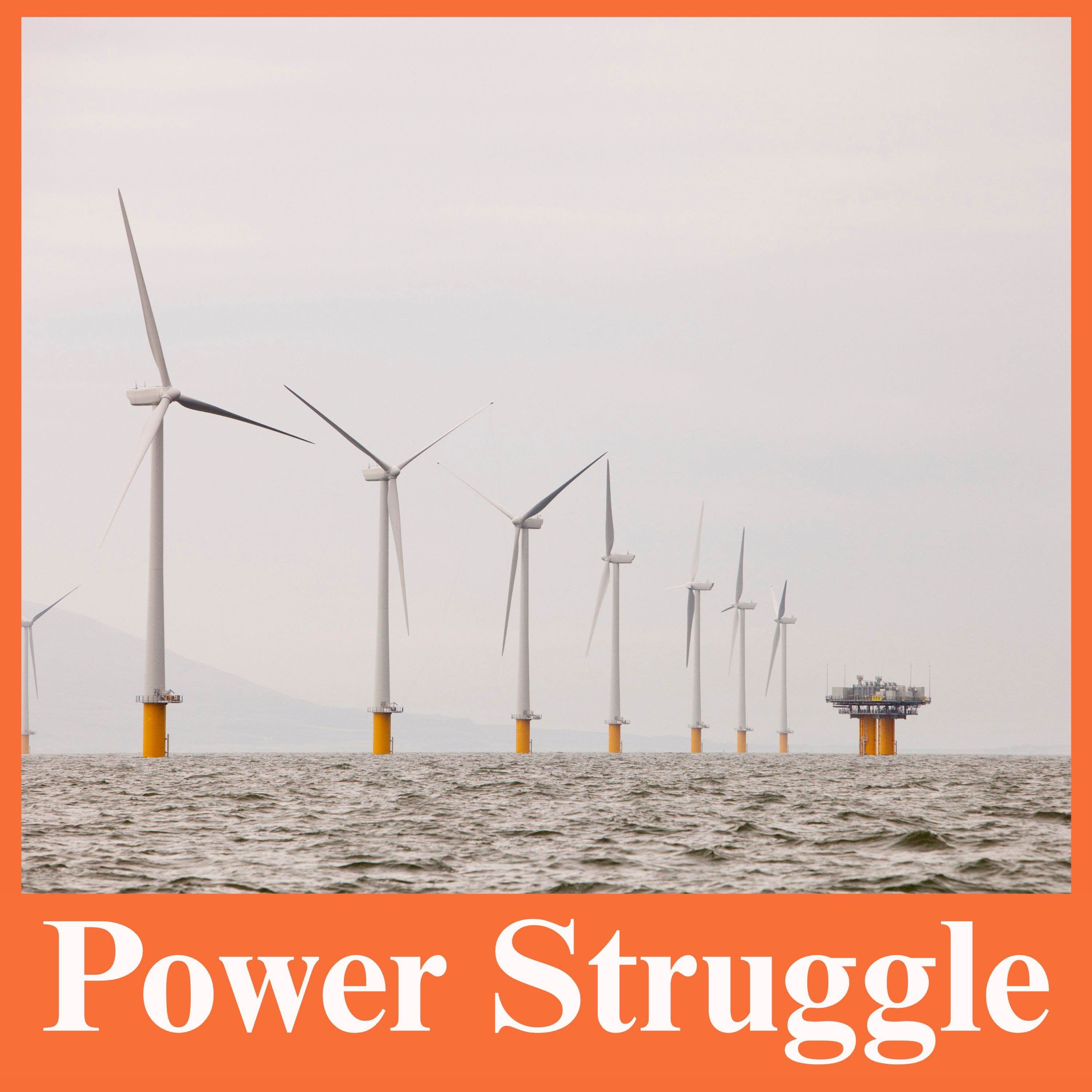
This branded episode is brought to you by PwC What should business leaders expect from the chancellor's first Budget? President of the British Chambers of Commerce and former Bank of England Chief Economist Andy Haldane joins The Business to discuss. Hannah Prevett and Dominic O’Connell explore what John Healey will be weighing up before heading to the despatch box. Joined by Andy Haldane and Claire Blackburn (PwC’s UK Tax Leader), they examine the economic pressures facing the UK economy, the politics behind the potential fiscal policy choices, and potential changes to capital gains tax. They discuss what British business and industry leaders need from this Budget to drive economic growth, manage corporate strategy, and restore commercial confidence. You can also watch this episode on Times Business channel on YouTube. Guests: Andy Haldane, President of the British Chamber of Commerce and former Chief Economist at the Bank of England Claire Blackburn, PwC’s UK Tax Leader Presenter: Hannah Prevett, associate business editor, The Sunday Times Dominic O’Connell, business correspondent, Times Radio Producer: Shabnam Grewal Executive Producer: Emily Leahy Video Producer: Super Llama Get in touch: thebusiness@thetimes.com Hosted on Acast. See acast.com/privacy for more information. Hosted on Acast. See acast.com/privacy for more information.

31 minAbspielen in:

Mi7Okt
The Business

The BusinessHost

Help to Buy reboot: Can Labour fix the housing market?

Will a re-imagined version of Help to Buy solve Britain's housing crisis? Dominic O’Connell examines whether government mortgage subsidies can rescue Labour's ambitious homebuilding targets. In this episode of The Business, we explore "Your First Home" - the government's proposed scheme to resurrect Help to Buy and subsidise mortgages for first-time buyers without the bank of mum and dad. With construction stalling across the UK economy, we ask whether restarting Help to Buy will stimulate homebuilding or simply inflate property prices. Dominic is joined by Jennie Daly, chief executive of Taylor Wimpey - one of Britain's largest house builders - and Carol Lewis, property editor at The Times. Together, they discuss planning delays, red tape, and how changing government fiscal policy impacts British business confidence. They analyse whether mortgage subsidies and supply chain reform can overcome material costs, unlock land development, and deliver long-term economic growth. “We have to step back and think: what does housebuilding deliver? It’s a fundamental human right,” Jennie Daly said on the show. “New home building is the only route to increasing the housing stock. So there's a fundamental economic and social case for intervention at times in the economic cycle where house building is particularly in danger of contracting.” Guests: Jennie Daly, chief executive of Taylor Wimpey Carol Lewis, property editor at The Times Presenter: Dominic O’Connell, Times columnist and Times Radio business correspondent Producer: Hope Federico Executive Producer: Miriam Hall and Emily Leahy Video Producer: Bronwen Latham Get in touch: thebusiness@thetimes.com Hear more from The Business: Why are the super rich leaving Britain? Does Andy Burnham’s government have the guts to deliver growth? The rise of the corporate landlord - with Grainger’s Helen Gordon Read more from The Times: New home approvals sink to 13-year low as PM revives Help to Buy How housebuilders won argument to revive help for first-time buyers Hosted on Acast. See acast.com/privacy for more information.
31 minAbspielen in:

Di8Sep
The Business

The BusinessHost

Electric vehicles and job cuts: the future of Jaguar Land Rover

As Jaguar Land Rover cuts 4,000 jobs to pivot toward electric vehicle production, Dominic O’Connell asks what this means for British car manufacturing. In this episode of The Business, we break down the decision by Jaguar Land Rover to cut nearly 10% of its UK workforce as the car maker pushes to save £1.7 billion. With automotive output falling to levels not seen since the 1950s in the UK, we ask whether soaring energy costs, Donald Trump's tariffs, and fierce Chinese competition threaten the wider UK economy and long-term economic growth. Dominic is joined by Oliver Gill, deputy business editor at The Sunday Times, who broke the story, and David Bailey, professor of business economics at Birmingham Business School. Together, they explore whether Jaguar Land Rover can successfully pivot to luxury electric vehicles (EVs), how changing government fiscal policy impacts British business, and whether Prime Minister Andy Burnham's pledge to re-industrialise Britain is realistic. Read more on Jaguar Land Rover in The Times: https://www.thetimes.com/life-style/driving/article/jaguar-type-01-electric-car-revealed-times-driving-27v7f9625 https://www.thetimes.com/business/companies-markets/article/jaguar-land-rover-jobs-redundancy-ztlfxr6b9 You can also watch the episode on YouTube here. Guests: Oliver Gill, deputy business editor at The Sunday Times David Bailey, professor of business economics at Birmingham Business School Presenter: Dominic O’Connell, Times columnist and Times Radio business correspondent Producer: Hope Federico Executive Producers: Emily Leahy and Miriam Hall Video Producer: Bronwen Latham Get in touch: thebusiness@thetimes.com Hosted on Acast. See acast.com/privacy for more information.

31 minAbspielen in:

Fr4Sep
The Business

The BusinessHost

Chapel Down CEO: How we’re taking on French champagne

Is English sparkling wine outperforming Champagne to become a fast-growing sector in British business? Dominic O'Connell speaks to Chapel Down CEO James Pennefather. What was once viewed as a niche agricultural experiment is now a major success story across the UK economy. In this episode of The Business, James Pennefather, chief executive of Britain’s largest wine producer Chapel Down, joins Dominic O’Connell to discuss how domestic vineyards are expanding and reshaping luxury retail trends. James reveals the corporate strategy behind scaling English sparkling wine to capture a significant part of the global champagne market by 2035. He discusses Kent's chalk soils, navigating export growth in the US, and why younger consumers are embracing local fizz. Plus, he shares how Chapel Down uses its AIM listing as an innovative marketing tool to turn shareholders into loyal customers, and why English sparkling wine represents a major opportunity for UK entrepreneurship. "English sparkling wine has the same quality credentials as champagne, but a slightly more approachable positioning," Pennefather says. Guest: James Pennefather, Chief Executive of Chapel Down Presenter: Dominic O’Connell, Times columnist and Times Radio business correspondent Video producer: Bronwen Latham Producer: Hope Federico Executive Producers: Emily Leahy and Miriam Hall Photo: Getty Get in touch: thebusiness@thetimes.com Hosted on Acast. See acast.com/privacy for more information.

23 minAbspielen in:

Do13Aug
The Business

The BusinessHost

Are high energy bills threatening Net Zero? | Power Struggle: part 3

Are soaring energy bills threatening the UK’s net zero targets? Dominic O’Connell examines whether Prime Minister Andy Burnham should adjust climate policy to ease the cost of living. Is the public consensus on the UK’s climate commitments being shattered by high energy bills? In this episode of Power Struggle, our energy mini-series on The Business, we discuss whether the cost of transitioning away from fossil fuels is pushing up household energy bills and slowing economic growth across British business, or if renewables are the solution for bringing prices down. Energy secretary Miatta Fahnbulleh has signaled the government will not stick strictly to its green pledges if it risks pushing energy bills higher. With ministers reportedly considering watering down rules on electric car sales, Dominic O’Connell is joined by RenewableUK CEO Tara Singh and Times columnist Juliet Samuel to debate what is really driving up energy bills - gas price volatility or grid upgrade costs - and whether it’s time to drop or double down on net zero. If you enjoyed this episode, make sure to press follow at the top of your podcast app. Guests: Tara Singh, CEO of RenewableUK Juliet Samuel, Columnist at The Times Presenter: Dominic O’Connell, Times columnist and Times Radio business correspondent Producer: Hope Federico Video Producer: Bronwen Latham Executive Producers: Emily Leahy and Miriam Hall Photo Credit: Getty Get in touch: thebusiness@thetimes.com Select image using Getty Update the Getty permissions doc Hosted on Acast. See acast.com/privacy for more information.

31 minAbspielen in:

Do6Aug
The Business

The BusinessHost

North Sea oil - Should Andy Burnham U-turn? | Power Struggle: part 2

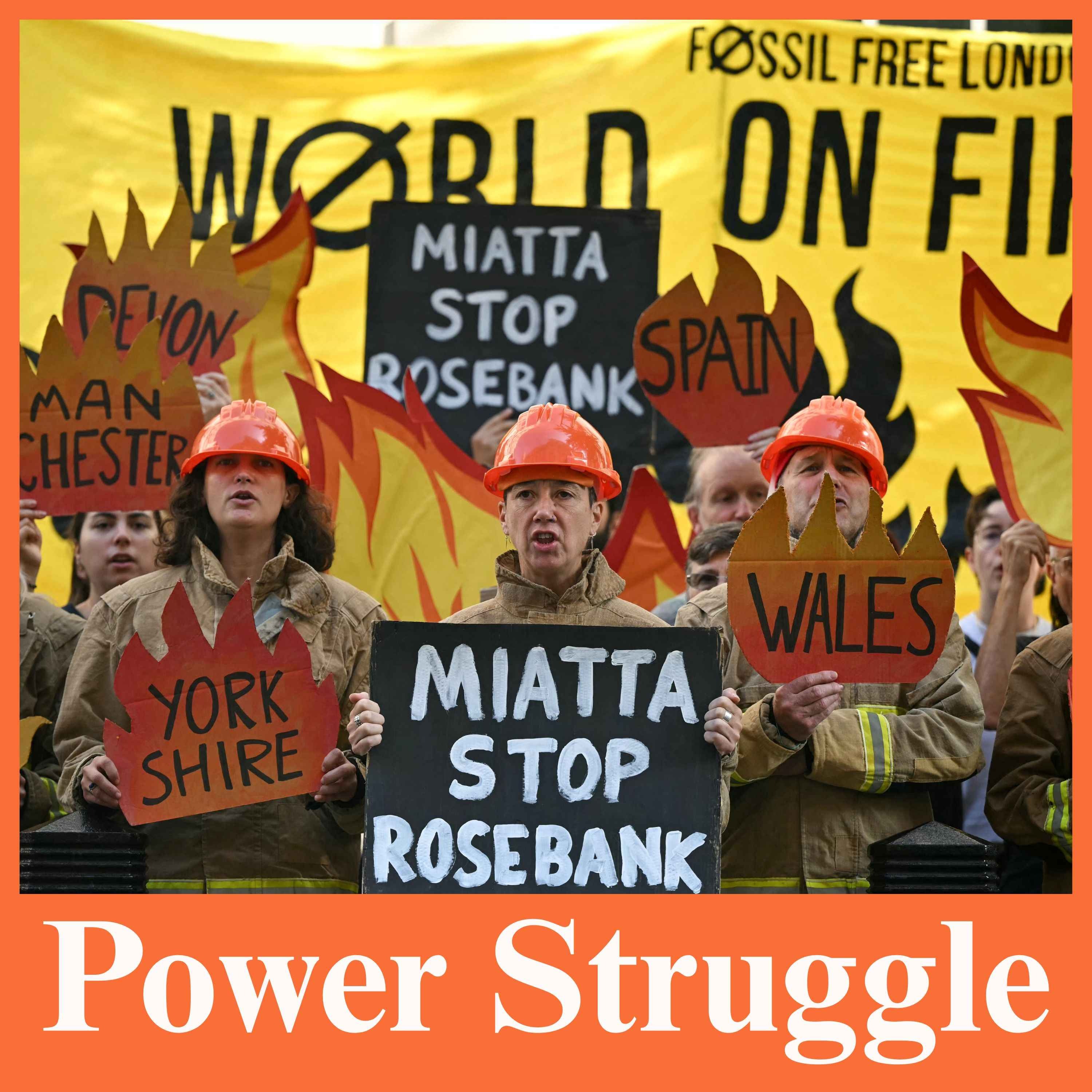
Is expanding North Sea oil production climate vandalism or the key to lowering energy bills? Dominic O’Connell explores whether Andy Burnham could u-turn on Labour's manifesto pledge to not issue new oil and gas licences to explore new fields in the region. Ask any climate campaigner their views on North Sea oil, and the answer is straightforward: stop drilling. While Labour came to power pledging to prioritise green energy, new Prime Minister Andy Burnham has indicated a more pragmatic stance towards tapping domestic reserves as energy security concerns grow. In Part 2 of Power Struggle, our energy mini-series on The Business, we explore whether expanding North Sea oil field licences is essential for driving economic growth and insulating the wider UK economy. We examine how government fiscal policy, regulatory shifts, and corporate taxation impact long-term commercial investment in the sector, and other affected industries. Dominic is joined by Greig Cameron, Scottish business editor at The Times, to discuss the fate of key offshore fields like Rosebank and Jackdaw. Plus, Amjad Bseisu, chief executive of independent operator EnQuest, explains why he thinks uncompetitive tax regimes are pushing energy investment abroad and what ending North Sea oil production means for Britain’s net zero transition. Guests: Amjad Bseisu, Chief executive, EnQuest Greig Cameron, Scottish business editor, The Times Presenter: Dominic O’Connell, Times columnist and Times Radio business correspondent Producer: Hope Federico Executive Producers: Emily Leahy and Miriam Hall Photo Credit: Getty Get in touch: thebusiness@thetimes.com Hosted on Acast. See acast.com/privacy for more information.

31 minAbspielen in:

Mi8Jul
The Business

The BusinessHost

Grindr CEO on Madonna, AI and UK age verification

How have UK age restriction laws affected Grindr’s users? What changes will AI bring to the dating app? And where does Madonna fit into all this? In this episode of The Business, Grindr CEO George Arison joins Dominic O'Connell, Times columnist and Times Radio business correspondent, to discuss Grindr’s cultural prominence, the future of the app, and their recent collaboration with the Queen of Pop herself, Madonna. Launched in 2009, Grindr is the world's number one dating app for gay and bisexual men, with over 15 million active users in 190 countries and territories. Grindr CEO George Arison first interacted with the platform as a user, switching from a blackberry to an iPhone in 2009 in order to use the app. In 2022 he joined the company as CEO, believing in its mission to connect gay and bisexual men around the world, and build an online gaybourhood. Arison discusses his upbringing in the USSR, taking Grindr public a month after joining the company and how he believes leaning into AI, and ensuring an exceptional free service are the best ways of ensuring growth. “ Within six to 12 months, Grindr's gonna be an AI first product where AI is gonna be fully integrated into anything that a user does and the experience of that is gonna be exponentially better.” Arison also describes the effect UK Age restriction laws have had on the country’s Grindr user-base. According to Arison, the restrictions discourage closeted users who are uncomfortable sharing data with the app, removing an important space where these individuals can connect. Guest: George Arison, Chief Executive Officer of Grindr Presenter: Dominic O’Connell, Times columnist and Times Radio business correspondent Producer: Hope Federico Executive Producers: Emily Leahy and Miriam Hall Photo Credit: Getty Get in touch: thebusiness@thetimes.com Hosted on Acast. See acast.com/privacy for more information.

30 minAbspielen in: