Bekomm eine E-Mail, wenn David in einem Podcast zu Gast istPodAppear prüft neue Folgen, sobald sie erscheinen, und lässt die weg, in denen David nur erwähnt wird. Bis zu 15 Personen kostenlos, ohne Kreditkarte.Bis zu 15 Personen kostenlos, ohne Kreditkarte.
Version History is back for a new season! If you like the show, follow the Version History audio podcast feed to get every new episode.
In the early 1990s, Sony was at the top of the electronics world. Whether it was a play station, a TV or a Walkman, its products were everywhere. But Sony had one more bet up its sleeve, one it thought could put it over the top: a robot dog. Join The Verge’s David Pierce, Vee Song, and Jen Tuohy as they trace Aibo’s inception, how it became a global phenomenon, and its lasting influence on today’s home robots.
Version History is also on video! Check us out on YouTube.
Subscribe to The Verge for unlimited access to theverge.com, subscriber-exclusive newsletters, and our ad-free podcast feed.
We love hearing from you! Email your questions and thoughts to vergecast@theverge.com or call us at 866-VERGE11.
Learn more about your ad choices. Visit podcastchoices.com/adchoices
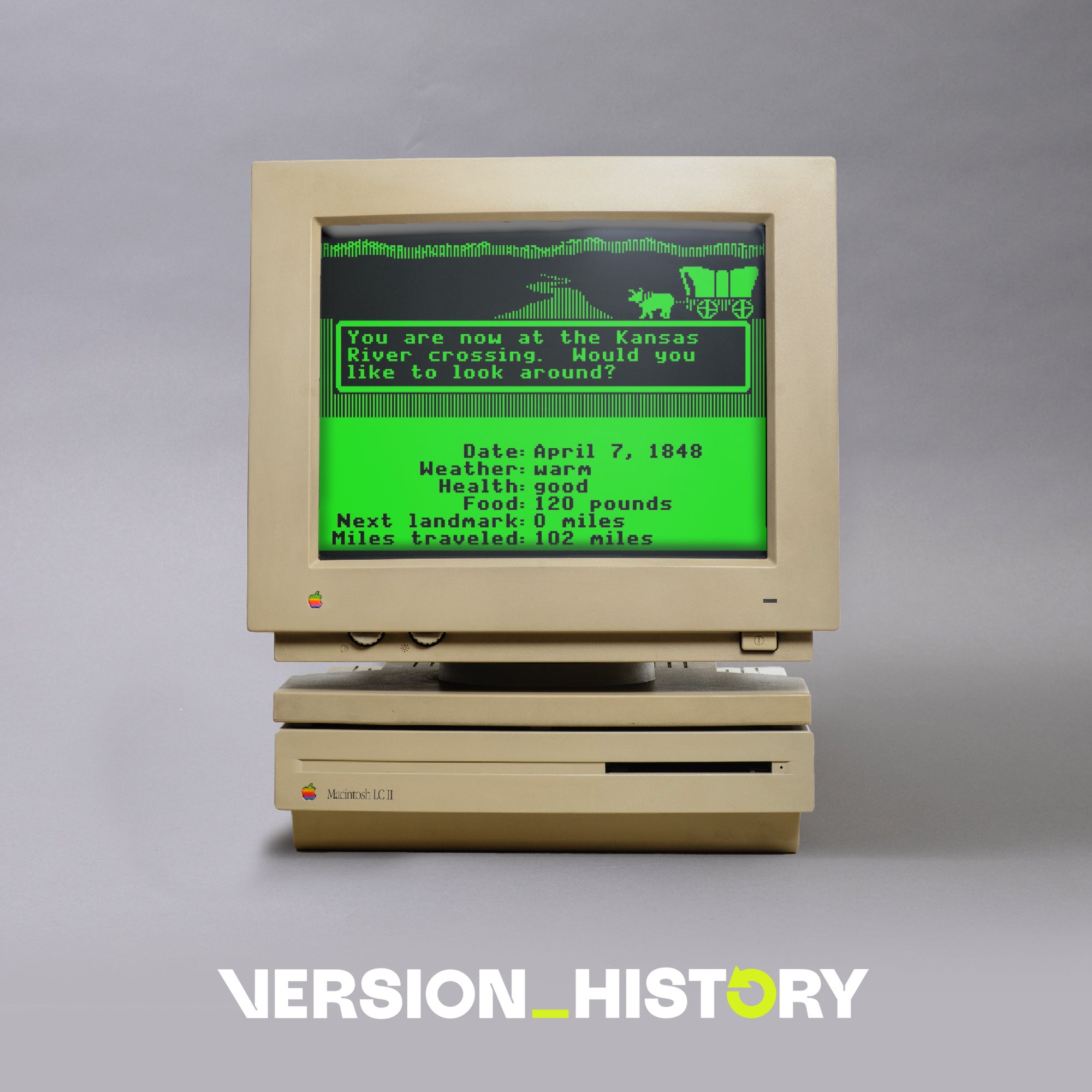
Whether you played it in the back of your classroom or on your computer at home, if you were a kid in the last 30 years you almost certainly grew up playing Oregon Trail. David Pierce is joined by gaming journalist Chris Grant and Philip Bouchard, the designer and team leader of the game’s most iconic version, to talk about the academic origins of Oregon Trail, the game’s complicated legacy, and whether anyone ever really died of dysentery.
Learn more about your ad choices. Visit podcastchoices.com/adchoices
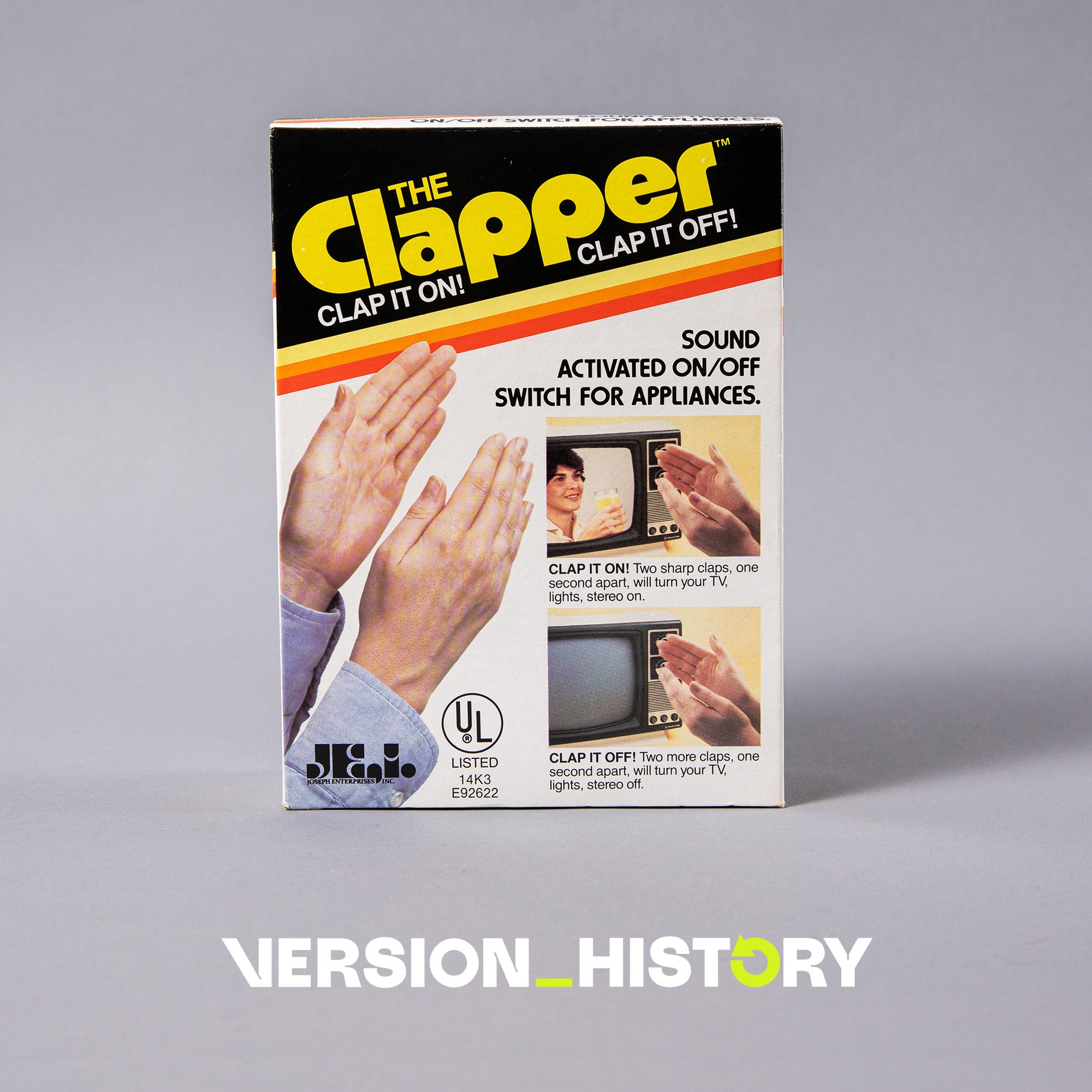
Clap on. Clap off. The Clapper may not have been a very good product, but it came with one of the all-time great marketing campaigns. And it might have even been a great, ahead of its time idea. The Verge's David Pierce and Victoria Song are joined by Allison Marsh, a writer and professor at The University of South Carolina, to talk through the Clapper's whole history. It involves lawsuits, broken gadgets, and a pioneering idea about laziness and the smart home.
We’re also on video! Check us out on YouTube.
Subscribe to The Verge for unlimited access to theverge.com, subscriber-exclusive newsletters, and our ad-free podcast feed.
We love hearing from you! Email your questions and thoughts to vergecast@theverge.com or call us at 866-VERGE11.
Learn more about your ad choices. Visit podcastchoices.com/adchoices
The humble light bulb might be the ultimate success story in the smart home. Our connected, adaptable homes are supposed to be customizable, connected to everything, and incredibly easy to use, and nothing has made that work quite like Philips Hue lights. In this episode, The Verge's David Pierce and Jennifer Pattison Tuohy are joined by smart home journalist and expert Richard Gunther to tell the Hue's story. We trace the product's history from its origins in the smartphone revolution, try to figure out how Philips managed to turn a staggeringly expensive lightbulb into a must-have gadget, and look at whether there's even more invention left in the future of lighting.
We’re also on video! Check us out on YouTube.
Subscribe to The Verge for unlimited access to theverge.com, subscriber-exclusive newsletters, and our ad-free podcast feed.
We love hearing from you! Email your questions and thoughts to vergecast@theverge.com or call us at 866-VERGE11.
Learn more about your ad choices. Visit podcastchoices.com/adchoices
Flappy Bird was a mean game. It was extremely simple and yet punishingly difficult; if you could get 10 points, that meant you were pretty good! For a few weeks, the game became an absolute global phenomenon — and in the process, both made its creator a ton of money and kind of ruined his life. On this episode of Version History, David Pierce, Jake Kastrenakes, and Game File’s Stephen Totilo explain the wild rise of Flappy Bird, the enormous backlash to this very simple game, and how it changed our relationship to games, and game makers, forever.
Subscribe to The Verge for unlimited access to theverge.com, subscriber-exclusive newsletters, and our ad-free podcast feed.
We love hearing from you! Email your questions and thoughts to vergecast@theverge.com or call us at 866-VERGE11.
Learn more about your ad choices. Visit podcastchoices.com/adchoices
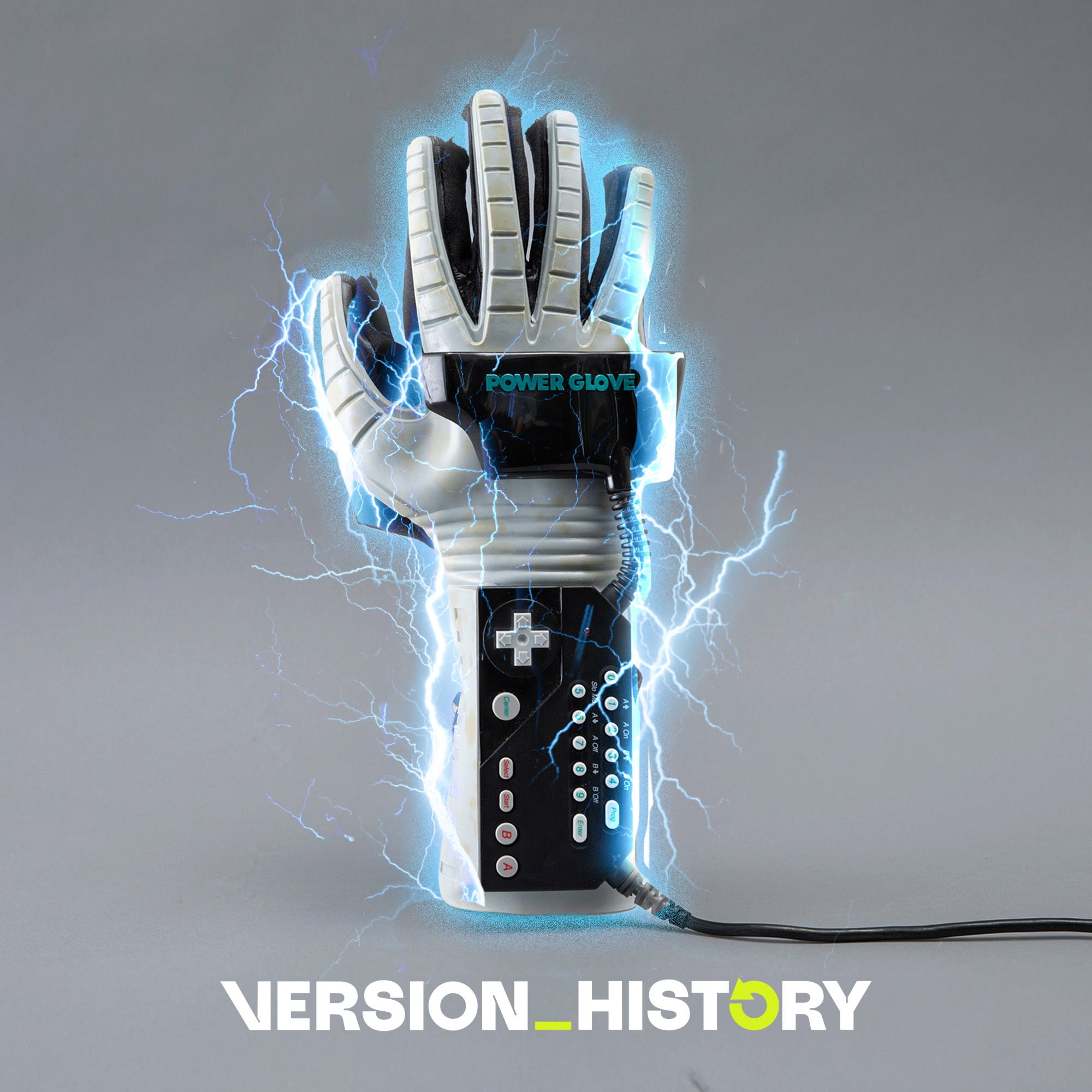
In the mid-1980s, Nintendo pretty much ruled the video game industry. And somehow, a few toymakers and inventors convinced Nintendo that the controller of the future was… this big, clunky thing you wore on your right arm. (Sorry, lefties.) It wasn’t very good, but people loved it anyway. And while the Power Glove wasn’t exactly the future of anything, you could argue it helped start a revolution in virtual reality and motion controls. On this episode of Version History, David Pierce, Chris Grant, and Game File’s Stephen Totilo do just that.
Subscribe to The Verge for unlimited access to theverge.com, subscriber-exclusive newsletters, and our ad-free podcast feed.
We love hearing from you! Email your questions and thoughts to vergecast@theverge.com or call us at 866-VERGE11.
Learn more about your ad choices. Visit podcastchoices.com/adchoices
1 h 16 minAbspielen in:
Warum PodAppear
Folge Menschen, nicht Podcasts.
Du hast David in einer Sendung gehört. PodAppear findet für dich die nächste, und genauso für alle anderen, die du hören willst.
Eine Meldung, wenn die Person zu Gast istPer E-Mail: sofort oder gebündelt als Tages- oder Wochenübersicht. Dann nur noch auf Play drücken.
Gäste statt bloßer ErwähnungenFolgen, in denen ein Name nur fällt, landen getrennt. Eine Meldung heißt: Die Person ist wirklich in der Sendung.
Alle in einem FeedGründerinnen, Autoren, Sportler, Forscherinnen. Folge allen mit Namen, quer durch jede Sendung, in der sie auftreten.