DS

Daniel Scharff

Zwei Jahre auf Sendung

GastHostErwähnt

Selbst moderierte Folgen

Di24Nov
The Startup CPG Podcast

The Startup CPG PodcastHost

#276: Farmers Markets 101 with Obour Foods

In this episode, host Daniel Scharff sits down with Elliot Sharifi, Founder of Obour Foods, to answer a question that comes up constantly in the Startup CPG Slack: are farmers markets a smart channel for an early CPG brand, and what does it take to make them work? Elliot is the owner of Obour Foods, a San Francisco-based ultra-premium dip and pita chip brand, and the person Daniel calls the "farmers market king." Obour makes everything in its own production kitchen, sells at 23 farmers markets a week from the Bay Area to Sacramento to LA, and delivers to about 90 to 100 wholesale accounts with its own trucks. Elliot bootstrapped the business, and his first market brought in about $1,200. Today Obour sells four product lines, hummus, toum, pita chips, and tahini, across about 12 to 15 SKUs. Daniel and Elliot dig into which products fit farmers markets and which don't, how market managers protect their vendors, and what it really costs to show up, from booth fees and permits to staffing. They also cover how to hire reliable people, how to evaluate a market, how to set up a booth that stops traffic, and how Obour's jar return program drives repeat purchases. They close with how to build the systems that let you scale from a few markets to dozens. Listen in as they discuss: Why farmers markets are a great early channel for instant feedback, immediate payment, and no buyers or deductions Which products fit farmers markets best, especially perishable, cold-chain items that retailers won't take on Why a shelf-stable product like a protein bar or granola may not belong at a farmer's market, and why Elliot says not to use markets for product-market fit How market managers protect their vendors, and why "we already have hummus" is the biggest obstacle to getting into a good market What booth fees, equipment, permits, and staffing add up to, with Elliot's estimate of about $200 per day to show up How to find and keep reliable market staff with high-signal job ad questions, and why Elliot runs his team like a sports team and not a family How to evaluate a farmers market by looking at foot traffic, competition, and the shopper How booth signage, samples, and a symmetric setup build trust and drive conversion, plus Elliot's sample-to-sale numbers How the jar return program, a $1 credit per returned jar, drives roughly two thirds repeat customers How to scale from a few markets to many with a systems-first approach, and why Elliot keeps to a small number of products Want to connect with buyers, investors, and industry experts in real time? Join our free Slack community with over 40,000 members. Get access to exclusive events and trade shows where you can meet buyers and investors in person, plus free resources and more. Just text CPG to 833-605-7002 and we'll get in touch. Episode Links: Elliot Sharifi LinkedIn: www.linkedin.com/in/elliotsharifi Obour Foods LinkedIn: www.linkedin.com/company/obour-foods Obour Foods Website: www.obourfoods.com Obour Foods Instagram: @obourfoods Contact Elliot directly: hello@obourfoods.com  Don't forget to leave a five-star review on Apple Podcasts or Spotify if you enjoyed this episode. For potential sponsorship opportunities or to join the Startup CPG community, visit www.startupcpg.com. Show Links: Transcripts of each episode are available on the Transistor platform that hosts our podcast here (click on the episode and toggle to "Transcript" at the top) Join the Startup CPG Slack community (40K+ members and growing!) Follow @startupcpg Visit host Daniel's LinkedIn: https://www.linkedin.com/in/danscharff/ Questions or comments about the episode? Email podcast@startupcpg.com  Episode music by Super Fantastics
42 minAbspielen in:

Di17Nov
The Startup CPG Podcast

The Startup CPG PodcastHost

#275: How Much Inventory Should You Actually Have? The Real Math Behind CPG Growth

In this episode, host Daniel Scharff sits down with Mark Surkin, VP of Operations at Soom Foods, to tackle one of the most common questions in the Startup CPG Slack: how much inventory should you actually have? Mark’s honest answer is “enough.” They spend the episode on what that means in practice. Soom Foods is a family business started by three sisters more than 13 years ago, built around its best-selling tahini. Mark has been with the company for about four years. Over that time Soom has gone from one overseas co-manufacturer to three and from under a million pounds a year to a projected 3 million pounds this year. It now has 15 to 20 SKUs in over 8,000 retail doors, with a goal of reaching 10,000. Daniel and Mark dig into Soom’s two-to-six-month supply chain, how they think about “winners, chasers, and losers,” and the weekly and monthly sales and ops meetings that keep forecasts honest. They also cover the cost of overstock versus stockouts, what happened when Mark used Claude to test whether cutting orders really protects cash flow, how to forecast new SKU launches, raw materials, and packaging, and when an emerging brand should move from sticky notes and spreadsheets to inventory software. Listen in as they discuss: Why there’s no magic number for inventory, and why “enough” depends on the SKU How Soom sorts SKUs into winners, chasers, and losers, and why each gets a different stocking approach Why Soom’s two-to-six-month lead times vary by SKU, format, and manufacturer How weekly and monthly sales and ops meetings keep forecasts and inventory aligned Why Mark calls the sales-versus-ops tension “balance,” and why disagreement leads to better orders Why stockouts are harder to recover from than overstock, and how they push future sales further out What Mark learned from running inventory and cash flow data through Claude, and why reactive ordering may not fix cash flow How to order for new SKU launches when minimum order quantities and unknown velocity collide Why brands need to forecast a full year ahead for raw materials and packaging, and how turnkey, hybrid, and non-turnkey co-manufacturing differ Why you shouldn’t buy inventory software until your process is clear, and how Mark’s 80/20 rule helps prioritize what to fix Today’s episode is presented by Cin7. Many brands in the Startup CPG community use Cin7 for inventory management, and Soom is one of them. Startup CPG members get 50% off their first 3 months of Cin7 Core at https://bit.ly/4AykNzi. Shop Soom Foods on Amazon:  Use code STARTUP15 for the Amazon discount. The code expires 12/31/26.  Want to connect with buyers, investors, and industry experts in real time?  Join our free Slack community with over 40,000 members. Get access to exclusive events and trade shows where you can meet buyers and investors in person, plus free resources and more. Just text CPG to 833-605-7002 and we’ll get in touch. Episode Links: Mark Surkin LinkedIn: www.linkedin.com/in/mark-surkin Soom Foods LinkedIn: www.linkedin.com/company/soom-foods Soom Foods Website: www.soomfoods.com Soom Foods Instagram: @soomfoods Contact Mark directly: mark@soomfoods.com  Cin7 offer: Startup CPG members get 50% off their first 3 months of Cin7 Core at https://bit.ly/4AykNzi! Don’t forget to leave a five-star review on Apple Podcasts or Spotify if you enjoyed this episode. For potential sponsorship opportunities or to join the Startup CPG community, visit www.startupcpg.com. Show Links: Transcripts of each episode are available on the Transistor platform that hosts our podcast here (click on the episode and toggle to “Transcript” at the top) Join the Startup CPG Slack community (40K+ members and growing!) Follow @startupcpg Visit host Daniel’s LinkedIn: www.linkedin.com/in/danscharff/ Questions or comments about the episode? Email podcast@startupcpg.com  Episode music by Super Fantastics

41 minAbspielen in:

Mi11Nov
The Startup CPG Podcast

The Startup CPG PodcastHost

UGC & Microinfluencer Strategy for Early-Stage Brands with Minisocial

In this mini episode of the Startup CPG Podcast, host Daniel Scharff sits down with Kirsten Baumberger, founder of Minisocial, to explain how early-stage CPG brands can work with creators, what makes good content, and how to turn that content into real results, including at retail. Minisocial is a fully managed UGC and micro-influencer platform that partners CPG brands with micro-influencers to get high-quality content that can be used across all of a brand’s marketing channels. Creator posts drive reach and build community, and the platform works primarily with food, beverage, health, wellness, and beauty brands. Daniel and Kirsten cover what UGC and micro-influencers really are, why retailers increasingly care about your social reach, and how emerging brands can start on a small budget by activating their own community. They also share how to brief creators, why scripts backfire, how to use local creators to drive velocity at retail, and what working with Minisocial looks like from brief to licensed content. Listen in as they discuss: What UGC and micro-influencers are in plain language, and why 1K to 10K followers is a sweet spot Why retailers increasingly care about a brand’s social reach and its ability to bring shoppers into stores How early-stage brands can start by activating their own customer community on a tight budget Why a one-off post does little, and why consistency, like a workout routine, builds momentum Why the number of touch points needed to convert a shopper has grown, according to Kirsten, into the 20s How to brief creators by working backward from where the content will live, and when to go lo-fi versus polished Why scripts hurt authenticity, and how creator content shows how customers actually describe your product How to use local creators to drive velocity at retail, including showing shoppers exactly where to find you in the store What the Minisocial experience looks like, from submitting a brief to approving creators and receiving fully licensed assets How Bero, Tom Holland’s non-alcoholic beer brand, has used creators in store at Target About Minisocial: Minisocial is a fully managed UGC and micro-influencer platform that partners CPG brands with micro-influencers to get high-quality content you can use across all your marketing channels, while posts from creators drive reach and build community.  Startup CPG brands get 15% off their first project: bit.ly/4BlQo8Q Want to connect with buyers, investors, and industry experts in real time?  Join our free Slack community with over 40,000 members. Get access to exclusive events and trade shows where you can meet buyers and investors in person, plus free resources and more. Just text CPG to 833-605-7002 and we’ll get in touch. Episode Link: Kirsten Baumberger LinkedIn: www.linkedin.com/in/kirstenbaumberger Don’t forget to leave a five-star review on Apple Podcasts or Spotify if you enjoyed this episode. For potential sponsorship opportunities or to join the Startup CPG community, visit startupcpg.com. Show Links: Transcripts of each episode are available on the Transistor platform that hosts our podcast here (click on the episode and toggle to “Transcript” at the top) Join the Startup CPG Slack community (40K+ members and growing!) Follow @startupcpg Visit host Daniel’s LinkedIn: www.linkedin.com/in/danscharff Questions or comments about the episode? Email podcast@startupcpg.com  Episode music by Super Fantastics

14 minAbspielen in:

Di10Nov
The Startup CPG Podcast

The Startup CPG PodcastHost

#274: Post-Mortem: Lessons from Closing Pastazerts

In this episode of the Startup CPG Podcast, host Daniel Scharff sits down with Stephanie Berwick, founder of Pastazerts, a frozen chocolate ravioli dessert brand, for a candid post-mortem on what went wrong, what went right, and what she would do differently, while the lessons are still fresh. Stephanie spent about 20 years in corporate finance and technology before building Pastazerts, which grew out of a chocolate ravioli recipe she developed in amateur cooking competitions over a decade ago. She tested it at pop-up markets, invested her savings, raised a small friends and family round in late 2024, and launched into distribution and chain retailers in the Northeast. After a large unpaid receivable and the loss of her manufacturing partner in mid-2025, she wrapped up the business in early 2026. Daniel and Stephanie dig into the two events that led to the closure, what the data showed about which retailers and consumers were the best fit, why independent stores through regional distribution stretched her thin, how optimistic early velocity data skewed her models, and why a food scientist, a co-founder, and a wider view of financing options are now non-negotiables for her. She also shares why she would do it all again. Listen in as they discuss: The two events that led to closing Pastazerts: a large unpaid receivable and a manufacturer that doubled its tolling Why an innovative, frozen product faces a steep consumer education challenge behind the freezer door What the data showed about where the product worked, including Italian grocers and higher-end consumers Why early foodservice signals, including Compass Group and Disney interest, pointed to a different path How Stephanie got approved at Whole Foods but could not reach shelf without a manufacturer Why one retailer’s early velocity data made her models too optimistic, and how to stress-test a forecast Why 250 independent doors really meant about 50 she could support, and what an in-store demo costs for frozen Why she now sees a food scientist and small-scale production as a non-negotiable for a new product Financing options she wishes she had known about earlier, including purchase order financing, AR factoring, and CDFIs Why she says to have a co-founder, go slow, and not ignore your data Stephanie’s blog and writing: Stephanie writes about her experience, including this journey, on her blog at berwickfinancial.com/blog and on Substack as “Stephanie in Progress.” Substack link: stephanieinprogress.substack.com  Browse the free Product Developer Database: Startup CPG’s database of freelance and agency product developers is free on startupcpg.com under the Resources page. Want to connect with buyers, investors, and industry experts in real time?  Join our free Slack community with over 40,000 members. Get access to exclusive events and trade shows where you can meet buyers and investors in person, plus free resources and more. Just text CPG to 833-605-7002 and we’ll get in touch. Episode Links: Stephanie Berwick LinkedIn: www.linkedin.com/in/stephanie-berwick Stephanie’s Blog: www.berwickfinancial.com/blog Berwick Financial (advisory practice): www.berwickfinancial.com Contact Stephanie directly: stephberwick.bk@gmail.com  Don’t forget to leave a five-star review on Apple Podcasts or Spotify if you enjoyed this episode. For potential sponsorship opportunities or to join the Startup CPG community, visit www.startupcpg.com. Show Links: Transcripts of each episode are available on the Transistor platform that hosts our podcast here (click on the episode and toggle to “Transcript” at the top) Join the Startup CPG Slack community (40K+ members and growing!) Follow @startupcpg Visit host Daniel’s LinkedIn: www.linkedin.com/in/danscharff Questions or comments about the episode? Email podcast@startupcpg.com  Episode music by Super Fantastics

39 minAbspielen in:

Di10Nov
Ecommerce On Tap

Ecommerce On TapHost

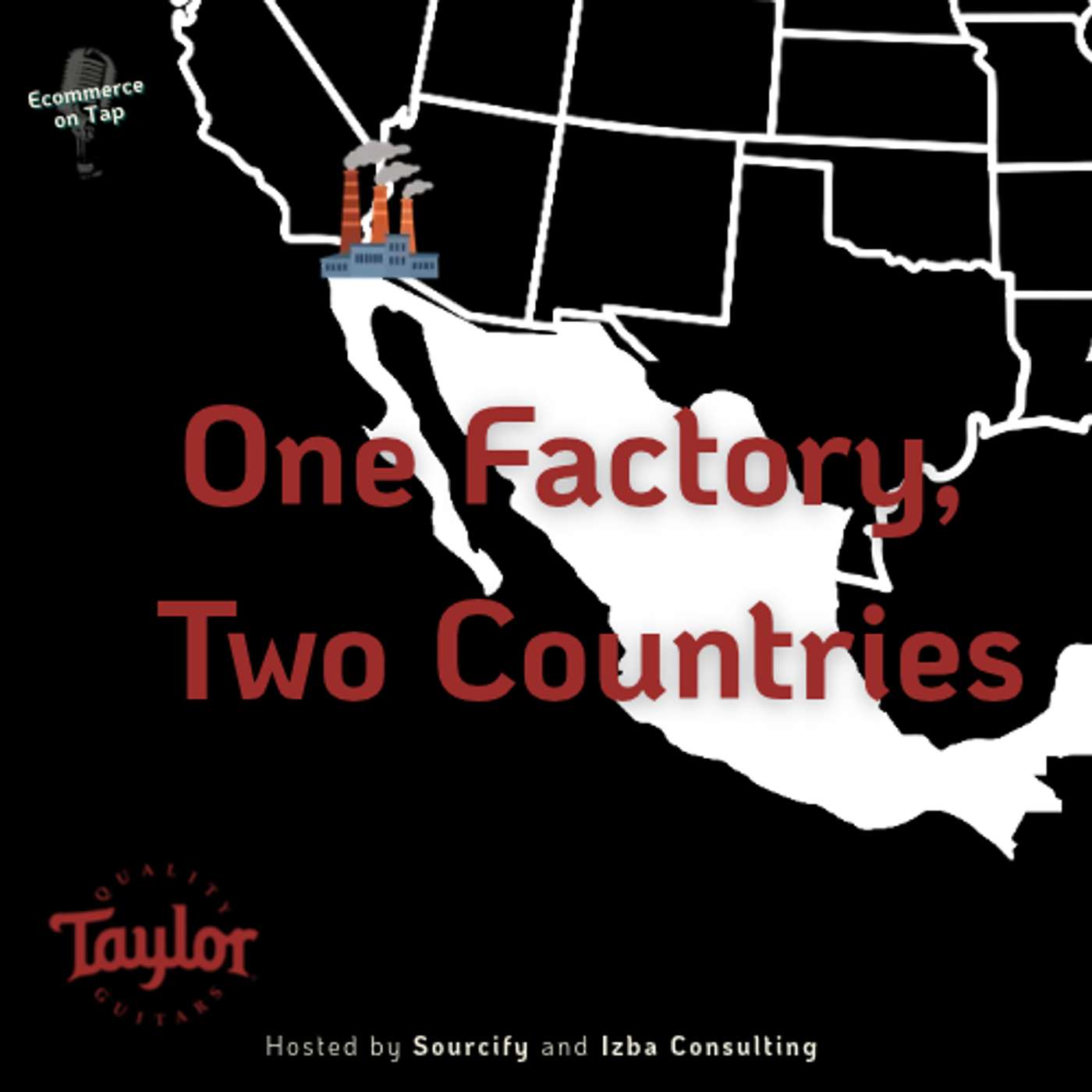
Taylor Guitars: One Factory, Two Countries, One Form

Taylor Guitars builds guitars in El Cajon, California and Tecate, Mexico, about 45 minutes apart, and runs the two plants as one factory. Host Aaron Alpeter and cohost Daniel Scharff follow what the border costs it: how a USMCA certificate of origin decides whether the same guitar pays 0% or 25%, how a 2017 rosewood listing stopped parts at the same crossing, and how employee ownership shapes the company's decisions. Daniel Scharff is the founder of Startup CPG, a community for consumer packaged goods founders

37 minAbspielen in:

Di3Nov
The Startup CPG Podcast

The Startup CPG PodcastHost

#273: Retail Pricing 101 with Matt Merson

In this episode of the Startup CPG Podcast, host Daniel Scharff sits down with Matt Merson, President of Once Upon A Coconut, for a deep, practical primer on retail pricing: how to set a shelf price, what it means for your wholesale price, and what actually lands in your pocket. Matt has spent about 35 years in food and beverage. He started with 15 years of classic CPG at Dannon Yogurt, Sara Lee, and Coca-Cola, then joined his first startup at Glaceau Vitaminwater and has focused on better-for-you, disruptive emerging brands ever since. Daniel’s first CPG role was global pricing and promotions at Mars Chocolate, and he shares his own research methods alongside Matt’s on-the-ground experience negotiating with retailers and distributors. Daniel and Matt walk through how to do store and online price research, why you should price-slope across every channel you might one day sell in, and how to model your cost of goods at scale. They break down the pocket price waterfall (retailer margin, distributor markup, trade spend, and marketing), how promotions work with distributors like KeHE and UNFI, and how to handle price increases and buyer pushback. Listen in as they discuss: Why Matt says to think broadly across channels and long term, and why price missteps in the first couple of years cause pain in mass and club later How to do day-one research with store checks and retailer websites, logging weights, SKUs, price points, and facings What “magic price points” are, and why pack size and common formats matter Why you should model your costs at 10,000, 100,000, and 1 million units before you launch How the pocket price waterfall works, from retailer margin and distributor markup to trade spend and marketing Why Matt says brands will not survive on sub-50% margins, and why you need a clear path to 50% Why retailers and club buyers check your website price first and Amazon second How to model higher and lower price scenarios, and how NIQ Byzzer data can show expected promotional lift The difference between off-invoice and scan-back promotions with KeHE and UNFI, and why an anchor account can protect you from heavy promo commitments How to change prices, from distributor lead times to how buyers react Resources mentioned in this episode: Startup CPG Retail Tracker, with retailer margins, store lists, and estimated distributor markups: bit.ly/4idan1T NIQ’s Byzzer™, with three free reports through Startup CPG’s partnership: bit.ly/4jAHAl9 Circana: bit.ly/4yafl5h Want to connect with buyers, investors, and industry experts in real time?  Join our free Slack community with over 40,000 members. Get access to exclusive events and trade shows where you can meet buyers and investors in person, plus free resources and more. Just text CPG to 833-605-7002 and we’ll get in touch. Episode Links: Matt Merson LinkedIn: www.linkedin.com/in/matthew-merson Once Upon A Coconut LinkedIn: www.linkedin.com/company/onceuponacoconut Once Upon A Coconut Website: www.onceuponacoconut.com Once Upon A Coconut Instagram: @onceuponacoconut Don’t forget to leave a five-star review on Apple Podcasts or Spotify if you enjoyed this episode. For potential sponsorship opportunities or to join the Startup CPG community, visit www.startupcpg.com. Show Links: Transcripts of each episode are available on the Transistor platform that hosts our podcast here (click on the episode and toggle to “Transcript” at the top) Join the Startup CPG Slack community (40K+ members and growing!) Follow @startupcpg Visit host Daniel’s LinkedIn: https://www.linkedin.com/in/danscharff/ Questions or comments about the episode? Email podcast@startupcpg.com  Episode music by Super Fantastics

53 minAbspielen in:

Mi28Okt
The Startup CPG Podcast

The Startup CPG PodcastHost

The Release of Our Foodservice Tracker Tool for CPG Brands

In this bonus episode of the Startup CPG Podcast, host Daniel Scharff sits down with foodservice sales expert Jenna Cameron, founder of Jenna Cameron Consulting, to walk through Startup CPG’s brand new, free Foodservice Tracker and how early-stage brands can use it to build a smart foodservice strategy. Jenna has spent more than 12 years in foodservice sales, with experience at brands including JUST (formerly Hampton Creek), Alpha Foods, and Wild Earth, and has been consulting full time for about a year. She and Daniel worked together at JUST for about five years, and Jenna helped build the tracker, a first-of-its-kind resource of about 1,500 operators, distributors, and redistributors with contract management, distributor, segment, unit count, and early brand prioritization details, plus LinkedIn profiles for key contacts. Daniel and Jenna break down what’s inside the tracker, who is and isn’t on the list, and how to choose between back of house and front of house opportunities. They also cover how to pitch foodservice buyers, which trade shows are worth your money, how scrappy tactics like campus ambassadors and station takeovers can unlock your first accounts, and the mistakes that waste time and money in this channel. Listen in as they discuss: What’s inside the free Foodservice Tracker, from distributors and contract managers to early brand prioritization Why a tracker alone won’t get you into doors, and why focus matters more than hitting every account Why a Dot Foods contact told Daniel the list’s 1,500 entries are “the right 1,500” to start with How to decide between back of house and front of house products, and which distributors fit each Which job titles to target, and why calling or texting chefs often beats email Why a foodservice pitch should be three to five slides, and why cooking alongside the culinary team beats a long deck Which trade shows suit early-stage brands, and how a regional distributor win can grow into a national program How scrappy tactics work, from asking a friend at a corporate office to enlisting campus vegetarian groups Why products must be plug and play, hold up in a high-heat oven, and solve a real operator problem like labor, cost, or prep time How to run a college station takeover that reaches 200 to 300 students at almost no cost Download the full tracker for free: bit.ly/cpgfoodservicetracker  Want to connect with buyers, investors, and industry experts in real time?  Join our free Slack community with over 40,000 members. Get access to exclusive events and trade shows where you can meet buyers and investors in person, plus free resources and more.  Just text CPG to 833-605-7002 and we’ll get in touch. Episode Links: Jenna Cameron LinkedIn: www.linkedin.com/in/jenna-cameron-a3253732 Jenna Cameron Consulting Website: jennacameronconsulting.com Jenna Cameron Instagram: @the_jenna_cameron Contact Jenna directly: jennacameronconsulting@gmail.com  Don’t forget to leave a five-star review on Apple Podcasts or Spotify if you enjoyed this episode. For potential sponsorship opportunities or to join the Startup CPG community, visit www.startupcpg.com. Show Links: Transcripts of each episode are available on the Transistor platform that hosts our podcast here (click on the episode and toggle to “Transcript” at the top) Join the Startup CPG Slack community (40K+ members and growing!) Follow @startupcpg Visit host Daniel’s LinkedIn: https://www.linkedin.com/in/danscharff/ Questions or comments about the episode? Email podcast@startupcpg.com  Episode music by Super Fantastics

26 minAbspielen in:

Di27Okt
The Startup CPG Podcast

The Startup CPG PodcastHost

#272 Retailer Spotlight: Plum Market with Marc Jonna

In this episode of the Startup CPG Podcast, host Daniel Scharff sits down with Marc Jonna, Co-Founder and President of Plum Market, for a deep dive into the grocer’s founding story, its ethos, how it sources brands, and how emerging brands can get on its radar. Marc is a third-generation grocer who started working in his family’s wine and gourmet store at 14 and left college at 19 to run operations when his father got sick. After the family’s business was acquired by Whole Foods in 1998, Marc worked with John Mackey, joined the leadership team, and later left with his brother Matt to launch Plum Market in 2007 in Bloomfield Hills, Michigan. Today Plum Market operates in Michigan and Florida and has over 40 outlets, including airports, offices, private schools, and the Detroit Pistons Performance Center. Daniel and Marc dig into how the Plum Market name and icon came to be, where Marc sees grocery heading, why Plum carries virtually no private label, how the team helps emerging brands launch, how airport locations work, and what founders should do if they want to get in front of Plum Market’s buyers. Listen in as they discuss: The three-generation grocery story behind Plum Market, from a family wine store to a sale to Whole Foods and a fresh start How the Plum Market name and plum-and-swish icon were created Where Marc sees grocery heading, from preventative health and traceability to shoppers wanting fewer, higher-quality ingredients Why Plum Market treats grocery as an experience, with brands as the “true stars” Why Plum carries essentially no private label, outside of food cooked in house from scratch, and why Marc thinks consumers will increasingly want to know who makes their food How Plum sources natural, organic, local, and gourmet brands, and why logistics decide whether a startup can get in How Plum helps emerging brands launch, starting with the “magic wand” merchandising question, and why a win with an independent grocer can create FOMO among larger retailers How Marc finds new products, from trade shows and travel to competitor stores and founders who DM him directly Why airports, offices, and schools are growth channels, and why authorized wholesalers like UNFI and KeHE are essential for airport placement Where large-format and small-format stores fit into Plum Market’s growth plans Brands and names mentioned in this episode: Hot Girl Pickles - Leah Marcus and Yasaman Bakhtiar Clean Dough Cookies - Jake Bagnall Gato Dates  - Gabriella Gains and Tonya Reznikovich Loonen water - Clara Sieg and David Kimmell  Miracle Noodle  Zingerman's  Bell & Evans Snake River Farms  Diamond Ranch Sea Smoke  Merchant of Vino Trade Winds  Want to connect with buyers, investors, and industry experts in real time?  Join our free Slack community with over 40,000 members. Get access to exclusive events and trade shows where you can meet buyers and investors in person, plus free resources and more. Just text CPG to 833-605-7002 and we’ll get in touch. Episode Links: Marc Jonna LinkedIn: www.linkedin.com/in/marc-jonna-3a9b4649 Plum Market LinkedIn: www.linkedin.com/company/plummarket Plum Market Website: www.plummarket.com Plum Market Instagram: @plummarket Contact Marc directly: marc.jonna@plummarket.com  Don’t forget to leave a five-star review on Apple Podcasts or Spotify if you enjoyed this episode. For potential sponsorship opportunities or to join the Startup CPG community, visit www.startupcpg.com. Show Links: Transcripts of each episode are available on the Transistor platform that hosts our podcast here (click on the episode and toggle to “Transcript” at the top) Join the Startup CPG Slack community (40K+ members and growing!) Follow @startupcpg Visit host Daniel’s LinkedIn: https://www.linkedin.com/in/danscharff/ Questions or comments about the episode? Email podcast@startupcpg.com  Episode music by Super Fantastics

42 minAbspielen in: