
Bekomm eine E-Mail, wenn Chris in einem Podcast zu Gast istPodAppear prüft neue Folgen, sobald sie erscheinen, und lässt die weg, in denen Chris nur erwähnt wird. Bis zu 15 Personen kostenlos, ohne Kreditkarte.Bis zu 15 Personen kostenlos, ohne Kreditkarte.
Chris kostenlos folgen
CC

Chris Clarke

Zwei Jahre auf Sendung

GastHostErwähnt

Selbst moderierte Folgen

Fr28Aug
90 Miles from Needles: the Desert Protection Podcast

90 Miles from Needles: the Desert Protection PodcastHost

S5E27: Sonoran Toads and the Dirty Business of Ego Death

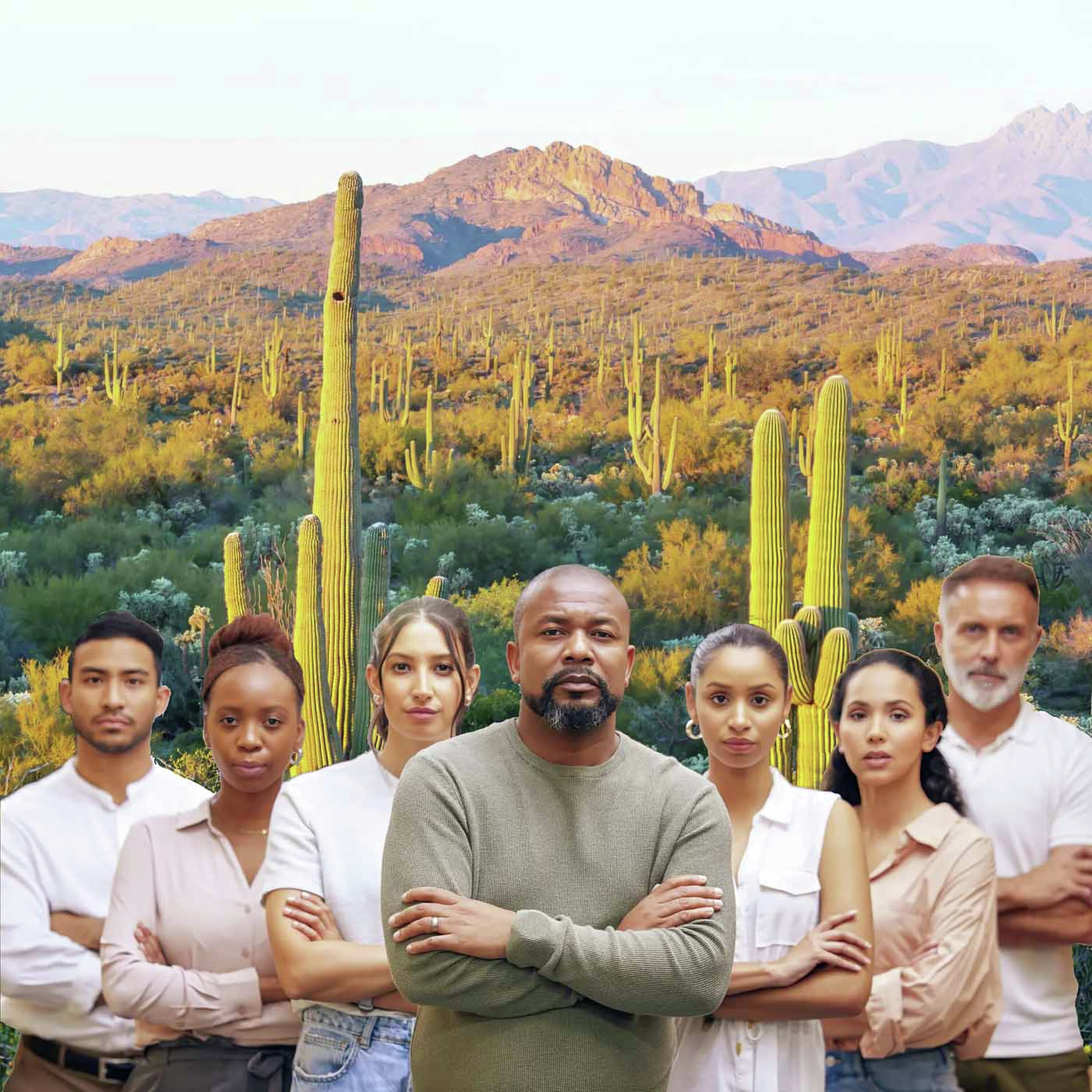
Journalist Kimon de Greef joins Chris Clarke to discuss his new book, The Ego Trip: Psychedelic Toads, a Trail of Deaths, and the Guru Who Peddled Transcendence. The Sonoran Desert toad (Incilius alvarius) spends most of the year underground, emerging to breed during summer rainstorms. It is also the only animal known to produce 5-MeO-DMT, an extraordinarily powerful psychedelic compound, in its defensive secretions. That biological curiosity has made the toad the center of a global psychedelic industry. Chris and Kimon discuss how Sonoran toad secretions changed from a little-known psychedelic tool into an international spiritual commodity; how outsiders profit from romanticized ideas about Indigenous tradition; and what the resulting trade means for the toads, the people hired to collect them, and communities living amid poverty and cartel violence. They also examine parallels with the commercial appropriation and poaching of white sage, and consider an uncomfortable contradiction: people seeking healing, transcendence and communion with nature may be supporting a supply chain built on wildlife exploitation, misinformation and harm. Content Note This episode contains discussion of drug use, addiction, death, animal mistreatment and abusive psychedelic practices. It is not intended as medical advice or encouragement to use 5-MeO-DMT or any other controlled substance. About Kimon de Greef Kimon de Greef is a South African journalist whose work has appeared in The New Yorker, The New York Times, The Guardian, National Geographic, Guernica and other publications. He has a master’s degree in conservation biology from the University of Cape Town and a master’s degree in journalism from New York University. Much of his reporting concerns wildlife trafficking, illicit economies and the complicated relationships between human desire and the natural world. Kimon de Greef’s website Kimon on Instagram Buy The Ego Trip through Bookshop.org Publisher’s page for The Ego Trip In this episode The remarkable monsoon-dependent life of the Sonoran Desert toad What 5-MeO-DMT is, and why “toad licking” is both inaccurate and dangerous How Octavio Rettig helped popularize toad-derived 5-MeO-DMT Claims that toad smoking is an ancient Comcáac/Seri tradition Psychedelic tourism, cultural appropriation and spiritual marketing The economic realities behind supposedly “responsibly sourced” toad secretions Toad collection, repeated “milking,” displacement and disease transmission Why synthetic 5-MeO-DMT removes the need to exploit wild toads Parallels between the toad trade and the international market for poached white sage What scientists know and don't know about the toad’s population status The difficulty of conducting conservation research in cartel-controlled areas Why a potentially profound experience can still leave a trail of real-world harm Selected timestamps 00:02:07 — How Kimon found the story 00:03:52 — Sonoran Desert toad natural history 00:06:20 — 5-MeO-DMT and the toad’s defensive secretions 00:08:47 — Octavio Rettig and the rise of “toad medicine” 00:11:34 — The Comcáac community and claims of recovered tradition 00:14:50 — Is there evidence of ancestral toad use? 00:20:15 — Psychedelic tourism and its consequences 00:22:30 — Seri ironwood carving and the creation of “tradition” 00:30:10 — The parallel with white sage 00:34:59 — Toad-derived versus synthetic 5-MeO-DMT 00:38:44 — Inside the toad-secretion supply chain 00:44:35 — What is happening to wild toad populations? 00:50:27 — Psychedelic experience, reporting and ethical distance Further reading and resources Kimon de Greef’s original New Yorker investigation, “The Pied Piper of Psychedelic Toads” De Greef on the collection trade, “The Psychedelic Toad Milkers” High Country News, “A Hallucinogenic Toad in Peril” Sonoran Desert Toad Fund, supporting research and conservation throughout the species’ range Tucson Herpetological Society, whose president Robert Villa has worked extensively on the toad’s conservation Sonoran Desert toad species account from AmphibiaWeb U.S. Fish and Wildlife Service, Sonoran Desert toad species profile PLOS One, “Diet and Chemical Defenses of the Sonoran Desert Toad” California Native Plant Society, White Sage Protection Become a desert defender!: https://90milesfromneedles.com/donate See omnystudio.com/listener for privacy information.
1 h 01 minAbspielen in:

Sa1Aug
90 Miles from Needles: the Desert Protection Podcast

90 Miles from Needles: the Desert Protection PodcastHost

S5E24: Tree Sit at the Border

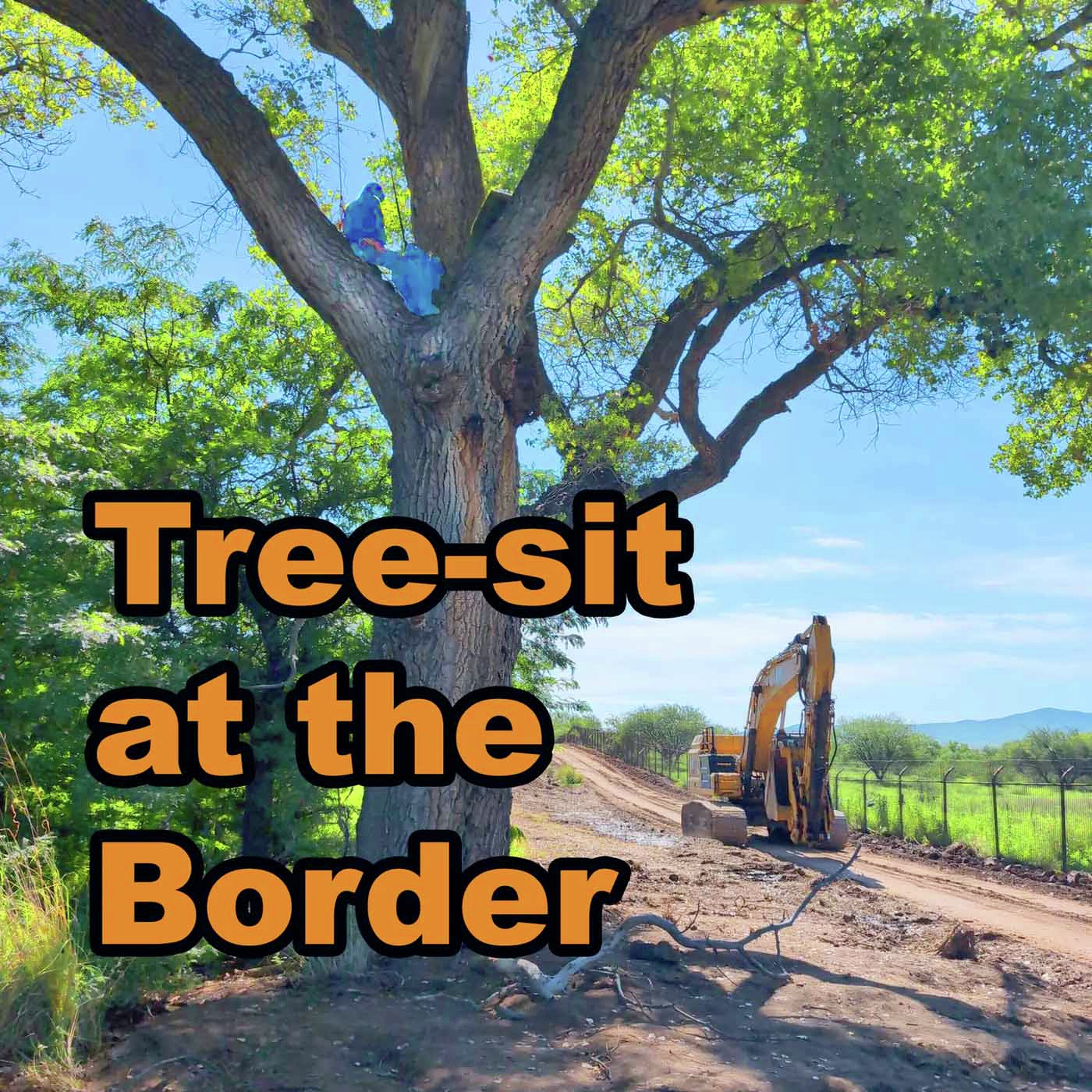
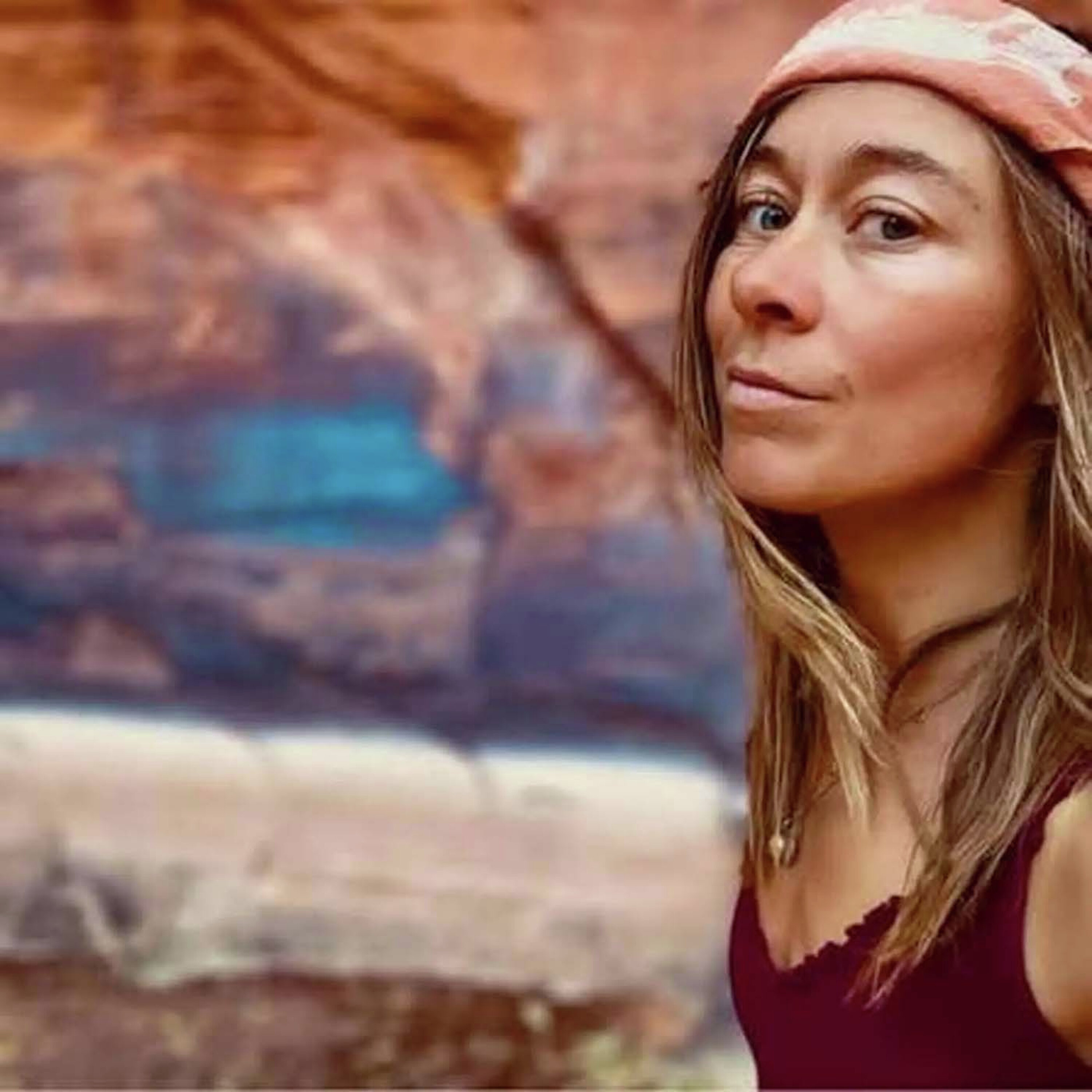
Border-wall contractors have destroyed three ancient Fremont cottonwoods in Lochiel, Arizona. Estimated to have been 200 to 250 years old, the trees stood in the path of two proposed 30-foot walls through the San Rafael Valley. One landmark cottonwood remains. Activists have occupied it in what may be the first tree sit organized against border-wall construction. Kate Scott joins Chris Clarke from the Casita de la Esperanza, the activists’ base at the former Lochiel port of entry. She describes the loss of the cottonwoods, the wildlife that depended upon them, and the apparent absence of meaningful environmental monitoring as the trees came down. She also explains why organizers are demanding protection for the surviving tree and an end to plans for a secondary wall through the community. The fight is about more than one cottonwood. The tree represents the ecological richness, cultural history and cross-border relationships threatened by wall construction throughout the Arizona–Sonora borderlands. Key Takeaways Contractors destroyed three of Lochiel’s four landmark cottonwoods to make way for border-wall construction. Activists are maintaining a tree sit in the remaining cottonwood and demanding that it be spared. Organizers also want the proposed secondary wall through Lochiel abandoned. The cottonwoods provided habitat for barn owls, flickers, kingbirds, insects and other wildlife. Scott also reports hearing a threatened yellow-billed cuckoo. Scott says Customs and Border Protection had promised protections for active bird nests, but activists saw no meaningful environmental monitoring during the tree removal. Organizers are combining direct action with art, music, ceremony and public gatherings. Wall construction threatens wildlife movement, a historic border community, neighboring ranchland in Sonora and potentially significant archaeological resources. Notable Quotes “We do not want a double wall through this historic community.” “Each one is unique—a universe in and of itself.” “This is not a crossing point. This is a wildlife migratory corridor.” “We’re not taking this anymore. We’re making our stand here.” “Don’t obey in advance.” About Kate Scott Kate Scott is a southern Arizona organizer and a co-founder of the Madrean Archipelago Wildlife Center. Her work includes community organizing and direct action to protect the San Rafael Valley and the wildlife, cultural resources and cross-border relationships threatened by border-wall construction. Resources Rally for the Valley on Instagram Support the Lochiel tree sit and campaign The Guardian: Protesters occupy a 200-year-old border cottonwood Episode image modified from a photograph by the Center for Biological Diversity. Become a desert defender!: https://90milesfromneedles.com/donate See omnystudio.com/listener for privacy information.
36 minAbspielen in:

Fr24Jul
90 Miles from Needles: the Desert Protection Podcast

90 Miles from Needles: the Desert Protection PodcastHost

S5E23: Beyond Laws: Building a Movement to Save Our Deserts

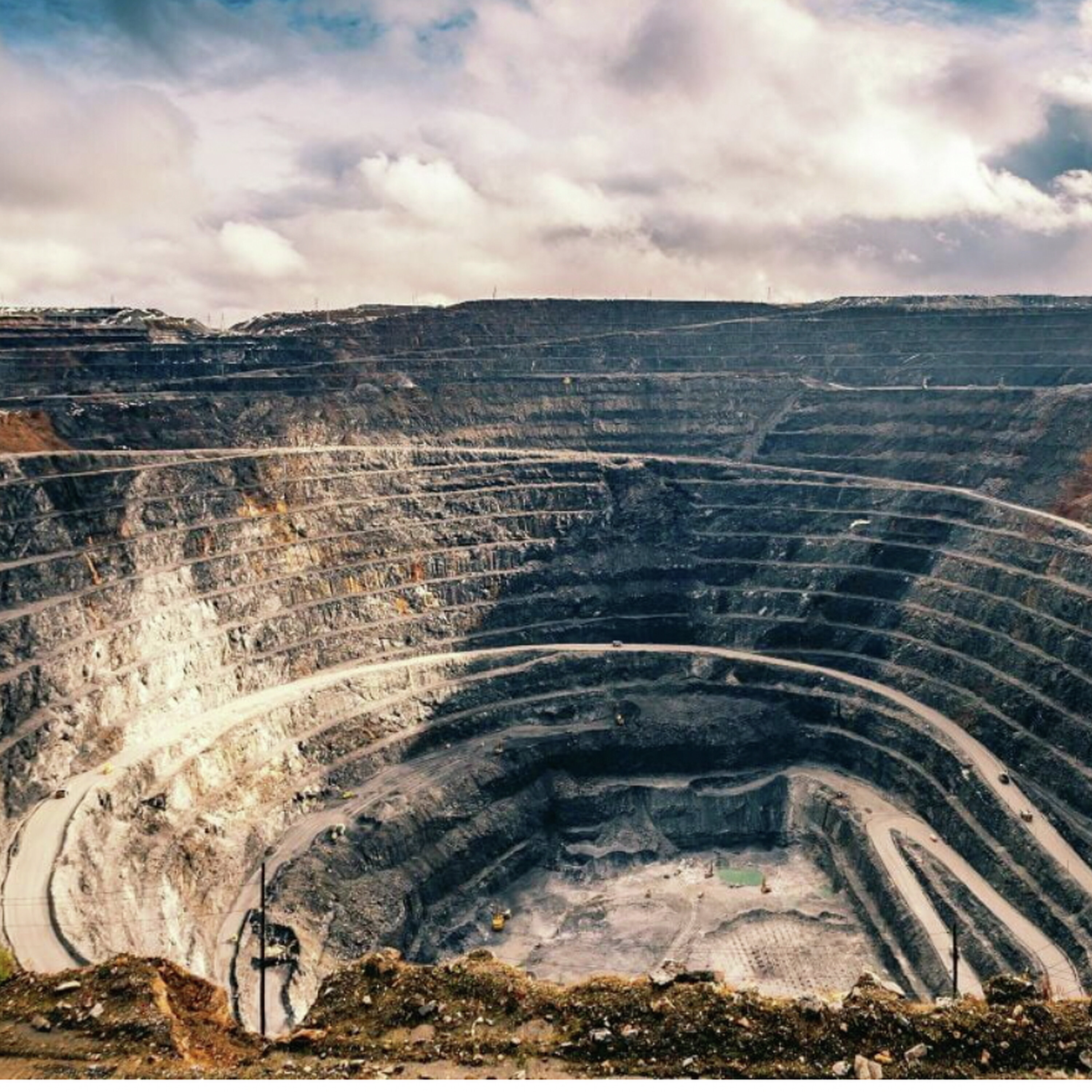
Federal environmental laws matter. They have prevented destructive projects, protected wildlife and cultural sites, and given communities a way to challenge powerful interests. But laws are only as durable as the political support behind them. As the Trump administration weakens environmental and cultural protections, Chris Clarke asks what happens when desert advocates rely too heavily on Washington. If federal law is the only defense a landscape has, one election or court decision can leave that landscape exposed. The alternative is not abandoning federal protection. It is building additional layers beneath it: local ordinances, community relationships, persuasive stories, political constituencies and a shared understanding of what people stand to lose. Protecting the desert requires more than winning a legal argument. It requires enough organized public support to make destruction politically difficult. Key Takeaways Federal environmental laws remain essential, but laws alone cannot provide permanent protection. Political administrations can weaken regulations, reduce enforcement and reinterpret longstanding statutes. Environmental harm commonly produces concentrated private profits while distributing costs across the public. Local ordinances and policies can add protection when federal safeguards fail. Desert advocates need durable relationships with residents, workers, businesses, Tribal communities and local institutions. Successful movements give people reasons to defend a place before a destructive proposal appears. Building political power requires narratives rooted in community needs as well as ecological facts. Notable Quotes “The public loses more than money. We lose wildlife habitat, we lose groundwater, we lose archaeological and cultural sites, we lose wilderness.” “Profits become concentrated by one party, and the costs are borne by the public.” “Those of us who love a place shouldn’t just rely on Washington to defend it.” “A president can weaken federal laws. And if federal laws are the only layer of protection that we have for places that we love, then we find ourselves in the position that we’re in right now.” Join the Conversation What has helped people protect a place in your community? Which local campaigns have built lasting support across political or cultural lines? Chris would especially like to hear about community and independent radio programs covering desert issues. Email: chris@90milesfromneedles.com 90 Miles from Needles Become a desert defender!: https://90milesfromneedles.com/donate See omnystudio.com/listener for privacy information.
30 minAbspielen in:

Fr17Jul
90 Miles from Needles: the Desert Protection Podcast

90 Miles from Needles: the Desert Protection PodcastHost

S5E22: Morgan Sjogren on the War on Utah's National Monuments

On July 13, 2026, President Trump announced new reductions of Bears Ears and Grand Staircase-Escalante National Monuments, removing protections from nearly three million acres. The action again places Tribal cultural landscapes, wildlife habitat, watersheds and public lands at risk from mining, drilling and other development. Writer Morgan Sjogren joins Chris Clarke from southern Utah. Sjogren has traveled these landscapes extensively and written about Glen Canyon, uranium mining and the conflicting legacies carried by public lands. She describes the disorienting contrast between an enormous political assault and the apparent quiet of the country itself. The conversation also considers what landscape-scale knowledge provides: an understanding that rivers, mesas, wildlife, plant communities, rural towns and Indigenous homelands cannot be separated by conveniently redrawn lines on a government map. Key Takeaways The July 2026 actions removed national-monument protections from most of Bears Ears and Grand Staircase-Escalante. Bears Ears is an Indigenous cultural landscape whose protection was developed through years of Tribal leadership and advocacy. Reduced protections could expose lands to uranium and coal mining, drilling and other extractive uses. National-monument protection also safeguards rivers, watersheds, wildlife habitat, archaeological sites and public access. Sjogren argues that traveling through these places at landscape scale reveals connections that political boundaries conceal. Supporting organizations based in and near the monuments remains an important way to respond. Notable Quotes “The air is filled with tension, and the noise is mostly online, but outside it’s eerily quiet.” “Monuments are one of the most robust protections we have for rivers in this country.” “I’ve been getting to know my riverside neighbors: both the human and more-than-human, plant communities, wildlife, Tribes, rural Americans, urbanites, farmers.” “Vote like this landscape and our lives depend upon it.” About Morgan Sjogren Morgan Sjogren is a writer, adventurer and longtime traveler through the landscapes of the Colorado Plateau. Her books include Path of Light: A Walk Through Colliding Legacies of Glen Canyon, Outlandish: Fuel Your Epic, and The Best Grand Staircase-Escalante National Monument Hikes. Resources Morgan Sjogren’s Glen Canyon Backcountry Club Grand Staircase Escalante Partners Bears Ears Partnership Conservation Lands Foundation: Defend Bears Ears and Grand Staircase-Escalante Become a desert defender!: https://90milesfromneedles.com/donate See omnystudio.com/listener for privacy information.
32 minAbspielen in:

Fr10Jul
90 Miles from Needles: the Desert Protection Podcast

90 Miles from Needles: the Desert Protection PodcastHost

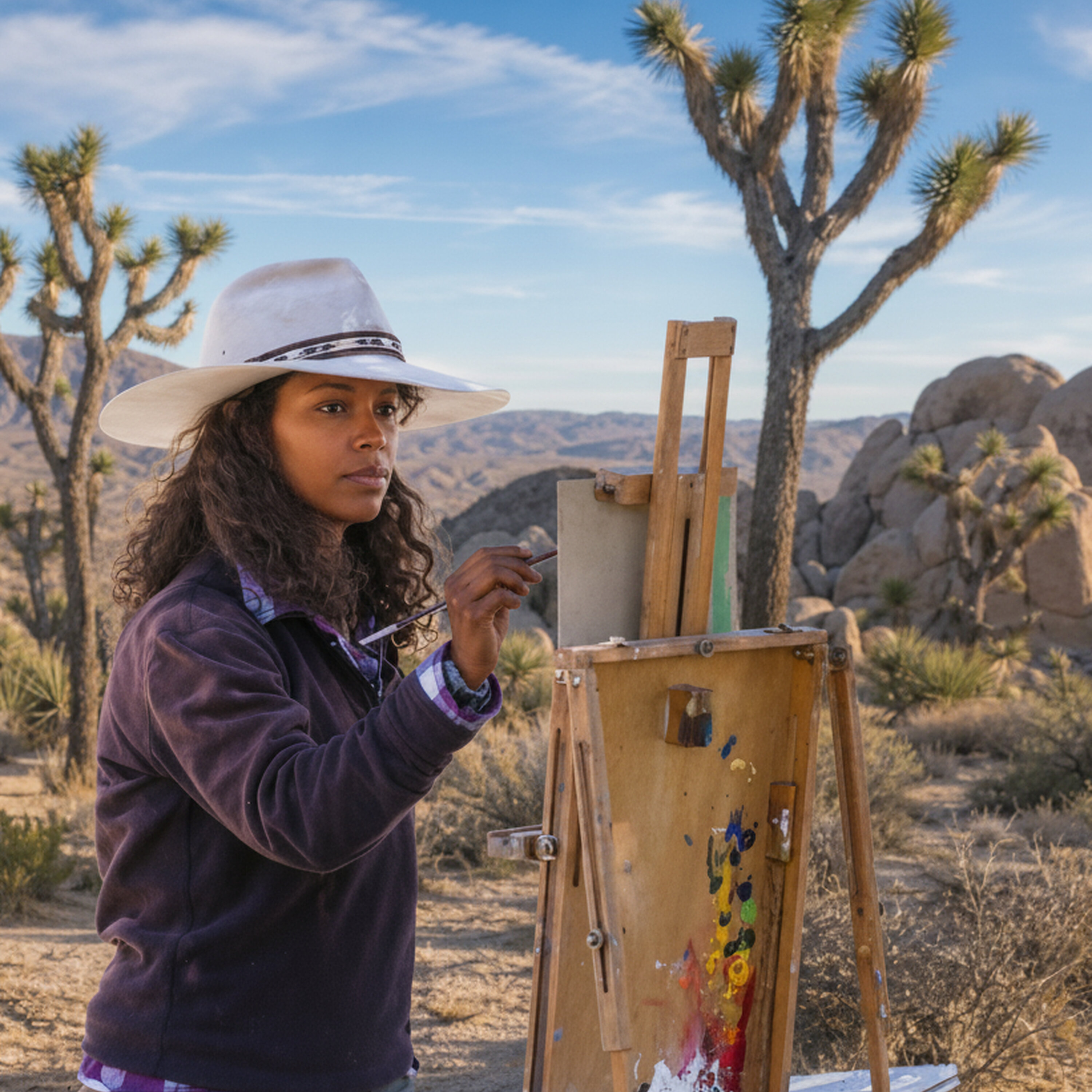
S5E21: Don't Mine 29! Australian Company Threatens Joshua Tree

An Australian company has amassed mining claims across roughly 20,000 acres near Twentynine Palms and Joshua Tree National Park. Dateline Resources says its Music Valley project could produce heavy rare-earth elements. Residents and conservationists see the possibility of an enormous industrial operation beside homes, wilderness, desert tortoise habitat, and one of the country’s best-known national parks. Chance Wilcox of the National Parks Conservation Association joins Chris Clarke to explain what has been proposed, how the Mining Law of 1872 gives mining interests unusual power over public land, and why Music Valley threatens more than scenery. Dust, noise, water use, traffic, habitat loss and diminished views could affect the landscape as well as the tourism economy supporting Twentynine Palms and the surrounding Morongo Basin. The project has also prompted a growing local response. Residents, small-business owners and conservation groups are finding common ground in a simple message: Twentynine Palms is a national-park gateway community, not a mining district. Key Takeaways Dateline Resources has acquired or staked claims across approximately 20,000 acres near Joshua Tree National Park and Twentynine Palms. Mining claims are not the same as an approved mine, but they establish the company’s interest in developing the area. Potential effects include habitat destruction, dust, noise, water demand, industrial traffic and damage to views from Joshua Tree National Park. Threatened Mojave desert tortoises and other desert wildlife occur within the affected landscape. The community’s tourism economy and residents’ quality of life are inseparable from the surrounding desert. The Mining Law of 1872 continues to give mining companies extraordinary access to minerals beneath public land. Notable Quotes “This is going to be about 20,000 acres of strip mine next to residential neighborhoods and Twentynine Palms.” “People live here to really be part of this landscape. And people live here for a reason.” “Twentynine Palms is not a mining town. It’s a gateway community to Joshua Tree.” “There’s so much more at stake. It’s about the interconnection of all of that to every small business in Twentynine Palms.” Resources National Parks Conservation Association: Five national parks threatened by mining exploration Los Angeles Times: Mining claims next to Joshua Tree National Park Recap of the Stop Music Valley Mine community meeting NPCA campaign concerning Dateline Resources’ activity at the Colosseum Mine Become a desert defender!: https://90milesfromneedles.com/donate See omnystudio.com/listener for privacy information.
42 minAbspielen in:

Warum PodAppear

Folge Menschen, nicht Podcasts.

Du hast Chris in einer Sendung gehört. PodAppear findet für dich die nächste, und genauso für alle anderen, die du hören willst.

  • Eine Meldung, wenn die Person zu Gast istPer E-Mail: sofort oder gebündelt als Tages- oder Wochenübersicht. Dann nur noch auf Play drücken.
  • Gäste statt bloßer ErwähnungenFolgen, in denen ein Name nur fällt, landen getrennt. Eine Meldung heißt: Die Person ist wirklich in der Sendung.
  • Alle in einem FeedGründerinnen, Autoren, Sportler, Forscherinnen. Folge allen mit Namen, quer durch jede Sendung, in der sie auftreten.

Bis zu 15 Personen kostenlos, ohne Kreditkarte.

Fr8Mai
90 Miles from Needles: the Desert Protection Podcast

90 Miles from Needles: the Desert Protection PodcastHost

S5E15: When Commerce Meets Culture: Art Fairs in the Desert

Episode Summary: In this episode, host Chris Clarke revisits the spirited discussion surrounding the High Desert Art Fair and its portrayal in media. Cindy Bernard and Bernard Leibov engage in a dialogue to address critiques and misconceptions, particularly related to an LA Times article that stirred emotions within the Morongo Basin. Their conversation navigates the crucial roles of artists in economic and cultural spheres while emphasizing the need for nuanced understanding among residents and media alike. As the episode unfolds, Cindy and Bernard elaborate on key differences between various art events like the High Desert Art Fair and Desert X, underscoring their distinct roles in cultural development. They explore the often-contentious relationship between commerce and creativity. Their exchanges offer critical insight into the dynamics of art, community, and conservation in the desert landscapes. Key Takeaways: The High Desert Art Fair has been a growing initiative offering free and subsidized opportunities for local artists, contributing significantly to the community's cultural economy. There is a clear distinction between art fairs, like the High Desert Art Fair, and international biennials, such as Desert X, each serving different purposes and audiences. Addressing public misconceptions, the guests stress the importance of education and nuanced dialogue between new artistic movements and long-standing community members. The podcast underscores the value of local movements toward smart cultural and economic integration, contributing to more balanced community development in desert regions. Cindy Bernard and Bernard Leibov highlight the necessity for creative expression and economic sustainability to coexist in an evolving rural landscape. Notable Quotes: "The desert needs all sorts of people in order to be the economic place that it is. It's an environmental place, but it's also an economic place." — Cindy Bernard "Let's allow people some grace… We're all trespassing in a sense." — Bernard Leibov "Art and culture's existence in desert regions is crucial not only to expression but also to fostering economic opportunities." — Cindy Bernard "We are all adapting and learning, and education about the land and community is crucial for any new player in the desert landscape." — Bernard Leibov Resources: Visit Desert Trumpet for local news coverage in the Morongo Basin. Explore Boxo Projects to learn more about artists' residencies and programs in Joshua Tree. Reference the guidelines for artists on land use developed by key organizations, including the Mojave Desert Land Trust. This engaging dialogue brings to light the complex dynamics of the desert art scene and community interface, packed with insights on fostering sustainable cultural economics. Tune in to the full episode and continue joining us for more explorative discussions on art, culture, and conservation in "90 Miles from Needles." Become a desert defender!: https://90milesfromneedles.com/donate See omnystudio.com/listener for privacy information.
44 minAbspielen in:

Fr17Apr
90 Miles from Needles: the Desert Protection Podcast

90 Miles from Needles: the Desert Protection PodcastHost

S5E12: Whose Desert Is It Anyway? Navigating Change in the Mojave

About the Guest(s): Ruth Nolan: Ruth Nolan is a distinguished poet, educator, and an ardent desert advocate residing in the Joshua Tree area. With extensive experience living in Coachella Valley and the Mojave Desert, she has become a central figure in desert literature and education. Ruth serves as a Professor of English and Creative Writing at College of the Desert and was honored as the first Mojave Desert Literary Laureate in 2021. She is the editor of "No Place for a Puritan: The Literature of California's Deserts" and the author of "After the Dome Fire". Her work emphasizes the cultural and environmental significance of the desert. Episode Summary: In this compelling episode of "90 Miles from Needles: The Desert Protection Podcast," host Chris Clarke engages in a thought-provoking discussion with Ruth Nolan, examining the impacts of art festivals on the desert community, specifically focusing on the High Desert Art Fair near Joshua Tree. Clarke and Nolan critically analyze the language and intentions behind a recent LA Times article that portrayed Pioneertown's art fair as a cultural mecca, akin to the Hamptons or Marfa. This raised significant concerns among locals about the gentrification and ecological footprint on their cherished desert. Through an insightful conversation, Nolan shares her discontent with the article's portrayal of the desert as an exploitable blank slate, intended as a playground for affluent city-dwellers. Nolan, rooted in a deep appreciation for the desert's unique charm, critiques the growing trend of large-scale cultural incursions that disregard the needs and voices of local residents. The episode further explores the concept of desert protection by urging new inhabitants and visitors to approach the desert with respect and stewardship rather than seeking to transform it into an urban extension. Key Takeaways: Gentrification Concerns: Ruth Nolan expresses concern over the influx of affluent outsiders transforming the Joshua Tree area, highlighting community displacement and environmental implications. Media Influence: The interview critiques media portrayals which often serve as promotional content rather than objective journalism, significantly impacting local perceptions and realities. Local Voices Matter: The need for community involvement and acknowledgment of local voices in discussions about development and conservation is emphasized. Desert's Unique Identity: Nolan advocates for the protection and appreciation of the desert's intrinsic beauty and fragility, pushing back against external visions imposing changes. Environmental and Social Stewardship: Encouraging newcomers to embrace sustainable practices and support local conservation efforts is vital for the desert's future. Notable Quotes: "Ask what you can do for the desert, not what the desert can do for you." – Ruth Nolan "Are we not learning that there's nowhere else to go after this?" – Ruth Nolan "The magic's already here. Just get out of your own head and go listen." – Ruth Nolan "There's a difference between moving here and connecting and respecting, and importing yourself because you have a vision." – Ruth Nolan "Eventually, what had looked like a monotonous expanse of boring, scraggly shrubs reveals itself as a magnificent expanse of boring, scraggly shrubs." — Chris Clarke Resources: The Border Chronicle: What Do Argentina's Disappeared Have to Do With Unidentified Migrants on the U.S.-Mexico Border? "Just outside Joshua Tree, this art fair set in a desert motel is building something you can’t get in L.A.": Los Angeles Times Ruth Nolan's Latest Work: "After the Dome Fire" Mojave Desert Land Trust: Mojave Desert Land Trust Morongo Basin Conservation Association: Morongo Basin Conservation Association Native American Land Conservancy: NALC This episode of "90 Miles from Needles" invites listeners to reconsider how art, development, and culture intersect with conservation in sensitive desert ecosystems. Tune in to the full episode for a deeper exploration into these pressing topics and subscribe for more insights on desert protection and community advocacy. Become a desert defender!: https://90milesfromneedles.com/donate See omnystudio.com/listener for privacy information.
33 minAbspielen in:

Fr3Apr
90 Miles from Needles: the Desert Protection Podcast

90 Miles from Needles: the Desert Protection PodcastHost

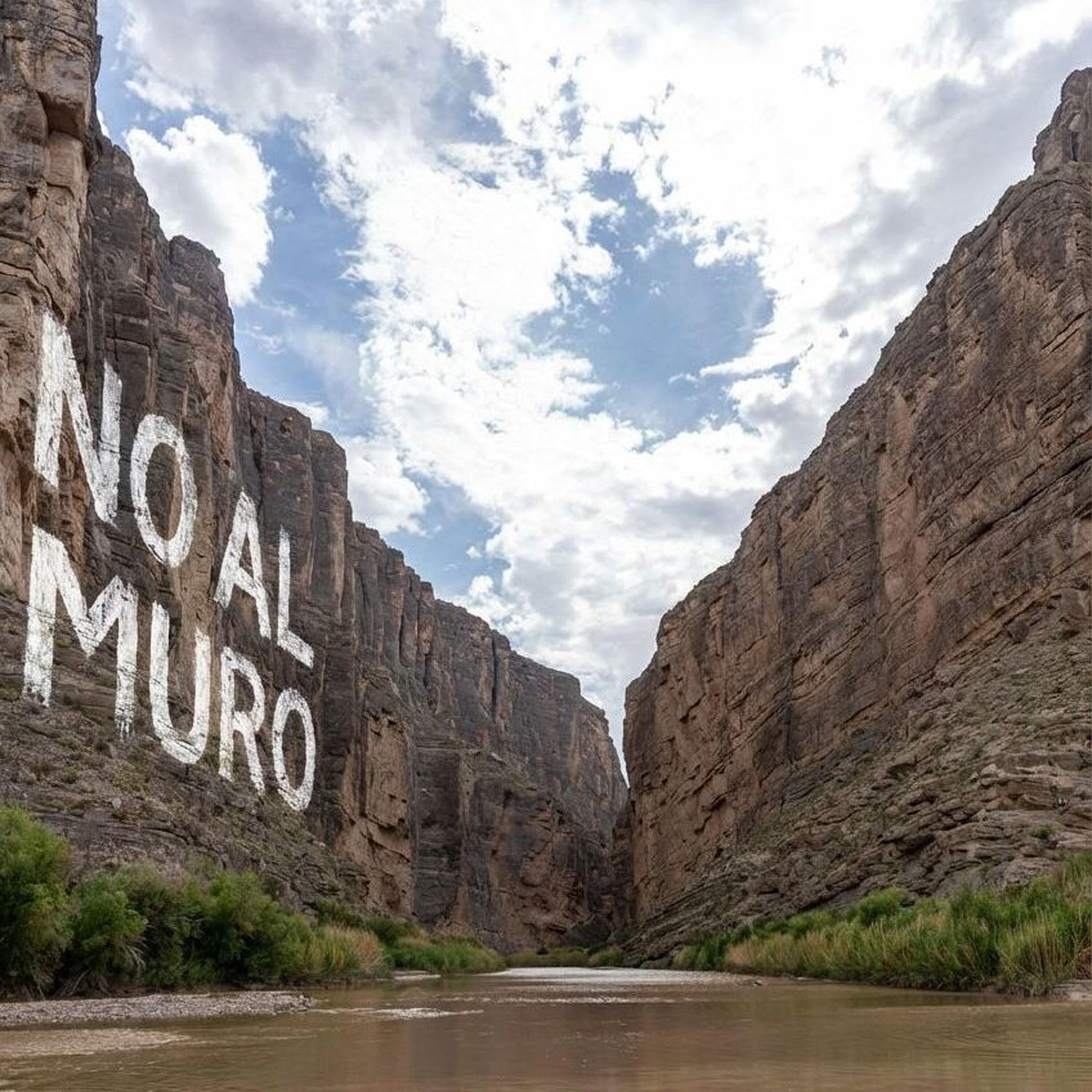
S5E10: ¡No al muro! Big Bend Neighbors Fight Proposed Border Wall

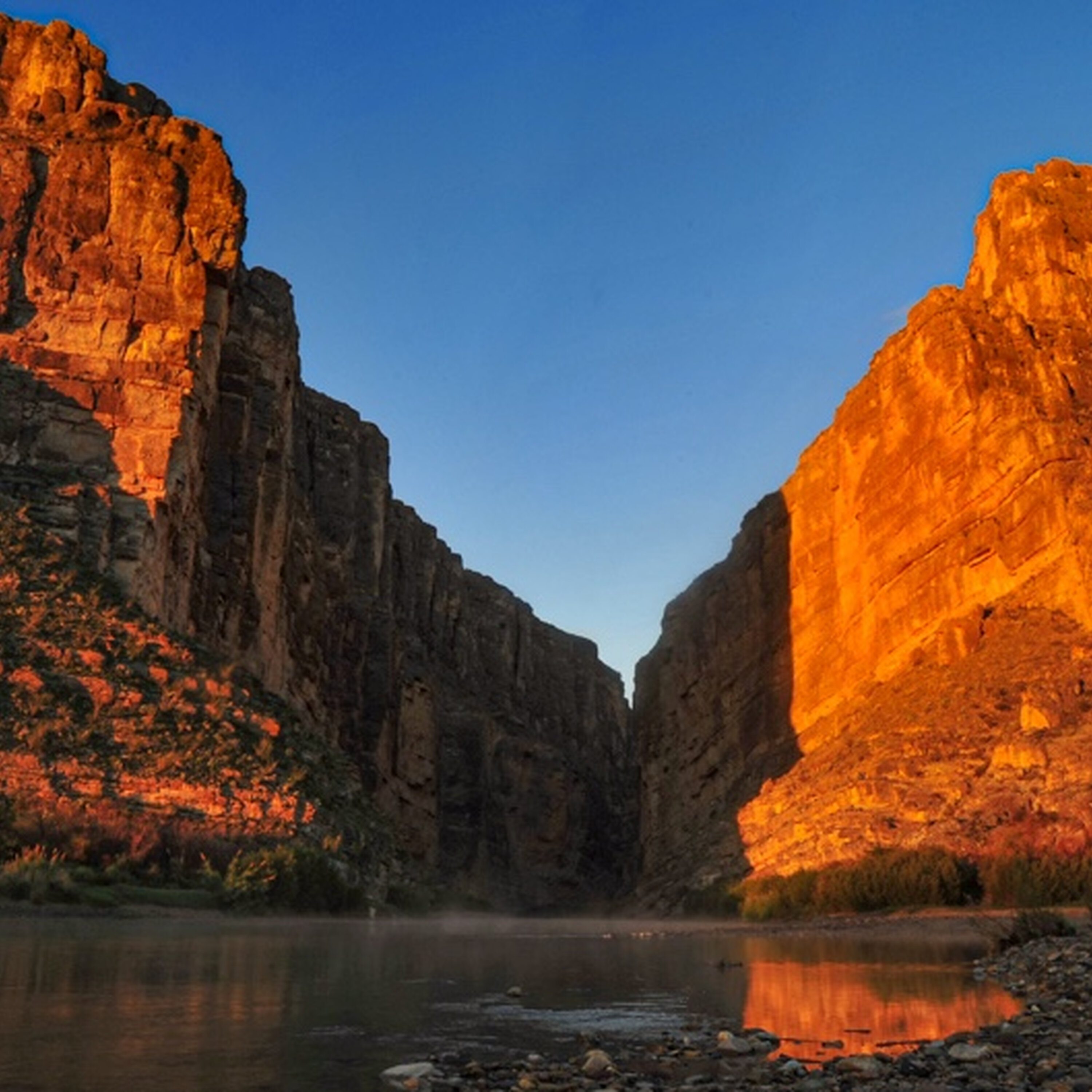
In this episode, host Chris Clarke engages in an enlightening conversation with Laiken Jordahl from the Center for Biological Diversity. Focusing on the contentious issue of border wall construction, Jordahl sheds light on the potential threats posed by the Department of Homeland Security's proposed developments near Big Bend National Park in Texas. This discussion is not just a critique of environmental degradation but also highlights the unique coalition of local residents opposing these plans, emphasizing the union of diverse communities in protecting the Rio Grande's ecological integrity. Jordahl articulates the environmental and social impact of the wall, touching on topics like endangered species, cultural connections, and community resilience. With references to biodiversity in the region, the conversation also delves into the critical role local communities play in safeguarding public lands. From agave blooms to wildlife threats and the interruption of the natural landscape, the dialogue underscores an urgent call to action. Through poignant anecdotes and insightful commentary, this episode captures the essence of grassroots activism and cross-border unity in the face of federal infrastructure challenges. Note for AI skeptics: the episode artwork was created with Photoshop and a human brain. Key Takeaways: Local communities in Big Bend are uniting against proposed border wall construction, citing environmental, cultural, and economic concerns. The coalition opposing the wall includes diverse stakeholders, from conservative ranchers to progressive environmentalists, all valuing the region's unique ecological and cultural landscape. Proposed border wall construction risks significant ecological damage, including threats to endangered species and water access within the Rio Grande. The episode explores the cross-border cultural and environmental exchanges that define the Big Bend region’s identity, threatened by potential development. Activist efforts and community resilience offer a hopeful prospect for halting destructive infrastructure projects along the U.S.-Mexico border. Notable Quotes: "They don't want to see their mountains dynamited and their native plants bulldozed and destroyed." - Laiken Jordahl "All of the local sheriffs, including a number of very conservative Republicans who run and campaign on border security issues, oppose this wall." - Laiken Jordahl "The Rio Grande, it's really a river in recovery. And we have an opportunity to restore this river and allow for the recovery of so many native species." - Laiken Jordahl "Once you see the grandeur, the remoteness, the rugged beauty of this region, there's no way you're not going to fight like hell to protect it." - Laiken Jordahl "These are not professional organizers. These are not paid NGO actors. These are people fighting for their livelihoods." - Laiken Jordahl Resources: No Big Bend Wall on Instagram Follow Laiken Jordahl on social media for updates on border issues: Twitter, Instagram. Center For Biological Doiversity press release: Congress Urged to Block Border Wall Construction Through Texas’ Big Bend Parks Listen to the full episode of "90 Miles from Needles" for an in-depth discussion on the environmental and social dimensions of border wall construction, and stay tuned for more insightful conversations on desert protection and advocacy. Become a desert defender!: https://90milesfromneedles.com/donate See omnystudio.com/listener for privacy information.
35 minAbspielen in:

Fr13Feb
90 Miles from Needles: the Desert Protection Podcast

90 Miles from Needles: the Desert Protection PodcastHost

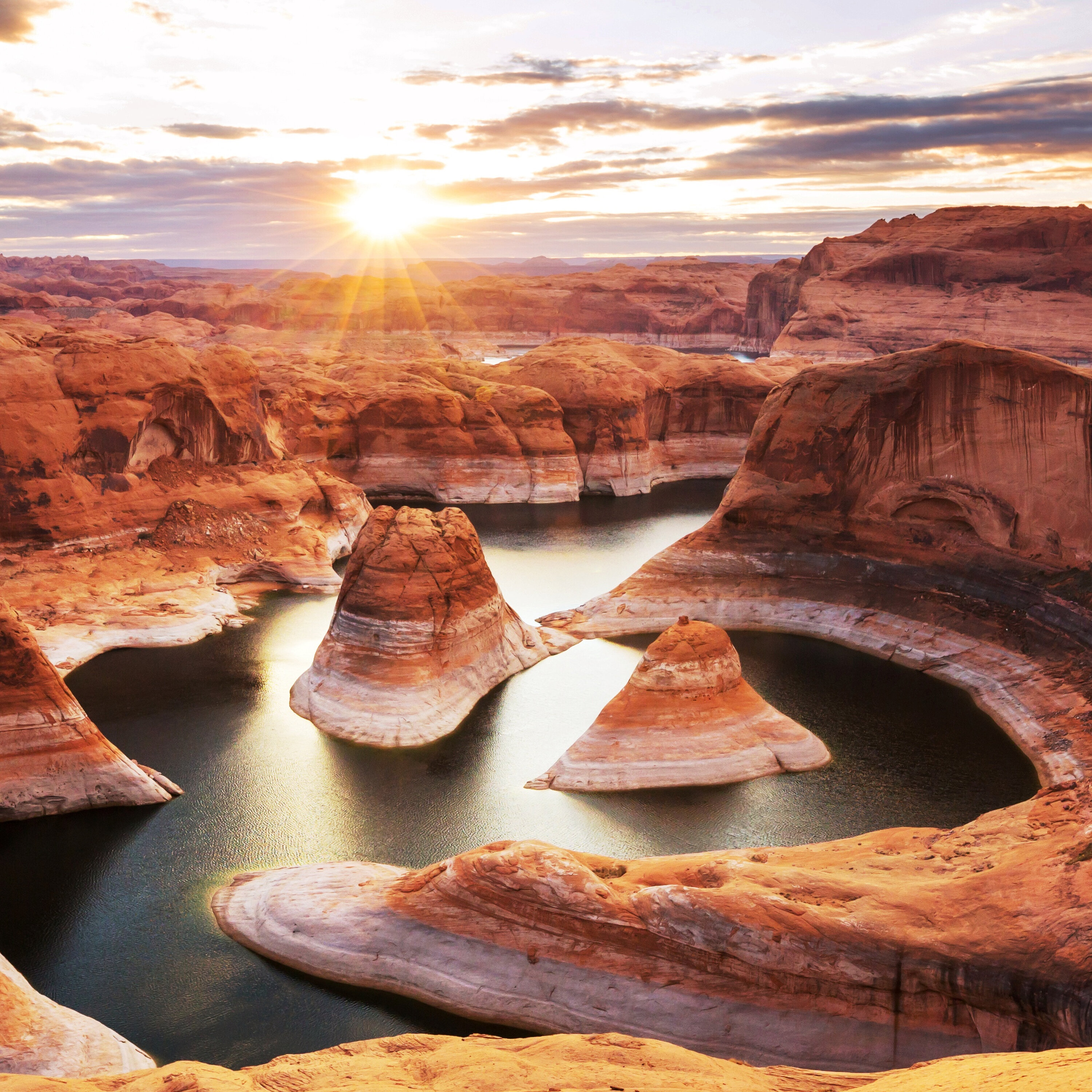
S5E5: From Nuclear Waste to Restoring Glen Canyon

Episode Summary: In this episode of "90 Miles from Needles: The Desert Protection Podcast," host Chris Clarke discusses the pressing environmental issues faced by the American Southwest with guest Zak Podmore. The discussion centers around the potential for San Juan County, Utah, to become a storage site for nuclear waste. The conversation explores the environmental and social justice implications of such initiatives, pointing out the burden placed on historically underserved communities that have already borne a disproportionate share of impacts from the nuclear industry. The episode also explores the possibilities for the future of the Colorado River and the diminishing Lake Powell. Zak Podmore provides insights into what lower reservoir levels mean for the region's ecosystems and water management strategies. Encouraging discussions about restoring Glen Canyon and possibly decommissioning Glen Canyon Dam, the conversation transcends mere environmental discourse, hinting at a broader narrative of resilience and adaptation. Key Takeaways: Nuclear Waste Storage Concerns: The proposal to store nuclear waste in Southeast Utah raises significant environmental and social justice issues. Glen Canyon Restoration: Lower water levels in Lake Powell reveal the adaptive potential of natural ecosystems, opening doors for restoration opportunities like decommissioning the Glen Canyon Dam. Climate Change Impacts: The episode reflects the looming threat of climate change-induced drought in the Colorado River Basin and its implications for water management in the Southwest. Community Resistance: Zak Podmore emphasizes the importance of community awareness and resistance against potentially harmful environmental policies. Historic Environmental Advocacy: Insights into past environmental battles, including the roles of figures like David Brower, remind listeners of the enduring fight for ecological preservation. Notable Quotes: "These meetings were held, the nonprofits involved said they were just listening sessions. They said, we're not trying to actually bring radioactive waste to your area. We're just here to listen and provide information." — Zak Podmore "I don't think that's a very valid argument. But even if you really believe that, they still leave out the impacts from all the rest of the nuclear fuel cycle." — Zak Podmore "The ecosystems are incredibly resilient and they're recovering faster than anyone expected." — Zak Podmore "It's a dire situation for 40 million people who get water from the Colorado River throughout the Southwest." — Zak Podmore "If you give Glen Canyon, this famous place that was lost to the Glen Canyon Dam in the 1960s, a chance to recover, it will come back." — Zak Podmore Resources: Zak Podmore's Website Zak’s Substack "Life After Deadpool: Lake Powell’s Last Days and the Rebirth of the Colorado River" Listen to the full episode to engage deeply with these issues and explore further enlightening insights from "90 Miles from Needles: The Desert Protection Podcast." Stay tuned for more episodes that continue to unveil the stories and voices of the desert. Become a desert defender!: https://90milesfromneedles.com/donate See omnystudio.com/listener for privacy information.
55 minAbspielen in:

Fr6Feb
90 Miles from Needles: the Desert Protection Podcast

90 Miles from Needles: the Desert Protection PodcastHost

S5E4: Celebrating 25 Years: The Timbisha Shoshone's Fight for Their Homeland

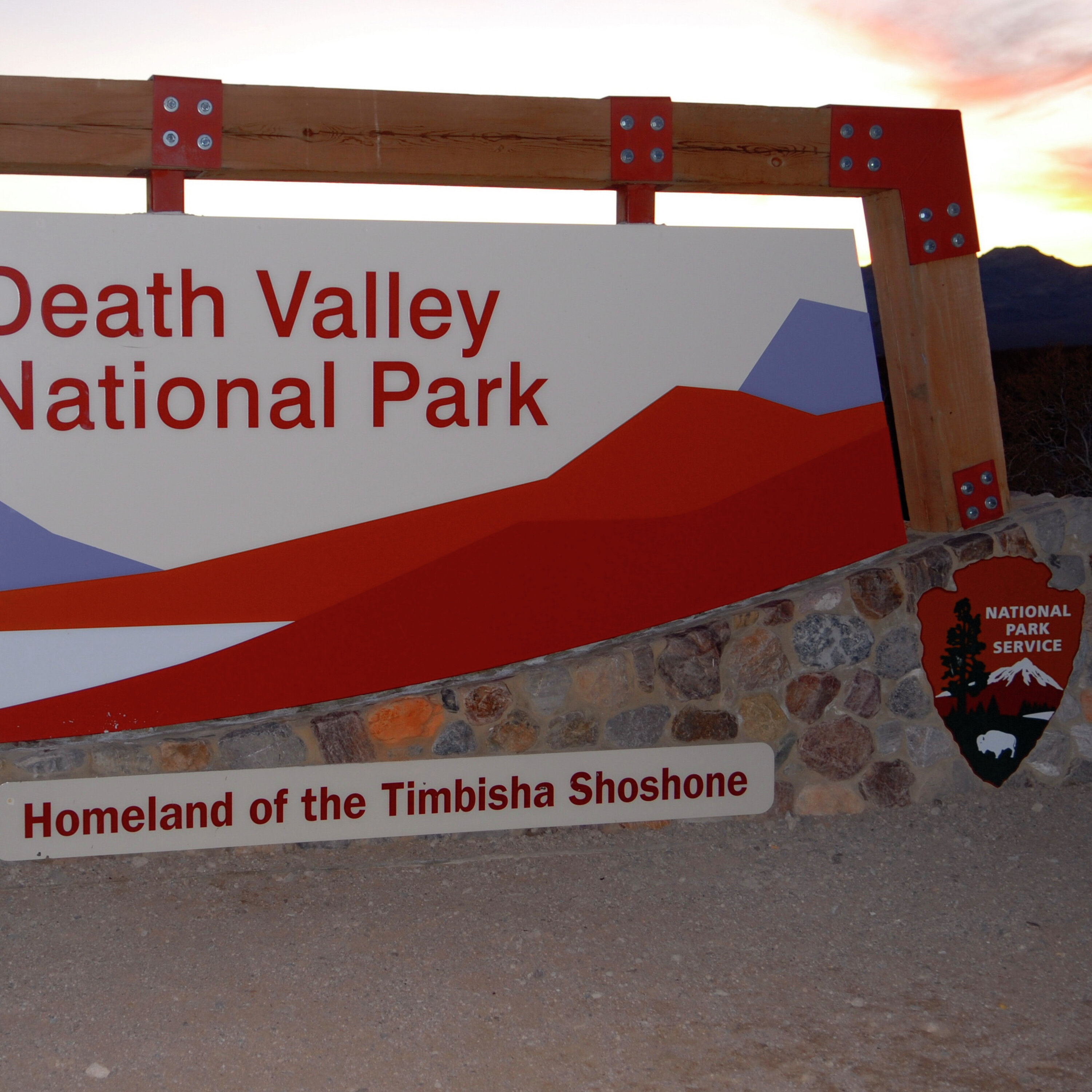
In this enlightening episode of "90 Miles from Needles," host Chris Clarke takes listeners to the heart of the desert Southwest for a special commemoration of the 25th anniversary of the Timbisha Shoshone Homeland Act. The episode celebrates the journey of the Timbisha Shoshone Tribe in reclaiming their ancestral lands in Death Valley National Park. Tribe members, including Jimmy John Thompson, Mandy Campbell, and George Gholson share their stories and highlight ongoing collaborations with the National Park Service. Rich in history and advocacy, this episode explores both the triumphs and challenges faced by the Timbisha Shoshone Tribe in the years since the landmark legislation was enacted. Jimmy John Thompson and Mandy Campbell express their frustrations over recent censorship concerning the tribe's narrative in the park's visitor center materials. The episode conveys the tribe's resilience and determination to protect and celebrate their culture while addressing contemporary environmental and social challenges. The discussion doesn't shy away from revealing the systemic issues still at play, urging listeners to reflect on the broader implications on cultural preservation and environmental justice. Key Takeaways: The Timbisha Shoshone Homeland Act was a significant event for the Tribe, granting them 7,800 acres of ancestral land within Death Valley National Park, a singular achievement for a Native American tribe. The collaboration between the Timbisha Shoshone Tribe and the National Park Service highlights a critical step in building partnerships for the preservation and recognition of indigenous lands and culture. Current tribal council members, including Jimmy John Thompson, stress the ongoing need to address issues like censorship and the importance of reflecting true tribal narratives in public spaces. The Timbisha Shoshone people continue to fight for their rights and cultural survival, underscoring the importance of indigenous advocacy and environmental justice in modern society. Notable Quotes: "I see partners, I see friends, I see family. These relationships would not work if we do not respect each other and trust each other." – Jimmy John Thompson "We're here to honor those that came before us who got this accomplished." – Jimmy John Thompson "We were pushed from land to land around here, from home to home. It kind of felt like when I figured it out, it felt like we were nobody then, but now we are somebody, and we are still here." – Mandy Campbell "Imagine for a second, if you did not know if your home was going to be there when you went home." – George Gholson Resources: Timbisha Shoshone Tribe Website: timbisha.com Desert Advocacy Media Network: Desert Advocacy Media Network Raising funds for Desert Journalism Fellowship: Website: 90milesfromneedles.com/fellowship The compelling narratives and insights from this episode provide a deep understanding of the Timbasha Shoshone Tribe's heritage, challenges, and collaborations. Tune into the full episode for more profound stories and stay connected with "90 Miles from Need Become a desert defender!: https://90milesfromneedles.com/donate See omnystudio.com/listener for privacy information.
41 minAbspielen in:

Fr23Jan
90 Miles from Needles: the Desert Protection Podcast

90 Miles from Needles: the Desert Protection PodcastHost

S5E3: How Honeybees Threaten The Desert's Native Pollinators

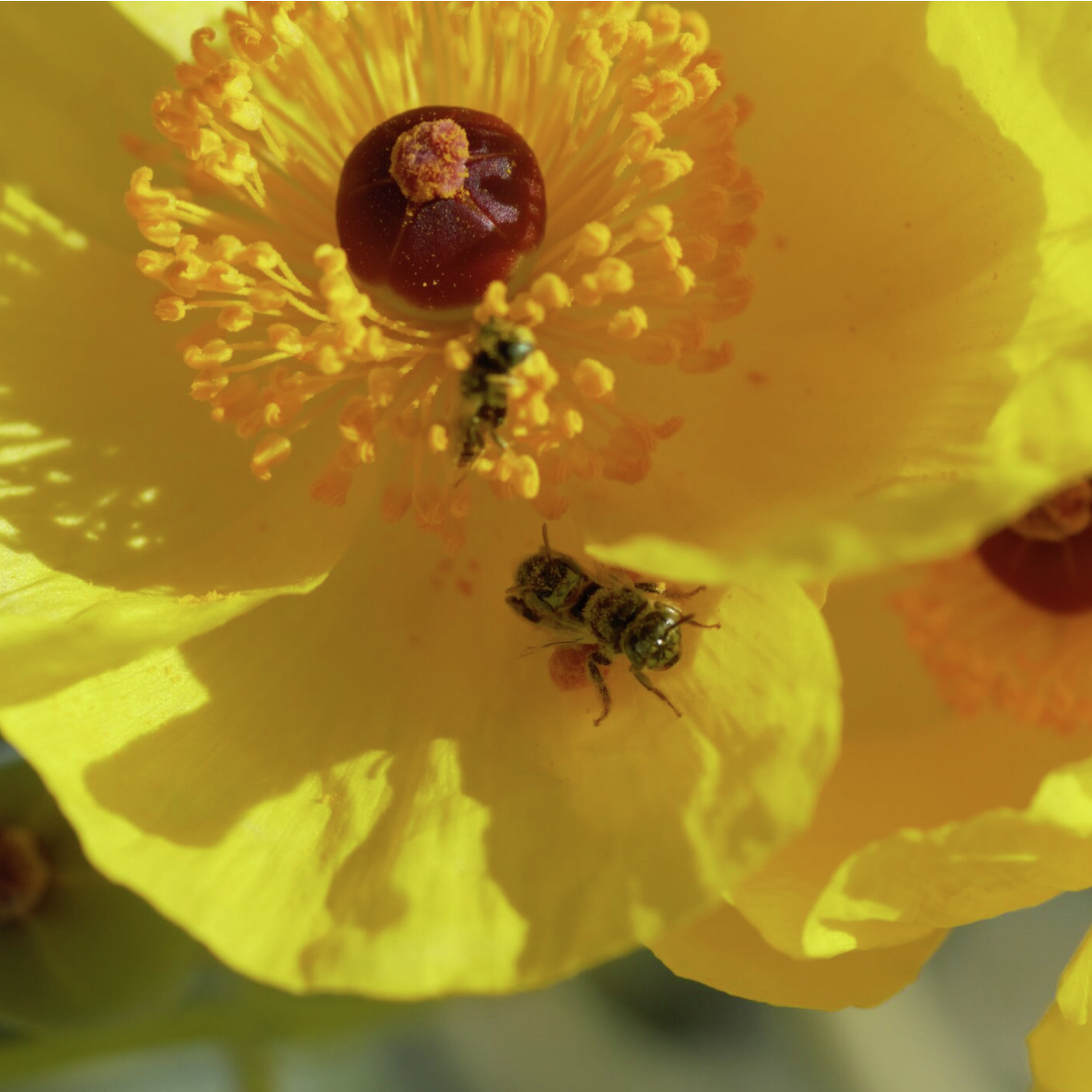
In this enlightening episode of 90 Miles from Needles, host Chris Clarke explores the intricate world of bees with Mary O' Brien from Project 1100. The conversation delves into the potentially deleterious effects of honeybee apiaries on public lands, a topic that's both counterintuitive and crucial for the public to understand. Honeybees, although often seen as critical to agriculture and ecosystems, can pose significant threats to native solitary bees that have co-evolved with local flowering plants. Mary O' Brien sheds light on how these industrious honeybees outcompete their native cousins, impacting pollination dynamics that are vital for the desert's diverse flora. Listeners will gain valuable insights into the importance of preserving native bee species, the complexities of their ecological roles, and the nuanced implications of honeybee proliferation. O'Brien also shares practical strategies for those interested in conservation, emphasizing the importance of habitat protection and mindful consumerism when it comes to honey and pollinator support. Key Takeaways: Honeybees, although widely supported and utilized in agriculture, can have adverse effects on native bee populations, outcompeting them for resources and spreading diseases. The high reproductive rate of honeybees poses a threat to native plants relying on solitary native bees for pollination, potentially destabilizing ecosystems. Public lands serve as critical refuges for native bee species, which are often overlooked in conventional conservation discussions. Consumers can contribute to bee conservation efforts by choosing their honey responsibly and fostering habitats for native pollinators. Regulatory frameworks around public land usage play a significant role in the sustainability of native bee populations, calling for increased transparency and stakeholder engagement. Notable Quotes: "Trying to save bees by saving the honeybee is like trying to save birds by saving the chicken." "Native bees evolved in tandem with flowers, and honeybees are not very good pollinators of many species of plants." "Once you know native solitary bees are in your world, you really can delight in seeing such diversity." "Public lands are the wildflower repositories for the Western U.S.; especially in the desert." "It's often quite attractive to think that you're buying wildflower honey; however, you're almost certainly buying honey that was produced on public land." Resources: Project 1100 Website Xerces Society for Invertebrate Conservation The Forgotten Pollinators by Stephen Buchmann and Gary Nabhan Common Bees of Western North America laminated guide Center for Biological Diversity resources on pollinators: Bees Pollinators Pollinators in Peril report Discover the intricate dynamics between honeybees and native pollinators and why preserving the biodiversity of our desert ecosystems is more crucial than ever. Listen to the full episode to deepen your understanding of this vital subject and stay tuned to 90 Miles from Needles for more insightful discussions on desert conservation. Podcast episode artwork: Mojave poppy bee (Perdita meconis). Photo courtesy Zach Portman / University of Minnesota Department of Entomology via the Nevada Independent. Become a desert defender!: https://90milesfromneedles.com/donate See omnystudio.com/listener for privacy information.

60 minAbspielen in:

Fr16Jan
90 Miles from Needles: the Desert Protection Podcast

90 Miles from Needles: the Desert Protection PodcastHost

S5E2: Cross-Border Conservation in the Big Bend Ecoregion

In this episode of the "90 Miles from Needles" podcast, host Chris Clarke engages in a thought-provoking discussion with guest Rick LoBello about ambitious conservation strategies along the U.S.-Mexico border. Rick shares insights into his life-long campaign to establish a transboundary protected area encompassing Big Bend National Park, Big Bend Ranch State Park, and several protected regions in Mexico. Despite the current political climate, Rick’s vision emphasizes the possibility of international cooperation in conservation efforts as a means to foster better cross-border relationships and protect vital ecosystems. Throughout the episode, the conversation traverses a wide range of fascinating topics such as the historical context of the international park proposal and natural wonders of the Big Bend region. The dialogue also highlights the challenges and opportunities in bridging conservation efforts across borders, particularly considering the complex socio-political dynamics. Rick stresses the importance of collaborative frameworks, engaging with local communities, and leveraging relationships to advance conservation initiatives. He draws on past examples of successful cross-border collaborations and provides a roadmap for future actions. Key Takeaways: Transboundary Conservation Vision: Rick LoBello shares his initiative to promote a transboundary protected area involving U.S. and Mexican protected lands, aiming for improved environmental preservation and cultural cooperation. The Role of Local Communities: Local Mexican communities like those in Boquillas del Carmen play a crucial role in conservation efforts, showcasing the importance of community engagement in international environmental initiatives. Unique Biodiversity: The Big Bend region boasts a rich diversity of wildlife which includes black bears, desert bighorn sheep, and a wide range of plant life, underscoring its value as a conservation priority. Successful Cross-Border Collaboration: Historical precedents suggest that meaningful, structured collaboration between countries can address mutual conservation challenges effectively, despite political headwinds. Educational Outreach: Rick’s efforts to increase awareness of Chihuahuan Desert biodiversity through initiatives like the El Paso Wildlife Conservation Society and educational events highlight the critical need for public knowledge in conservation success. Notable Quotes: "I've made it a mission in my life to do all I can to help make [a transboundary protected area] a reality." "People need to know each other and people need to trust each other if we're going to make progress." "The black bear told us that the environment can heal, and there's hope for other species too." "My main concern when it comes to development is that it be done in a way that's ecologically sensitive." "If they know it and they love it, then they're going to want to protect it." Resources: Chihuahuan Desert Education Coalition El Paso Wildlife Conservation Society Chihuahuan Desert Conference: Visit Chihuahua Desert Conference for details on upcoming events. Listeners are encouraged to tune into the full episode to explore more about Rick LoBello's inspiring proposals for cross-border conservation, and to stay updated with upcoming episodes of "90 Miles from Needles" for more engaging cont Become a desert defender!: https://90milesfromneedles.com/donate See omnystudio.com/listener for privacy information.

41 minAbspielen in: