Bekomm eine E-Mail, wenn Casey in einem Podcast zu Gast istPodAppear prüft neue Folgen, sobald sie erscheinen, und lässt die weg, in denen Casey nur erwähnt wird. Bis zu 15 Personen kostenlos, ohne Kreditkarte.Bis zu 15 Personen kostenlos, ohne Kreditkarte.
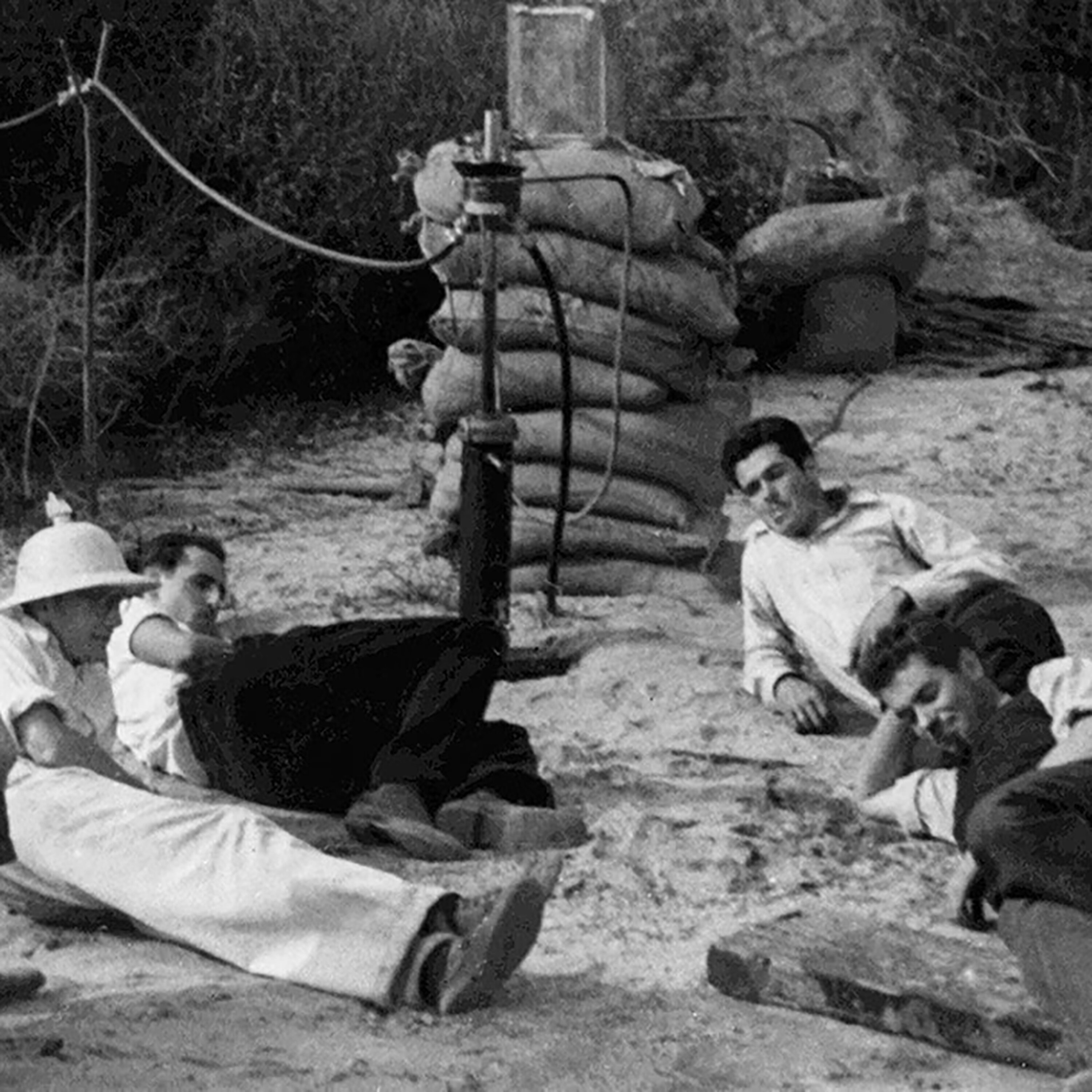
Ninety years ago this Halloween, a group of Caltech graduate students hauled a small rocket motor into the Arroyo Seco near Pasadena and tried to fire it up. It didn’t go as planned, but that moment became the unofficial birthday of NASA’s Jet Propulsion Laboratory (JPL). Now, for the first time in the lab’s history, NASA is opening JPL’s management contract to competition. Historian Peter Westwick, author of “Into the Black: JPL and the American Space Program, 1976-2004,” joins Casey Dreier to trace JPL’s path from Army rocketry to the outer planets, the moments when the lab had to reinvent itself to survive, and its sometimes tense relationship with Caltech. Together, they tackle a question that has followed the lab for decades: Is it Caltech’s JPL or NASA’s JPL?
Discover more at: https://www.planetary.org/planetary-radio/whose-jpl-is-it
See omnystudio.com/listener for privacy information.
1 h 01 minAbspielen in:
Fr4Sep
Planetary Radio: Space Exploration, Astronomy and ScienceHost
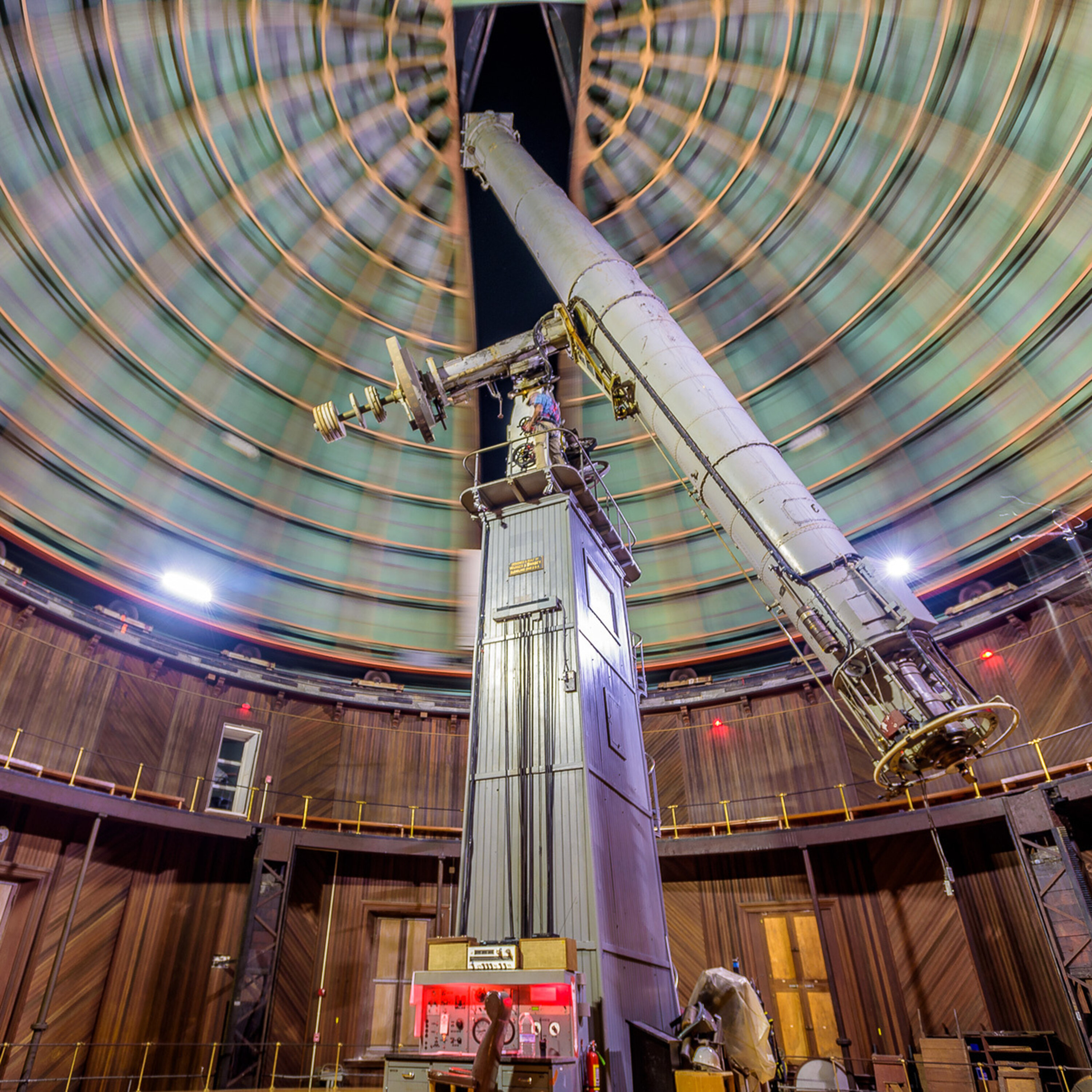
We tend to think of private space exploration as a recent phenomenon. But as Alex MacDonald, former Chief Economist at NASA, argues in his book "The Long Space Age," privately funded space exploration has deep roots in American history, stretching back more than two centuries.
In this 2017 conversation with The Planetary Society's Chief of Space Policy Casey Dreier, originally aired on the Space Policy Edition of Planetary Radio, MacDonald traces the economic history of American space exploration from the 1769 transit of Venus all the way to the present day, and makes the case that the government-dominated model we grew up with may actually be the historical anomaly.
Discover more at: https://www.planetary.org/planetary-radio/long-space-age
See omnystudio.com/listener for privacy information.
1 h 08 minAbspielen in:
Fr3Jul
Planetary Radio: Space Exploration, Astronomy and ScienceHost
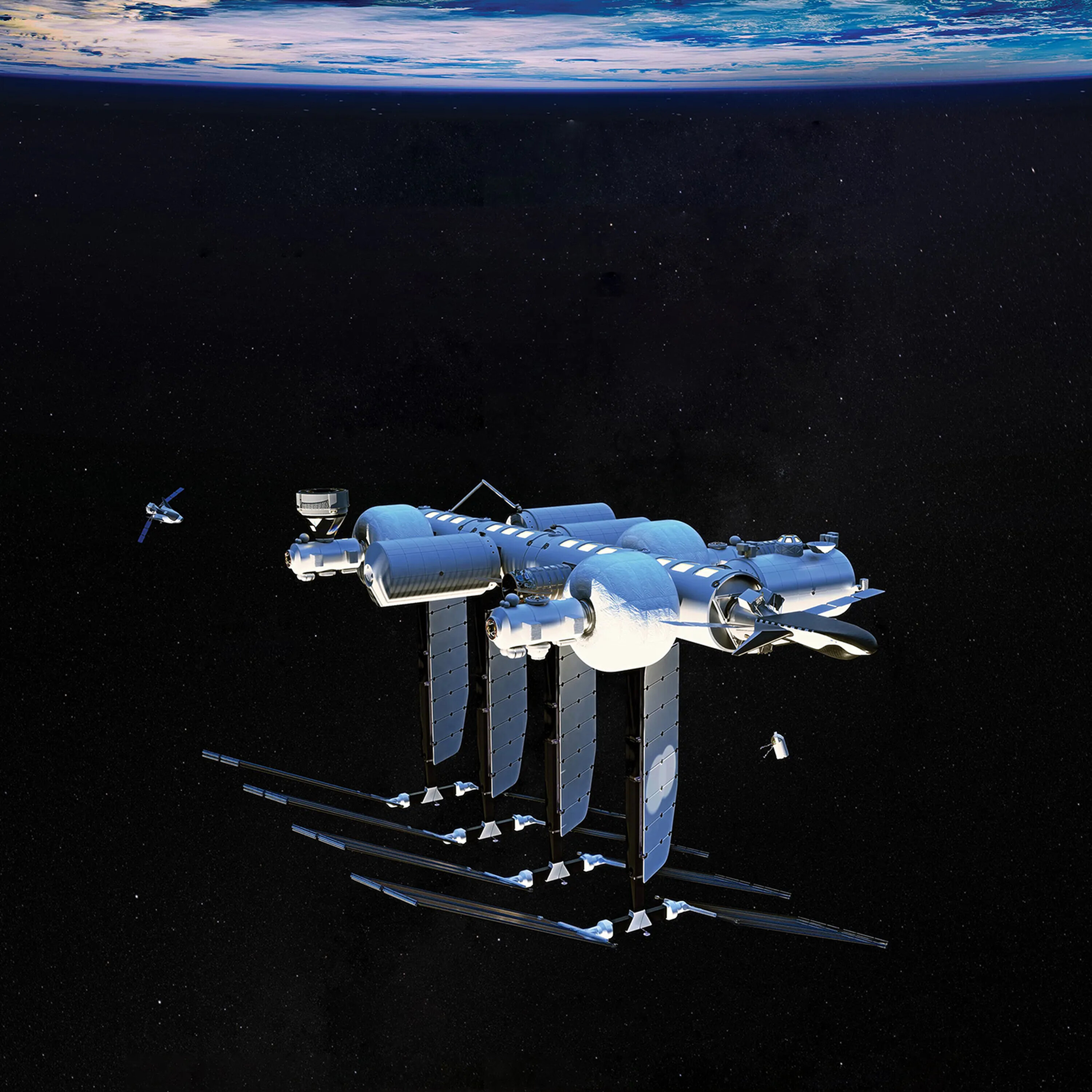
NASA's plan for what comes after the International Space Station (ISS) has been anything but stable. Since 2019, the agency's commercial space station strategy has shifted from free-flying vendor-operated stations to a government-owned module attached to the ISS, and back again, all while the clock ticks toward the ISS's expected retirement around 2030.
Clayton Swope, deputy director of the Aerospace Security Project and senior fellow at the Center for Strategic and International Studies, joins Planetary Society Chief of Space Policy Casey Dreier to unpack this saga and weigh whether NASA can realistically select and fund a commercial successor to the ISS in time.
Discover more at: https://www.planetary.org/planetary-radio/commercial-space-stations
See omnystudio.com/listener for privacy information.
58 minAbspielen in:
Fr5Jun
Planetary Radio: Space Exploration, Astronomy and ScienceHost
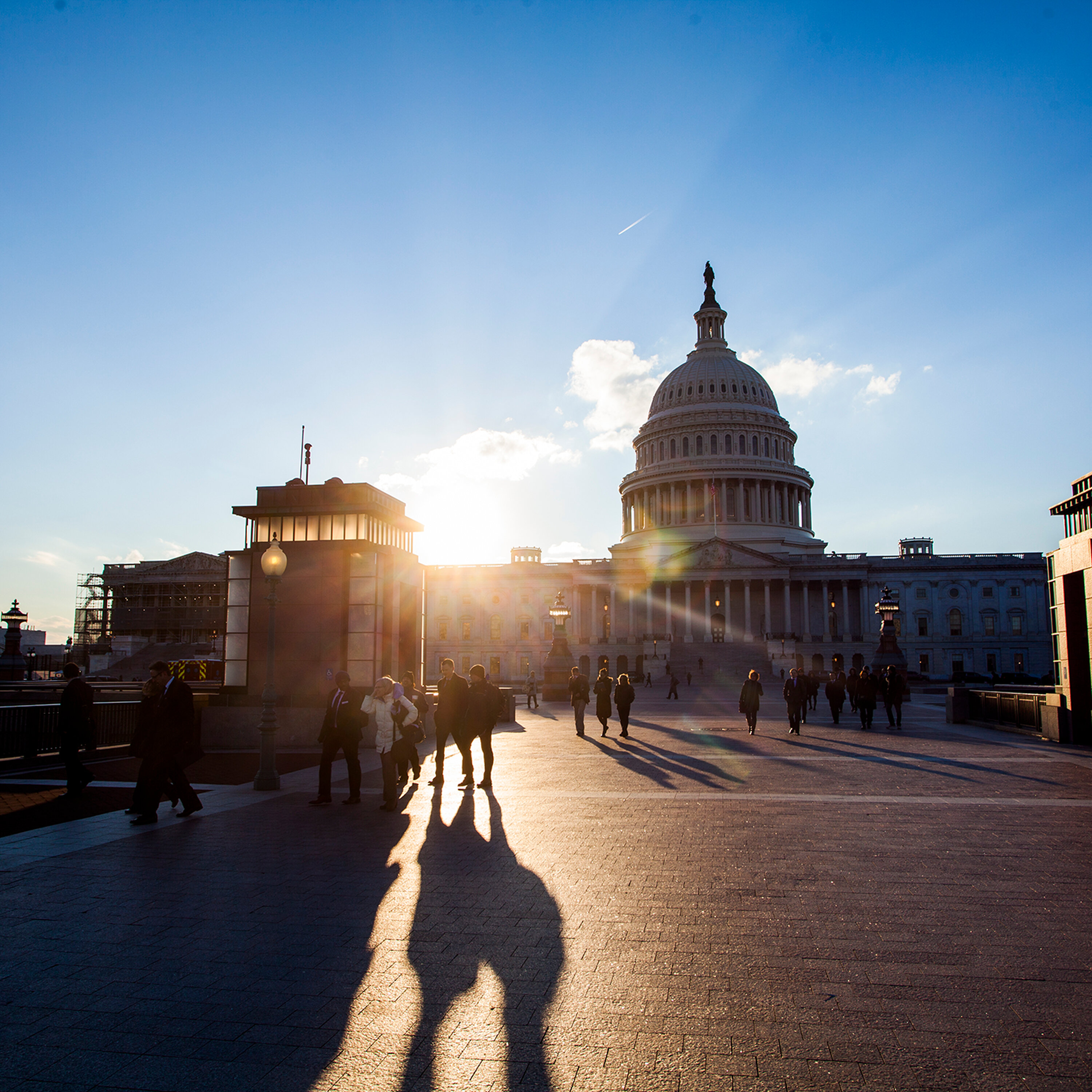
The White House's Office of Management and Budget has released a sweeping 400-page proposed rule change that would fundamentally alter how the U.S. federal government manages grants, affecting everything from NASA research to biomedical science and community programs. In this episode, Casey Dreier is joined by Liz Ginexi, a former Program Officer at the U.S. National Institutes of Health, to break down what these changes would mean for American science. Among the most significant proposals: replacing merit-based peer review with partisan political review, allowing grants to be terminated at any time without justification, and restricting scientists' ability to publish their work and attend conferences. Together, Casey and Liz explain how a document dressed up in procedural language could centralize unprecedented control over U.S. scientific funding under a single White House office.
Discover more at: https://www.planetary.org/planetary-radio/political-control-over-scientific-grants
See omnystudio.com/listener for privacy information.
52 minAbspielen in:
Warum PodAppear
Folge Menschen, nicht Podcasts.
Du hast Casey in einer Sendung gehört. PodAppear findet für dich die nächste, und genauso für alle anderen, die du hören willst.
Eine Meldung, wenn die Person zu Gast istPer E-Mail: sofort oder gebündelt als Tages- oder Wochenübersicht. Dann nur noch auf Play drücken.
Gäste statt bloßer ErwähnungenFolgen, in denen ein Name nur fällt, landen getrennt. Eine Meldung heißt: Die Person ist wirklich in der Sendung.
Alle in einem FeedGründerinnen, Autoren, Sportler, Forscherinnen. Folge allen mit Namen, quer durch jede Sendung, in der sie auftreten.