Bekomm eine E-Mail, wenn Brooke in einem Podcast zu Gast istPodAppear prüft neue Folgen, sobald sie erscheinen, und lässt die weg, in denen Brooke nur erwähnt wird. Bis zu 15 Personen kostenlos, ohne Kreditkarte.Bis zu 15 Personen kostenlos, ohne Kreditkarte.
When the president barred Politico, CNN, and MS Now from the White House, the press pool boycotted the president, leaving him without his usual TV coverage. On this week’s On the Media, why media outlets finally banded together. Plus, the legal debate over journalists’ access to the country's highest office.
[01:00] Brooke Gladstone and Micah Loewinger get together to chat about The White House Press Pool’s walkout, why it took so long for them to take collective action, and what it means for the relationship between Donald Trump and the media.
[16:12] Brooke Gladstone speaks with Roger Parloff, senior editor at Lawfare, about about the Trump administration’s legal justifications for banning outlets, and what he learned from attending the hearings this week.
[31:38] Brooke also sits down with Sonja West, professor of the first amendment at the University of Georgia School of Law, about the history of press access being granted, and denied by the White House.
On the Media is supported by listeners like you. Support OTM by donating today (https://pledge.wnyc.org/support/otm). Follow our show on Instagram, Bluesky, TikTok and Facebook @onthemedia, and share your thoughts with us by emailing onthemedia@wnyc.org.
Hosted by Simplecast, an AdsWizz company. See pcm.adswizz.com for information about our collection and use of personal data for advertising.
AI researchers are warning that the technology they’re creating could kill us all. On this week’s On the Media, unpacking the feverish debate over the dangers of artificial intelligence. Plus, why people find AI chatbots more convincing than their fellow humans.
[01:00] Brooke Gladstone interviews Joshua Rothman, staff writer at The New Yorker, about the competing narratives around AI, which maximize its power on the one hand and minimize it on the other, and how both sides risk misunderstanding the technology and what to do about it.
[21:38] Micah Loewinger speaks with Jason Koebler, investigative reporter and co-founder of 404 Media, about the A.I. marketing tactic that’s bombarded Reddit, and why AEO, not SEO, is changing the internet’s future.
[36:05] Micah Loewinger chats with Kai Kupferschmidt, contributing writer for Science, about the growing body of research showing that chatbots can be as, if not more, persuasive than people.
Further reading / watching:
“Can A.I. ‘Go Rogue’?” by Joshua Rothman
“Companies Are Using Reddit to Manipulate ChatGPT and Google AI Search” by Jason Koebler
“It Is Trivially Easy to Use Reddit to Manipulate AI Search, Research Suggests,” by Jason Koebler
“Powers of persuasion: AI chatbots are becoming experts at changing people’s minds. What gives them an edge?” by Kai Kupferschmidt
On the Media is supported by listeners like you. Support OTM by donating today (https://pledge.wnyc.org/support/otm). Follow our show on Instagram, Bluesky, TikTok and Facebook @onthemedia, and share your thoughts with us by emailing onthemedia@wnyc.org.
Hosted by Simplecast, an AdsWizz company. See pcm.adswizz.com for information about our collection and use of personal data for advertising.
I.C.E. agents have targeted Springfield, Ohio since Haitians lost Temporary Protected Status. On this week’s On the Media, a reporter from The Haitian Times describes the culture of fear that has ensued. Plus, how did AI chatbots end up in public school classrooms?
[01:00] Brooke Gladstone interviews Wedly Cazy, a reporter for the Haitian Times, who has been closely covering the Haitian community in Springfield, Ohio, as immigration officials have descended on the area following the end of temporary protected status.
[19:54] Micah Loewinger speaks with Julia Angwin, investigative journalist and founder of Proof News, on a massive settlement between Meta and dozens of states over claims that Facebook and Instagram harm kids, and why the deal might not bring about real change.
[34:57] OTM producer Molly Rosen speaks with Jessica Winter, staff writer at the New Yorker, about how AI tools have infiltrated schools and what the research says about the impact of AI use on cognitive development.
Further reading / watching:
“Roadside stops, foot chases and children in hiding as ICE operations intensify in Springfield,” by Wedly Cazy
“Family: Ankle monitor distressed Haitian man killed by tanker truck in Springfield,” by Wedly Cazy
“As Meta Enters Its Zombie Era, Every Blow Counts,” by Julia Angwin
“What Will It Take to Get A.I. Out of Schools?” by Jessica Winter
On the Media is supported by listeners like you. Support OTM by donating today (https://pledge.wnyc.org/support/otm). Follow our show on Instagram, Bluesky, TikTok and Facebook @onthemedia, and share your thoughts with us by emailing onthemedia@wnyc.org.
Hosted by Simplecast, an AdsWizz company. See pcm.adswizz.com for information about our collection and use of personal data for advertising.
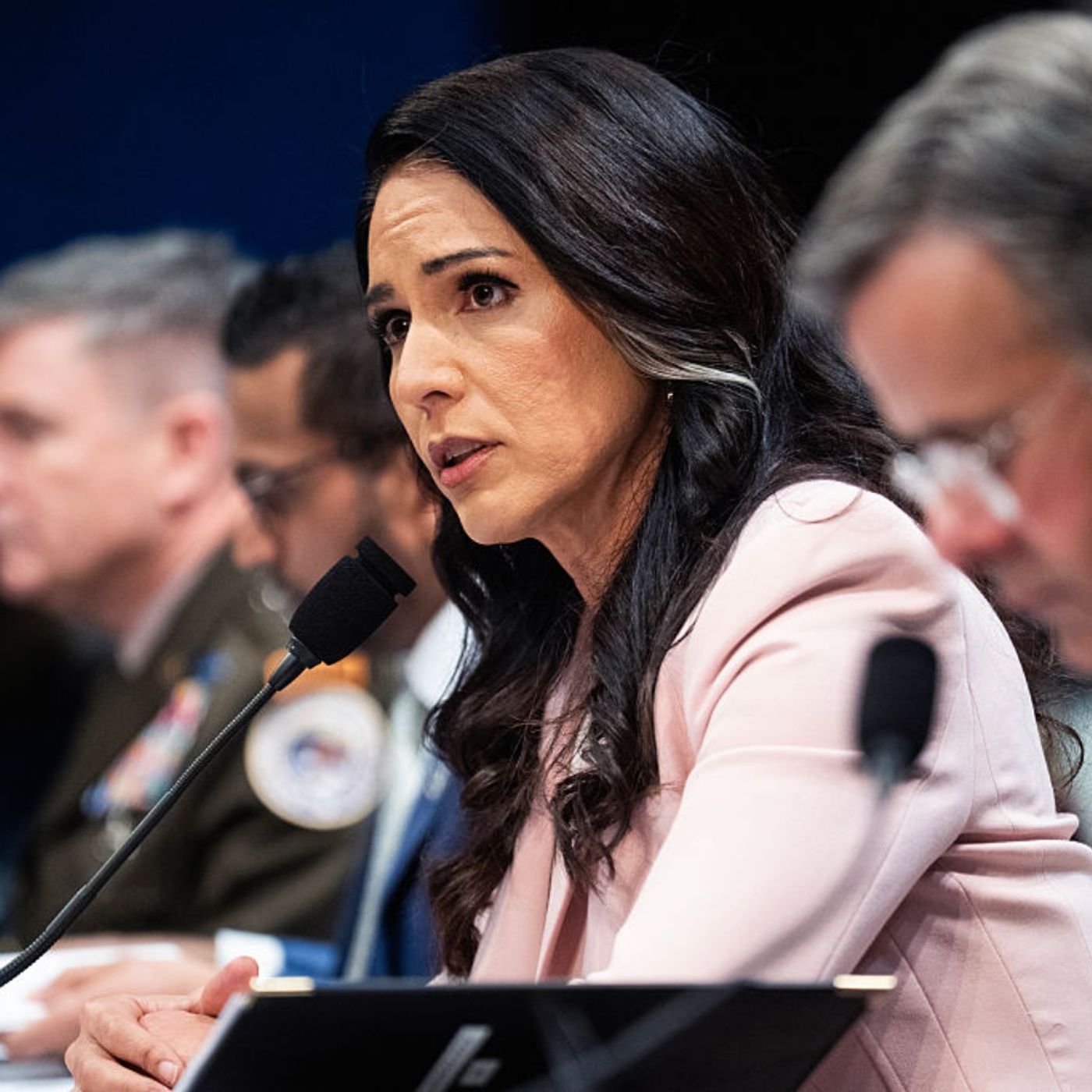
This summer the state of New Mexico sued the Justice department for access to unredacted files related to Jeffrey Epstein. On this week’s On the Media, an Epstein beat reporter shares her ongoing quest for accountability. Plus, an investigation into Tulsi Gabbard’s mysterious relationship with a guru, and how it may have shaped her politics.
[01:00] Host Brooke Gladstone speaks with Julie K. Brown, an investigative journalist at the Miami Herald, whose reporting in 2018 led to Jeffrey Epstein’s arrest. They discuss how the Epstein files that have been released reveal how prosecutors failed to bring the sex trafficker to justice for years. This conversation first aired earlier this year.
[19:08] Brooke sits down with Jon Swaine, a reporter at the Washington Post, to talk about his masterful long-form reporting on ex-Director of National Intelligence Tulsi Gabbard. He investigates Gabbard’s mysterious relationship with her guru, and how it could account for Gabbard’s shapeshifting from Democrat to Bernie Sanders ally to top MAGA staffer.
[36:50] Brooke continues her conversation with Jon Swaine, and they dig into the nuts and bolts of his investigation into Tulsi Gabbard’s relationship with her guru Chris Butler.
Further reading:
The Epstein Files by Julie K. Brown
“Tulsi Gabbard, her guru and the mysterious messages that helped shape her political career,” by Jon Swaine
On the Media is supported by listeners like you. Support OTM by donating today (https://pledge.wnyc.org/support/otm). Follow our show on Instagram, Bluesky, TikTok and Facebook @onthemedia, and share your thoughts with us by emailing onthemedia@wnyc.org.
Hosted by Simplecast, an AdsWizz company. See pcm.adswizz.com for information about our collection and use of personal data for advertising.
The race to build the most advanced artificial intelligence continues to dominate the headlines. On this week’s On the Media, who does this new technology actually serve? Plus, how even critical media coverage can feed into the AI hype.
[01:00] Host Brooke Gladstone sits down with Cory Doctorow, journalist, activist, and author of Enshittification, on his new guide to seeing through the relentless, $16 trillion AI hype machine and understanding the technology for exactly what it is, rather than the outlandish stories told about it.
[16:47] Brooke continues her conversation with Cory, and they discuss how the hype itself is keeping the AI industry afloat.
[28:47] Brooke asks Cory about his rejection of the notion that AI domination – of our jobs, our lives, our art, and more – is inevitable. Plus, they interrogate the role of the tech in a creative’s life, and why AI art leaves us cold.
Further reading / watching:
The Reverse Centaur's Guide to Life After AI by Cory Doctorow
On the Media is supported by listeners like you. Support OTM by donating today (https://pledge.wnyc.org/support/otm). Follow our show on Instagram, Bluesky, TikTok and Facebook @onthemedia, and share your thoughts with us by emailing onthemedia@wnyc.org.
Hosted by Simplecast, an AdsWizz company. See pcm.adswizz.com for information about our collection and use of personal data for advertising.
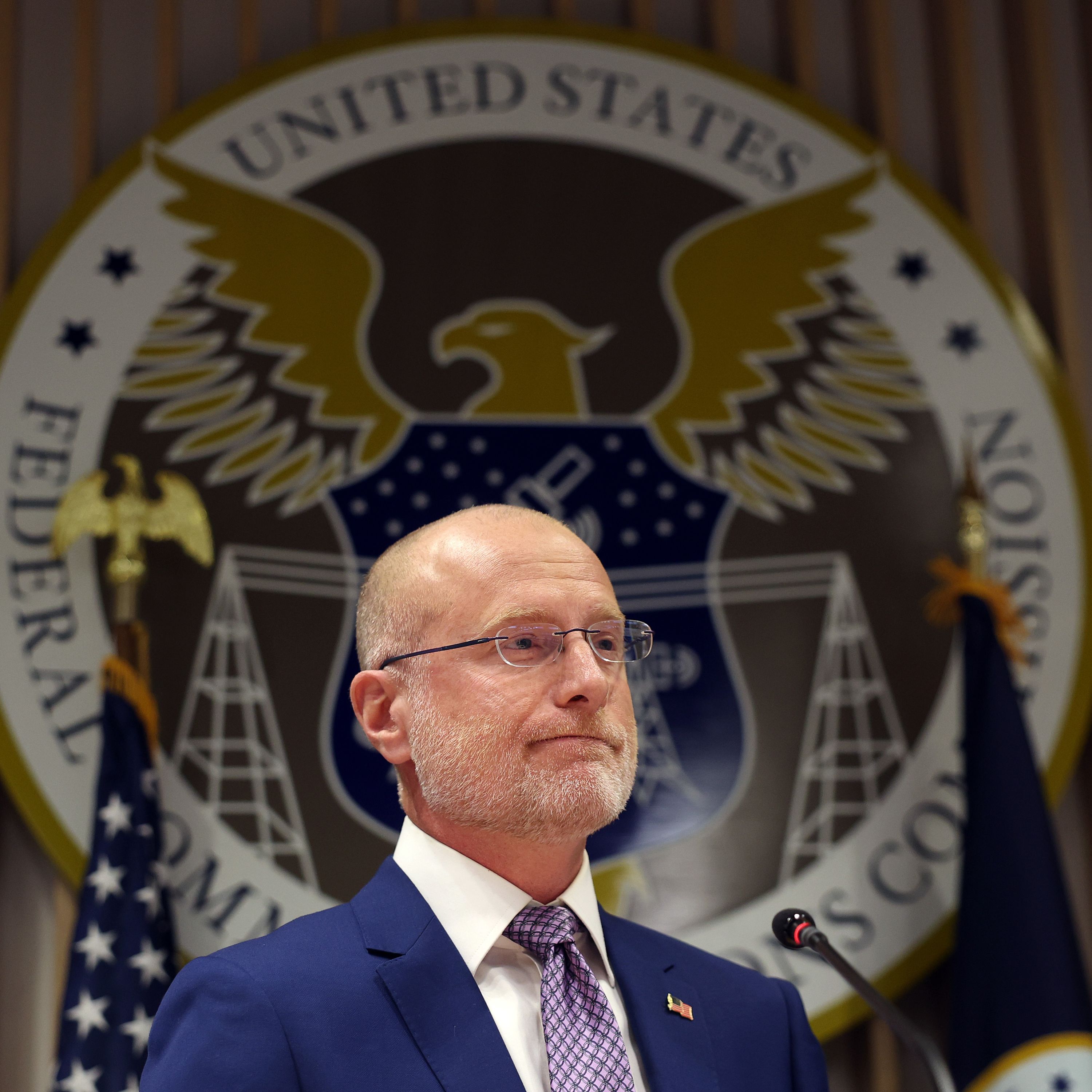
ABC has enlisted the help of its audience to defend The View and Jimmy Kimmel against attacks from the Federal Communications Commission. On this week’s On the Media, hear about the MAGA movement trying to shift television to the right. Plus, the legal theory that the FCC is using to put pressure on the networks.
[01:00] Host Brooke Gladstone speaks with Jim Rutenberg, writer-at-large for the New York Times, about how Trump’s FCC is reviving a nearly century-old rule to crack down on late-night talk shows. Rutenberg explains why MAGA’s embrace of the FCC’s regulatory powers to go after “liberal bias” in the media signals a shift within the Republican party.
[26:47] Brooke sits down with Daniel Suhr, the president of a legal advocacy group called the Center for American Rights and the architect behind the legal theory that the FCC is using to put pressure on TV networks. They discuss his goal to make network TV look more like the AM radio band.
Further reading:
“How a Century-Old Rule Is Scrambling Late-Night TV,” by Jim Rutenberg
“The MAGA Plan to Take Over TV Is Just Beginning,” by Jim Rutenberg
“The FCC’s Public Notice on ‘Bona Fide News,’” by Daniel Suhr
“The end of an agency,” by Daniel Suhr
“Straight Talk on FCC 'Jawboning'” by Daniel Suhr
On the Media is supported by listeners like you. Support OTM by donating today (https://pledge.wnyc.org/support/otm). Follow our show on Instagram, Bluesky, TikTok and Facebook @onthemedia, and share your thoughts with us by emailing onthemedia@wnyc.org.
Hosted by Simplecast, an AdsWizz company. See pcm.adswizz.com for information about our collection and use of personal data for advertising.
51 minAbspielen in:
Warum PodAppear
Folge Menschen, nicht Podcasts.
Du hast Brooke in einer Sendung gehört. PodAppear findet für dich die nächste, und genauso für alle anderen, die du hören willst.
Eine Meldung, wenn die Person zu Gast istPer E-Mail: sofort oder gebündelt als Tages- oder Wochenübersicht. Dann nur noch auf Play drücken.
Gäste statt bloßer ErwähnungenFolgen, in denen ein Name nur fällt, landen getrennt. Eine Meldung heißt: Die Person ist wirklich in der Sendung.
Alle in einem FeedGründerinnen, Autoren, Sportler, Forscherinnen. Folge allen mit Namen, quer durch jede Sendung, in der sie auftreten.