Bekomm eine E-Mail, wenn Bill in einem Podcast zu Gast istPodAppear prüft neue Folgen, sobald sie erscheinen, und lässt die weg, in denen Bill nur erwähnt wird. Bis zu 15 Personen kostenlos, ohne Kreditkarte.Bis zu 15 Personen kostenlos, ohne Kreditkarte.
Twenty years on, Casino Royale remains a benchmark for modern Bond. But its influence goes beyond Daniel Craig’s performance: the film also gave the series a new approach to cars, clothes, music and familiar 007 traditions.
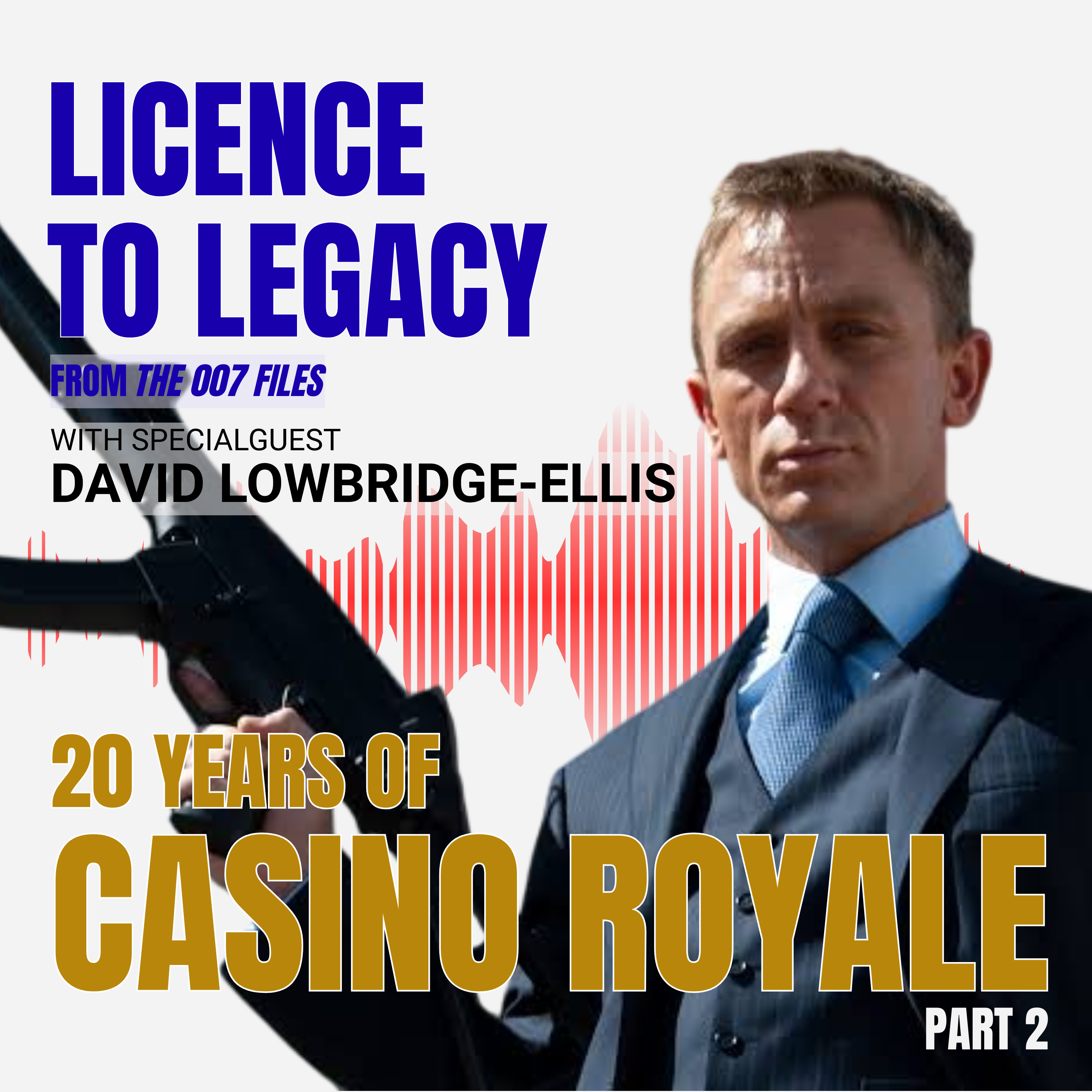
In part two of our Casino Royale at 20 conversation, David Lowbridge-Ellis joins Javi Trujillo, Bill Koenig and David Leigh to look at Craig’s impact on the role. We explore the film’s style, the cars associated with Bond, the brands that have become part of his image, and the way David Arnold’s score uses the series’ musical identity.
The conversation also looks ahead. What can a future Bond film learn from Casino Royale? And how can it build on the film’s legacy while finding its own voice?
Where to find us
David Lowbridge-Ellis, MBE
https://www.licencetoqueer.com/
Javi Trujillo
https://www.instagram.com/thebondisnotenough
Bill Koenig
https://hmssweblog.wordpress.com
David Leigh
https://www.thejamesbonddossier.com
Recorded on 4th November in USA, UK and Spain
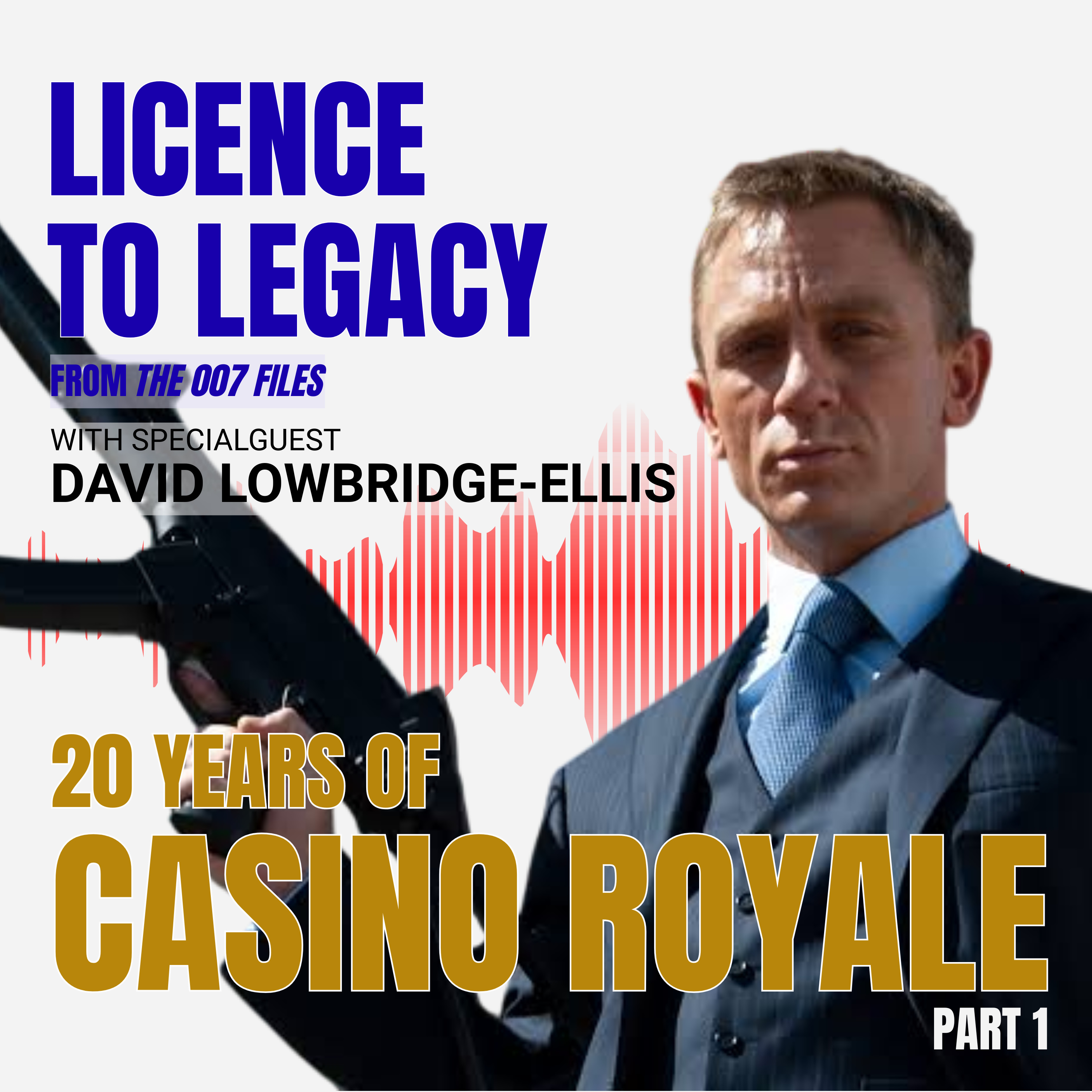
In part one of The 007 Files’ License to Legacy coverage of Casino Royale. Javi, Bill and David are joined by David Lowbridge-Ellis of Licence to Queer.
Daniel Craig's first outing as 007 is David Lowbridge-Ellis’s favourite film of all time. He says it brought him back to Bond after Die Another Day had dampened his enthusiasm—and explains why the film still feels fresh 20 years later.
Lowbridge-Ellis remembers seeing the film in a packed cinema, where the audience erupted at Bond’s final introduction. David Leigh recalls attending the Leicester Square premiere, while Bill Koenig and Javi Trujillo share their memories of Craig’s casting and the film’s release.
The panel looks at what made Casino Royale feel so different: Martin Campbell’s focus on story and character, the reworked gun-barrel sequence, and a title sequence that follows Bond earning his 00 status. They also consider whether Bond 26 should tell another origin story, whether Quantum of Solace continued the film’s bold direction, and how Skyfall turned back towards nostalgia.
Where to find us
David Lowbridge-Ellis, MBE
https://www.licencetoqueer.com/
Javi Trujillo
https://www.instagram.com/thebondisnotenough
Bill Koenig
https://hmssweblog.wordpress.com
David Leigh
https://www.thejamesbonddossier.com
Recorded on 4th November in USA, UK and Spain
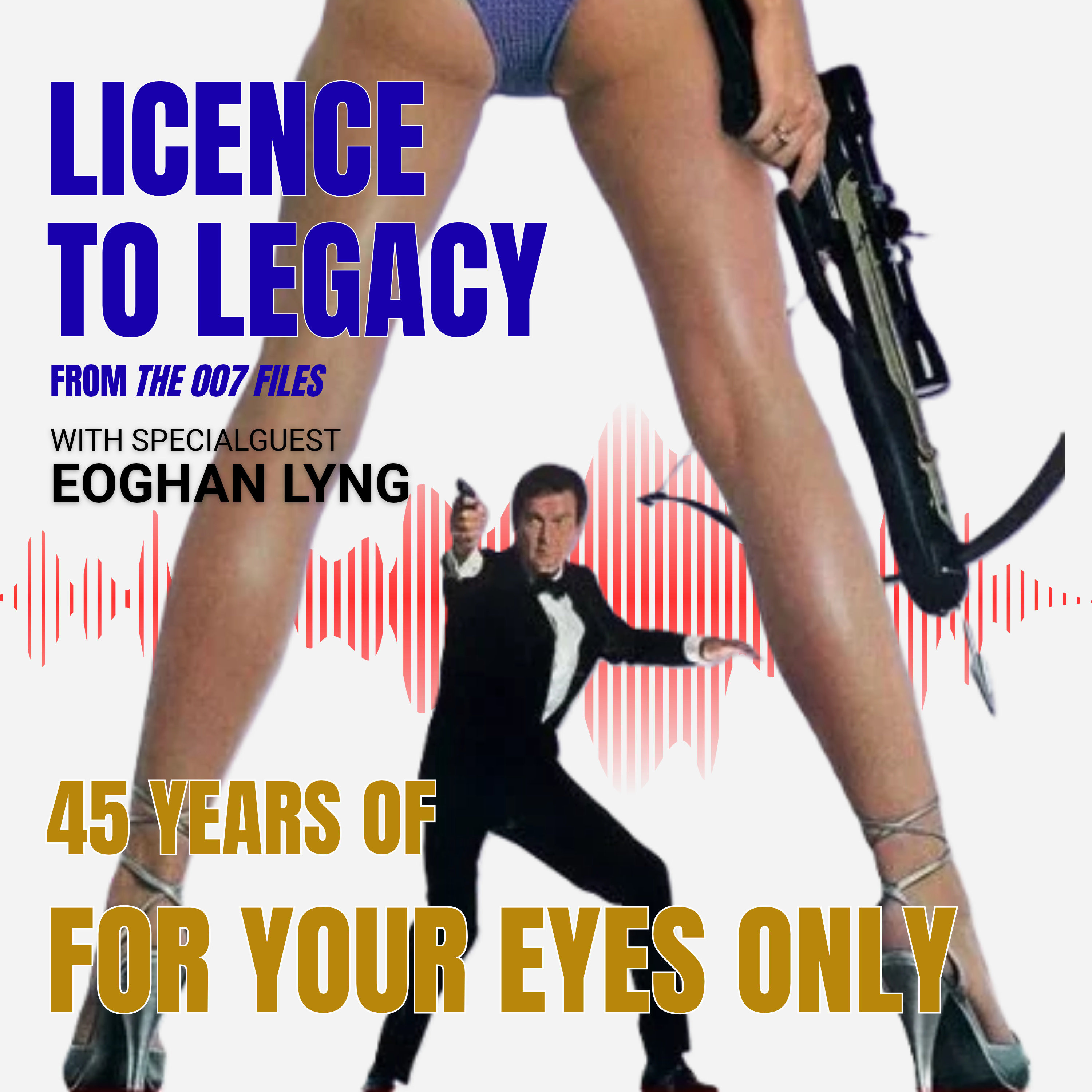
After Moonraker sent James Bond into space, For Your Eyes Only brought him back to earth. Forty-five years on, that change is still at the heart of the film’s appeal: a 2CV chase, the return of the Lotus, tougher action and more Ian Fleming than Roger Moore’s other Bond films.
On License to Legacy, Bill Koenig of The Spy Command, Javi Trujillo and David Leigh are joined by Eoghan Lyng, author of Queen: Song by Song, to revisit the film and ask whether it might be Moore’s best. Eoghan thinks it is. The scene at Tracy’s grave is a big part of his case, linking the film to On Her Majesty’s Secret Service. He also thinks Moore should have left Bond behind after this one. The rest of the panel have their own rankings.
The film drew on Fleming’s short stories “For Your Eyes Only” and “Risico”, as well as Live and Let Die. Bill explains why it contains more Fleming material than any other Moore film. We also talk about the Bond series’ habit of swinging from one extreme to another: after a film goes big, the next one often pulls back. For Your Eyes Only did it after Moonraker; Casino Royale did it after Die Another Day.
At the time, For Your Eyes Only was the second-biggest Bond film, behind Moonraker, and the fourth-biggest film of 1981. It cost around $28 million and grossed roughly $195 million worldwide. But box-office success is only part of the story. The film also began John Glen’s run as a Bond director, after years spent editing the films and directing second-unit action. We look at the speed and physicality he brought to the series, compare his approach with Sam Mendes and Cary Joji Fukunaga, and consider its influence on later action films, including Mission: Impossible. Bill draws on his 2020 interview with Glen for MI6 Confidential.
The pre-title sequence still leaves a question hanging: who is the Blofeld-like figure Bond drops down a smokestack? Was it a dig at Kevin McClory, or a way for producer Cubby Broccoli to signal that Bond no longer needed Blofeld? Bill has a cut “10th anniversary” line that made it into the comic adaptation, and recalls a television spot that leaned hard on the Blofeld connection.
There’s Sheena Easton, the first Bond theme singer to appear in the opening titles, and her Oscar-nominated song. Bill Conti’s disco-tinged score gets its due, too. We also talk memorabilia, Cassandra Harris’s role as Countess Lisl and her connection to Pierce Brosnan, and the loss of Bernard Lee. Lee died in January 1981, making For Your Eyes Only the first Bond film without him as M.
Forty-five years later, For Your Eyes Only remains a revealing film in the series: a return to Fleming, a change of direction for Moore and the start of John Glen’s time at the helm.
You can find us at:
Eoghan Lyng
https://bsky.app/profile/mightylyng.bsky.social
Bill Koenig
https://hmssweblog.wordpress.com
Javi Trujillo
https://bsky.app/profile/javitru.bsky.social or https://www.instagram.com/thebondisnotenough
David Leigh
https://www.thejamesbonddossier.com
Recorded on 6th October 2026 in the United States, Spain and Ireland.
How does James Bond survive in a world of smartphones, surveillance and ever more powerful technology?
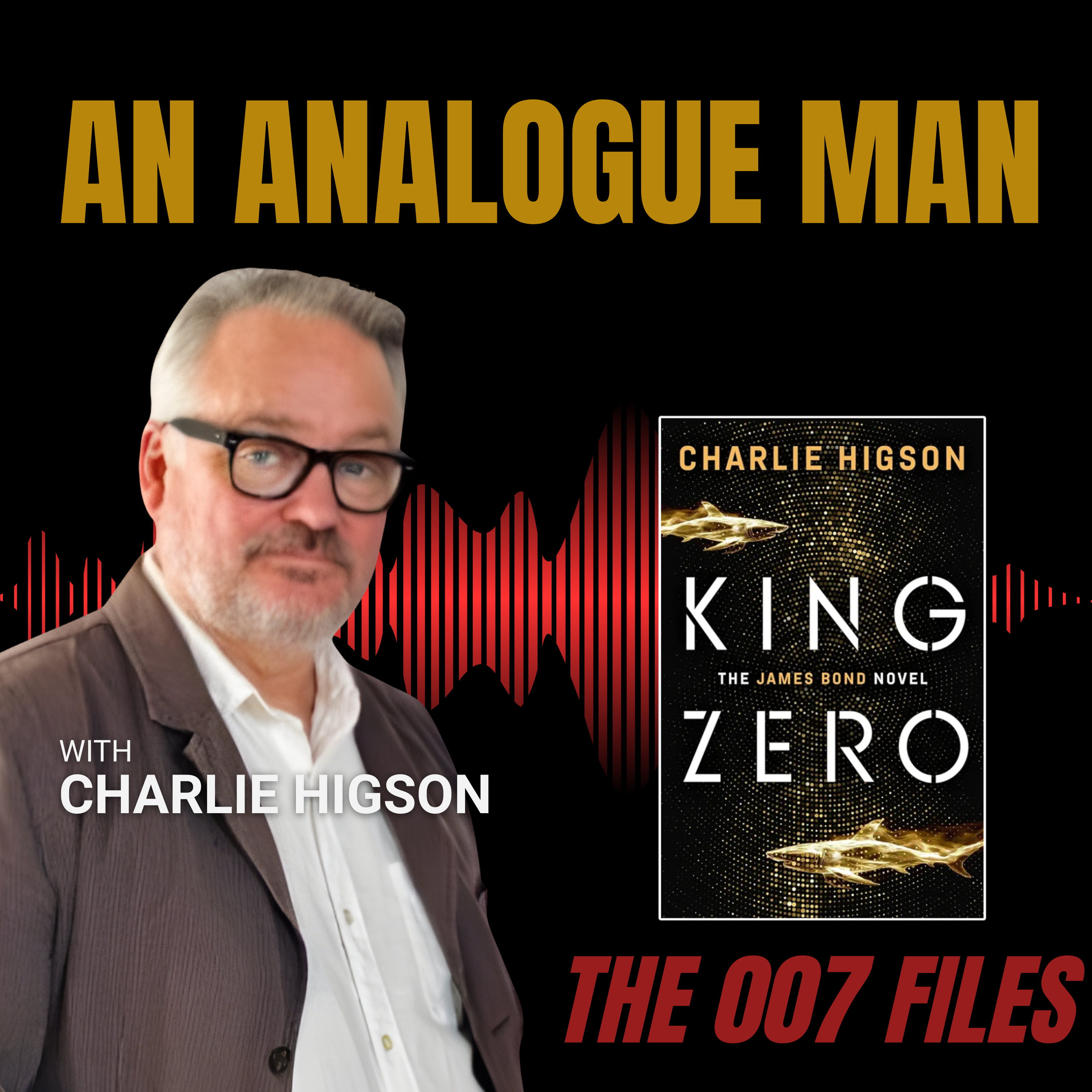
Charlie Higson joins us to talk about King Zero, his first full-length adult James Bond novel, and the problem of bringing 007 into the present day without losing what makes him Bond.
Charlie describes Bond as “an analogue man in a digital world” and explains why that still works. We get into the structure of a classic Bond story, the villain he set out to create for King Zero, and the fears about technology and our growing dependence on it that sit behind the story.
We also talk about Fleming, Thunderball, From Russia with Love, Sean Connery, John Barry, David Arnold and Bond 26. And before all that, Charlie explains how a career that started in music and comedy eventually led him to James Bond.
Charlie Higson joins David Leigh, Bill Koenig and Javi Trujillo for the 50th episode of The 007 Files.
Where to find us
Charlie Higson
https://x.com/monstroso
Bill Koenig
https://hmssweblog.wordpress.com
Javi Trujillo
https://bsky.app/profile/javitru.bsky.social or https://www.instagram.com/thebondisnotenough
David Leigh
https://www.thejamesbonddossier.com
Additional links
Order King Zero from Ian Fleming Publications
https://ianflemingshop.com/products/james-bond-king-zero-hardback-book-by-charlie-higson
The Higsons live
https://www.youtube.com/watch?v=U-DWlwo2IIo
Recorded on 22nd September 2026 in the UK, USA and Spain.
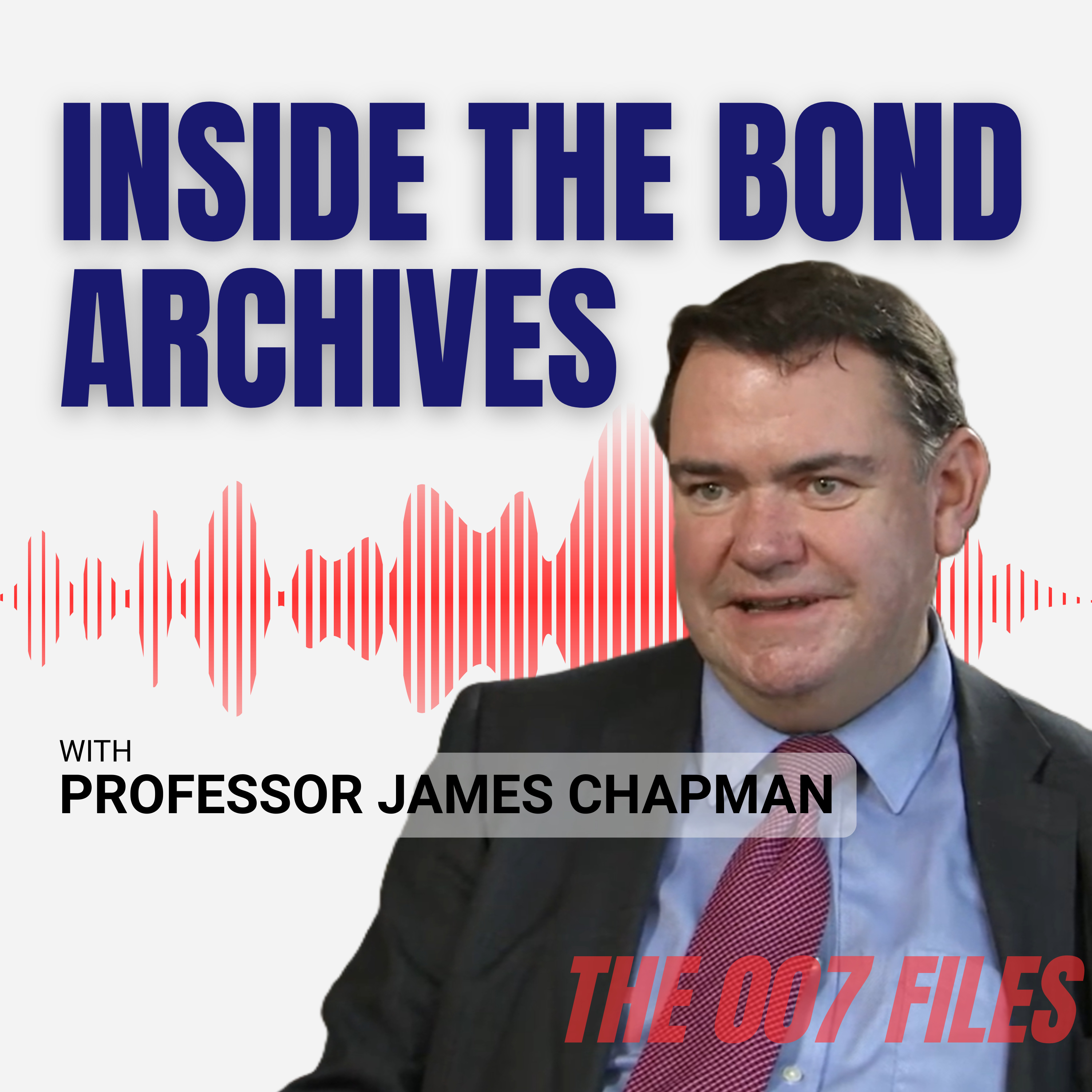
Professor James Chapman, author of Licence To Thrill: A Cultural History of the James Bond Films, joins The 007 Files to talk about Bond, film history, and the stories that attach themselves to 007.
He begins with his own route into Bond: the films he first saw, how they landed at the time, and how that early interest eventually became serious work on the series. From there, the discussion moves into the way Bond has been written about, remembered and sometimes misremembered.
One example is the old story that Dr. No was, at one stage, going to feature the villain as a monkey. It is exactly the kind of detail that gets passed around because it sounds too strange to lose. Chapman explains why access to the archives matters. Without the drafts, memos and correspondence, it is too easy for a colourful anecdote to become the accepted version of events.The episode also covers Harry Saltzman’s influence, the early shape of cinematic Bond, and why the first film could so easily have gone in a very different direction.
Where to find us
Professor James Chapman
https://amzn.to/4xnYFH0
Bill Koenig
https://hmssweblog.wordpress.com
Javi Trujillo
https://bsky.app/profile/javitru.bsky.social or https://www.instagram.com/thebondisnotenough
David Leigh
https://www.thejamesbonddossier.com
Recorded in the UK, USA and Spain on 8th June 2026.
40 minAbspielen in:
Warum PodAppear
Folge Menschen, nicht Podcasts.
Du hast Bill in einer Sendung gehört. PodAppear findet für dich die nächste, und genauso für alle anderen, die du hören willst.
Eine Meldung, wenn die Person zu Gast istPer E-Mail: sofort oder gebündelt als Tages- oder Wochenübersicht. Dann nur noch auf Play drücken.
Gäste statt bloßer ErwähnungenFolgen, in denen ein Name nur fällt, landen getrennt. Eine Meldung heißt: Die Person ist wirklich in der Sendung.
Alle in einem FeedGründerinnen, Autoren, Sportler, Forscherinnen. Folge allen mit Namen, quer durch jede Sendung, in der sie auftreten.
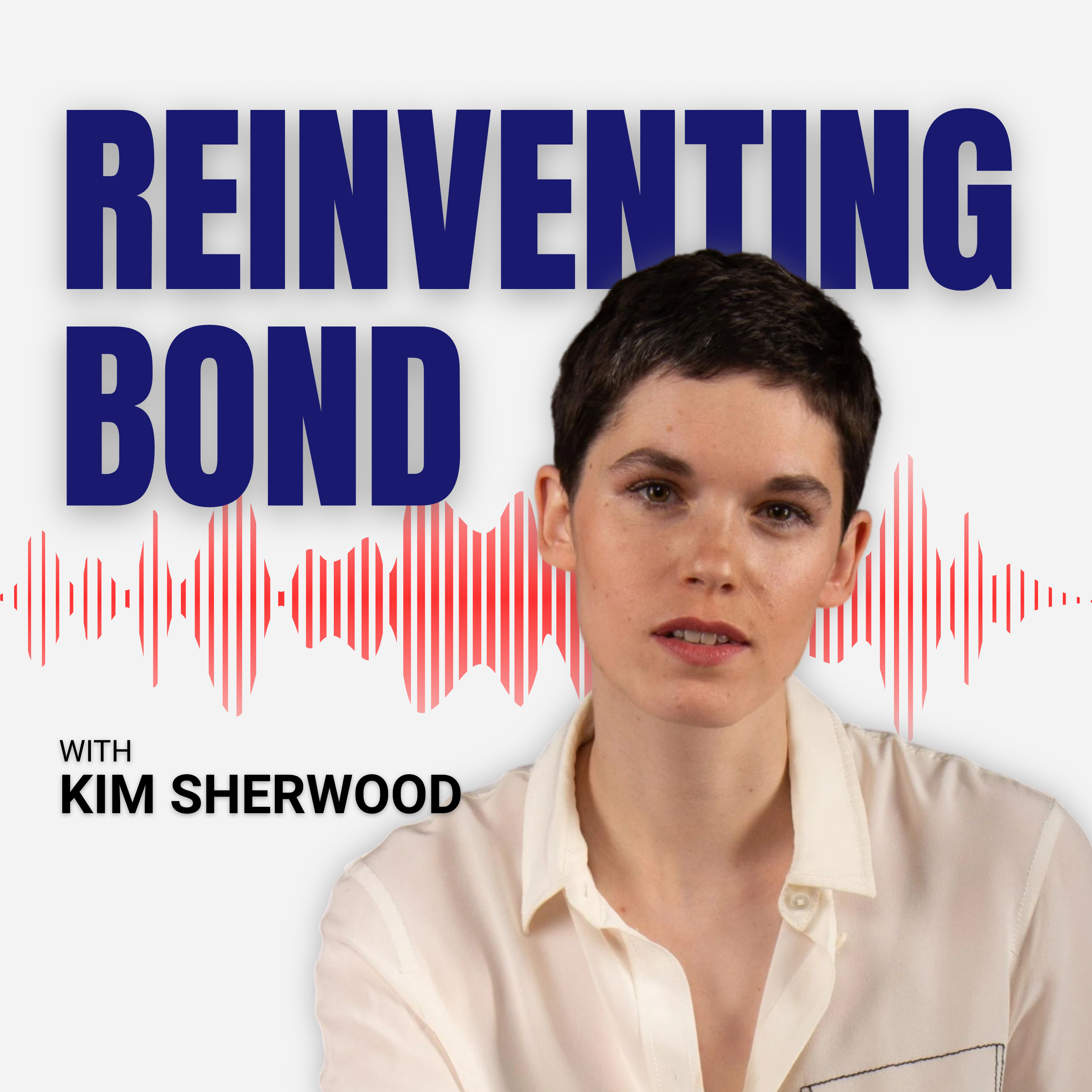
In this episode of The 007 Files, Javi Trujillo and Bill Koenig talk to Kim Sherwood about her Double O trilogy and the world she created around a missing James Bond.
Kim discusses her own route into Bond, from first watching Pierce Brosnan on television to seeing Die Another Day as her first Bond film on the big screen. She also remembers reading From Russia, With Love at the age of 12, being struck by Ian Fleming’s style even though much of the book went over her head at the time.
The conversation looks at how Kim approached writing Bond without simply copying Fleming. She explains how she built a post-Fleming Bond world for the modern age, with new Double O agents stepping into the spotlight and contemporary threats such as climate change, disinformation, AI surveillance and global instability forming part of the background.
Kim also talks about her first edition Bond books, the creation of her Double O agents, and how their names came about, including how handwriting a letter to the original Joanna Harwood paid off dividends.
She discusses the way she used Fleming’s own work, hidden threads from the books, and legacy characters such as Felix Leiter while still giving the trilogy its own shape.
There is plenty here on research and process too, from planning the books visually on huge sheets of paper to looking into military trauma, real Russian hotels and the wider geopolitical mood shaped by events such as Brexit and Afghanistan.
Kim also talks about the value of saying your ambitions out loud. Her own crazy dream was to write James Bond — and sometimes, telling people what you really want to do can pay off.
Where to find us
Kim Sherwood
https://www.kimsherwoodauthor.com/
Bill Koenig
https://hmssweblog.wordpress.com
Javi Trujillo
https://bsky.app/profile/javitru.bsky.social or https://www.instagram.com/thebondisnotenough
Recorded in the UK and USA on 1st June 2026 .
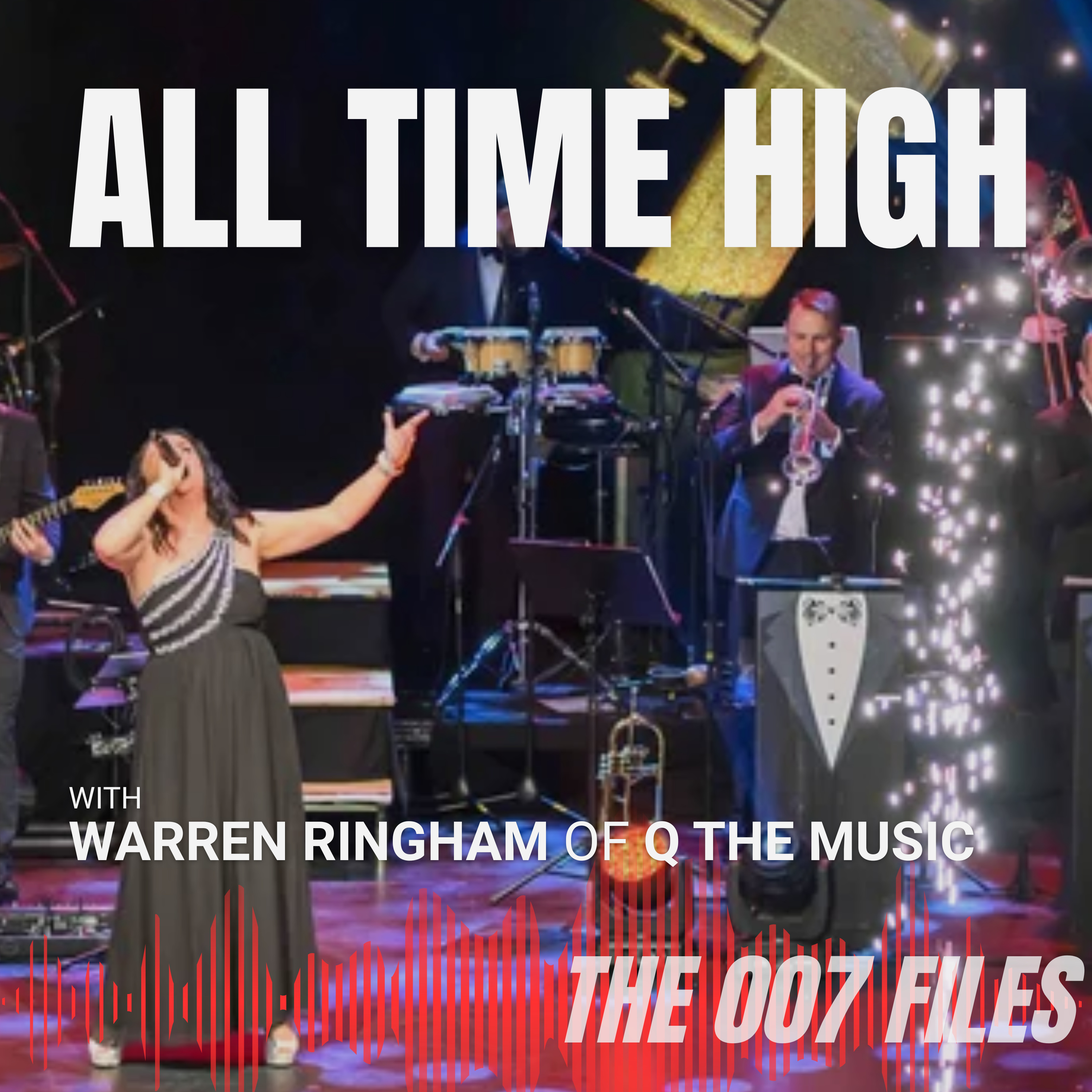
What does it really take to put on a Bond music tour? This episode breaks down the reality behind successfully performing James Bond soundtracks live—covering the cost, logistics, creative challenges and risks most audiences never see.
A Bond music tour looks effortless on stage. In reality, it’s a constant balancing act between ambition and survival. Warren Ringham, founder of Q The Music, explains how the project evolved from a function band into a dedicated Bond concert experience—and why that transition nearly failed. The conversation strips away the illusion and shows how fragile it can be.
The episode also digs into the technical side: how you take orchestral James Bond scores and adapt them for a smaller live band without losing impact. That challenge sits at the heart of the show’s identity. Alongside that comes the broader reality of sustaining a niche live act, including surviving major setbacks.
At the other end of that journey are the highs: performing at the memorial for Roger Moore and building a working relationship with Bond composer David Arnold.
You’ll come away with a better understanding of what it actually takes to put on a Bond music tour, from the financial and logistical pressures that sit behind every performance to the realities of sustaining a live show over time. The episode explains how large-scale orchestral James Bond scores are adapted for a smaller band without losing their impact, and why that process can be more complex than it appears.
Alongside that, you’ll see how the band built credibility within the Bond world, what audiences respond to most when hearing Bond music performed live, and how those reactions shape the show itself.
Where to find us
Warren Ringham
https://qthemusicshow.com/
Bill Koenig
https://hmssweblog.wordpress.com
Javi Trujillo
https://bsky.app/profile/javitru.bsky.social or https://www.instagram.com/thebondisnotenough
David Leigh
https://www.thejamesbonddossier.com
Recorded in the UK, USA and Spain on 7th May 2026.
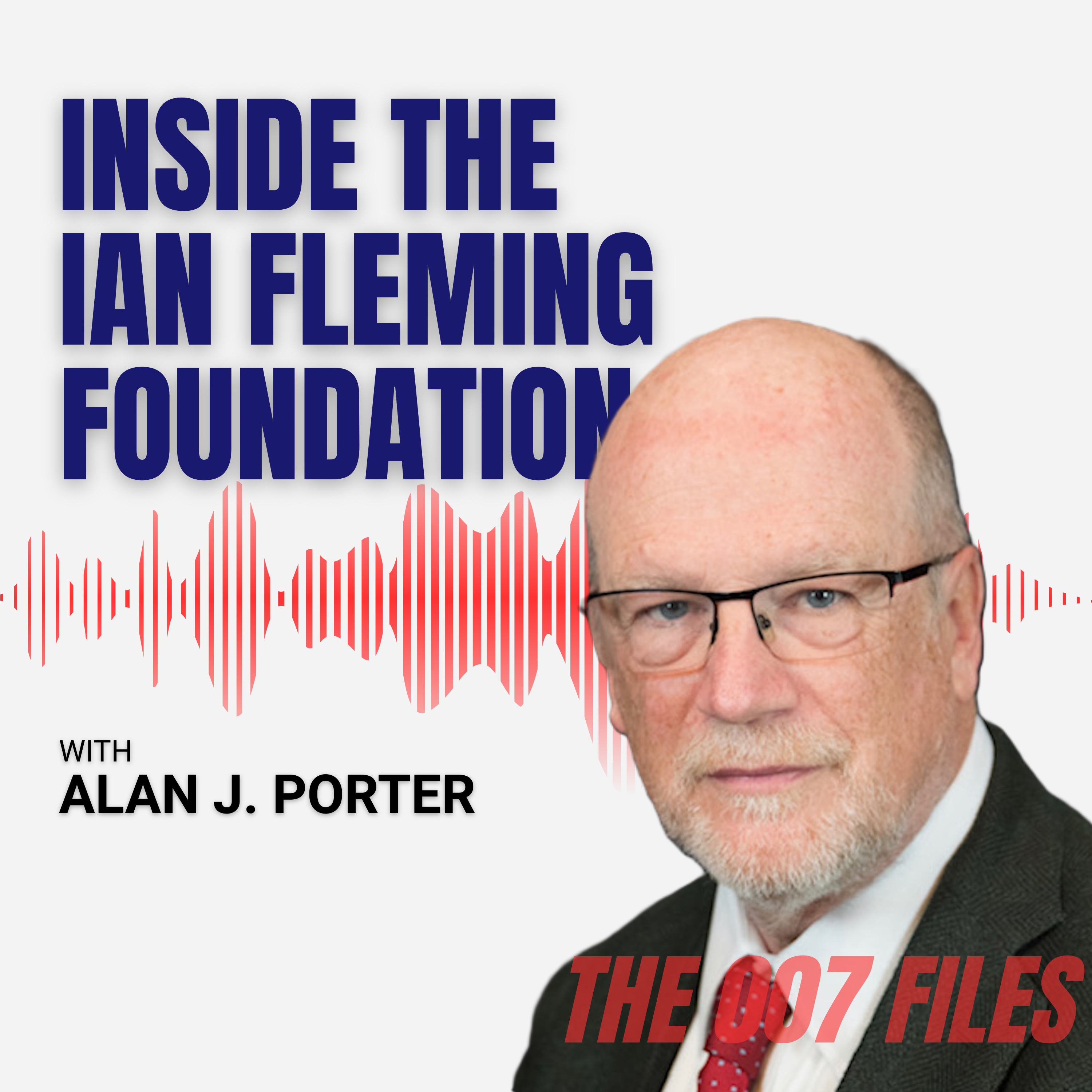
The Ian Fleming Foundation, founded more than 30 years ago, is evolving. It's still known for its collection of vehicles and props that have appeared in James Bond films. The foundation is involved in other activities, including scholarships. The group also is dedicated to keeping the memory of Ian Fleming alive.
Alan J. Porter, the foundation president, chats with the hosts of The 007 Files, sharing insights into the meticulous restoration of Bond vehicles and how these efforts support the Foundation's goals. Discover the strategic growth plans and community engagement initiatives that are helping the Foundation adapt to changes in the Bond franchise. Learn how the legacy of Ian Fleming continues to influence modern culture and open doors for new generations.
Watch a brief video tour of some of the foundation's vehicle collection:
https://www.youtube.com/watch?v=r8EO66CtKJ8
Where to find us
Alan J. Porter
https://alanjporter.wordpress.com/
The Ian Fleming Foundation
https://ianflemingfoundation.org/
Bill Koenig
https://hmssweblog.wordpress.com
Javi Trujillo
https://bsky.app/profile/javitru.bsky.social or https://www.instagram.com/thebondisnotenough
David Leigh
https://www.thejamesbonddossier.com
Recorded in the USA and Spain on 2nd April 2026.
In this episode, 007GB president Mark Wooldridge joins us to explore the world of James Bond fandom — from the unique role Britain plays in Bond culture to the global community that surrounds it.
We discuss the origins and growth of the 007GB fan club, rare Bond memorabilia and collectibles, and the ongoing appeal of the franchise across generations. The conversation also covers Bond music, brand partnerships like Omega, and what the current state of development means for Bond 26.
If you’re interested in the deeper ecosystem around James Bond — beyond the films themselves — this episode offers a clear, informed perspective.
Where to find us
Mark Wooldridge
https://www.youtube.com/@ViewsFromMark
007GB
https://007gb.co.uk
Bill Koenig
https://hmssweblog.wordpress.com
Javi Trujillo
https://bsky.app/profile/javitru.bsky.social or https://www.instagram.com/theDavid Leigh
https://www.thejamesbonddossier.com
Recorded in the USA, UK and Spain on 24th March 2026.
What does Amazon’s control of James Bond really mean for the future of 007?
In this episode of The 007 Files, hosts Bill Koenig and David Leigh are joined by Fangoria editor-in-chief Phil Nobile Jr. to explore the hopes and fears surrounding the Amazon era of the James Bond franchise — and what the shift from family stewardship to corporate ownership could mean for cinema’s most enduring spy series.
Phil reflects on an article he wrote in July 2017 suggesting that the Broccoli family might one day sell the franchise after one more film — remarkably prescient as it turns out.
The conversation examines both the risks and the opportunities facing 007. While many fans fear increased corporate interference and the direction Amazon's Bond might take, another possibility emerges: that 007 may represent only a tiny part of Amazon’s vast business, potentially allowing filmmakers greater creative freedom rather than less.
A major theme of the discussion is modern villainy. Phil argues that the real threat posed by artificial intelligence is not science-fiction imagery or killer robots, but something far more human — power, influence, and economic manipulation driven by powerful tech interests. In that sense, AI may offer fertile ground for a contemporary Bond story rooted in present-day anxieties rather than Cold War nostalgia.
Together, the discussion looks at where Bond stands now, what might change in the years ahead, and what fans should realistically hope for — or worry about — as 007 enters its next chapter.
Where to find us
Phil Nobile Jr.
https://bsky.app/profile/philnobilejr.bsky.social
Bill Koenig
https://hmssweblog.wordpress.com
David Leigh
https://www.thejamesbonddossier.com
Recorded in the USA and Spain on 10th February 2026.