Bekomm eine E-Mail, wenn Allan in einem Podcast zu Gast istPodAppear prüft neue Folgen, sobald sie erscheinen, und lässt die weg, in denen Allan nur erwähnt wird. Bis zu 15 Personen kostenlos, ohne Kreditkarte.Bis zu 15 Personen kostenlos, ohne Kreditkarte.
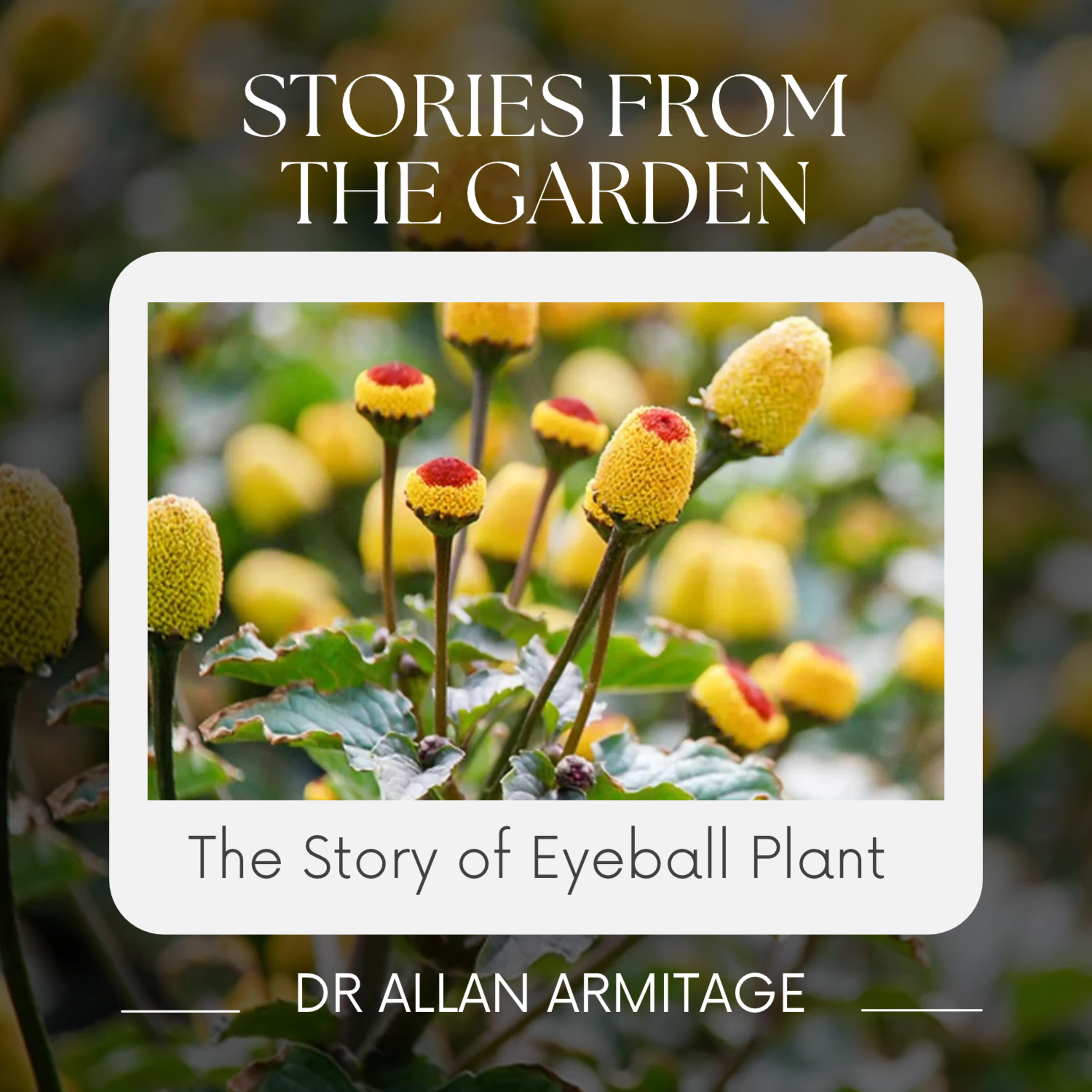
Dr. Allan Armitage introduces the eyeball plant, an unusual-looking annual with a flower head that can seem to stare back at you. He explains why it’s also called the toothache plant and shares stories about its appearance, garden appeal, and reported uses. In this episode:
Why the plant is known as the eyeball plant
Its other common name, toothache plant
How its leaves and flowers are described as producing a numbing sensation and increased salivation when chewed
The plant’s appeal as an easy-to-grow annual and a conversation starter for gardeners and children
Reported traditional and commercial uses discussed in the episode
Health note: The episode mentions claims about toothache relief, gum health, and other health uses. This episode presents these as claims, not established medical advice or verified treatment guidance. Don’t use the plant to treat a health condition; consult a qualified health professional. And please be cautious, as always, when tasting wild plants.
Shop the bookstore at https://www.allanarmitage.net/all-titles
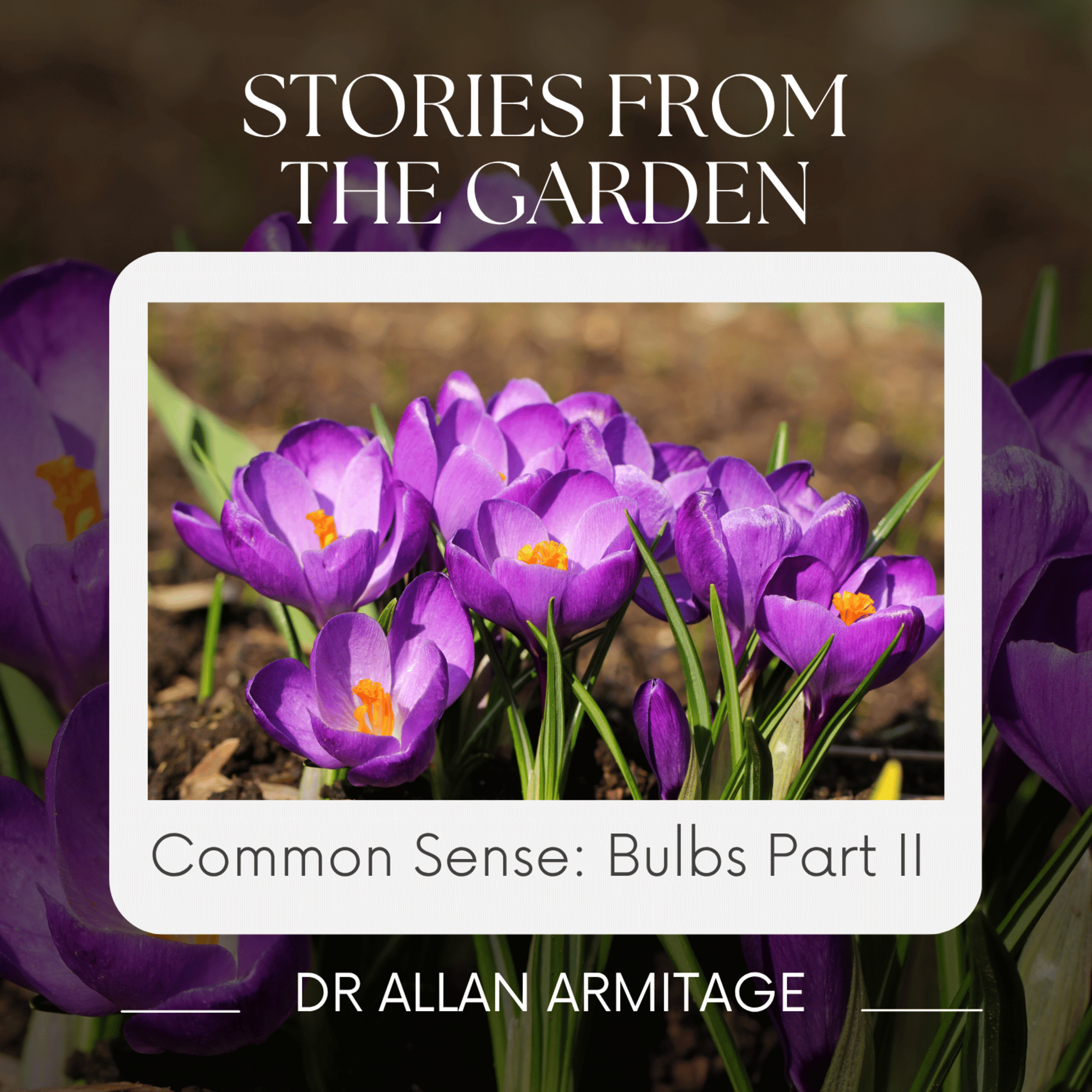
Dr. A continues his common-sense gardening series with more tips for planting temperate bulbs. These are the bulbs that need a cold winter, such as daffodils, tulips, grape hyacinths, and crocuses. You don't need a special bulb digger or a hole for every bulb.
Not everything needs to be complicated. In this episode of Stories from the Garden, Dr. Allan Armitage shares his common-sense approach to planting spring bulbs. Dig a trench, toss them in close together, and let the bulbs figure out which way is up.
Stop worrying about which way is up. Dr. A's common-sense bulb planting: dig a trench, toss in your crocus, mix in tulips, and cover them up. You can even layer bulbs in containers and top them with pansies. Simple and fun!
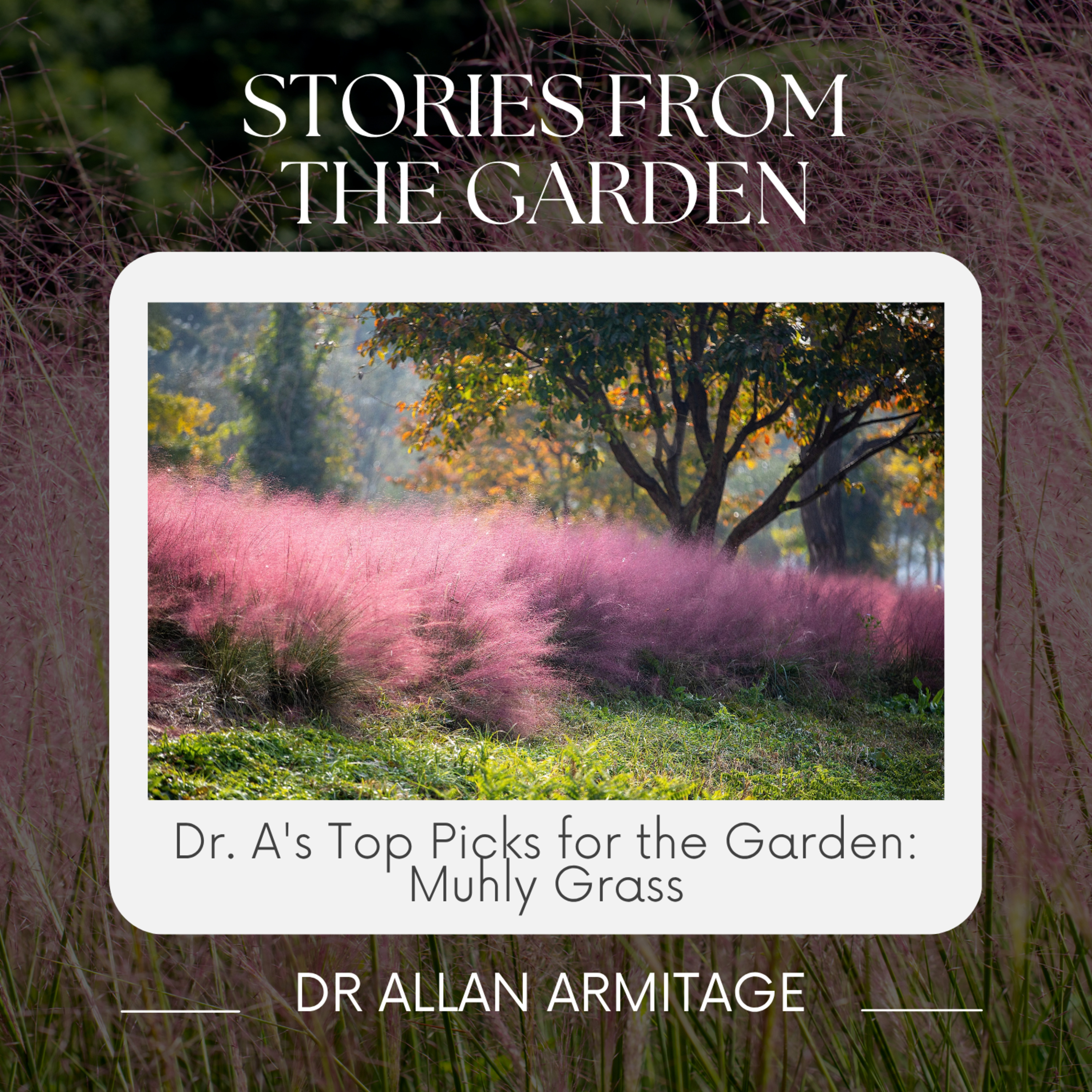
Dr. Allan Armitage is back in the garden to spotlight Muhlygrass (Muhlenbergia capillaris)—a spectacular ornamental grass that puts on an unforgettable show in late summer and fall.
Think clouds of pink, movement in the breeze, and a garden that really comes alive in September.
Why consider Muhlygrass?
Stunning pink blooms
Incredible late-summer and fall interest
Deer- and rabbit-resistant
Low-maintenance once established
Best suited to warmer climates
Looks especially impressive planted in groups of six or more
And if pink isn't your thing, check out 'White Cloud' for a beautiful white-flowering alternative. As Dr. A says, “This thing just stops traffic.”
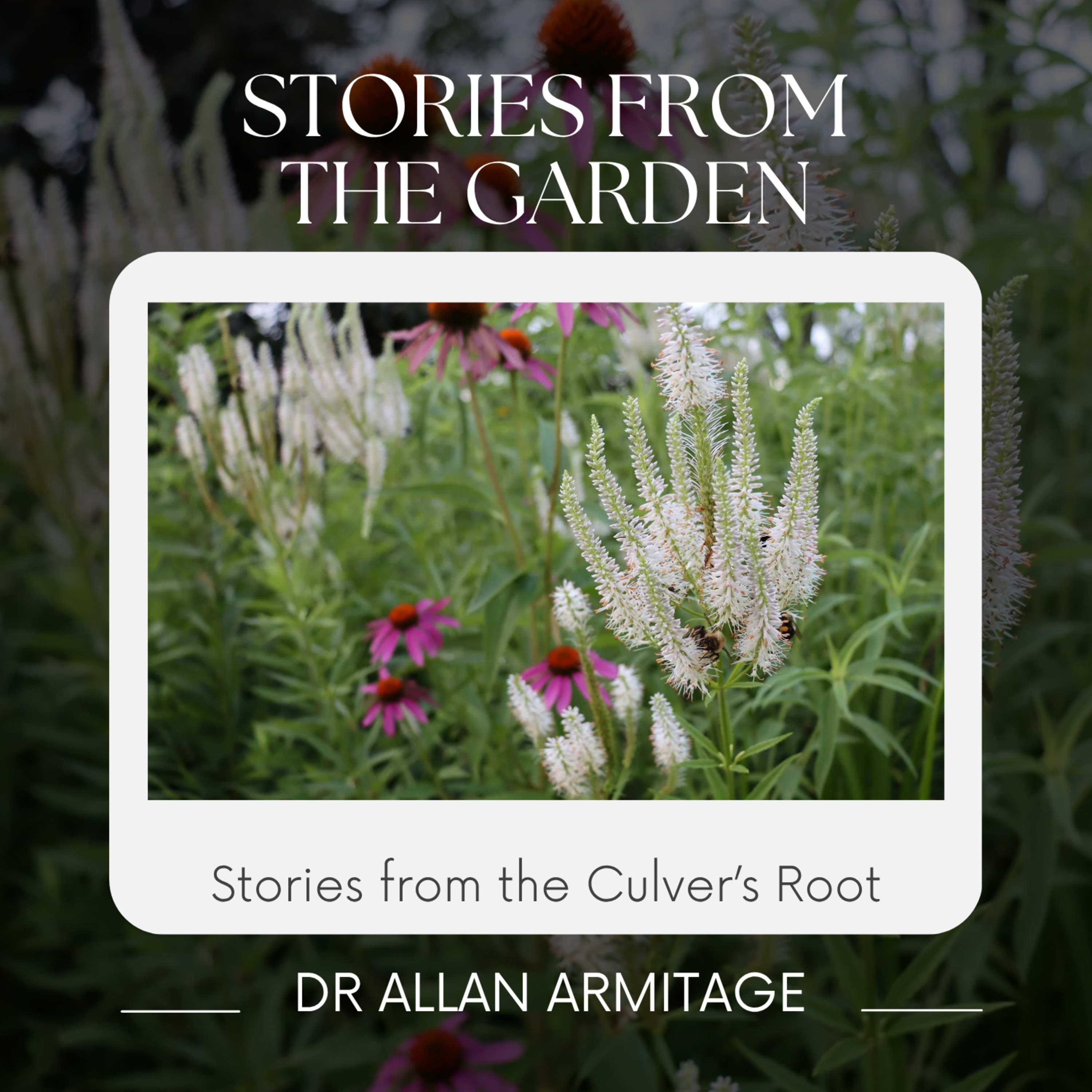
What Is a Culver? The Story Behind Culver’s RootDr. Allan Armitage shares the story behind the common name of Culver’s root, a native plant with a surprisingly rich medicinal history. This short episode explains how plant names often carry human stories, and why Veronicastrum virginicum ended up being associated with Dr. Culver rather than its appearance or habitat.
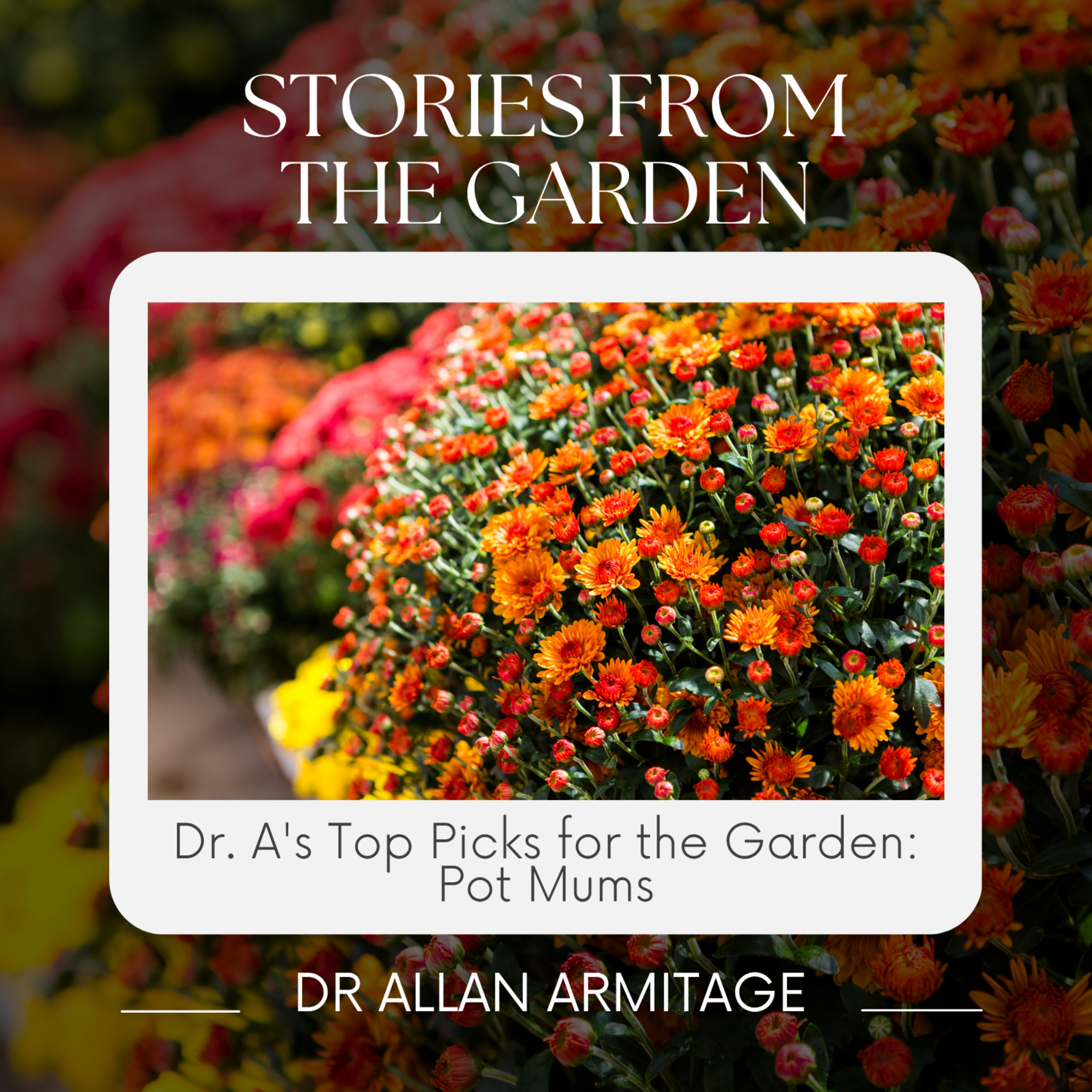
Fall chrysanthemums get dismissed as “throwaway” plants, but Dr. Allan Armitage makes the case that pot mums are one of the easiest ways to get instant color on your deck, porch, or front door.
If you want a plant that looks great fast, comes in a huge range of colors and container sizes, and basically performs the second you bring it home, this short episode is for you. Dr. A shares why he still buys pot mums, how he uses them in containers, and what to expect if you decide to keep them around after the season.
Perfect for gardeners looking for fast fall container color, low-maintenance seasonal plants, or a straightforward answer to the question of what actually looks good right now. If you’ve ever walked past a rack of mums and wondered whether they’re worth it, this episode gives you the honest answer.
4 minAbspielen in:
Warum PodAppear
Folge Menschen, nicht Podcasts.
Du hast Allan in einer Sendung gehört. PodAppear findet für dich die nächste, und genauso für alle anderen, die du hören willst.
Eine Meldung, wenn die Person zu Gast istPer E-Mail: sofort oder gebündelt als Tages- oder Wochenübersicht. Dann nur noch auf Play drücken.
Gäste statt bloßer ErwähnungenFolgen, in denen ein Name nur fällt, landen getrennt. Eine Meldung heißt: Die Person ist wirklich in der Sendung.
Alle in einem FeedGründerinnen, Autoren, Sportler, Forscherinnen. Folge allen mit Namen, quer durch jede Sendung, in der sie auftreten.
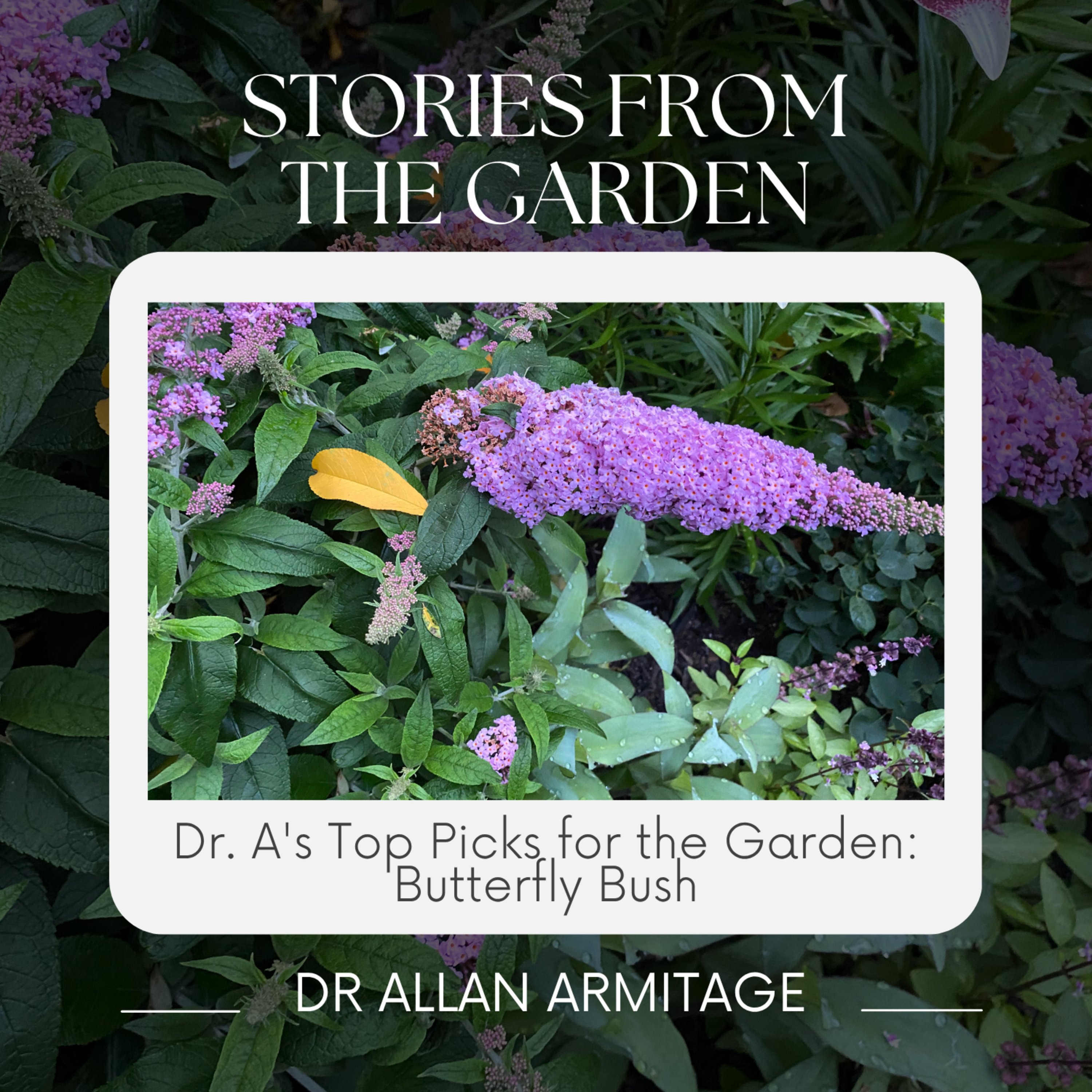
Join Dr. Allan Armitage as he explores his favorite plant, the butterfly bush, highlighting its varieties, growth habits, care tips, and the impact on pollinators. Perfect for gardeners looking for an easy-to-grow, attractive plant for any landscape.
Why butterfly bush is a gardener's favorite
Varieties of butterfly bush: Cascade series, Pugster series, and dwarfer Buzz series
Growing tips: pruning, hardiness zones, sunlight, and size management
Benefits for pollinators, especially butterflies
Cultural and landscape considerations for inclusion in gardens
Dr. Armitage shares his personal experiences and reasons for favoring butterfly bush
Explanation of different species and cultivars, including Budlia dividiae and the Cascade and Pugster series
Tips on pruning for size control and flowering times
Hardiness zone recommendations (zones 5 to 8)
The plant’s adaptability to sun and shade and its pollinator-friendly qualities
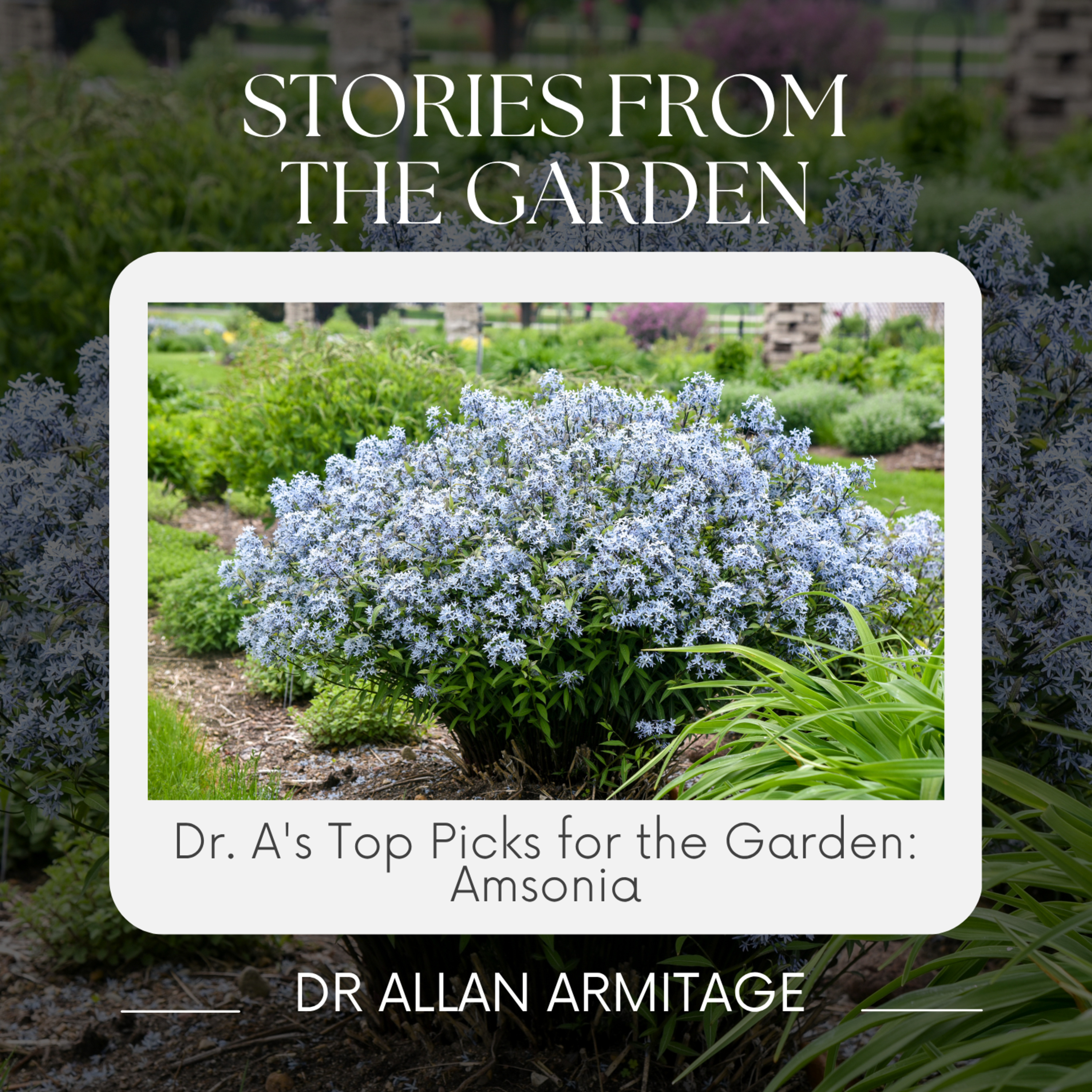
In this episode, Dr. Allan Armitage shares one of his favorite native perennials—the beautiful and dependable Blue Star Flower (Amsonia). While its soft blue spring blooms are charming, the real magic of these plants comes from their graceful foliage and, for some varieties, spectacular fall color.
Dr. A compares two outstanding species that deserve a place in more gardens:
Arkansas Blue Star (Amsonia hubrichtii) – prized for its delicate, thread-like foliage and breathtaking golden fall color, especially in cooler climates.
Eastern Blue Star (Amsonia tabernaemontana) – featuring larger leaves, richer blue flowers, and excellent garden performance across a wide range of growing conditions.
Along the way, you'll learn:
Why Amsonia is one of the easiest native perennials to grow
The differences between these two popular species
Which variety performs best in northern versus southern gardens
Why fall color can vary depending on your climate
How these long-lived plants bring beauty to gardens throughout multiple seasons
Whether you're looking for reliable spring flowers, outstanding fall foliage, or simply a tough, beautiful native perennial, Blue Star deserves a closer look.
Mentioned in this episode:
Arkansas Blue Star (Amsonia hubrichtii)
Eastern Blue Star (Amsonia tabernaemontana)
Native perennials
Fall color in the perennial garden
Thanks for listening! If you enjoyed this episode, be sure to subscribe, leave a review, and share it with a fellow gardener. For more gardening resources and Dr. Allan Armitage's books, visit alanarmitage.com.
See you in the garden!
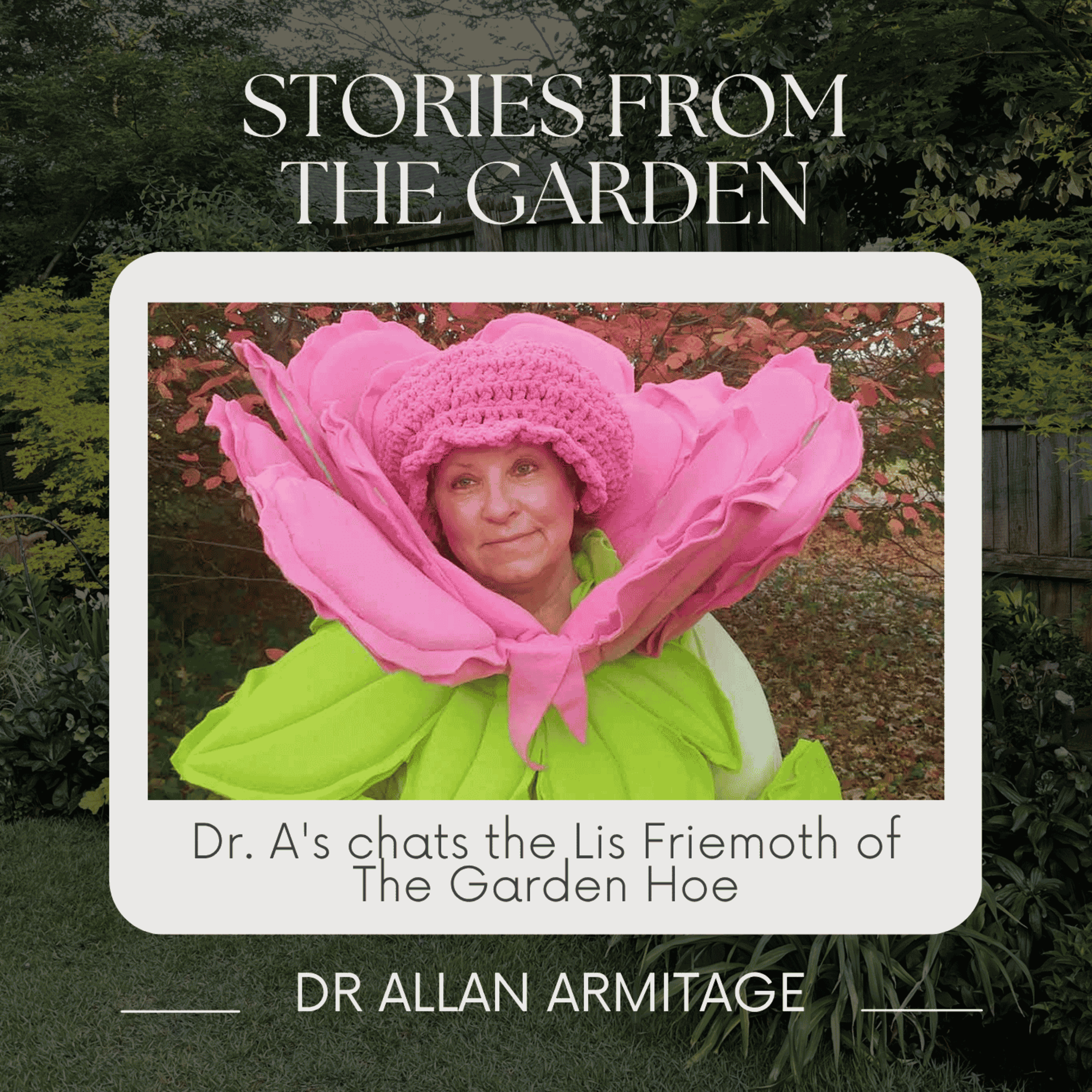
In this engaging conversation, Dr. Allan Armitage and Lis Friemoth of The Garden Hoe explore the joys and challenges of gardening. They discuss the importance of patience in horticulture, the emotional benefits of gardening, and the camaraderie that comes from sharing gardening experiences. The conversation emphasizes that gardening should be fun rather than overly serious, encouraging listeners to enjoy the process and embrace nature's unpredictability.
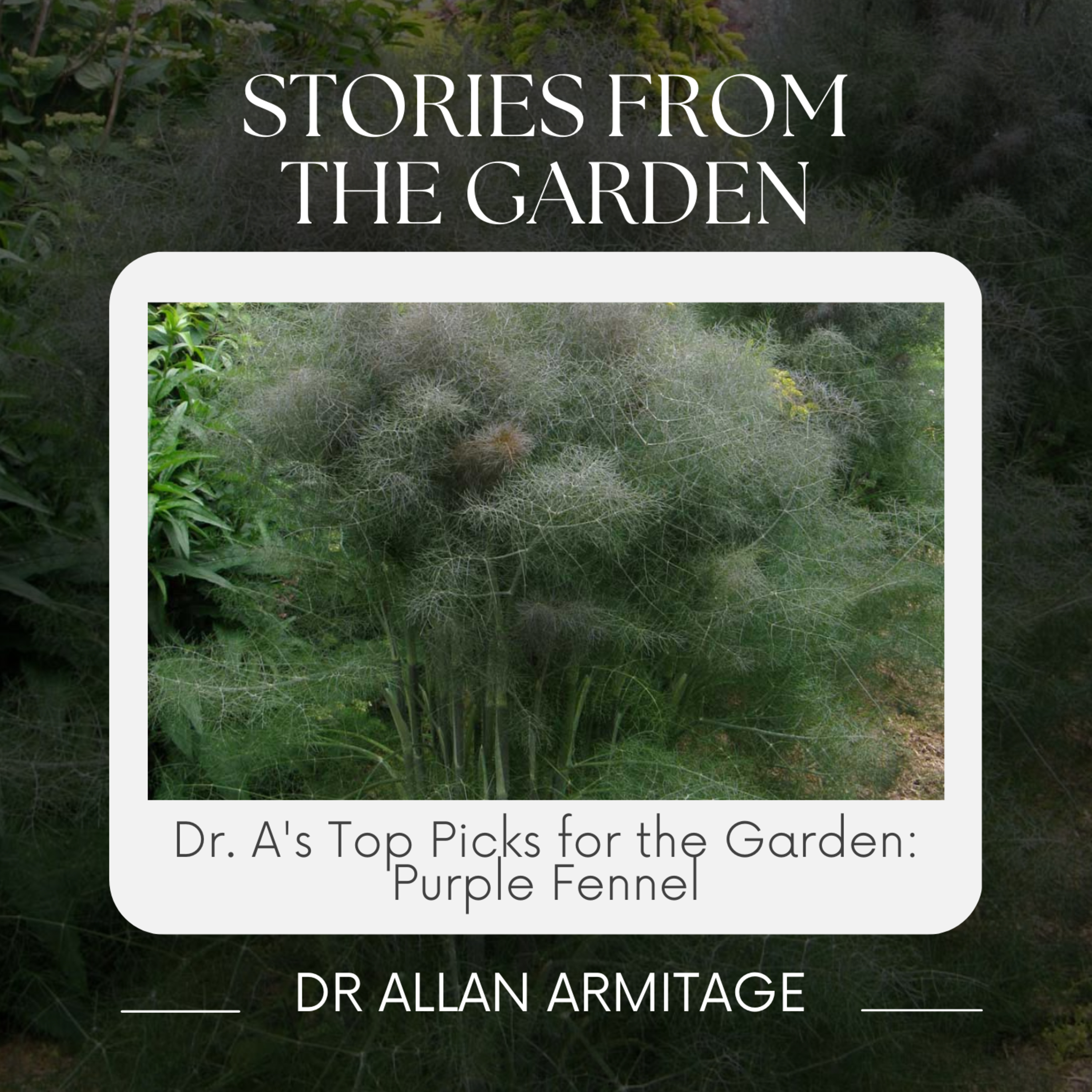
Fragrance in the garden isn’t limited to blooms alone. Dr. Allan Armitage reminds us that many plants offer scent through foliage as well as flowers. Fennel is a perfect example—simply brushing against the plant releases its unmistakable aroma.
And you’re not the only one who enjoys fennel. It also serves as a host plant for the swallowtail butterfly. Don’t be surprised if you notice swallowtail caterpillars chewing on the leaves in late summer. Their presence is not a problem, but rather a sign of a healthy, living garden ecosystem.