Bekomm eine E-Mail, wenn Alex in einem Podcast zu Gast istPodAppear prüft neue Folgen, sobald sie erscheinen, und lässt die weg, in denen Alex nur erwähnt wird. Bis zu 15 Personen kostenlos, ohne Kreditkarte.Bis zu 15 Personen kostenlos, ohne Kreditkarte.
Is OCD really an anxiety disorder? Are everyday rituals the same as compulsions? And what happens when treatment doesn't work?
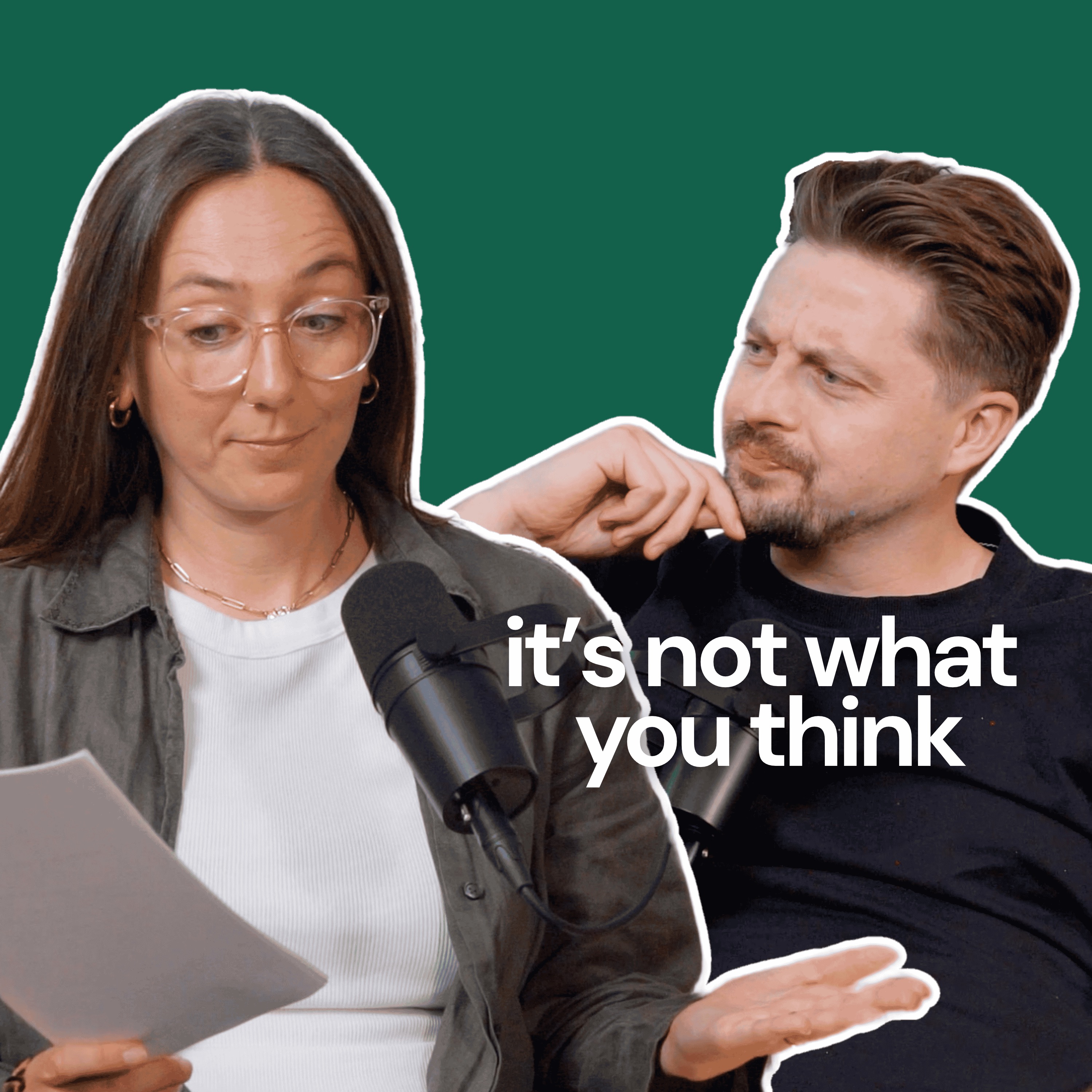
In Part 3 of Figuring It Out, Dr Alex George and research scientist Dr Kathryn Bates put some of the biggest misconceptions about obsessive-compulsive disorder (OCD) to the test in Myth, Fact and It's Complicated.
They explore how OCD is classified, why it's different from anxiety, and what treatment options exist for people who don't respond to the first approach.
They also look at how OCD treatment may need to be adapted for autistic people, what the research tells us about OCD and menopause, and why everyday routines and rituals aren't necessarily the same as compulsions.
You can find more information through the International OCD Foundation (https://iocdf.org/), Mind (www.mind.org.uk) and the National Autistic Society (https://www.autism.org.uk/).
No lectures. No easy answers. Just two people trying their best to figure it out.
We're not here to give medical advice, we're just two friends exploring the science and figuring out life together. If you have any concerns about your health, please speak to your doctor.
Each episode arrives in three parts from Monday to Wednesday. Part One tackles the Big Question. Part Two answers a real dilemma sent in by a listener. Part Three puts the most common claims to the test in Myth, Fact and It's Complicated.
Produced by Kathryn Bates
Have a question or dilemma you'd like us to tackle in a future episode? We'd love to hear from you. Email us at hello@figuringitoutpod.com.
Hosted on Acast. See acast.com/privacy for more information.
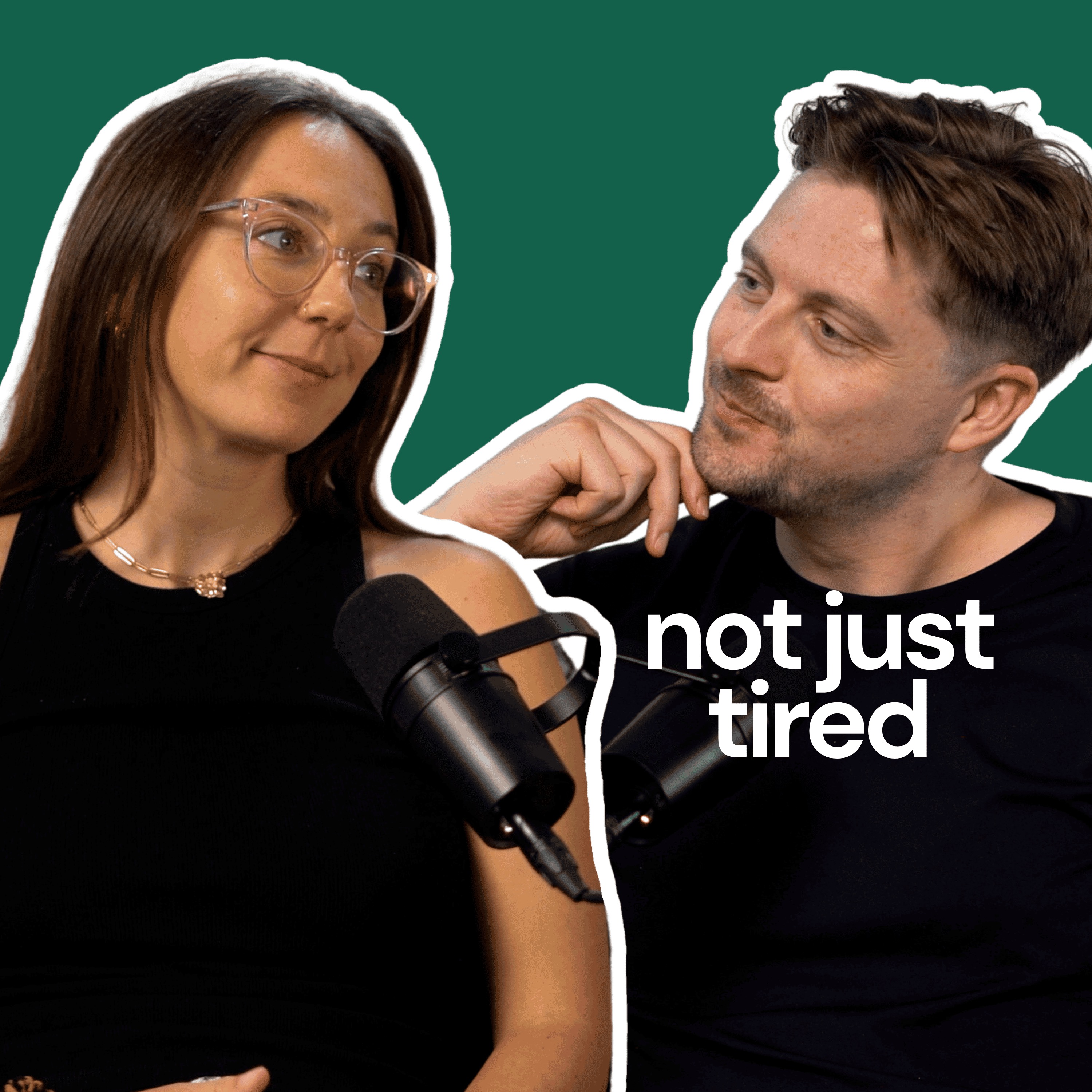
Autistic burnout is more than just feeling tired. It can involve overwhelming exhaustion, difficulty managing everyday tasks and a reduced tolerance to sensory input. But what causes it, and what can help?
In Part 2 of Figuring It Out, Dr Alex George and research scientist Dr Kathryn Bates explore what autistic burnout actually is, how masking, sensory overload and the pressure to meet everyday expectations can contribute, and why recovery isn't always straightforward.
They also answer a listener's dilemma: can you realistically manage a demanding full-time career as an autistic person without burning out?
From workplace adjustments and supportive managers to the challenges of asking for help, Alex and Kathryn discuss what the research tells us about preventing burnout, and why the responsibility shouldn't fall entirely on the individual.
No lectures. No easy answers. Just two people trying their best to figure it out.
We're not here to give medical advice, we're just two friends exploring the science and figuring out life together. If you have any concerns about your health, please speak to your doctor.
Each episode arrives in three parts from Monday to Wednesday. Part One tackles the Big Question. Part Two answers a real dilemma sent in by a listener. Part Three puts the most common claims to the test in Myth, Fact and It's Complicated.
Produced by Kathryn Bates
Have a question or dilemma you'd like us to tackle in a future episode? We'd love to hear from you. Email us at hello@figuringitoutpod.com.
Hosted on Acast. See acast.com/privacy for more information.
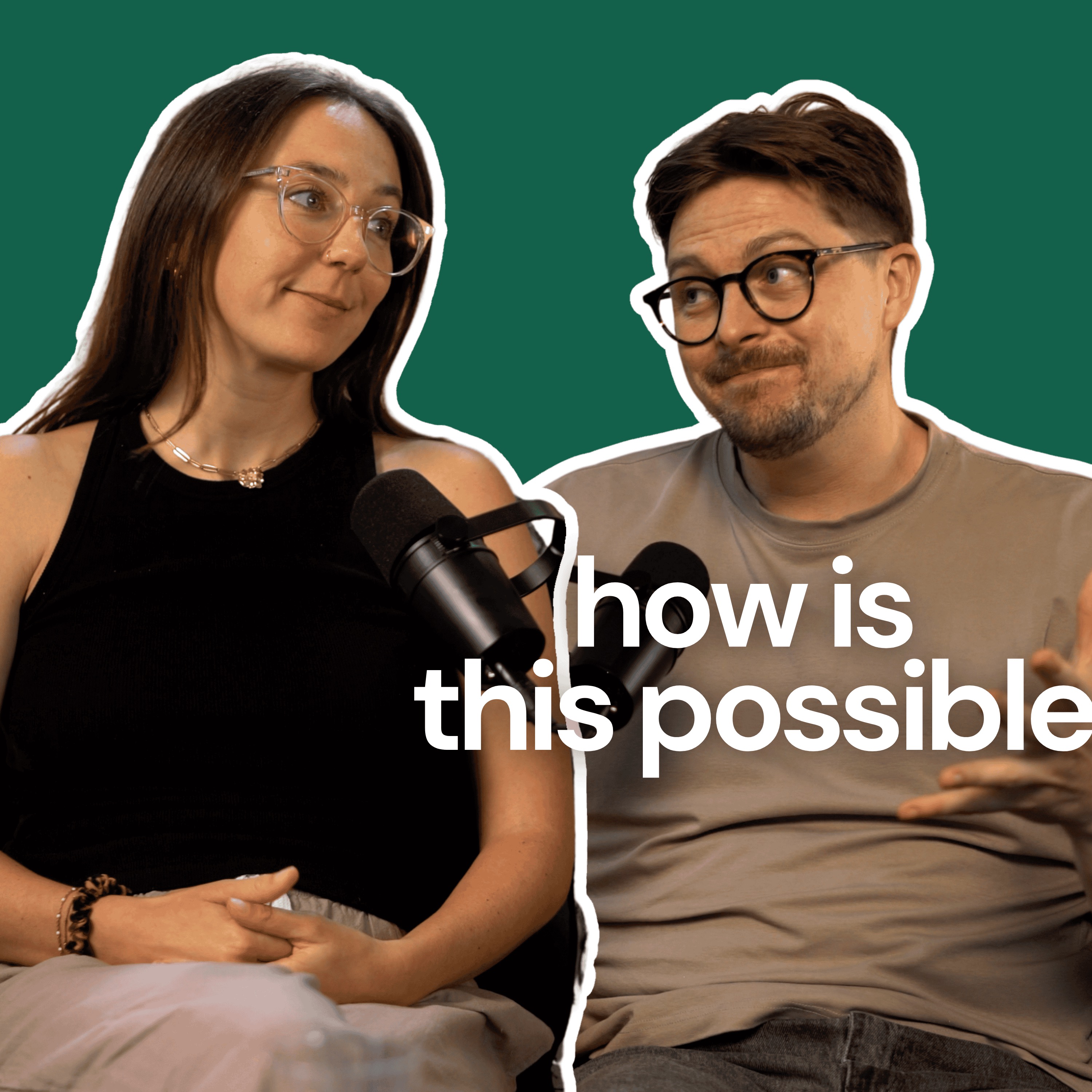
A listener asks: do some people really have a photographic memory, or is something else going on? In Part 2, Dr Alex George and research scientist Dr Kathryn Bates explore the science behind extraordinary memory, from artist Stephen Wiltshire’s ability to recreate incredibly detailed cityscapes to the rare phenomenon that allows some people to recall almost every day of their lives in remarkable detail. Plus, what does it actually mean if you can’t picture things in your mind? And what did the co-founder of Pixar discover when he explored how differently we visualise the world?
No lectures. No easy answers. Just two people trying their best to figure it out.
We're not here to give medical advice, we're just two friends exploring the science and figuring out life together. If you have any concerns about your health, please speak to your doctor.
Each episode arrives in three parts from Monday to Wednesday. Part One tackles the Big Question. Part Two answers a real dilemma sent in by a listener. Part Three puts the most common claims to the test in Myth, Fact and It's Complicated.
Produced by Kathryn Bates
Have a question or dilemma you'd like us to tackle in a future episode? We'd love to hear from you. Email us at hello@figuringitoutpod.com.
Hosted on Acast. See acast.com/privacy for more information.
17 minAbspielen in:
Warum PodAppear
Folge Menschen, nicht Podcasts.
Du hast Alex in einer Sendung gehört. PodAppear findet für dich die nächste, und genauso für alle anderen, die du hören willst.
Eine Meldung, wenn die Person zu Gast istPer E-Mail: sofort oder gebündelt als Tages- oder Wochenübersicht. Dann nur noch auf Play drücken.
Gäste statt bloßer ErwähnungenFolgen, in denen ein Name nur fällt, landen getrennt. Eine Meldung heißt: Die Person ist wirklich in der Sendung.
Alle in einem FeedGründerinnen, Autoren, Sportler, Forscherinnen. Folge allen mit Namen, quer durch jede Sendung, in der sie auftreten.