Bekomm eine E-Mail, wenn Aaron in einem Podcast zu Gast istPodAppear prüft neue Folgen, sobald sie erscheinen, und lässt die weg, in denen Aaron nur erwähnt wird. Bis zu 15 Personen kostenlos, ohne Kreditkarte.Bis zu 15 Personen kostenlos, ohne Kreditkarte.
Taylor Guitars builds guitars in El Cajon, California and Tecate, Mexico, about 45 minutes apart, and runs the two plants as one factory. Host Aaron Alpeter and cohost Daniel Scharff follow what the border costs it: how a USMCA certificate of origin decides whether the same guitar pays 0% or 25%, how a 2017 rosewood listing stopped parts at the same crossing, and how employee ownership shapes the company's decisions.
Daniel Scharff is the founder of Startup CPG, a community for consumer packaged goods founders
Aaron Alpeter sits down with Margarita Bello, who leads client work and strategy at Izba and used to be VP of Operations at Next Century Spirits, to talk about Patrón and a rule that keeps tequila in Mexico. In February 2025 the Consejo Regulador del Tequila suspended Patrón's export certification for about four days over a US ad campaign. They get into how a regulator can do that, how Patrón still makes tequila by hand, where the money goes in a bottle of spirits, and what a new brand needs to survive.
New Balance spent most of its 120-year history as a punchline: the gray suede sneaker your dad wore with white crew socks and a phone holster. On this episode of Ecommerce on Tap, Aaron Alpeter is joined by cohost Becca Oden, VP of Supply Chain for a portfolio of women's health brands and former operator at Uqora, to reverse-engineer how New Balance went from a 1906 arch-support company to a $7.6B privately-held athletic brand courting a $25B valuation. They trace the company through founder William Riley's chicken-foot origin story, its unusual width-based manufacturing complexity, its domestic factories in Maine and Massachusetts, the 2016 TPP controversy, and the collaboration strategy (JJJJound, Aime Leon Dore, Joe Fresh Goods) that turned an "uncool" archive into a cultural platform. The takeaway for founders: unfashionable is not the same as undifferentiated, and the capabilities that look like inefficiencies on a spreadsheet are sometimes the entire moat.
In this episode:
Why New Balance spent 50 years as an arch-support company before it became a sneaker brand
The real cost (and real value) of keeping factories in the US when nearly the whole industry moved to Asia
How the 990 became four completely different products to four completely different audiences at once
Why New Balance's 2016 TPP comments triggered a backlash it never intended
How the JJJJound and Aime Leon Dore collaborations turned an archive nobody wanted into the 550's comeback
Who could realistically acquire New Balance, and why LVMH, Adidas, and Nike each come with a different problem
Guest: Becca Oden — VP of Supply Chain, women's health brands
Veja is usually filed under "sustainable sneaker brand." That label is true and far too small. In this footwear-season episode of Ecommerce on Tap, Aaron Alpeter sits down with Divya Demato of GoodOps to break down how Veja built a brand by inverting the P&L, spending on the supply chain instead of advertising.
We get into the five models of sustainability in footwear, why Veja bet everything on transparency, how it sources cotton and wild Amazonian rubber directly from producers, why it manufactures in Brazil, and the hard question of whether a brand this operationally specific can ever really be sold.
If you build physical products, this one is about where brand trust actually comes from, and why your operations might belong front and center instead of backstage.
Birkenstock is one of the most recognizable footwear brands in the world.
But what most people don't realize is that the company spent over 200 years building the system that made its success possible.
In this episode of Ecommerce On Tap, Aaron Alpeter is joined by Niket Shah of Acceler8 Labs to explore the history, supply chain, biomechanics, manufacturing strategy, and growth story behind Birkenstock.
They discuss:
• How a German shoemaking family evolved into a global brand
• Why foot biomechanics became the foundation of the company
• The role cork plays in Birkenstock's product moat
• How Birkenstock entered the U.S. through wellness channels instead of traditional retail
• Why vertical integration still matters in footwear manufacturing
• The private equity and IPO decisions that transformed the business
• Lessons founders can apply to their own brands
Birkenstock's story isn't really about sandals.
It's about building a system that competitors struggle to replicate.
#EcommerceOnTap #Birkenstock #Footwear #Manufacturing #SupplyChain #BrandStrategy #Ecommerce
46 minAbspielen in:
Warum PodAppear
Folge Menschen, nicht Podcasts.
Du hast Aaron in einer Sendung gehört. PodAppear findet für dich die nächste, und genauso für alle anderen, die du hören willst.
Eine Meldung, wenn die Person zu Gast istPer E-Mail: sofort oder gebündelt als Tages- oder Wochenübersicht. Dann nur noch auf Play drücken.
Gäste statt bloßer ErwähnungenFolgen, in denen ein Name nur fällt, landen getrennt. Eine Meldung heißt: Die Person ist wirklich in der Sendung.
Alle in einem FeedGründerinnen, Autoren, Sportler, Forscherinnen. Folge allen mit Namen, quer durch jede Sendung, in der sie auftreten.
Why did a strange-looking running shoe with giant foam soles become a billion-dollar brand?
This week on Ecommerce on Tap, Aaron Alpeter and Mark Riskowitz break down the story of Hoka—from its origins in the French Alps to becoming one of the fastest-growing footwear brands in the world.
We cover:
• Why Hoka ignored industry trends
• The biomechanics behind running shoes
• Manufacturing challenges most consumers never see
• Why founders sometimes need to leave incumbents
• How Deckers scaled Hoka into a powerhouse
In this kickoff episode of the new Ecommerce on Tap footwear season, Aaron Alpeter sits down with footwear founder Daniella to unpack the hidden complexity behind one of the world’s most misunderstood industries.
What looks like a simple branding category on the surface is actually a deeply technical, globally fragmented, operationally unforgiving system underneath.
They cover:
Why footwear behaves like a systems business
The hidden mechanics inside every shoe
Why returns are so destructive in footwear
How military history shaped modern footwear manufacturing
Why Vietnam, China, Italy, Portugal, Mexico, and Brazil all play different roles in the supply chain
The role of lasts, midsoles, outsoles, and wear testing
Why scaling a footwear brand is far harder than most founders expect
The inventory forecasting nightmare behind sizing curves
Why consumers evaluate shoes emotionally while brands survive operationally
If you’ve ever underestimated how complicated footwear is, this episode will completely change how you think about the category.
Fragrance is no longer just a luxury — it’s becoming a daily ritual.
In this episode of Ecommerce on Tap, Aaron Alpeter sits down with 5 SENS founder Divya Gugnani to break down the massive shift happening in the fragrance industry.
They cover:
Why fragrance is the fastest-growing beauty category
The rise of “fragrance wardrobes” vs signature scents
What most founders get wrong about clean beauty
How to build a brand that actually has repeat purchase
The real playbook behind building a business worth buying
If you're building in beauty, DTC, or consumer brands — this is a must-watch.
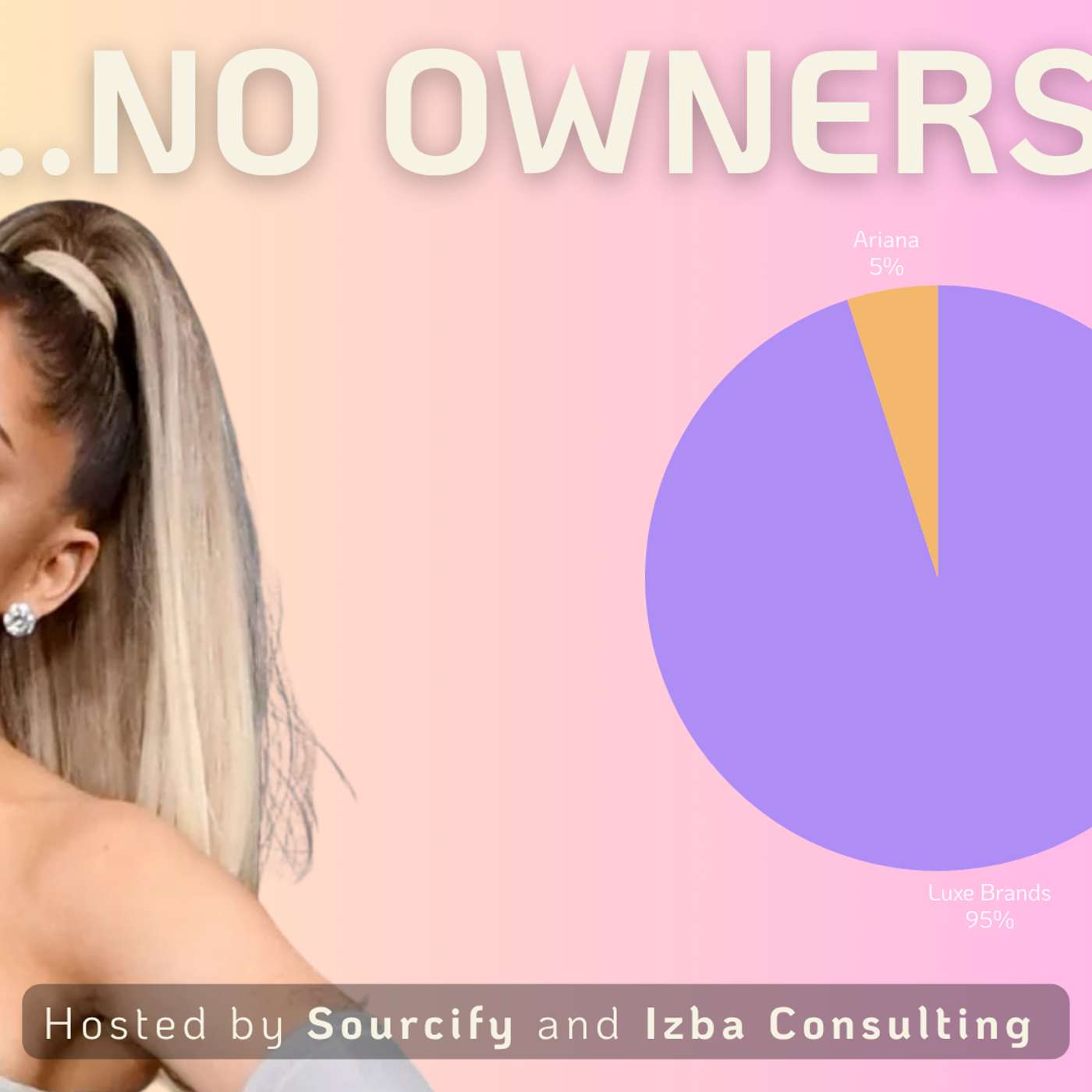
$1B in sales… and Ari by Ariana Grande barely owns it.
• Why Ari by Ariana Grande scaled to $1B through licensing instead of ownership
• How “Cloud” became a hero SKU by riding luxury fragrance dupe demand
• The real unit economics behind a $70 perfume bottle
• How Sephora and Ulta distribution turned it into a global brand
Aaron Alpeter is a supply chain operator who has worked with 200+ brands. He breaks down how Ari by Ariana Grande built their supply chain to support billion-dollar retail scale.