Bekomm eine E-Mail, wenn Pascal in einem Podcast zu Gast istPodAppear prüft neue Folgen, sobald sie erscheinen, und lässt die weg, in denen Pascal nur erwähnt wird. Bis zu 15 Personen kostenlos, ohne Kreditkarte.Bis zu 15 Personen kostenlos, ohne Kreditkarte.
Pascal Lee war in den letzten 12 Monaten in 4 Podcast-Folgen aus 2 verschiedenen Sendungen zu Gast, am häufigsten bei This Week in Space (Audio) (2-mal). Zuletzt: This Week in Space (Audio), 10. Juli 2026.
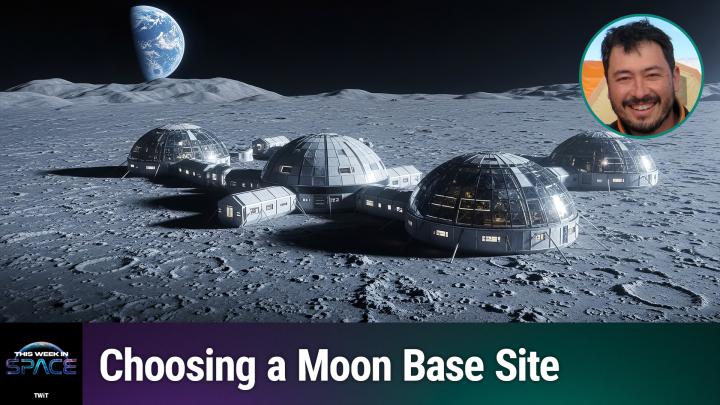
We've been hearing a lot about NASA's new moonbase plans, and they are ambitious. Starting with Artemis V (so far), the US plans to begin preparations for a permanent base situated in the south polar regions of the moon. Details are somewhat fluid, but one thing stands out: the poles are likely to be the most challenging places to set up shop in an already hostile environment. Planetary scientist Dr. Pascal Lee joins us to discuss moonbase siting options and why the poles may not be the best choice at first.
Headlines:
China Demonstrates Impressive Rocket Landing and Catch Mechanism
New Horizons Probe Awakens to Transmit Deep Space Data
Wally Funk, Last of the "Mercury 13," Passes Away
West Coast Rocket Launch Alert: SpaceX Falcon 9 Visual Spectacle
Main Topic: Moon Base Strategy and Location Debate
History and Evolution of U.S. Moon Base Plans
NASA's New Multi-Phase Moon Base Timeline and Missions
Strategic and Logistical Challenges of South Pole Moon Bases
Arguments for a Centralized, Benign Location for Moon Infrastructure
Commercial and International Partnership Models for Lunar Operations
Role of Robotics and AI in Moon Exploration and Prospecting
Lessons from Antarctic Base Logistics Applied to the Moon
Potential for Tourism and Commercial Development on the Lunar Surface
Hosts: Rod Pyle and Tariq Malik
Guest: Pascal Lee
Download or subscribe to This Week in Space at https://twit.tv/shows/this-week-in-space.
Join Club TWiT for Ad-Free Podcasts!
Support what you love and get ad-free audio and video feeds, a members-only Discord, and exclusive content. Join today: https://twit.tv/clubtwit
Sponsors:
blackhat.com/us-26 and use code TWIT
rippling.ai/twis
threatlocker.com/twit
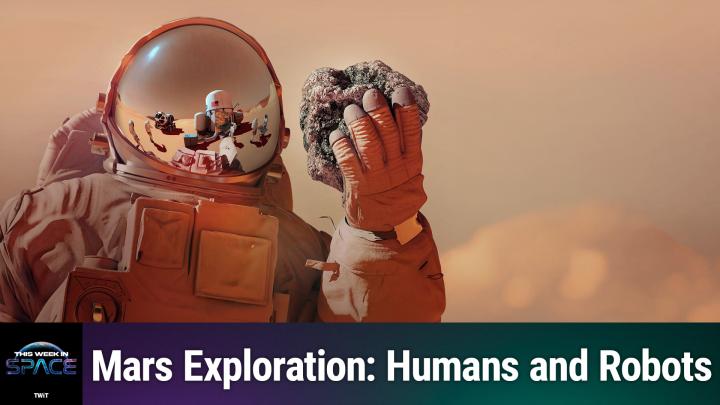
In this age of rapidly advancing AI and robotic technology, do we still need to send humans into space? The argument has long been that people can do things better and faster off-Earth, but the changing face of robotic tech has some feeling otherwise. This week's guest is a returning friend of the show, Dr. Pascal Lee, who has thoughts on how and when robots may perform better--and more safely--than humans in space, and then, of course, Tariq and I worry about how our mechanical masters might take our place in the cosmos. Pascal also reports on his recent experience with the National Academies' report on the human exploration of Mars. Join us!
Headlines:
NASA Unveils Major Overhaul to Artemis Lunar Program, With Arrtemis II & III Facing Delays and a Shift in the Lunar Landing Timeline.
Mike Fincke Revealed as Astronaut Medically Evacuated from ISS
Main Topic: First Steps for the Human Exploration of Mars
National Academies Report Identifies Top Mars Science Priorities for Astronauts, With the Search for Life on Mars Ranked as the Highest Scientific Priority
Strategies Debated: Shorter Missions vs. Building Lasting Mars Infrastructure
Call for Focused Mars Surface Lab to Maximize Science Returns
Discussion of Sample Return, Planetary Protection, and Evolving AI/Robotics/Human Partnerships
Debate Over Long-Term Human Settlement on Mars Versus Robotic and Cyborg Exploration
Implications of Rapid Progress in Humanoid Robotics and AI for the Future of Space Exploration
Also, Rod and Tariq are celebrating their 200th episode of This Week in Space and are hosting an Ask Us Anything (AUA) episode! Get your questions ready and send them to twis@twit.tv for Rod and Tariq to answer them!
Hosts: Rod Pyle and Tariq Malik
Guest: Pascal Lee
Download or subscribe to This Week in Space at https://twit.tv/shows/this-week-in-space.
Join Club TWiT for Ad-Free Podcasts!
Support what you love and get ad-free audio and video feeds, a members-only Discord, and exclusive content. Join today: https://twit.tv/clubtwit
1 h 01 minAbspielen in:
Warum PodAppear
Folge Menschen, nicht Podcasts.
Du hast Pascal in einer Sendung gehört. PodAppear findet für dich die nächste, und genauso für alle anderen, die du hören willst.
Eine Meldung, wenn die Person zu Gast istPer E-Mail: sofort oder gebündelt als Tages- oder Wochenübersicht. Dann nur noch auf Play drücken.
Gäste statt bloßer ErwähnungenFolgen, in denen ein Name nur fällt, landen getrennt. Eine Meldung heißt: Die Person ist wirklich in der Sendung.
Alle in einem FeedGründerinnen, Autoren, Sportler, Forscherinnen. Folge allen mit Namen, quer durch jede Sendung, in der sie auftreten.