
Decoder Ring cover
Podcast

Decoder Ring

by Slate Podcasts

Decoder Ring has had 9 confirmed guests across 5 episodes in the last 12 months. Latest: Arleen Lorrance, Oct 14, 2026.

Show websiteApple PodcastsHow guests are confirmed

Decoder Ring is the show about cracking cultural mysteries. In each episode, host Willa Paskin takes a cultural question, object, or habit; examines its history; and tries to figure out what it means and why it matters. Get more of Decoder Ring with Slate Plus! Join for exclusive bonus episodes of Decoder Ring and…

Guests on the show

Wed14Oct
Decoder RingAL

Arleen LorranceGuest

Gandhi Never Said “Be the Change”

Few inspirational phrases are quoted more often than Mahatma Gandhi’s “Be the change you want to see in the world.” It shows up on t-shirts, bumper stickers, even tattooed on people’s bodies. Life coaches, leadership trainers, and American presidents constantly cite it. There is one problem with this quotation, however: Gandhi never said it. And the story of how the “be the change” actually came to be—according to its true originator—is stranger, more intricate, and more astounding than you could ever expect. In this episode, Decoder Ring’s Evan Chung speaks with Arleen Lorrance, the former Brooklyn high school teacher who actually brought “be the change” into the world in the 1970s. The surprising tale she has to tell involves grindhouse cinema, cosmic rays of light, and Vice President Al Gore. You’ll also hear from Diane Kennedy Pike, whose marriage to the controversial Bishop James Pike plays a pivotal and unexpected role in turning the quote into the inescapable maxim it is today. This episode was written and produced by Evan Chung, Decoder Ring’s Supervising Producer. It was edited by Willa Paskin and Max Freedman, who also produce the show. Merritt Jacob is Senior Technical Director. Special thanks to Keith Akers. If you have any cultural mysteries you want us to decode, email us at DecoderRing@slate.com or leave a message on our hotline at (347) 460-7281. Get more of Decoder Ring with Slate Plus! Join for exclusive bonus episodes of Decoder Ring and ad-free listening on all your favorite Slate podcasts. Subscribe from the Decoder Ring show page on Apple Podcasts or Spotify. Or, visit slate.com/decoderplus for access wherever you listen. Need to set up your Slate Plus feed? If you subscribed through Slate.com, check out our FAQ at slate.com/podcastfaqs for easy instructions. Members subscribed via Apple Podcasts get automatic access—no setup required. Hosted on Acast. See acast.com/privacy for more information.
1 h 01 minPlay in:

Wed1Jul
Decoder RingAA

Atalanta Arden-MillerGuest

We Are Monumentally Bad at Statues

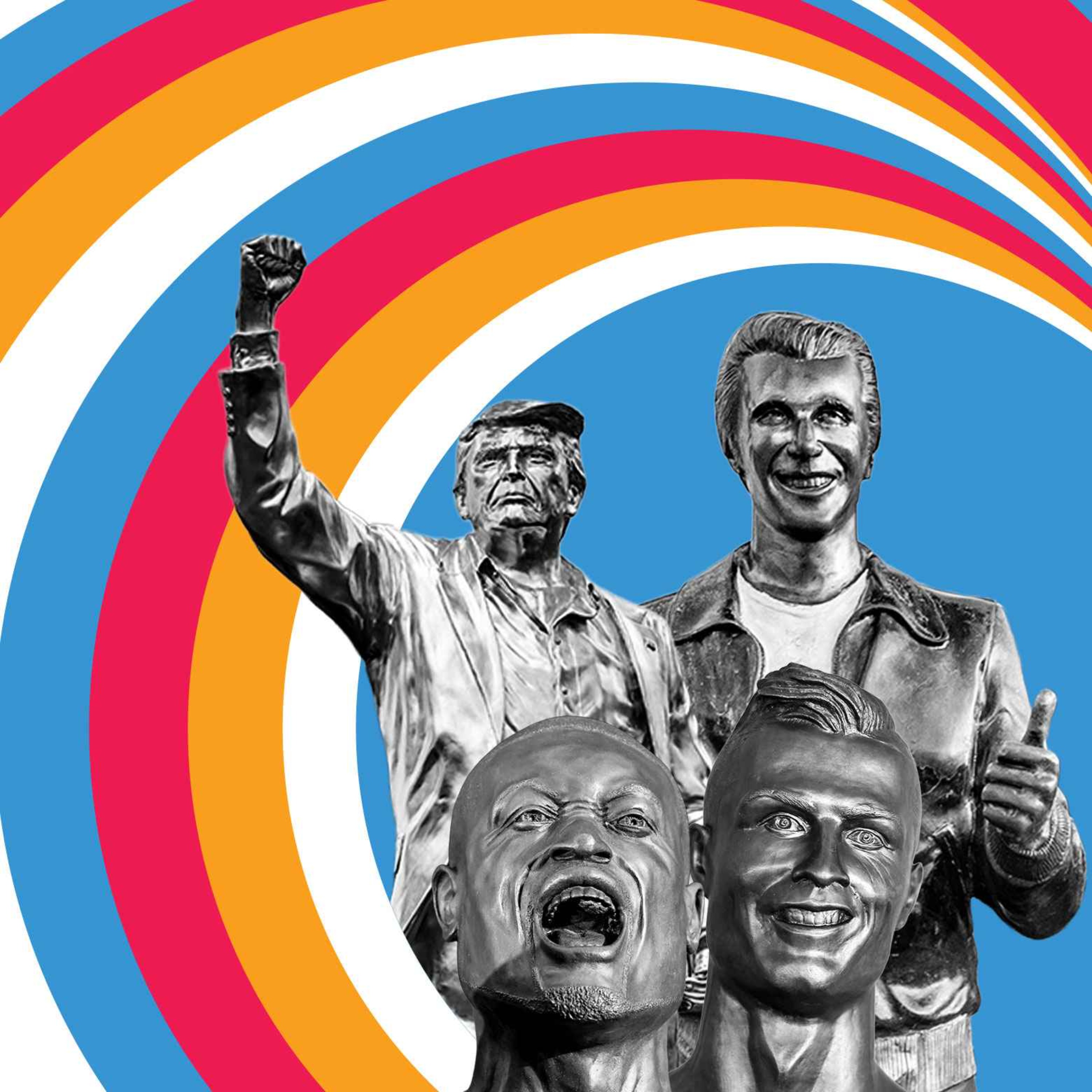
It seems like the only time you hear about new statues these days is when something goes horribly wrong. Unfortunate bronze renditions of Lucille Ball, Cristiano Ronaldo, Dwayne Wade, and many others are always going viral, becoming a fixture of late-night shows and mocking comment sections. Is the internet too harsh a critic? Or is American statuary a total bust? In this episode of Decoder Ring, host Willa Paskin talks to artist Atalanta Arden-Miller about what’s happened to one of the oldest artistic traditions in the world—why so many contemporary statues turn out off-center, off-kilter, and off-putting. The answer takes us from ancient Greece to Nazi Germany to North Korea. This episode was written by Willa Paskin. It was produced by Max Freedman. It was edited by Josh Levin and Evan Chung, our supervising producer. Merritt Jacob is Senior Technical Director. Our intern is Phoebe Mulder. Special thanks to the Works in Progress Podcast, where we first heard Atalanta talk about the dismal state of statuary today. If you have any cultural mysteries you want us to decode, email us at DecoderRing@slate.com or leave a message on our hotline at (347) 460-7281. Get more of Decoder Ring with Slate Plus! Join for exclusive bonus episodes of Decoder Ring and ad-free listening on all your favorite Slate podcasts. Subscribe from the Decoder Ring show page on Apple Podcasts or Spotify. Or, visit slate.com/decoderplus for access wherever you listen. Need to set up your Slate Plus feed? If you subscribed through Slate.com, check out our FAQ at slate.com/podcastfaqs for easy instructions. Members subscribed via Apple Podcasts get automatic access—no setup required. Hosted on Acast. See acast.com/privacy for more information.
49 minPlay in:

Wed20May
Decoder RingAS

Alex SammonGuest

No Pulp: The Killing of the Florida Orange

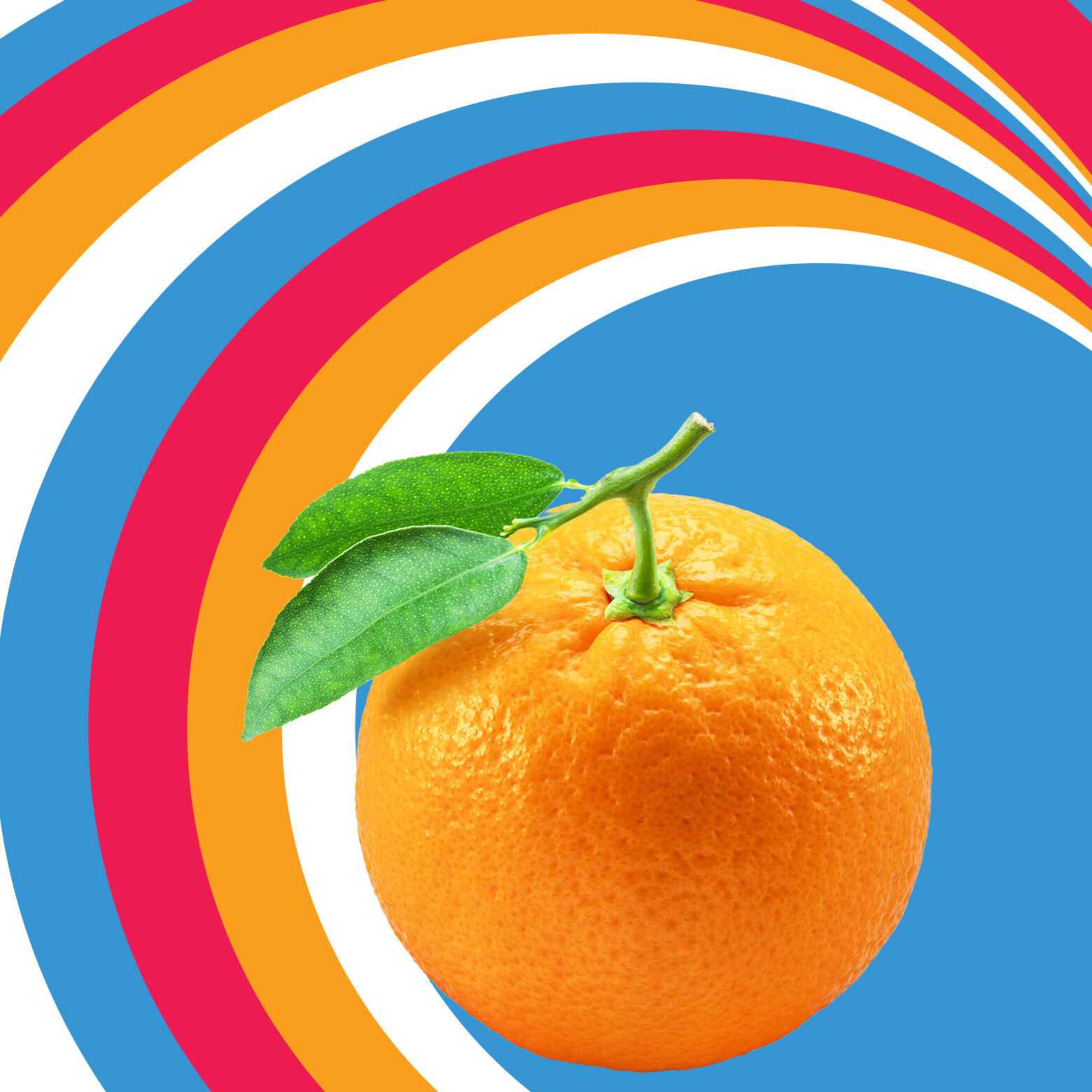
Like the palm tree, the Everglades, Disney World, and the “Florida Man,” the orange is a classic symbol of the Sunshine State. But maybe not for much longer. Production has declined to catastrophic levels, a decrease of more than 95% in less than 25 years. It’s a produce murder mystery—and Decoder Ring is tagging along with reporter Alex Sammon to crack the case. The suspects include insects, hurricanes, mortgage-backed securities, and the American habit of not reckoning with enormous, load-bearing flaws until it’s way too late. In this episode, you’ll hear from Alex, a feature writer at Slate, who visited Florida to check on the orange and write about its demise. You’ll also hear from Gary Mormino, Florida lover, expert, and professor emeritus of Florida Studies at the University of South Florida. This episode was produced by Katie Shepherd and Evan Chung, Decoder Ring’s supervising producer. It was edited by Josh Levin. Decoder Ring is also produced by Willa Paskin and Max Freedman. Merritt Jacob is Senior Technical Director. If you have any cultural mysteries you want us to decode, email us at DecoderRing@slate.com or leave a message on our hotline at (347) 460-7281. Get more of Decoder Ring with Slate Plus! Join for exclusive bonus episodes of Decoder Ring and ad-free listening on all your favorite Slate podcasts. Subscribe from the Decoder Ring show page on Apple Podcasts or Spotify. Or, visit slate.com/decoderplus for access wherever you listen. Sources for This Episode Hamilton, Alissa. Squeezed: What You Don't Know about Orange Juice, Yale University Press, 2010. Hussey, Scott D. “The Sunshine State's Golden Fruit: Florida And The Orange,1930-1960,” USF Tampa Graduate Theses and Dissertations, Apr. 2, 2010. McPhee, John. Oranges, Farrar, Straus and Giroux, 1967. Mormino, Gary. “The enduring but endangered symbol of Florida,” The Gainesville Sun, Apr. 3, 2016. Sammon, Alex. “Who Killed The Florida Orange?” Slate, Apr. 20, 2026. Walkey, Will and Amory Sivertson. “The fall of Florida citrus,” On Point, Aug. 19, 2025 Need to set up your Slate Plus feed? If you subscribed through Slate.com, check out our FAQ at slate.com/podcastfaqs for easy instructions. Members subscribed via Apple Podcasts get automatic access—no setup required. Hosted on Acast. See acast.com/privacy for more information.
41 minPlay in:

Wed6May
Decoder RingAB

Andrew BegnochéEli SpindelFrank Hentscheland 2 moreGuest

Mailbag: Spooky Strings, Phone Menu Options, and Eye Rolls

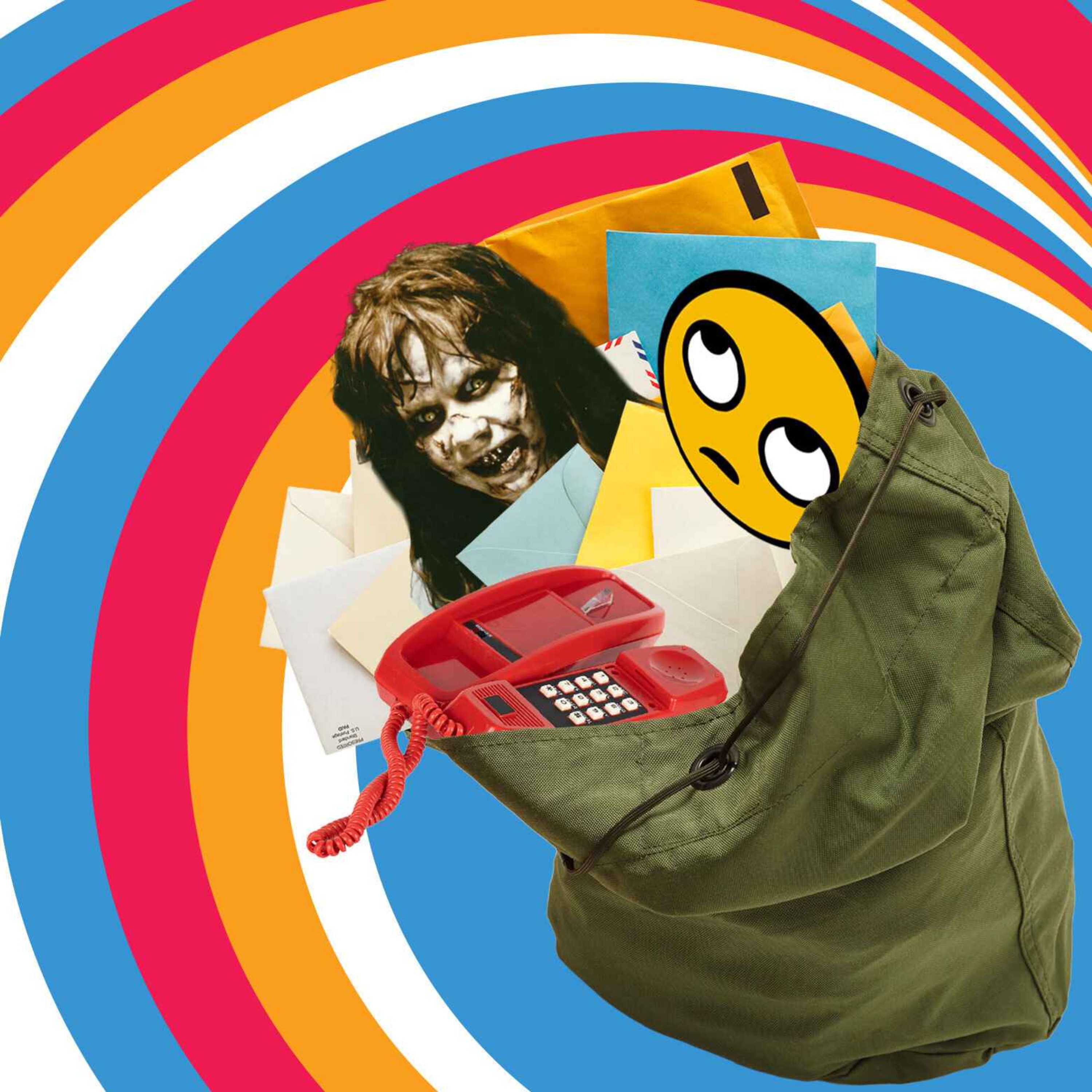
We are lucky to get fantastic questions from our listeners here at Decoder Ring, and in this episode, we’re going to open up our mailbag to answer three of them. What are the origins of an eerie horror film string motif? Why do companies insist on telling callers to “listen closely” to menu options that could not possibly have changed? And when did we start using the indispensable eye roll? In this episode, you’ll hear from historical musicologist Frank Hentschel, as well as Eli Spindel, artistic director of the String Orchestra of Brooklyn. We also speak with writer Nick Greene, Holdcom CEO Andrew Begnoché, and linguist Dr. Rebecca Clift. This episode was produced by Katie Shepherd and Evan Chung, our supervising producer. Decoder Ring is also produced by Max Freedman. Merritt Jacob is Senior Technical Director. Special thanks to Nicole Holliday, and to Leilehua Lanzilotti, whose website Shaken Not Stuttered is a fantastic resource about extended techniques for strings. If you have any cultural mysteries you want us to decode, email us at DecoderRing@slate.com or leave a message on our hotline at (347) 460-7281. Get more of Decoder Ring with Slate Plus! Join for exclusive bonus episodes of Decoder Ring and ad-free listening on all your favorite Slate podcasts. Subscribe from the Decoder Ring show page on Apple Podcasts or Spotify. Or, visit slate.com/decoderplus for access wherever you listen. Need to set up your Slate Plus feed? If you subscribed through Slate.com, check out our FAQ at slate.com/podcastfaqs for easy instructions. Members subscribed via Apple Podcasts get automatic access—no setup required. Hosted on Acast. See acast.com/privacy for more information.

48 minPlay in:

Wed14Jan
Decoder RingDM

Dustin MalekGuest

Decoder Rings Back | Why the Mona Lisa?

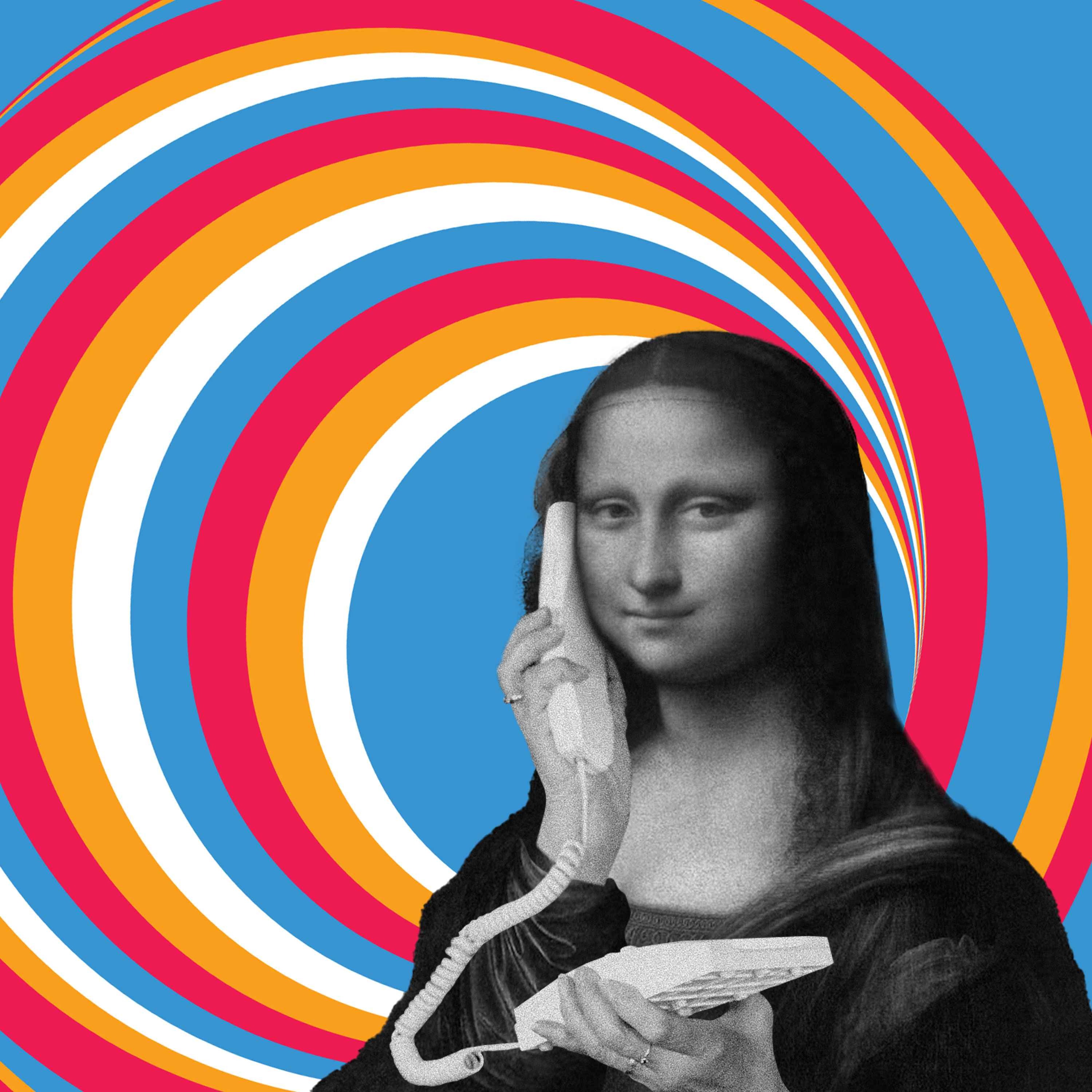
We are really lucky to get lots of listener suggestions for the show, more good questions than we can possibly answer in a mailbag episode once or twice a year. So we’re starting a new segment we call… Decoder Rings Back! Every month, host Willa Paskin will personally call up a listener to answer their question. In this inaugural installment of Decoder Rings Back, Willa calls up listener Dustin Malek about his cultural mystery: Why did the Mona Lisa, of all paintings, become the most famous in the world, bar none? Willa shares the story of daring heist that turned Leonardo da Vinci’s enigmatic smiling subject into a celebrity. Future episodes of Decoder Rings Back will only be available to Slate Plus subscribers. So if you want to be sure not to miss them, sign up for Slate Plus! You’ll get exclusive episodes and ad-free listening not just on our show, but all your favorite Slate podcasts. Subscribe from the Decoder Ring show page on Apple Podcasts or Spotify, or visit slate.com/decoderplus for access wherever you listen. This episode was produced by Max Freedman. Decoder Ring is also produced by Katie Shepherd and Evan Chung, our supervising producer. Merritt Jacob is Senior Technical Director. If you have any cultural mysteries you want us to decode, email us at DecoderRing@slate.com or leave a message on our hotline at (347) 460-7281. Sources for This Episode Cumming, Laura. “The man who stole the Mona Lisa,” The Guardian, August 5, 2011. Hoobler, Dorothy, and Thomas Hoobler. “Stealing Mona Lisa,” Vanity Fair, April 16, 2009. Hoobler, Dorothy, and Thomas Hoobler. The Crimes of Paris: A True Story of Murder, Theft, and Detection, Bison Books, 2010. Isaacson, Walter. Leonardo da Vinci, Simon & Schuster, 2018. Roberts, Sam. “Happy Birthday to the Man Who Stole the Mona Lisa and Took It to Italy,” The New York Times, October 7, 2022. Sassoon, Donald. “Mona Lisa: The Best-Known Girl in the Whole Wide World,” History Workshop Journal, Spring 2001. Sassoon, Donald. Mona Lisa: The History of the World’s Most Famous Painting, HarperCollins, 2016. “The Theft That Made The 'Mona Lisa' A Masterpiece,” NPR, July 30, 2011. Zug, James. “Stolen: How the Mona Lisa Became the World’s Most Famous Painting,” Smithsonian Magazine, June 15, 2011. Need to set up your Slate Plus feed? If you subscribed through Slate.com, check out our FAQ at slate.com/podcastfaqs for easy instructions. Members subscribed via Apple Podcasts get automatic access—no setup required. Hosted on Acast. See acast.com/privacy for more information.

25 minPlay in:

Guests from more than 12 months ago are part of Pro. See plans