Whether you’re curious about getting healthy, the Big Bang or the science of cooking, find out everything you need to know with Instant Genius. The team behind BBC Science Focus Magazine talk to world-leading experts to bring you two bite-sized masterclasses on a new subject each week. New episodes are released every…
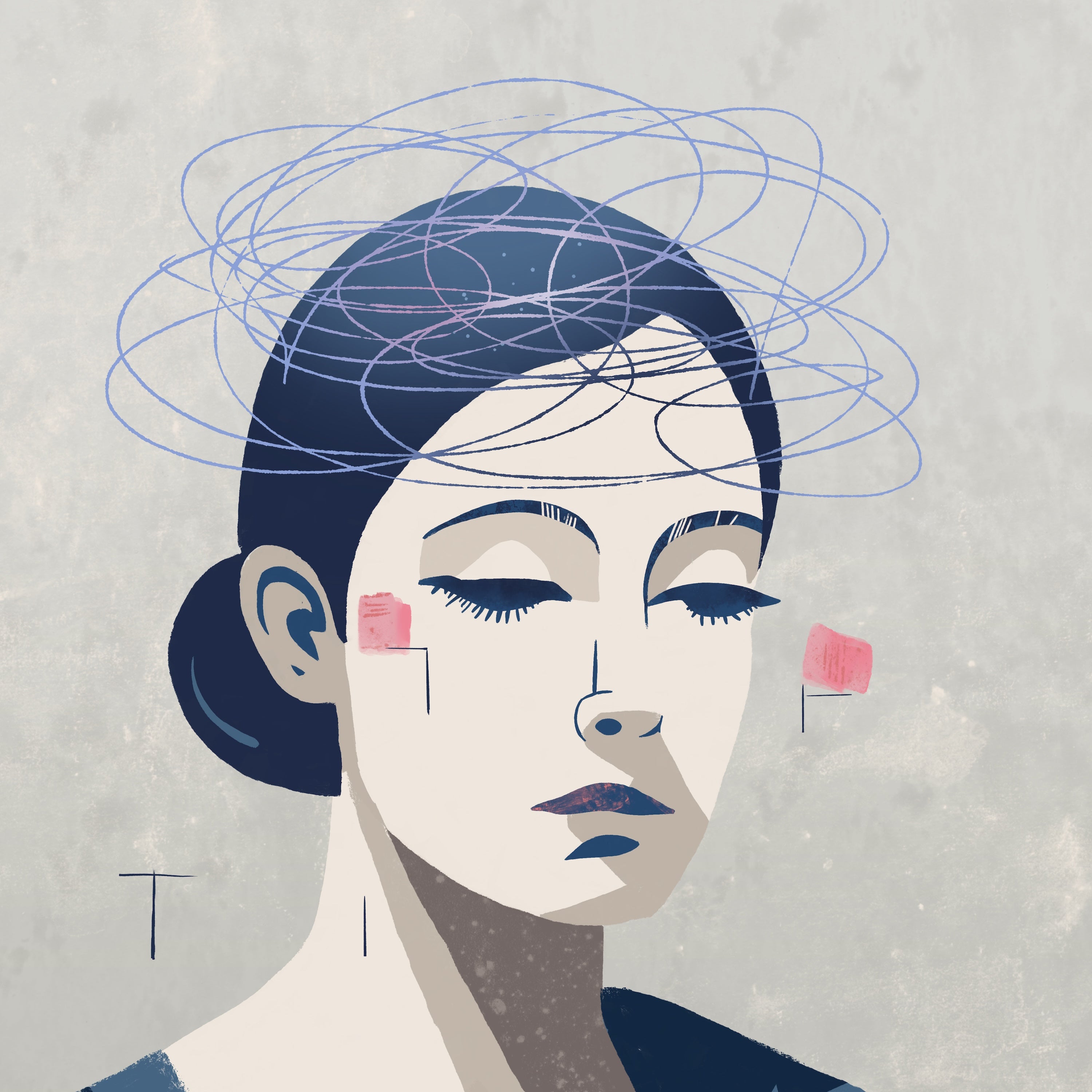
We’re currently living in a time in which the control we have over almost every aspect of our lives is greater than ever before. We can choose what to eat and when, pick what career path we want to take, decide how we spend our free time and so on. While this has many benefits and advantages, could it also be contributing to the rise in mental health issues such as anxiety, loneliness, and even deep existential despair?
In this episode, we’re joined by Dr Anna Lembke, a best-selling author and psychiatrist based at Stanford University, to talk about her latest book, Radical Surrender – Letting Go in a World Addicted to Control.
She tells us how our desire to control our lives has become so strong it can be considered to be an addiction, explains how this narrative is grounded in our innate fear of uncertainty, and shares some ways in which we can begin to surrender ourselves life’s uncertainties.
Take your curiosity further with a subscription to BBC Science Focus magazine. Every issue is packed with fascinating insights into the science behind everyday life, the latest breakthroughs and expert analysis, delivered straight to your door. Receive an extra £5 when you subscribe using the code SF5OFF, (minimum spend £20, see full terms and conditions on our website).
https://www.ourmediashop.com/bbc-science-focus-magazine-pod30
Learn more about your ad choices. Visit podcastchoices.com/adchoices
Often when we watch a movie, play a video game or read a novel, we find ourselves asking how plausible the events being portrayed really are. Statistically, what were Frodo’s chances of making it to Mount Doom, could the Death Star really destroy an entire planet with a single laser beam, and who would be wealthier, Sonic or Mario?
In this episode, we’re joined by Dr Tom Crawford, a mathematician based at the University of Oxford, YouTuber and author, to talk about his latest book, How Many Pikachus Would It Take to Power a Lightbulb? The Real Maths of Fantasy Worlds.
He explains how he uses his knowledge of maths in a fun way to analyse the goings-on in fantasy worlds, tackles some mathematical questions taken from his favourite fantasy franchises, and tells us why he firmly believes maths can be applied to absolutely anything.
Take your curiosity further with a subscription to BBC Science Focus magazine. Every issue is packed with fascinating insights into the science behind everyday life, the latest breakthroughs and expert analysis, delivered straight to your door. Receive an extra £5 when you subscribe using the code SF5OFF, (minimum spend £20, see full terms and conditions on our website).
https://www.ourmediashop.com/bbc-science-focus-magazine-pod30
Learn more about your ad choices. Visit podcastchoices.com/adchoices
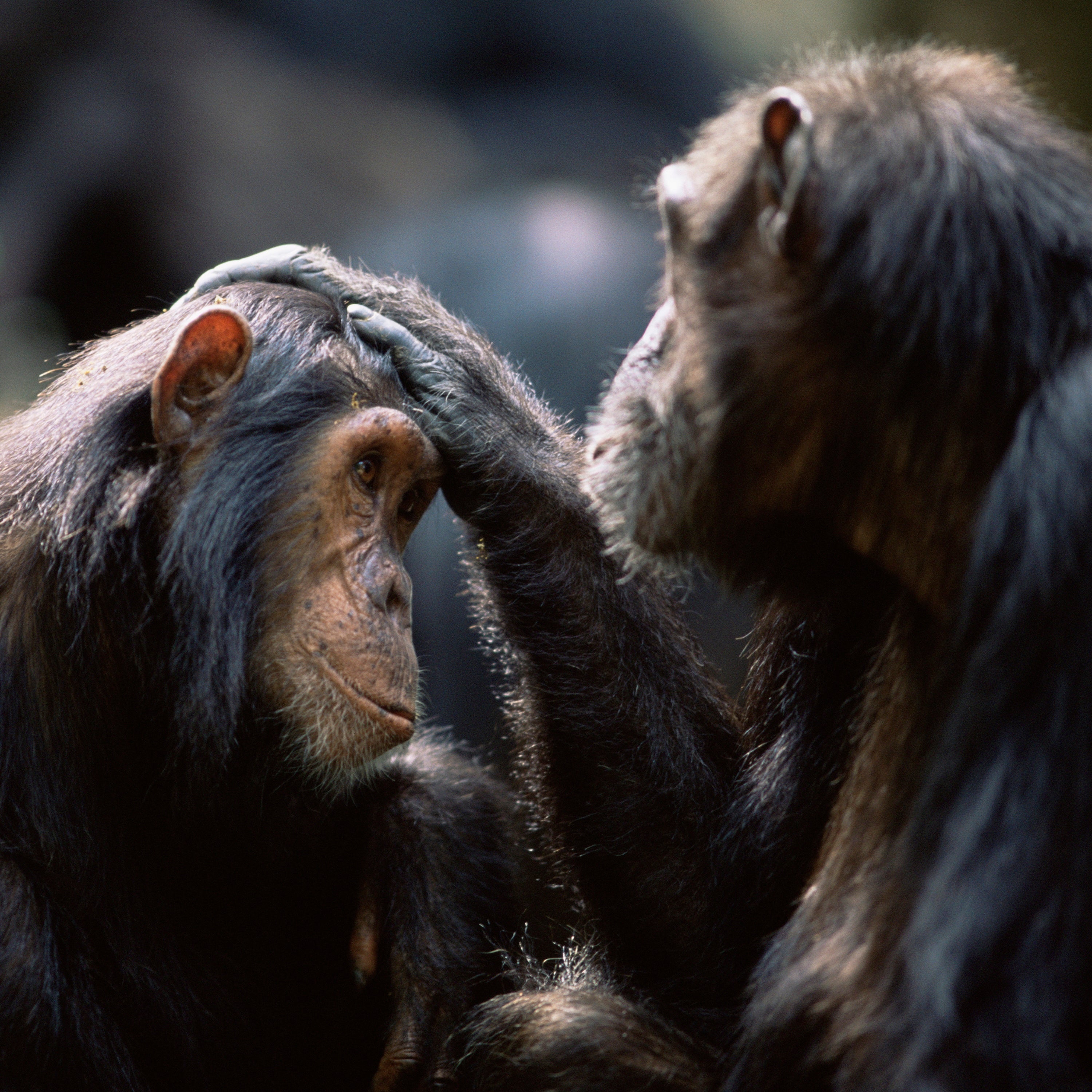
When we humans are feeling unwell, we can simply visit a pharmacy or doctor to pick up medicine that can help us to recover. Of course, wild animals don’t have this option, but nevertheless there are dozens and dozens of examples of everything from chimpanzees to butterflies seeking out and using natural medicines to heal themselves when they get sick.
In this episode, we’re joined by Prof Jaap de Roode, a biologist and author based at Emory University, to talk about his latest book, Doctors by Nature – How Ants, Apes and Other Animals Heal Themselves.
He talks us through some of the theories explaining how self-medicating behaviour developed in animals, explains how understanding these activities can aid us in conservation activities, and tells us how studying the way animals use natural medicines can help us to treat our own illnesses.
Take your curiosity further with a subscription to BBC Science Focus magazine. Every issue is packed with fascinating insights into the science behind everyday life, the latest breakthroughs and expert analysis, delivered straight to your door. Receive an extra £5 when you subscribe using the code SF5OFF, (minimum spend £20, see full terms and conditions on our website).
https://www.ourmediashop.com/bbc-science-focus-magazine-pod30
Learn more about your ad choices. Visit podcastchoices.com/adchoices
In the late 1950s the scientist and novelist C.P. Snow declared that there’s a deep divide between the world of the arts and the world of science, as he famously said they are two cultures. He argued that, oftentimes, those involved in the arts have little knowledge or interest in science and the same vice versa. Even at the time this was a controversial opinion, but it’s an idea that has never truly gone away.
In this episode, we’re joined by Prof Anne Osbourn, a biologist based at the John Innes Centre and founder of the Science, Art and Writing (SAW) Trust to talk about the crossover between art and science and to share some poems from her collection Rockall.
She talks to us about her lifelong love of both science and the arts, how creative thinking is essential in both disciplines, and shares the work the SAW Trust does on encouraging us all to explore every aspect of the way we view the world.
Take your curiosity further with a subscription to BBC Science Focus magazine. Every issue is packed with fascinating insights into the science behind everyday life, the latest breakthroughs and expert analysis, delivered straight to your door. Receive an extra £5 when you subscribe using the code SF5OFF, (minimum spend £20, see full terms and conditions on our website).
https://www.ourmediashop.com/bbc-science-focus-magazine-pod30
Learn more about your ad choices. Visit podcastchoices.com/adchoices
Every night when we fall asleep, our brains and bodies switch into a mode of functioning that’s entirely different from that of our waking lives. During sleep, our bodies become essentially paralysed, and our brains conjure up bizarre scenarios through dreams or even nightmares. But what exactly is happening during this period of our daily lives, why do we do it in the first place, and what can we learn about ourselves from it?
In this episode, we’re joined by Dr Baland Jalal to talk about his latest book, The Phantom Mind – Insights from the Borderlands of Sleep.
He tells us how our brain functions alter when we fall asleep, why the emotional content of our dreams feels so real despite often being so bizarre, and why some of us remember our dreams more than others after waking.
Take your curiosity further with a subscription to BBC Science Focus magazine. Every issue is packed with fascinating insights into the science behind everyday life, the latest breakthroughs and expert analysis, delivered straight to your door. Receive an extra £5 when you subscribe using the code SF5OFF, (minimum spend £20, see full terms and conditions on our website).
https://www.ourmediashop.com/bbc-science-focus-magazine-pod30
Learn more about your ad choices. Visit podcastchoices.com/adchoices
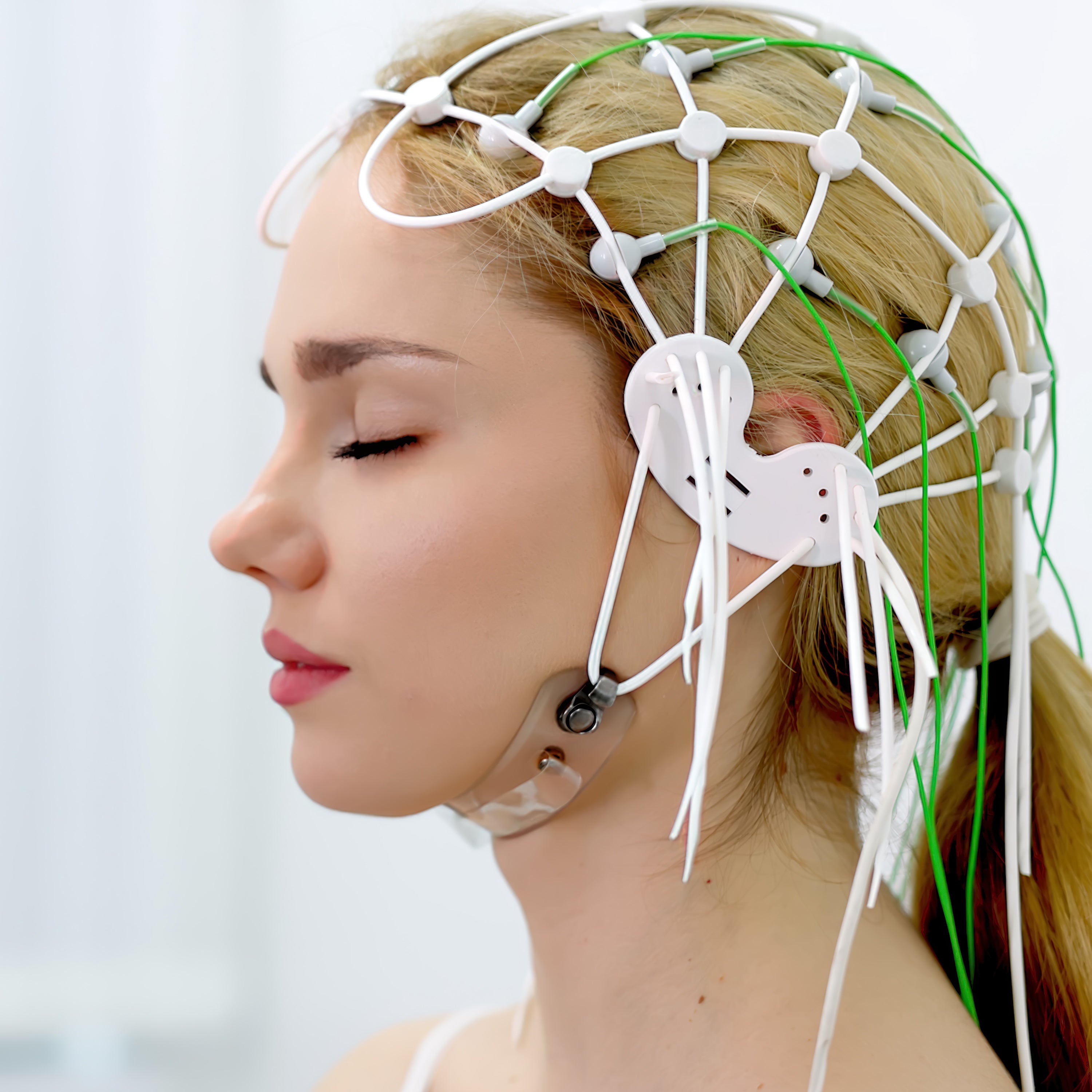
Since the discovery of electricity, scientists, inventors and engineers have attempted to figure out ways in which this often-mysterious force could influence our brains and behaviour. History is littered with all manner of wild experiments, many of which were less successful than others, but could it be that we’re entering an age in which it’s possible to not only manipulate the electrical impulses that fire in our brains but to use them to connect us with machines?
In this episode, we’re joined by cultural historian and author Mike Jay to talk about his latest book, Wireheads – An Unnatural History of Technology in the Brain.
He tells us about some of the key historical figures who have attempted to manipulate our brains using electrical implants, how this idea arose in the first place, and how the idea moved from fringe practices to genuine innovations in modern medicine.
Take your curiosity further with a subscription to BBC Science Focus magazine. Every issue is packed with fascinating insights into the science behind everyday life, the latest breakthroughs and expert analysis, delivered straight to your door. Receive an extra £5 when you subscribe using the code SF5OFF, (minimum spend £20, see full terms and conditions on our website).
https://www.ourmediashop.com/bbc-science-focus-magazine-pod30
Learn more about your ad choices. Visit podcastchoices.com/adchoices
Almost as soon as we are able to speak, we start asking our parents, relatives, and teachers an almost frustratingly large number of ‘why questions’. It’s an essential part of the natural human desire to understand the world in which we live. However, answering these questions is often much more complicated than it may first seem. What makes one explanation easier to understand than another, and how can we do it better?
In this episode, we’re joined by Prof Tania Lombrozo, a psychologist and author based at Princeton University, to talk about her latest book, Why We Ask Why – The Science of Explanation and the Human Drive to Understand.
She tells us how explanations come in many different forms based on our knowledge, communication skills, and relationships, talks about the traps of over- or under-explaining that we all often fall into, and investigates the effect that AI is having on the way we receive and interpret information.
Take your curiosity further with a subscription to BBC Science Focus magazine. Every issue is packed with fascinating insights into the science behind everyday life, the latest breakthroughs and expert analysis, delivered straight to your door. Receive an extra £5 when you subscribe using the code SF5OFF, (minimum spend £20, see full terms and conditions on our website).
https://www.ourmediashop.com/bbc-science-focus-magazine-pod30
Learn more about your ad choices. Visit podcastchoices.com/adchoices
From the neatly curated English country garden to the wild jungles of the Amazon, the Earth is host to a staggeringly diverse range of plant life. One of the key reasons for the great evolutionary success of plants is the wide-ranging versatility and utility of the leaves that grow on them.
In this episode we’re joined by Prof Jonathan Silvertown, an evolutionary ecologist based at the University of Edinburgh, to talk about his latest book, Nature’s Magicians – How Leaves Conjure Up Our World.
He tells us how plants act as one of the natural world’s master chemists, explains how they contain internal clocks that allow them to track the time of day and even the time of the year, and details how they detect and respond to light, sounds, and even predatory attacks.
Take your curiosity further with a subscription to BBC Science Focus magazine. Every issue is packed with fascinating insights into the science behind everyday life, the latest breakthroughs and expert analysis, delivered straight to your door. Receive an extra £5 when you subscribe using the code SF5OFF, (minimum spend £20, see full terms and conditions on our website).
https://www.ourmediashop.com/bbc-science-focus-magazine-pod30
Learn more about your ad choices. Visit podcastchoices.com/adchoices
Every built environment we spend our time in, our homes, offices, music venues or sports stadiums – is designed and constructed after hours of consideration about form and function. Oftentimes, less consideration is given to the impact this has on the health of the planet.
In this episode, we’re joined by Will Arnold, an environmentalist, engineer, and author, to talk about his latest book, Future Build – How Construction Can Heal Our Planet.
He breaks down the huge environmental impact the five most common materials we use to construct the buildings we spend our lives in have on our planet, tells us some of the ways we could be producing these materials more efficiently and using them more thoughtfully, and looks to a future in which we can construct buildings that are more in tune with the environments they’re built in.
Take your curiosity further with a subscription to BBC Science Focus magazine. Every issue is packed with fascinating insights into the science behind everyday life, the latest breakthroughs and expert analysis, delivered straight to your door. Receive an extra £5 when you subscribe using the code SF5OFF, (minimum spend £20, see full terms and conditions on our website).
https://www.ourmediashop.com/bbc-science-focus-magazine-pod30
Learn more about your ad choices. Visit podcastchoices.com/adchoices
A late summer sunset, a peaceful, verdant forest, or a Shakespearean sonnet – these are all things that move us emotionally thanks to what we perceive as their beauty. But why is this so, why do environments, art, music, and even ideas move us so emotionally?
In this episode, we’re joined by Prof Nicholas Humphrey, an evolutionary psychologist and author, to talk about his latest book, Why Is the World So Beautiful? Our Minds in Search of Nature’s Rhymes.
He tells us how our sense of beauty is likely linked to our evolutionary tendency to seek out the patterns found in nature, why the appreciation of beauty seems to be unique to humans, and explains how our sense of beauty is anchored in the way that we try to understand the world we live in.
Take your curiosity further with a subscription to BBC Science Focus magazine. Every issue is packed with fascinating insights into the science behind everyday life, the latest breakthroughs and expert analysis, delivered straight to your door. Receive an extra £5 when you subscribe using the code SF5OFF, (minimum spend £20, see full terms and conditions on our website).
https://www.ourmediashop.com/bbc-science-focus-magazine-pod30
Learn more about your ad choices. Visit podcastchoices.com/adchoices
Currently, around one in ten of us are living with asthma. For many, the symptoms can be relatively mild, but for others, attacks can be severe, debilitating, and even life-threatening. For the most part, we’ve relied on the same method of treatment to manage the condition for the last few decades. However, new research is showing great promise in helping those who suffer from this often-overlooked condition.
In this episode, we’re joined by Dr Samantha Walker, director of research at Asthma + Lung UK.
She tells us how asthma occurs in several different forms, why we still have so much to learn about the root causes of asthma, and how new technology can help us to treat this often-misunderstood condition more effectively.
Take your curiosity further with a subscription to BBC Science Focus magazine. Every issue is packed with fascinating insights into the science behind everyday life, the latest breakthroughs and expert analysis, delivered straight to your door. Receive an extra £5 when you subscribe using the code SF5OFF, (minimum spend £20, see full terms and conditions on our website).
https://www.ourmediashop.com/bbc-science-focus-magazine-pod30
Learn more about your ad choices. Visit podcastchoices.com/adchoices
Though often thought of as the poor cousin to our other senses, our sense of smell has played a key role in human life since its very beginnings. It helps us to determine whether certain foods are safe to eat, protects us from environmental dangers such as fire, mould and toxic chemicals, and has even been weaponised for use as a form of racial or economic discrimination. Without it, the world would be a vastly different place.
In this episode we’re joined by Dr William Tullett, an historian and author based at the University of York, to talk about his new book, Sniff – A History of Smells.
He tells us how advances in technology over the last several centuries have resulted in significant impacts on the odours that pervade our everyday lives, how many of us would rather give up our sense of smell than our phones, and explains how we can all reconnect with our sense of smell to widen our experience of the world we live in.
Take your curiosity further with a subscription to BBC Science Focus magazine. Every issue is packed with fascinating insights into the science behind everyday life, the latest breakthroughs and expert analysis, delivered straight to your door. Receive an extra £5 when you subscribe using the code SF5OFF, (minimum spend £20, see full terms and conditions on our website).
https://www.ourmediashop.com/bbc-science-focus-magazine-pod30
Learn more about your ad choices. Visit podcastchoices.com/adchoices
The possibility that we may be living in a simulation created by a more technologically advanced civilisation has occupied the minds of scientists, philosophers and fiction writers for decades. We may never be able to satisfactorily answer this question, but perhaps the best way of investigating its feasibility is by looking at how we might go about creating a simulation universe ourselves.
In this episode we’re joined by Prof Catherine Heymans, Astronomer Royal for Scotland, who investigates this question in her new book, How to Design a Universe – The Science of Real and Virtual Worlds, the royalties of which will be given to the Royal Observatory Trust, which supports astronomy youth projects across Scotland.
She tells us what our current knowledge tells us about the way that the universe operates, explains why we’d need an enormous amount of computing power to generate a simulation universe, and investigates the question of why we, or a more advanced civilisation, might attempt to do this in the first place.
Take your curiosity further with a subscription to BBC Science Focus magazine. Every issue is packed with fascinating insights into the science behind everyday life, the latest breakthroughs and expert analysis, delivered straight to your door. Receive an extra £5 when you subscribe using the code SF5OFF, (minimum spend £20, see full terms and conditions on our website).
https://www.ourmediashop.com/bbc-science-focus-magazine-pod30
Learn more about your ad choices. Visit podcastchoices.com/adchoices
Often in life, we find ourselves being accused of being lazy or accusing others of acting lazily, or maybe even becoming frustrated by what we see as laziness in our own actions. But what do we really mean by the term laziness, why is it viewed as a taboo that transcends cultures, and what effect does considering ourselves or others lazy have on our mental health?
In this episode, we’re joined by Prof Katrien Devolder, an ethicist based at the University of Oxford and research leader of Project Lazy.
She tells us about the different ways we view laziness in ourselves and others, why working smarter and more efficiently is often misconstrued as laziness, and the impact AI is having on our views of laziness.
Take your curiosity further with a subscription to BBC Science Focus magazine. Every issue is packed with fascinating insights into the science behind everyday life, the latest breakthroughs and expert analysis, delivered straight to your door. Receive an extra £5 when you subscribe using the code SF5OFF, (minimum spend £20, see full terms and conditions on our website).
https://www.ourmediashop.com/bbc-science-focus-magazine-pod30
Learn more about your ad choices. Visit podcastchoices.com/adchoices
When we know a certain fact about the world or hold a certain belief how do we know that others also know this, how do we base our thoughts and actions on our knowledge of what we assume others know, and what impact does this have on the way that society as a whole functions?
In this episode, we’re joined by Steven Pinker, a professor of psychology at Harvard University, best-selling author and two-time Pulitzer Prize finalist, to talk about his latest book, When Everyone Knows That Everyone Knows – Common Knowledge and the Science of Harmony, Hypocrisy and Outrage.
He tells us about the effects common knowledge has on social norms and the ways in which we all act, the profound effects that the Internet and social media has had on the way that common knowledge is spread and consumed, and how deepening our understanding of the implications common knowledge has on our lives can help us all get along more harmoniously.
Take your curiosity further with a subscription to BBC Science Focus magazine. Every issue is packed with fascinating insights into the science behind everyday life, the latest breakthroughs and expert analysis, delivered straight to your door. Receive an extra £5 when you subscribe using the code SF5OFF, (minimum spend £20, see full terms and conditions on our website).
https://www.ourmediashop.com/bbc-science-focus-magazine-pod30
Learn more about your ad choices. Visit podcastchoices.com/adchoices
Every several years, the surface temperatures of the Pacific Ocean rise, triggering a climate event that has a domino effect on weather patterns across the globe. This is known as El Niño – and this year, meteorologists predict we’re in for a big one. But how exactly do these events occur, how big an effect is climate change having on their frequency and impact, and what can we expect to see in the future?
In this episode, we’re joined by Prof Adam Scaife, head of long-range prediction at the Met Office in the UK.
He tells us how El Niño events arise in the Pacific Ocean and spread across the globe, how they’ve been occurring cyclically for thousands of years, and why the event this year is forecasted to be the most extreme in decades.
Take your curiosity further with a subscription to BBC Science Focus magazine. Every issue is packed with fascinating insights into the science behind everyday life, the latest breakthroughs and expert analysis, delivered straight to your door. Receive an extra £5 when you subscribe using the code SF5OFF, (minimum spend £20, see full terms and conditions on our website).
https://www.ourmediashop.com/bbc-science-focus-magazine-pod30
Learn more about your ad choices. Visit podcastchoices.com/adchoices
Though we’re often not aware of it, the ground beneath our feet is teeming with an abundance of life and activity – from the complex networks of fungi and tangled roots put down deep into the Earth by the plants that live on its surface to the staggering variety of organisms that make their homes in the damp and darkness of the soil. This vast, fascinating ecosystem is vital for the health of the planet but remains largely unstudied.
In this episode we’re joined by Dr Frank Ashwood, a lecturer in ecology and entomology at Lincoln University, New Zealand, to talk about his latest book, The World Beneath Our Feet – The Hidden Life of Soil and Why it Matters to us All.
He tells us how more than half of the planet’s biodiversity is found living within soil, how the animals that live underground have inspired innovations in medicine and technology and how we may be able to use our knowledge of soil biology on Earth to help us in our quest to establish colonies on other planets.
Take your curiosity further with a subscription to BBC Science Focus magazine. Every issue is packed with fascinating insights into the science behind everyday life, the latest breakthroughs and expert analysis, delivered straight to your door. Receive an extra £5 when you subscribe using the code SF5OFF, (minimum spend £20, see full terms and conditions on our website).
https://www.ourmediashop.com/bbc-science-focus-magazine-pod30
Learn more about your ad choices. Visit podcastchoices.com/adchoices
Parkinson’s disease currently affects more than 160,000 people in the UK. It’s a complex, progressive condition that typically develops slowly over many years and causes issues with movement, balance, and quality of life, and currently has no known cure.
In this episode, we’re joined by Prof David Dexter, director of research at Parkinson’s UK, to talk about the latest exciting developments in our knowledge of the disease’s progression and look forward to some cutting-edge treatments that may be available in the near future.
He tells us how the different types of Parkinson’s disease affect the brain, talks us through the latest thinking on some potential causes of the condition, and shares some of the latest breakthroughs coming out of Parkinson’s labs around the world.
Take your curiosity further with a subscription to BBC Science Focus magazine. Every issue is packed with fascinating insights into the science behind everyday life, the latest breakthroughs and expert analysis, delivered straight to your door. Receive an extra £5 when you subscribe using the code SF5OFF, (minimum spend £20, see full terms and conditions on our website).
https://www.ourmediashop.com/bbc-science-focus-magazine-pod30
Learn more about your ad choices. Visit podcastchoices.com/adchoices
When Charles Darwin published On the Origin of Species in the mid-nineteenth century, his theory of evolution by natural selection turned many of the scientific ideas of the day on their heads. The influence of the book was so profound that scientists are still studying its many implications to this day. And it turns out that, if we look closely enough, we find that investigating queerness in nature frequently played a central role in Darwin’s research and thinking.
In this episode, we’re joined by historian and author Dr Ross Brooks to talk about his latest book, Darwin and the Queer Origins of Life – A History of Sex and Science.
He shares some of the fascinating discoveries he made from poring over the many notebooks kept by Darwin, tells us how Darwin himself frequently proclaimed that all men and women are hermaphrodites, and makes a passionate case for the need for more queer perspectives and inclusivity in science.
Take your curiosity further with a subscription to BBC Science Focus magazine. Every issue is packed with fascinating insights into the science behind everyday life, the latest breakthroughs and expert analysis, delivered straight to your door. Plus, save an extra £5 when you subscribe using the code SF5OFF, (minimum spend £20, see full terms and conditions on our website).
https://www.ourmediashop.com/bbc-science-focus-magazine-pod30
Learn more about your ad choices. Visit podcastchoices.com/adchoices
Currently there are around one million people in the UK living with dementia. Despite significant advances in our understanding of the disease over the past several decades an effective cure is yet to be found. However, recent breakthroughs made by researchers around the world are showing great promise in the treatment of this devasting condition.
In this episode, we’re joined by Prof Selina Wray, a neuroscientist and researcher based at University College London, to talk about the latest developments in the fight against dementia.
She explains exactly what’s happening in our brains as dementia progresses, tells us about her own groundbreaking research on using stem cells to study the disease, and talks us through some of the many exciting developments that are showing great promise in our search for more effective treatments.
Take your curiosity further with a subscription to BBC Science Focus magazine. Every issue is packed with fascinating insights into the science behind everyday life, the latest breakthroughs and expert analysis, delivered straight to your door. Plus, save an extra £5 when you subscribe using the code SF5OFF, (minimum spend £20, see full terms and conditions on our website).
https://www.ourmediashop.com/bbc-science-focus-magazine-pod30
Learn more about your ad choices. Visit podcastchoices.com/adchoices
Way back in 1976, NASA’s Viking landers touched down on Mars to search for potential signs of microbial life that could currently exist on the planet’s surface. Despite the mission making a number of promising discoveries, so far, no further landers have returned to the surface of the Red Planet with the aim of repeating these fascinating experiments. As such, many questions still remain as to what organisms, if any, could potentially be living within the Martian soil.
In this episode, we’re joined by astrobiochemist and author Steven A. Benner to talk about his latest book, Meet the Neighbours – Life on Mars and How to Find it.
He talks us through some of the scientific debates surrounding the Viking data that continue to this day, tells us how our knowledge of the evolution of life on Earth informs our search for life elsewhere in the Solar System, and explains how recent innovations in the democratisation of spacecraft technology may reignite our search for life on Mars.
Learn more about your ad choices. Visit podcastchoices.com/adchoices
Every single day of our lives, we’re exposed to a vast multitude of experiences and interactions with the various people, objects and technologies in the wider world that surrounds us. The chances are that many of us give these moment-to-moment encounters very little thought. But could it be that our desire for convenience, efficiency and productivity has resulted in a widening rift that has ultimately disconnected us from many of the simple pleasures that life can provide?
In this episode, we’re joined by Prof Ian Bogost, a computer science and design researcher based at Washington University and author, to talk about his latest book, The Small Stuff – The Sensory Enchantment of Everyday Life.
He tells us why he proposes that our lives have been incrementally dematerialised thanks to the relentless technological drive for efficiency, why we find pleasure and gratification in sensory experiences, and how, by paying more attention to the simple act of doing rather than the final outcome of our actions, we can all live more deeply enriching lives.
Learn more about your ad choices. Visit podcastchoices.com/adchoices
While largely viewed as a toxic waste product with no practical use, our urine is actually rich in all manner of valuable nutrients that, with a little effort, can be extracted, recycled and converted into fertiliser for use on food crops, used to make building materials or even used to generate electricity.
In this episode, we’re joined by Kai Udert, a researcher based at the Swiss Federal Institute for Aquatic Science and Technology, to talk about the many ways we could be putting our pee to better use.
He tells us how our current systems of dealing with wastewater came into being, what happens to our urine once we flush it down the toilet, and talks us through some ways in which we may be able to make more use of this common, overlooked resource.
Learn more about your ad choices. Visit podcastchoices.com/adchoices
It’s a good bet that if most of us were to glance around our living rooms or offices, we’d quickly spot all manner of electronic devices that are powered by microchips. Since their introduction in the 1950s, chips have become one of the fundamental building blocks of the various digital technologies we rely on in our daily lives. What impact has this had on the development of technology, economics and global politics over the last several decades, and what roles will chips continue to play in our global future?
In today’s episode, we’re joined by Prof Rakesh Kumar, John Bardeen Faculty Scholar in the Electrical and Computer Engineering Department at the University of Illinois, to talk about his latest book, The Chip Age – How Chips Shaped Our Past and Will Define Our Future.
He tells us about the key role the space race played in the rapid development of microchips, explains how the production of chips involves collaboration between countries in almost every part of the world and talks us through some of the various economic, political and environmental issues that may influence the future of this vital technology.
Learn more about your ad choices. Visit podcastchoices.com/adchoices
For most of us, music has a unique, almost supernatural, ability to trigger our emotions and memories and conjure up evocative images or even fantasies in our minds in a way that few other experiences or art forms can. But what exactly is happening in our brains when we listen to music, is there such a thing as a common musical experience that’s shared by people from different cultures and backgrounds, and can we use any of these powerful effects to help bolster our health and wellbeing?
In this episode, we’re joined by Prof Elizabeth Margulis, director of the Music Cognition Lab at Princeton University, to talk about her latest book, Transported – The Everyday Magic of Musical Daydreams.
She tells us how, while we may think of listening to music as a highly subjective experience, there are many universal ways people from all walks of life are affected by it, how researchers are studying this fascinating phenomenon, and how we may be able to harness these deeply human effects to help boost our mental health, wellbeing and even creativity.
Learn more about your ad choices. Visit podcastchoices.com/adchoices
26 minAbspielen in:
Gäste, die länger als 12 Monate zurückliegen, gibt es mit Pro. Pläne ansehen