Therapy Works cover
Podcast

Therapy Works

von The Times

Therapy Works hatte in den letzten 12 Monaten 12 bestätigte Gäste in 12 Folgen. Zuletzt: Andrea McLean, 25. Nov. 2026.

Website der SendungApple PodcastsSo werden Gäste bestätigt

Conversations about life's biggest challenges. Bestselling author and psychotherapist Julia Samuel invites us into her therapy room as she talks to both known and unknown voices about events and experiences we will all face - and how we face them. Therapy Works is full of therapeutic conversations which may contain…

Gäste der Sendung

Mi25Nov
Therapy WorksAndrea McLean

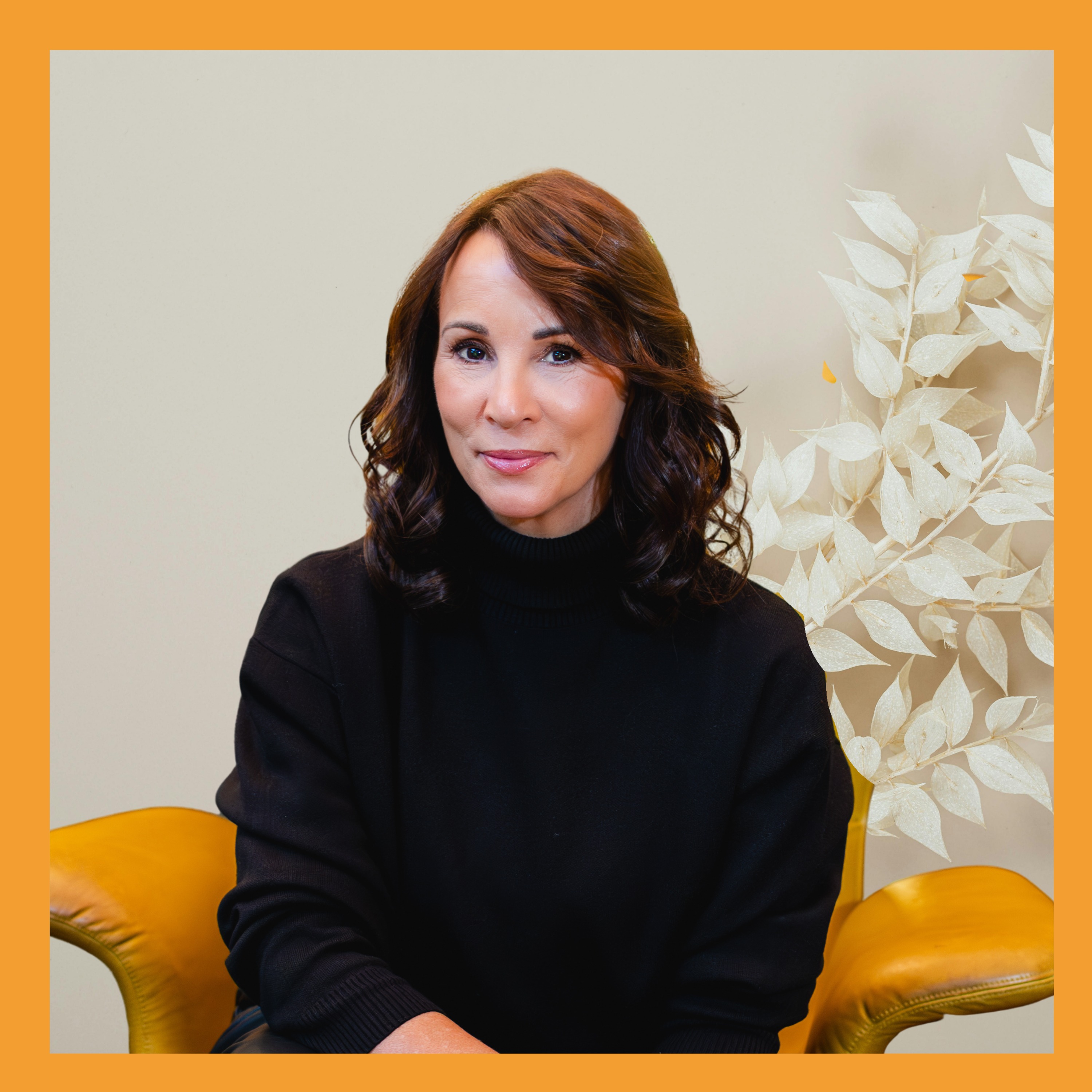
Andrea McLeanGast

Andrea McLean on finding happiness after losing everything

How do you rebuild your life after financial ruin? Andrea McLean joins psychotherapist Julia Samuel to discuss shame, burnout and finding resilience. For more than two decades, Andrea McLean was one of Britain's most recognisable television presenters, best known for her years on Loose Women. But after walking away from her successful career to pursue her own business, her life unravelled. Her business struggled, she became seriously ill and she and her husband eventually lost their home. Behind the public image of success, Andrea was confronting profound feelings of shame, failure and a loss of identity. In this deeply personal conversation with psychotherapist Julia Samuel, Andrea opens up about the emotional consequences of losing everything she had worked for and the reality of financial ruin. She recalls being told that her star had faded, the shame surrounding her two divorces and the devastating impact of financial insecurity. After years of pushing through stress and ignoring her body's warning signs, Andrea became critically ill with sepsis and kidney failure, forcing her to reconsider how she wanted to live. Together, Andrea and Julia explore why we tie our self-worth so closely to success, the vital difference between shame and guilt, and how prolonged stress can affect our emotional and physical wellbeing. Andrea also shares how she and her husband rebuilt their lives in Spain, learning to live with less, let go of external expectations and find happiness in a simpler life. This is a powerful conversation about shame, resilience and rebuilding your identity when life doesn't go to plan, and why our circumstances and experiences do not define our worth. Looking for therapy? Julia runs the Samuel Therapy Practice alongside her daughters, Emily and Sophie. If you're looking for support or help finding the right therapist, visit www.samueltherapypractice.com. Support resources: Financielle – A female-focused financial wellbeing app offering budgeting tools, money management guidance and practical support to help women take control of their finances. financielle.co.uk Martin Lewis / MoneySavingExpert – Andrea used the website for practical financial guidance, debt information and reassurance that other businesses were experiencing similar difficulties. moneysavingexpert.com Mind – Information and support for people experiencing mental health difficulties. mind.org.uk Chapters: 00:00 Understanding shame and the difference between shame and guilt 05:18 Divorce, leaving television and losing everything 09:00 Why we tie our self-worth to success and failure 14:14 Rebuilding confidence when your identity falls apart 20:42 The impact of prolonged stress on physical health 23:58 Nearly dying and making the decision to move to Spain 28:53 Finding hope and processing difficult emotions 33:18 Financial shame and the lessons of losing everything 48:52 Knowing when to stop fighting and let go 52:06 Shameless, vulnerability and sharing our stories If you found this conversation helpful: You may also enjoy Julia's conversation with Trinny Woodall, exploring how to face our fears, navigate life's most difficult challenges and find the courage to move forward. Listen to the episode here. Never miss an episode: follow the show on Apple Podcasts or Spotify. Watch Therapy Works on Julia's YouTube channel and subscribe to Therapy Works on Substack for weekly insights into emotional wellbeing. Subscribe here to The Times and The Sunday Times to enjoy unlimited digital access to all our journalism. Guest: Andrea McLean Producer: Georgie Rutherford Executive Producer: Emily Leahy Video Producer: Darren Michael Hosted on Acast. See acast.com/privacy for more information.
1 h 12 minAbspielen in:

Mi18Nov
Therapy WorksJC

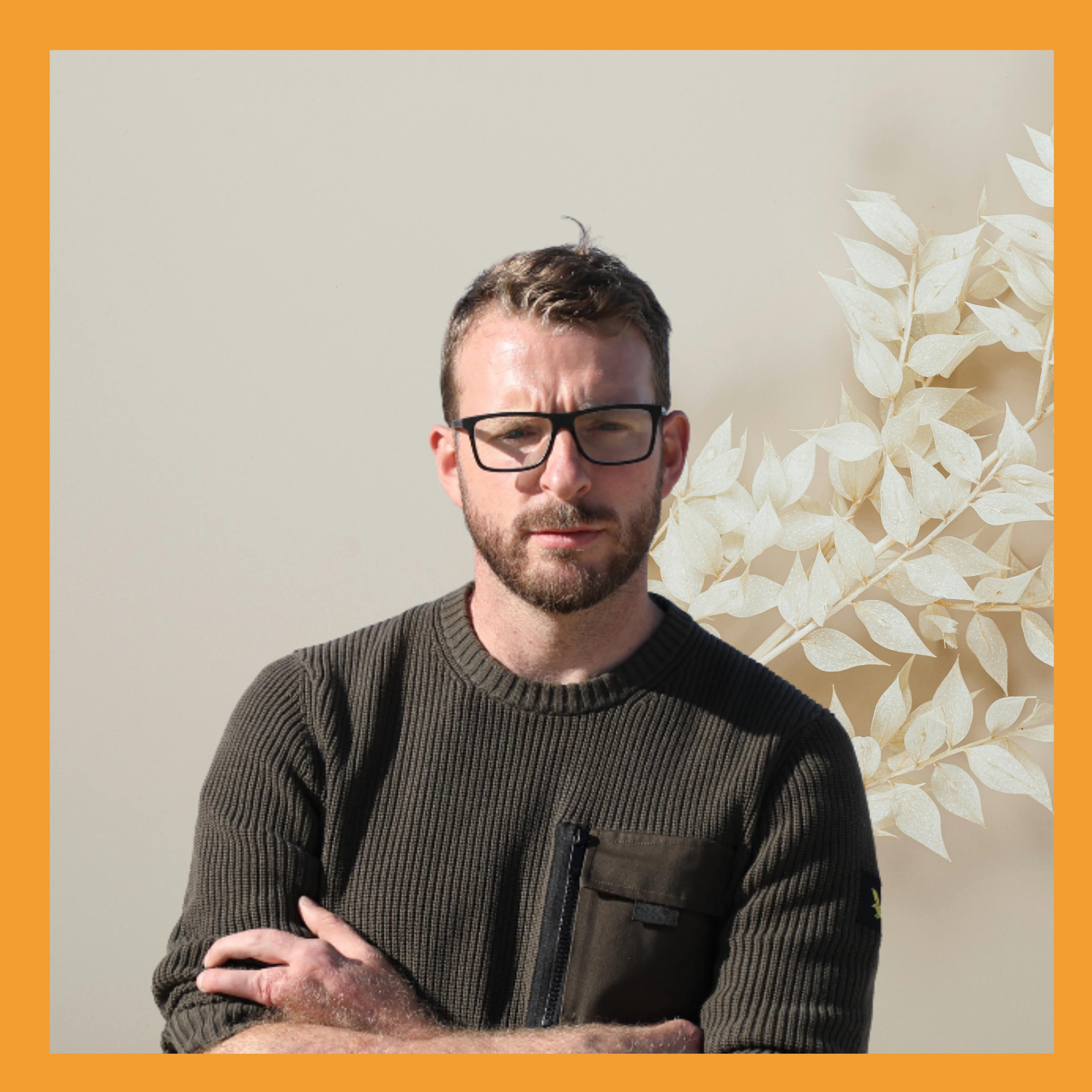
JJ ChalmersGast

JJ Chalmers on surviving a bomb blast, PTSD and the hidden cost of trauma

How do you rebuild your life after an extreme trauma? Psychotherapist Julia Samuel speaks to broadcaster JJ Chalmers about living with PTSD. In 2011 JJ Chalmers survived a devastating bomb blast while serving as a Royal Marines commando in Afghanistan. The explosion left him with life-changing injuries and killed three of his fellow servicemen. He went on to rebuild his life, becoming a successful BBC presenter and a familiar face on Strictly Come Dancing. But behind this extraordinary story of resilience, JJ was living with the mental health consequences of trauma that would take more than a decade to fully confront. In this personal conversation with Julia Samuel, JJ Chalmers opens up about living with PTSD, chronic pain and the emotional toll of surviving something so catastrophic. He describes how the military taught him to suppress fear and push through unimaginable circumstances, but how those same survival mechanisms eventually began to affect his everyday life. After years of throwing himself into work and avoiding his emotions, JJ reached breaking point, finding himself unable to sleep and eventually lying on his bathroom floor in tears. Together, JJ Chalmers and Julia explore why trauma can resurface years after an event, the difference between physical and psychological recovery, and how the very qualities that help us survive can sometimes prevent us from healing. JJ shares how a year of talking therapy, including EMDR, helped him confront memories he had spent years avoiding, and why asking for help became one of the most important steps in his recovery. JJ also speaks movingly about the impact of trauma on his marriage, the eventual separation from his wife and their commitment to co-parenting their two children. He reflects on finding love again with his partner fellow broadcaster Sophie, who is also disabled, and the extraordinary understanding, humour and connection they share. This is a powerful conversation about PTSD, resilience, relationships and recovery, and why true strength isn't simply about pushing through, but recognising when we need support and learning to live alongside the experiences that have changed us. Looking for therapy? Julia runs the Samuel Therapy Practice alongside her daughters, Emily and Sophie. If you're looking for support or help finding the right therapist, visit www.samueltherapypractice.com. Support resources: Combat Stress – Specialist mental health support for veterans experiencing PTSD, anxiety, depression and other difficulties related to military service. combatstress.org.uk RMA – The Royal Marines Charity – Welfare, mental health and practical support for serving and former Royal Marines and their families. rma-trmc.org PTSD UK – Information and support for people experiencing post-traumatic stress disorder, including guidance on symptoms and treatment. ptsduk.org Chapters: 00:00 – Introduction: JJ Chalmers' Story 03:26 – Surviving the Afghanistan Bomb Blast 09:34 – Survivor's Guilt and Learning Resilience 19:12 – PTSD and the Long-Term Impact of Trauma 23:15 – The Breaking Point: 14 Years Later 26:08 – Seeking Help and the Power of EMDR Therapy 33:09 – How Trauma Affects Relationships and Family Life 40:00 – Finding Connection, Love and a New Chapter 47:00 – What JJ Has Learned About Strength and Vulnerability 51:28 – Julia, Sophie and Emily Reflect on JJ's Interview Never miss an episode: follow the show on Apple Podcasts or Spotify. Watch Therapy Works on Julia's YouTube channel and subscribe to Therapy Works on Substack for weekly insights into emotional wellbeing. Subscribe here to The Times and The Sunday Times to enjoy unlimited digital access to all our journalism. Guest: JJ Chalmers Producer: Georgie Rutherford Executive Producer: Emily Leahy Video Producer: Darren Michael Hosted on Acast. See acast.com/privacy for more information.

1 h 02 minAbspielen in:

Mi11Nov
Therapy WorksElizabeth Gilbert

Elizabeth GilbertGast

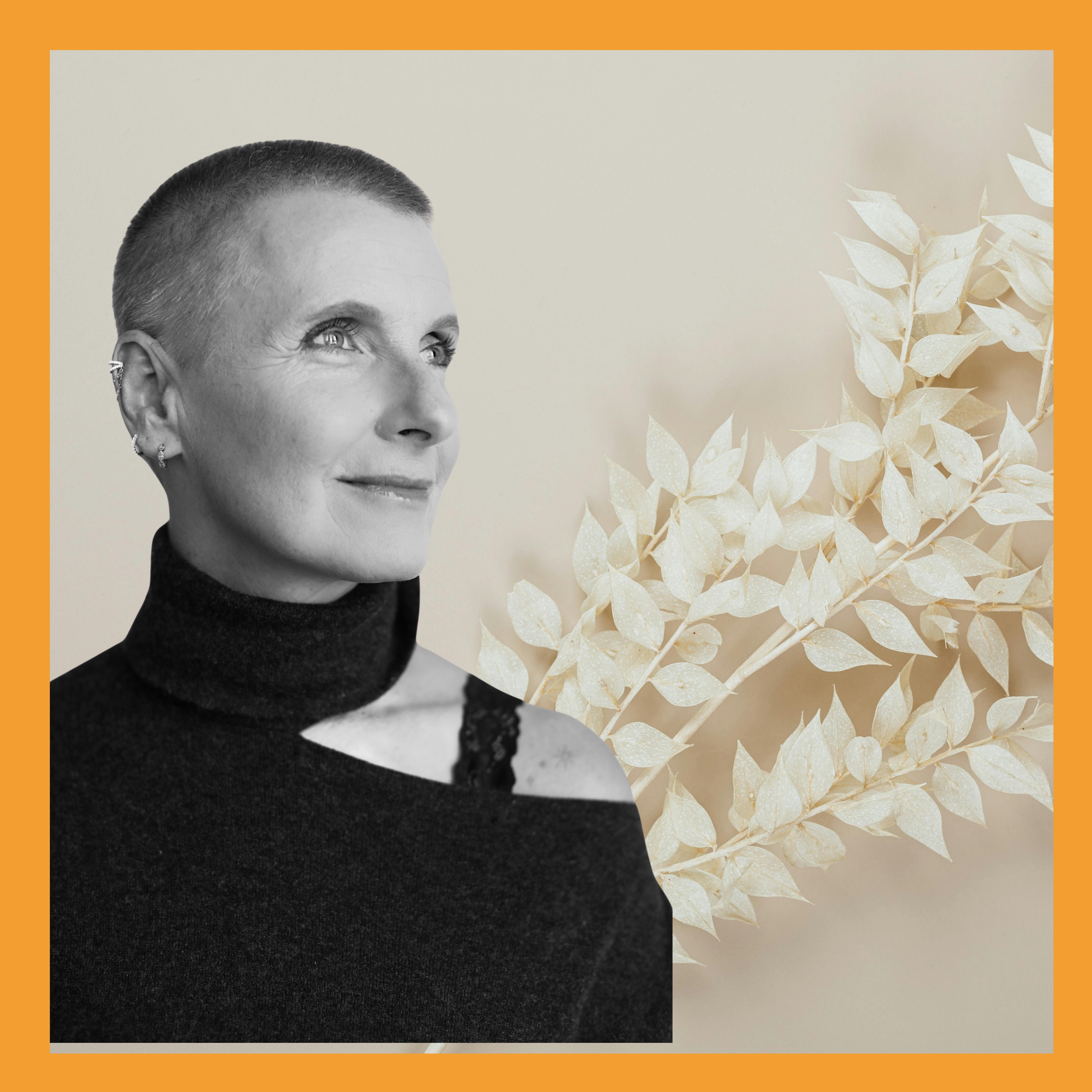
Elizabeth Gilbert on love addiction, grief and life after Eat, Pray, Love

Elizabeth Gilbert became a worldwide phenomenon with Eat, Pray, Love, a memoir about finding herself after heartbreak, but in this interview she tells Julia Samuel her story didn't end on the final page. Despite years of talking therapy, extraordinary success and profound self-awareness, she continued to find herself caught in destructive relationships, searching for someone who could finally make her feel safe. In her new memoir, All the Way to the River, Elizabeth Gilbert writes about her relationship with Rayya Elias, the great love of her life, whose addiction and eventual death brought them both to devastating places. She speaks openly about identifying as a sex and love addict, the difference between understanding our behaviour and actually changing it, and how her desperate need for love and connection led her to abandon herself. Together, Elizabeth Gilbert and Julia explore the childhood experiences that shape our relationships, why we can become addicted to emotional intensity, and the difference between feeling good and genuinely being well. Elizabeth also shares the painful reality of grieving Rayya, the shame surrounding love addiction and how recovery has taught her to set boundaries, stop people-pleasing and begin caring for the younger parts of herself. This is a powerful conversation about love, obsession, grief and recovery, and what it really takes to stop looking to other people for the safety and belonging we need to find within ourselves. – Join Julia, Emily and Sophie for a special live Therapy Works event in London on 7th December, exploring how to navigate the challenges of Christmas. Book your tickets here. Looking for therapy? Julia runs the Samuel Therapy Practice alongside her daughters, Emily and Sophie. If you're looking for support or help finding the right therapist, visit www.samueltherapypractice.com. Support resources: Sex and Love Addicts Anonymous (SLAA) – Peer support and recovery meetings for people experiencing love addiction, romantic obsession, codependency or compulsive sexual behaviours. https://slaauk.org/ Co-Dependents Anonymous (CoDA) – A Twelve Step fellowship supporting people who want to develop healthier relationships and address patterns of codependency. https://codauk.org/ Cruse Bereavement Support – Emotional support and guidance for anyone experiencing grief following a death. https://www.cruse.org.uk/ | Helpline: 0808 808 1677 Chapters: 00:00 Introduction 03:21 Elizabeth Gilbert on sex and love addiction 07:13 Why understanding your behaviour isn't enough to change it 11:20 How do you recognise addiction? 16:14 Childhood wounds and the fear of abandonment 20:26 Elizabeth's relationship with Raya and the dangers of addiction 25:06 When love becomes destructive 29:45 Why sex and love addiction remains a taboo 33:05 Recovery, honesty and learning to see yourself 34:47 The difference between feeling good and being well 42:01 Grieving Raya and questioning how we grieve 48:00 Learning to put yourself first in recovery 55:30 Spirituality, surrender and finding peace 1:02:38 Mother/Daughter Reflection: Love, addiction and emotional sobriety 1:08:36 Why self-awareness alone isn't enough 1:13:33 Why healthy relationships can feel boring If you found this conversation helpful: You may also enjoy Julia's conversation with Rosanna Brown, exploring profound grief, the impact of bereavement on family life and finding a way forward after tragedy. Listen to the episode here. Never miss an episode: follow the show on Apple Podcasts or Spotify. Watch Therapy Works on Julia's YouTube channel and subscribe to Therapy Works on Substack for weekly insights into emotional wellbeing. Subscribe here to The Times and The Sunday Times to enjoy unlimited digital access to all our journalism. Guest: Elizabeth Gilbert Producer: Georgie Rutherford Executive Producer: Emily Leahy Video Producer: Darren Michael Hosted on Acast. See acast.com/privacy for more information.

1 h 16 minAbspielen in:

Fr6Nov
Therapy WorksLE

Lucy EasthopeGast

Prepping: how to stop living in fear of disaster with Professor Lucy Easthope | Special Episode

With frightening headlines, global uncertainty and growing conversations about disaster prepping, more of us are wondering whether we should be stocking up on emergency supplies, putting together survival kits or preparing for the worst. But when does sensible preparation become a source of anxiety? And how do we make sure that prepping for a potential disaster doesn't leave us living in constant fear? In this special bonus episode of Therapy Works, Julia Samuel is joined by Professor Lucy Easthope, one of the UK's leading experts in disaster preparedness and recovery, who has spent more than 20 years advising governments and supporting communities through crises. Drawing on her experience responding to disasters, and her books When the Dust Settles and Come What May, Lucy explores the psychology of prepping, why uncertainty can feel so overwhelming and how we can prepare for emergencies without allowing fear to take over. Together, Julia and Lucy discuss everything from prepping emergency survival kits and priming for power cuts to the psychological impact of living through the pandemic and why we often avoid thinking about worst-case scenarios. They explore the difference between practical preparedness and doomsday thinking, how constant exposure to frightening headlines and doomscrolling can fuel anxiety, and why having a simple emergency plan can actually help us feel more in control. They also reflect on the importance of community and looking out for one another during a crisis, the sudden death of Lucy's father and what it taught her about living in the present, and why true resilience isn't about preparing for every possible disaster, but knowing when to put the survival kit away, stop worrying about what might happen and find joy in everyday life. Books mentioned: When the Dust Settles by Professor Lucy Easthope Come What May by Professor Lucy Easthope Chapters: 00:00 – Introducing Professor Lucy Easthope 02:20 – Why preparing for disasters can increase anxiety 04:35 – Is the world really becoming more dangerous? 06:15 – Why we avoid thinking about the worst 09:57 – The psychological impact of the pandemic 13:40 – How to prepare without living in fear 16:06 – Practical ways to manage anxiety and doomscrolling 21:51 – What the death of Lucy's father taught her about life 23:28 – Why community and connection build resilience 31:09 – Lucy's top tips for feeling prepared and staying calm Join Julia, Emily and Sophie for a special live Therapy Works event in London on 7th December, exploring how to navigate the challenges of Christmas. Book your tickets here. Looking for therapy? Julia runs the Samuel Therapy Practice alongside her daughters, Emily and Sophie. If you're looking for support or help finding the right therapist, visit www.samueltherapypractice.com. Please do send in your Agony Aunties questions to: jsamuelpod@gmail.com Never miss an episode: follow the show on Apple Podcasts or Spotify. You can also watch episodes of Therapy Works on Julia's YouTube page. Subscribe here to Therapy Works on Substack for weekly insights into emotional wellbeing. Subscribe here to The Times and The Sunday Times to enjoy unlimited digital access to all our journalism. Guest: Lucy Easthope Producer: Georgie Rutherford Executive Producer: Emily Leahy Video Producer: Darren Michael Hosted on Acast. See acast.com/privacy for more information.
33 minAbspielen in:

Mi4Nov
Therapy WorksGyles Brandreth

Gyles BrandrethGast

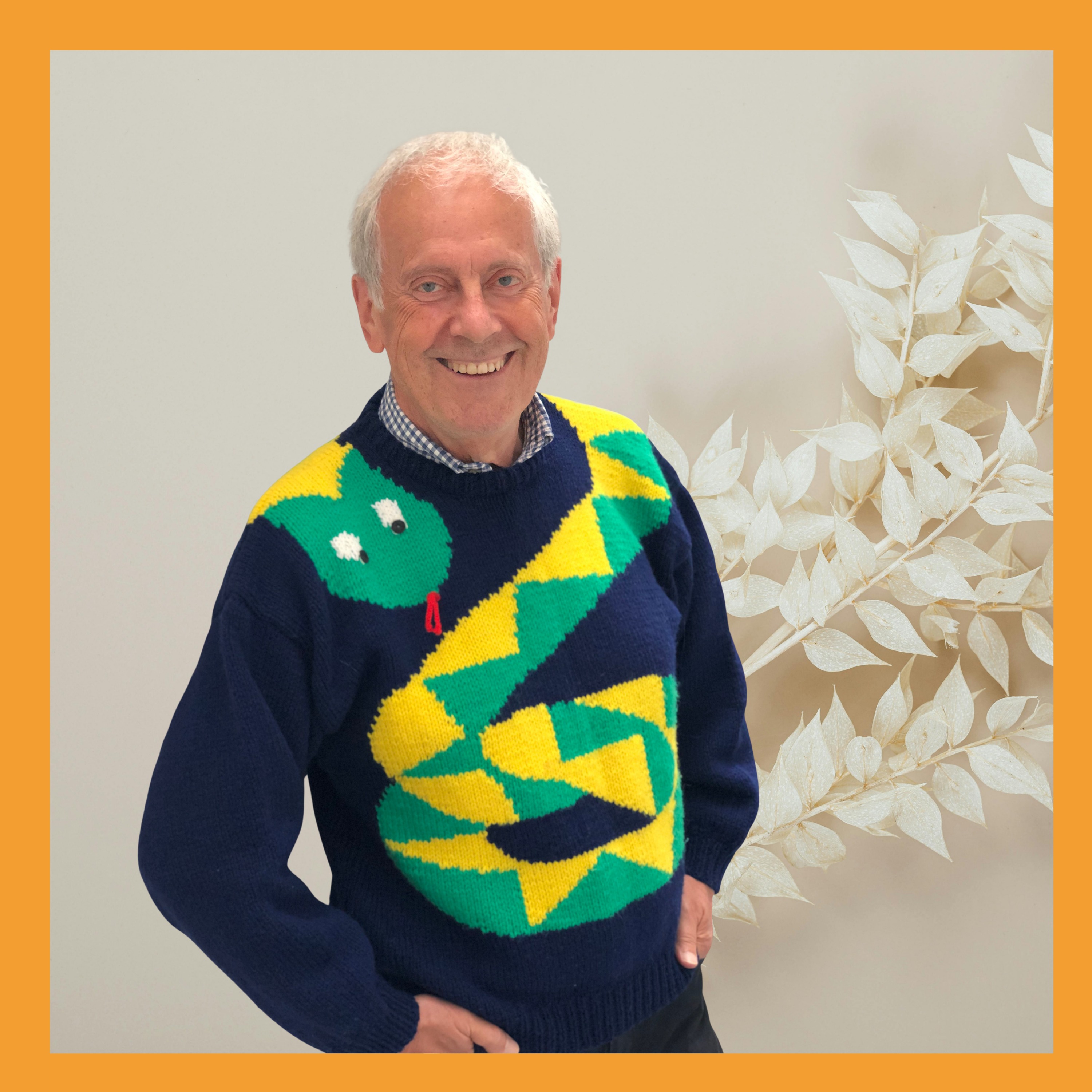
Gyles Brandreth: Why I can't stop talking and the secret to happiness

Can we ever stop trying to earn our parents' approval? Gyles Brandreth joins psychotherapist Julia Samuel to discuss grief, being “too much” and happiness. Broadcaster, author, former MP and much-loved television personality, Gyles Brandreth, joins Julia for a revealing conversation about childhood, grief, the need for approval and what it really takes to live a happy life. Known for his extraordinary energy, colourful jumpers and endless stories, Gyles Brandreth has spent a lifetime entertaining people. But beneath his public persona, he reveals something he has only come to understand in recent years: how much of his life has been shaped by his desire to fulfil his father's ambitions. From his time at the University of Oxford to his political career, Gyles reflects on the childhood expectations that continued to influence his decisions long into adulthood. Gyles Brandreth also opens up about the deaths of his parents, the impact of his sister's mental illness and his realisation that his mother may have experienced depression. He discusses the painful experience of losing his parliamentary seat in 1997, the failures he rarely speaks about and how a friendship with psychiatrist Dr Anthony Clare helped him develop his Seven Secrets of Happiness. In a particularly revealing exchange, Julia challenges Gyles to consider why he feels the need to fill every silence, whether his constant talking might be connected to a deeper need for love and approval, and what happens when he allows himself to stop performing. Gyles reflects on his desire for applause, his fear of being too much for other people and the surprising difficulty of simply being himself. Together, Gyles Brandreth and Julia Samuel explore how childhood experiences shape our adult identities, the relationship between achievement and self-worth, and why happiness may have more to do with connection, curiosity and learning to listen than we realise. Chapters: 00:00 – Introduction to Gyles Brandreth 03:11 – The impact of political rejection, grief and finding happiness 08:11 – How childhood shapes our ambitions 10:32 – Living out his father's dreams and expectations 13:47 – Why Gyles feels the need to keep talking 17:07 – Are we lovable without achievement or approval? 23:51 – Dealing with failure, disappointment and regret 28:13 – Grieving his parents and learning to accept setbacks 31:44 – Why silence can feel uncomfortable 34:13 – Growing up around mental illness and understanding therapy 37:09 – The childhood experiences behind his optimism 39:50 – The seven secrets of happiness 43:09 – Being yourself versus being present with others 46:18 – Gyles asks Julia for another therapy session 47:35 – Mother/Daughter Reflection: Can we change our personalities? 53:22 – How parental expectations shape our adult lives 01:00:27 – The difference between optimism and forced positivity Join Julia, Emily and Sophie for a special live Therapy Works event in London on 7th December, exploring how to navigate the challenges of Christmas. Book your tickets here. Looking for therapy? Julia runs the Samuel Therapy Practice alongside her daughters, Emily and Sophie. If you're looking for support or help finding the right therapist, visit www.samueltherapypractice.com. If you found this conversation helpful: You may also enjoy Mark Foster on hiding his sexuality and learning to be himself, a conversation about achievement, self-worth and why even extraordinary success doesn't always bring the happiness or acceptance we're searching for. Never miss an episode: follow the show on Apple Podcasts or Spotify. Watch Therapy Works on Julia's YouTube channel and subscribe to Therapy Works on Substack for weekly insights into emotional wellbeing. Subscribe here to The Times and The Sunday Times to enjoy unlimited digital access to all our journalism. Guest: Jess Mills Producer: Georgie Rutherford Executive Producer: Emily Leahy Video Producer: Darren Michael Hosted on Acast. See acast.com/privacy for more information.

1 h 02 minAbspielen in:

Mi21Okt
Therapy WorksOre Oduba

Ore OdubaGast

Ore Oduba on hiding his addiction: “I lived my entire life in fear”

How does childhood trauma fuel adult addiction? Broadcaster, actor and former Strictly Come Dancing champion Ore Oduba joins psychotherapist Julia Samuel to discuss his 30-year struggle with pornography addiction, childhood trauma, shame and the journey towards mental health recovery. Growing up in a strict Nigerian household, Ore learnt that achievement and obedience were closely tied to acceptance. After being exposed to pornography at just nine years old, he developed a dependency that followed him into adulthood. What began as a secret source of comfort became a cycle of addiction, shame and self-loathing that affected his mental health, relationships and sense of identity. Ore opens up about the breakdown of relationships, reaching a point where he questioned whether he wanted to carry on living, and how therapy helped him understand the connection between childhood experiences and addictive behaviour. He also reflects on his complicated relationship with his father, whose death in 2023 brought an unexpected sense of relief, and the realisation that so many of his decisions had been driven by fear. In a deeply moving part of the conversation, Ore discusses losing his younger sister to suicide in 2025, the grief he continues to carry and how her death gave him the courage to speak publicly about his addiction. Together, Ore Oduba and Julia Samuel explore the psychological roots of addiction, the lasting impact of childhood trauma, and why self-compassion is essential to breaking patterns of shame and secrecy. They also discuss the risks of childhood exposure to pornography, breaking generational cycles and what it means to rebuild a life on your own terms. Warning: this conversation contains some discussion of suicide and suicidal thoughts. Support resources mentioned: NSPCC Helpline – Advice and support for anyone concerned about a child's safety. Call 0808 800 5000. NSPCC Talk PANTS – Resources to help parents talk to children about body safety and boundaries. Samaritans – Free emotional support, available 24 hours a day on 116 123. Sources discussed: Naked Truth Impact Report 2021-22 Children's Commissioner paper on pornography 2023 If you found this conversation helpful: Listen to Julia's conversation with Charles Spencer, exploring childhood trauma, shame and the lasting impact of abuse on relationships and self-worth. You may also enjoy Agony Aunties: Why Do I Keep Sabotaging Myself?, on how childhood experiences shape our adult behaviour, why we develop destructive coping mechanisms and the importance of self-compassion in breaking old patterns. Never miss an episode: follow the show on Apple Podcasts or Spotify. Subscribe here to Therapy Works on Substack for weekly insights into emotional wellbeing. Subscribe here to The Times and The Sunday Times to enjoy unlimited digital access to all our journalism. Guest: Ore Oduba Producer: Georgie Rutherford Executive Producer: Emily Leahy Video Producer: Darren Michael Hosted on Acast. See acast.com/privacy for more information.

1 h 07 minAbspielen in:

Mi14Okt
Therapy WorksRB

Rosanna BrownGast

The hidden grief of baby loss and TFMR

To mark Baby Loss Awareness Week, author and former teacher Rosanna Brown joins Julia Samuel to share the story of her son William and her experience of termination for medical reasons (TFMR). Rosanna was approaching 24 weeks pregnant when she and her husband learnt that William had a condition incompatible with life. She speaks candidly about the trauma of ending a much-wanted pregnancy, the medical procedure itself and the words from a midwife that helped her begin to reframe what had happened: “You didn't choose, you consented to medical advice.” Rosanna and Julia explore the often hidden grief surrounding TFMR and baby loss, the difference between grief and trauma, and why Rosanna struggled to feel entitled to mourn her son. They also discuss how couples can grieve differently, the role talking therapy played in her recovery and how she and her husband found ways to remember William together. Rosanna also reflects on pregnancy after loss, becoming a mother again and why another baby can bring enormous joy without replacing the child who died. Now an advocate for greater awareness of TFMR, Rosanna shares why she wants other parents facing termination for medical reasons to feel less alone, ashamed and silenced. Warning: This episode contains detailed discussion of termination for medical reasons (TFMR), baby loss and pregnancy loss. If you found this conversation helpful: Listen to Julia's conversation with Geraint John, on losing his wife, navigating grief as a family and learning to rebuild life after loss: Listen here. You may also enjoy Agony Aunties: How Do You Handle the "Death Admin" While You're Still Grieving?, exploring the emotional and practical challenges of bereavement, and why we need to give ourselves time and support after losing someone we love: Listen here. Never miss an episode: follow the show on Apple Podcasts or Spotify. Subscribe here to Therapy Works on Substack for weekly insights into emotional well-being. Subscribe here to The Times and The Sunday Times to enjoy unlimited digital access to all our journalism. Guest: Rosanna Brown Producer: Georgie Rutherford Executive Producer: Emily Leahy Video Producer: Darren Michael Hosted on Acast. See acast.com/privacy for more information.

58 minAbspielen in:

Mi7Okt
Therapy WorksElif Shafak

Elif ShafakGast

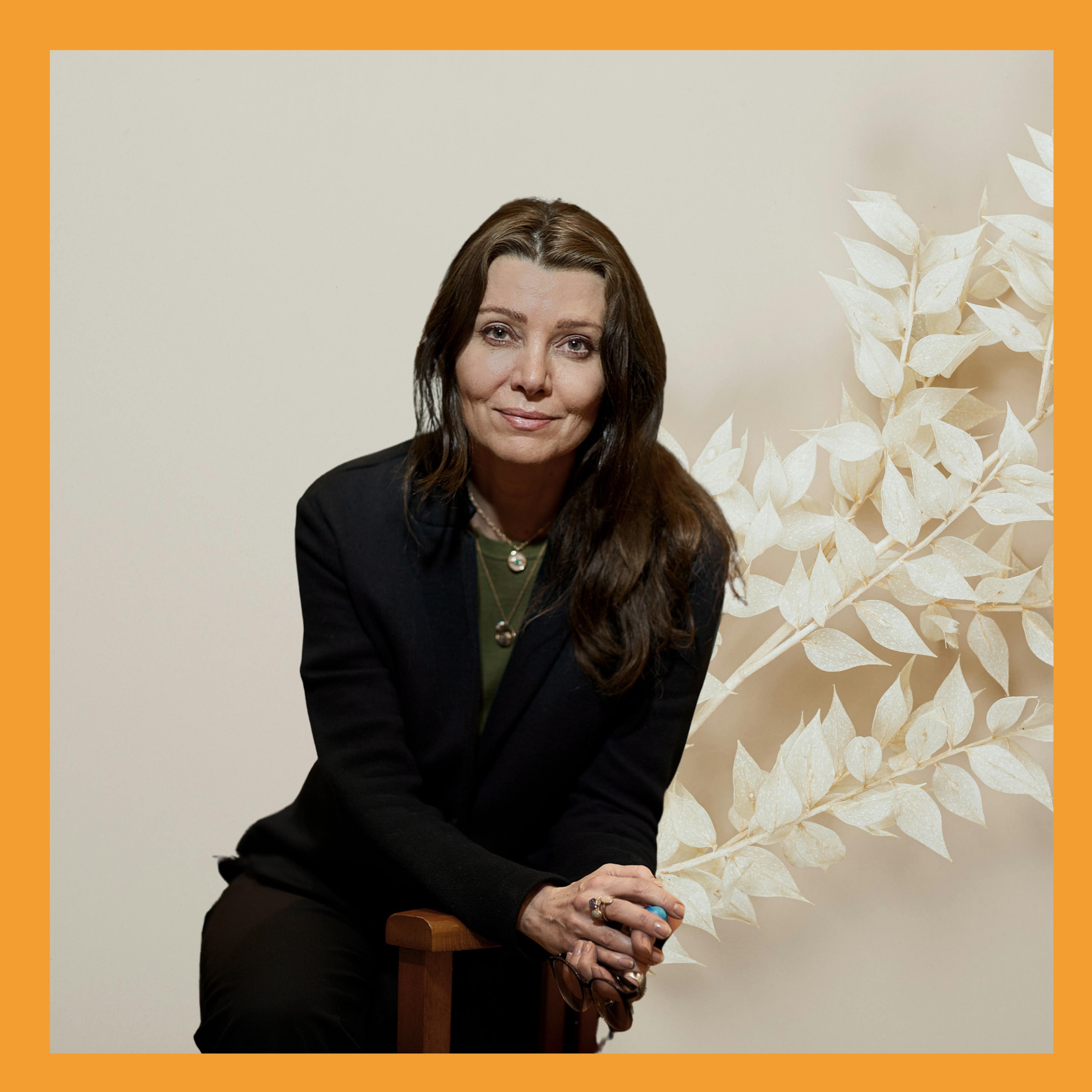
Elif Shafak: “All I wanted from my father was an apology”

What happens when a parent is absent from your childhood, and how does that shape the person you become? Bestselling author Elif Shafak joins Julia Samuel to explore her relationship with her father, the loneliness she experienced growing up and how storytelling became a tool for personal growth and mental health recovery by helping her find connection and belonging. Raised largely by her grandmother and mother in Turkey, Elif grew up surrounded by strong women but with very little contact with her father. She opens up about the pain of discovering that he had been a present and loving parent to her half-brothers, the anger that followed and how those early experiences influenced her personal growth and instinct to write about people whose voices have been forgotten or silenced. They also explore the emotional cost of Elif Shafak's prosecution in Turkey following the publication of her novel, The Bastard of Istanbul, her complicated relationship with her homeland and the sense of grief that can accompany living between cultures. Elif speaks candidly about her mental health and experiencing postnatal depression, losing her ability to write during that period and the challenges of navigating motherhood alongside her creative identity, experiences she later explored in her memoir Black Milk. Elif Shafak reflects on the family patterns we inherit, why literature helps personal growth by helping us understand ourselves and others, and the importance of human connection in an increasingly anxious and divided world. Elif Shafak’s new novel is In One Brief Moment All Eternity (published on 15 Oct). If you enjoyed this conversation: Listen to Julia’s conversation with Mary Berry, on family, grief and learning to live alongside loss: https://podcasts.apple.com/gb/podcast/therapy-works/id1646616622?i=1000791219769 You may also enjoy Sathnam Sanghera on bridging conflicting cultures, exploring family, identity, heritage and the search for belonging: https://podcasts.apple.com/gb/podcast/therapy-works/id1646616622?i=1000674940873 Never miss an episode: follow the show on Apple Podcasts or Spotify. Subscribe here to Therapy Works on Substack for weekly insights into emotional well-being. Subscribe here to The Times and The Sunday Times to enjoy unlimited digital access to all our journalism. Guest: Elif Shafak Producer: Georgie Rutherford Executive Producer: Emily Leahy Video Producer: Darren Michael Hosted on Acast. See acast.com/privacy for more information.

1 h 08 minAbspielen in:

Mi23Sep
Therapy WorksMB

Mary BerryGast

Dame Mary Berry: "I never asked why after my son died"

How do you move forward after the loss of a child? In this personal conversation with cooking legend Dame Mary Berry, we explore raw grief, building resilience and the most meaningful lessons she’s learnt in 91 years of life. Behind the warmth so many know her for in her cooking shows and books, is a life shaped by profound loss. In this conversation Dame Mary Berry opens up about the devastating death of her son William, how her family approached processing grief, and how she found the strength to keep moving forward. She also shares the traumatic experience of surviving polio as a teenager, how she’s developed resilience and her emotional healing capacity, and the power of talking therapy during challenging times. Dame Mary Berry also reflects on the secrets of a 60 year marriage, why kindness matters above all else, as well as the comfort of cooking and food when life feels uncertain. From navigating grief to finding joy, this is a profound conversation about connection, care, and family. Never miss an episode: follow the show on Apple Podcasts or Spotify. Subscribe here to Therapy Works on Substack for weekly insights into emotional well-being Subscribe here to The Times and The Sunday Times to enjoy unlimited digital access to all our journalism. You can also watch episodes of Therapy Works on my YouTube page. Guests: Dame Mary Berry Producer: Georgie Rutherford Executive Producer: Emily Leahy Video Producer: Darren Michael Hosted on Acast. See acast.com/privacy for more information.
54 minAbspielen in:

Mi12Aug
Therapy WorksYN

Yasmine NaghdiGast

BONUS: Yasmine Naghdi on Why Confidence Isn't About Being Perfect

In this special episode of Therapy Works, in partnership with Code8's Confidence Comes From Within campaign, Julia is joined by Royal Ballet Principal Yasmine Naghdi for a fascinating conversation about confidence, perfectionism and what it really takes to perform at the highest level. Together, they explore the difference between striving for excellence and chasing perfection, the psychology of self-belief, learning to trust your body, and how becoming a mother has transformed Yasmine's relationship with both her career and herself. They also discuss the power of rituals, the importance of identity beyond work, why rest can make us stronger, and how true confidence isn't about being flawless—it's about feeling secure enough to be fully yourself. Visit Code8: ⁠https://codeeight.com/⁠ Follow Code8 on Instagram: ⁠@code8beauty⁠ Follow Manon: ⁠@manonlagreve⁠ More from Therapy Works: Subscribe to the Therapy Works Substack for guidance on everyday struggles and access to Julia’s monthly live webinar: ⁠https://juliasamuel.substack.com/⁠ Grieving someone you love? Julia's Grief Works Support Programme offers structured, expert-led help, with 94% of people reporting feeling better after using it. As a podcast listener you can get 25% off plus a 30-day money-back guarantee here - ⁠www.griefworks.com/therapy⁠ Follow Julia on Instagram: ⁠@juliasamuelmbe⁠ for tips, tools, and conversations about navigating life’s challenges. If you enjoy this episode, please consider rating, reviewing, and subscribing - it makes a big difference and helps others discover these conversations. If you need help finding a therapist, visit: ⁠The Samuel Therapy Practice Learn more about your ad choices. Visit podcastchoices.com/adchoices Hosted on Acast. See acast.com/privacy for more information.

48 minAbspielen in:

Fr22Mai
Therapy WorksMJ

Megan JonesGast

Celebration Day: Megan Jones on Grief, Loss and the Parents Who Shaped Her

In this episode, I speak with England rugby captain Megan Jones about grief, pressure, identity and what it means to keep going when life changes completely. Megan shares the experience of losing both of her parents within six months, growing up alongside her mother’s addiction, and how rugby, journaling and the people around her have helped her carry both pain and love at the same time. Ahead of Celebration Day on Monday 25th May, a day that invites us all to raise a glass and remember someone we love and miss, Megan reflects on the small everyday moments she still holds onto most: cups of tea with her dad, car journeys, stories, laughter and feeling fully accepted by her parents. We talk about vulnerability, belonging, leadership and why the people we lose continue to shape who we are long after they’re gone. Join in the celebrations and celebrate someone this Monday 25th May: https://www.celebrationday.com/ Follow Meg on Instagram: @thanksmeg More from Therapy Works: Subscribe to the Therapy Works Substack for guidance on everyday struggles and access to Julia’s monthly live webinar: https://juliasamuel.substack.com/ Grieving someone you love? Julia's Grief Works Support Programme offers structured, expert-led help, with 94% of people reporting feeling better after using it. As a podcast listener you can get 25% off plus a 30-day money-back guarantee here - www.griefworks.com/therapy Follow Julia on Instagram: @juliasamuelmbe for tips, tools, and conversations about navigating life’s challenges. If you enjoy this episode, please consider rating, reviewing, and subscribing - it makes a big difference and helps others discover these conversations. If you need help finding a therapist, visit: The Samuel Therapy Practice Learn more about your ad choices. Visit podcastchoices.com/adchoices Hosted on Acast. See acast.com/privacy for more information.

46 minAbspielen in:

Mi20Mai
Therapy WorksMW

Mark WilliamsonGast

How to Make Life Happier with Mark Williamson (BONUS EP)

In this episode of Therapy Works, Julia is joined by Mark Williamson, co-founder and director of Action for Happiness and author of the number one bestselling book Make Life Happier. Together, they explore what happiness really means, not as a perfect destination, but as a direction of travel shaped by agency, relationships, kindness, purpose and the small actions we take each day. Mark reflects on his own journey from outward success and inner struggle to discovering the deep connection between mental and physical health. He and Julia discuss why self-care and care for others must go hand in hand, how old patterns shape our relationships, why kindness benefits both giver and receiver, and how slowing down can help us notice the ordinary moments that make life meaningful. Buy his book: https://amzn.eu/d/03sTolwL More from Therapy Works: Subscribe to the Therapy Works Substack for guidance on everyday struggles and access to Julia’s monthly live webinar: https://juliasamuel.substack.com/ Grieving someone you love? Julia's Grief Works Support Programme offers structured, expert-led help, with 94% of people reporting feeling better after using it. As a podcast listener you can get 25% off plus a 30-day money-back guarantee here - www.griefworks.com/therapy Follow Julia on Instagram: @juliasamuelmbe for tips, tools, and conversations about navigating life’s challenges. If you enjoy this episode, please consider rating, reviewing, and subscribing - it makes a big difference and helps others discover these conversations. If you need help finding a therapist, visit: The Samuel Therapy Practice Learn more about your ad choices. Visit podcastchoices.com/adchoices Hosted on Acast. See acast.com/privacy for more information.

54 minAbspielen in:

Gäste, die länger als 12 Monate zurückliegen, gibt es mit Pro. Pläne ansehen