A weekly podcast that brings the biggest stories in the art world down to earth. Go inside the newsroom of the art industry's most-read media outlet, Artnet News, for an in-depth view of what matters most in museums, the market, and much more.
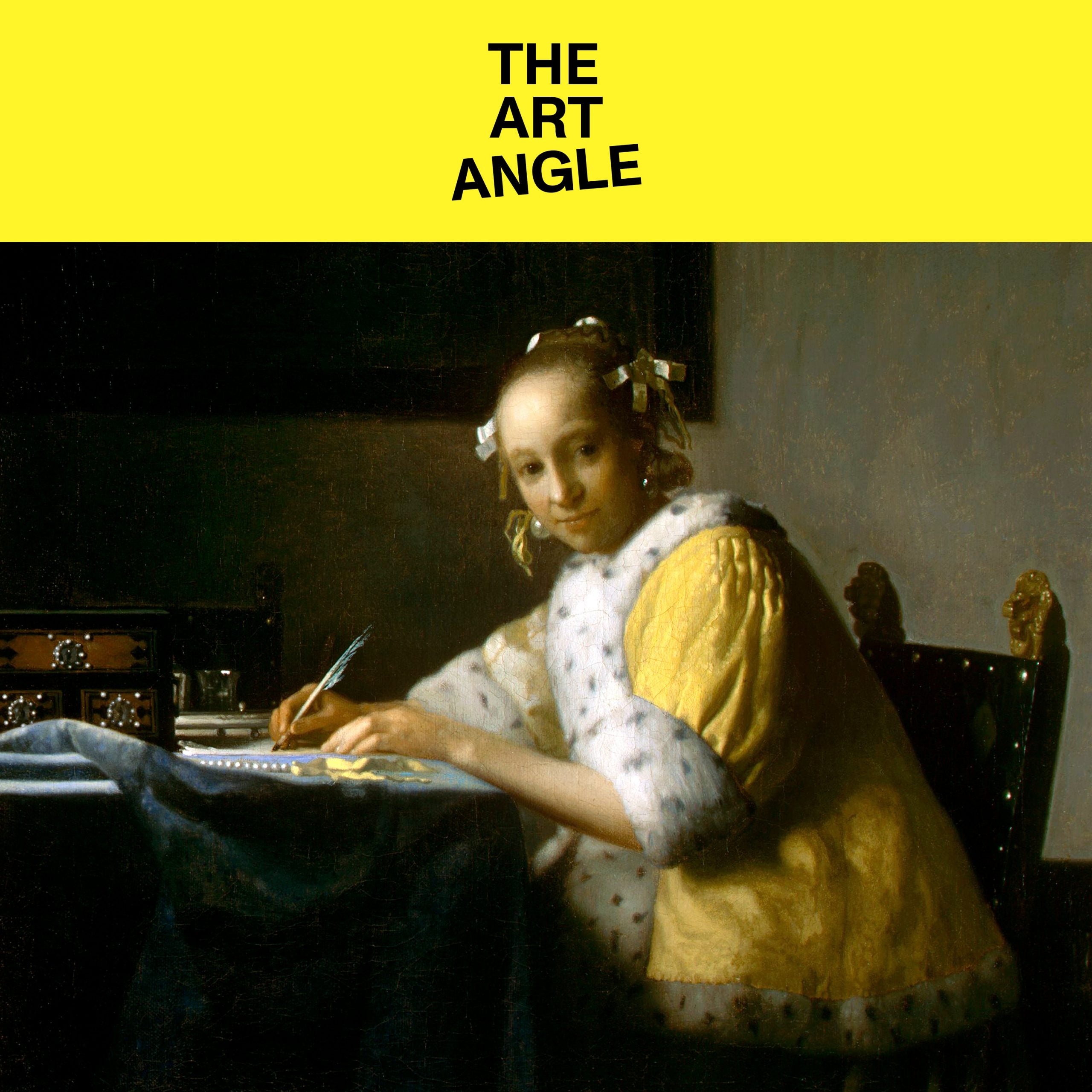
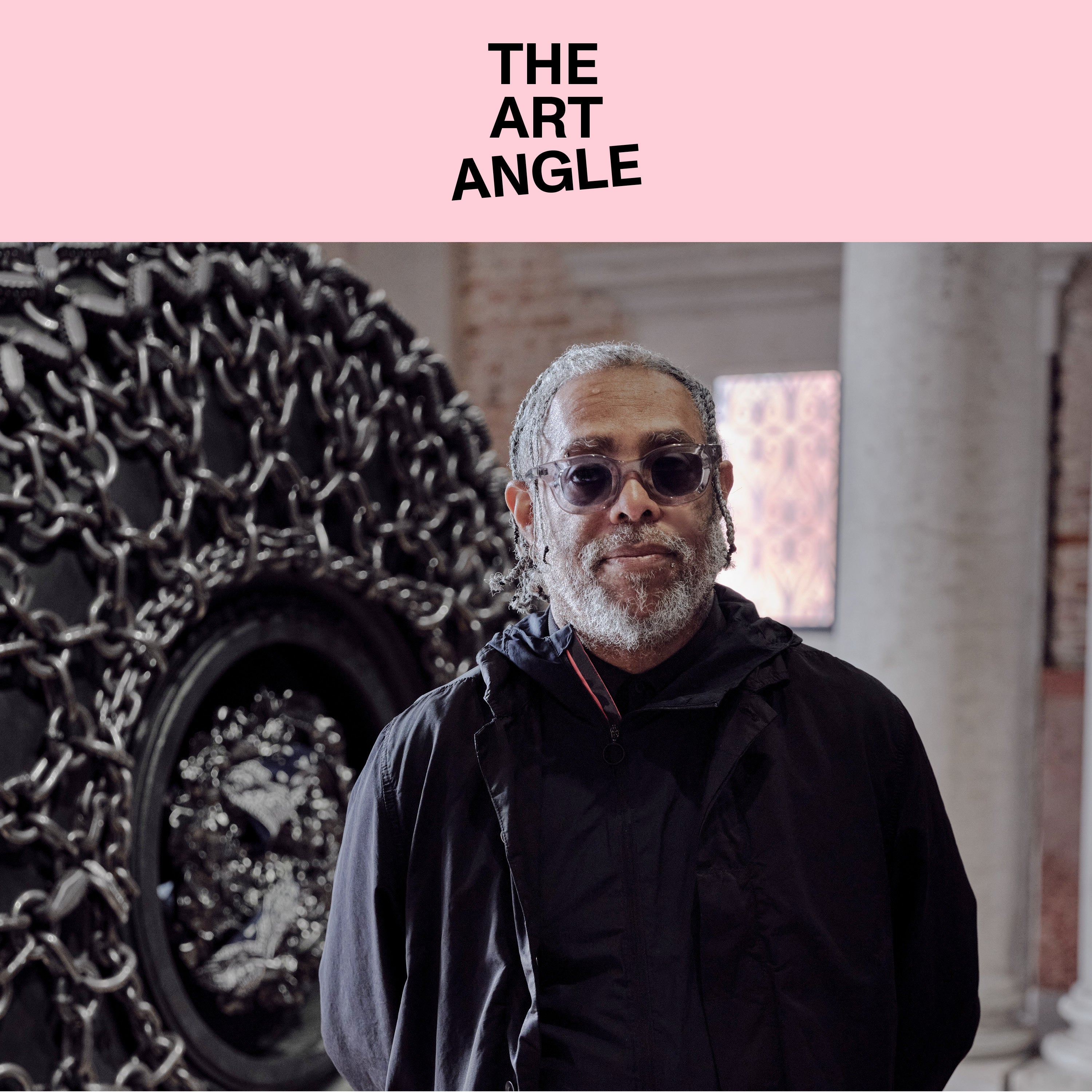
This is a re-air of my interview with the artist Arthur Jafa. It came out earlier in the year, but with his much-anticipated career retrospective, Arthur Jafa, I Am Tony, now about to open at the New Museum in New York. It's very much worth another listen.
Jafa is probably the most revered artist of the last decade. Born in 1960, in Tupelo, Mississippi, he came up through the world of cinema. But Jafa also found his way into the art world with his difficult video work and strange objects. In art, his reputation went vertical in 2016 with the video, Love Is the Message, the Message Is Death. It is a collage of found footage from social media that included police violence against Black people and also moments of viral celebration and joy. It was both experimental and accessible, and drew huge crowds when it was first shown at Gavin Brown’s Enterprise in New York.
A follow-up film, called The White Album, won the Golden Lion for Best Artist as part of the main show of the Venice Biennale back in 2019. And this month, Jafa is back in Venice, this time in a two-person show called “Helter Skelter,” curated by Nancy Spector, pairing him with the famous artist Richard Prince, also known for using found and appropriated imagery to disorienting effect. That show opened alongside the Venice Biennale at the Prada Foundation, and was one of the few things during the opening weekend that everyone could agree was a must-see event.
Jafa has also curated a show currently on view at the Museum of Modern Art, called “Less Is Morbid,” a deliberately packed display of his favorite art. He is also one of the winners of this year’s Art Basel Award, to be honored at that fair. In the middle of all this intense activity, Jafa sat down with Ben Davis to discuss his art, his view of art history, and what comes next.
In this re-air of an episode from last year. Ben Davis speaks with Julia Cameron, the author of The Artist's Way. It is a somewhat unusual subject for us, but it's also been an episode that's been very meaningful to a lot of listeners. And in case you're wondering, Ben started doing morning pages to prepare for the interview, and six months later, and he has stuck with it.
Millions of people know The Artist’s Way. First published in 1992, the book began as notes for a class that its author, Julia Cameron, taught on creative self-discovery or, as she sometimes prefers to call it, “creative recovery.” It found a huge audience, and today you can find Artist’s Way groups all over the world.
Cameron’s original The Artist’s Way offered a 12-week path towards overcoming artistic blocks. The book was subtitled “A Spiritual Path to Higher Creativity,” and it spoke of plugging into a current of what she called “spiritual electricity.” But her techniques were practical and easy to grasp. Rituals from The Artist’s Way such as starting your day by writing out three pages of unedited text, known as “doing your Morning Pages,” have become part of the creative process of many, many artists, musicians, and writers.
More than three decades after its publication, The Artist’s Way continues to find new followers, and even got a new bump of popularity during the 2020s. And Julia Cameron herself has returned this year with The Daily Artist’s Way, offering a new way in for fans. Cameron agreed to speak to Davis to revisit the origins of her famous method and how she’s tweaking it now in this new book.
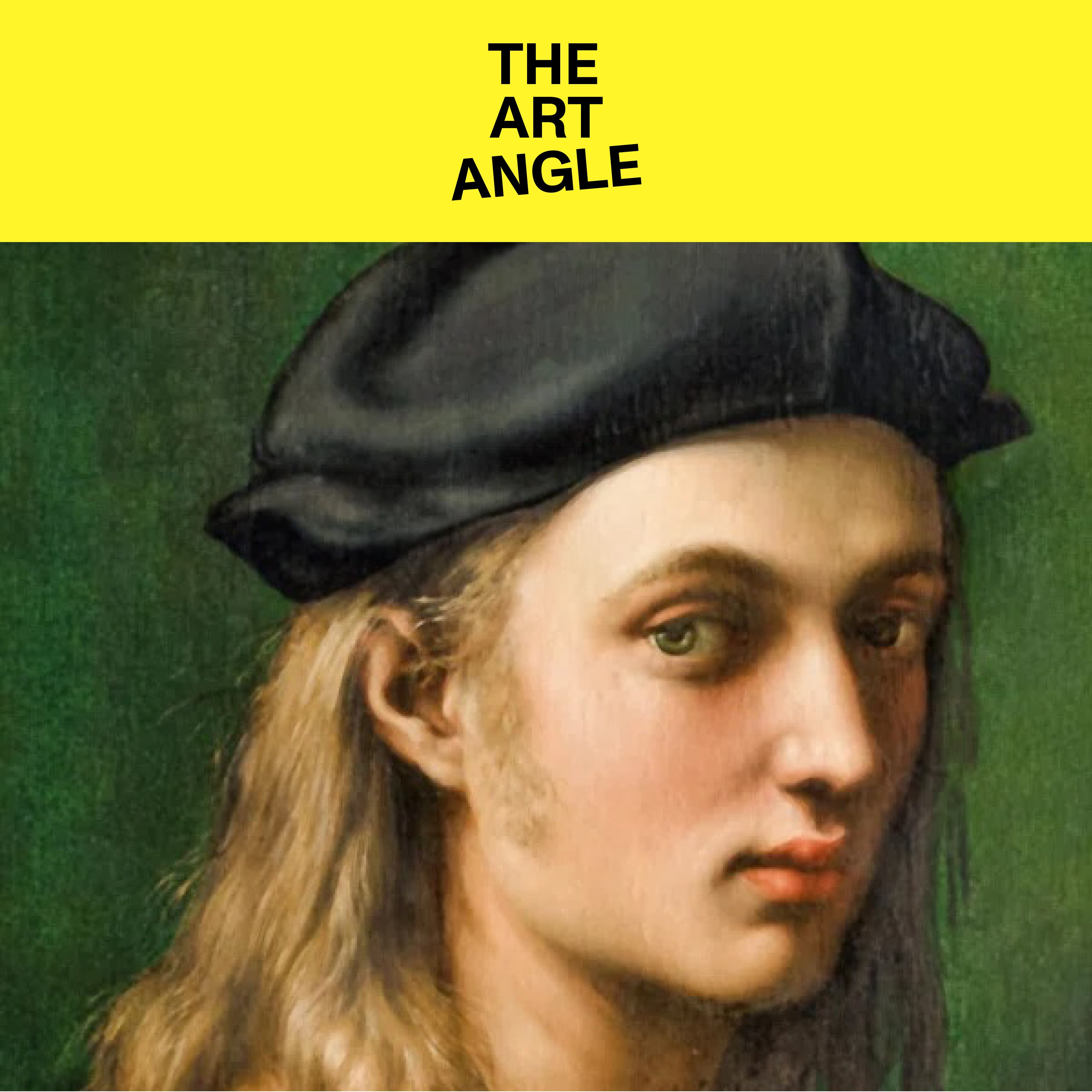
This week we're re-airing a favorite episode featuring Kate Brown interviewing Ben Davis about the “Raphael: Sublime Poetry” blockbuster at the Metropolitan Museum of Art.
The show is the first comprehensive international loan exhibition ever dedicated to him in the United States. There are 237 works in total—33 paintings, 142 drawings—and his Sistine Chapel tapestries. There are loans from the Louvre, the Vatican Museums, the Prado, the Uffizi, and the British Museum. Many of these works, according to the Met, have never been shown together, and some have never previously left Europe. Curated by Carmen C. Bambach, it took 17 years to assemble.
No one quite captured divine beauty like Raphael did. But what is the story within the story of this artist who left indelible mark on western art? This week, we find out.
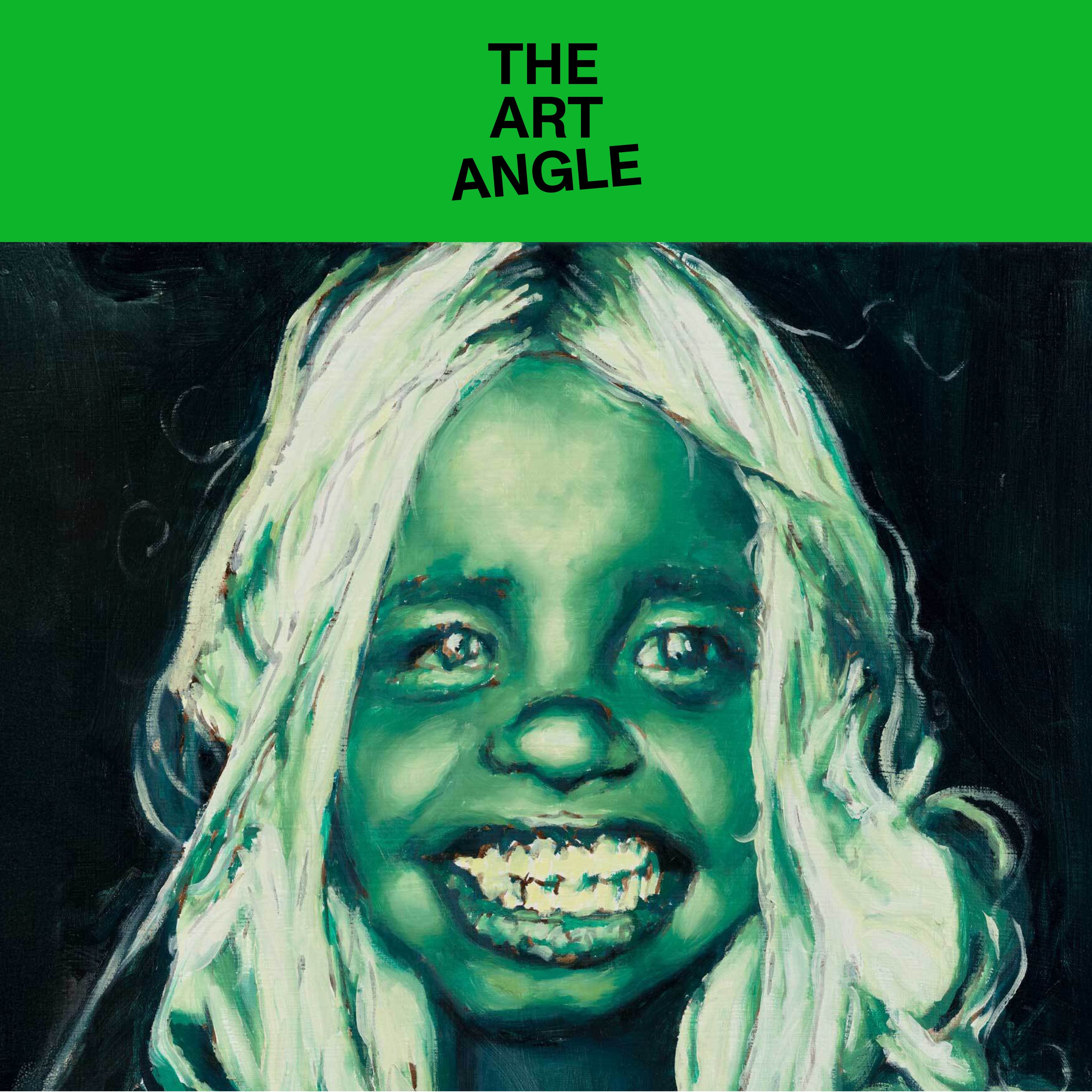
This interview with the painter Taina H. Cruz first came out for the opening of the Whitney Biennial, and on the occasion of the opening of Greater New York at MoMA PS1, where Cruz is also featured, we're resurfacing it.
This is a lot of attention for an artist who is relatively young (born in 1998), and who just earned her MFA from the famed Yale School of Painting last year. She’s worked in a variety of media, but is known now for paintings often featuring images of Black female figures with a moody, woozy, sometimes unsettled or unsettling atmosphere. Sometimes Cruz works in suggestions of African American and Caribbean folklore, or intimations of horror and fantasy. Sometimes, she’s played on the images of celebrities like Halle Berry or Tyra Banks. Sometimes she reworks her own personal photos of neighbors from New York.
Since Cruz is an artist that the curators of these big shows are looking to, critic Ben Davis, wanted to get a sense of the influences—from art and otherwise—that are shaping her approach to art, and what she makes of all the attention.
Spring is upon us. March has seen a burst of big art events—the true start of a busy year. This week, Kate Brown and Ben Davis are joined by senior writer Eileen Kinsella to discuss some of the biggest art stories of the month.
In this episode, will be discussing:
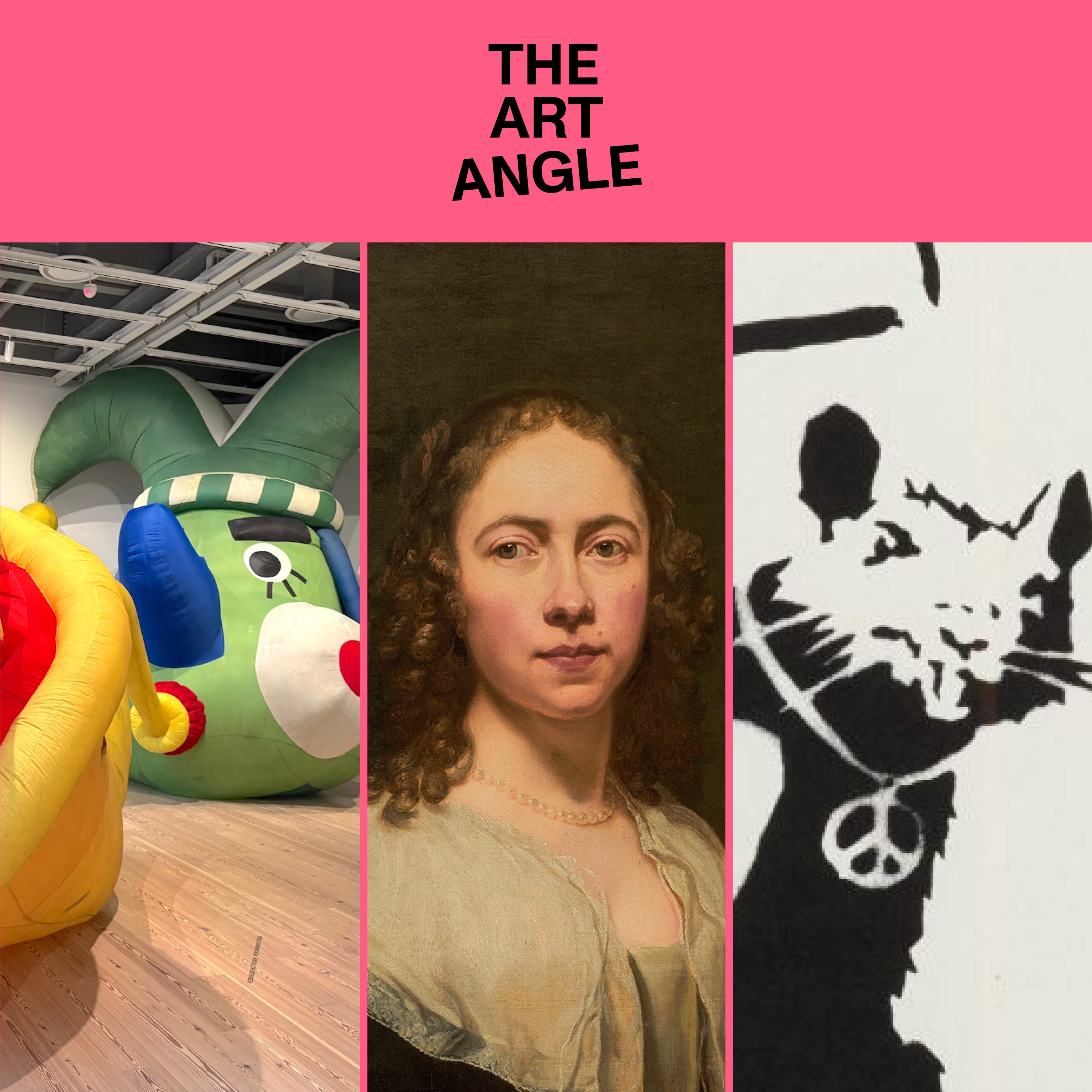
— The 2026 Whitney Biennial, which opened at the beginning of the month. It always gives a snapshot of who’s in and who’s out, and what’s on curators minds. (I've written two pieces on it, here and here)
— The rise of a new art historical art star: the Flemish baroque painter Michaelina Wautier (1604–1689).
— And a new investigation that claims to definitively, absolutely, positively once and for settle the question of who Banksy really is. Do we think they did it? Does it matter?
Register for: The Intelligence Report, Year Ahead 2026 Edition
43 minAbspielen in:
Gäste, die länger als 12 Monate zurückliegen, gibt es mit Pro. Pläne ansehen
 AJ