Tech Life discovers and explains the ways technology is changing our lives, wherever we are in the world. We meet the people with bright ideas for rethinking the way we work, learn and play, and get hands-on with the products they dream up. We hold tech giants to account for their huge power to affect our lives, and…
The One Hundred Year Study on Artificial Intelligence is a project charting the technology's evolution over a century. Experts write a progress report every five years. In this edition of Tech Life, Chris Vallance interviews one of the panelists, Professor Gina Neff.
Also this week: Laura Cress talks to game designers who say their unreleased new game was copied using AI. And Shiona McCallum reports on a new AI police chatbot.
Presenter: Chris Vallance
Producer: Tom Quinn
(Image: A futuristic illustration of a computer-generated hourglass, with sand falling through it as time passes. Credit: Getty Images)
Security researchers have got an AI model to break its own rules and give advice on terrorist attacks and assassinations. They talk to Tech Life about their findings. Plus, indie game developer Jonathan Blow on why he spent 10 years inventing his own coding language and game engine for his newest release. And Shiona McCallum takes us through the latest in birth tech.
Presenter: Chris Vallance
Producer: Imran Rahman-Jones
(Image: An illustration of a brain with “AI” written on it, underneath a birdcage. Credit: Getty Images.)
The nose of a dog is incredibly sensitive. And odour contains information. With the help of AI, electronic 'noses' are being used to sniff out complex odours, including diseases. Chris Vallance visits a company developing the technology.
Also this week: Shiona McCallum is in Paris to see the tech that can help us understand sleep. And Liv McMahon accompanies Chris on a walk in a park. There, they try one of many bird identification apps that are proving a hit, especially with younger users.
Presenter: Chris Vallance
Producer: Tom Quinn
(Image: A photo of a cute mixed breed dog with black fur. It is sitting down, looking up at the camera. Its nose is prominent in the foreground. Credit: Getty Images)
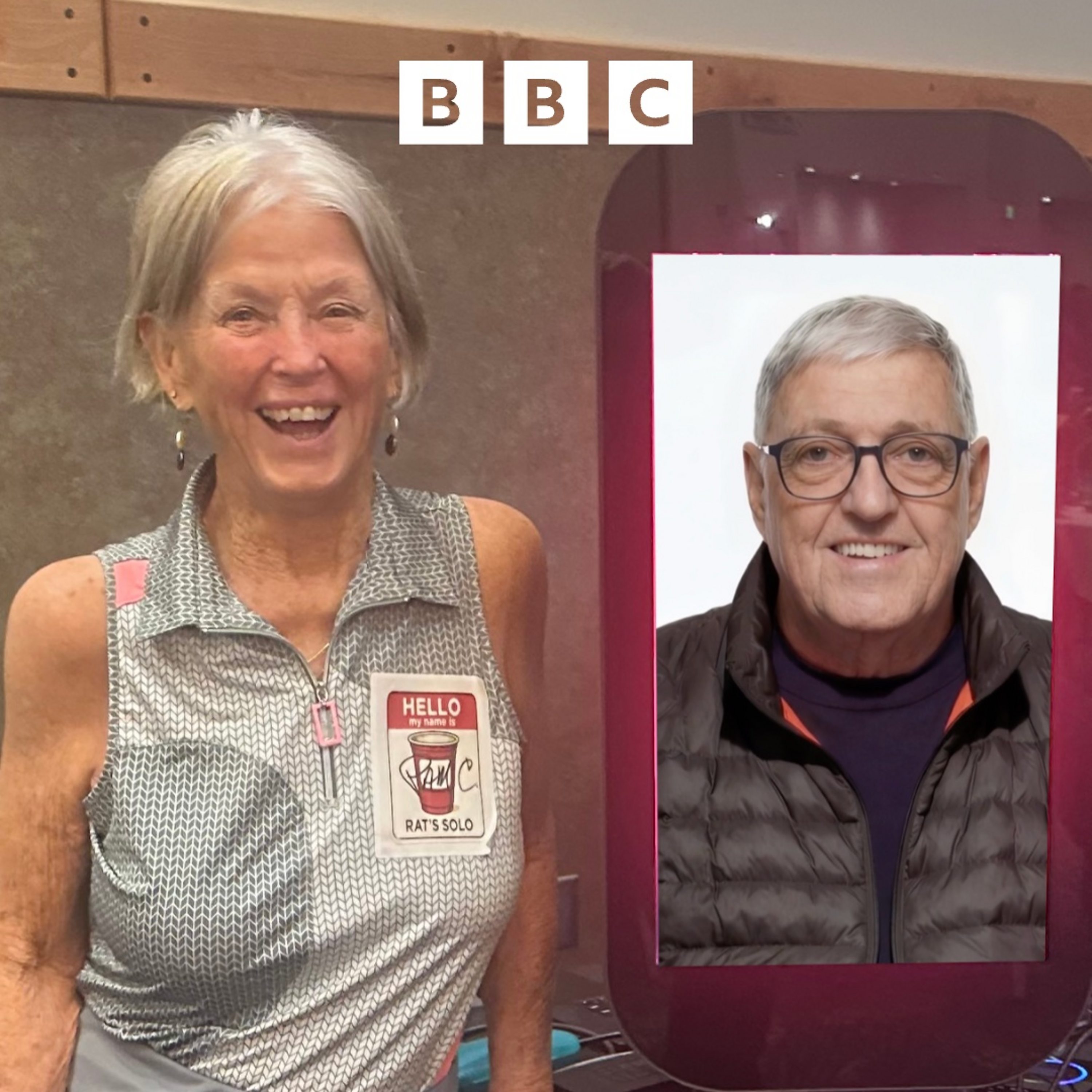
Pam Cronrath tells her deeply personal story of creating a lifelike speaking hologram of her husband, Bill, after he passed away. Pam wanted to honour a promise she'd made to Bill, for a "super wake". And so Bill's hologram appeared in front of two hundred guests at the event, and surprised them with a verbal greeting.
Also this week: if you've had a knee operation and have a smart device monitoring your health, the doctor might want to see you now. And virtual glucose monitoring tech for diabetics - with the help of AI.
Presenter: Shiona McCallum
Producer: Tom Quinn
(Image: Pam Cronrath is standing beside the hologram of her husband, Bill. Credit: George Johnsen)
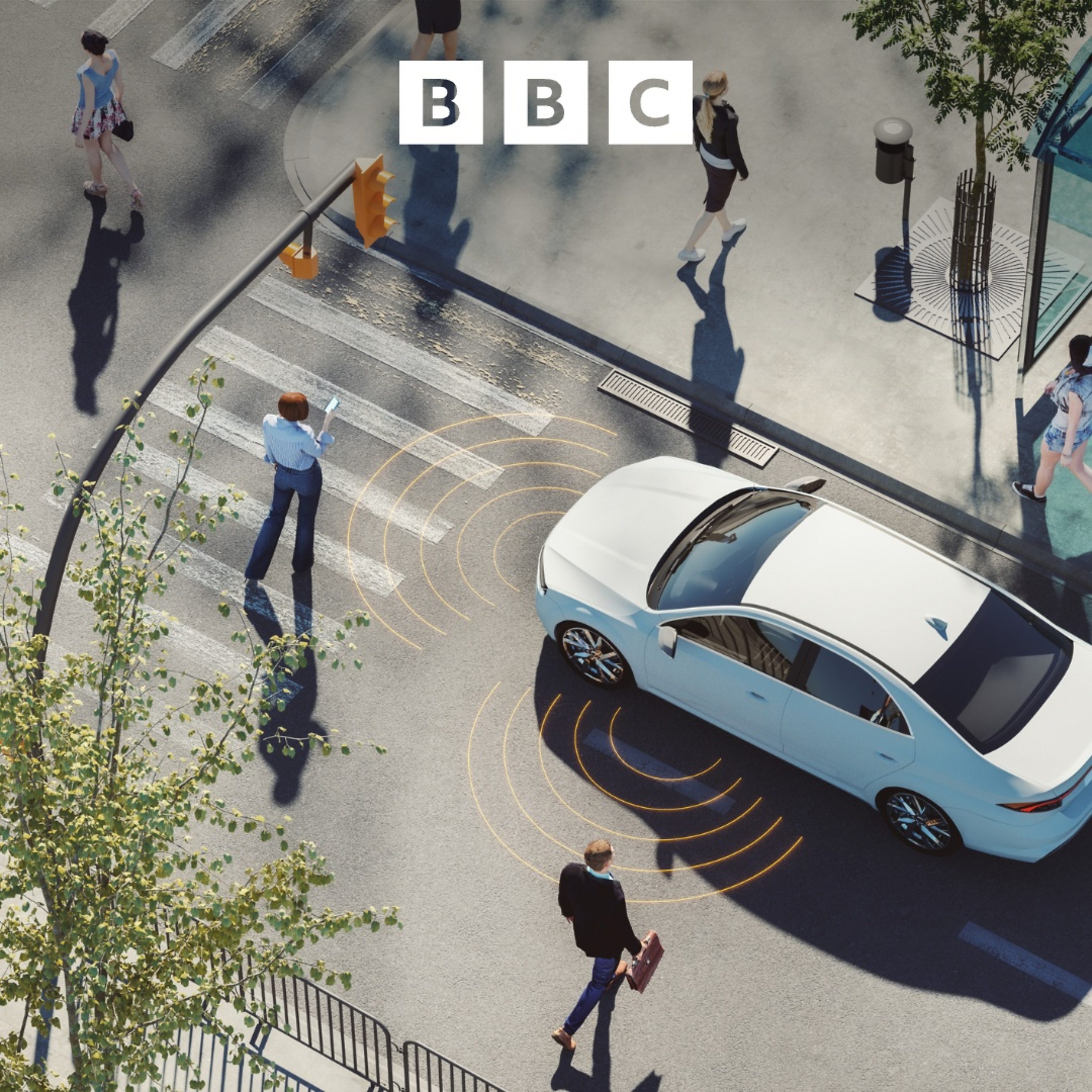
Chris Vallance finds out about research to help self-driving cars communicate with other road users. Hear what happened when he came into contact with a virtual vehicle!
Also this week: you've probably seen the app on TV news recently, but how does MarineTraffic know which ships are doing what in the Strait of Hormuz? And Shiona McCallum checks out changes to Roblox age checks for children.
Presenter: Chris Vallance
Producer: Tom Quinn
(Photo: Illustration of a driverless car on a main road approaching a pedestrian crossing, with people walking in front of and around the side of the car and sensors detectimg its surroundings. Credit: Getty Images)
AI tech is giving people their lost voices back. We chat to Yvonne Johnson, who has motor neurone disease. She's lost much of her ability to speak. But artificial intelligence is helping Yvonne to be heard again, with her own voice.
Also this week: we discuss AI and the price of memory chips with a big computer manufacturer. And video gaming is booming in Africa.
Presenter: Shiona McCallum
Producer: Tom Quinn
(Image: A photo of Yvonne Johnson. She is smiling directly at the camera. Credit: Portrait Of A Voice.)
26 minPlay in:
Guests from more than 12 months ago are part of Pro. See plans