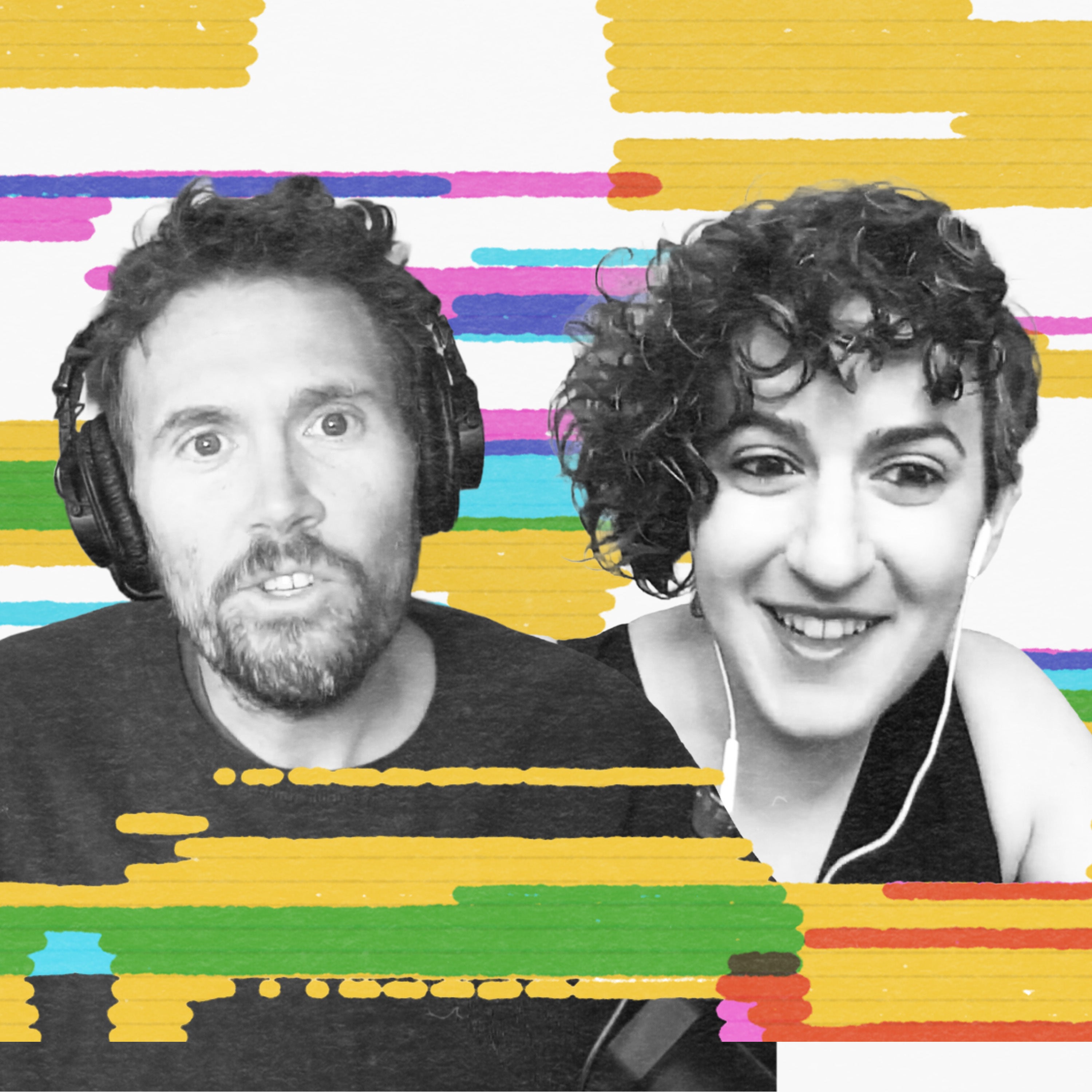
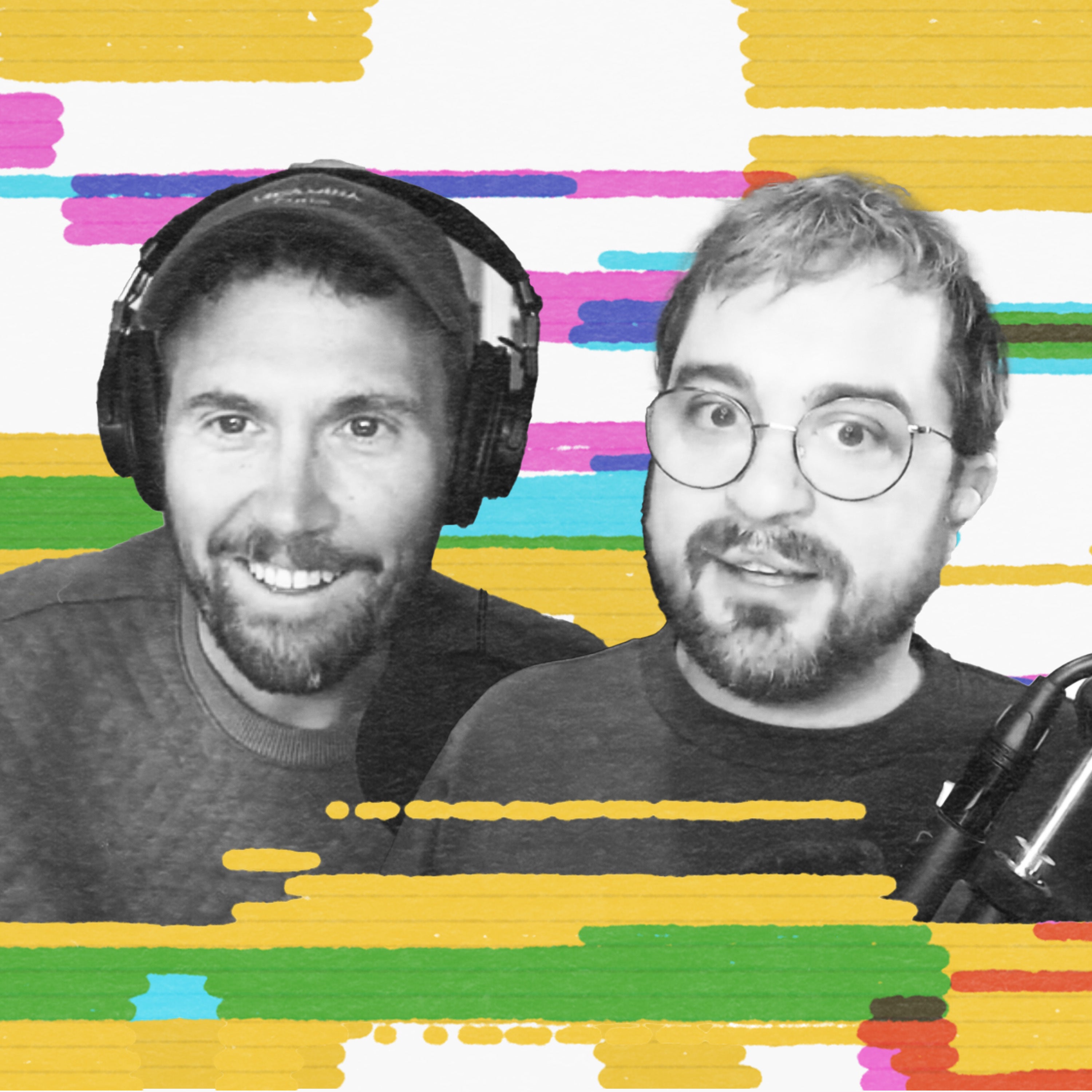
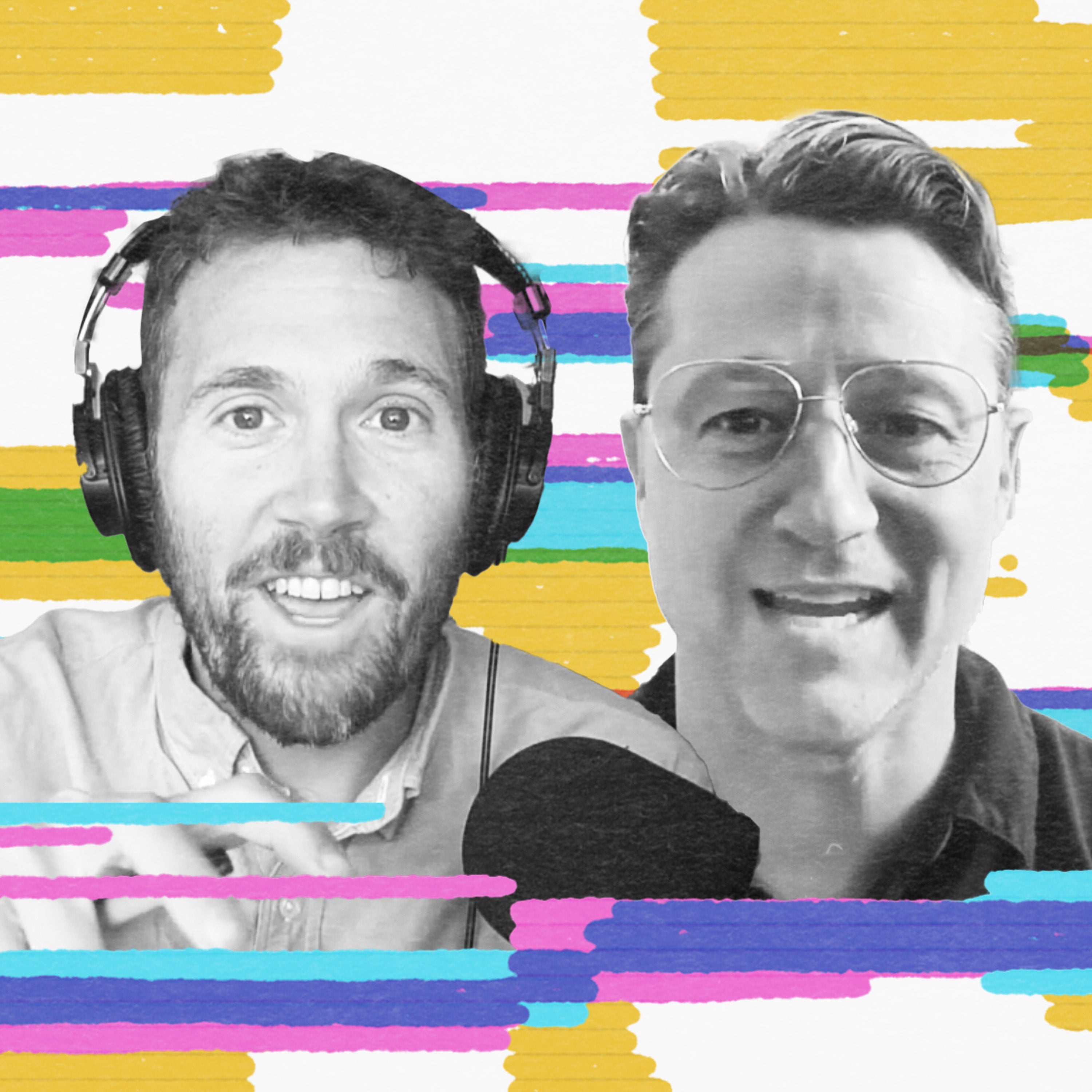
The internet has warped public life: Politicians behave like influencers, the economy resembles a casino, and people can no longer agree upon a consensus reality. New conspiracy theories, memes, and main characters seem to pop up every day. A constant war is on for your attention, and it’s easy to feel lost. Each…
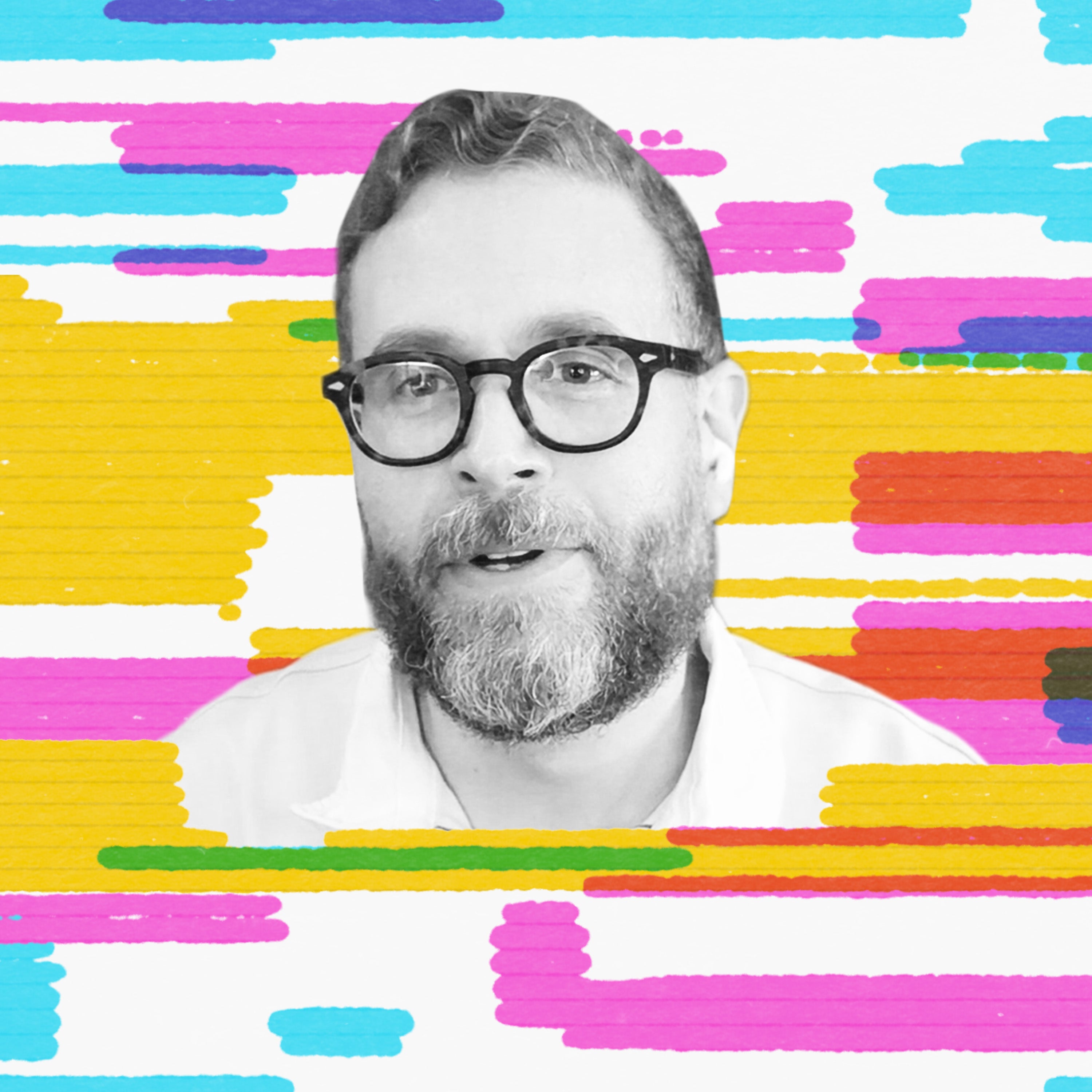
Beyond the salacious details of the Nvidia–Jensen Huang scandal is a story about national security and the advanced chips powering the AI boom. But what exactly are these chips, and why do they matter? Ben Buchanan was one of President Biden’s AI advisers and helped write some of the U.S. policies on chip controls, in conversation with people like Huang. In this episode of “Galaxy Brain,” he breaks down what makes those chips so valuable and why they have such implications for the U.S.-Chinese relationship and the future of AI.
- - -
Get more from your favorite Atlantic voices when you subscribe. You’ll enjoy unlimited access to Pulitzer-winning journalism, from clear-eyed analysis and insight on breaking news to fascinating explorations of our world. Atlantic subscribers also get access to exclusive subscriber audio in Apple Podcasts. Subscribe today at TheAtlantic.com/Listener.
Learn more about your ad choices. Visit podcastchoices.com/adchoices
As Nvidia CEO Jensen Huang has fallen this week—shaking the American economy, which AI helps hold together—Anthropic prepares for an IPO at an expected valuation of up to $1.4 trillion. In this episode, “Galaxy Brain” host Charlie Warzel talks about Huang’s resignation and the danger of having such a figure bear the weight of our economy. Then he talks to the Vox reporter Sigal Samuel about Anthropic, how the AI race has influenced its ideology, and why it and other companies refuse to slow down or stop.
- - -
Get more from your favorite Atlantic voices when you subscribe. You’ll enjoy unlimited access to Pulitzer-winning journalism, from clear-eyed analysis and insight on breaking news to fascinating explorations of our world. Atlantic subscribers also get access to exclusive subscriber audio in Apple Podcasts. Subscribe today at TheAtlantic.com/Listener.
Learn more about your ad choices. Visit podcastchoices.com/adchoices
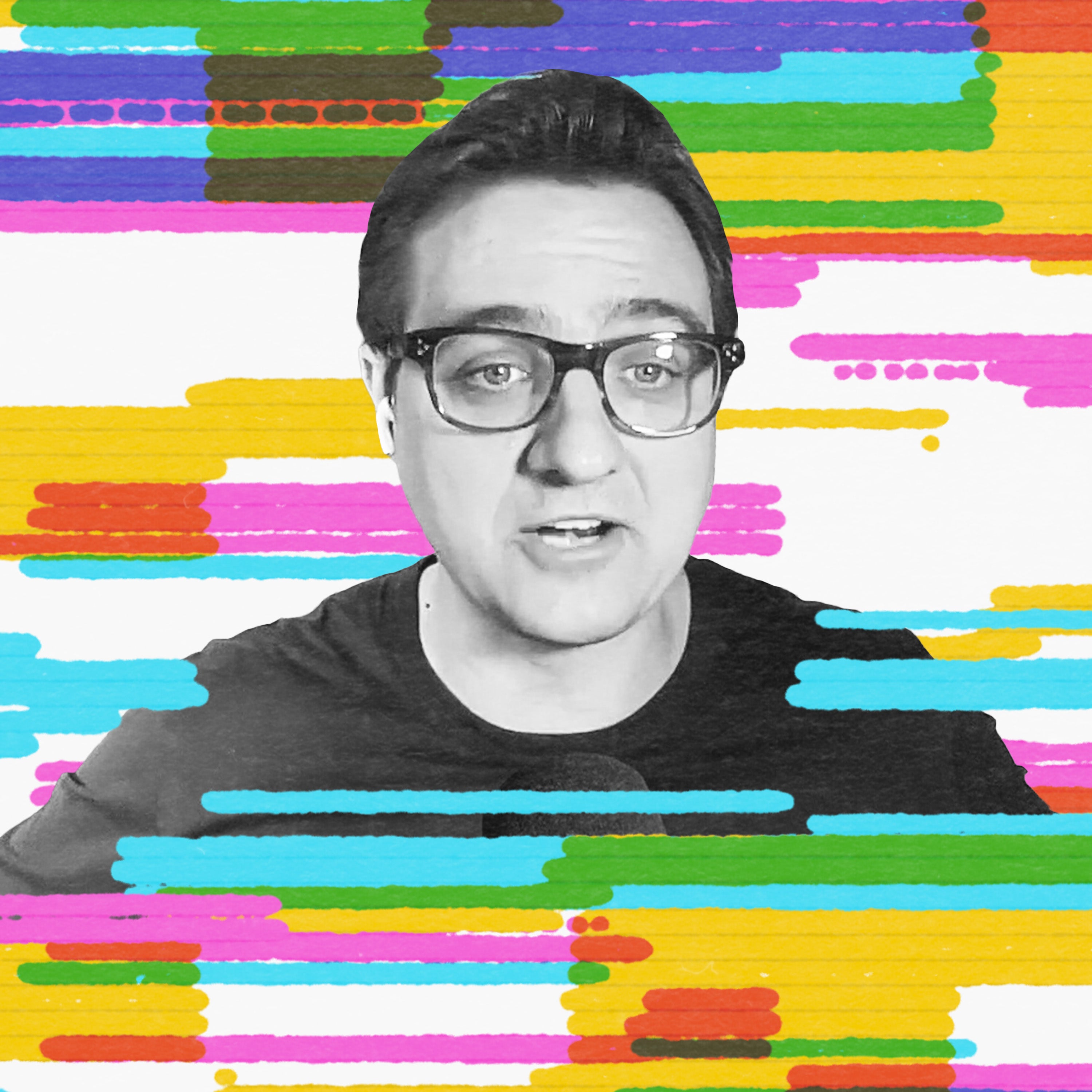
It’s not just stealing cars and running from cops anymore. In the newest “Grand Theft Auto” installment—13 years and an estimated billions of dollars in the making—people in a fictionalized version of Florida can exercise, drink smoothies, pet their dog, go to the club, and so much more. The main characters are in a relationship and players will have to tend to that too. “Galaxy Brain” host Charlie Warzel talks to the gaming journalist Chris Plante about why the details of this game matter, the controversies it may unleash, the weirdest things he’s seen happen in the game, and what “Grand Theft Auto” tells us about America in 2026.
Get more from your favorite Atlantic voices when you subscribe. You’ll enjoy unlimited access to Pulitzer-winning journalism, from clear-eyed analysis and insight on breaking news to fascinating explorations of our world. Atlantic subscribers also get access to exclusive subscriber audio in Apple Podcasts. Subscribe today at TheAtlantic.com/Listener.
Learn more about your ad choices. Visit podcastchoices.com/adchoices
The hype over cryptocurrency may have faded since the fall of Sam Bankman-Fried and FTX, but beneath the surface, a lot of real money is involved, including the millions being funneled into the American political system. The actor turned documentarian Ben McKenzie joins “Galaxy Brain” host Charlie Warzel to talk about the current state of cryptocurrency, why he became interested in investigating it, and how the crypto craze influenced some people’s enthusiasm, or lack thereof, about AI.
Get more from your favorite Atlantic voices when you subscribe. You’ll enjoy unlimited access to Pulitzer-winning journalism, from clear-eyed analysis and insight on breaking news to fascinating explorations of our world. Atlantic subscribers also get access to exclusive subscriber audio in Apple Podcasts. Subscribe today at TheAtlantic.com/Listener.
Learn more about your ad choices. Visit podcastchoices.com/adchoices
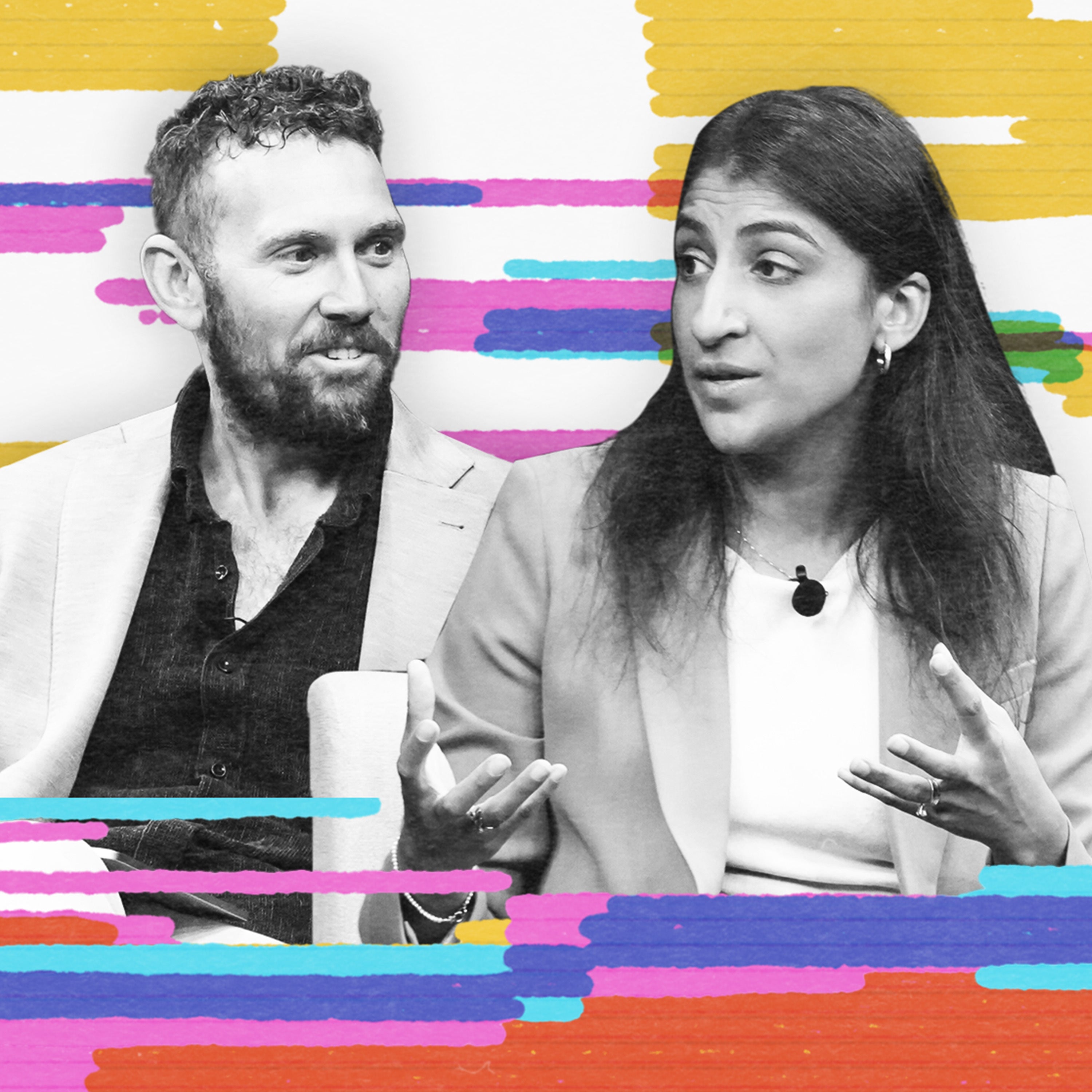
As “rogue” AI agents hack systems and leaders warn of catastrophe, who should be held responsible? The former FTC Commissioner Lina Khan argues that the United States already has a lot of the regulatory tools needed. In this live episode from The Atlantic Festival, the “Galaxy Brain” host Charlie Warzel talks with Khan about why the AI-alarmism conversation feels a little off, how money affects politics and regulation, and some of the ways she would be dealing with AI if she were still the head of the FTC.
- - -
Get more from your favorite Atlantic voices when you subscribe. You’ll enjoy unlimited access to Pulitzer-winning journalism, from clear-eyed analysis and insight on breaking news to fascinating explorations of our world. Atlantic subscribers also get access to exclusive subscriber audio in Apple Podcasts. Subscribe today at TheAtlantic.com/Listener.
Learn more about your ad choices. Visit podcastchoices.com/adchoices
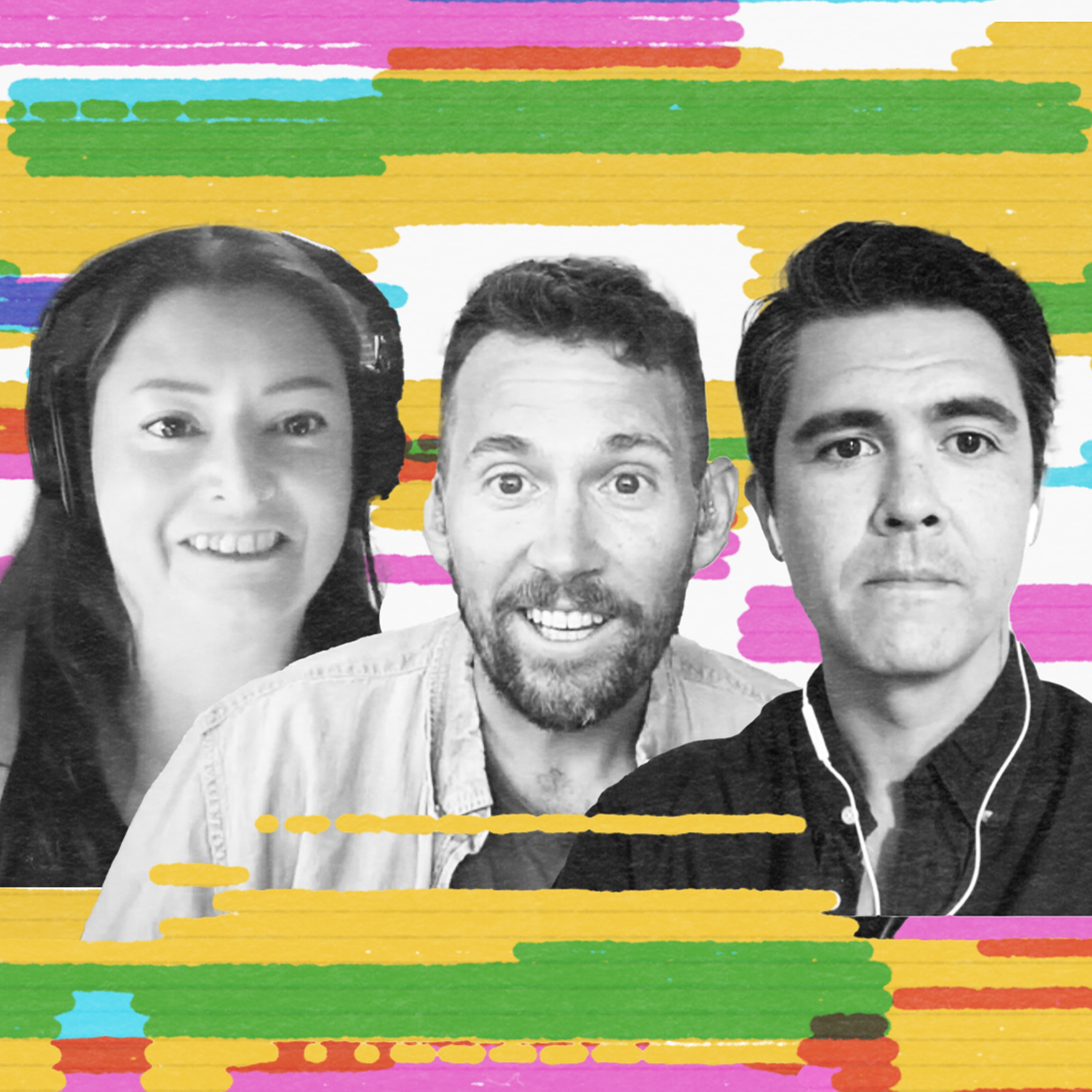
AI-infused writing is suddenly everywhere: not just in automated email responses or meeting summaries, but in books and even the pages of mainstream newspapers. When an editor at The Wall Street Journal recently defended an op-ed that was 100 percent written by AI, it felt like a possible turning point, at which people are no longer apologizing. So is AI-assisted writing in its post-shame era? What does that mean for the way we process, communicate, and think? Host Charlie Warzel talks to the journalists Elizabeth Spiers and Teddy Brown about being a writer when the robots are coming for you, and how technology does not have to be inevitable.
Get more from your favorite Atlantic voices when you subscribe. You’ll enjoy unlimited access to Pulitzer-winning journalism, from clear-eyed analysis and insight on breaking news to fascinating explorations of our world. Atlantic subscribers also get access to exclusive subscriber audio in Apple Podcasts. Subscribe today at TheAtlantic.com/Listener.
Learn more about your ad choices. Visit podcastchoices.com/adchoices
Elon Musk isn’t just the world’s richest man—he’s one of the most influential people alive. His companies have transformed industries, his wealth has shattered records, and his politics now shape governments and public debate. But how did he become this powerful? And is his dominance really inevitable?
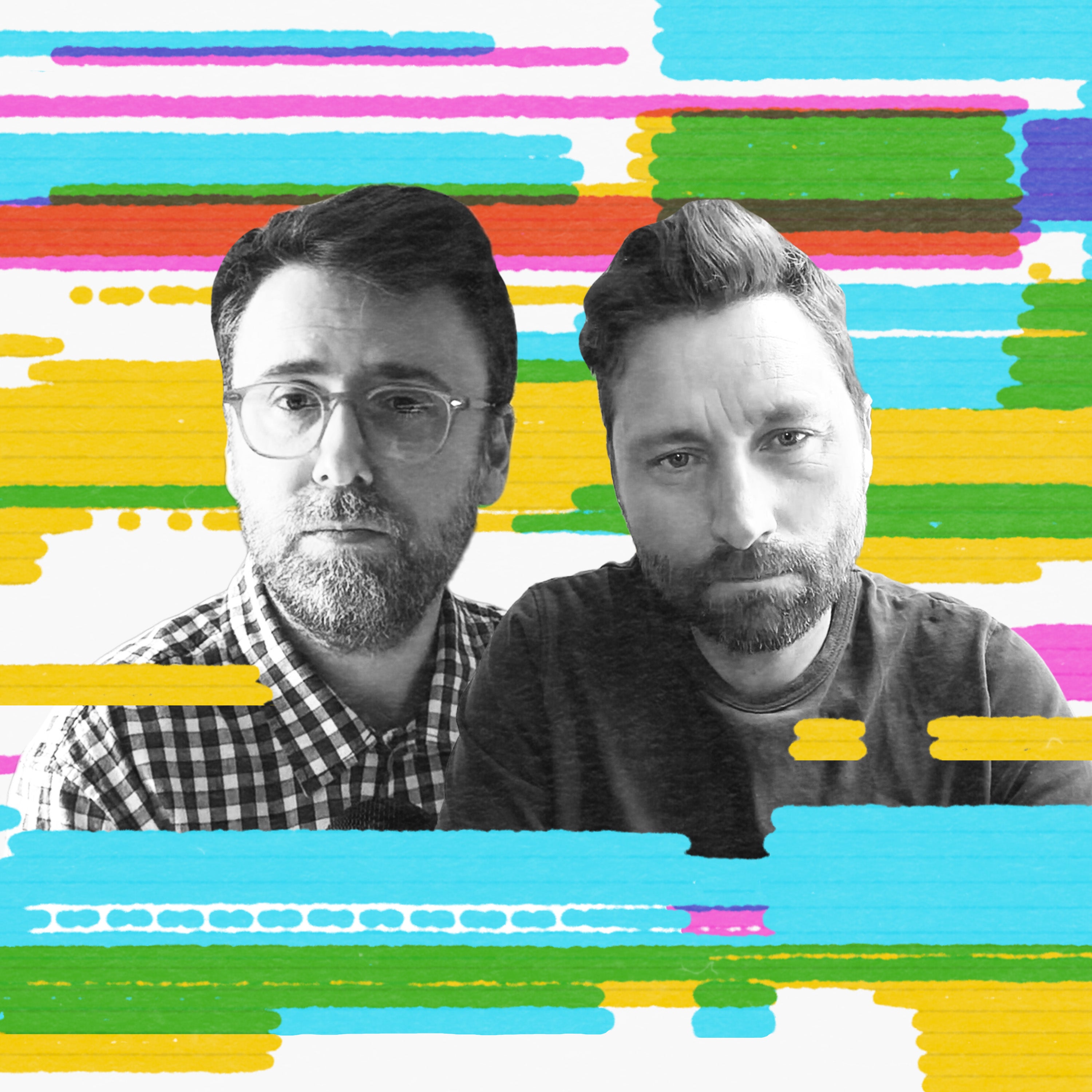
This week on “Galaxy Brain,” Charlie Warzel talks with the historian Quinn Slobodian and the technology writer Ben Tarnoff, the authors of “Muskism: A Guide for the Perplexed,” about the ideas driving Musk’s rise. They unpack the mythology of the billionaire genius, the ideology behind his politics, and whether the world’s most powerful CEO is stronger—or more vulnerable—than he appears.
Get more from your favorite Atlantic voices when you subscribe. You’ll enjoy unlimited access to Pulitzer-winning journalism, from clear-eyed analysis and insight on breaking news to fascinating explorations of our world. Atlantic subscribers also get access to exclusive subscriber audio in Apple Podcasts. Subscribe today at TheAtlantic.com/Listener.
This episode of “Galaxy Brain" was produced by Renee Klahr and engineered by Miguel Carrascal. Our theme is by Rob Smierciak. Hadley Robinson is our senior supervising producer. Claudine Ebeid is the executive producer of Atlantic audio, and Andrea Valdez is our managing editor.
Learn more about your ad choices. Visit podcastchoices.com/adchoices
Do you wish you could read more books? You’re not alone. These days, fewer people are reading for pleasure, and even those who do tend to struggle with distractions. Is this a literacy crisis, or has our attention just been warped? And what can we do?
In this episode of “Galaxy Brain,” John Paul Brammer joins Charlie Warzel to talk about how he managed to ditch the allure of his screens and social media and rewild his attention. This is a conversation about how to reignite your curiosity, what deep reading does to your mind, and how anyone can learn to love to read again.
Get more from your favorite Atlantic voices when you subscribe. You’ll enjoy unlimited access to Pulitzer-winning journalism, from clear-eyed analysis and insight on breaking news to fascinating explorations of our world. Atlantic subscribers also get access to exclusive subscriber audio in Apple Podcasts. Subscribe today at TheAtlantic.com/Listener.
This episode of “Galaxy Brain” was produced by Renee Klahr and engineered by Miguel Carrascal. Our theme is by Rob Smierciak. Hadley Robinson is our senior supervising producer. Claudine Ebeid is the executive producer of Atlantic audio, and Andrea Valdez is our managing editor.
Learn more about your ad choices. Visit podcastchoices.com/adchoices
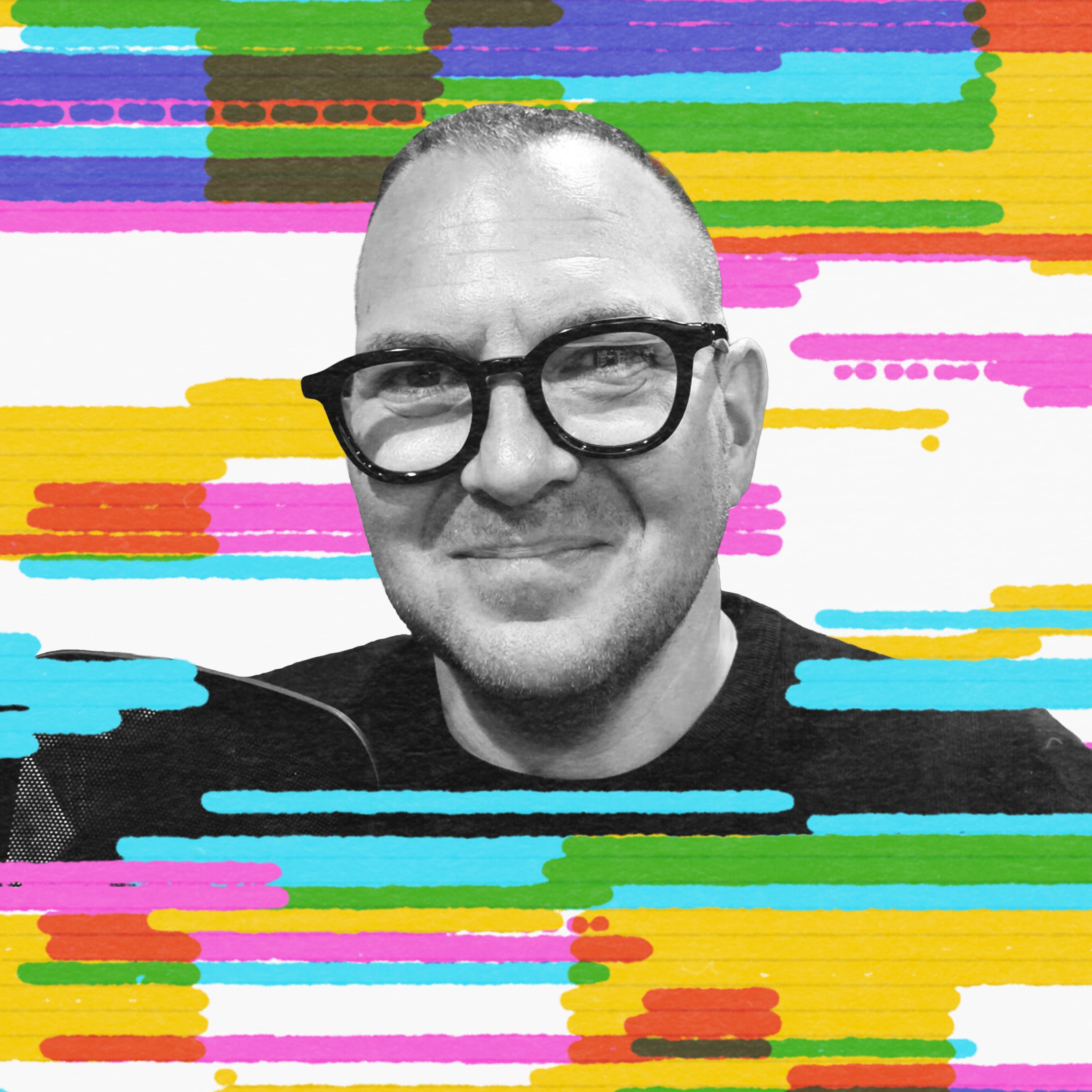
Cory Doctorow has a refrain: “The most important thing about a gadget isn’t what it does; it’s who it does it for and what it does it to.” In this episode of “Galaxy Brain,” he sits down with Charlie Warzel to talk about the AI boom, making the case that the hype, vision, and dreams of endless growth are unsustainable. Doctorow expands on his viral “enshittification” thesis: a critique of AI based around power and whether we are using AI tools or being used by them.
Get more from your favorite Atlantic voices when you subscribe. You’ll enjoy unlimited access to Pulitzer-winning journalism, from clear-eyed analysis and insight on breaking news to fascinating explorations of our world. Atlantic subscribers also get access to exclusive subscriber audio in Apple Podcasts. Subscribe today at TheAtlantic.com/Listener.
Learn more about your ad choices. Visit podcastchoices.com/adchoices
Data centers are quickly becoming the most polarizing buildings in America. On this episode of Galaxy Brain, Charlie Warzel speaks with the reporter Jael Holzman about the backlash to the buildings powering the AI boom. Why have data centers become controversial? What are the environmental, economic, and political impacts? How does the backlash track along left/right party lines? This episode demystifies the data-center fight.
Get more from your favorite Atlantic voices when you subscribe. You’ll enjoy unlimited access to Pulitzer-winning journalism, from clear-eyed analysis and insight on breaking news to fascinating explorations of our world. Atlantic subscribers also get access to exclusive subscriber audio in Apple Podcasts. Subscribe today at TheAtlantic.com/Listener.
Learn more about your ad choices. Visit podcastchoices.com/adchoices
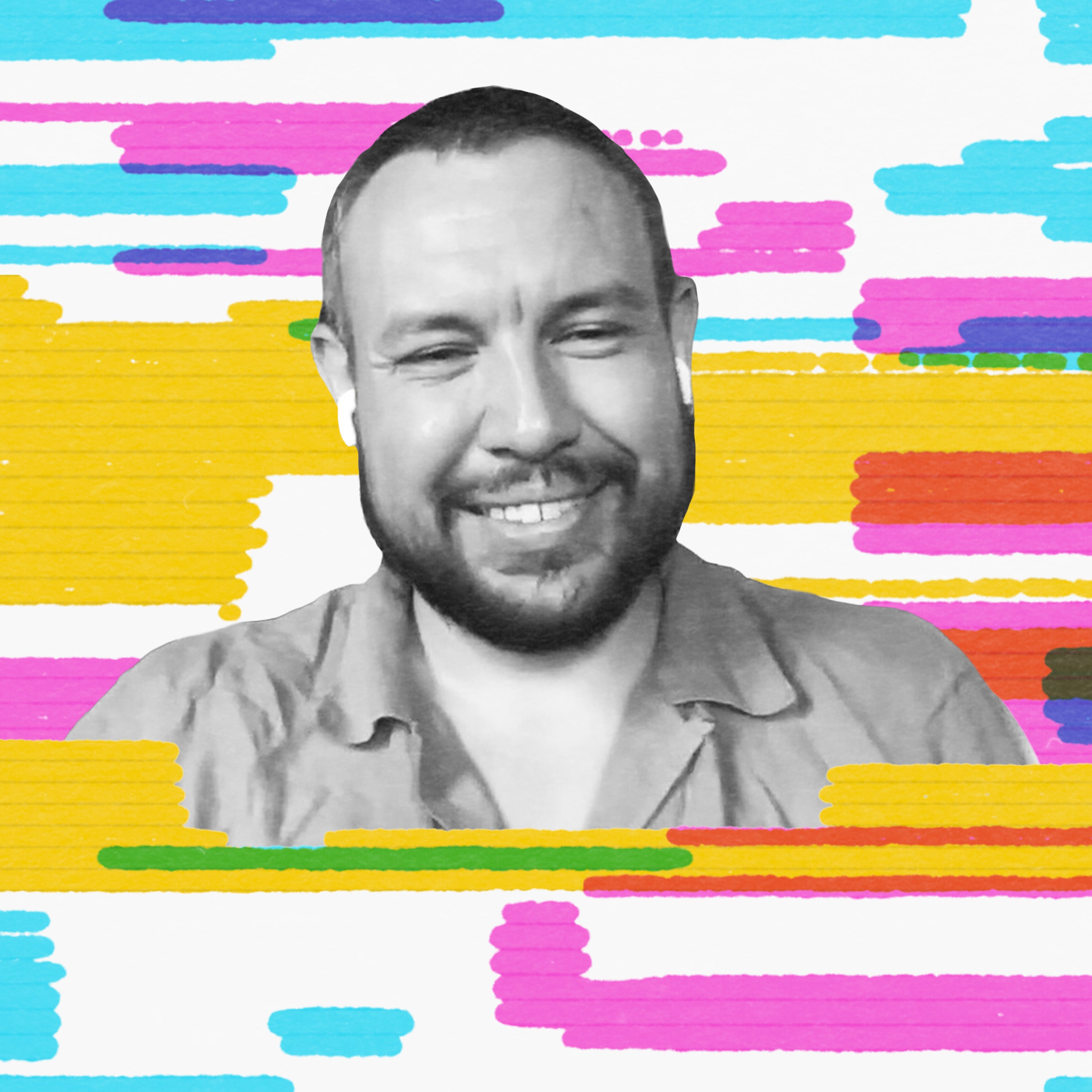
How do you build a streaming service from scratch? On this week’s “Galaxy Brain,” Charlie Warzel speaks with Sam Reich, the CEO of Dropout, a comedy streaming platform that’s found success eschewing the growth-at-all-costs model of the mega streamers. The two discuss the pre-YouTube days of online video and how Reich acquired Dropout, formerly known as the internet site CollegeHumor, for $0. They talk about how comedy has evolved online, how to build a cinematic universe of content, and whether Reich sees Dropout as a feeder for places like “Saturday Night Live.” Reich shares his philosophies on how to make things that people love and why he steers away from the venture-capital and big-media playbooks.
Get more from your favorite Atlantic voices when you subscribe. You’ll enjoy unlimited access to Pulitzer-winning journalism, from clear-eyed analysis and insight on breaking news to fascinating explorations of our world. Atlantic subscribers also get access to exclusive subscriber audio in Apple Podcasts. Subscribe today at TheAtlantic.com/Listener.
Learn more about your ad choices. Visit podcastchoices.com/adchoices
How should you feel about the AI boom? In this episode of Galaxy Brain, Charlie Warzel speaks with Chris Hayes about how to emotionally calibrate our response to this dizzying AI moment. Hayes describes why AI gives him “The Bad Feeling,” and how it led him to report on AI like an anthropologist would. The two discuss why AI is described as “the jagged frontier,” and they explore the distinction between using AI for creative thinking versus grunt work.
Get more from your favorite Atlantic voices when you subscribe. You’ll enjoy unlimited access to Pulitzer-winning journalism, from clear-eyed analysis and insight on breaking news to fascinating explorations of our world. Atlantic subscribers also get access to exclusive subscriber audio in Apple Podcasts. Subscribe today at TheAtlantic.com/Listener.
Learn more about your ad choices. Visit podcastchoices.com/adchoices
On this week’s episode of “Galaxy Brain,” Charlie Warzel talks with his Atlantic colleague Kaitlyn Tiffany about what our phones are doing to us. Tiffany recently wrote about swapping her iPhone for a flip phone as part of a movement called “Month Offline.” Kaitlyn talks through her personal experience: the joys and inconveniences of a dumbphone and the difficulty of unplugging completely. Warzel and Tiffany talk about the growing smartphone backlash, legal cases against “big tech,” and how, even if many people are convinced that their phones are a problem, the science remains far from conclusive regarding direct harm.
Get more from your favorite Atlantic voices when you subscribe. You’ll enjoy unlimited access to Pulitzer-winning journalism, from clear-eyed analysis and insight on breaking news to fascinating explorations of our world. Atlantic subscribers also get access to exclusive subscriber audio in Apple Podcasts. Subscribe today at TheAtlantic.com/Listener.
Learn more about your ad choices. Visit podcastchoices.com/adchoices
What happens when the majority of content on the internet tips over into AI slop?
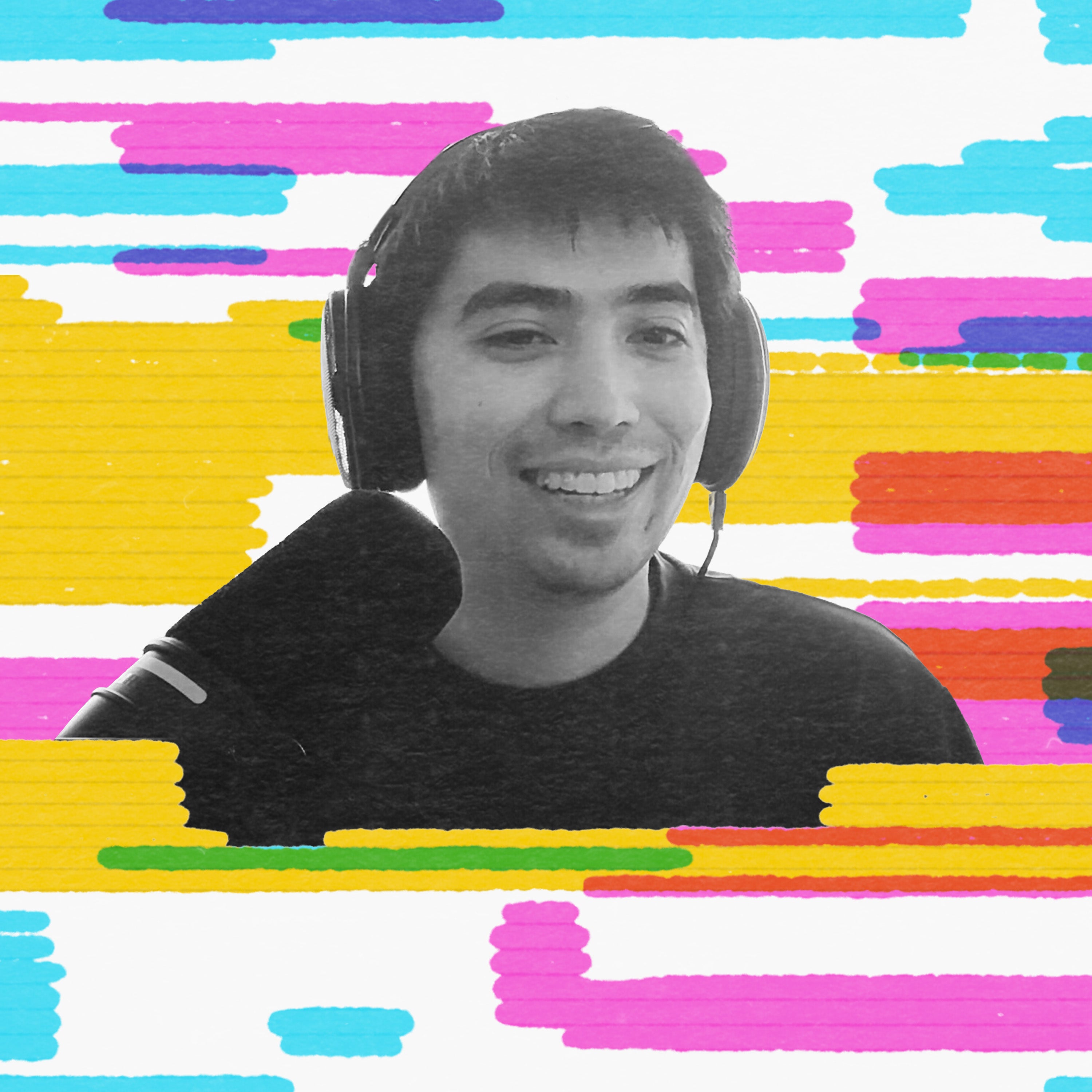
On this episode of Galaxy Brain, Charlie Warzel talks to Max Spero, the co-founder of Pangram, an AI-detection company. They discuss how AI-detection tools work and how effective they can be at identifying what’s made by humans and what comes from a chatbot. They explore the cultural concerns around authenticity in the large language model era, and whether detection can keep up as models improve. The pair discuss how the speed of AI development and synthetic content threatens to degrade the quality of human writing and pollute the internet—and what, if anything, can be done to stop it.
Get more from your favorite Atlantic voices when you subscribe. You’ll enjoy unlimited access to Pulitzer-winning journalism, from clear-eyed analysis and insight on breaking news to fascinating explorations of our world. Atlantic subscribers also get access to exclusive subscriber audio in Apple Podcasts. Subscribe today at TheAtlantic.com/Listener.
Learn more about your ad choices. Visit podcastchoices.com/adchoices
In this episode of Galaxy Brain, Charlie Warzel talks with business writer Ed Elson about the rise of the “clip economy”—the idea that short video clips pulled from podcasts, livestreams, and other long-form content have become the dominant unit of online media, not just a promotional tool. Elson explains how figures like Andrew Tate pioneered armies of paid clippers to flood social platforms with content and how the viewership numbers on clips often perform better than the original shows. Warzel and Elson discuss what this means for legacy media organizations, as well as the broader societal costs of phone-driven attention erosion.
Get more from your favorite Atlantic voices when you subscribe. You’ll enjoy unlimited access to Pulitzer-winning journalism, from clear-eyed analysis and insight on breaking news to fascinating explorations of our world. Atlantic subscribers also get access to exclusive subscriber audio in Apple Podcasts. Subscribe today at TheAtlantic.com/Listener.
Learn more about your ad choices. Visit podcastchoices.com/adchoices
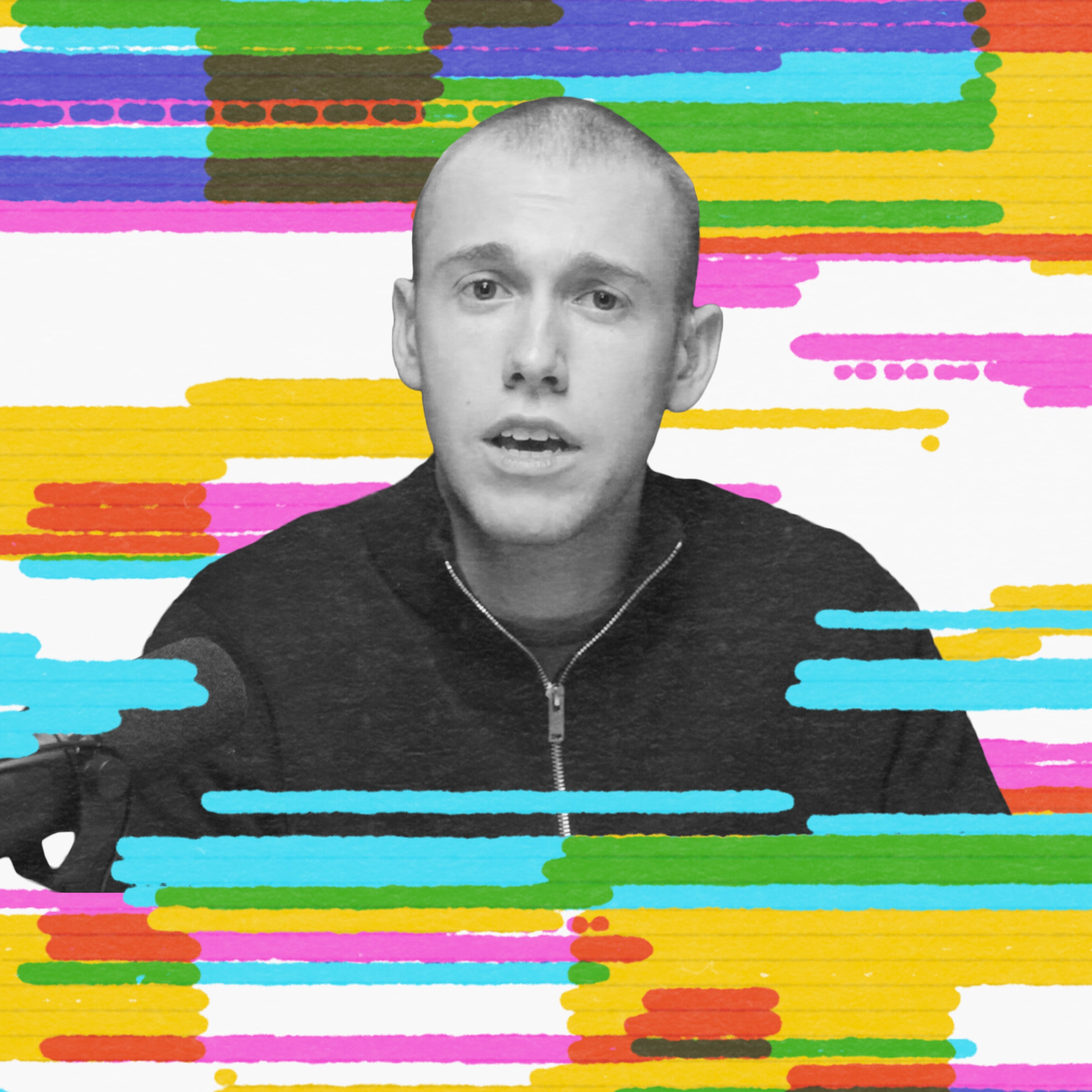
In this episode of Galaxy Brain, Charlie Warzel speaks with Josh Owens, a videographer and the author of a memoir about his years working for Infowars, the media company of the conspiracy theorist Alex Jones. Owens traces his journey from a film-school student who stumbled onto Jones’s radio show to an insider who spent four years filming, editing, and traveling for the organization. Owens describes how Jones’s conspiracy machine works, as well as how his own moral compass was scrambled by Jones’s manipulative management. The conversation explores radicalization, the conspiratorial media ecosystem Jones helped create, and how Owens was able to pull himself out.
Get more from your favorite Atlantic voices when you subscribe. You’ll enjoy unlimited access to Pulitzer-winning journalism, from clear-eyed analysis and insight on breaking news to fascinating explorations of our world. Atlantic subscribers also get access to exclusive subscriber audio in Apple Podcasts. Subscribe today at theAtlantic.com/listener.
Learn more about your ad choices. Visit podcastchoices.com/adchoices
What is Twitter’s legacy? In this episode of Galaxy Brain, Charlie Warzel traces how Twitter, now called X, evolved from a status-update tool to one of the most culturally and politically influential—and contentious—platforms of the modern internet. Charlie is joined by early Twitter executive Jason Goldman. They explore how Twitter’s core features—many invented by users—reshaped media and politics while also enabling new forms of harassment, misinformation, and attention hijacking. Goldman reflects candidly on the company’s key inflection points—from early free-speech-maximalist decisions and underinvestment in trust and safety to Twitter’s role in events like the Arab Spring and the election of Donald Trump. The discussion culminates in Twitter’s Elon Musk era, where its logic of attention has been weaponized more explicitly. The episode reckons with what Goldman and others ultimately built: a tool with outsize cultural influence that’s broken brains and amplified some of society’s worst impulses.
Get more from your favorite Atlantic voices when you subscribe. You’ll enjoy unlimited access to Pulitzer-winning journalism, from clear-eyed analysis and insight on breaking news to fascinating explorations of our world. Atlantic subscribers also get access to exclusive subscriber audio in Apple Podcasts. Subscribe today at TheAtlantic.com/Listener.
Learn more about your ad choices. Visit podcastchoices.com/adchoices
Just how are powerful AI models being used in warfare overseas? In this episode of Galaxy Brain, Charlie Warzel sits down with Wired senior writer Will Knight to discuss the rise of autonomous weapons. From the origins of Project Maven to the recent falling-out between Anthropic and the U.S. Department of Defense, they trace what’s happening as artificial intelligence moves from summarizing documents to informing decisions on the battlefield.
How do these weapons work? What are the safeguards? Who decides what values get baked into these models? As autonomous systems become harder to avoid, where exactly is the line between human judgment and machine decision making? Warzel and Knight help explain how the Pentagon and Silicon Valley are more entangled than ever and where warfare goes from here.
Get more from your favorite Atlantic voices when you subscribe. You’ll enjoy unlimited access to Pulitzer-winning journalism, from clear-eyed analysis and insight on breaking news to fascinating explorations of our world. Atlantic subscribers also get access to exclusive subscriber audio in Apple Podcasts. Subscribe today at TheAtlantic.com/Listener.
Learn more about your ad choices. Visit podcastchoices.com/adchoices
Silicon Valley runs on hype cycles, and the AI boom is generating a new one—part gold rush, part ideology, and part quasi-religious devotion to building an alien intelligence.
On this week’s “Galaxy Brain,” Charlie Warzel explores the culture of this boom with the writer Jasmine Sun, who’s been chronicling San Francisco’s AI scene. Sun describes what this moment feels like on the ground, including a subculture of massive salaries, and a weird pride in leaning into tech’s strangeness. Together, Warzel and Sun unpack two major factions shaping the industry: the AI “doomers,” and the accelerationists. The conversation also traces Silicon Valley’s rightward drift—the “founder mode” backlash against regulation and employee activism and the rise of “Trump style” provocation-first tech marketing. Finally, Sun and Warzel address the jagged reality of today’s models, which are brilliant at some tasks and weak at others.
Get more from your favorite Atlantic voices when you subscribe. You’ll enjoy unlimited access to Pulitzer-winning journalism, from clear-eyed analysis and insight on breaking news to fascinating explorations of our world. Atlantic subscribers also get access to exclusive subscriber audio in Apple Podcasts. Subscribe today at TheAtlantic.com/Listener.
Learn more about your ad choices. Visit podcastchoices.com/adchoices
Silicon Valley relies on hype cycles. But for the last few weeks, AI insiders have been spooked by advances coming from their tools. On this week’s Galaxy Brain, Charlie Warzel helps listeners calibrate their anxiety about AI’s next phase. The episode examines what’s new: AI-agent coding tools that can work in the background like personal assistants. Warzel is joined by longtime technologist Anil Dash to unpack how hype and venture-capital incentives can distort the conversation around advances, and what the rise of tools like Claude Code and the more reckless “OpenClaw” experiments mean for labor, security, and everyday work. Dash outlines the very real risks of AI to explain why some people are panicking, why others are quietly building alternatives, and what to watch for as AI moves beyond chatbots to autonomous agents.
Get more from your favorite Atlantic voices when you subscribe. You’ll enjoy unlimited access to Pulitzer-winning journalism, from clear-eyed analysis and insight on breaking news to fascinating explorations of our world. Atlantic subscribers also get access to exclusive subscriber audio in Apple Podcasts. Subscribe today at TheAtlantic.com/listener.
Learn more about your ad choices. Visit podcastchoices.com/adchoices
47 minAbspielen in:
Gäste, die länger als 12 Monate zurückliegen, gibt es mit Pro. Pläne ansehen

 BB