Campus to Capital is a long-form interview show about European venture capital, deep tech and company building, hosted by Julius Ambrosius and Konstantin Girst.
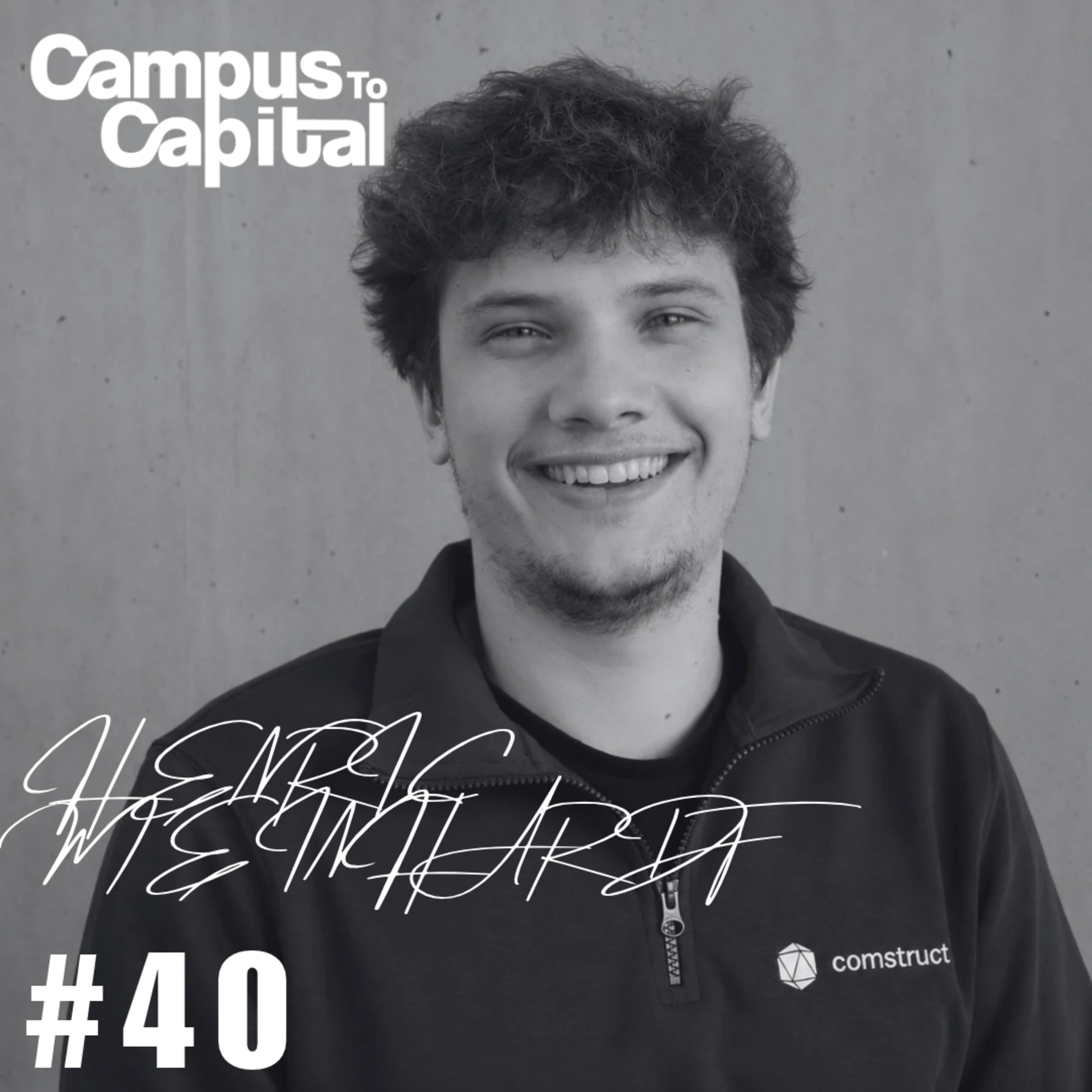
Henric Meinhardt, co-founder and CEO of Comstruct, wants to rebuild the $14 trillion construction industry with his Google Ventures-backed startup. Why has construction barely become more productive in 50 years, and why does Henric think another software tool will not be enough to change it?
Comstruct's AI agents automate procurement for large construction companies. They match delivery slips and purchase orders against invoices, down to a Saturday surcharge hidden on page 79 of a 90-page contract, and 97% of invoices now go through without a human review. Henric first saw the problem at Heidelberg Materials, where concrete plants received tons of paper delivery notes. Today Comstruct runs on more than 2,000 construction projects, works with three of the ten largest contractors in the world and raised €12.5 million in a round led by GV (Google Ventures) and 20VC. Henric joined us from Austin, where he is building Comstruct's US business.
In this episode, Henric explains:
■ Construction Invoice Automation: Why AI agents now check 97% of invoices without a human review, and what changed in the models about nine months ago.
■ Construction Procurement Europe vs US: How European framework agreements help Comstruct with US contractors who want to standardise their purchasing.
■ Enterprise Sales in the US: Why cold outreach barely works in the US, and how walking into contractors' offices opened doors.
■ Forward Deployed Engineers: Why Comstruct keeps one standardised product for more than 2,000 projects.
■ Construction Tech Fundraising: What GV and 20VC saw in the team, and why Henric still sees Comstruct in the seed stage.
00:00 Highlights
00:27 Welcome
01:02 How Did Comstruct Start?
03:25 Where Is the Value in Construction Software?
05:54 What to Do When Customers Push Back
09:02 The Product Today: Invoice Reconciliation
10:40 What Can AI Agents Check Today?
16:10 Who Does Comstruct Compete With?
20:46 Texas, Data Centers and the US Build-Out
22:50 What Did GV and 20VC Need to See?
27:56 Why Comstruct Moved to the US
35:40 One Year From Now: 30% CapEx Impact
37:45 Rapid-Fire Questions
Full transcript: https://campustocapital.eu/episodes/40
◼ Website - https://campustocapital.eu
◼ Spotify - https://open.spotify.com/show/5Jh1NlPrHG2uqm51RjF4EK
◼ Apple Podcasts - https://podcasts.apple.com/de/podcast/campus-to-capital/id1801234585
◼ Newsletter Past Consensus - https://substack.com/@pastconsensus
◼ Instagram - https://www.instagram.com/ctccast
◼ LinkedIn - https://www.linkedin.com/company/campustocapital/
◼ X - https://x.com/CampusToCapitaI
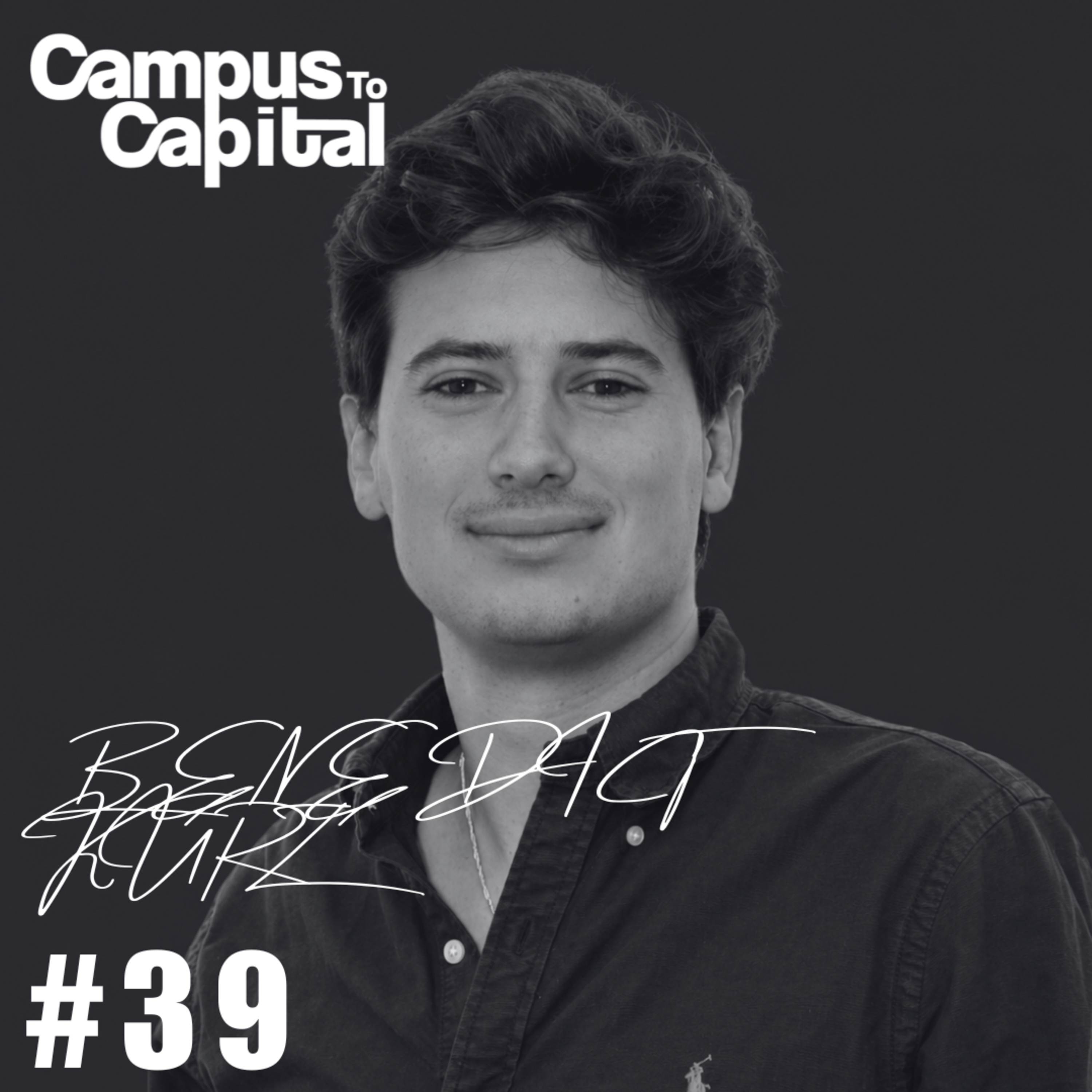
Why would a student who already has ChatGPT keep coming back to a learning app? Benedict Kurz, co-founder and CEO of Knowunity, explains how he started at 17 in his grandfather's basement and built a note-sharing platform the company says reaches more than 30 million students.
Benedict Kurz started Knowunity at 17 while still at school, when he had twice been German runner-up in tennis. He and his co-founders built the app with their own savings and money from their families, launched it in September 2020 and turned it from shared study notes into an AI learning companion. In June 2025, Knowunity raised a €27 million Series B led by XAnge.
In this episode, Benedict explains:
■ AI Learning Companion: How Knowunity became a personalized learning companion for students.
■ Knowunity vs ChatGPT: The three elements that keep students coming back when ChatGPT has a free study mode.
■ Affordable Tutoring: Expanding to Latin America and Asia, where a large middle class cannot afford tutoring.
■ Series B Fundraising: Why Knowunity waited for proof of the AI pivot before raising again, and what investors do beyond writing a cheque.
■ Hiring for Curiosity: Why the core team stays at around 40 people, and why Benedict hires for curiosity over a prestigious CV.
00:00 Highlights
00:23 Welcome
02:34 What Is Knowunity Today?
03:37 From Study Notes to AI
05:31 Tennis or a Startup?
08:12 How Did the Founding Team Come Together?
10:04 Rebuilding the Product Around AI
14:33 How Do You Compete with ChatGPT?
18:04 New Markets and Access to Tutoring
21:20 Apprenticeships and Careers
24:09 Fundraising After the AI Pivot
26:22 What Do Investors Add Beyond the Cheque?
29:10 Berlin Politics and the Startup Scene
34:06 Team Size and Hiring for Curiosity
39:13 Attention Spans and Studying
41:56 Advice for Young Founders
43:36 Rapid-Fire Questions
Full transcript: https://campustocapital.eu/episodes/39
Campus To Capital:
◼ Website - https://campustocapital.eu
◼ YouTube - https://www.youtube.com/@CampusToCapital
◼ Apple Podcasts - https://podcasts.apple.com/de/podcast/campus-to-capital/id1801234585
◼ Newsletter Past Consensus - https://substack.com/@pastconsensus
◼ Instagram - https://www.instagram.com/ctccast
◼ LinkedIn - https://www.linkedin.com/company/campustocapital/
◼ X - https://x.com/CampusToCapitaI
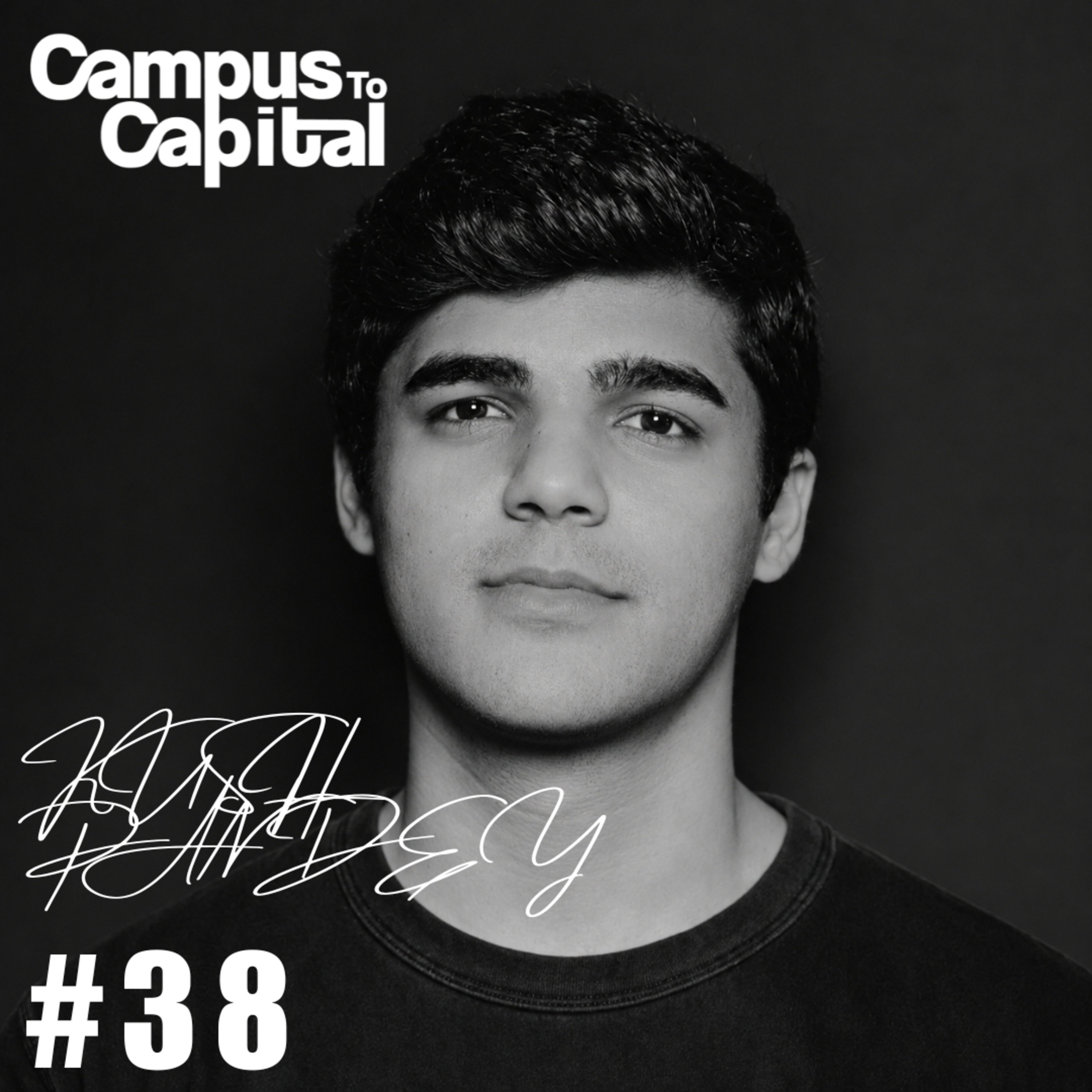
If AI makes legal work faster, why should you still pay by the hour? Kush Pandey, Crosby's first employee, explains how Crosby builds a law firm where licensed lawyers and AI agents review and negotiate commercial contracts, and why clients pay per contract instead of by the hour.
Kush Pandey built ScoutMe, a football scouting platform, at 17, went into consulting at Bain and became Crosby's first employee. He also scouts for a16z. Crosby launched in January 2025, and by March 2026 it had raised $85.8 million from investors including Sequoia, Index, Lux and Bain Capital Ventures.
In this episode, Kush explains:
■ AI-Native Law Firm: Why Crosby built its own law firm instead of selling software to law firms.
■ The End of the Billable Hour: Why clients pay Crosby by the document or by the contract, to align incentives around getting the signature.
■ Legal AI Agents: How lawyers and engineers work side by side to encode legal judgment, a non-verifiable domain, into agents.
■ Joining a Startup as the First Employee: What it is like when your first assignment is "figure it out".
■ Agent-to-Agent Negotiation: Why the world is heading towards multi-party autonomous negotiations, and why Crosby is pursuing liability insurance for its agents.
00:00 Highlights
00:37 Welcome
01:44 ScoutMe and Football
05:41 Scouting Founders for a16z
08:46 Why Did He Join Crosby?
11:32 First Day: Figure It Out
15:00 What Enabled Crosby's Growth?
18:05 Why Build an AI-Native Law Firm?
21:54 Lawyers and Engineers Side by Side
23:22 Who Feels the Contract Pain?
26:35 How Does a New Law Firm Win Trust?
32:00 Regulation and Lawyers in the Loop
35:12 How Do You Train Agents on Sensitive Legal Data?
38:26 Agent-to-Agent Negotiation
43:36 How to Get the First 90 Days with Early Hires Right
47:13 What Does the New Funding Enable?
49:24 Rapid-Fire Questions
Full transcript: https://campustocapital.eu/episodes/38
Campus To Capital:
◼ Website - https://campustocapital.eu
◼ YouTube - https://www.youtube.com/@CampusToCapital
◼ Apple Podcasts - https://podcasts.apple.com/de/podcast/campus-to-capital/id1801234585
◼ Newsletter Past Consensus - https://substack.com/@pastconsensus
◼ Instagram - https://www.instagram.com/ctccast
◼ LinkedIn - https://www.linkedin.com/company/campustocapital/
◼ X - https://x.com/CampusToCapitaI
If you can direct a computer with your voice, why do we still use the keyboard? Falco Schneider explains why the keyboard has to die and what it takes to build the next human-computer interface.
Falco Schneider combines business studies at WHU with theoretical physics from TU Munich, and spent time at Stanford in management science and engineering. He was an entrepreneur in residence at the Merantix AI Campus and its Hacker Room in Berlin. Now in San Francisco, he is putting his first 25 devices into production.
In this episode, Falco explains:
■ Machine-Readable Product Data: Why product catalogs need to be digitalized so that AI agents can compare and select parts.
■ Voice vs Keyboard: Why voice fails in an office with 200 people and why we still type.
■ Brain-Computer Interfaces: Neuralink, EEG and other approaches to getting information out of you to direct the computer.
■ Hardware Prototyping in China: Why prototyping in China is fast, and why the supply chain you start with locks you in.
■ Startup Fundraising: Why the funding stories founders tell do not always match the truth, and what gets funded in Silicon Valley right now.
00:00 Highlights
00:29 Welcome
01:32 From WHU to Physics and Engineering
03:21 Merantix AI Campus and the Hacker Room
06:33 Machine-Readable Product Data and AI Agents
10:26 Validation Layers for Enterprise AI
14:30 Why the Keyboard Has to Die
19:40 What Will Office Work Look Like Without Keyboards?
20:13 Neuralink, EEG and Other Approaches
24:53 Moving to San Francisco
26:49 How Do You Filter the Noise in SF?
31:35 What Can't He Build Alone?
33:58 Producing Hardware in China
36:15 Fundraising Advice and Incentives
42:44 How Can Business Students Gain Technical Depth?
46:16 Rapid-Fire Questions
Full transcript: https://campustocapital.eu/episodes/33
Campus To Capital:
◼ Website - https://campustocapital.eu
◼ YouTube - https://www.youtube.com/@CampusToCapital
◼ Apple Podcasts - https://podcasts.apple.com/de/podcast/campus-to-capital/id1801234585
◼ Newsletter Past Consensus - https://substack.com/@pastconsensus
◼ Instagram - https://www.instagram.com/ctccast
◼ LinkedIn - https://www.linkedin.com/company/campustocapital/
◼ X - https://x.com/CampusToCapitaI
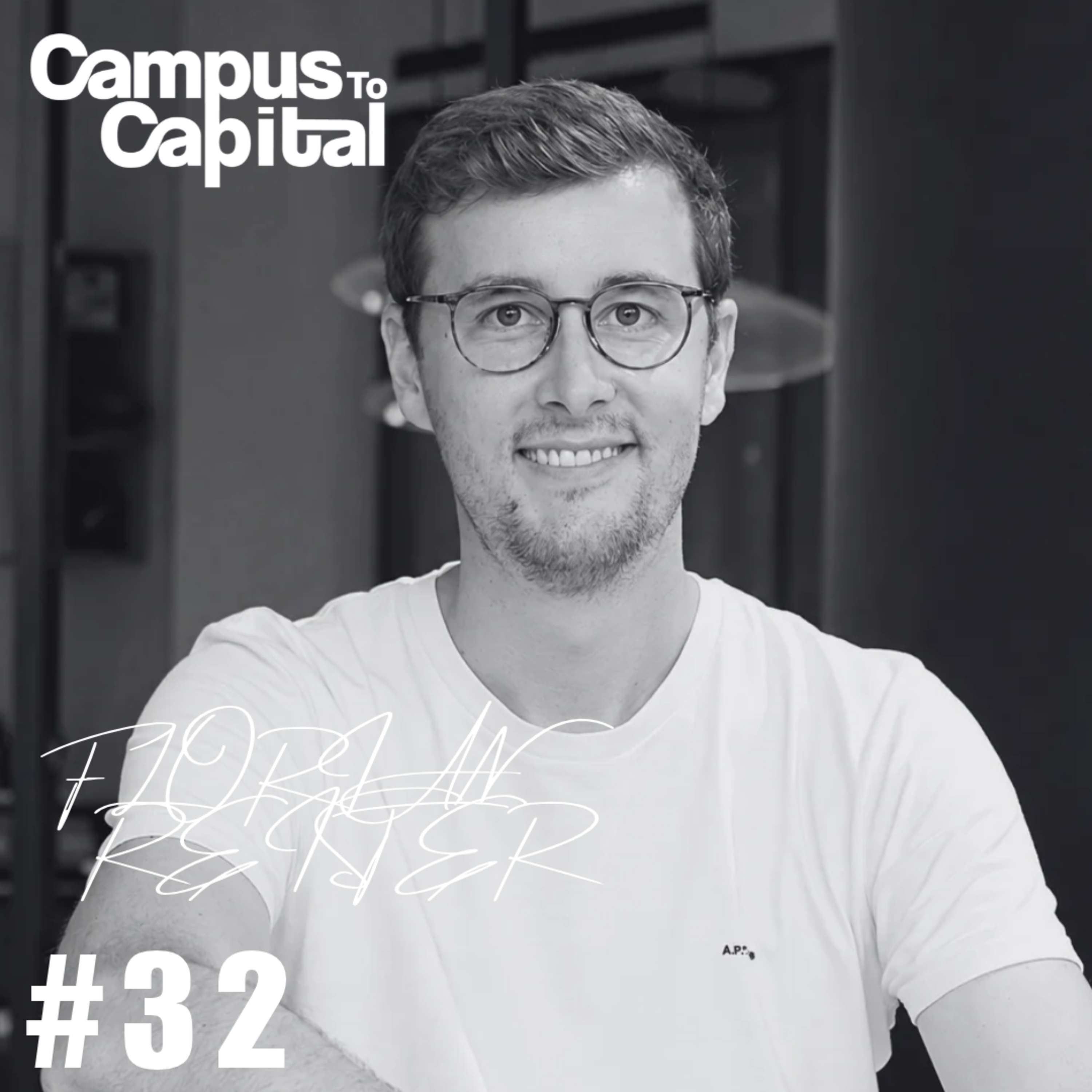
Would a dealer in Sweden or the Netherlands bid on a used EV from Germany without ever seeing it? Florian Reister, founder and CEO of Aampere, explains how he built a European marketplace for used electric cars, from selling cars via WhatsApp to several thousand cars a year.
Florian Reister is founder and CEO of Aampere, which connects private sellers of used electric cars with dealers across borders. He is an automotive engineer and studied at TU Munich, and his co-founders bring sales, finance and digital product experience. Since starting in 2022, Aampere has grown to several thousand cars sold per year and recently raised €4.2m.
In this episode, Florian explains:
■ Selling a Used Electric Car: How the 48-hour auction gives the seller a binding offer from dealers across Europe.
■ Used EV Battery Data: How battery data, insurance data and warranty checks go into the price of a used EV.
■ Marketplace MVP: How Aampere scaled to 50k revenue per month by selling cars via WhatsApp before there was a platform.
■ Competing with AUTO1: How Florian thinks about AUTO1, mobile.de and AutoScout24, and why technical moats are disappearing in the age of AI.
■ Used EV Prices: Why used EV prices went up by roughly 10% since the Iran crisis.
00:00 Highlights
00:28 Welcome
01:08 Why Is the Used EV Market Inefficient?
02:22 The Pivot from C2C to a Europe-Wide Model
04:16 How Does the 48-Hour Dealer Auction Work?
07:47 How Do You Price a Used EV?
12:48 The Founding Team
20:50 First Dealers and Selling Cars via WhatsApp
24:06 Investors and Strategic Partners
28:44 Liquidity in an Asset-Light Marketplace
29:23 Competing with AUTO1, mobile.de and AutoScout24
34:13 Why Are Technical Moats Disappearing?
35:27 Why Keep Humans in Customer Contact?
37:55 Florian's Personal AI Setup
39:51 The Mission and Building a Brand
42:15 Where Are Used EV Prices Heading?
48:18 When Should You Go All In?
Full transcript: https://campustocapital.eu/episodes/32
Campus To Capital:
◼ Website - https://campustocapital.eu
◼ YouTube - https://www.youtube.com/@CampusToCapital
◼ Apple Podcasts - https://podcasts.apple.com/de/podcast/campus-to-capital/id1801234585
◼ Newsletter Past Consensus - https://substack.com/@pastconsensus
◼ Instagram - https://www.instagram.com/ctccast
◼ LinkedIn - https://www.linkedin.com/company/campustocapital/
◼ X - https://x.com/CampusToCapitaI
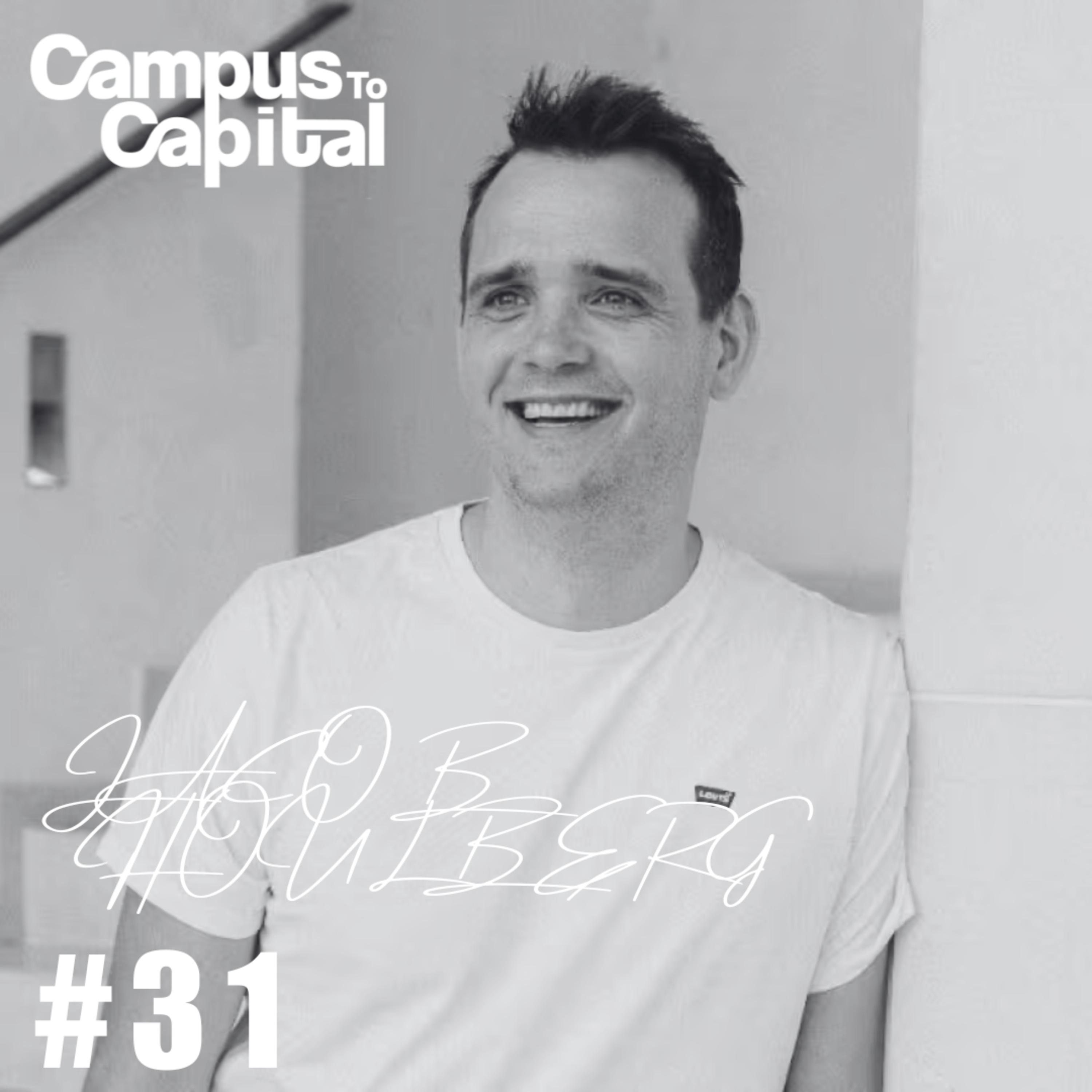
If 250 VC funds use the same tool, where does a fund's edge come from? Jacob Houlberg, co-founder of Evertrace, explains how VCs can find founders and companies before they show up in startup databases.
Jacob Houlberg is a co-founder of Evertrace, the Copenhagen-based startup helping early-stage investors detect founders and companies before they show up in traditional startup databases. Before Evertrace, he and his co-founder Simon worked at the same pre-seed fund, where Jacob was in charge of selling secondaries and Simon was head of sourcing. Today more than 250 VC funds use the platform, which a team of three runs while acquiring other companies.
In this episode, Jacob explains:
■ VC Deal Sourcing: How Evertrace pulls signals from trade registries, GitHub, domains and Twitter and filters thousands of them a week down to VC-backable companies.
■ Founder Signals: Why company formation is the most precise signal, ahead of patents, grants and research papers.
■ Alpha vs Beta in Venture Capital: What is left for a fund when sourcing becomes table stakes and every fund sees the same data.
■ Startup M&A: How a team of three acquired three companies in six weeks without making a single slide.
■ Quant VC: Why fully automated VC investing is much harder than quant investing in public markets.
00:00 Welcome
00:48 What Does Evertrace Do?
01:31 From VC Sourcing to Building Evertrace
05:07 How Does the Founder Detection Engine Work?
09:04 Is Sourcing Just Table Stakes?
10:59 How Do You Filter for VC-Backable Companies?
12:39 Which Data Sources Give the Most Precise Signal?
14:58 Media, Data or Track Record?
18:53 Three Acquisitions in Six Weeks
22:01 How to Run M&A with a Lean Team
25:03 Stealth Founders and the Limits of Quant VC
30:27 Competing with PitchBook, Dealroom and Harmonic
33:50 Growth Plans: From Early to Later Stage
34:54 Which Deals Were Sourced Through Evertrace?
37:08 The Evertrace MCP and API
39:59 Jacob's Personal Tech Stack
42:07 What Does Tracking Stealth Founders Teach You?
Full transcript: https://campustocapital.eu/episodes/31
Campus To Capital:
◼ Website - https://campustocapital.eu
◼ YouTube - https://www.youtube.com/@CampusToCapital
◼ Apple Podcasts - https://podcasts.apple.com/de/podcast/campus-to-capital/id1801234585
◼ Newsletter Past Consensus - https://substack.com/@pastconsensus
◼ Instagram - https://www.instagram.com/ctccast
◼ LinkedIn - https://www.linkedin.com/company/campustocapital/
◼ X - https://x.com/CampusToCapitaI
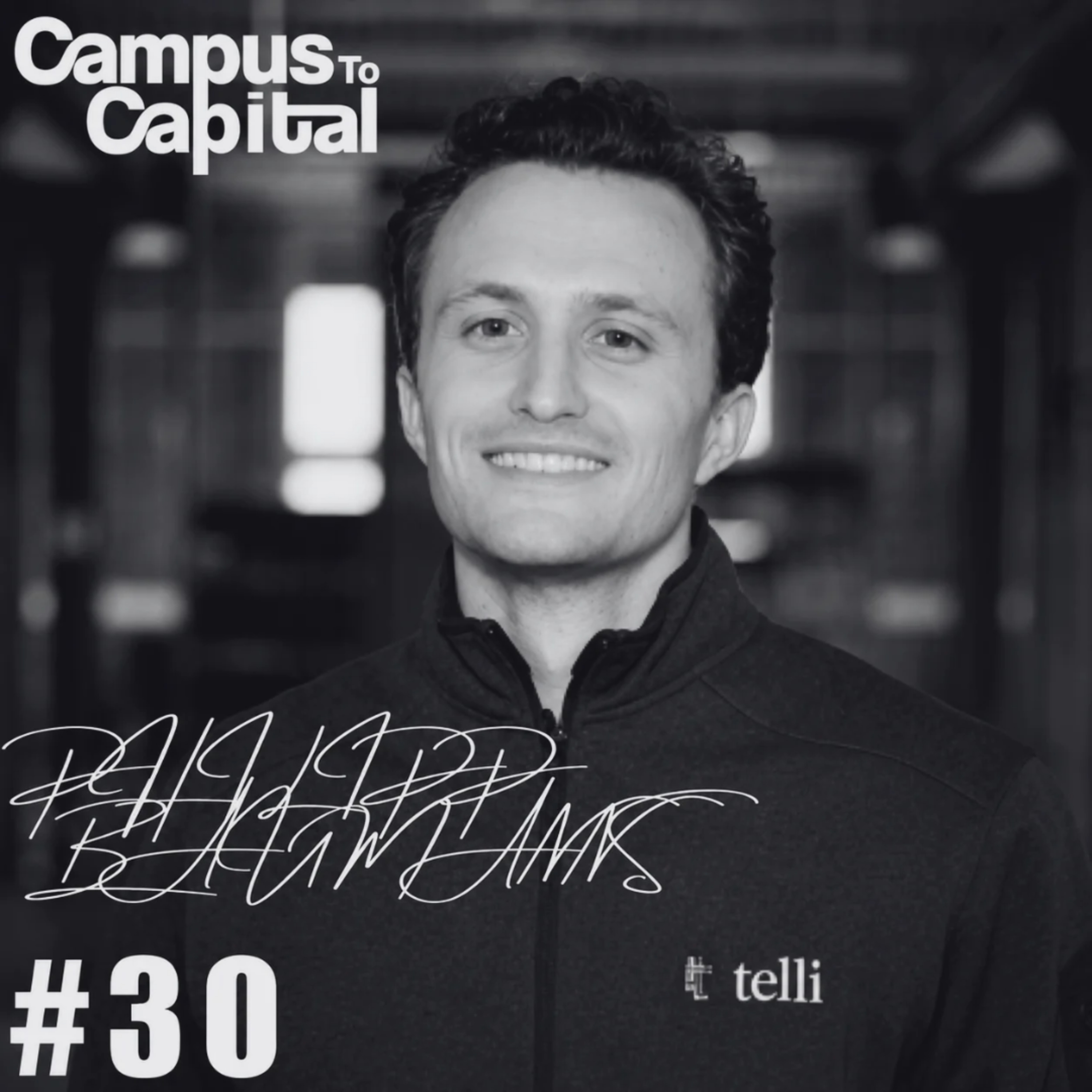
What makes a voice AI company defensible when its competitors can use the same models? Philipp Baumanns, co-founder of YC-backed Telli, on automating the qualification, booking and follow-up calls that customer teams repeat thousands of times.
Philipp Baumanns studied in St. Gallen, gained experience in private equity, venture capital and at McKinsey, and then joined Enpal, where he and his co-founder Finn were the first two employees of the heat pump unit. Telli is a Y Combinator-backed voice AI company based in Berlin, and its third co-founder Seb studied at Stanford and worked with voice models early on. The team got into Y Combinator with three pilot customers.
In this episode, Philipp explains:
■ AI Lead Qualification: Why Telli started with two-minute lead qualification calls before expanding to more use cases.
■ Y Combinator Application: What helped convince YC: three pilot customers, the team and its ambition level.
■ Voice AI Infrastructure: Concurrency, and building infrastructure for multiple million calls a month.
■ Voice AI Moat: Defensibility beyond the voice models: dialing, call workflows and time to value with the agent Charlie.
■ Outcome-Based Pricing: Spending as much on coding tools as on engineering salaries, and the move from volume-based to outcome-based pricing.
00:00 Highlights
00:40 Intro: Philipp Baumanns of Telli
00:59 From Finance and Consulting to Founding
03:17 The Enpal Heat Pump Origin
06:39 How Can AI Fix Customer Calls?
09:18 How Did Telli Get Into Y Combinator?
12:20 Scaling Challenges: Concurrency and Implementation
15:10 How to Compete in a Crowded Voice AI Market
19:07 Which Customers Are Ready for Voice AI?
23:26 Telli's Internal Tech Stack
25:11 What to Build and What to Buy
28:11 Beyond Voice: WhatsApp, SMS and Personal Agents
30:52 Coding Tools vs Headcount, and Roles That Stay Human
34:46 Margins and Outcome-Based Pricing
36:53 The Next Phase After the New Round
39:24 Hiring and Culture: Intensity, Honesty, Ownership
44:52 Which Conversations Should Companies Never Automate?
Full transcript: https://campustocapital.eu/episodes/30
Campus To Capital:
◼ Website - https://campustocapital.eu
◼ YouTube - https://www.youtube.com/@CampusToCapital
◼ Apple Podcasts - https://podcasts.apple.com/de/podcast/campus-to-capital/id1801234585
◼ Newsletter Past Consensus - https://substack.com/@pastconsensus
◼ Instagram - https://www.instagram.com/ctccast
◼ LinkedIn - https://www.linkedin.com/company/campustocapital/
◼ X - https://x.com/CampusToCapitaI
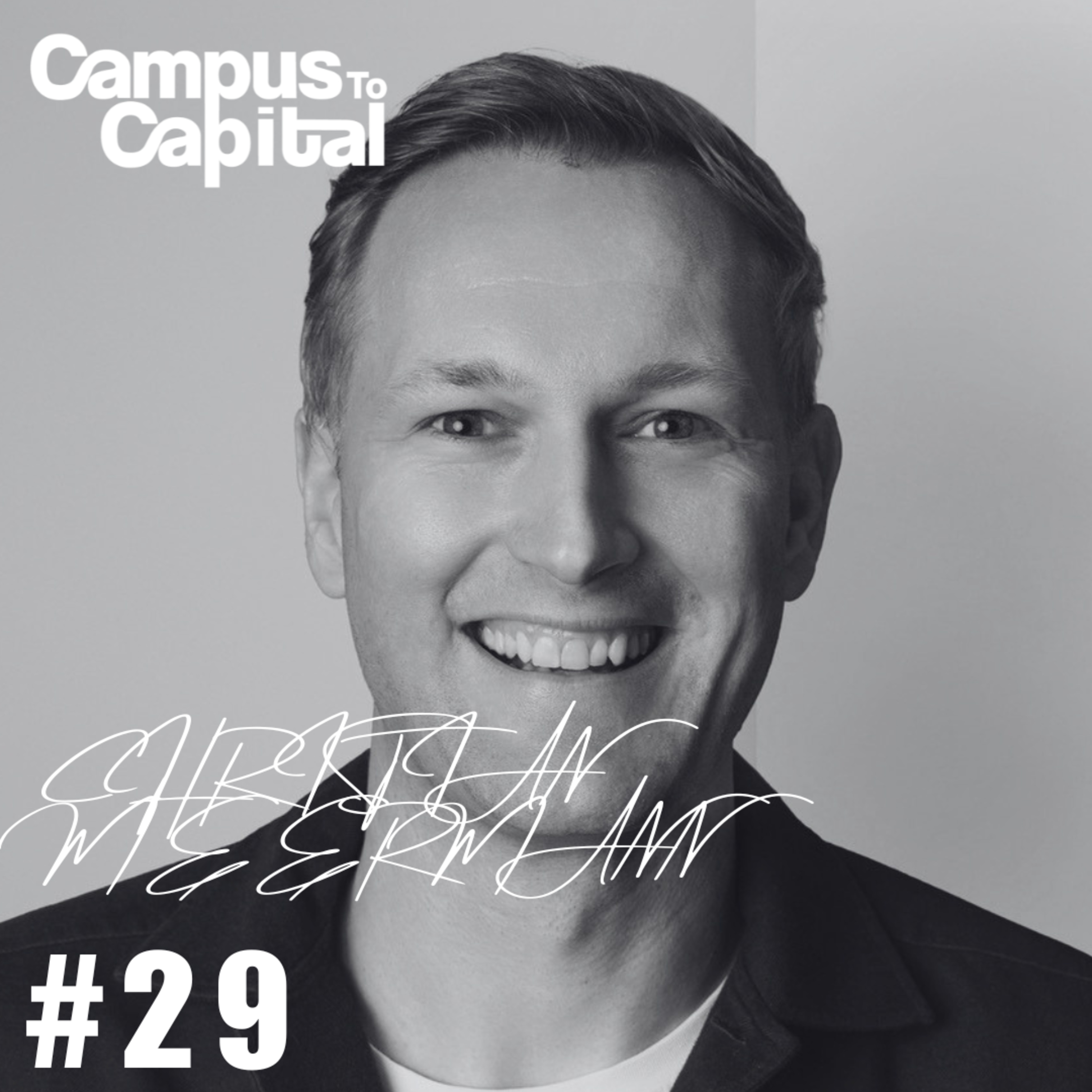
Why does a seed fund tell founders to raise larger rounds? Christian Meermann, founding partner at Cherry Ventures, on seeing more than 10,000 startups a year and backing 12 to 15 of them.
Christian Meermann worked at BCG and then ran marketing at Zalando, where he managed a marketing budget of €250 million a year and launched the brand across 15 European markets. He started Cherry Ventures as an angel fund with two others while still at Zalando and turned it into a full-time job 10 years ago. Cherry sees more than 10,000 companies a year and invests in 12 to 15.
In this episode, Christian explains:
■ Founder Resilience: Which signals of passion, grit and resilience Cherry looks for when it first talks to a founding team.
■ Seed Round Size: Why a larger seed round is worth more than saving two percentage points of dilution.
■ VC Platform Support: How Cherry's strategic resources team helps founders with hiring, communications and fundraising.
■ Sovereign AI in Europe: Mistral, and why European AI companies compete globally once it comes down to price or quality.
■ AI Startup Valuations: The premium for hypergrowth, unit economics and the long feedback loops of VC.
00:00 Highlights
00:39 Intro: Christian Meermann of Cherry Ventures
00:58 From Zalando to Starting Cherry
02:18 What Did Zalando Teach Him About Brand and Growth?
05:08 10,000 Companies a Year and the Dash0 Deal
08:06 How VCs Support a Company That Hits a Wall
12:37 Why Raise a Larger Seed Round?
15:54 Signals of Resilience in a First Pitch
20:36 European Startup Hubs Beyond Berlin, Stockholm and London
23:37 Where Will the First European Trillion Dollar Company Come From?
27:42 Europe's AI Opportunity and Sovereign AI
30:57 AI Valuations and Unit Economics
33:49 How to Win Competitive Deals Through Relationships
38:14 Why Business Graduates Need Technical Depth
42:08 Long Feedback Loops in VC
Full transcript: https://campustocapital.eu/episodes/29
Campus To Capital:
◼ Website - https://campustocapital.eu
◼ YouTube - https://www.youtube.com/@CampusToCapital
◼ Apple Podcasts - https://podcasts.apple.com/de/podcast/campus-to-capital/id1801234585
◼ Newsletter Past Consensus - https://substack.com/@pastconsensus
◼ Instagram - https://www.instagram.com/ctccast
◼ LinkedIn - https://www.linkedin.com/company/campustocapital/
◼ X - https://x.com/CampusToCapitaI
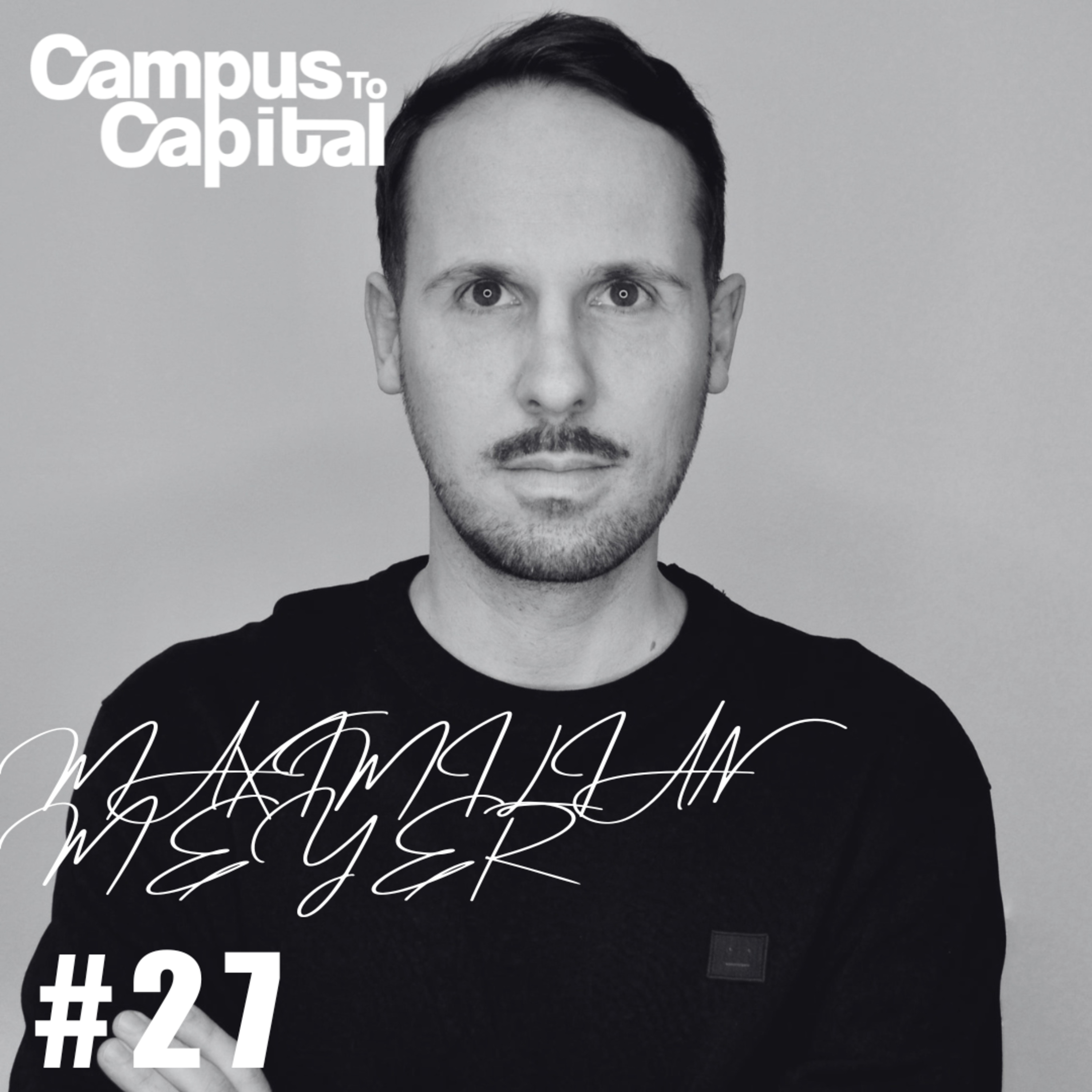
Why do only 15 to 20% of people in Germany invest in capital markets, when more than half do in the UK and the US? Maximilian Meyer, CMO of Scalable Capital, on why so much of Europe's household wealth still sits in cash and how to build an investment culture.
Maximilian Meyer co-founded the startup Talent Arena with a school friend, then joined Scalable Capital in 2016 as one of its first 20 employees and has built its marketing since, with one or two years at Fidelity in between. Scalable Capital is headquartered in Munich and, at the time of recording, had more than one million clients and over €50 billion in assets. Its content team runs one of Germany's biggest financial newsletters, with over a million subscribers.
In this episode, Max explains:
■ Trust in Fintech: Why trust, usability and pricing set Scalable apart from incumbent banks.
■ Out-of-Home Advertising: Ads with bold headlines, and why Scalable looks for "scattering wins" in a channel with limited targeting.
■ Tax Wrappers: The UK ISA as an example, and the coming pension product in Germany.
■ Finfluencers and Content Marketing: The growth of finance content creators in Germany, and Scalable's in-house podcasts, videos and newsletter.
■ Brand Awareness: Why 90% of people are not in the market today, and why ads do not need to be pushy.
00:00 Highlights
00:39 Intro at Scalable Capital in Munich
01:16 From Startups and Talent Arena to Scalable
05:58 Founder Lessons: Rejection and Knowing Your Audience
09:39 Fidelity and Coming Back to Scalable
14:53 The Mission and the Billboard Campaigns
18:43 How Do You Build Trust in Consumer Finance?
23:09 Community, Content and Creator Partnerships
27:34 How to Reach Younger and Older Investors
29:48 Tax Wrappers and Europe's Underserved Investors
34:23 How to Help Retail Investors Make Better Decisions
39:49 AI in the Customer Experience
43:57 Marketing Without Being Pushy: The 90% Rule
48:41 How Do Investing Mindsets Differ Across Europe?
54:44 Biggest Lesson for Consumer Finance Brands
56:20 What Made Scalable Successful?
Full transcript: https://campustocapital.eu/episodes/27
Campus To Capital:
◼ Website - https://campustocapital.eu
◼ YouTube - https://www.youtube.com/@CampusToCapital
◼ Apple Podcasts - https://podcasts.apple.com/de/podcast/campus-to-capital/id1801234585
◼ Newsletter Past Consensus - https://substack.com/@pastconsensus
◼ Instagram - https://www.instagram.com/ctccast
◼ LinkedIn - https://www.linkedin.com/company/campustocapital/
◼ X - https://x.com/CampusToCapitaI
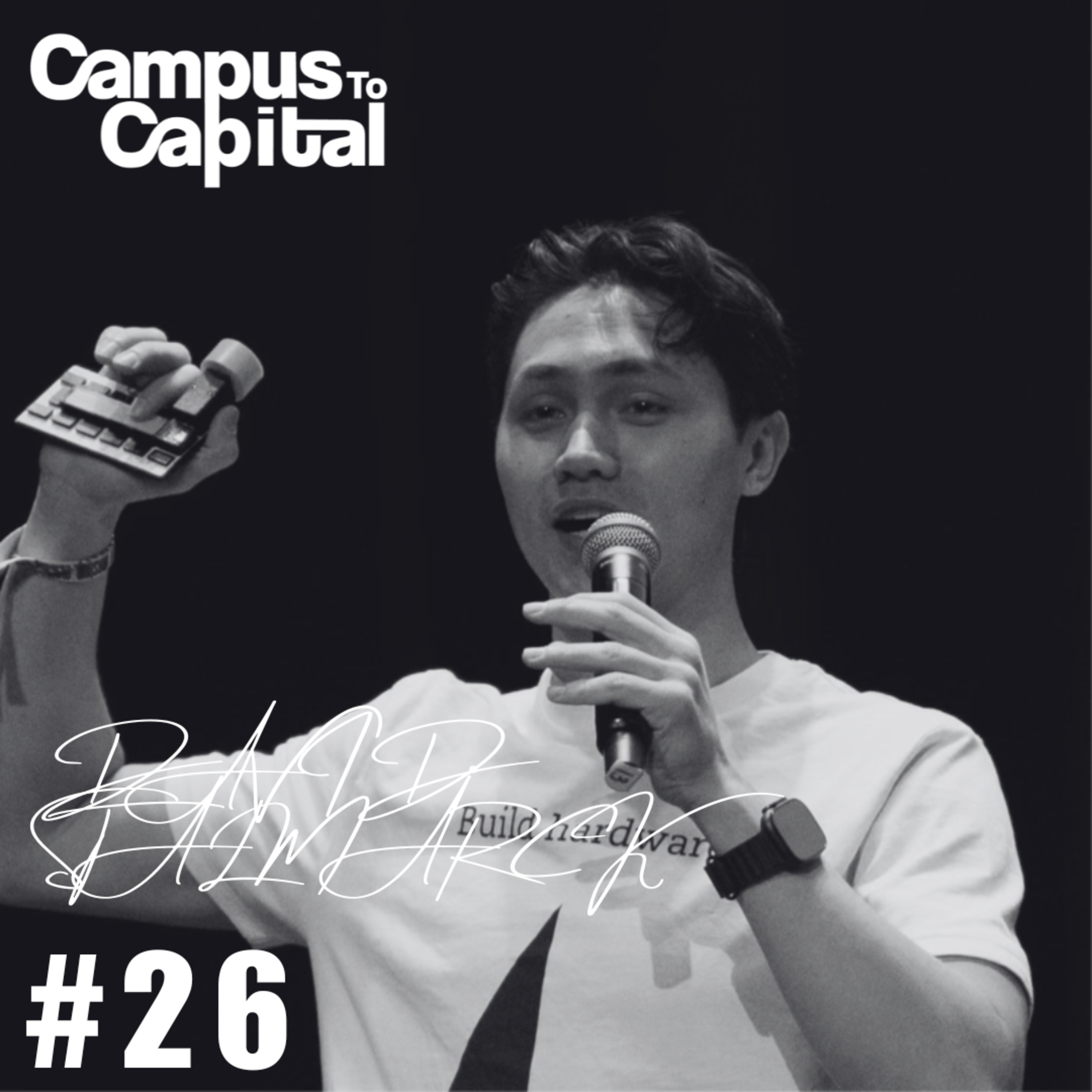
Why is hardware still so much harder to build than software? David Stålmarck, co-founder and CTO of Atech, on making hardware as easy to build as software, and on a pre-seed backed by Lovable, Nordic Makers, Emblem and Sequoia and a16z scout funds.
Atech makes click-together hardware modules that you program by prompting its platform, and someone from Lovable called it the Lovable for hardware. David grew up in Stockholm, comes from competitive coding and software jobs at tech startups and big tech companies, and runs the software side, while his two co-founders had run a hardware company for two years. Emblem is one of Atech's lead investors.
In this episode, David explains:
■ Hardware Prototyping: Why hardware is hard to start: knowledge, parts, upfront cost and week-long iterations.
■ Modular Hardware: How Atech's modules work like software libraries, from a Wi-Fi controlled boat to an autopilot.
■ Physical AI and Robotics: Why software is what makes hardware valuable, and where the robotics hype fits in.
■ Hardware Supply Chain: Ordering circuit boards from China and the supply chain risks of scaling.
■ Pre-Seed Fundraising: How Lovable, Emblem and scouts from Sequoia and a16z came in, and why the team held off on VC meetings at first.
00:00 Highlights
00:29 Intro at the Atech Office
01:38 What Makes Hardware Development So Hard?
04:28 What Does Atech Build? Modules Like Lego
06:20 A Rebuilt Boat Autopilot
07:42 Why Did Software Get All the Attention?
12:59 Robotics and the Dream Build
16:25 How Much Faster Does Prototyping Get?
18:26 China, Supply Chain and Product Market Fit
23:34 How Did Lovable Come on Board?
26:48 Pre-Seed Signaling: Emblem, Sequoia and a16z Scouts
29:39 Why They Held Off on VCs
31:39 Advice: Build in Public, Go to Hackathons
32:55 Atech's Biggest Impact in Five Years
Full transcript: https://campustocapital.eu/episodes/26
Campus To Capital:
◼ Website - https://campustocapital.eu
◼ YouTube - https://www.youtube.com/@CampusToCapital
◼ Apple Podcasts - https://podcasts.apple.com/de/podcast/campus-to-capital/id1801234585
◼ Newsletter Past Consensus - https://substack.com/@pastconsensus
◼ Instagram - https://www.instagram.com/ctccast
◼ LinkedIn - https://www.linkedin.com/company/campustocapital/
◼ X - https://x.com/CampusToCapitaI
If a company has a strategy, why do its employees think there is none? Niels Martin Brøchner, founder of Paradox, on why employees often think their company has no strategy and how AI can catch misalignment early.
Niels Martin Brøchner led Contractbook before starting Paradox, which builds a world model of a company to surface misalignment between people before it turns into a problem. His co-founder Tom introduced him to the theory of constraints and to world models, and Paradox is backed by Speedinvest. Before building the product, he did more than 100 interviews with CEOs and C-level people.
In this episode, Niels explains:
■ The 2% Problem: Why leaders only know a small part of what goes on in their business when they make decisions.
■ Strategy Alignment: Why employees think there is no strategy, and what happens when the consultants leave.
■ Theory of Constraints: How world models and the theory of constraints apply to organizations.
■ Organizational World Model: How the product works inside a company, down to morning briefs that take about a minute.
■ AI Data Security: Trust, sensitive company data and why every customer gets an in-person onboarding.
00:00 Highlights
00:42 Intro: Jack Dorsey and Organizing Since the Roman Empire
02:17 What Does Paradox Do? Explained to a Teenager
05:59 Contractbook and the Idea for Paradox
10:32 What Is a World Model?
14:54 Why Haven't SAP and McKinsey Solved Alignment?
20:54 How the Product Works Inside a Company
27:45 The 2% Problem and "There's No Strategy"
29:32 Consultants Leave, the System Stays
31:33 Trust, Security and Onboarding
36:55 First Customers: Openness and Pushback
42:16 Decisions in Days by 2030?
46:15 What Is Left for the CEO?
48:44 Flat Hierarchies and the Valve Example
51:24 How Founders Deal With Setbacks
55:44 Advice for Students
Full transcript: https://campustocapital.eu/episodes/25
Campus To Capital:
◼ Website - https://campustocapital.eu
◼ YouTube - https://www.youtube.com/@CampusToCapital
◼ Apple Podcasts - https://podcasts.apple.com/de/podcast/campus-to-capital/id1801234585
◼ Newsletter Past Consensus - https://substack.com/@pastconsensus
◼ Instagram - https://www.instagram.com/ctccast
◼ LinkedIn - https://www.linkedin.com/company/campustocapital/
◼ X - https://x.com/CampusToCapitaI
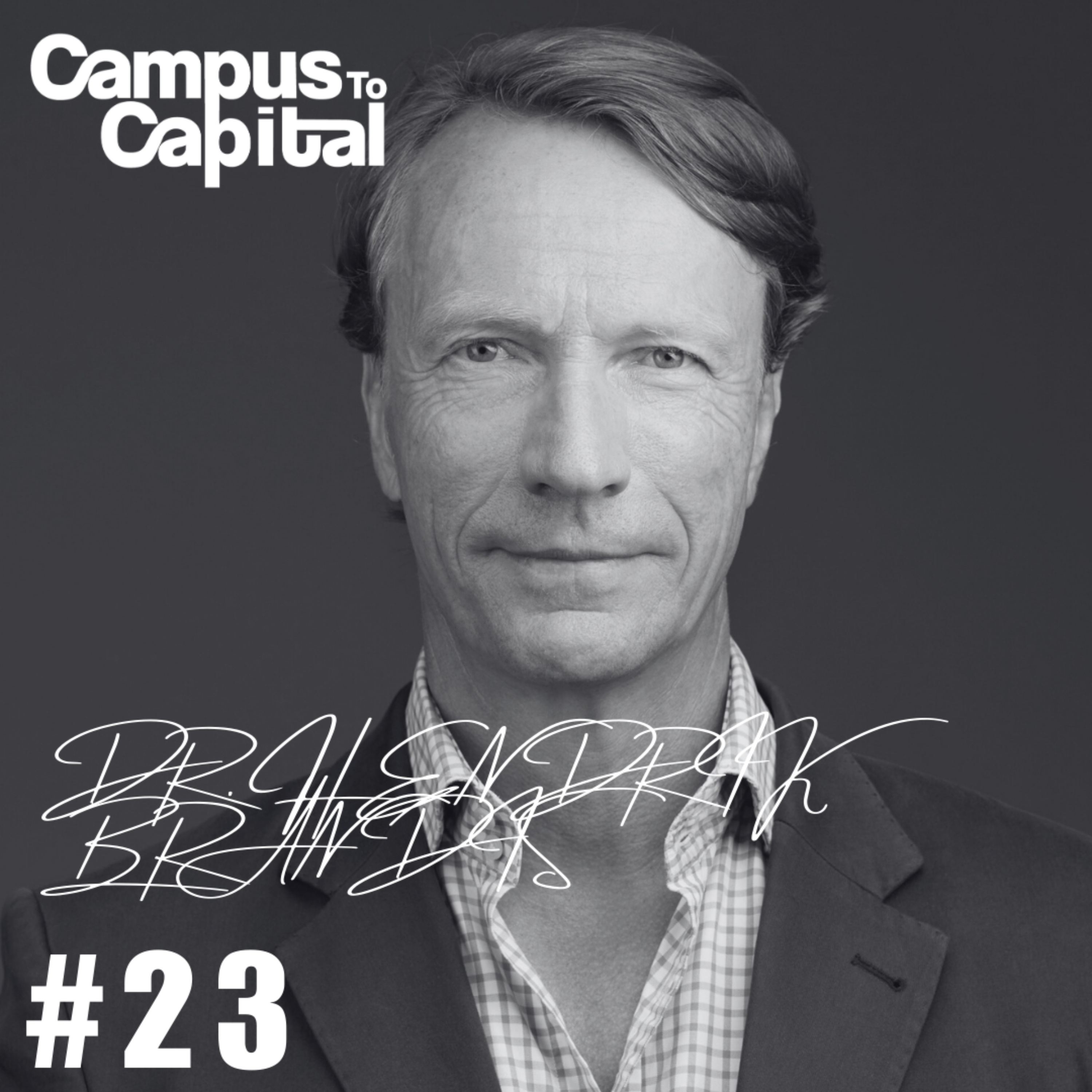
Why would a VC pass on a deal that could return 20 to 50 times the money? Hendrik Brandis, co-founder of Earlybird, on how Earlybird screens deals, how due diligence works in deep tech, and what Europe lacks to build the largest technology companies.
Hendrik Brandis started out as an aerospace engineer, moved into consulting and co-founded Earlybird around 30 years ago. Earlybird has backed Black Forest Labs, Isar Aerospace and Marvel Fusion. At the time of recording, the firm looked at roughly 50,000 opportunities a year and did 15 deals.
In this episode, Hendrik explains:
■ Venture Capital Deal Flow: How Earlybird gets from roughly 50,000 opportunities a year to 15 investments.
■ AI in Venture Capital: How Earlybird uses LLMs and its own platform Eagle Eye for sourcing, and where human judgment and expert networks take over.
■ Deep Tech Due Diligence: Why he checks physics, technology and follow-on funding, with Marvel Fusion as the example.
■ Agentic AI vs Advanced Compute: Why he sees more room for defensible companies in advanced compute than in agentic AI applications.
■ Why Europe Has No Big Tech Companies: Ambition, regulation, the capital gap and what the Lilium case shows.
00:00 Intro: Hendrik Brandis and Earlybird
01:24 What Does an Engineering Background Change in VC?
06:29 How Do VCs Use LLMs and Expert Networks?
10:40 Eagle Eye: 50,000 Opportunities, 15 Deals
13:23 How Does Deep Tech Due Diligence Work? The Marvel Fusion Case
16:38 Agentic AI vs Advanced Compute
20:04 When Should a Startup Move to the US?
25:16 Why Does Europe Lack Giant Tech Companies?
28:30 Regulation and the Lilium Case
32:22 The Capital Gap in European Venture Capital
35:46 Why Earlybird Looks for Uncapped Upside
40:20 EU Inc. and Europe's Policy Response
44:24 Germany, France and Redirecting Capital
46:51 Are IPO Markets Opening Again for Venture Exits?
49:46 Advice to His 20-Year-Old Self
Full transcript: https://campustocapital.eu/episodes/23
Campus To Capital:
◼ Website - https://campustocapital.eu
◼ YouTube - https://www.youtube.com/@CampusToCapital
◼ Apple Podcasts - https://podcasts.apple.com/de/podcast/campus-to-capital/id1801234585
◼ Newsletter Past Consensus - https://substack.com/@pastconsensus
◼ Instagram - https://www.instagram.com/ctccast
◼ LinkedIn - https://www.linkedin.com/company/campustocapital/
◼ X - https://x.com/CampusToCapitaI
Is a business degree still worth it when AI and STEM seem to matter more? Peter Møllgaard, President of Copenhagen Business School, talks about whether a business degree is still worth it in the age of AI, running a university in a polycrisis, science diplomacy and the job market for international graduates.
Peter Møllgaard is President of Copenhagen Business School, with responsibility for its students and 1,500 employees plus a couple of thousand part-time employees. He started his career as an economist; around 2000 his research dealt with how electricity markets came to Denmark. He later headed a department at CBS from 2005 to 2015 and became its dean of research.
In this episode, Peter explains:
■ University Leadership: Why he takes pride in listening to as many stakeholders as possible before he makes decisions.
■ Academic Freedom and DEI: Why CBS made a statement that it still values academic freedom and diversity, equity and inclusion.
■ Is a Business Degree Still Worth It: Why he tells engineers that technologies are less than half of the solution.
■ AI in Higher Education: How CBS collaborates with OpenAI on AI access for students.
■ Skills for an AI World: Why, unless you are very techy, you should use the occasion to become more human.
00:00 Welcome
01:32 His Role and Career, From Economist to President
07:13 What Pressures Do Universities Face Today?
08:19 Leadership by Listening
10:21 How Do You Run a University Through a Polycrisis?
13:24 The Nordic Nine Values
15:48 Rankings and What Sets CBS Apart
19:49 Geopolitics, Science Diplomacy and DEI
25:47 Universities in the Public Debate
28:36 Are Business Degrees Becoming Obsolete Because of AI?
32:50 STEM Versus Business Graduates and the AI Strategy
36:37 AI in Teaching and the Future of Exams
40:41 Which Skills Matter More Now?
45:02 A Podcast Recommendation: Boss Class
46:01 International Students and the Job Market
49:45 Career Support for Graduates Who Want to Go Abroad
53:12 Final Advice for the Next 5 to 10 Years
Full transcript: https://campustocapital.eu/episodes/22
Links:
Listen on Spotify: https://open.spotify.com/episode/1ds1NnzwPlS9sL6g5OMbhy?si=25Y4kaEFRf-3Auy8Q2N0pw
Peter's podcast recommendation, Boss Class: https://www.economist.com/audio/podcasts/boss-class
Campus To Capital:
◼ Website - https://campustocapital.eu
◼ YouTube - https://www.youtube.com/@CampusToCapital
◼ Apple Podcasts - https://podcasts.apple.com/de/podcast/campus-to-capital/id1801234585
◼ Newsletter Past Consensus - https://substack.com/@pastconsensus
◼ Instagram - https://www.instagram.com/ctccast
◼ LinkedIn - https://www.linkedin.com/company/campustocapital/
◼ X - https://x.com/CampusToCapitaI
How do you pick founders before there is a company, a product or even an idea? Michael Wiatr Aagaard, partner at Antler, talks about investing in founders at the idea stage, Antler's residency program in Copenhagen, AI, exits and the Danish and Swedish startup ecosystems.
Michael Wiatr Aagaard worked in real estate finance and in management consulting at Boston Consulting Group. After BCG he built companies, some of them bootstrapped, made a couple of exits and also failed with some, before he took the opportunity to start Antler in Copenhagen.
In this episode, Michael explains:
■ How to Spot Outlier Founders: Why he looks for obsession with a customer problem and teams that multiply the input they get.
■ Antler Denmark: What Antler's plan to deploy 4.5 million euros into very early Danish ideas means for the Nordics.
■ Antler Residency: Why Antler moved away from taking in teams twice a year.
■ AI in Venture Capital: How Antler's global tech team selects and deploys AI tools for its own investment work.
■ Danish vs Swedish Founders: Why he sees no difference in raw talent, and what Sweden gained from keeping early unicorns at home.
00:00 Welcome
01:46 From Real Estate Finance and BCG to Antler
04:36 How Does Founder Experience Help Spot Outliers?
07:23 Doubling Down on Denmark and the Nordics
08:59 From Two Intakes a Year to a Continuous Residency
11:18 Speed, Quality and Investing at Scale
13:09 Clawbot, Lovable and Building Products Fast
16:17 How Does Antler Use AI and Data?
19:34 Far Left on the J-Curve: What Does Antler Look For?
22:59 Supporting Founders After the Investment
25:01 AI, Energy Use and Climate Tech in the Portfolio
30:04 Exits and Longer Private Markets
34:43 Denmark Versus Sweden as Startup Hubs
39:23 Antler's Global Network
43:25 How to Break Into Venture Capital
Full transcript: https://campustocapital.eu/episodes/21
Links:
Listen on all major platforms: https://lnkd.in/dapuU9aS
Campus To Capital:
◼ Website - https://campustocapital.eu
◼ YouTube - https://www.youtube.com/@CampusToCapital
◼ Apple Podcasts - https://podcasts.apple.com/de/podcast/campus-to-capital/id1801234585
◼ Newsletter Past Consensus - https://substack.com/@pastconsensus
◼ Instagram - https://www.instagram.com/ctccast
◼ LinkedIn - https://www.linkedin.com/company/campustocapital/
◼ X - https://x.com/CampusToCapitaI

 HM