Ever wondered how nuclear energy works or what advanced nuclear technology really means? Naked Nuclear breaks down complex topics like nuclear reactors, fuel types, and emerging technologies into simple, accessible conversations. Whether you're a curious beginner or an energy enthusiast, we make the science behind…
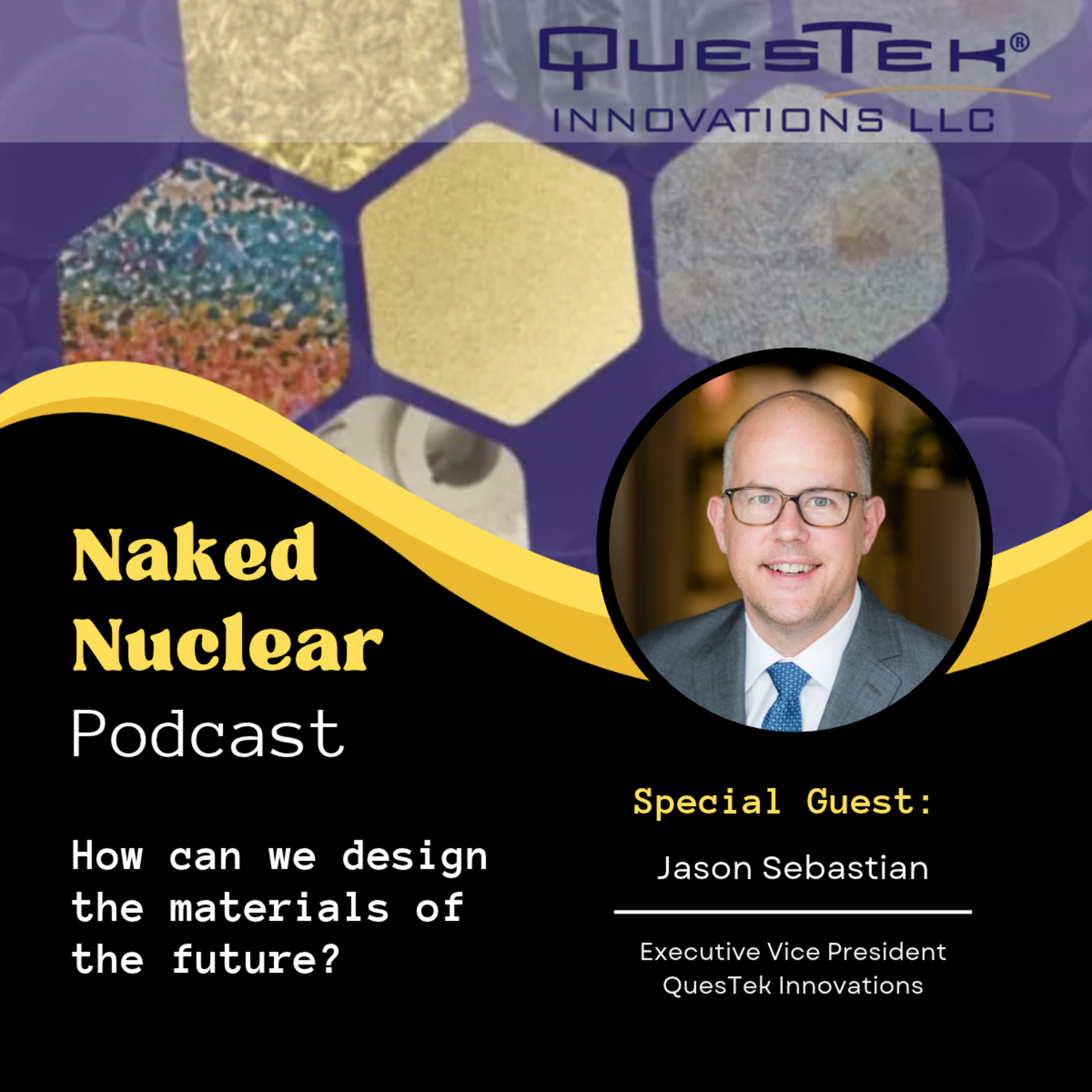
ABOUT THIS EPISODEDanielle Allen sits down with Jason Sebastian of QuesTek Innovations, a computational materials science company that spun out of Northwestern University, to get at one of the least visible questions in advanced nuclear: how do we know these materials can survive? They cover molten salt that eats metal, welds that become the weak link, creep tests that run about 10 years, and a rocket nozzle alloy that, as Jason tells it, was probably the 103rd try in a NASA test sequence. Jason's case is simple: keep testing, but test smart, and use models to know where to look.WHAT YOU'LL LEARN- What QuesTek actually computes: processing sets a material's structure, and structure sets its properties- Why welding changes the metal around it, why weld speed and cooling rate matter, and how a weld becomes the weak link- How molten salt strips the protective oxide off metal, over and over, and why molten salt people seek out alumina-forming steels- Why a long creep test can run 100,000 hours (about 10 years), and how a model lets a design move ahead before a few test points confirm it- The counterexample: nudge the temperature past a phase boundary and years of existing data stop applying- Jason's advice to students: build the communication skills, not just the math
FURTHER RESOURCES
Learn more about their company at:
QUESTEK.COM
Apollo Era C-103 Niobium: https://ntrs.nasa.gov/citations/20205003679
Apply for your career in nuclear:
Nucleartalentscout.com/apply
ABOUT THIS EPISODE
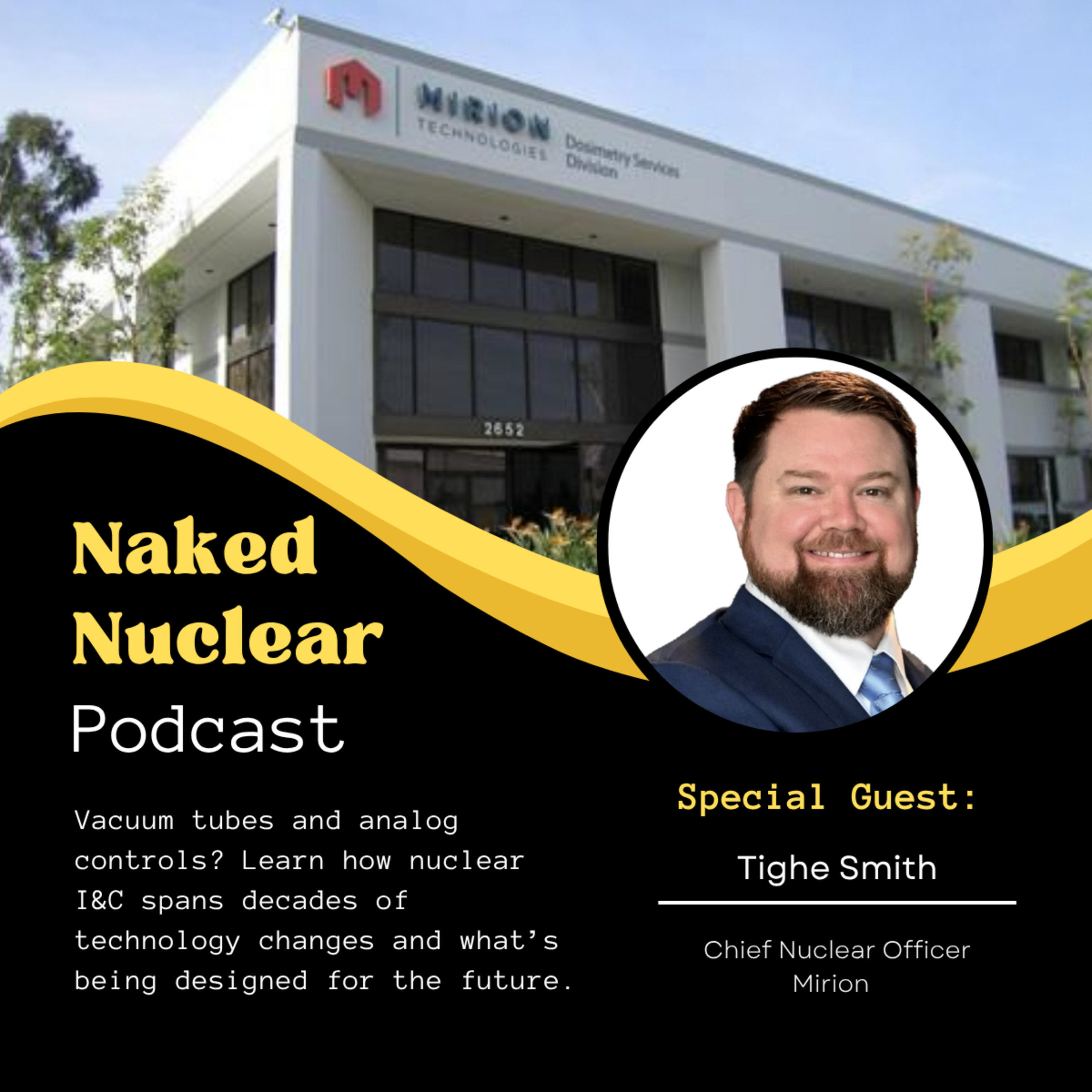
What keeps a nuclear power plant running safely after 50 years? Tighe Smith knows better than almost anyone. As Chief Nuclear Officer at Paragon Energy Solutions — now part of Mirion Technologies following a $585 million acquisition — Tighe has spent his career in nuclear instrumentation and control (I&C): the nervous system of every reactor.
In this episode, we get into what I&C actually does, why some of the control systems inside U.S. nuclear plants predate the transistor, how Paragon reverse-engineers obsolete circuit cards with 1970s components, and how they broker spare parts between 94* reactors across the country — 3,000 parts a year, same-day or next-day shipping. Plus: the workforce reality of digital upgrades, advanced reactor design, and a culture built on three P's and three C's.
WHAT YOU'LL LEARN
- What instrumentation and control (I&C) is and why it's the most invisible-but-critical system in any nuclear plant
- Why some U.S. reactor control systems still use technology from before the transistor was invented
- How Paragon reverse-engineers obsolete circuit cards — and why rotating a transistor 90 degrees can introduce failure modes
- The PEAKS program: how 3,000 parts move between 94 reactors every year
- Why nuclear plants carry $100 million in spare parts inventory (and why it's worth it)
- The analog vs. digital debate: why a digital upgrade only makes sense if you're planning to run a plant for 20+ more years
- How I&C changes for advanced reactors — simpler safety systems, new challenges
- Paragon's Three P's (Present, Persistent, Passionate) and Three C's (Competence, Commitment, Character)
CONNECT WITH PARAGON/MIRION
LinkedIn (Tighe Smith): Search "Tighe Smith Paragon Energy Solutions"
Paragon Energy Solutions (now Mirion Technologies): https://www.mirion.com/
Mirion Technologies LinkedIn: https://www.linkedin.com/company/mirion-technologies/
RESOURCES MENTIONED
- HIPS (Highly Integrated Protection System) — Paragon's FPGA-based digital safety platform
- Core Vision — Paragon's neutron monitoring product line
- PEAKS — Paragon's nuclear spare parts network program
- 10 CFR 50 — NRC domestic licensing requirements
- Three Mile Island accident and lessons for human-machine interface design
- NRC maintenance and testing requirements for nuclear facilities
JOIN THE NUCLEAR WORKFORCE
The nuclear industry is growing, and companies like Paragon/Mirion need engineers, technicians, and trades workers with the right skills and the right character.
Are you a skilled professional interested in nuclear? Nuclear Talent Scout connects candidates with nuclear employers.
Apply here: https://nucleartalentscout.com/apply/
ABOUT NAKED NUCLEAR
Naked Nuclear is the podcast that pulls back the curtain on the nuclear industry — no hype, no fear, just real conversations with the people doing the work. Hosted by Danielle Allen.
Website: www.nakednuclear.com
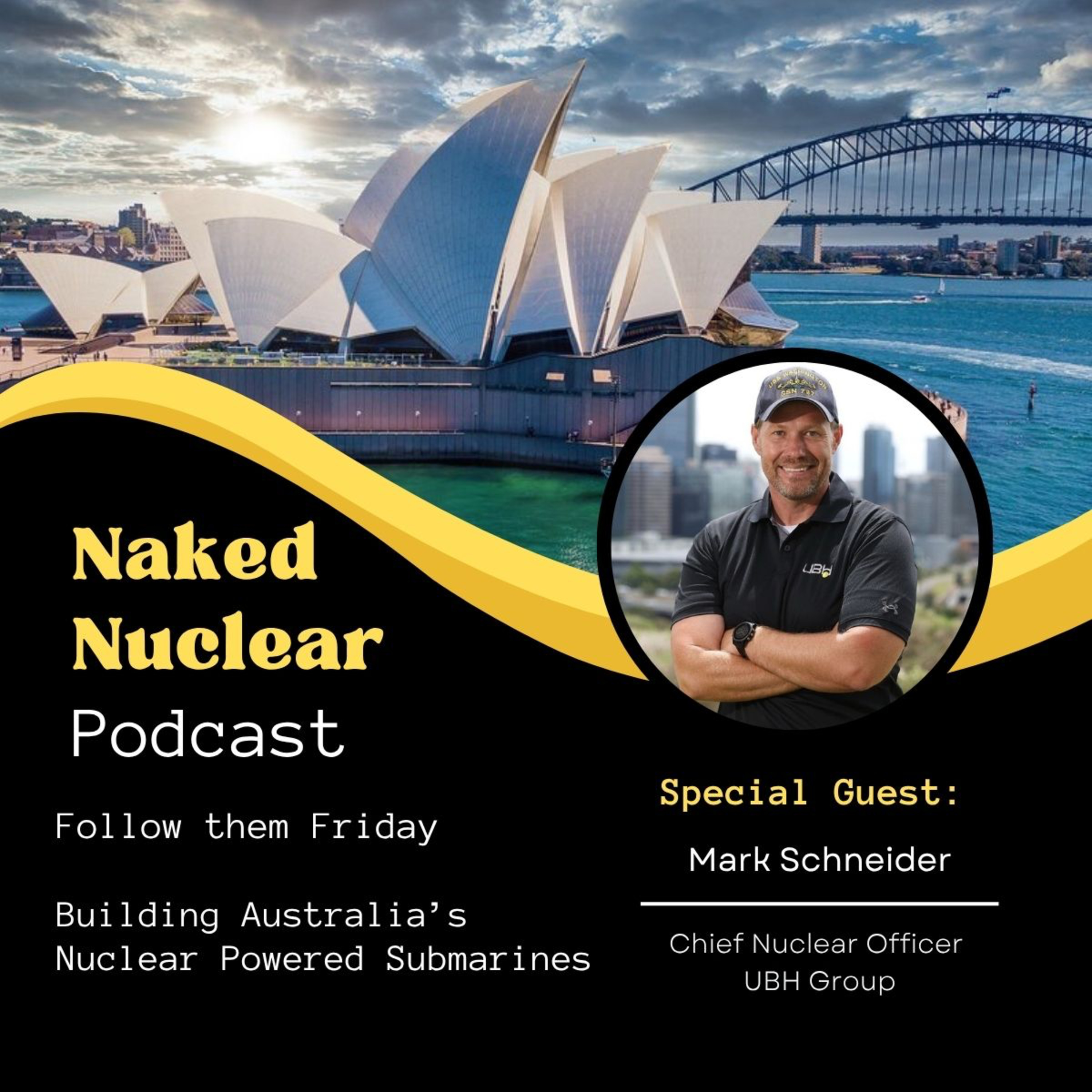
Mark Schneider accidentally became a nuclear professional at 17 when a sarcastic answer to a Navy recruiter — "only if you have nuclear power" — launched a 20-year career. He went on to serve as a nuclear electronics technician, make chief petty officer, earn his commission as a nuclear-powered limited-duty officer, and operate reactors on three submarines and an aircraft carrier.
Now he's the Chief Nuclear Officer at UBH Group, and his current mission is one of the most unusual in the industry: building Australia's nuclear workforce from the ground up. Because of AUKUS, Australia is getting nuclear-powered submarines for the first time and they need people who understand what that actually means.
What this conversation
- How a sarcastic teenager accidentally built a 20-year nuclear career in the U.S. Navy
- What it's like to operate reactors on nuclear submarines and aircraft carriers
- Why "a nuclear reactor that happens to submerge" is the same as any other reactor
- How AUKUS is creating one of the most unusual nuclear workforce challenges in the world
- What ISO 19443, NQA1, and 10 CFR 50 supply chain standards actually mean in practice
- Why the O-ring on a cooling pump matters as much as any major system
- AUKUS Submarine Partnership: https://www.defense.gov/News/Releases/Release/Article/3326875/
- ISO 19443 (nuclear supply chain quality management)
- NQA-1 (American Society of Mechanical Engineers nuclear quality assurance)
- 10 CFR 50 (NRC domestic licensing requirements for nuclear facilities)
Are you a skilled trades worker or veteran interested in a nuclear career? Nuclear Talent Scout matches candidates with nuclear employers — and the industry is hiring.
Apply here: https://forms.clickup.com/20124732/f/k651w-5551/4VA92A2B0QA0RJEHJB
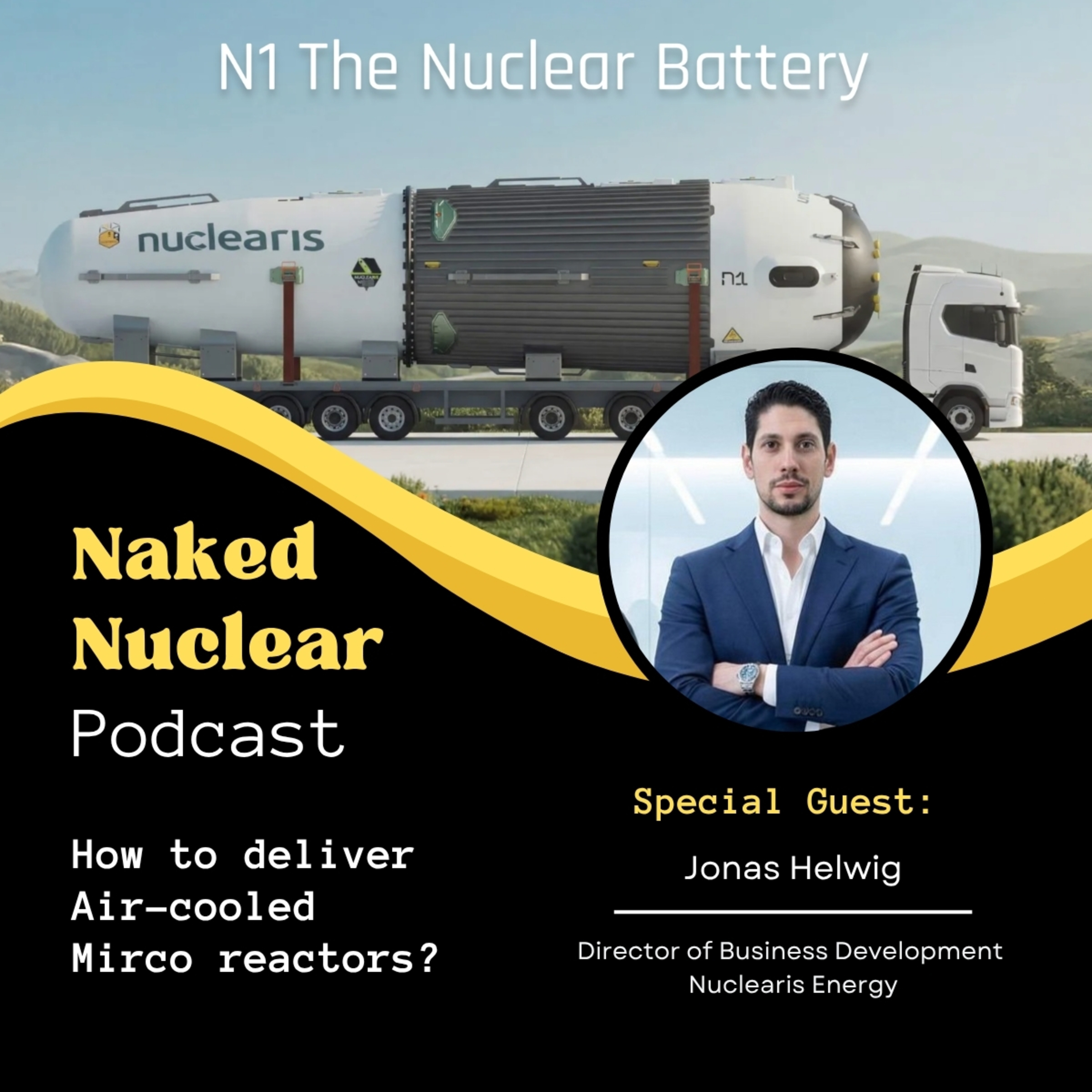
Jonas Helwig is Swedish-born, French-passport-holding, and was living in Ukraine when the war started. He fled with his wife and their newborn daughter, ended up in Buenos Aires by accident, and his neighbor turned out to be a nuclear energy manufacturer.
Over dinner conversations with a pen and paper, they sketched out the N1, and Jonas joined the company. That's how Nuclearis Energy started.
In this episode, Jonas walks us through the N1 micromodular reactor: what it is, how it solves the efficiency problem that makes most microreactors uneconomical, why air-cooling changes where nuclear can go, how the design process started at the spent fuel and worked backwards, and what a "nuclear renaissance" actually means.
CONNECT WITH JONAS & NUCLEARIS
Jonas Helwig on LinkedIn: Search "Jonas Helwig Nuclearis"
Nuclearis Energy website: https://www.nuclearisenergy.com/
Nuclearis on X: Search @nuclearisenergy
Nuclearis on LinkedIn: https://www.linkedin.com/company/nuclearis-energy/
- Atucha Nuclear Power Plants (Argentina): https://www.iaea.org/PRIS/CountryStatistics/ReactorDetails.aspx?current=388
JOIN THE NUCLEAR WORKFORCE
Companies like Nuclearis are gearing up for major engineering hiring. And across the industry, the nuclear workforce shortage is real, the sector needs people now.
Nuclear Talent Scout connects skilled candidates with nuclear employers.
Apply here: https://forms.clickup.com/20124732/f/k651w-5551/4VA92A2B0QA0RJEHJB
ABOUT NAKED NUCLEAR
Naked Nuclear is the podcast that pulls back the curtain on the nuclear industry — no hype, no fear, just real conversations with the people doing the work. Hosted by Danielle Allen.
Website: www.nakednuclear.com
Imagine filling up your car at a gas station in Washington, DC, and heading toward Richmond. Twenty miles down the road, you pull over, call a tow truck, and scrap the car, with 96% of the fuel still in the tank. That's what we do with nuclear fuel in the United States right now.
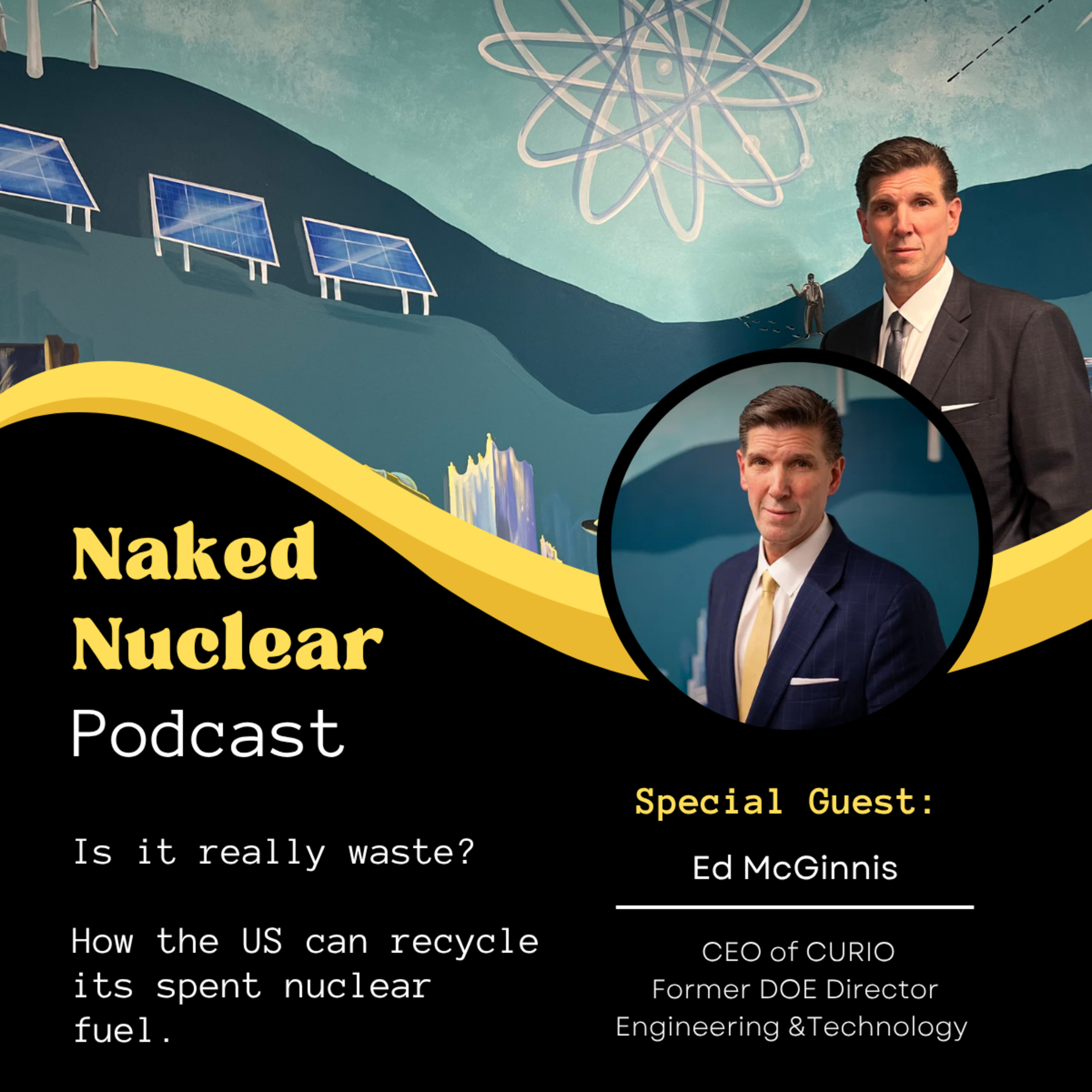
Ed McGinnis is the CEO of Curio and a former senior official at the U.S. Department of Energy. He's spent decades in nuclear policy and energy security, and he's now building something that could change how we think about nuclear waste entirely. Spoiler: he doesn't even call it waste. He calls it "slightly used fuel."
In this episode, Ed breaks down why the U.S. stopped recycling nuclear fuel in the 1970s, what went wrong with the Cold War-era Purex process, and how Curio's NuCycle technology does it differently ... without ever separating pure plutonium. We get into the $50 billion Nuclear Waste Fund that was collected from ratepayers and spent on other things, why the DOE is now paying over a billion dollars a year in court-ordered damages, and how 90,000+ metric tons of used fuel sitting at reactor sites across the country is actually the largest above-ground energy reserve in the world.
Plus: Curio's planned recycling facility, bigger than a football stadium, processing more fuel than every other recycling facility on the planet combined, and the 3,000+ trades-based jobs it would create at around $125K a year for 60+ years.
Topics covered:
Why only 3-4% of nuclear fuel is actually used — and 96% is still usable energy
The difference between the Cold War Purex process and Curio's NuCycle technology
President Carter's ban on fuel recycling and the $13+ billion in lost investments
How recycling reduces radiotoxicity from 100,000+ years to about 300 years
Curio's partnership with Oak Ridge National Laboratory since 2019
The Nuclear Waste Policy Act, the $50 billion fund, and the billion-dollar-a-year lawsuit payouts
Russia still providing 20%+ of U.S. nuclear fuel — and what that means for energy security
Curio's planned facility: 4,000 metric tons per year, 3,000+ jobs, mostly trades
Curio's own SMR and micro-reactor designs (TrueFuel)
Resources:
Learn more about CURIO: curio.energy
Jimmy Carter's Ruling on Reprocessing Spent Nuclear Fuel: https://www.nrc.gov/docs/ml1209/ML120960615.pdf
What does it take to explain one of the most misunderstood technologies on Earth?
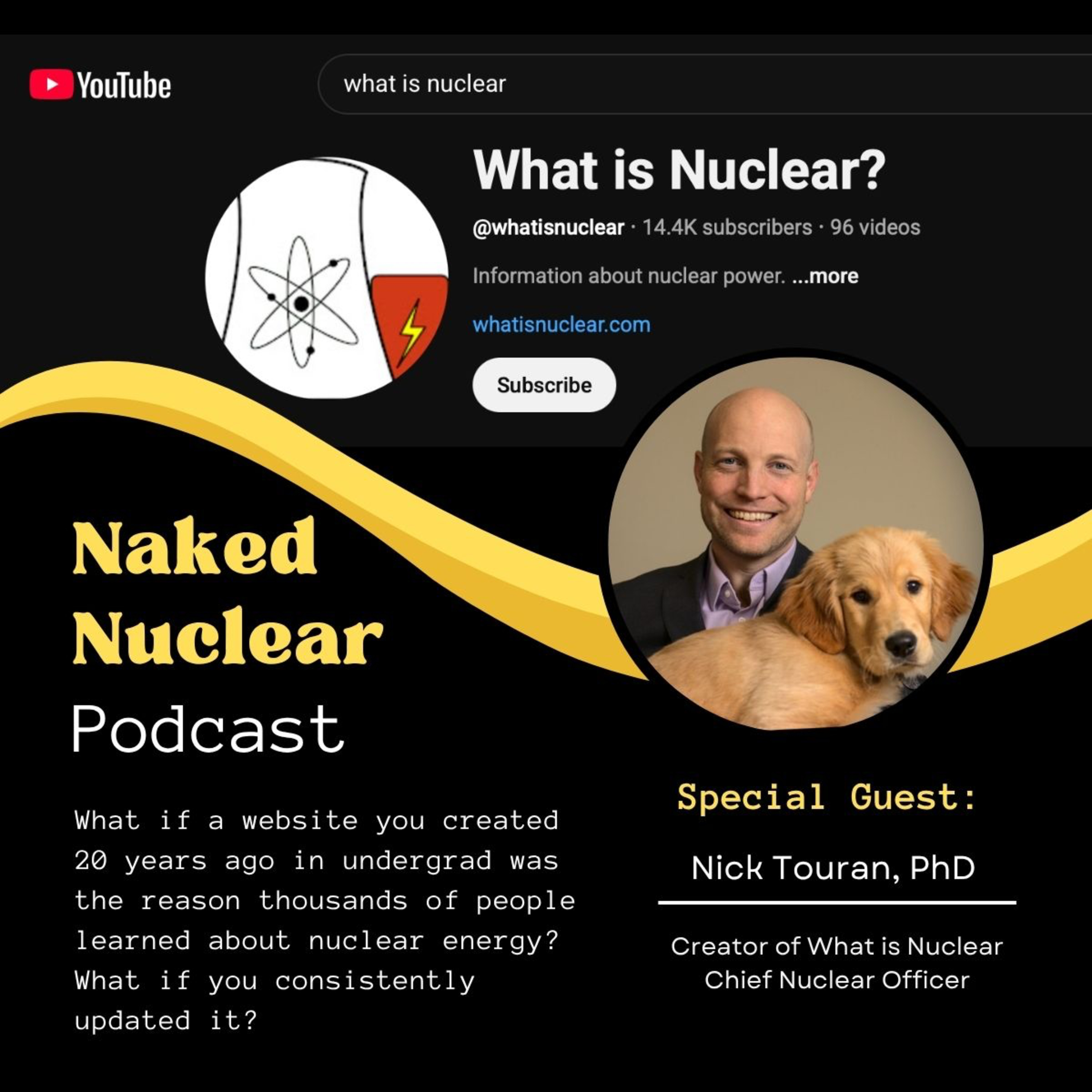
This Final Friday on Naked Nuclear, Danielle sits down with Nick Touran for a new Follow Them Friday episode.
Nick is the founder of What Is Nuclear, one of the internet’s most respected resources for understanding nuclear energy, reactor technology, fuel cycles, history, and policy in plain English. In a world drowning in hot takes and cold IQs, he built something useful.
We discuss Nick’s journey into nuclear engineering, how he built What Is Nuclear, why communication matters, and how advanced reactors differ through choices like coolants and moderators. We also get into regulation, licensing, innovation bottlenecks, and what may be next for nuclear in maritime applications.
If you’ve ever wanted nuclear explained clearly, or wondered where the industry is headed next, this is the episode.
How Nick Touran got into nuclear engineering
Why he created WhatIsNuclear.com
Explaining reactors simply: coolants, moderators, and design choices
Fast reactors vs thermal reactors
Why licensing and regulation shape innovation
Nuclear power for maritime shipping and industrial use
The future of advanced reactors
Why good science communication matters more than ever
Nick is helping lead a new maritime nuclear venture focused on the future of clean shipping and advanced nuclear deployment.
They’re seeking exceptional talent, including:
Licensing Engineers
Reactor Engineers
Nuclear Scientists
Regulatory Experts
Advanced Reactor Talent
To be considered, complete the qualified candidate form here:
Check out Nick's Youtube Page here:
https://www.youtube.com/@whatisnuclear
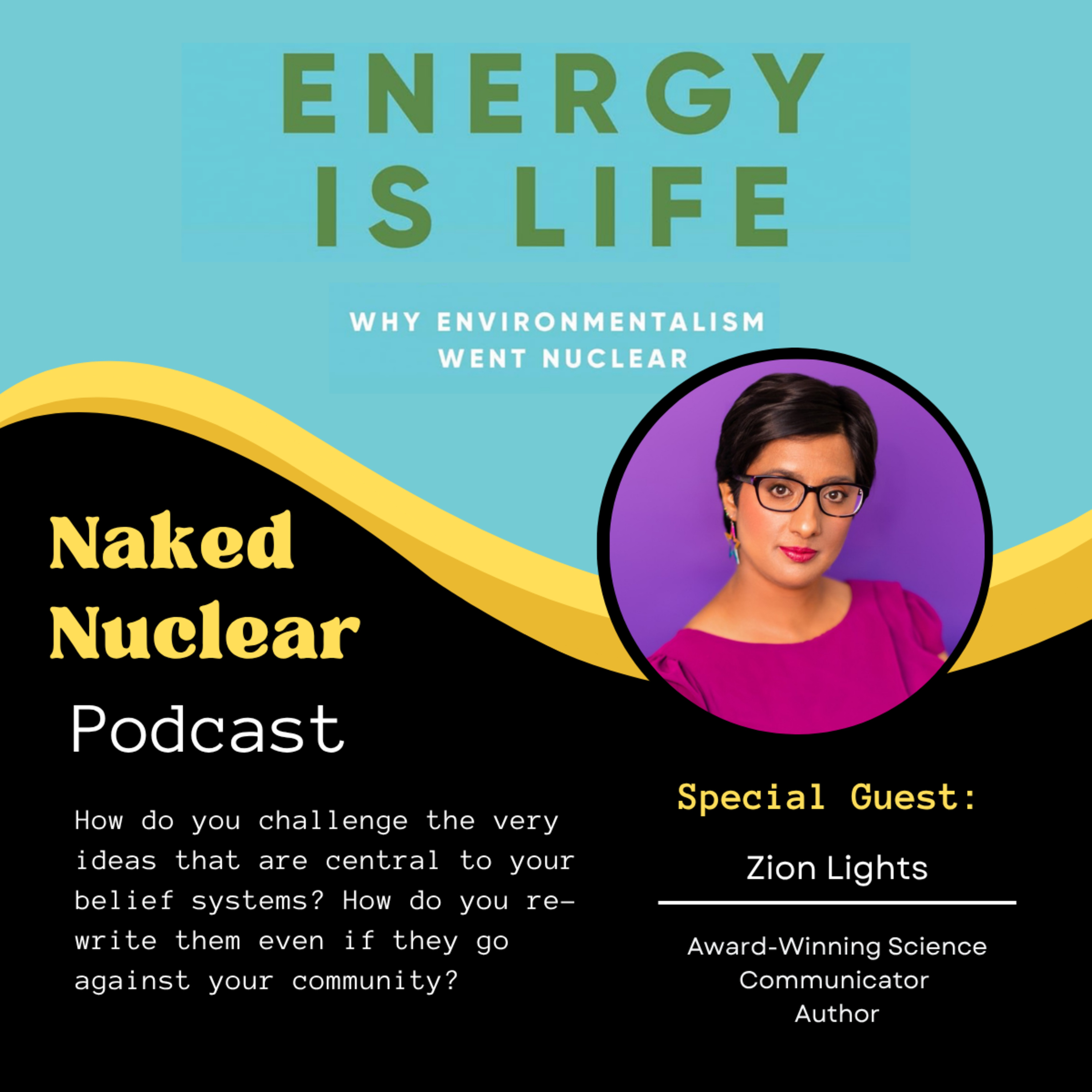
What happens when an environmentalist changes their mind about nuclear energy?
In this episode of Naked Nuclear, Danielle sits down with Zion Lights, environmental advocate, award-winning science communicator, and author of Energy Is Life to unpack one of the most important (and uncomfortable) shifts happening in climate conversations today.
Zion shares her journey from anti-nuclear activism to becoming one of the most prominent voices advocating for nuclear as a critical solution to climate change. This isn’t just a story about energy — it’s about intellectual honesty, changing your mind in public, and what it really means to support life on this planet.
Together, we explore:
Why energy abundance is essential for human and environmental well-being
Where parts of the environmental movement have gone wrong on nuclear
The role of fear, narratives, and misinformation in shaping public opinion
Why nuclear energy is uniquely positioned to support deep decarbonization
How to communicate complex, controversial ideas without losing people
This episode challenges assumptions, reframes the climate conversation, and asks a bigger question:
What if being pro-environment also means being pro-nuclear?
Get the Book
Zion’s new book, Energy Is Life, is available now on Amazon.
If you want to go deeper into the ideas discussed in this episode, this is the place to start.
Follow Zion Lights
Stay up to date with Zion’s work and insights across platforms:
Instagram: https://www.instagram.com/zion.lights/
LinkedIn: https://www.linkedin.com/in/zionlights/
TikTok: https://www.tiktok.com/@zilovesscience
X: ziontree
If you’re a qualified nuclear professional looking to get personalized job alerts in the industry, sign up with Nuclear Talent Scout.
When people talk about building nuclear power plants, the conversation usually centers on policy, engineering, and billion-dollar infrastructure.
But reactors aren’t built in conference rooms.
They’re built by craft workers.
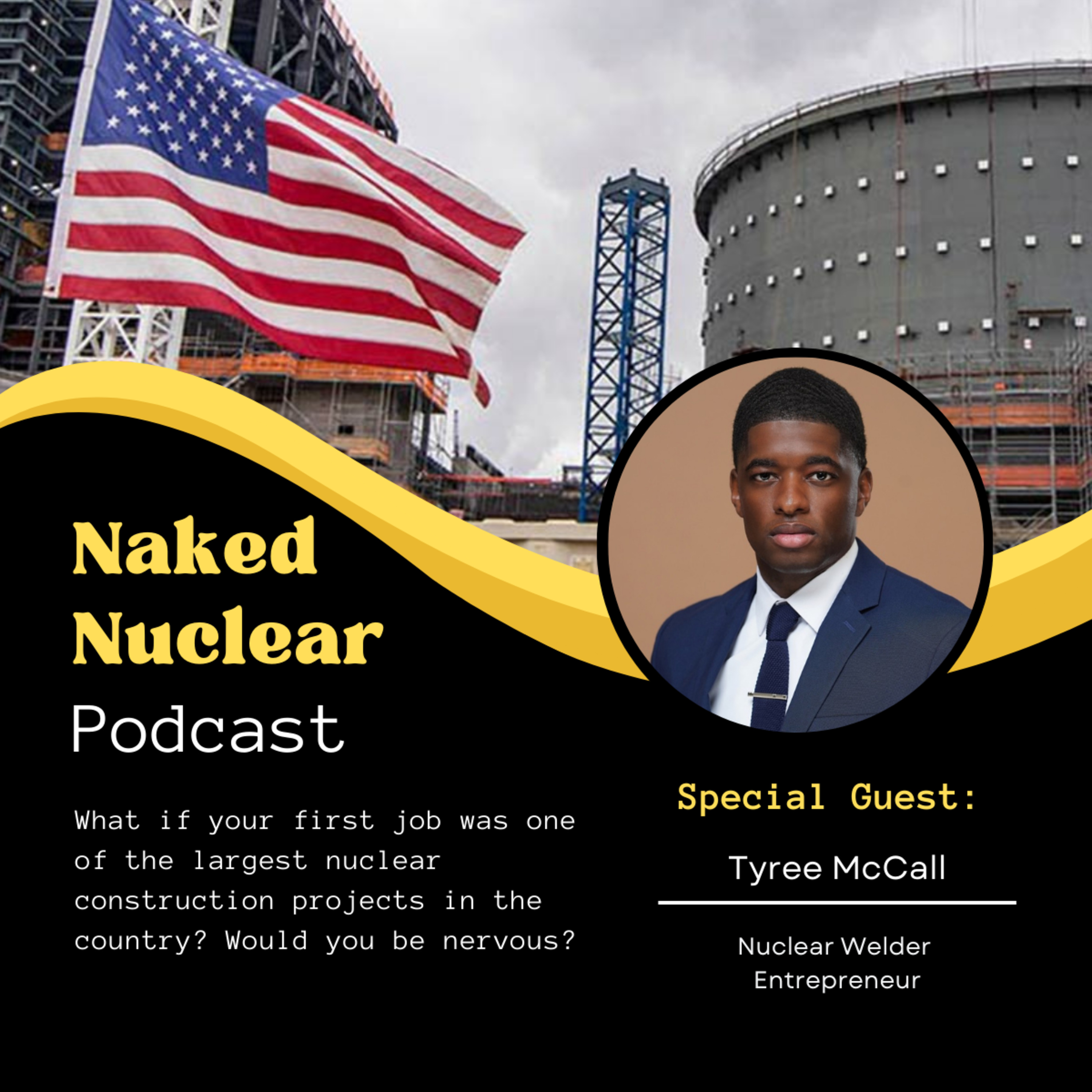
In this episode of Naked Nuclear, Danielle sits down with nuclear welder Tyree McCall, who started his career at Plant Vogtle Units 3 & 4 at just nineteen years old. What began as a labor job quickly turned into a mentorship-driven apprenticeship where experienced workers pushed him to level up his skills and pursue welding.
Working ten-hour days and attending welding school at night, Tyree eventually transitioned into nuclear welding—one of the most technically demanding and responsibility-heavy crafts in the industry.
Together, they explore what it really takes to build nuclear infrastructure: discipline, safety culture, accountability, and the personal growth required to succeed in a high-stakes environment.
This episode pulls back the curtain on the boots-on-the-ground workforce that makes nuclear energy possible.
How Tyree landed his first job at Plant Vogtle Units 3 & 4
What it feels like to walk onto a nuclear construction site at 19
Why the mentors on site “raised him” in the craft
The reality of working full-time while attending welding school at night
The difference between nuclear welding and other welding careers
What nuclear safety culture actually looks like on a job site
The intense pressure of passing nuclear welding certification tests
How failures and feedback shape skilled trades professionals
The lifestyle changes that come with holding a nuclear badge and clearance
Advice for students considering trades careers in the nuclear industry
Tyree credits much of his early success to experienced workers on the Vogtle site who encouraged him to pursue higher-skilled trades and pushed him to think long-term about his career.
Nuclear power is often described as essential for climate goals, grid reliability, and energy security.
But here’s the real question:
Can we actually build it safely, on time, and on budget?
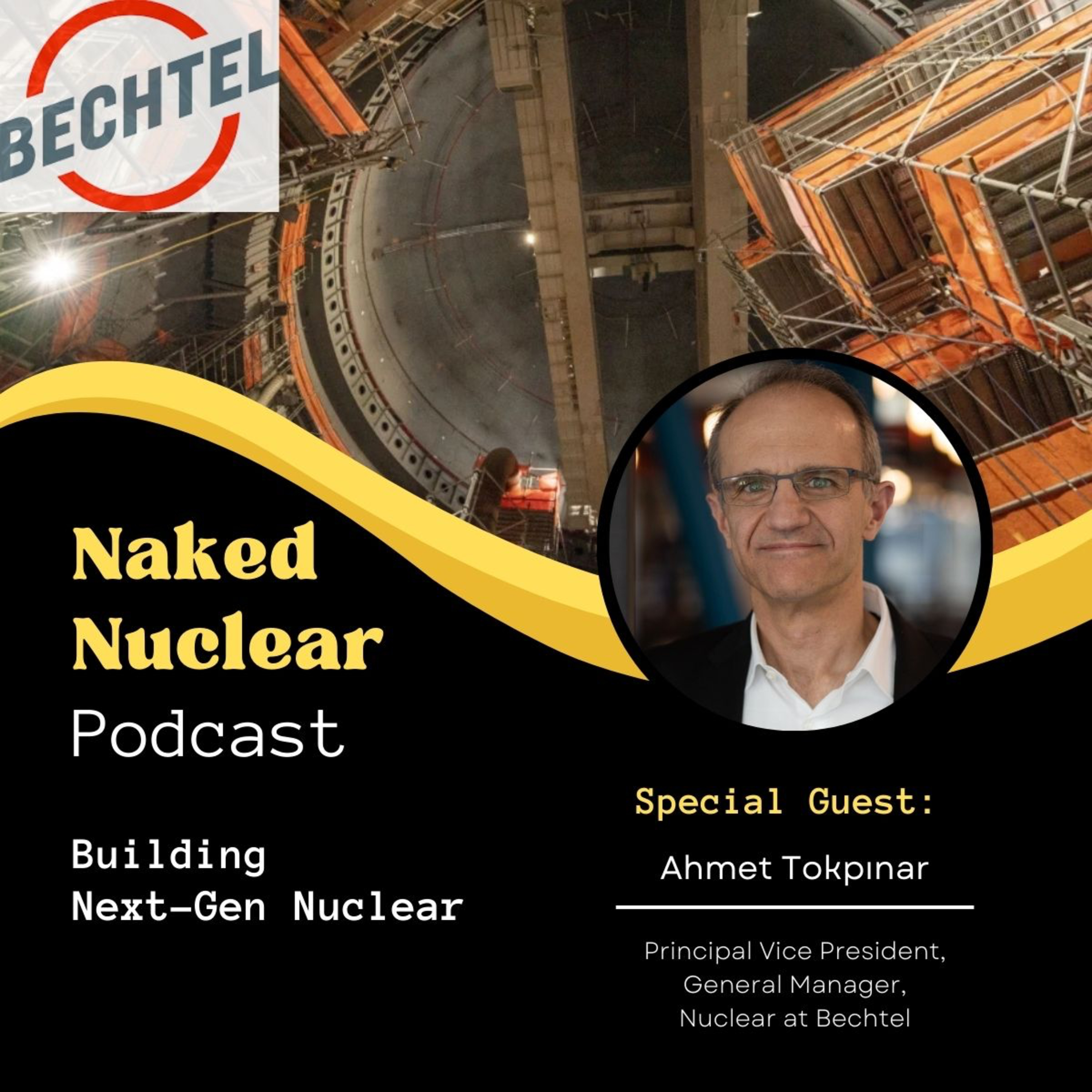
In this episode of Naked Nuclear, Danielle Allen sits down with Ahmet Tokpinar, Principal Vice President and General Manager of Nuclear Power at Bechtel, to unpack the boots-on-the-ground reality of building nuclear power plants in today’s world.
From geotechnical investigations and contractor qualification to long-lead supply chains and workforce development, this conversation moves beyond theory and into execution, exploring what it actually takes to deliver nuclear infrastructure at scale.
What We Cover
What really happens before construction begins on a nuclear plant
Why nuclear construction is fundamentally different from other mega-projects
How contractors and subcontractors become “nuclear-qualified”
The role of supply chains and long-lead equipment in schedule success
Lessons learned from Vogtle Units 3 & 4
What it means to build a first-of-a-kind plant in Poland
How advanced reactors like Natrium change construction (and what stays the same)
About our Guest
Ahmet Tokpinar is Principal Vice President and General Manager of Nuclear Power at Bechtel.
He leads Bechtel’s global nuclear portfolio, spanning large reactors, advanced reactors, operating plant modifications, and fuel cycle work.
With more than 30 years of experience in nuclear project execution and business strategy, Ahmet has played a leadership role in major projects including Vogtle 3 & 4, Poland’s nuclear deployment, and the Natrium advanced reactor.
About the Season
This episode is part of Season 3: How to Build a Nuclear Power Plant, a deep dive into the companies, people, and systems required to move nuclear from blueprint to grid.
Further Reading:
https://www.bechtel.com/markets/nuclear-power/
https://www.bechtel.com/projects/vogtle-units-3-and-4/
https://www.bechtel.com/projects/poland-ap1000-nuclear-power-plant/
https://www.bechtel.com/projects/natrium-demonstration-project/
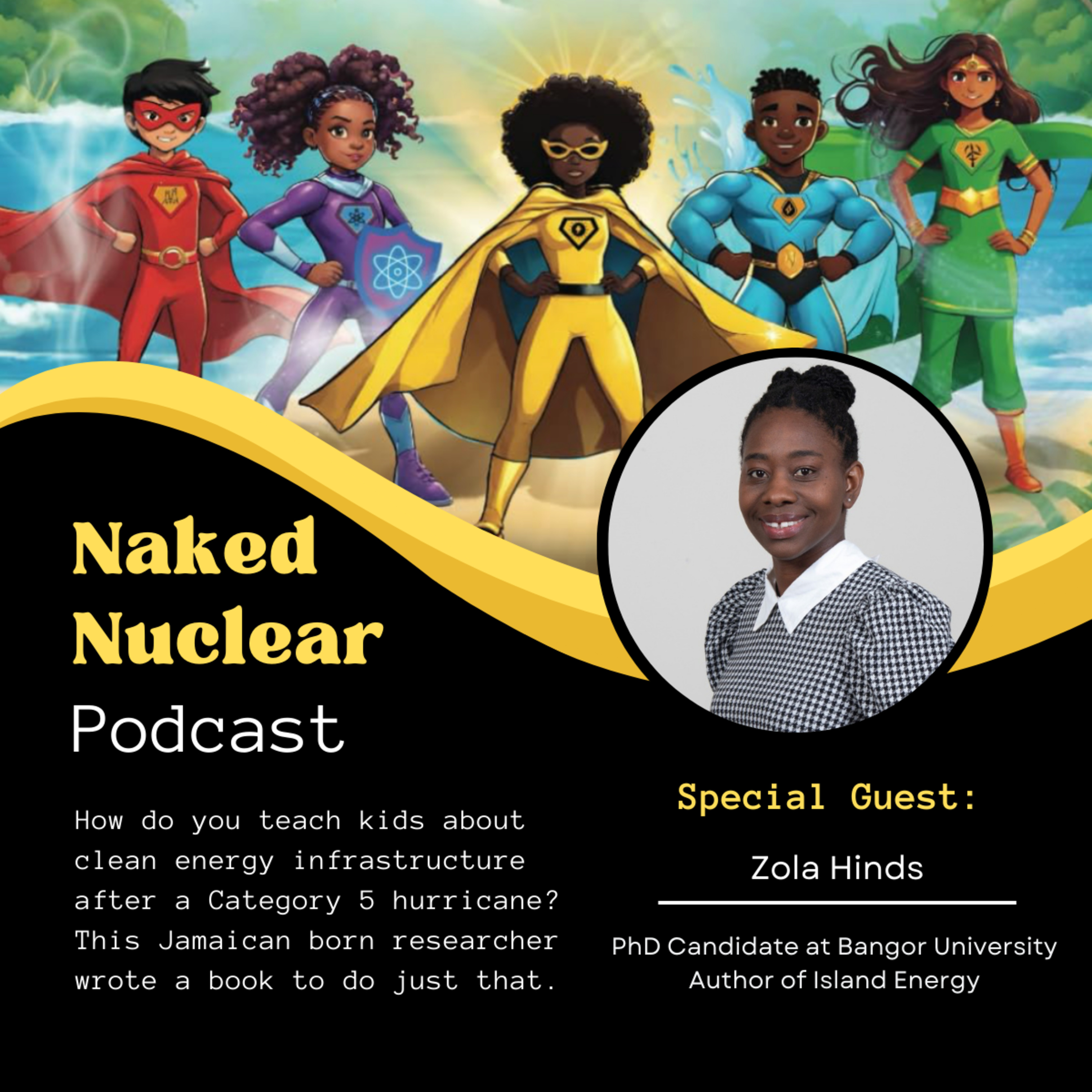
What happens when a nuclear engineering PhD student realizes that the book she needed as a child… doesn’t exist?
She writes it.
In this episode of Naked Nuclear, Danielle sits down with Zola Hind, Jamaican-born computer scientist turned nuclear engineering researcher at Bangor University — and author of Island Energy Superhero: A Kids’ Guide to Energies in the Caribbean.
From visualizing nuclear fuel behavior using astronomy-inspired methods… to printing her book in braille for visually impaired students… Zola is building an energy-literate Caribbean one classroom at a time.
This conversation explores:
Why representation matters in energy education
How nuclear engineering “chose” her
What it means to fail forward in a PhD program
The role of clean energy in Caribbean climate resilience
Whether you’re a student, parent, educator, policymaker, or just energy-curious , this episode will leave you thinking differently about who gets to be part of the energy transition.
Get the Book
Island Energy Superhero: A Kids’ Guide to Energies in the Caribbean
Amazon:
https://www.amazon.com/Island-Energy-Superhero-Energies-Caribbean/dp/1998245098
Official Website:
https://islandenergybook.my.canva.site/#home
The book is also available in select Jamaican bookstores and at Norman Manley International Airport in Kingston.
About Zola Hind
Zola Hind is a PhD researcher in nuclear engineering at Bangor University with a background in computer science and data visualization. Her research focuses on novel methods for modeling and visualizing nuclear fuel behavior.
She is passionate about:
Energy literacy
Climate resilience in the Caribbean
Accessibility and inclusion in STEM
Making complex science understandable for everyone
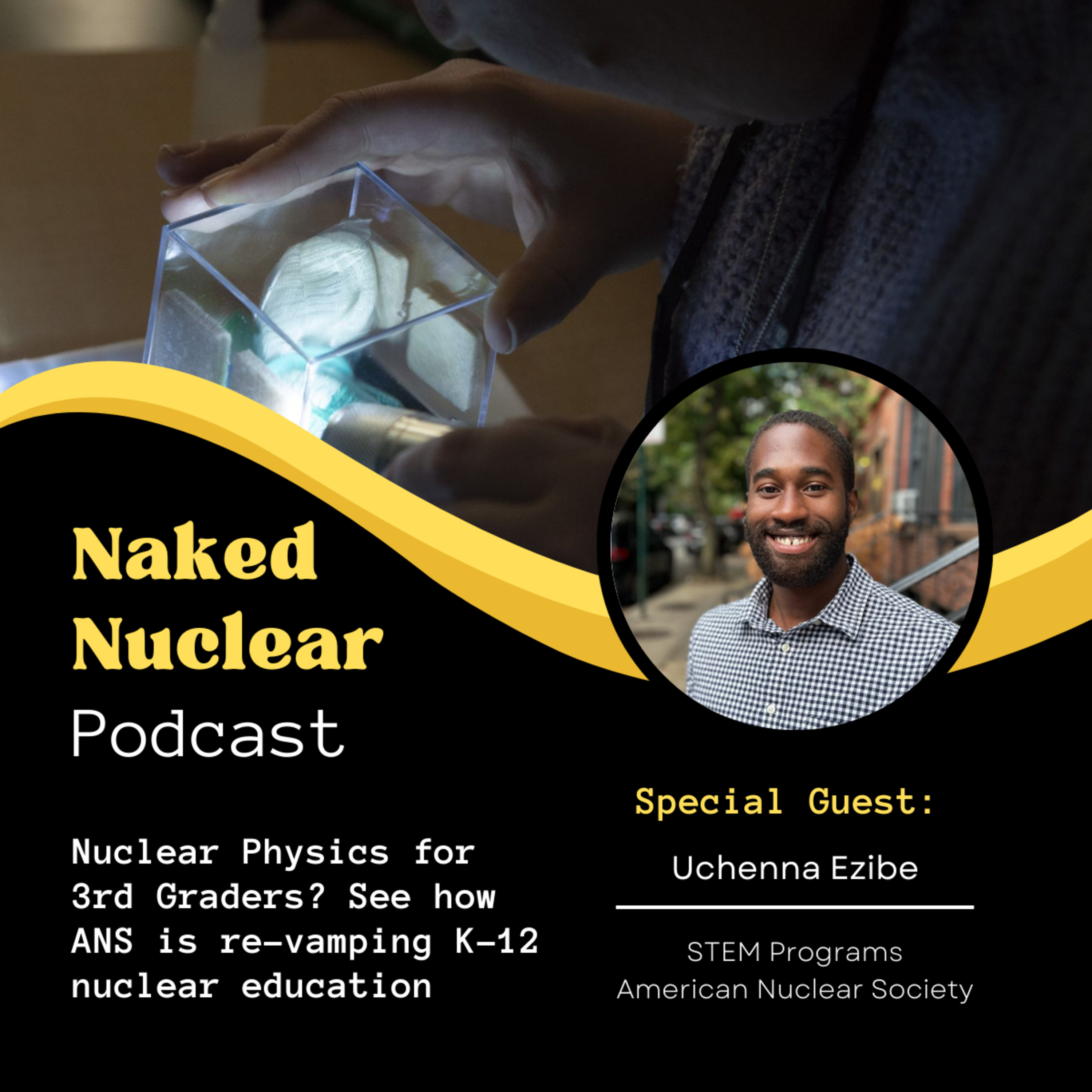
In this episode, Danielle talks with Uchenna Ezibe about how the American Nuclear Society is shaping the future of nuclear education—starting as early as kindergarten. They dive into ANS’s hands-on programs like cloud chambers, educator training, and the new Accelerators initiative for high schoolers.
Learn how early exposure to nuclear concepts can spark student curiosity, close the literacy gap, and help build the next generation of clean energy professionals.
Highlights:
Why nuclear literacy shouldn’t wait until college
What it’s like to “see” radiation with a cloud chamber
How ANS is training both teachers and student leaders
Behind the scenes of the Accelerators program
What a near-peer mentorship network looks like in action
Mentioned Resources:
ANS K-12 hub: https://www.ans.org/nuclear
Navigating Nuclear curriculum: https://www.ans.org/nuclear/navigatingnuclear
Cloud Chamber program: https://www.ans.org/nuclear/cloudchamber
Accelerators (high school): https://www.ans.org/nuclear/accelerators
Educator resources: https://www.ans.org/nuclear/educatorresources
Volunteer as a nuclear ambassador: https://www.ans.org/nuclear/ambassadors
Contact Uchenna: uezibe@ans.org
Connect with Us:
Website: https://www.nakednuclear.com
Email: danielle@nakednuclear.com
LinkedIn: https://www.linkedin.com/in/danielle-allen
41 minAbspielen in:
Gäste, die länger als 12 Monate zurückliegen, gibt es mit Pro. Pläne ansehen

 JS