We Do Science is the sport and exercise nutrition podcast hosted by Dr Laurent Bannock, practitioner, educator, researcher, and Founder of The Institute of Performance Nutrition. Relaunching in September 2026 for a new era, the show brings together leading researchers, elite practitioners, educators, and thinkers to…
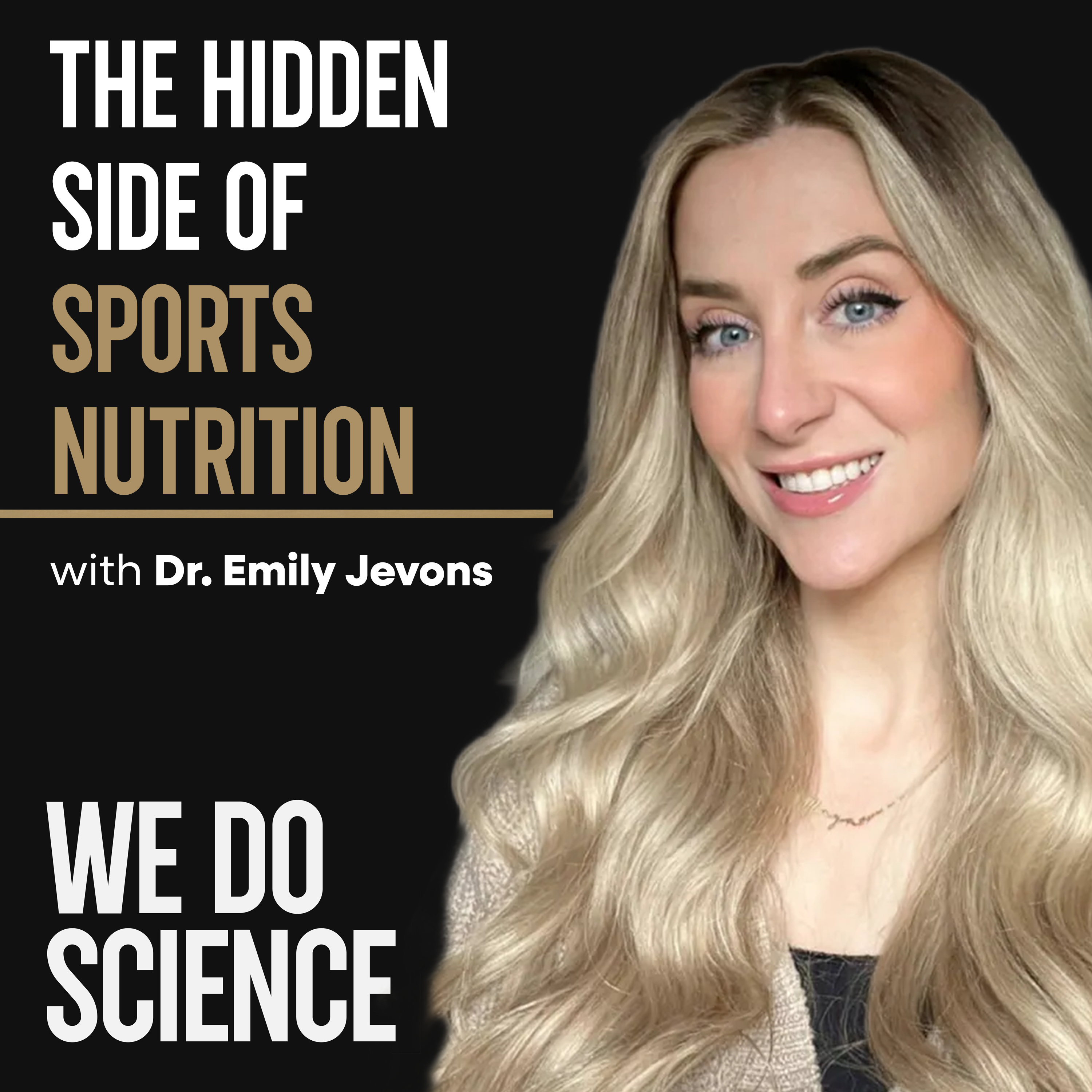
In this episode of We Do Science, Dr Emily Jevons shares her journey from academic research to professional cycling and explores the human realities of sports nutrition practice. We discuss career development, credibility and trust, and the key challenges of recognising disordered eating, understanding athlete wellbeing, and knowing when to refer for specialist support.
CHAPTERS
00:00 Introduction
02:31 Introducing Dr Emily Jevons
05:48 From swimming to sports nutrition
08:38 Research, a self-funded PhD and a helpline role
15:36 Career paths, credibility and connecting with clients
23:13 Emily's PhD research
29:01 After the PhD: lecturing and finding her path
32:26 Maternity leave and building a consultancy
36:36 Working in WorldTour pro cycling
40:16 Who can call themselves a nutritionist?
51:51 Why disordered eating became her focus
56:04 Disordered eating vs eating disorders
59:39 Eating disorders, REDs and knowing when to refer
1:06:18 Orthorexia and the obsession with clean eating
1:12:58 Warning signs to look out for in athletes
1:17:34 How to raise concerns with an athlete
1:23:04 Advice for aspiring nutritionists
If you enjoy the episode, please subscribe to We Do Science and share your thoughts in the comments.
Connect with Emily
Instagram: https://www.instagram.com/emilyjevonsnutrition
LinkedIn: https://www.linkedin.com/in/emily-jevons-phd-rnutr-5b680991
Connect with Laurent:
Substack: https://substack.com/@laurentbannock
Website: https://www.laurentbannock.com
Instagram: https://www.instagram.com/laurent_bannock
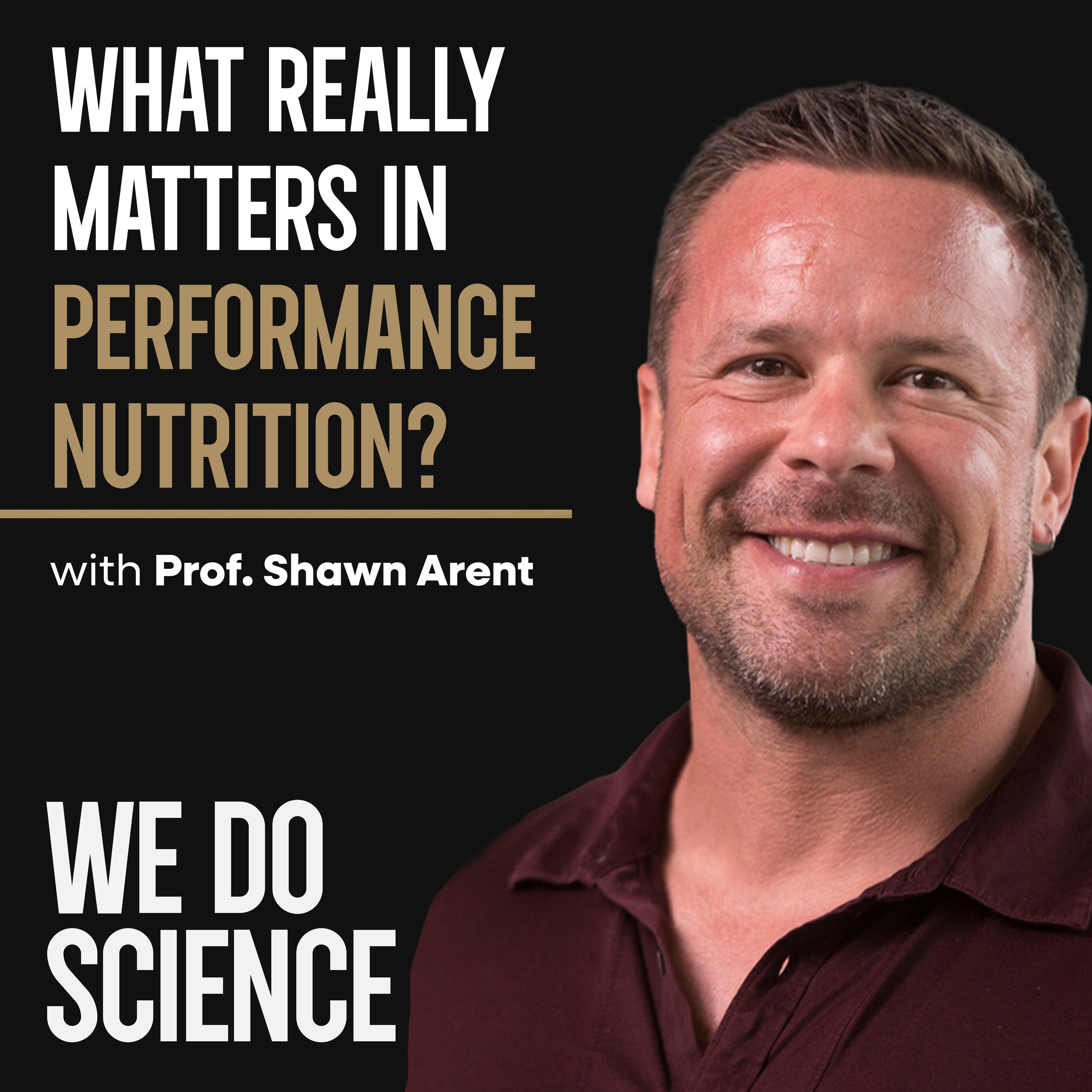
In this episode of We Do Science, I’m joined by Professor Shawn Arent to explore what still matters in performance nutrition and how to separate established scientific principles from changing trends. We discuss what has evolved in sports nutrition, which fundamentals remain important, and what matters when translating scientific evidence into real-world practice.
Shawn explains why hydration, carbohydrates and protein remain central to athletic performance, while addressing common misconceptions around nutrient timing, the anabolic window and fasted training. We explore the relationship between nutrition, training stress and recovery, why individual circumstances matter, and why advice intended for the general population may not always apply to competitive athletes.
We also discuss the practical challenges of working with athletes and coaches, including how to communicate scientific evidence and build effective relationships. Shawn shares insights from his experience in elite sport, exploring the value of performance testing, body composition assessments and biomarkers. We examine the limitations of measurement tools, the importance of interpreting results correctly, and why collecting more data doesn't necessarily lead to better decisions.
Whether you’re a sports nutrition practitioner, coach or athlete, this conversation explores how to identify what genuinely matters in performance nutrition, apply scientific evidence effectively, and make informed decisions based on the needs of the individual athlete.
CHAPTERS
00:00 Introduction05:09 Introducing Prof. Shawn Arent12:09 What's changed in performance nutrition?17:39 Nutrition myths, trends and pseudoscience22:44 The fundamentals: Hydration, carbohydrates and protein27:19 Energy deficits, training stress and recovery33:34 Individual needs and the relationship with food41:09 Communicating science to athletes and coaches51:29 Performance testing, monitoring and biomarkers1:03:29 Interpreting results and measurement limitations1:09:09 Body composition and tracking athlete progress1:17:09 Blood testing, wearables and performance data1:27:39 Key takeaways and practical applications
If you enjoy the episode, please subscribe to We Do Science and share your thoughts in the comments.
Connect with Shawn:
LinkedIn: https://www.linkedin.com/in/shawnmarent/
Connect with Laurent:
Substack: https://substack.com/@laurentbannock
Website: https://www.laurentbannock.com
Instagram: https://www.instagram.com/laurent_bannock
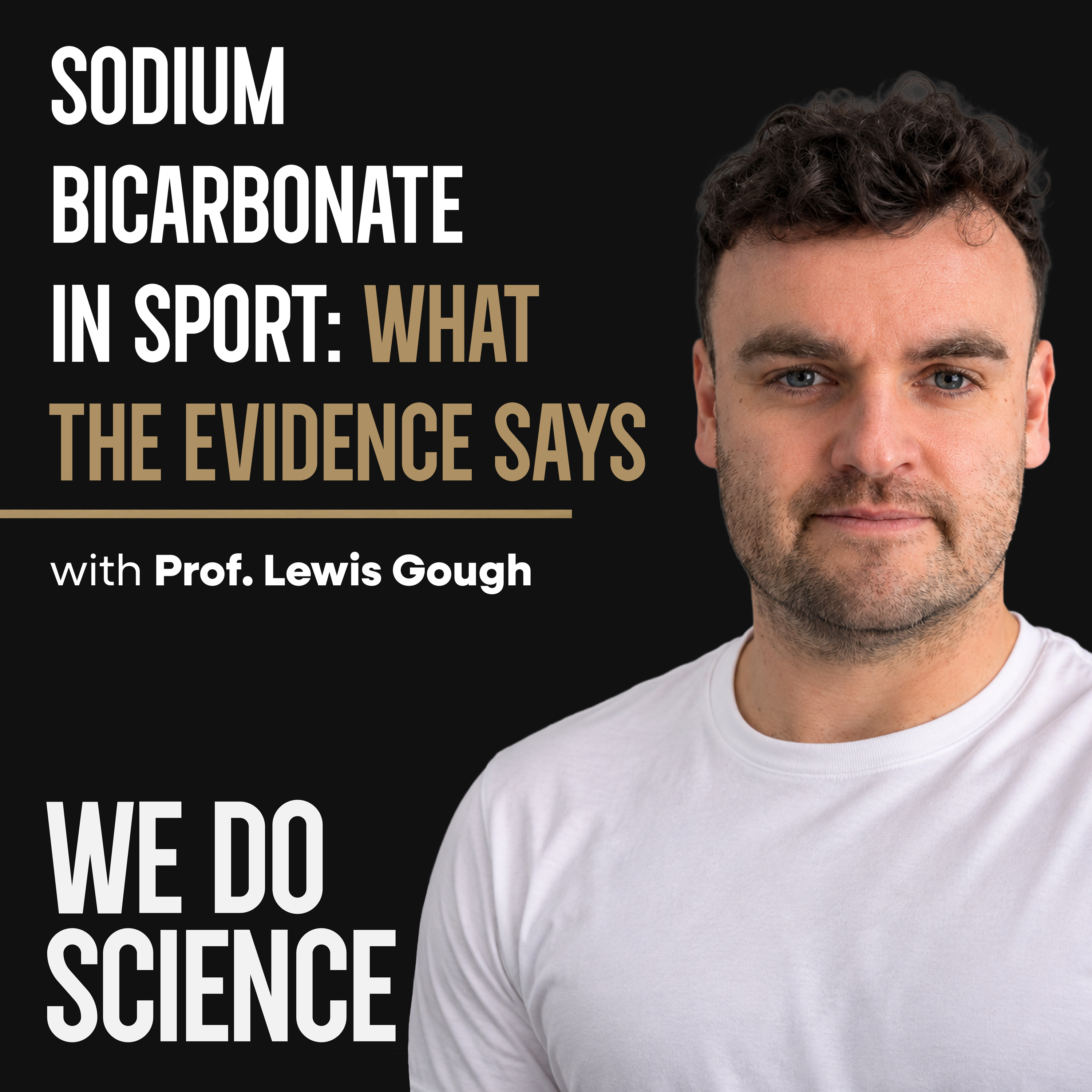
In this episode of We Do Science, I’m joined by Professor Lewis Gough to explore sodium bicarbonate supplementation and its role in sport and exercise performance. We discuss how it works, what the research tells us, and what matters when translating that evidence into practice.
Lewis explains the science of buffering, clears up common misconceptions about lactate and muscle fatigue, and shares insights from his research with athletes. We explore which types of exercise may benefit, why individual responses vary, and why a study’s average result doesn’t tell the whole story.
We also discuss the practical considerations: dose, timing, gastrointestinal side effects, and the differences between powders, capsules and newer delivery systems. Lewis shares his perspective on combining sodium bicarbonate with other supplements, including beta-alanine, caffeine and nitrates, highlighting where the evidence is stronger and where questions remain.
Whether you’re a sports nutrition practitioner, coach or athlete, this conversation explores how to assess sodium bicarbonate’s place within a performance nutrition strategy—and why the individual athlete and their sporting demands matter.
CHAPTERS00:00 Introduction
02:24 Introducing Prof. Lewis Gough
14:03 Lactate, muscle fatigue and how buffering works
27:59 Performance evidence and research limitations
40:19 Why individual responses vary
48:02 Which sports and athletes may benefit?
52:04 Side effects, delivery methods and dosing
1:03:42 Repeated exercise bouts and recovery
1:06:13 Combining bicarbonate with other supplements
1:18:38 Key takeaways
If you enjoy the episode, please subscribe to We Do Science and share your thoughts in the comments.
Connect with Lewis
LinkedIn: https://www.linkedin.com/in/professor-lewis-gough-40550857/
Connect with Laurent:
Substack: https://substack.com/@laurentbannock
Website: https://www.laurentbannock.com
Instagram: https://www.instagram.com/laurent_bannock
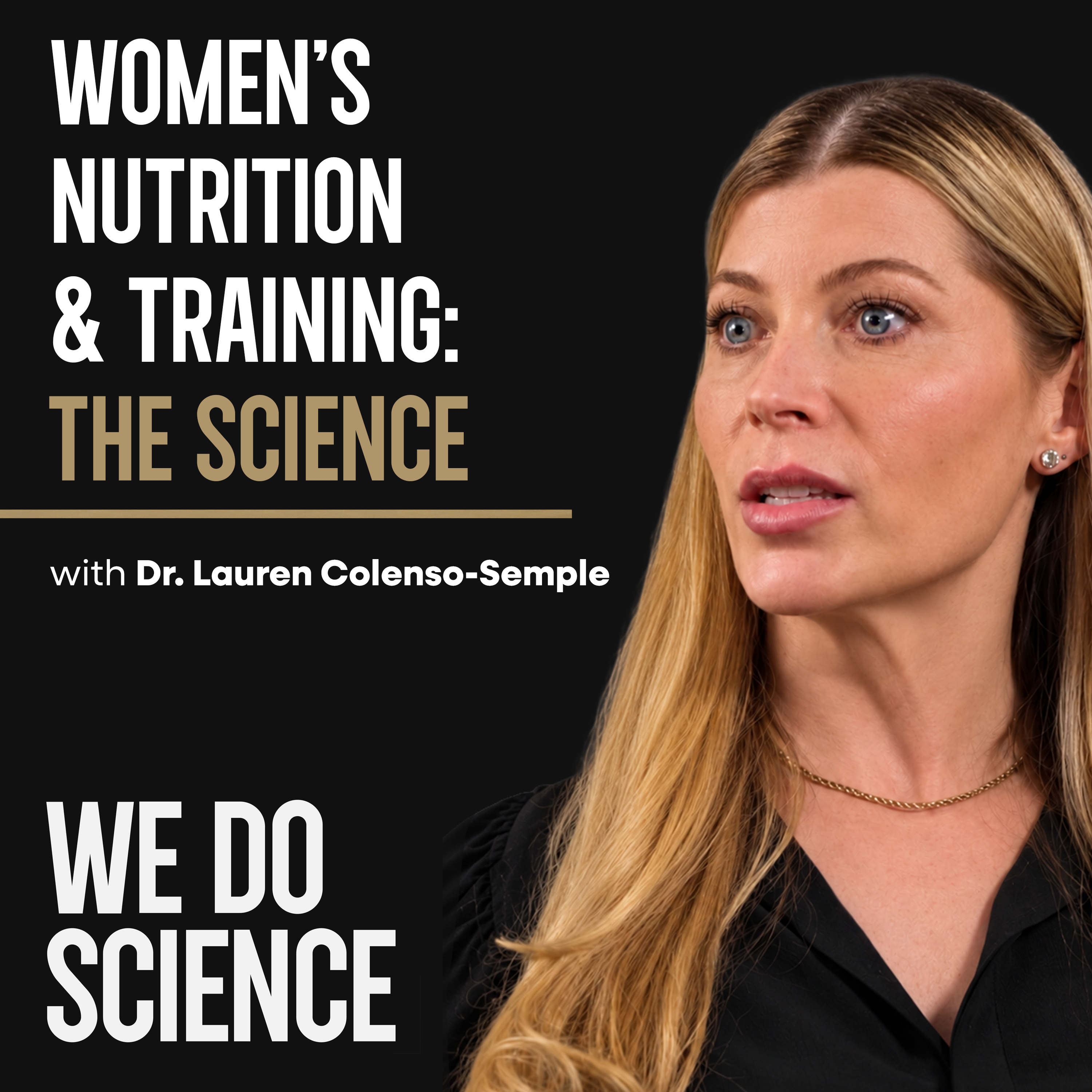
Should women train and eat differently from men? In this episode of We Do Science, I’m joined by Dr Lauren Colenso-Semple to explore female physiology, resistance training and how we translate research into practical recommendations.
Drawing on her experience as both a coach and a researcher, Lauren discusses her work examining muscle protein synthesis across menstrual cycle phases. We explore the evidence behind cycle syncing, the importance of measuring hormones accurately, and why findings from animal studies don’t automatically translate into training advice for humans.
We also discuss hormonal contraceptives, energy availability, injury-risk claims and resistance training across the menopause transition. Throughout, we distinguish between blanket recommendations for women and individual adjustments that account for symptoms, preferences, training goals and lived experience.
For nutrition practitioners, coaches, athletes and anyone interested in women’s training, this conversation examines which claims are supported by research, where uncertainty remains, and how to personalise an approach without adding unnecessary complexity.
Subscribe to We Do Science for more conversations on the science and practice of performance nutrition.
Connect with Lauren:
Website: www.drlaurencs.com
Instagram: @drlaurencs1
Connect with Laurent:
Substack: https://substack.com/@laurentbannock
Website: https://www.laurentbannock.com
Instagram: https://www.instagram.com/laurent_bannock
Key chapters
00:00 Episode preview and introduction
04:50 Lauren’s journey from coach to researcher
10:21 Studying women in exercise science
16:28 What research tells us about women’s training
26:26 Menstrual cycle hormones and muscle protein synthesis
36:15 Symptoms, lived experience and individualised coaching
39:32 Hormonal contraceptives and training adaptations
44:35 Energy availability and menstrual health
46:40 Cycle syncing, marketing and injury-risk claims
53:34 Menopause, resistance training and interpreting research
1:02:21 Main takeaways for practice
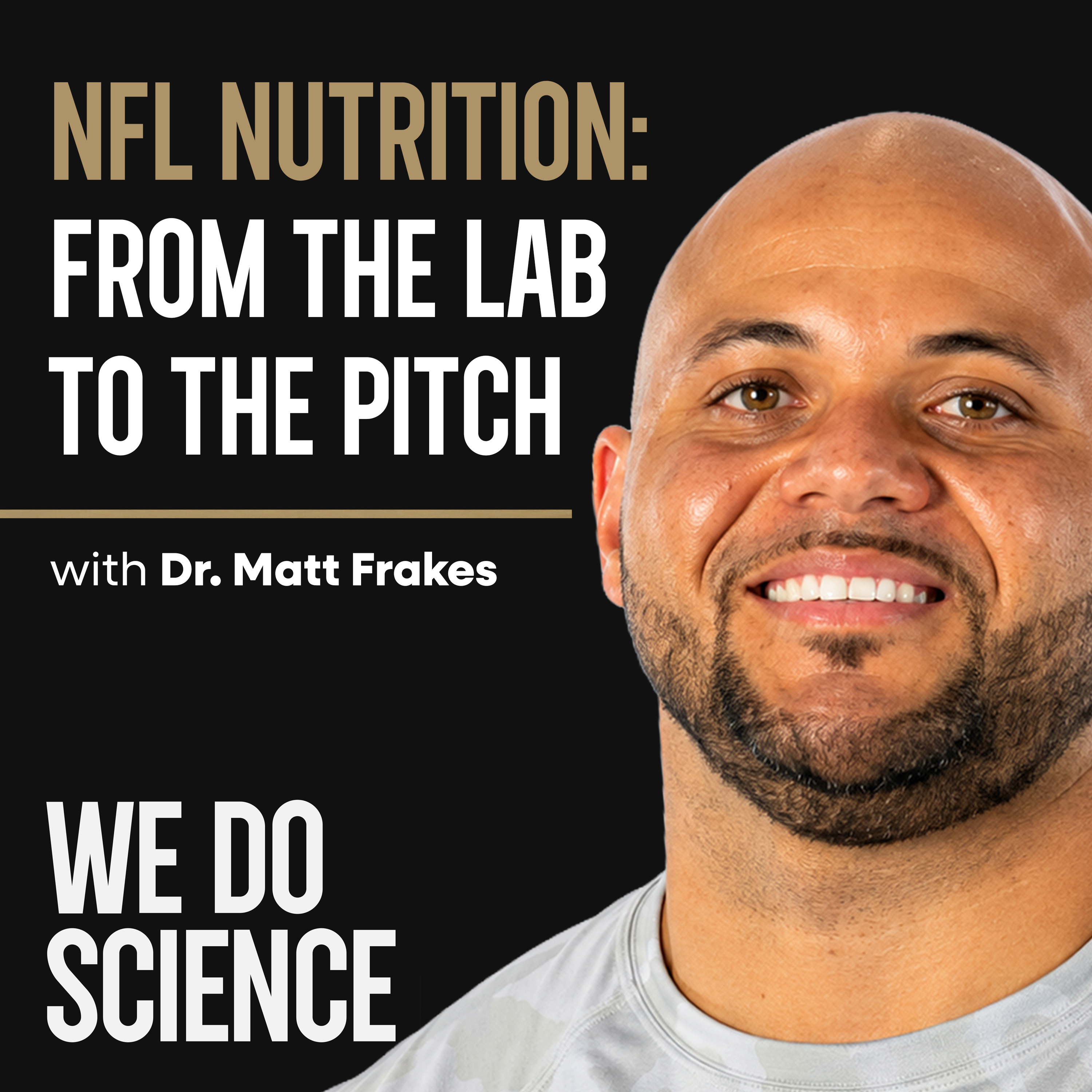
What does it take to deliver performance nutrition in the NFL? In this episode of We Do Science, I’m joined by Dr Matt Frakes of the New York Giants to explore the realities of supporting elite athletes and turning nutrition research into everyday practice.
Matt shares his journey from college football player and clinical dietitian to working in collegiate sport and the NFL. We discuss why qualifications alone don’t earn an athlete’s trust, how to build relationships with players and their support networks, and what individualised nutrition looks like within a team environment.
We also explore Matt’s doctoral research into nutrition and concussion recovery, his experience supporting an athlete during Ramadan, and the practical challenges of feeding players both inside and outside the training facility. Along the way, we discuss supplements, commercial testing and the demands of supporting recovery across a long, physically demanding season.
For sports nutrition practitioners, coaches and students, this conversation offers an honest look at the communication, collaboration and judgement involved in working at the highest level—and the lessons Matt would share with someone starting out.
Subscribe to We Do Science for more conversations on the science and practice of performance nutrition.
Connect with Matt:
Instagram: https://www.instagram.com/superiorfrakes/
Linkedin: https://www.linkedin.com/in/mrfrakes89/
Connect with me:
Substack: https://substack.com/@laurentbannock
Website: https://www.laurentbannock.com
Instagram: https://www.instagram.com/laurent_bannock
Chapters
00:00 Introduction and Matt’s journey to the NFL
09:00 From clinical nutrition to elite performance
16:47 Building trust and individualising athlete support
27:50 Nutrition and concussion research
33:27 Understanding the athlete: beliefs, habits and Ramadan
44:12 Delivering individualised nutrition across a team
50:02 Food provision and nutrition outside the facility
1:05:48 Supplements, commercial testing and player trust
1:14:05 The demands of NFL nutrition and recovery
1:24:23 Career lessons and advice for practitioners
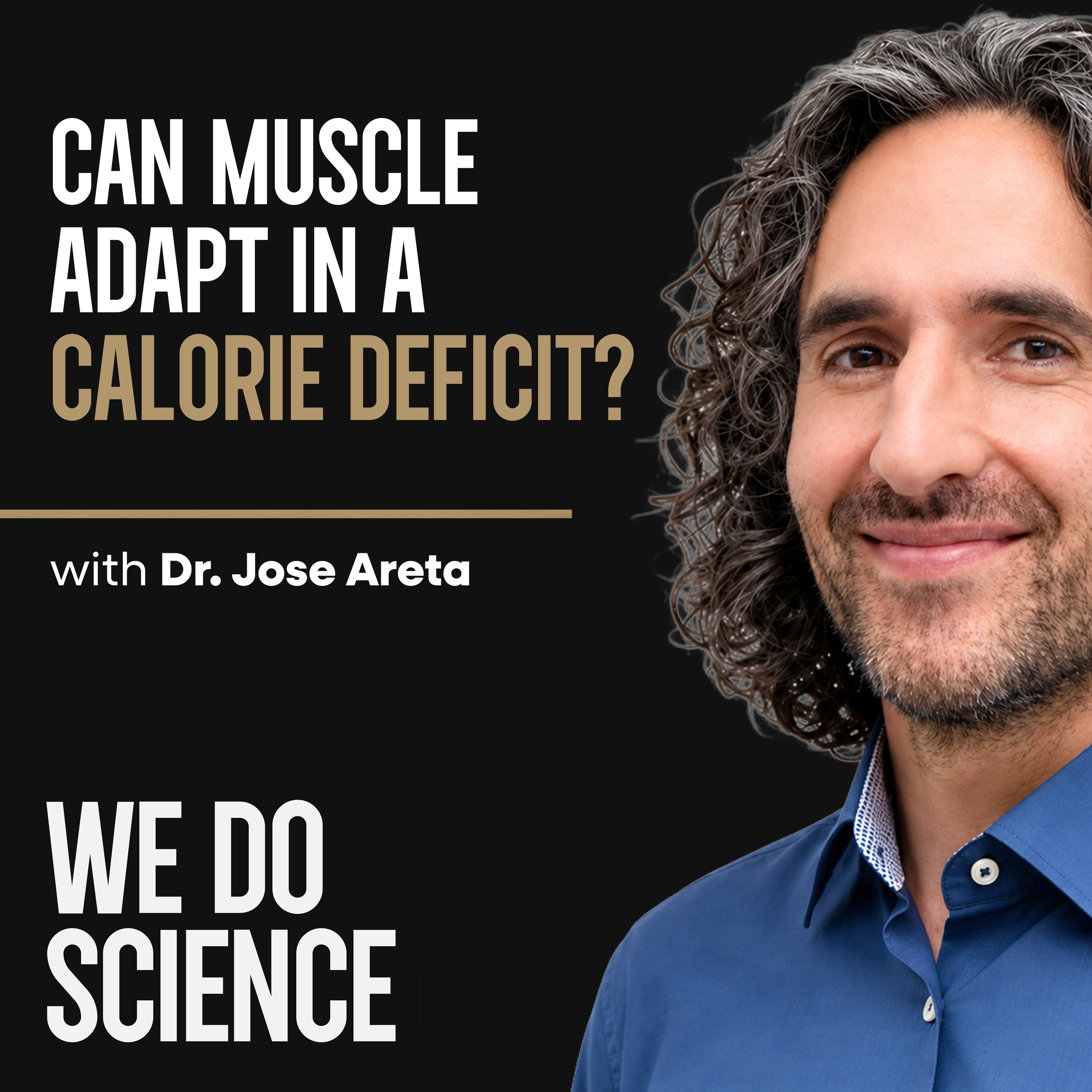
What happens to your muscles when you exercise in a calorie deficit? In this episode of We Do Science, I’m joined by Dr José Areta, Associate Professor in Exercise Metabolism and Nutrition at Liverpool John Moores University, to explore how muscle responds when energy intake is reduced—and why muscle size is only part of the picture.
José takes us through his research examining five days of low energy availability alongside aerobic exercise in men. Looking beyond body weight and lean mass, his team tracked changes in individual muscle proteins to understand how the muscle was adapting.
We discuss what they found, including changes in proteins involved in energy production, and explore the distinction between muscle quantity and quality. We also consider how the body prioritises energy, the role of protein intake, and the relevance of these findings to athletes managing their body composition.
Throughout, we address the study’s limitations and why short-term changes shouldn’t be taken as evidence that prolonged energy restriction improves performance. For practitioners, coaches, athletes and students, this conversation offers a closer look at the relationship between nutrition, exercise and muscle adaptation.
CHAPTERS
00:00 Introduction and José’s background
06:43 Understanding energy availability
11:40 Why study muscle during an energy deficit?
22:23 How the body prioritises energy
35:36 The study: diet, exercise and muscle measurements
45:02 Key findings: hormones and muscle adaptation
51:06 Short-term versus prolonged energy restriction
54:27 The roles of protein and exercise
1:04:03 Main takeaways
Connect with Jose:
Instagram: https://www.instagram.com/jose_l_areta/
LinkedIn: https://www.linkedin.com/in/jose-areta-8671738a/
Connect with Laurent:
Substack: https://substack.com/@laurentbannock
Website: https://www.laurentbannock.com
Instagram: https://www.instagram.com/laurent_bannock
Subscribe to We Do Science for more conversations on the science and practice of performance nutrition.
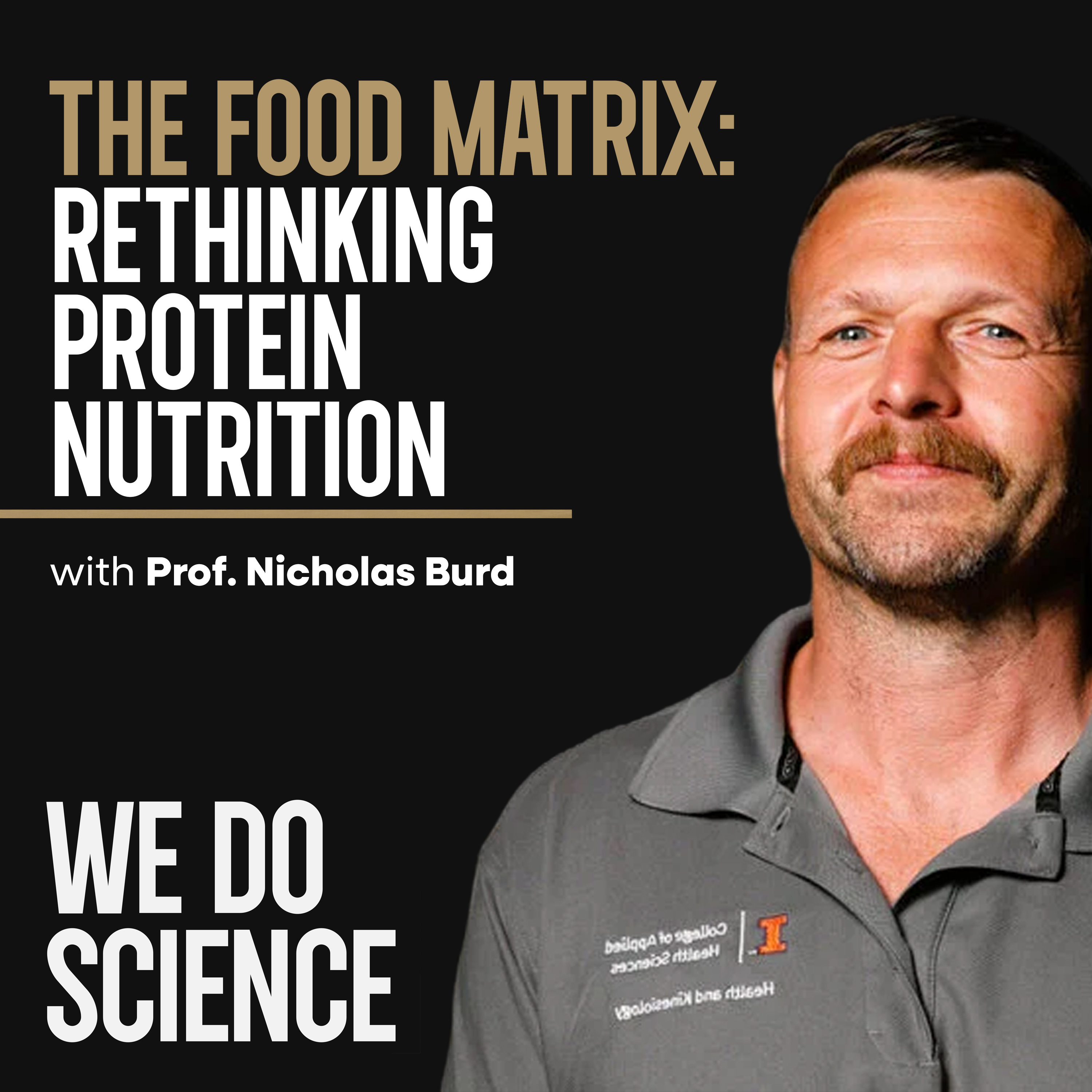
Is more protein always better? In this episode of We Do Science, I’m joined by Professor Nick Burd to explore protein nutrition, muscle adaptation and why the amount of protein we eat is only part of the story.
Returning to the podcast after six years, Nick shares insights from his research at the University of Illinois into protein metabolism and the food matrix: how a food’s structure and surrounding nutrients influence the way our bodies respond to it. From eggs and salmon to whey and casein, we examine what we can learn from studying whole foods alongside isolated proteins and supplements.
We discuss the difference between maximal and optimal protein intake, why muscle protein synthesis shouldn’t automatically be equated with muscle growth, and how protein strategies may differ between strength and endurance athletes. We also explore anabolic resistance, muscle quality and the questions researchers are still working to answer.
Whether you’re a sports nutrition practitioner, coach, athlete or student, this conversation offers a closer look at how to interpret protein research and apply it in practice, with a reminder of the central role of consistent exercise in supporting muscle adaptation.
Subscribe to We Do Science for more conversations on the science and practice of performance nutrition.
Connect with Nick:
LinkedIn: https://www.linkedin.com/in/nicholasburd/
Connect with Laurent:
Substack: https://substack.com/@laurentbannock
Website: https://www.laurentbannock.com
Instagram: https://www.instagram.com/laurent_bannock
Chapters:
01:59 Protein, the food matrix and the questions ahead
03:03 Nick’s background and research
06:25 A career investigating protein metabolism
09:03 Making sense of muscle protein synthesis
12:28 Muscle remodelling versus muscle growth
14:30 How protein research shapes recommendations
16:52 Understanding the protein RDA
23:21 Individual responses and personalised nutrition
25:36 Maximal versus optimal protein intake
29:59 Food first, supplements and questions about timing
31:42 Strength versus endurance athletes
33:20 Looking beyond total protein intake
35:29 Understanding the food matrix
36:08 Lessons from eggs, salmon and minced meat
41:54 Whey, casein and attempts to improve the response
46:58 Exercise, protein and anabolic resistance
50:45 Anabolic resistance in different populations
54:45 Muscle size, strength and quality
59:52 Are we too focused on protein quantity?
1 h 07 minPlay in:
Guests from more than 12 months ago are part of Pro. See plans