The Pilot Project Podcast cover
Podcast

The Pilot Project Podcast

von Bryan Morrison

The Pilot Project Podcast hatte in den letzten 12 Monaten 14 bestätigte Gäste in 28 Folgen. Zuletzt: Andrew Faith, 24. Nov. 2026.

Website der SendungApple PodcastsSo werden Gäste bestätigt

Welcome to The Pilot Project Podcast, your premier source for stories and insights from pilots in the RCAF and mission aviation - brought to you by Skies Magazine! Whether you're an aspiring aviator, navigating flight training, or simply fascinated by the world of military and mission aviation, this podcast is your…

Gäste der Sendung

Di24Nov
The Pilot Project PodcastAF

Andrew FaithGast

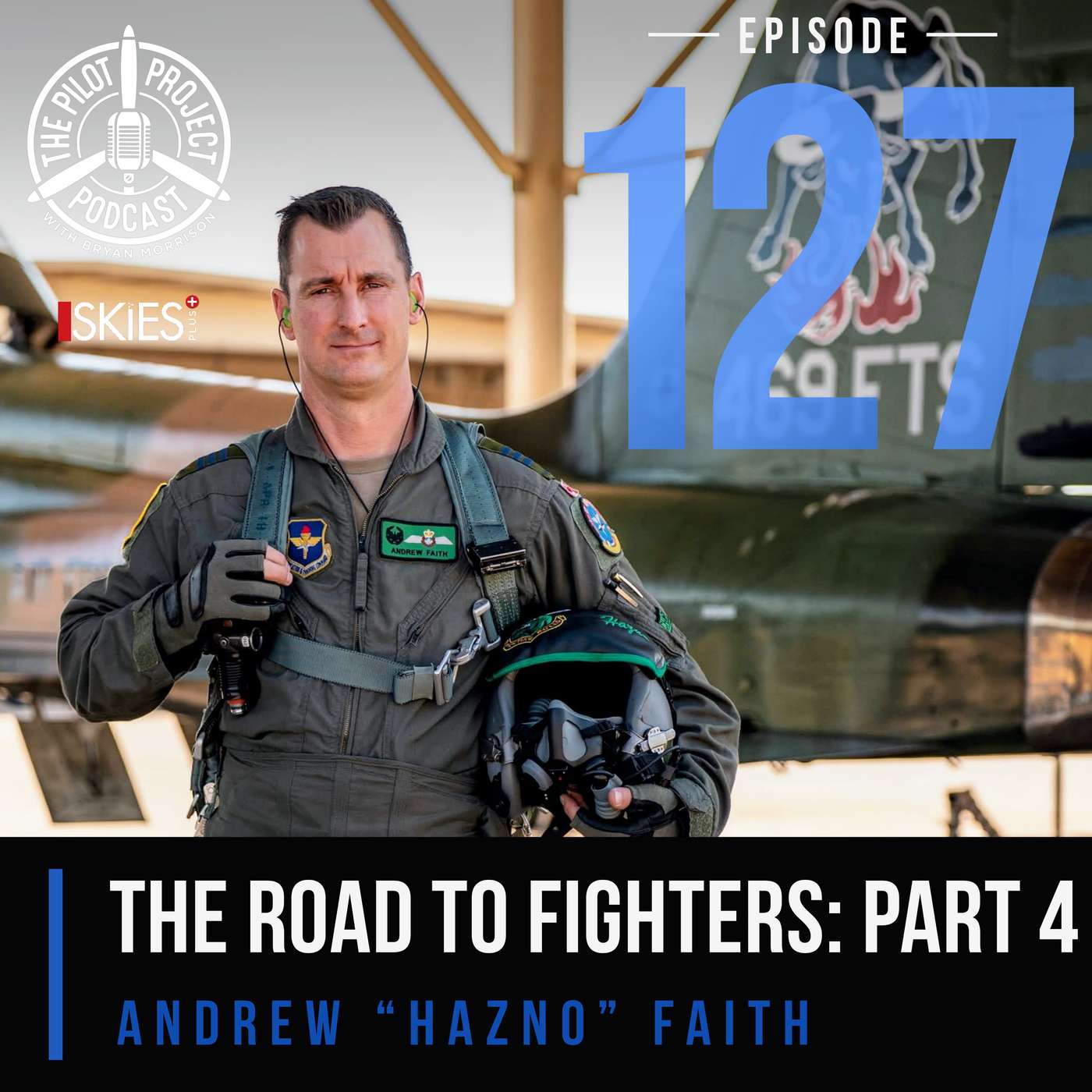
Fighters: The Road to Fighters Part 4: The Future of Fighter Training – Andrew “Hazno” Faith

What does it take to become a fighter pilot, and how will Canada train its next generation of fighter pilots for the F-35? In the conclusion of our four-part series, The Road to Fighters, Lieutenant-Colonel Andrew “Hazno” Faith explores the past, present, and future of Fighter Lead-In Training (FLIT) in the Royal Canadian Air Force (RCAF). Andrew explains what separates a jet pilot from a fighter pilot, the habits of successful students, and the importance of teamwork, preparation, and decision-making under pressure. We discuss the retirement of the CT-155 Hawk, the challenges of rebuilding Canada's domestic fighter training program, and how training in the United States and Italy is helping bridge the gap. We also explore the potential of the M-346, the International Tactical Training Centre in North Bay, and the role of simulation in preparing pilots for the F-35. Finally, Andrew reflects on nearly 25 years of military service and what serving Canada has meant to him. (00:00:00) Introduction and Welcome (00:02:10) What Is Fighter Lead-In Training (FLIT)? (00:04:24) From Fighter Training to an Operational Squadron (00:06:23) Phase III vs. Introduction to Fighter Fundamentals (00:08:54) A Typical Fighter Lead-In Training Mission (00:11:34) What Should a FLIT Graduate Be Ready For? (00:12:21) Drop Night: Finding Out What You'll Fly (00:13:41) What Separates a Jet Pilot from a Fighter Pilot? (00:17:53) The Habits of Successful Fighter Pilot Students (00:19:41) Making Decisions in the Grey (00:22:01) Fighter Flying Is a Team Sport (00:24:15) Why Canada Retired the CT-155 Hawk (00:25:12) Putting 419 Squadron on Hiatus (00:28:53) The Biggest Challenge Facing RCAF Modernization (00:30:48) Balancing Operations and Training with Limited Personnel (00:32:40) The Impact of Flight Training Delays (00:35:38) What Is Bridge FLIT? (00:36:44) Lessons from M-346 Training in Italy (00:37:55) Building Canada's Future Fighter Training Program (00:40:14) Preserving Canadian Instructor Expertise (00:43:12) International Tactical Training Centre in North Bay (00:46:13) Preparing F-35 Pilots Through Simulation (00:48:52) Can Simulators Replace Actual Flying? (00:51:04) Reflections on Nearly 25 Years of Service (00:53:56) Closing Thoughts and What's Next CONTINUE THE FLIGHT Enjoyed this conversation? Catch up on Andrew “Hazno” Faith's journey from fighter training and combat operations to instruction and squadron command: Part 1: From Hawk to Hornet   https://podpilotproject.transistor.fm/episodes/fighters-the-road-to-fighters-part-1-andrew-hazno-faith Part 2: Into Combat   https://podpilotproject.transistor.fm/episodes/fighters-the-road-to-fighters-part-2-andrew-hazno-faith Part 3: Training Future Warriors   https://podpilotproject.transistor.fm/episodes/fighters-the-road-to-fighters-part-3-andrew-hazno-faith Explore The Logbook   https://podpilotproject.transistor.fm/episodes
56 minAbspielen in:

Di10Nov
The Pilot Project PodcastDD

Darwin DeagnonGast

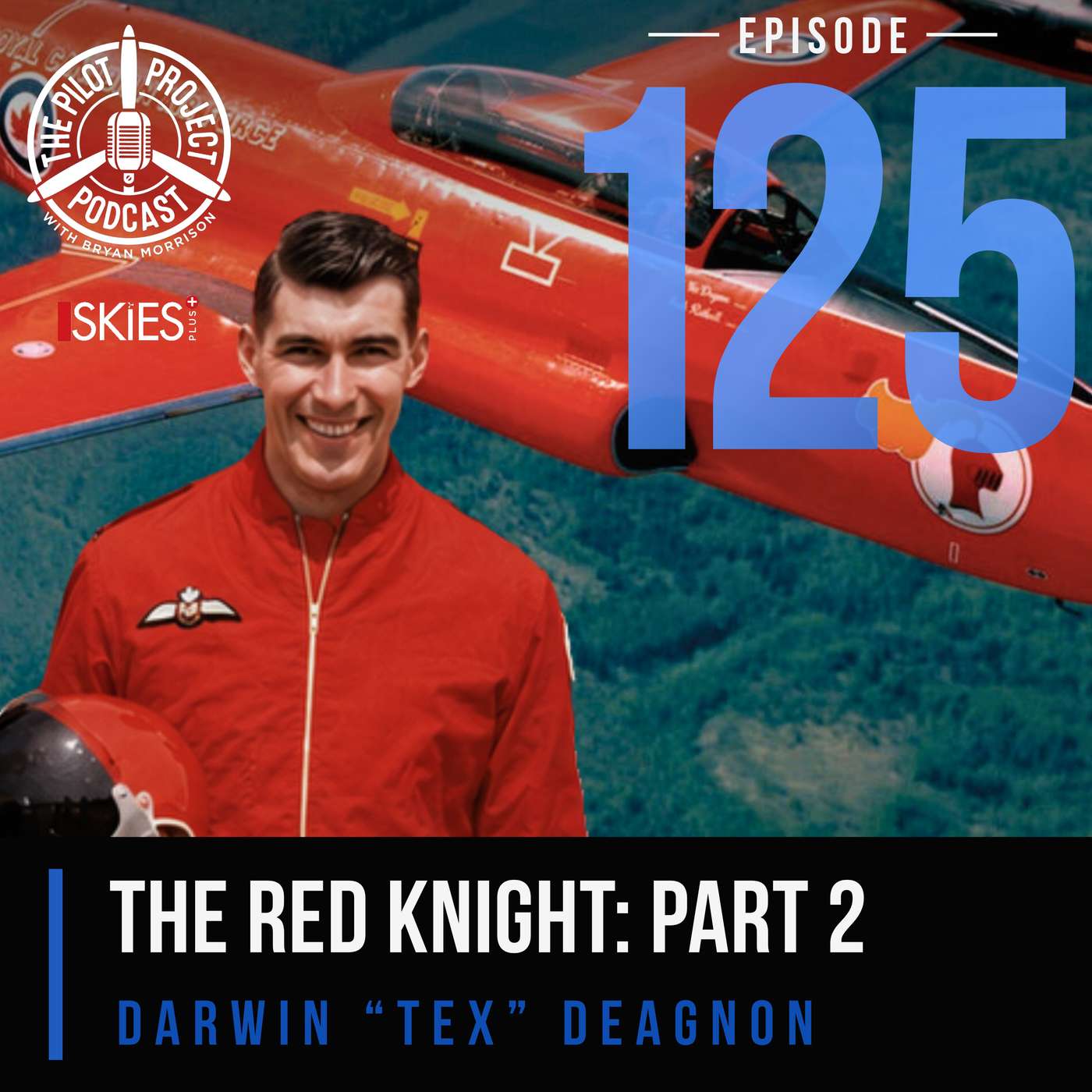
Fighters: The Red Knight Part 2: A Lifetime in the Cockpit – Darwin “Tex” Deagnon

What happens when a jet's landing gear fails, and how do you know when it's finally time to hang up your flying helmet after a lifetime in aviation? In Part 2 of our conversation with former Royal Canadian Air Force Red Knight Darwin “Tex” Deagnon, we follow his remarkable journey beyond the F-86 Sabre and the airshow circuit. Tex takes us into the cockpit of the supersonic T-38 Talon, recounting a dramatic emergency landing with his nose gear stuck up, and reflects on instructing American pilots returning from the Vietnam War. We explore his leadership roles in the RCAF and the decision to retire from military service at just 40 years old. But his flying career was far from over. From operating C-47 Dakotas in the Canadian Arctic and flying corporate aircraft around the world to navigating the mountains of British Columbia, working on the film *Alive*, and transitioning to the Airbus A320, Tex's career would eventually span 38 aircraft types and more than 24,000 flying hours. We also hear about his extraordinary reunion with Harvard No. 334, an aircraft he first flew as a student in 1958, before reflecting on Remembrance Day, the people who shaped his life, and what nearly seven decades in aviation have taught him. CHAPTERS (00:00:00) Introduction, Welcome and Remembering Harry Tenkate (00:03:12) Training Instructors at Tyndall Air Force Base (00:04:07) The T-38 Talon and F-5 Freedom Fighter (00:05:30) The Psychological Impact of Combat in Vietnam (00:07:25) Flying the Supersonic T-38 Talon (00:09:00) Emergency Landing: Nose Gear Failure in the T-38 (00:12:18) Preparing for an Emergency Landing (00:13:25) Why Tex Chose Not to Eject (00:14:57) T-38 Engine Failures and Close Calls (00:16:59) Flight Instructor Training in the United States and Canada (00:17:57) Vietnam and the Urgency of Pilot Training (00:18:36) Canadian Pilots Training with the USAF (00:19:02) Recruiting the Next Generation of RCAF Personnel (00:20:51) Commanding the Instrument Check Pilot School (00:23:27) An Unconventional Visit to the French Air Force (00:25:18) Why Tex Retired from the RCAF at 40 (00:27:53) Making the Most of Unexpected Career Postings (00:29:21) Flying the C-47 Dakota in Canada's Arctic (00:31:24) From Gulfstreams to Beavers with Ranger Oil (00:34:14) Why Tex Never Considered Himself a Helicopter Pilot (00:35:11) The Challenges and Dangers of Mountain Flying (00:39:05) Flying for the Film Alive (00:40:47) Transitioning from Hands-On Flying to the Airbus (00:43:02) Flying in England and Discovering Second World War History (00:46:05) Choosing a Favourite Aircraft from 38 Types (00:46:44) Knowing When to Retire After 24,000 Hours (00:50:56) Reunited with Harvard No. 334 After 67 Years (00:55:26) Reflections on 24,000 Hours of Flying (00:57:24) Discovering and Using JATO Rockets (00:58:36) What Canadians Should Remember About Military Service (01:01:18) How Tex Observes Remembrance Day (01:02:36) Advice for the Next Generation of Canadian Pilots (01:05:03) Has Modern Aviation Lost Hands-On Flying? (01:06:07) Closing Thoughts and What's Next CONTINUE THE FLIGHT Continue Darwin “Tex” Deagnon's story and explore more firsthand accounts of Canadian military aviation! Fighters: The Red Knight Part 1: Cold War Skies – “Tex” Deagnon https://podpilotproject.transistor.fm/search?query=deagnon The Jet Jockey Part 1 & Part 2 – Dan McWilliams https://podpilotproject.transistor.fm/search?query=Alf The Bangseat Part 1 & Part 2 – Rock Veilleux https://podpilotproject.transistor.fm/search?query=bangseat EXPLORE THE LOGBOOK Discover more stories, experiences, and advice from RCAF and mission aviation pilots. https://podpilotproject.transistor.fm/episodes
1 h 09 minAbspielen in:

Di3Nov
The Pilot Project PodcastDD

Darwin DeagnonGast

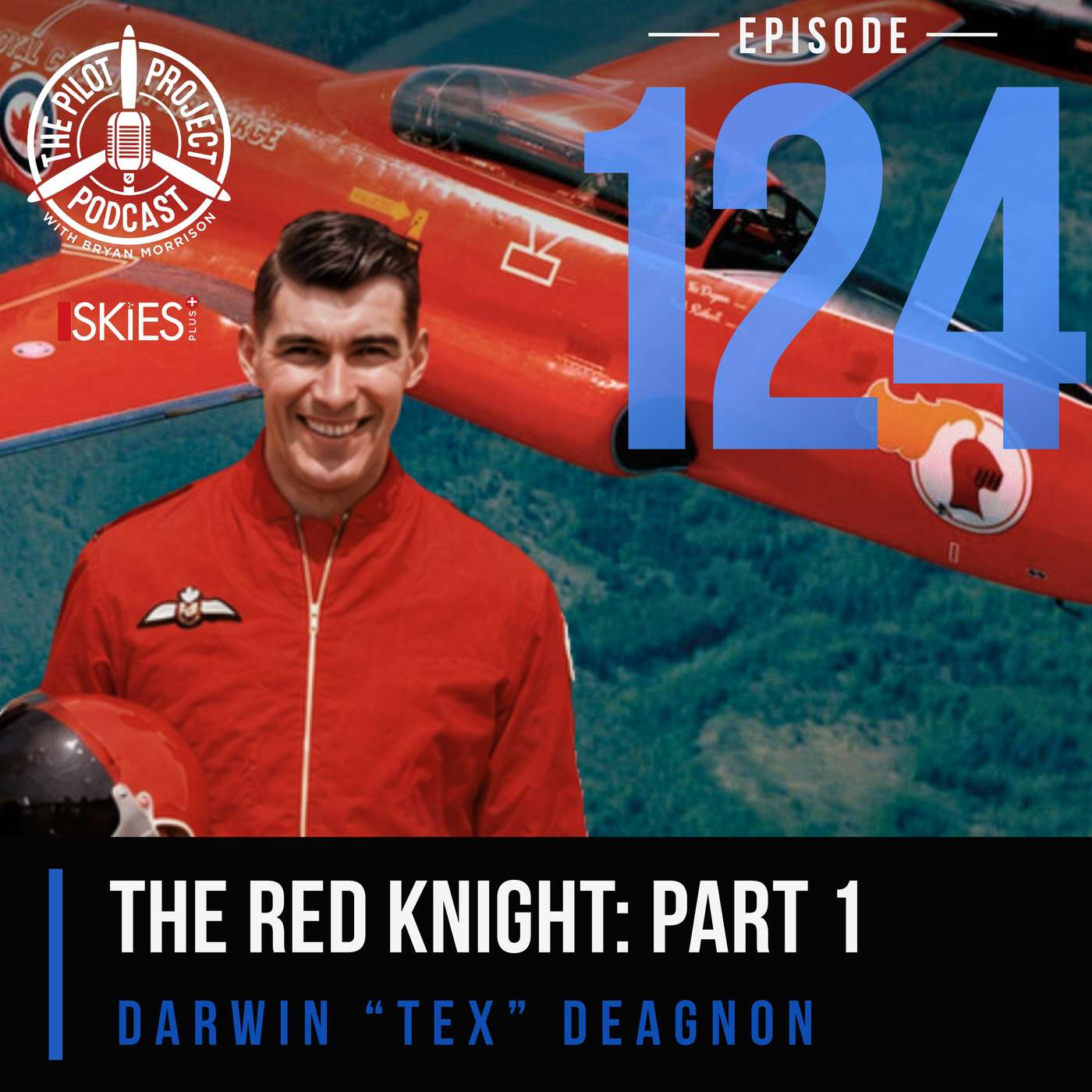
Fighters: The Red Knight Part 1: Cold War Skies – Darwin “Tex” Deagnon

What happens when a Canadian fighter pilot accidentally crosses the Iron Curtain? And what does it take to become one of the RCAF's legendary solo jet demonstration pilots? In Part 1 of our conversation with former Royal Canadian Air Force pilot Darwin “Tex” Deagnon, we travel back to the early days of Canadian jet aviation, from his childhood in rural Saskatchewan to flying the F-86 Sabre on the front lines of the Cold War. Tex shares memories of growing up in a soldiers' settlement community, taking his first flight with his father in a Piper Cub, and earning his wings at just 19. He recalls training alongside instructors with Korean War experience, his first solo flight in the Sabre, and arriving in France to fly with 430 Squadron at RCAF Station Grostenquin. We explore the realities of NATO fighter operations in Cold War Europe, including a frightening encounter that took Tex's formation into East German airspace. He explains the challenges of fighter weapons instruction, the demands of air-to-air gunnery and ground attack, and how quickly lessons from the front lines could become obsolete. Then we turn to one of the defining chapters of his career: becoming Canada's Red Knight in 1965. Tex takes us inside the world of solo jet aerobatics, describing the manoeuvres, altitudes, and concentration required to perform in front of thousands of spectators. He also reflects on the influence of his father, the recognition of the Red Knight program by Canada's Aviation Hall of Fame, and the extraordinary pilots who helped build its legacy. As Remembrance Day approaches, our conversation takes a more reflective turn. Tex remembers the Red Knights who lost their lives, discusses how pilots coped with loss, and shares his thoughts on the sacrifices of Canada's Cold War veterans and the challenges of understanding wartime experiences. In Part 2, we'll follow Tex beyond the Red Knight, exploring his remarkable civilian flying career, adventures in the Canadian Arctic, and a reunion with an aircraft he first flew more than 67 years ago. CHAPTERS (00:00:00) Introduction and Welcome (00:03:38) Growing Up in Zehner, Saskatchewan (00:06:12) Life in a Soldiers' Settlement Area (00:07:10) First Flight with Dad in a Piper Cub (00:08:07) The Story Behind “Tex” (00:08:58) What Drew Tex to the Military? (00:10:59) Memories of Flight Training (00:13:28) The CF-100 Lead Sled (00:14:15) Learning from Korean War Veterans (00:16:02) A Memorable Training Flight (00:16:57) Transitioning to the F-86 Sabre (00:18:15) First Sabre Flight: Flying Solo (00:19:03) First Flight in Cold War Europe (00:21:02) Introducing New Pilots to Cold War Operations (00:21:23) The Mission in Europe (00:21:43) A Typical Day at Grostenquin (00:23:49) Close Calls in Cold War Europe (00:25:52) Becoming a Fighter Weapons Instructor (00:27:40) Air Gunnery and Scoring (00:28:43) From Operations to Instruction (00:30:25) When Frontline Lessons Became Obsolete (00:31:41) Live Weapons Training at Wainwright (00:33:09) Guns, Rockets, and Bombs (00:34:11) Was the Sabre a Good Gunnery Platform? (00:35:08) Becoming the Red Knight (00:38:51) Inside the Red Knight Routine (00:39:41) Manoeuvres and Minimum Altitudes (00:41:40) The Experience of Low-Altitude Aerobatics (00:43:27) His Father's Influence on Flying (00:43:42) Balancing Instruction and the Red Knight (00:45:13) Canada's Aviation Hall of Fame Recognition (00:46:34) Remembering the Fallen Red Knights (00:50:14) How Pilots Coped with Loss (00:51:26) Remembering Canada's Cold War Veterans (00:54:00) Can Civilians Understand Wartime Experiences? (00:57:28) Closing Thoughts and What's Next CONTINUE THE FLIGHT Continue exploring the history of Canadian military aviation and the people who flew some of its most iconic aircraft: • The Jet Jockey Part 1 & Part 2 – Dan McWilliams - https://podpilotproject.transistor.fm/search?query=Jet+Jockey • The Bangseat Part 1 & Part 2 – Rock Veilleux - https://podpilotproject.transistor.fm/search?query=Bangseat EXPLORE THE LOGBOOK Discover more stories, experiences, and advice from RCAF and mission aviation pilots. https://podpilotproject.transistor.fm/episodes RSS TAGS Darwin Deagnon, Tex Deagnon, Red Knight, RCAF Red Knight, Royal Canadian Air Force, RCAF, Canadian Military Aviation, Canadian Aviation History, Cold War, Cold War Aviation, Cold War Veterans, Iron Curtain, East Germany, NATO, NATO Air Operations, 430 Squadron, RCAF Station Grostenquin, France, F-86 Sabre, Canadair Sabre, CF-100 Canuck, T-33 Silver Star, Fighter Pilot, Fighter Aviation, Fighter Weapons Instructor, Air Gunnery, Ground Attack, Military Flight Training, Jet Aerobatics, Solo Jet Demonstration, Airshow Pilot, Canadian Aviation Hall of Fame, Remembrance Day, Canadian Veterans, Military Remembrance, Aviation Podcast, The Pilot Project Podcast, Skies Magazine
60 minAbspielen in:

Di27Okt
The Pilot Project PodcastAF

Andrew FaithGast

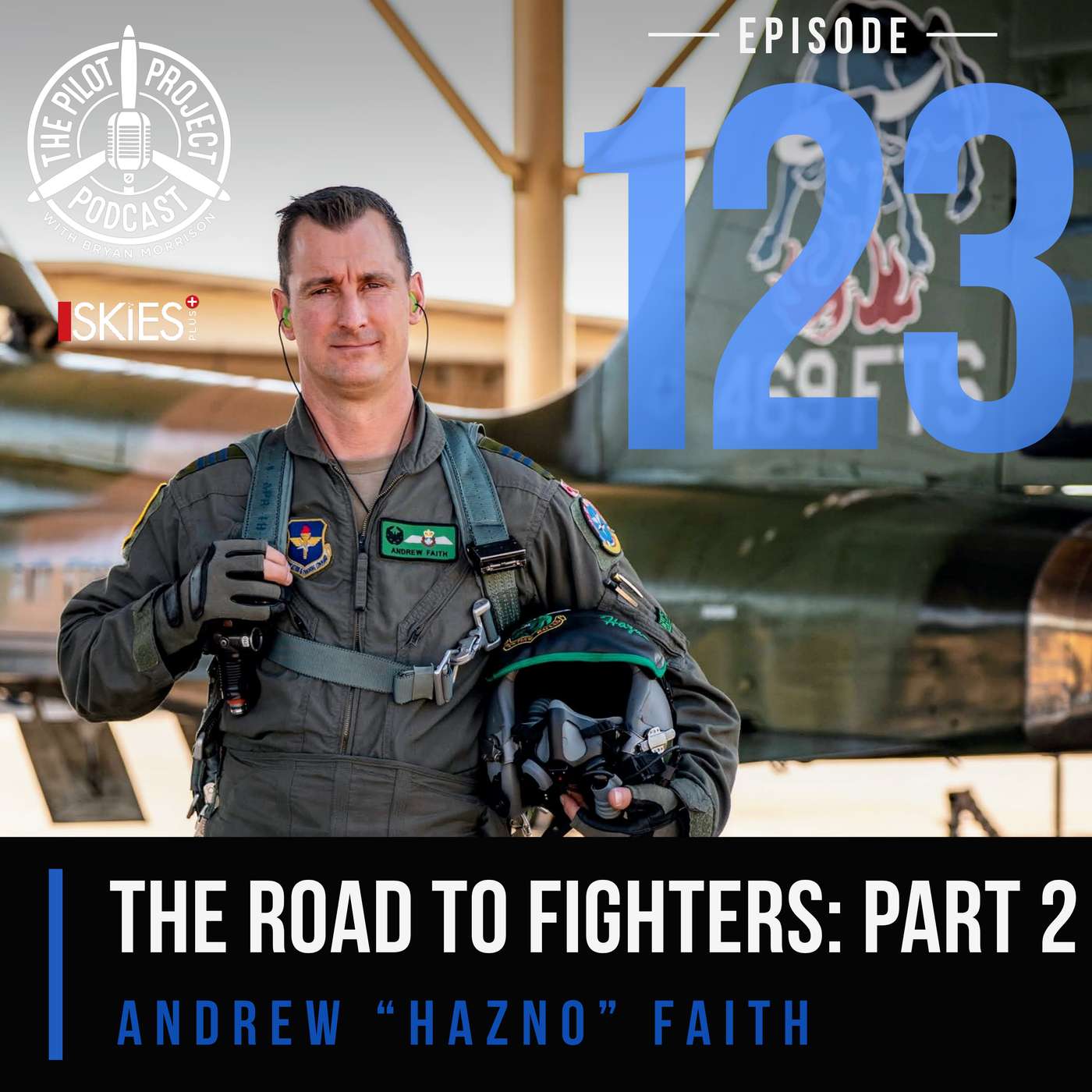
Fighters: The Road to Fighters Part 2: Into Combat – Andrew “Hazno” Faith

What does it feel like to fly a CF-18 Hornet into combat for the first time? What happens when the fighting is over, but the experiences stay with you? In Part 2 of our conversation with Royal Canadian Air Force fighter pilot Lieutenant-Colonel Andrew “Hazno” Faith, we pick up where we left off: arriving in Italy with almost no warning, preparing for combat operations over Libya, and putting years of fighter pilot training to the test. Andrew takes us inside Canada's contribution to Operation UNIFIED PROTECTOR, from enforcing a no-fly zone to flying strike missions against Gaddafi's forces. He describes the reality of flying into hostile airspace, the moment his aircraft was targeted by a surface-to-air missile, and what it takes to climb back into the cockpit knowing the danger is real. Andrew opens up about the challenges of returning home, the psychological and moral effects of combat, and the difficulty of transitioning from high-stakes operations to everyday family life. We explore why fear is a normal part of combat, why courage doesn't mean being fearless, and what military organizations can do to better prepare their people for the experience. We also discuss his transition into instructing with 419 Squadron at CFB Cold Lake, the importance of preparing young fighter pilots for operational service, life on NORAD quick reaction alert, and his later experiences supporting Operation IMPACT in 2015. From the intensity of combat to the responsibility of training the next generation, this episode explores what it really means to become (and remain) a fighter pilot. CHAPTERS (00:00:00) Introduction and Welcome (00:01:55) Arriving in Italy for Operation UNIFIED PROTECTOR (00:07:33) Canada's Mission in Libya (00:11:59) Enforcing the No-Fly Zone (00:13:34) Under Fire: A Surface-to-Air Missile (00:17:20) Returning to Combat After Being Targeted (00:20:58) A Combat Mission from Start to Finish (00:25:39) Flying as a Wingman in Libya (00:27:05) The End of the War and Gaddafi's Death (00:27:50) Coming Home from Combat (00:32:44) The Mental Health Effects of Combat (00:35:49) Recognizing the Warning Signs (00:38:18) Lessons from Libya for Future Fighter Pilots (00:39:56) From Combat Pilot to Flight Instructor (00:47:03) Life on NORAD Quick Reaction Alert (00:49:14) Preparing Students for Combat (00:53:14) Operation IMPACT in 2015 (00:56:43) Flight Safety Across Aviation Communities (00:58:07) The Challenges of Returning Home (00:59:35) Advice for a First Combat Deployment (01:01:19) Closing Thoughts and What's Next CONTINUE THE FLIGHT Continue Andrew “Hazno” Faith's story and explore more firsthand accounts of RCAF fighter aviation: • Fighters: The Road to Fighters Part 1: From Hawk to Hornet – Andrew “Hazno” Faith • The Jet Jockey Part 1 & Part 2 – Dan McWilliams • The Bangseat Part 1 & Part 2 – Rock Veilleux EXPLORE THE LOGBOOK Discover more stories, experiences, and advice from RCAF and mission aviation pilots. https://podpilotproject.transistor.fm/episodes
1 h 04 minAbspielen in:

Di20Okt
The Pilot Project PodcastAF

Andrew FaithGast

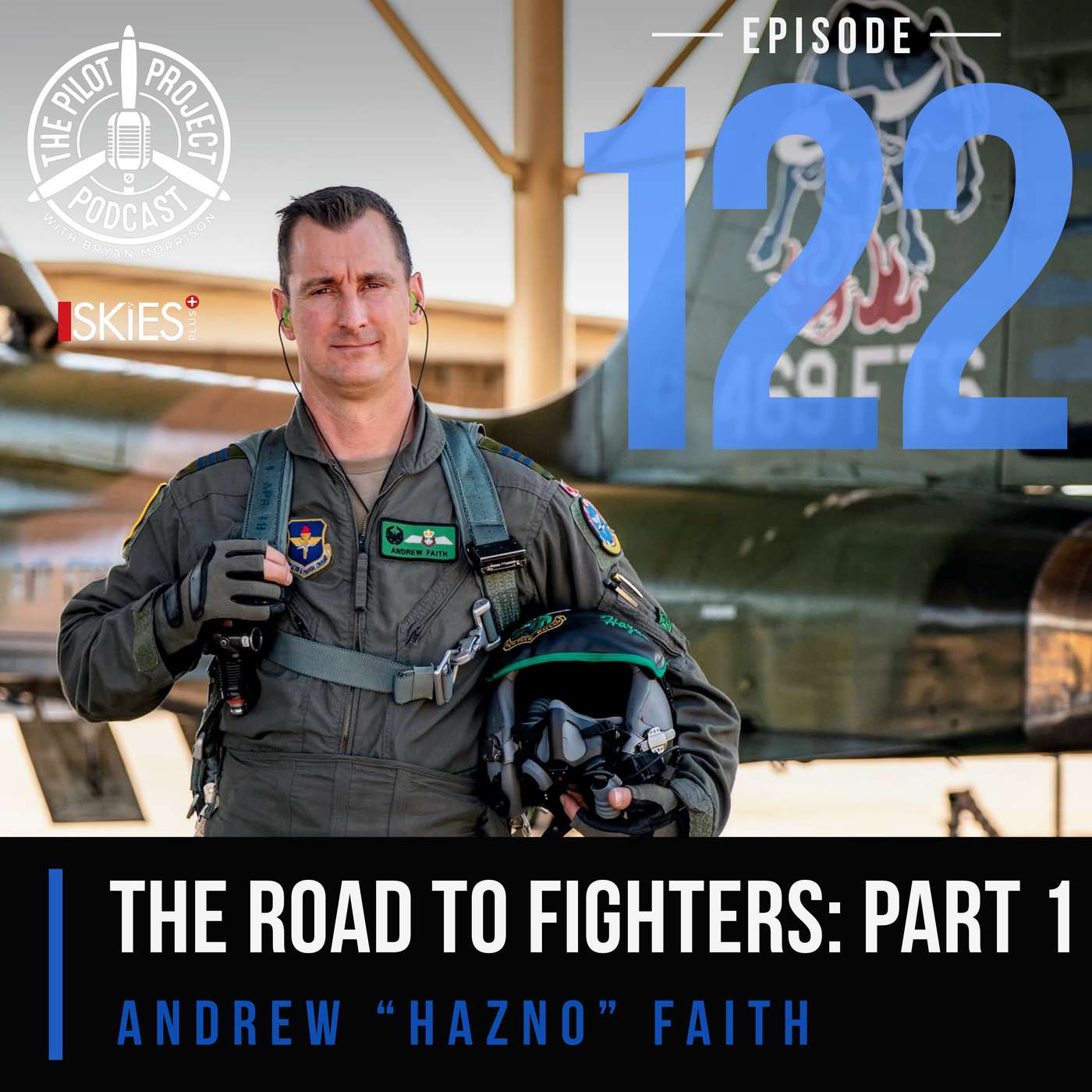
Fighters: The Road to Fighters Part 1: From Hawk to Hornet – Andrew “Hazno” Faith

What does it take to go from watching CF-18 Hornets fly overhead as a kid to becoming a fighter pilot in the Royal Canadian Air Force? For Lieutenant-Colonel Andrew “Hazno” Faith, that dream began on a school playground in Saskatchewan. In Part 1 of our conversation, we follow his journey through RCAF pilot training, from the Harvard II in Moose Jaw to the Hawk and Fighter Lead-In Training (FLIT) at 419 Squadron, and finally into the cockpit of the CF-18 Hornet. Along the way, Andrew shares the unforgettable flying lesson that changed his approach to safety, the challenges of learning to think and react at fighter-jet speeds, and how his early confidence was tested as he progressed through training. We also explore the culture and camaraderie of military aviation, the transition from student to operational fighter pilot, and the sudden call to deploy to Libya in 2011, when Andrew had to leave his young family behind with almost no warning. In Part 2, we'll explore his combat experiences in Libya and Iraq, along with his later work training the next generation of fighter pilots. Chapters (00:00:00) Introduction and Welcome (00:03:37) Growing Up with the Dream of Fighters (00:05:35) Air Cadets and Early Flight Training (00:06:12) From the Hockey Rink to the Cockpit (00:08:40) Why Military Aviation? (00:10:35) Studying Petroleum Engineering (00:13:43) The Story Behind “Hasno” (00:15:53) Arriving in Moose Jaw (00:18:47) The Fighter Mentality (00:22:06) The Challenges of Military Flight Training (00:24:55) An Unforgettable Altimeter Lesson (00:29:11) Selected for the Hawk (00:30:26) Flying His First Jet (00:31:16) Waterskiing Behind the Aircraft (00:31:54) From the Hawk to 419 Squadron (00:34:16) A Reality Check (00:34:49) Learning to Handle Setbacks (00:36:41) The First CF-18 Flight (00:39:09) From Training to Operations (00:41:24) Life as a New Hornet Pilot (00:42:45) Supporting the G8 Summit (00:43:56) Short-Notice Deployment to Libya (00:52:27) Leaving Family Behind CONTINUE THE FLIGHT For more stories from RCAF fighter pilots, explore these conversations: The Jet Jockey Part 1 & Part 2 – Dan McWilliams: https://podpilotproject.transistor.fm/search?query=jockey The Bangseat Part 1 & Part 2 – Rock Veilleux https://podpilotproject.transistor.fm/search?query=bangseat EXPLORE THE LOGBOOK More stories from RCAF and mission aviation pilots: https://podpilotproject.transistor.fm/episodes
56 minAbspielen in:

Di13Okt
The Pilot Project PodcastZS

Zoran StojkovićGast

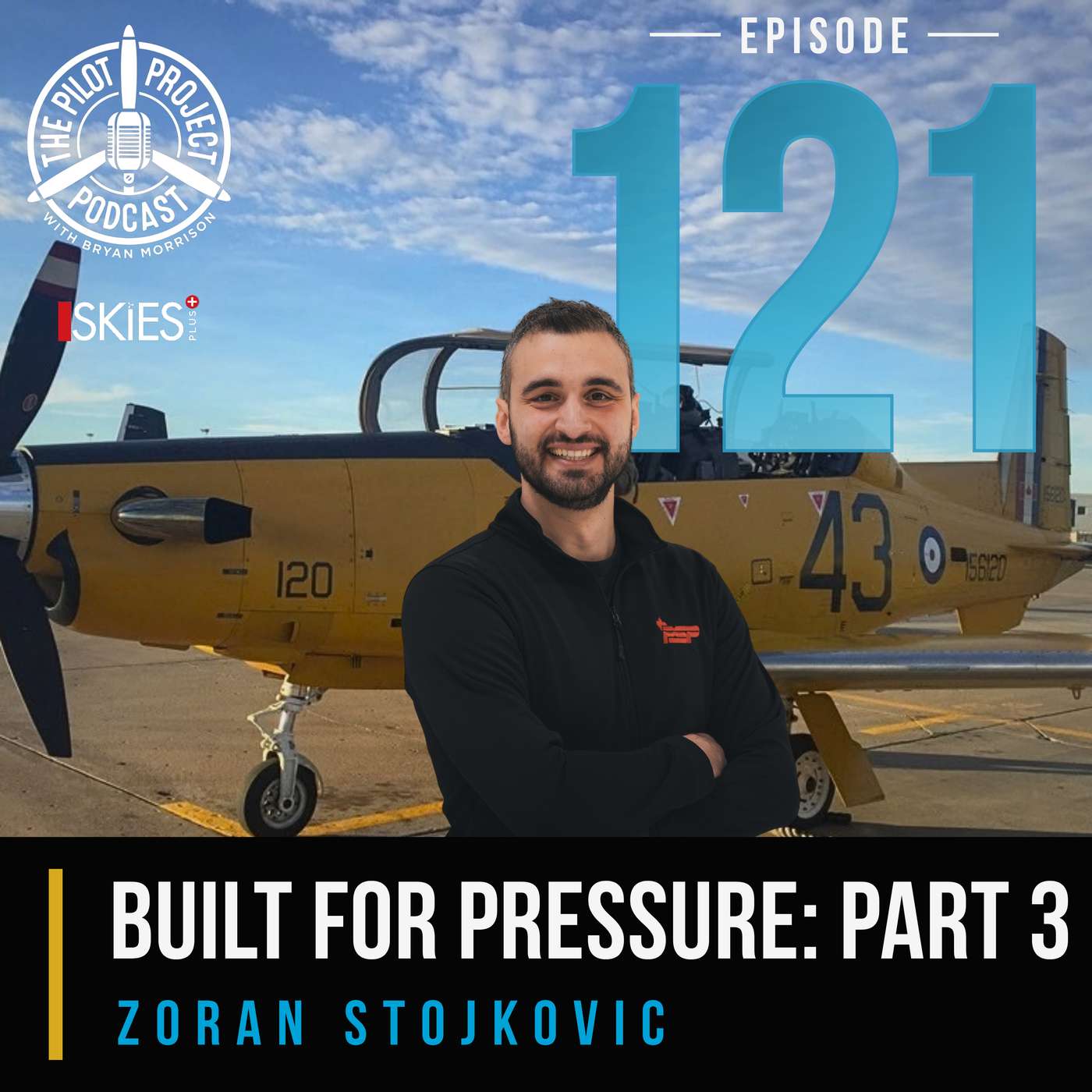
PERFORMANCE & SAFETY: BUILT FOR PRESSURE Part 3: Bouncing Back from Failure – Zoran Stojković

You've just had the worst flight of your course. Your confidence is shaken, and tomorrow's flight could determine your future. How do you bounce back? In the conclusion of our three-part Built for Pressure series, mental performance consultant Zoran Stojković explains how RCAF student pilots can recover from failure, approach difficult debriefs, rebuild confidence, and distinguish honest self-assessment from destructive self-criticism. We also explore how Canada's allies are developing mental performance programs, how technology could improve pilot training, and why recovery is essential to sustained high performance. Finally, Zoran shares practical habits to develop before arriving in Moose Jaw, advice for the first week of training, and a message for anyone questioning whether they belong after a difficult flight. Find Zoran at: https://www.instagram.com/kizoperformance www.kizo.ca CHAPTERS (00:00:00) Introduction and Welcome (00:02:40) Mental Performance Coaching Among Our Allies (00:09:04) What's New in Mental Performance Coaching? (00:18:07) The Future of Mental Performance in RCAF Training (00:24:41) Preparing for a Debrief When You Think You've Failed (00:31:00) Honest Self-Assessment vs. Beating Yourself Up (00:38:06) Rebuilding Confidence After Failure (00:47:39) Sustaining Performance: Do You Have to Earn Recovery? (00:53:24) Knowing When to Push Harder and When to Rest (00:57:07) Three Tips Before Arriving in Moose Jaw (01:00:42) Habits to Start Building Now (01:02:20) Your First Week at Moose Jaw (01:04:20) Performance Advice Pilots Should Stop Following (01:06:46) Where to Find Zoran's Resources (01:08:29) A Message After Your Worst Flight (01:11:34) How to Connect with Zoran CONTINUE THE FLIGHT Catch up on the first two parts of Built for Pressure: Part 1: From Elite Sport to RCAF Pilot Training – Zoran Stojković Part 2: Practical Mental Performance for RCAF Pilots – Zoran Stojković https://podpilotproject.transistor.fm/ EXPLORE THE LOGBOOK More stories from RCAF and mission aviation pilots: The Pilot Project Podcast episode archive: https://podpilotproject.transistor.fm/

1 h 16 minAbspielen in:

Di6Okt
The Pilot Project PodcastZS

Zoran StojkovićGast

PERFORMANCE & SAFETY: BUILT FOR PRESSURE Part 2: Mental Tools for the Cockpit – Zoran Stojković

What happens when you know the material cold, but freeze during a flight test? Mental performance consultant Zoran Stojković returns for Part 2 of PERFORMANCE & SAFETY: BUILT FOR PRESSURE, where we explore practical tools for RCAF pilot training; from pre-flight routines and chair flying to performance cues, breathing and recovering after a cockpit mistake. Drawing on Zoran’s work with student pilots, pro athletes, and Bryan’s flying experience, they discuss recognizing when you’re falling behind the aircraft, practicing resets before you need them, and helping students recover after a difficult flight. Chapters (00:00:00) Welcome and introduction (00:01:08) Why students freeze during a test (00:07:00) Preparing an Olympian versus preparing a pilot (00:08:36) Can you perform well while feeling nervous? (00:15:26) Tomorrow’s checkride: when to stop studying (00:18:48) Building a useful pre-flight mental routine (00:22:46) Making visualization and chair flying effective (00:29:04) Adapting when the schedule or mission changes (00:32:43) Performance cues and constructive self-talk (00:41:55) Closing the gap between practice and cockpit performance (00:44:13) Breathing as a performance tool while flying (00:51:50) The OODA loop and helmet fires (00:54:33) Recognizing when you’re falling behind the aircraft (00:59:49) Resetting after a mistake in the cockpit (01:03:14) Helping a student recover after a difficult flight (01:06:13) Thanks and a look ahead to Part 3 Explore the Logbook Continue from Part 1: PERFORMANCE & SAFETY: BUILT FOR PRESSURE Part 1: From Elite Sport to RCAF Pilot Training – Zoran Stojković. Explore Zoran’s work: His Built for Pressure podcast and Kizo Performance resources are discussed throughout this episode. Ask about the visualization resource: Zoran invites listeners to contact him through Kizo Performance on Instagram about resources, including the visualization template discussed in the interview. Have a question, a guest suggestion or an idea for a future episode? Contact thepilotprojectpodcast@gmail.com or find us on social media @podpilotproject. Help with the big three: like and follow us on social media, share with your friends, and follow and rate us five stars wherever you get your podcasts. Keep the blue side up!

1 h 10 minAbspielen in:

Di29Sep
The Pilot Project PodcastZS

Zoran StojkovićGast

PERFORMANCE & SAFETY: BUILT FOR PRESSURE Part 1: From Elite Sport to RCAF Pilot Training – Zoran Stojković

What happens when you know how to do something, but pressure makes it difficult to actually do it? Certified Mental Performance Consultant Zoran Stojković has spent more than 15 years helping people perform under pressure, from professional athletes and Olympic hopefuls to RCAF pilot trainees. In Part 1, Zoran shares the path that took him from competitive tennis and high-performance sport to 2 Canadian Forces Flying Training School in Moose Jaw. He explains what surprised him about the pressures facing student pilots, how he earned credibility as a civilian working inside military aviation, and why relationships became central to his work. We also hear how Zoran supported aircrew during Jaw South in Texas, how mental performance coaching became embedded in the flying environment, and what aviation taught him about the difference between high stakes and real stakes. CHAPTERS (00:00:00) Introduction, welcome and bio (00:01:52) What role did sport play growing up? (00:04:28) Why can we perform in practice but struggle under pressure? (00:09:41) When did mental performance become a career? (00:13:03) What did Zoran get wrong when he started coaching? (00:15:21) What kind of pressure are Olympians under? (00:18:35) Helping a professional tennis player turn things around (00:20:22) Going from athletes to pilots (00:23:23) Walking into 2CFFTS for the first time (00:26:53) What surprised Zoran about the pressure on student pilots? (00:30:13) High stakes versus real stakes (00:31:37) Earning credibility in aviation as an outsider (00:34:17) What happens when pilots don’t buy into mental performance coaching? (00:38:44) A pilot success story (00:42:36) Deploying with Jaw South (00:47:27) What is Jaw South, and where did Zoran fit in? (00:51:57) Helping a student in crisis before a flight (00:53:49) Making progress in a slow-moving institution (00:57:03) Meeting Colonel Jeremy Hansen (01:01:30) Advice for a student pilot before a test EXPLORE THE LOGBOOK More stories from RCAF and mission aviation pilots: The Pilot Project Podcast episode archive: https://podpilotproject.transistor.fm/episodes
1 h 06 minAbspielen in:

Di11Aug
The Pilot Project PodcastMH

Maciej HattaGast

Test Pilot: The Boss Part 2: USAF Test Pilot School - Maciej "Match" Hatta

After flying the CF-18 Hornet in combat and completing his first tour with the Snowbirds, Major Maciej "Match" Hatta set his sights on one of military aviation's most demanding challenges: Experimental Test Pilot School. In Part 2 of this three-part series, Match takes us inside the United States Air Force Test Pilot School at Edwards Air Force Base. He explains the mindset that separates test pilots from operational pilots, the relentless pace of the course, and what it takes to evaluate aircraft at the edge of their flight envelopes. From deep stalls in the F-16 Viper and low level flying in the C-17 to testing the CF-18's AESA radar and helping modernize the CT-114 Tutor, this episode offers a rare look into the world of flight testing and the people responsible for pushing aviation forward. Chapters (00:00:58) Introduction and welcome (00:02:06) AETE tryouts (00:08:30) When was it time to go to Test Pilot School? (00:09:39) Was there a specific school you wanted to attend? (00:10:40) Moving to Edwards Air Force Base (00:10:57) Experiencing Test Pilot School as a family (00:12:28) How COVID changed life in California (00:15:31) How difficult is Test Pilot School? (00:18:39) Pilot brain versus engineer brain (00:21:05) Who excelled and who struggled? (00:27:30) The hardest part of Test Pilot School (00:29:25) The mindset shift from operations to test flying (00:32:53) Lake Mead touch and goes in the Albatross (00:38:24) Deep stalls in the F-16 Viper (00:42:12) Flying the F-16 as an extension of your body (00:48:15) The Sidewinder low level route (00:53:11) Singing the praises of the C-17 (00:54:06) Joining AETE (00:58:05) Testing the Hornet's AESA radar (01:01:45) The first live AIM-9X missile shot (01:04:20) Rare moments at AETE (01:09:01) Helping modernize the CT-114 Tutor (01:16:06) Top test flight moments CONTINUE THE FLIGHT EXPLORE THE LOGBOOK More stories from RCAF and mission aviation pilots. https://podpilotproject.transistor.fm/episodes
1 h 23 minAbspielen in:

Di28Jul
The Pilot Project PodcastCB

Chris BrayGast

Special Ops: The Evolution Part 3: Leading 427 Special Operations Aviation Squadron – Chris Bray

Lieutenant-Colonel Chris Bray concludes our three-part series with a rare look behind the curtain of Canadian Special Operations Aviation. As the Commanding Officer of 427 Special Operations Aviation Squadron, Chris explains how Special Operations Tactical Aviation Course (SOTAC) prepares aircrew for one of the Royal Canadian Air Force's most demanding environments, the qualities that define successful special operations aviators, and how the squadron continues to develop the next generation of capability. We also discuss leadership, balancing family life with operational service, the Next Tactical Aviation Capability Set (NTACS), and Chris's vision for the future of Canadian Special Operations Aviation. This episode offers a rare perspective on 427 SOAS from the Commanding Officer himself. CONTINUE THE FLIGHT EXPLORE THE LOGBOOK More stories from RCAF and mission aviation pilots https://podpilotproject.transistor.fm/episodes CHAPTERS (00:00:00) Introduction and Welcome (00:01:48) Inside the Special Operations Tactical Aviation Course (SOTAC) (00:02:54) How SOTAC Changed Special Operations Training (00:04:07) Learning to Fight Alongside the Rest of the RCAF (00:05:57) Building the First Generation of SOTAC Graduates (00:06:44) Creating Canada's Next Special Operations Aviators (00:07:58) Preparing for the Worst Day of Your Career (00:11:51) Keeping SOTAC Ready for Tomorrow's Missions (00:13:19) Is SOTAC a Selection Course? (00:13:40) Who Can Become a Special Operations Aviator? (00:15:43) The Role of a 427 Squadron Door Gunner (00:16:44) The Traits Every SOF Aviator Needs (00:17:29) Choosing a Career in Special Operations Aviation (00:20:34) What Separates Success from Failure? (00:23:49) Driving Innovation Across the RCAF (00:25:26) The Future of NTACS (00:28:17) Balancing Operational Service and Family Life (00:31:39) Supporting Families Behind the Mission (00:33:28) What It Means to Command 427 Squadron (00:34:01) Seeing the Squadron Through a Commanding Officer's Eyes (00:35:02) Leading in a Flat Organization (00:37:02) The Leader Chris Bray Strives to Be (00:39:32) The Future of Canadian Special Operations Aviation (00:41:31) How to Earn a Place at 427 Squadron (00:44:27) Looking Back with Pride (00:45:25) Final Thoughts
48 minAbspielen in:

Di21Jul
The Pilot Project PodcastCB

Chris BrayGast

Special Ops: The Evolution Part 2: Forging the Culture of 427 Squadron – Chris Bray

Lieutenant-Colonel Chris Bray is the Commanding Officer of 427 Special Operations Aviation Squadron, the Royal Canadian Air Force unit supporting the Canadian Special Operations Forces Command (CANSOFCOM). In Part 2, we take a rare look behind the curtain of Canadian Special Operations Aviation, exploring how 427 Squadron evolved into the modern capability it is today. Chris explains the squadron's culture, what makes it unique among allied SOF aviation units, the philosophy of "no mission too small," the addition of the CE-145C Vigilance, and the standards that define one of Canada's most demanding aviation communities. We also discuss leadership, mission command, and how 427 built a reputation for professionalism, adaptability, and trust while supporting special operations around the world. CONTINUE THE FLIGHT EXPLORE THE LOGBOOK More stories from RCAF and mission aviation pilots https://podpilotproject.transistor.fm/episodes CHAPTERS (00:00:00) Introduction and Welcome (00:02:41) How 427 Squadron Reinvented Itself (00:03:39) Building One Special Operations Aviation Culture (00:06:49) Why the Squadron Had to Change (00:09:44) Living Through the Transformation (00:13:10) Earning a Reputation in Special Operations Aviation (00:14:49) "No Mission Too Small" (00:18:46) Expanding the Mission with the CE-145C Vigilance (00:20:44) Learning to Think Beyond Helicopters (00:22:53) What Makes 427 Different? (00:26:21) Becoming an Organic CANSOFCOM Capability (00:28:44) The Professionals Behind Every Mission (00:30:04) Why Communications Can Make or Break a Mission (00:31:12) Building Trust with Canada's Special Operations Forces (00:33:44) Maintaining Elite Standards (00:37:52) Rewriting the Rules: The New TOCA (00:41:35) The Career Path of a Special Operations Aviator (00:44:57) Balancing Risk and Mission Success (00:46:22) Leading an Elite Squadron (00:47:34) The Hardest Decisions as Commanding Officer (00:49:57) Next Time: Inside SOTAC
51 minAbspielen in:

Di14Jul
The Pilot Project PodcastCB

Chris BrayGast

Special Ops: The Evolution Part 1: Becoming a 427 Squadron Special Operations Aviator – Chris Bray

Lieutenant-Colonel Chris Bray is the Commanding Officer of 427 Special Operations Aviation Squadron, the Royal Canadian Air Force unit supporting the Canadian Special Operations Forces Command (CANSOFCOM). In Part 1, Chris shares his journey from growing up outside the military to becoming a special operations aviator and leading one of the RCAF's most demanding helicopter squadrons. We discuss RCAF pilot training, flying the CH-146 Griffon, Operation IMPACT, and the experiences that shaped his career. This episode also offers a rare look behind the curtain of Canadian Special Operations Aviation, exploring what it takes to earn a place at 427 Squadron and the mindset, professionalism, and leadership required to serve within one of Canada's most unique aviation communities. CONTINUE THE FLIGHT EXPLORE THE LOGBOOK More stories from RCAF and mission aviation pilots https://podpilotproject.transistor.fm/episodes CHAPTERS (00:00:00) Introduction and bio (00:03:47) Why Chris Chose the Canadian Armed Forces (00:04:36) Discovering a Passion for Helicopters (00:10:47) Learning the Mission at JRCC Halifax (00:13:13) Surviving RCAF Pilot Training (00:14:05) Learning to Fly Rotary Wing (00:16:02) The Leap from Fixed Wing to Helicopters (00:17:54) Mastering Confined Area Flying (00:19:23) When Flying Finally Clicked (00:20:13) Earning a Spot at 427 Squadron (00:21:10) How Special Operations Aviators Are Selected (00:23:30) First Impressions of 427 Squadron (00:25:28) How 427 Squadron Evolved (00:26:24) Starting Out in B Flight (00:29:29) First Operational Deployments (00:31:39) Flying on Operation IMPACT (00:32:08) Operating in a Combat Threat Environment (00:33:11) What Makes Special Operations Aviation Different (00:36:40) The Future of Canada's Tactical Helicopter Fleet (00:39:11) Inside a Special Operations Mission (00:41:02) Growing into Leadership (00:42:04) From Pilot to Leader (00:47:06) Becoming a Special Operations Flight Lead (00:48:04) Leadership Under Pressure (00:50:24) Returning to Operation IMPACT as Detachment Commander (00:51:24) Leading Aircrew in a Threat Environment (00:52:24) Building the Future Force (00:54:26) Lessons from Strategic Leadership (00:57:48) Coming Up in Part 2
58 minAbspielen in:

Di16Jun
The Pilot Project PodcastMC

Maryse CarmichaelGast

Snowbirds: The Pause Part 2: The Retirement of the Tutor and the Future of the Snowbirds - Maryse Carmichael

Retired Lieutenant-Colonel Maryse Carmichael returns to discuss the Snowbirds, the retirement of the CT-114 Tutor, the planned operational pause, and the future of one of Canada’s most recognizable aviation teams. In Part 2 of this conversation, Maryse explains what Canadians do not see behind a Snowbirds performance, from months of training and preparation to the trust, discipline, teamwork, and safety culture required to fly nine aircraft in close formation. She also shares powerful stories about the team's impact, including how one airshow inspired a future Snowbirds pilot. Drawing on her experience as both a Snowbirds pilot and former Commanding Officer, Maryse reflects on the team's legacy, the risks of losing hard-earned expertise, and what she hopes the next generation of Snowbirds pilots will inherit. CHAPTERS (00:00:00) Introduction and Episode Overview (00:01:01) The Hidden Work Behind a Snowbirds Airshow (00:06:13) Flying a First Snowbirds Show in Quebec City (00:09:32) Common Misconceptions About the Snowbirds Demonstration Team (00:12:26) Training for Emergencies in a Nine-Jet Snowbirds Formation (00:14:16) How Snowbirds Prepare for Emergencies Before Every Flight (00:15:00) The Snowbirds Mission: Inspiration, Recruitment, and Public Engagement (00:16:04) Inspiring the Next Generation of Canadian Military Pilots (00:17:01) Why the Snowbirds Still Matter After 55 Years (00:17:56) What Makes a Great Snowbird Pilot? (00:19:12) How Pilots Are Assigned Their Snowbirds Positions (00:20:28) How Long It Takes to Build a Snowbird Pilot (00:21:07) The Hardest Skills to Teach a Snowbird Pilot (00:24:47) How Trust Is Built Inside the Snowbirds (00:27:08) Balancing Safety and Spectacle in an Air Demonstration Team (00:28:51) The Story Behind the Snowbirds Heart Maneuver (00:29:44) What Keeps a Snowbirds Commanding Officer Awake at Night (00:33:29) Why the CT-114 Tutor Was the Perfect Demonstration Aircraft (00:34:31) Did Anyone Expect the CT-114 Tutor to Fly for 63 Years? (00:35:38) Saying Goodbye to the CT-114 Tutor (00:37:31) What Canadians Underestimate About the CT-157 Siskin Transition (00:39:10) Lessons from the Red Arrows and Other Aerobatic Teams (00:41:19) The Strongest Argument for a Snowbirds Pause (00:43:25) What Canada Risks Losing During the Snowbirds Pause (00:45:51) The Hardest Snowbirds Skills to Rebuild (00:48:58) What Concerns Snowbirds Alumni Most (00:49:33) What the Snowbirds Alumni Association Wants to See Happen (00:54:24) What the Snowbirds Mean to Maryse Carmichael (00:55:18) What Canadians Should See in Nine Red and White Aircraft (00:55:38) The Legacy Maryse Carmichael Hopes the Next Snowbirds Inherit CONTINUE THE FLIGHT Maryse’s story begins in Part 1, where she discusses flying the CT-114 Tutor, becoming the first female jet demonstration pilot, and her path to the Snowbirds. Snowbirds: The Pause Part 1: Flying the CT-114 Tutor and Becoming the First Female Jet Demonstration Pilot - Maryse Carmichael Maryse mentioned our interview with Comd RCAF, Jamie Speiser-Blanchet Command: The Future Force: Building a Fifth Generation Air Force - Jamie Speiser-Blanchet Maryse also discusses the challenge of preserving specialized aviation expertise during transition, a theme we explored in our SEEDCORN series. Long Range Patrol: The P-8 SEEDCORN Part 1 Long Range Patrol: The P-8 SEEDCORN Part 2 MORE SNOWBIRDS EPISODES More Snowbirds episodes EXPLORE THE LOGBOOK More stories from RCAF and mission aviation pilots

59 minAbspielen in:

Di9Jun
The Pilot Project PodcastMC

Maryse CarmichaelGast

Snowbirds: The Pause Part 1: Flying the CT-114 Tutor and Becoming the First Female Jet Demonstration Pilot - Maryse Carmichael

Before she commanded the Snowbirds, Maryse Carmichael was a young Air Cadet from Quebec City with a dream of becoming a military pilot. That dream would eventually make her the first woman to fly with the Snowbirds - and the first woman to fly with any jet aerobatic demonstration team in the world. In Part 1, Maryse shares her journey through Air Cadets, flight training in Moose Jaw, instructional flying on the CT-114 Tutor, operational flying with 434 Squadron, VIP operations with 412 Squadron, and serving in Bagotville during the post-9/11 years. Along the way she discusses Exercise RV92, flying with her brother, supporting the Prime Minister, and the experiences that shaped her leadership philosophy. Maryse also reflects on earning a position with the Snowbirds, learning precision formation aerobatics, flying formation inverted, and eventually returning to command 431 Air Demonstration Squadron. It is a story of perseverance, trust, leadership, and one of the most remarkable careers in Canadian military aviation. CONTINUE THE FLIGHT Maryse mentioned our interview with Jamie Speiser-Blanchet. Check it out: https://podpilotproject.transistor.fm/episodes/command-the-future-force-jamie-speiser-blanchet If you're interested in another Snowbirds perspective, check out our interview with Blake McNaughton: https://podpilotproject.transistor.fm/episodes/snowbirds-the-unexpected-path-blake-mcnaughton HEAR MORE SNOWBIRDS EPISODES https://podpilotproject.transistor.fm/search?query=snowbirds EXPLORE THE LOGBOOK More stories from RCAF and mission aviation pilots https://podpilotproject.transistor.fm/episodes
1 h 08 minAbspielen in:

Di19Mai
The Pilot Project PodcastTC

Troy ClarkeGast

Episode 102: The Greener Grass: Flying the Cormorant in Gander, Flying the Airbus H145 with STARS, and returning to the RCAF to instruct on the Bell 412 Outlaw Part 1 - Troy Clarke

Captain Troy Clarke shares his unconventional path into aviation, from growing up in rural Newfoundland to navigating early flight training struggles, 9/11’s impact on the industry, and joining the RCAF. After earning his wings on fast jets, a serious in-flight decompression incident forced him to rethink his career and ultimately transition to helicopters. This episode is all about persistence, setbacks, and finding your path in aviation.

1 h 19 minAbspielen in:

Di12Mai
The Pilot Project PodcastNO

Niels OlsonGast

Episode 101: The Instructor Series: Instructing at 3CFFTS on the Bell 412 Outlaw and Op Lentus during the 2025 Manitoba Wildfires - Niels Olson

After his time on the Sea King, Niels Olson moved into instructing at 3 CFFTS. In Part 3, he shares what it’s like teaching new pilots, working in Standards, and supporting wildfire operations during Op Lentus. From coaching students through complex flying to landing in smoke so thick it turns day into night, this episode shows a different side of military aviation.

1 h 07 minAbspielen in:

Di5Mai
The Pilot Project PodcastJS

Jamie Speiser-BlanchetGast

Command: The Future Force: Building a Fifth Generation Air Force - Jamie Speiser-Blanchet

As the first woman to command the Royal Canadian Air Force, Lieutenant-General Jamie Speiser-Blanchet is leading the service through one of the most significant periods of transformation in its history. In this special 100th episode of The Pilot Project Podcast, Jamie discusses the challenges and opportunities facing today's RCAF, from recruitment and retention to NORAD modernization, fifth-generation air power, space capabilities, interoperability with allies, and preparing for future conflict. She explains how systems such as the F-35, P-8 Poseidon, RPAS, advanced sensors, and space-based capabilities will work together as part of a connected fifth-generation force. Jamie also reflects on her own career journey, leadership philosophy, and the responsibility of guiding the Air Force through a rapidly changing security environment. Whether you're serving today, considering a military career, or simply interested in the future of Canadian military aviation, this conversation offers a rare look inside the decisions shaping the next generation of the RCAF.

53 minAbspielen in:

Di28Apr
The Pilot Project PodcastNO

Niels OlsonGast

Episode 99: The King:Flying the CH-124 Sea King and life at sea with the Royal Canadian Navy Part 2 - Niels Olson

In Part 2 of this conversation, Captain Niels Olson takes us inside his first deployment as a CH-124 Sea King pilot with 443 Maritime Helicopter Squadron - and the reality of life at sea that no one fully prepares you for. After completing his training, Niels went almost straight from the Operational Training Unit to deploying aboard HMCS Ottawa.  Niels opens up about the moment he realized he might not want to be a maritime helicopter pilot at all, and how he realized he was right where he wanted to be. This episode breaks down what life is really like on board a Royal Canadian Navy frigate - from how helicopters are loaded and maintained at sea, to the realities of food, sleep, and day-to-day routines during long deployments. He also shares the challenges of landing on a moving ship, the steep learning curve of early deployments, and what it takes to adapt and succeed in one of the most unique flying environments in the military.

1 h 11 minAbspielen in:

Di21Apr
The Pilot Project PodcastNO

Niels OlsonGast

Episode 98: The King:Flying the CH-124 Sea King and life at sea with the Royal Canadian Navy Part 1 - Niels Olson

Captain Niels Olson didn’t grow up dreaming of becoming a military pilot. In fact, while living next to CFB Chilliwack as a kid, he remembers watching soldiers train and thinking, “I’m never doing that.” In Part 1, we cover his early life, joining under CEOTP, the long training pipeline, and his first exposure to maritime helicopter operations before even starting flight training. Then we'll get into a high-level look at what life is like at sea with the CH-124 Sea King operating on Royal Canadian Navy frigates.

1 h 11 minAbspielen in:

Di14Apr
The Pilot Project PodcastDG

Dylan Gilje-AllanMatt ChretienGast

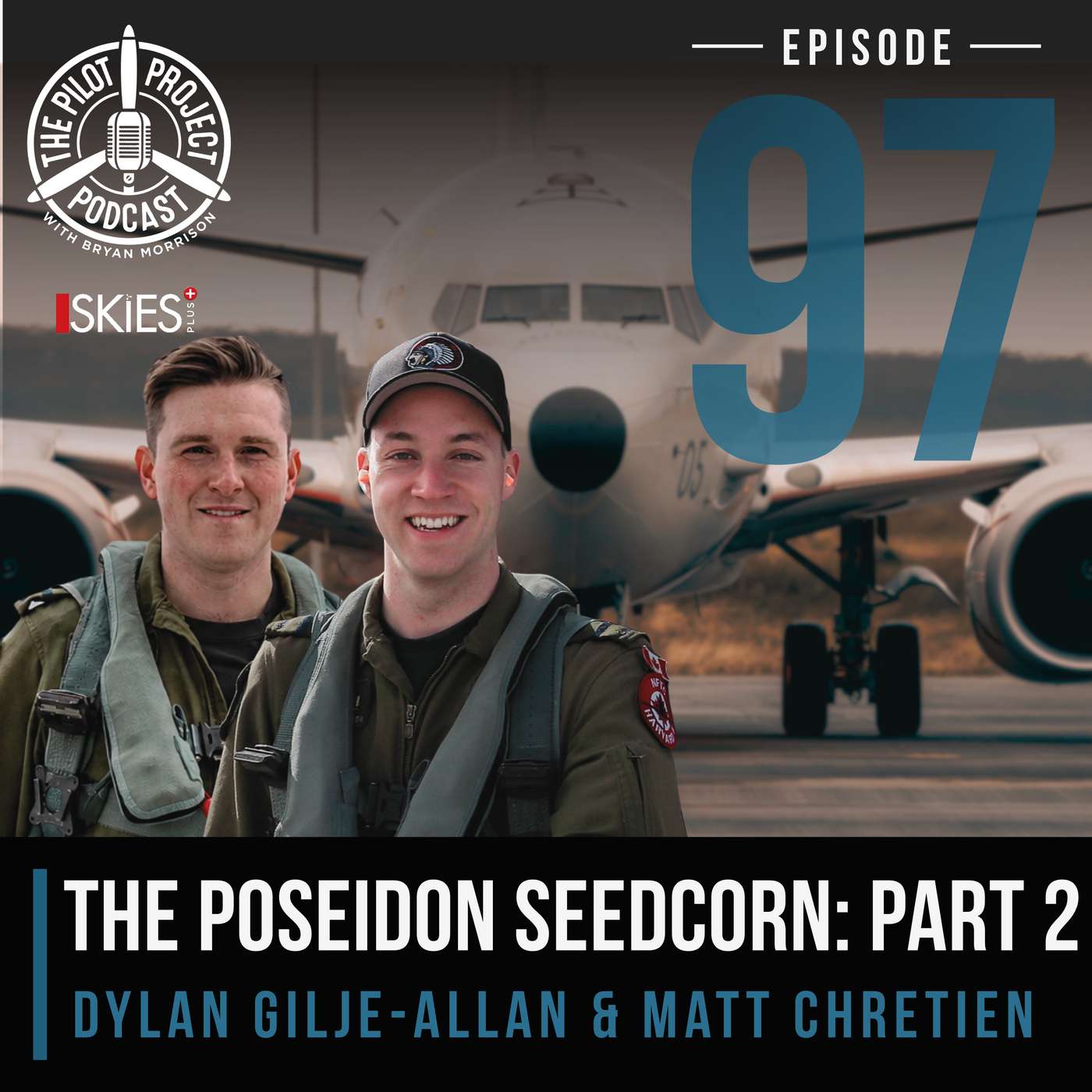
Long Range Patrol: The Poseidon SEEDCORN Part 2: Flying the P-8 Poseidon with the RAF and Building Canada's Future Fleet - Dylan Gilje-Allan and Matt Chretien

In Part 2, Capt Dylan Gilje-Allan and Capt Matt Chretien take listeners inside Canada's P-8 Poseidon SEEDCORN program and their transition from the CP-140 Aurora to operational flying with the Royal Air Force. They discuss P-8 training, automation, crew coordination, and the differences between the Aurora and Poseidon.  The conversation also covers tracking Russian submarines in the Atlantic, flying operational missions shortly after training, life at RAF Lossiemouth, and how Canada is preparing the next generation of Long Range Patrol crews years before the aircraft enters service. CONTINUE THE FLIGHT Long Range Patrol: The Poseidon SEEDCORN Part 1: Aurora Operations, Op NEON and the Road to the P-8 - Dylan Gilje-Allan and Matt Chretien https://podpilotproject.transistor.fm/episodes/long-range-patrol-the-poseidon-seedcorn-part-1-dylan-gilje-allan-and-matt-chretien Long Range Patrol: The Hunter: Long Range Patrol and the CP-140M Aurora - Davis Clark https://podpilotproject.transistor.fm/episodes/long-range-patrol-the-hunter-davis-clark MORE LONG RANGE PATROL EPISODES https://podpilotproject.transistor.fm/search?query=Long+Range+Patrol EXPLORE THE LOGBOOK More stories from RCAF and mission aviation pilots https://podpilotproject.transistor.fm/episodes
1 h 01 minAbspielen in:

Di7Apr
The Pilot Project PodcastDG

Dylan Gilje-AllanMatt ChretienGast

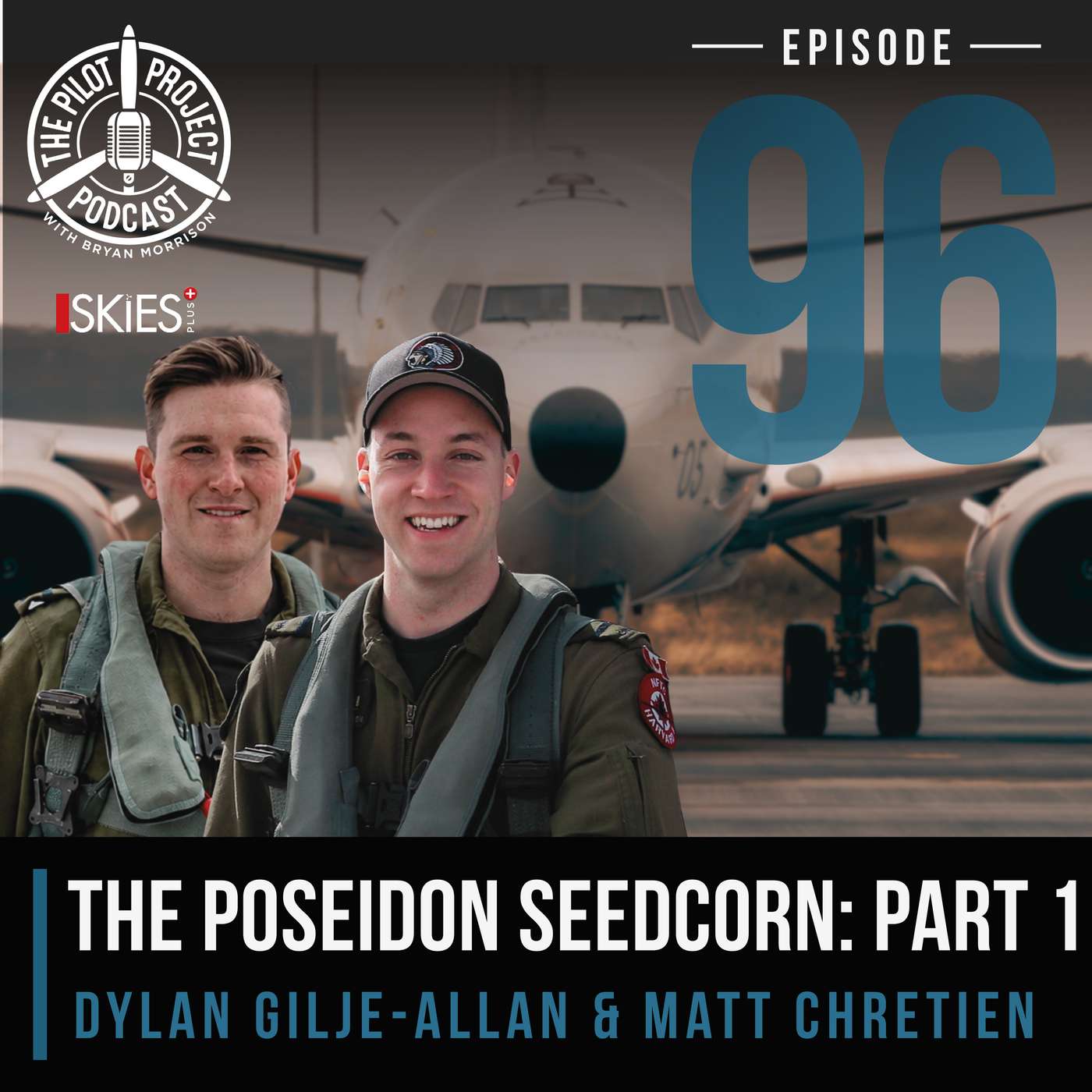
Long Range Patrol: The Poseidon SEEDCORN Part 1: Aurora Operations, Op NEON and Selection for the P-8 - Dylan Gilje-Allan and Matt Chretien

Canadian SEEDCORN pilots Capt Dylan Gilje-Allan and Capt Matt Chretien join us to share their journey from military flight training to operational flying on the CP-140 Aurora. They discuss the CEOTP/SEEDCORN training pipeline, earning their wings during COVID, and life in the Long Range Patrol community. The conversation also explores Operation NEON deployments, anti-submarine warfare, the Titan submersible search, and a dangerous fighter intercept in the Indo-Pacific that was later classified as unsafe and unprofessional. The episode concludes with their selection for Canada's P-8 Poseidon SEEDCORN program and the next chapter of Long Range Patrol aviation. CONTINUE THE FLIGHT Long Range Patrol: The Poseidon SEEDCORN Part 2: Flying the P-8 Poseidon with the RAF and Building Canada's Future Fleet - Dylan Gilje-Allan and Matt Chretien https://podpilotproject.transistor.fm/episodes/long-range-patrol-the-poseidon-seedcorn-part-2-dylan-gilje-allan-and-matt-chretien Long Range Patrol: The Hunter: Long Range Patrol and the CP-140M Aurora - Davis Clark https://podpilotproject.transistor.fm/episodes/long-range-patrol-the-hunter-davis-clark MORE LONG RANGE PATROL EPISODES https://podpilotproject.transistor.fm/search?query=Long%20Range%20Patrol EXPLORE THE LOGBOOK More stories from RCAF and mission aviation pilots https://podpilotproject.transistor.fm/episodes
1 h 10 minAbspielen in:

Di10Mär
The Pilot Project PodcastSB

Sam BehmGast

Episode 92: The Double X: Women of Aviation Worldwide Week and flying the CC-130J Hercules Part 2 - Sam Behm

In Part 2 of this series, Major Sam Behm shares what it was like to command the first Canadian CC-130J Hercules mission tasked with evacuating personnel during the 2021 Kabul Non-Combatant Evacuation Operation. She reflects on preparing her crew, making decisions under pressure, and leading in an environment defined by uncertainty and risk. Sam also speaks candidly about serving as the only female Hercules pilot in the RCAF for several years, the importance of mentorship through Elevate Aviation, and why International Women’s Day and Women of Aviation Worldwide Week matter in today’s military. A conversation about command, courage, and representation in operational airlift.

1 h 03 minAbspielen in:

Di3Mär
The Pilot Project PodcastSB

Sam BehmGast

Episode 91: The Double X: Women of Aviation Worldwide Week and flying the CC-130J Hercules Part 1 - Sam Behm

Major Sam Behm's path to the CC-130J Hercules wasn’t straightforward.  As we mark International Women's Day and Women in Aviation Worldwide Week, Sam shares how she joined the Canadian Armed Forces under ROTP as a MARS Officer (now Naval Warfare Officer), and determinedly pursued a transfer to the Royal Canadian Air Force when the opportunity to become a pilot reopened.  We walk through her flight training on the Grob in Portage la Prairie, the Harvard in Moose Jaw, and the King Air, as well as her time with the Multi-Engine Utility Flight before beginning her career on the Hercules with 436 Transport Squadron. With 2,400 hours across 52 countries and five continents, Sam reflects on building operational experience, earning aircraft command, and what it means to grow into leadership in military aviation. A story of persistence, adaptability, and carving your own path in uniform.

1 h 03 minAbspielen in:

Di3Feb
The Pilot Project PodcastIW

Ian WookeyGast

Episode 88: The Last Canadian: Flying with the Americans on the CH-47 Chinook during the fall of Afghanistan Part 3 - Ian Wookey

In part 3 of 3, Major Ian Wookey concludes his Afghanistan story. He describes the execution of evacuation operations in Kabul, the pressure faced by aircrews and planners, and the emotional toll of operating in a collapsing environment. As the final flights departed, Ian reflects on the limits of military power, the people left behind, and how those final days continue to resonate long after leaving Afghanistan.

50 minAbspielen in:

Gäste, die länger als 12 Monate zurückliegen, gibt es mit Pro. Pläne ansehen