Stephanomics is for people who want to understand what’s really driving the global economy in a world of disruption. Each week, Bloomberg’s Stephanie Flanders connects the dots between geopolitics, trade, technology, policy and markets—to make sense of what’s happening now and what might…
Artificial intelligence could transform the way we shop this holiday season — from finding the best deals to letting agents buy on our behalf. Stephanie Flanders is joined by Spencer Soper of Bloomberg News and Anna Wong of Bloomberg Economics to discuss whether those tools will save consumers money, how they could upend Amazon, Google and the online advertising business and what real-time price data - the Bloomberg Price Project - is already revealing about inflation, shortages and Black Friday.
Find more on the Bloomberg Price Project here:
https://www.bloomberg.com/graphics/2026-inflation-price-index/
See omnystudio.com/listener for privacy information.
The historic Democratic midterm victory will reshape Washington come January, but what will it actually change for the US economy? Stephanie Flanders is joined by Oren Cass, founder of the American Compass think tank, and Bloomberg reporter Josh Wingrove to look beyond the election to the next two years. Can either party address voter frustration with the economy, and how much of Donald Trump’s economic agenda is likely to endure?
See omnystudio.com/listener for privacy information.
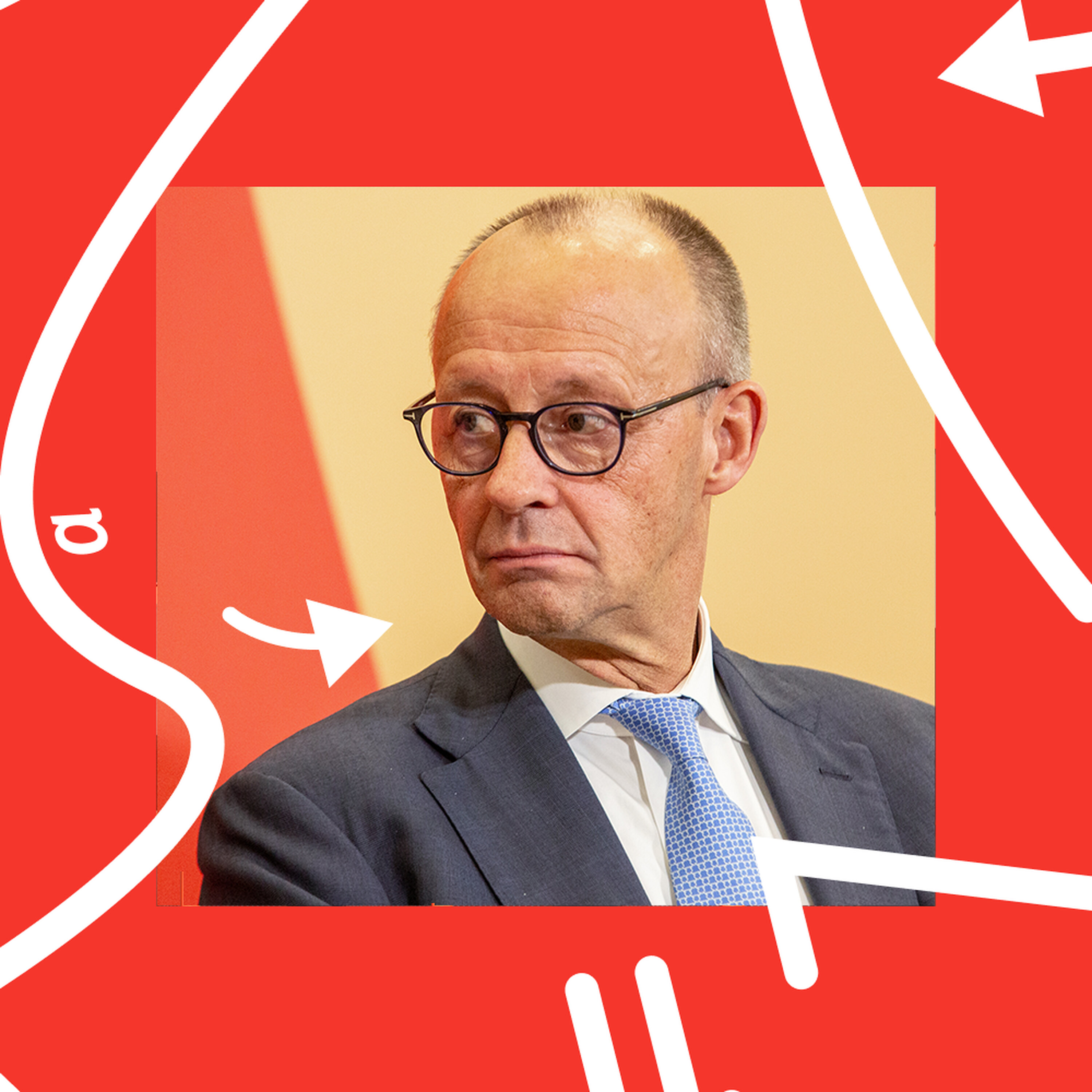
What does Germany’s economic strategy tell us about the shifting global order? Stephanie Flanders is in Germany at the Berlin Global Dialogue, where she speaks with Chancellor Friedrich Merz about the pressures reshaping Europe’s largest economy, why he supports a tougher response to Chinese imports and how he intends to handle the Trump administration’s harsher line toward Ukraine at the upcoming G20 Summit in Miami.
Setting the scene for the Chancellor’s comments is Bloomberg Senior Geoeconomics Analyst for Europe, Antonio Barroso. Flanders and Barroso unpack what Merz’s comments reveal about Germany’s changing approach to trade — and what that shift could mean for Europe and the wider global economy.
See omnystudio.com/listener for privacy information.
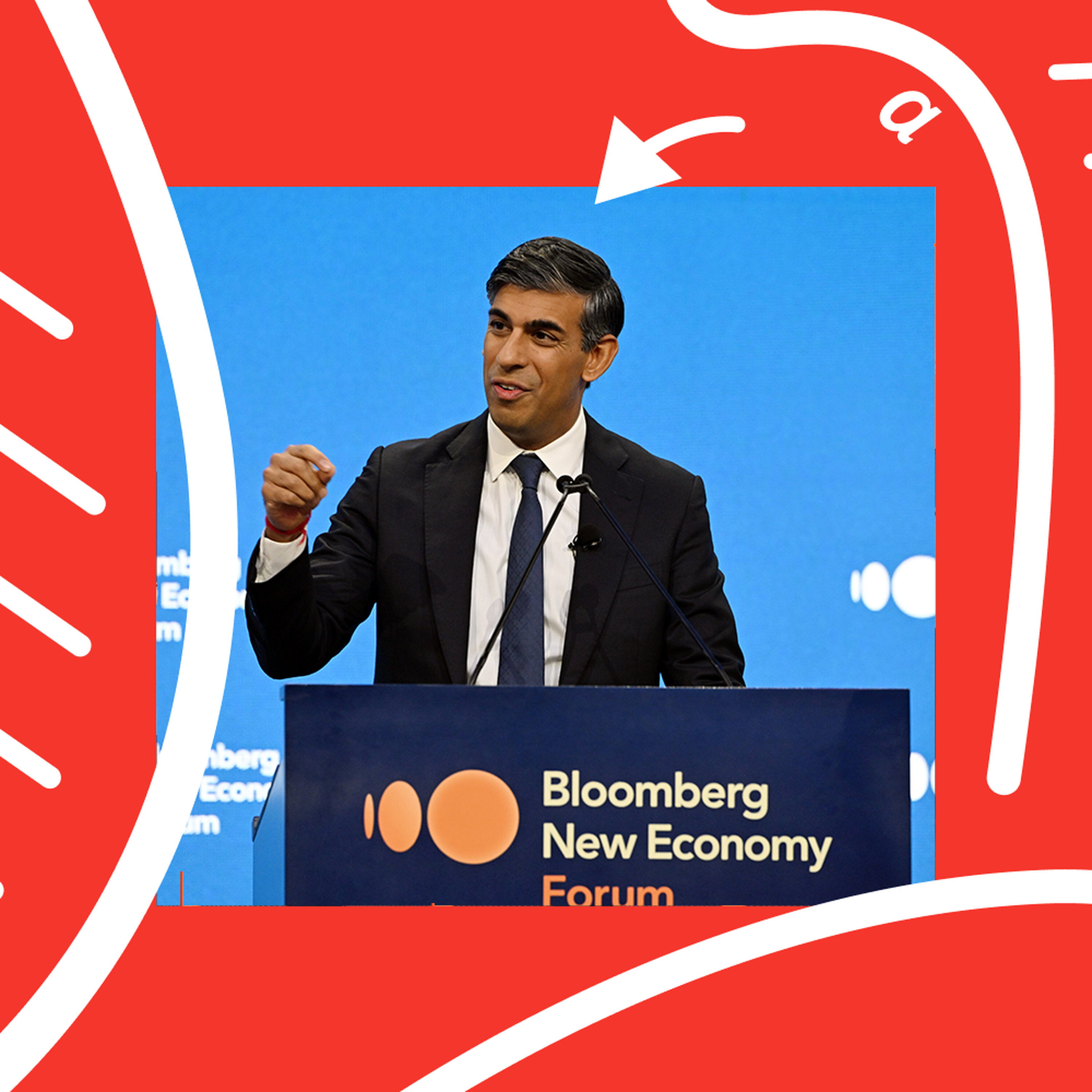
What does the global economy look like from the rooms where some of the world’s biggest investment and business decisions are made? Stephanie Flanders is in New Delhi for Bloomberg’s New Economy Forum, where she speaks with Bloomberg Chief Economist Tom Orlik about the risks building beneath the surface — from higher borrowing costs to the vast sums flowing into artificial intelligence.
Then, in a session hosted by Bloomberg New Economy Editorial Director Erik Schatzker, former UK Prime Minister Rishi Sunak, Blackstone President Jon Gray and Tata Sons Chairman N. Chandrasekaran debate what really matters in this new era of uncertainty — and which trends they believe are powerful enough to bet on anyway.
See omnystudio.com/listener for privacy information.
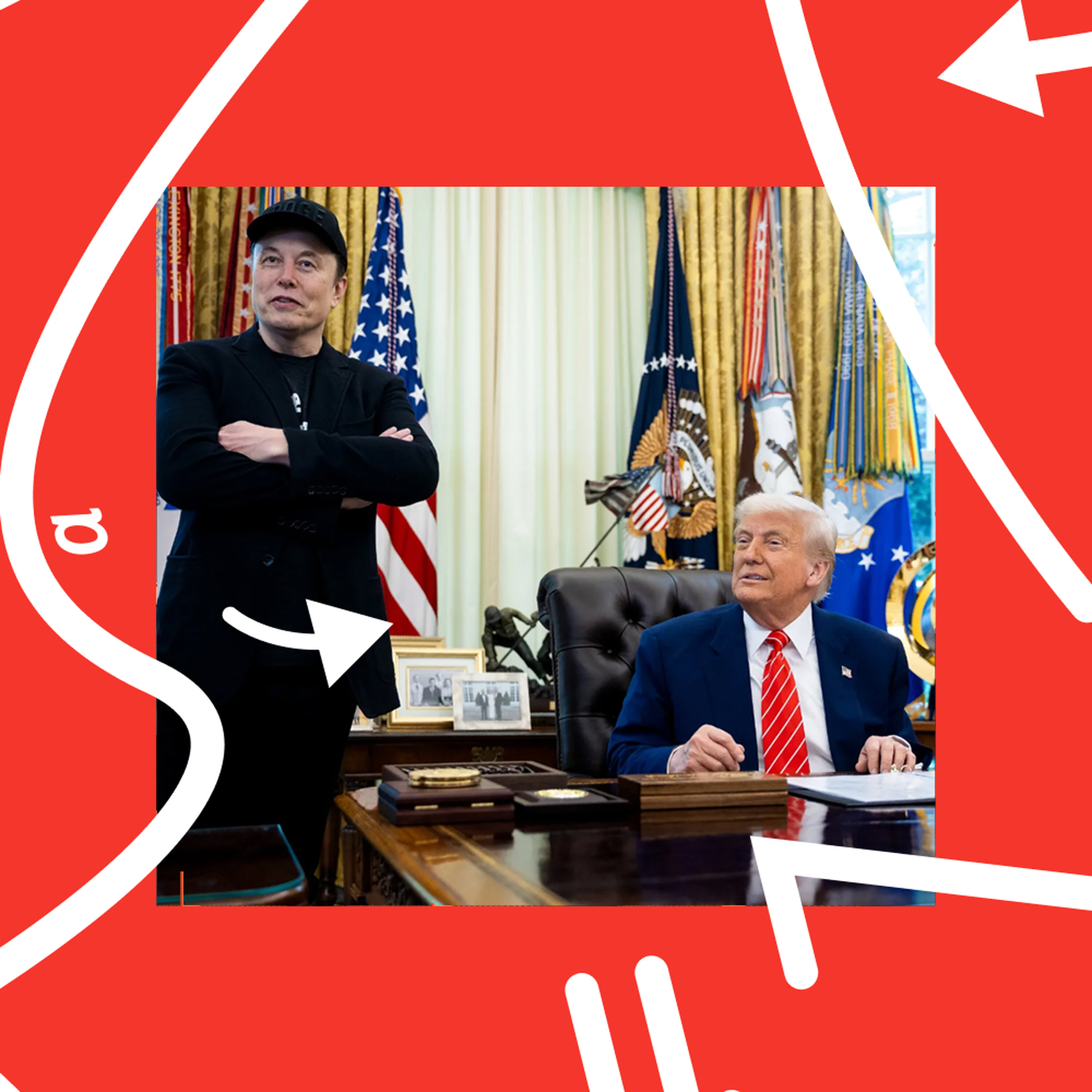
Elon Musk may be an extreme figure, but the authors of Muskism: A Guide for the Perplexed argue he represents a much bigger dynamic that's quickly taking shape, one where promises of “sovereignty through technology” may permanently embed tech figures such as himself at the center of government and society. Stephanie Flanders speaks with Ben Tarnoff and Quinn Slobodian about how Musk turned close ties with government into extraordinary power, and what his rise tells us about the changing relationship between Big Tech, the state and the global economy.
See omnystudio.com/listener for privacy information.
32 minPlay in:
Guests from more than 12 months ago are part of Pro. See plans