Astro Ben Podcast is the weekly show for anyone obsessed with space. Entrepreneur and space obsessive Ben Gamble talks to astronauts, founders, engineers and storytellers about the space industry, the new space economy and the big ideas shaping humanity's future beyond Earth. Guests include Bill Nye, Jared Isaacman…
Ben Gamble interviews Dr Nancy Chabot, chief scientist for the Space Exploration Sector at the Johns Hopkins Applied Physics Laboratory (APL), about NASA's DART mission, the first planetary defence test. Nancy was DART's coordination lead. She explains how a physics student from Rice ended up leading the mission, what the night of impact was like, and why DART shifted the orbit of the asteroid Dimorphos by about 33 minutes when the goal was 73 seconds.
The conversation also covers the new finding that DART shifted the orbit of both asteroids around the Sun, Europe's Hera mission and what it could find at the crater DART left behind, whether we could stop a real threat and how much warning we would need, how AI and new tools could change planetary defence, and Nancy's advice for young scientists who want to work in planetary science.
Chapters 00:00 Intro 00:38 From a Rice physics student to planetary defence 04:05 Her role as DART coordination lead 06:01 The night of impact 09:03 DART shifted the orbit by 33 minutes, not 73 seconds 11:08 The new paper: both asteroids moved around the Sun 17:11 Hera, the European follow-up mission 22:54 Could we stop a real asteroid, and how much warning? 27:50 The future of planetary defence 31:51 Quick-fire questions 33:10 Advice for young planetary scientists 35:07 Outro
Dr Nancy Chabot LinkedIn: https://www.linkedin.com/in/nancy-chabot-788b25182/ Wikipedia: https://en.wikipedia.org/wiki/Nancy_Chabot Johns Hopkins APL profile: https://www.jhuapl.edu/people/nancy-chabot
Johns Hopkins Applied Physics Laboratory Website: https://www.jhuapl.edu
Podcast links YouTube: https://www.youtube.com/@astrobenpodcast Website: https://www.astroben.com Instagram: https://www.instagram.com/astrobenpodcast/ X: https://x.com/gambleonit TikTok: https://www.tiktok.com/@astrobenpodcast LinkedIn: https://www.linkedin.com/company/79072939/ Apple Podcasts: https://podcasts.apple.com/gb/podcast/the-astro-ben-podcast/id1551366197 Spotify: https://open.spotify.com/show/4F73IU58jphbVjrOdfHJx7 RSS: http://feeds.libsyn.com/311303/rss
Ben Gamble interviews Justin Park, founder of the Cross on the Moon Coalition, about faith, religion and the future of humans in space. Justin explains what the Coalition is, why religion tends to follow people wherever they go, and how astronauts have described seeing Earth from space. He also explains where the mission stands, from lander partners to the 1:30 scale model, and how the Outer Space Treaty treats witness versus ownership.
The conversation also covers other religions' symbols on the Moon, the idea of a chapel on the Moon, science versus religion, the overview effect, launch licences and space debris, blockchain and NFTs, and what success could look like in 2033.
Chapters 00:00 Intro 00:48 What is the Cross on the Moon Coalition? 01:47 Why religion follows humans into space 02:28 Is exploration a spiritual impulse? 03:47 Astronauts, Genesis in lunar orbit and the overview effect 04:57 Does seeing Earth push people toward or away from faith? 06:19 Religion in a permanent off-world future 08:04 Where the mission stands 10:21 The Outer Space Treaty: witness vs ownership 11:55 Other religions' symbols on the Moon 12:54 A chapel on the Moon 14:40 Science vs religion 15:22 The overview effect: spirituality vs religion 17:11 Lander providers 19:09 Launch licences and space debris 20:20 Blockchain, NFTs and little miracles 22:07 A zero-G flight with Charlie Duke, Nicole Stott and Doug Hurley 22:41 What should a cross say to whoever finds it? 23:31 Success in 2033 24:41 The hardest question about faith and space 25:40 A message to listeners who disagree 26:54 Where to learn more 27:36 Final thoughts 29:50 Outro
Justin Park LinkedIn: https://www.linkedin.com/in/justinpark01
Cross on the Moon Coalition Website: https://mooncross.org/ LinkedIn: https://www.linkedin.com/company/crossonthemoon YouTube: https://www.youtube.com/@MoonCrossCoalition X: https://x.com/CrossOnTheMoonX Instagram: https://www.instagram.com/crosscoalition Facebook: https://www.facebook.com/CrossCoalition TikTok: https://www.tiktok.com/@crossonthemoon
Podcast links YouTube: https://www.youtube.com/@astrobenpodcast Website: https://www.astroben.com Instagram: https://www.instagram.com/astrobenpodcast/ X: https://x.com/gambleonit TikTok: https://www.tiktok.com/@astrobenpodcast LinkedIn: https://www.linkedin.com/company/79072939/ Apple Podcasts: https://podcasts.apple.com/gb/podcast/the-astro-ben-podcast/id1551366197 Spotify: https://open.spotify.com/show/4F73IU58jphbVjrOdfHJx7 RSS: http://feeds.libsyn.com/311303/rss
Ben Gamble interviews Hira Virdee, CEO and co-founder of Foundational, a London company just out of stealth with £8.2 million to build a laser-based network for tracking what is in orbit. Before Foundational, Hira founded Lumi Space, working with ESA and the UK Space Agency. He explains space debris in plain terms, what Kessler syndrome is, how objects are tracked today, and why satellite laser ranging is considered the gold standard.
The conversation also covers what Foundational is building, rolling out its network of laser stations, why space situational awareness matters now, raising the funding round, where the company sits in the market, the role of governments in space traffic management, and Hira's advice for young engineers.
Chapters 00:00 Intro 00:45 From astrodynamics to founding Lumi Space 01:58 The stolen phone and Entrepreneur First 03:29 Why build a company around laser ranging 05:14 Space debris in plain terms 08:44 What is Kessler syndrome 11:18 How objects are tracked today 14:19 What is satellite laser ranging 16:14 What Foundational is building 17:52 Rolling out the laser station network 20:46 Why space situational awareness matters now 22:24 Raising the funding round 24:33 Where Foundational sits in the market 27:20 The role of governments in space traffic management 30:14 Quick fire questions 31:58 Advice for young engineers 33:25 Outro
Hira Virdee LinkedIn: https://www.linkedin.com/in/hiravirdee/
Foundational Website: https://foundational.space/ LinkedIn: https://www.linkedin.com/company/foundationalspace/posts/
Podcast links YouTube: https://www.youtube.com/@astrobenpodcast Website: https://www.astroben.com Instagram: https://www.instagram.com/astrobenpodcast/ X: https://x.com/gambleonit TikTok: https://www.tiktok.com/@astrobenpodcast LinkedIn: https://www.linkedin.com/company/79072939/ Apple Podcasts: https://podcasts.apple.com/gb/podcast/the-astro-ben-podcast/id1551366197 Spotify: https://open.spotify.com/show/4F73IU58jphbVjrOdfHJx7 RSS: http://feeds.libsyn.com/311303/rss
Recorded on 28 May 2025.
Ben Gamble interviews Dr Mindy Howard, a human factors engineer, NASA highly qualified astronaut candidate and founder of the Cosmic Girls Foundation, about space training for everyone, not only astronauts. She explains inner space training, why commercial spaceflight has no required training yet, and what she calls the trifecta of astronaut training: high-G centrifuge, parabolic flight microgravity and mental preparedness.
The conversation also covers what it means to be fit to fly, Mindy's own journey as an astronaut candidate, the Cosmic Girls Foundation and its work empowering girls through STEM, celebrities in space, and her book, Blast Off: Train an Astronaut for Success on Earth.
Chapters 0:00 Intro 0:42 Welcome 1:10 Inner space training 6:14 What laws could be passed? 7:25 Fit to fly and the trifecta of training 11:30 Mindy's astronaut candidate journey 18:13 Cosmic Girls Foundation 22:58 Celebrities in space 28:34 Her book, Blast Off 32:42 Outro
Dr Mindy Howard Instagram: https://www.instagram.com/astromindy/ Facebook: https://www.facebook.com/mindy.howard.944 LinkedIn: https://www.linkedin.com/in/mindyhoward1/
Cosmic Girls Foundation Website: https://www.cosmicgirls.org Instagram: https://www.instagram.com/cosmicgirls_foundation/ Facebook: https://www.facebook.com/profile.php?id=61550826047326 LinkedIn: https://www.linkedin.com/company/cosmic-girls-foundation/ TikTok: https://www.tiktok.com/@cosmicgirls_foundation YouTube: https://www.youtube.com/@CosmicGirlsFoundation
Podcast links YouTube: https://www.youtube.com/@astrobenpodcast Website: https://www.astroben.com Instagram: https://www.instagram.com/astrobenpodcast/ X: https://x.com/gambleonit TikTok: https://www.tiktok.com/@astrobenpodcast LinkedIn: https://www.linkedin.com/company/79072939/ Apple Podcasts: https://podcasts.apple.com/gb/podcast/the-astro-ben-podcast/id1551366197 Spotify: https://open.spotify.com/show/4F73IU58jphbVjrOdfHJx7 RSS: http://feeds.libsyn.com/311303/rss
Recorded in January 2026.
Ben Gamble interviews Boris Otter, a Swiss pilot, former professional firefighter and founder of Swiss Space Tourism, about a lifetime of flying and his plan to reach space. Boris took his first flight at 14, went on to fly a Sukhoi 27 military jet, helicopters, seaplanes, aerobatic aircraft and gyrocopters, and trained as a cosmonaut in Star City. He now leads the SST6 project, a crew of six for a suborbital flight.
The conversation covers the risks of aviation and space tourism, how Swiss Space Tourism selects its crews, what a seat on Blue Origin, Virgin Galactic or SpaceX could cost, celebrities in space, the overview effect, and Boris's advice for anyone who dreams of going to space.
Chapters 0:00 Intro and welcome 0:32 Boris's space origin story and first flight at 14 3:21 A flying career: Sukhoi 27, helicopters and aerobatics 8:25 Seaplanes, gyrocopters and close calls 12:05 Safety in aviation and space tourism 16:16 Swiss Space Tourism and the SST6 crew 20:06 What a ticket to space costs 22:54 Celebrities in space 26:45 The overview effect 29:22 Advice for aspiring space travelers 31:44 Outro
Boris Otter Swiss Space Tourism: https://swiss-space-tourism.ch X: https://x.com/BorisOtter Instagram: https://www.instagram.com/swiss_space_tourism/ LinkedIn: https://www.linkedin.com/in/boris-otter/
Podcast links YouTube: https://www.youtube.com/@astrobenpodcast Website: https://www.astroben.com Instagram: https://www.instagram.com/astrobenpodcast/ X: https://x.com/gambleonit TikTok: https://www.tiktok.com/@astrobenpodcast LinkedIn: https://www.linkedin.com/company/79072939/ Apple Podcasts: https://podcasts.apple.com/gb/podcast/the-astro-ben-podcast/id1551366197 Spotify: https://open.spotify.com/show/4F73IU58jphbVjrOdfHJx7 RSS: http://feeds.libsyn.com/311303/rss
Full show notes, key topics and links: https://www.astroben.com/episodes/anatolii-papulov-neworbit
Most satellites fly high to stay safe from the thin air of low Earth orbit. NewOrbit is flying lower. Anatolii Papulov, CEO and co-founder of NewOrbit, joins Ben to explain very low Earth orbit (VLEO): the closer-to-Earth region that offers sharper imaging and stronger signals, and that is hard to stay in because of drag.
We cover how NewOrbit started at a kitchen table in 2021, why the company is based in Reading, the challenges of flying this low, and how its NEO-1 satellite uses an ion thruster powered by xenon to stay there. We also talk about testing, applications, the launch timeline, scaling up, and space debris.
Ben also opens the episode with the week's space headlines.
Timestamps
00:00 Intro and space headlines
02:36 Welcome to the show
03:48 The space bug: how Anatolii got into space
05:17 Origin story
08:04 Meeting Ruslan
09:43 The 2021 kitchen table
11:31 Why Reading
13:18 What is very low Earth orbit (VLEO)?
15:31 The three enemies of flying low
17:32 The ion thruster
19:14 How do you test it?
20:23 Applications
22:26 NEO-1 timeline
23:36 Launching, then descending
24:02 Advisors
25:15 Scaling up
27:05 Space debris and Kessler syndrome
29:00 Quick-fire questions
30:36 Outro
Links
NewOrbit: https://neworbit.space
NewOrbit careers: https://neworbit.space/careers
NewOrbit on LinkedIn: https://www.linkedin.com/company/neworbit-space/posts/
Enquiries: sales@neworbit.space
ESA GOCE mission (VLEO background): https://www.esa.int/Our_Activities/Observing_the_Earth/GOCE/ESA_launches_Earth_Explorer_mission_GOCE
Follow the Astro Ben Podcast
YouTube: youtube.com/@astrobenpodcast
Website: astroben.com
Instagram: https://www.instagram.com/astrobenpodcast/
X: https://x.com/gambleonit
TikTok: https://www.tiktok.com/@astrobenpodcast
LinkedIn: https://www.linkedin.com/company/79072939/
Look up. Listen in. If you enjoyed the episode, please like, subscribe and leave a review, and it helps other people find the show.
Full show notes, key topics and links: https://www.astroben.com/episodes/skyler-chan-gru-space
Explore the bold vision of Skyler Chan, founder and CEO of GRU Space, as he shares insights into creating humanity's first hotel on the moon, harnessing lunar resources, and pioneering space infrastructure. Discover how pragmatic engineering, strategic partnerships, and a focus on making space accessible are shaping the future.
In this episode:
Skyler's motivation to make humanity interplanetary and the significance of the lunar hotel project
The meaning behind "GRU" — Galactic Resource Utilization Space Inc.
ISRU (In-Situ Resource Utilization): Using lunar regolith to make bricks and building materials
Technical challenges of lunar brick-making and operational vs technological hurdles
The long-term vision: From lunar hotels to lunar cities and Mars habitats
Designing sustainable habitats against lunar radiation, vacuum, temperature swings, and dust
Collaboration with space agencies like Artemis and industry partners
The importance of practical, incremental steps to establish a lunar economy
The role of the lunar environment in resource extraction success
Building infrastructure for planetary settlement: hotels, robotics, mining, and resource chains
Addressing risks and safety in lunar habitat design
The inspiration from space pioneers like Chris Hadfield and Elon Musk
The influence of San Francisco's innovation ecosystem on GRU Space
Skyler's advice for young entrepreneurs eager to break into space
Timestamps:
00:00 - Introduction to Skyler Chan and GRU Space's mission 01:07 - The origin of the name "GRU" and space resource utilization 02:04 - The concept of lunar bricks and in-situ resource utilization 03:01 - Technical challenges in lunar brick-making and control systems 03:57 - The operational vs technological hurdles in lunar missions 04:37 - Long-term visions: Moon hotels, lunar cities, and Mars habitats 05:36 - Designing sustainable lunar habitats with radiation shielding 06:33 - The importance of off-world habitation systems 07:03 - Expansion beyond hotels to lunar infrastructure and resource industries 08:07 - Space tourism and resource valuation in space vs Earth 09:04 - The experience-driven design of lunar hotels 09:48 - Early inflatable lunar habitats and future modular expansions 10:18 - Long-term habitat safety features and radiation shielding 11:16 - Potential partnerships with lunar launch programs like Artemis 11:36 - How Artemis program fits into GRU Space's timeline 12:44 - The philosophical perspective on Earth borders and space peace 13:05 - The role of Y Combinator and Nvidia Inception in GRU Space's growth 14:24 - Skyler's youth and background in space training 15:04 - His lifelong obsession with space and early influences 16:17 - Mentors like Chris Hadfield and Elon Musk as inspiration 17:44 - The impact of Elon Musk on space innovation and inspiration 18:43 - Space's unifying role and societal inspiration 19:12 - Balancing big visions with realistic engineering steps 20:18 - Prioritizing first principles and de-risking lunar technology 21:42 - Overcoming lunar environmental hazards and safety considerations 22:55 - Collaboration within the space industry ecosystem 23:37 - Managing lunar hazards: vacuum, radiation, dust, temperature 25:04 - Strategies for lunar resource utilization and infrastructure 27:15 - The pragmatic approach: focusing on what is necessary for economic viability 28:13 - The concept of the "wedge" to kick-start lunar exploration 29:12 - The importance of providing human-centric experiences 30:11 - Final words of advice to aspiring space entrepreneurs 30:59 - Skyler's perspective on trusting your intuition and decision-making 33:23 - Wrap-up and upcoming milestones for GRU Space 33:59 - Final encouragement: Look up at the stars, not down at your phones
Resources & Links:
GrooSpace Official Website
White Paper on Lunar Brick-Making
Skyler Chan on X (Twitter)
GrooSpace on Instagram
Connect with Skyler Chan:
X (Twitter)
LinkedIn
Stay connected with us!
Use #Astroben across various social media platforms to engage with us!
Youtube: www.youtube.com/@astrobenpodcast
Website: www.astroben.com
Instagram: https://www.instagram.com/astrobenpodcast/
X: https://x.com/Gambleonit
Tik Tok: https://www.tiktok.com/@astrobenpodcast
LinkedIn: https://www.linkedin.com/company/astrobenpodcast/
Full show notes, key topics and links: https://www.astroben.com/episodes/alyssa-carson
Explore the inspiring story of Alyssa Carson, a passionate space enthusiast aiming to become an astronaut and destined for Mars. From childhood curiosity to citizen science and space education, Alyssa shares her journey, insights into space missions like Artemis, and practical advice for the next generation.
In this episode:
● Alyssa shares her lifelong fascination with space and her earliest memories of curiosity about the cosmos
● The impact of space camp in shaping her passion and skills
● How her diverse experiences—water survival, zero G flights, pilot's license—prepare her for space
● The evolving goals of the space industry, including Artemis, Mars missions, and space tourism
● The importance of resilience, problem-solving, and staying adaptable in pursuit of space dreams
● Opportunities in astrobiology and microbiology related to Mars exploration
● Her perspectives on the future of space travel accessibility for ordinary people
● Tips and motivational words for young people dreaming of space careers
Timestamps:
00:00 - Introduction and Alyssa's space origin story
02:38 - The significance of space camp in her journey
05:42 - Building skills through diverse training experiences
09:28 - The interdisciplinary nature of astrobiology and microbiology
12:36 - Her studies at Florida Tech and focus on Mars exploration
16:15 - How "The Martian" movie aligns with her interests
17:27 - Moving into her PhD and future plans in space industry
21:34 - The trajectory of lunar and Mars missions, space tourism potential
23:33 - The significance of Artemis and lunar exploration for humanity
28:36 - Upcoming opportunities and her advice to young space enthusiasts
33:34 - Closing thoughts and Alyssa's message for aspiring astronauts
Resources & Links:
● So You Want To Be An Astronaut: The Book
● Ready For Lift Off: Becoming An Astronaut Of The Mars Generation
● Alyssa Carson - https://alyssacarson.com/
● NASA Artemis Program https://www.nasa.gov/humans-in-space/artemis/
● Florida Tech Astrobiology Program
Connect with Alyssa Carson:
● X https://x.com/NASABlueberry1
● Instagram https://www.instagram.com/nasablueberry/
This episode is a must-listen for anyone dreaming of a future beyond Earth, offering a blend of personal motivation and industry insights.
Keep looking up at the stars and stay curious about the future of space in the UK and beyond!
Stay connected with us!
Use #Astroben across various social media platforms to engage with us!
Youtube: www.youtube.com/@astrobenpodcast
Website: www.astroben.com
Instagram: https://www.instagram.com/astrobenpodcast/
X: https://x.com/Gambleonit
Tik Tok: https://www.tiktok.com/@astrobenpodcast
LinkedIn: https://www.linkedin.com/company/astrobenpodcast/
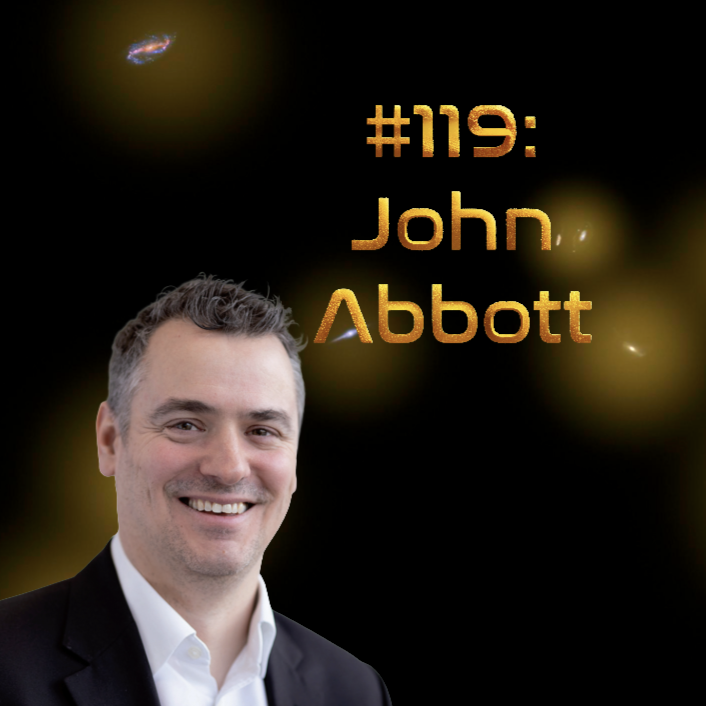
Full show notes, key topics and links: https://www.astroben.com/episodes/john-abbott-satellite-applications-catapult
Discover how the UK is leveraging academia, government policy, and industry collaboration to grow its space ecosystem. Join John Abbott as he shares the story of Catapult's role, UK's ambitions, and practical advice for aspiring space entrepreneurs.
In this episode:
The purpose and impact of the UK's satellite applications catapult
The significance of UK launch capabilities and recent developments with Allbex
John's background in geospatial data and transition into the space sector
The UK government's industrial strategy and funding landscape for space
How UK companies are solving real problems and expanding internationally
The importance of customer focus versus grant dependency in scaling startups
Strategies for fostering resilient and ambitious founders
The role of international partnerships, like the Taiwan Space Agency MOU
Practical advice for future space entrepreneurs in the UK and beyond
Timestamps:
00:00 - Introduction to John Abbott and the UK's space industry context 02:00 - The purpose of the UK's satellite applications catapult 03:10 - Recent UK launch developments and Allbex exit 04:00 - John's geospatial and tech background explained 06:21 - UK's industrial strategy supporting space growth 08:00 - Key UK space companies and heritage 08:39 - Interlink with UK Space Agency and government programs 11:37 - Transition from traditional sectors into space entrepreneurship 13:14 - Why space is a sector of purpose and opportunity 15:52 - The importance of customer focus over grant-led projects 18:00 - Helping startups with a holistic approach: teams, market, funding 20:17 - UK ambition, government support, and international positioning 25:01 - Growing through international cooperation (Taiwan MOU) 28:16 - Balancing innovation with market needs at Catapult 31:00 - Assessing startup success factors: resilience, team, market 33:10 - The evolving space economy and reducing entry barriers 35:09 - Advice for future space founders and key takeaways
Resources & Links:
Satellite Applications Catapult
UK Space Agency
Allbex
Open Cosmos
Space Forge
Mag Drive
Taiwan Space Agency (TASA)
Space Solar Limited
Connect with John Abbott:
LinkedIn
Twitter
Follow and learn more:
Satellites Applications Catapult on X
Gamble on It – Twitter & Instagram
AstroBen Podcast on Instagram/TikTok/LinkedIn
Keep looking up at the stars—and stay curious about the future of space in the UK and beyond!
Stay connected with us!
Use #Astroben across various social media platforms to engage with us!
Youtube: www.youtube.com/@astrobenpodcast
Website: www.astroben.com
Instagram: https://www.instagram.com/astrobenpodcast/
X: https://x.com/Gambleonit
Tik Tok: https://www.tiktok.com/@astrobenpodcast
LinkedIn: https://www.linkedin.com/company/astrobenpodcast/
Full show notes, key topics and links: https://www.astroben.com/episodes/dan-hart-virgin-orbit Exploring Space Innovation with Dan Hart
Join us in this episode as Dan Hart shares his incredible journey from childhood curiosity to leading transformative space ventures. Discover the lessons learned from rocket failures, the evolving industry landscape, and the future of space exploration.
In this episode:
Dan's early fascination with space and engineering sparked by tinkering with toys and curiosity
How a cold call to NASA's astronaut corps set him on a space career path
The transition from NASA and defense projects to leading Virgin Orbit
Lessons from Virgin Orbit's successes and setbacks, including the Cornwall launch failure
The shift from government-led to private industry-driven space missions
Insights into the future of space industry: commercialization, international cooperation, and scientific discovery
Dan's perspective on air launch systems and their niche applications
His current focus on space science advocacy, emerging technologies, and mentorship
Timestamps:
00:00 - Welcome and Dan Hart's journey into space exploration 01:07 - Inquisitiveness and early influences in space and engineering 02:23 - Cold calling NASA and beginning in the space shuttle program 03:44 - Industry's role in iconic space vehicles and innovations 05:28 - Shifts in space program management and private sector empowerment 06:56 - Scientific discoveries and the pursuit of life beyond Earth 08:13 - Early career at McDonnell Douglas and experience during Challenger 10:00 - Transition to missile defense and satellite systems 12:08 - Virgin Orbit inception, COVID challenges, and early launch attempts 14:02 - The Cornwall launch failure and lessons learned 17:01 - UK launch ventures and regulatory hurdles 18:58 - Market shifts towards national security and satellite launching 22:23 - Reflection on Virgin Orbit's setbacks and industry lessons 24:26 - The resilience of space startups and the importance of perseverance 28:21 - Future of air launch technology and niche applications 32:17 - Dan's current work on space science, policy, and emerging tech 36:39 - Final thoughts and advice for aspiring space entrepreneurs
Resources & Links:
Virgin Orbit
Dan Hart - LinkedIn
National Academy of Sciences
Atlantic Council
James Webb Space Telescope
Hubble Space Telescope
Connect with Dan Hart:
LinkedIn
Twitter/X
Additional Notes:
Dan emphasizes the importance of resilience, teamwork, and embracing failure as essential parts of space innovation.
Discussions highlight the evolving landscape from government-led projects to vibrant private industry participation.
Insightful perspectives on policy, regulation, and international collaboration shape the future of space exploration.
Stay connected with us!
Use #Astroben across various social media platforms to engage with us!
Youtube: www.youtube.com/@astrobenpodcast
Website: www.astroben.com
Instagram: https://www.instagram.com/astrobenpodcast/
X: https://x.com/Gambleonit
Tik Tok: https://www.tiktok.com/@astrobenpodcast
LinkedIn: https://www.linkedin.com/company/astrobenpodcast/
40 minAbspielen in:
Gäste, die länger als 12 Monate zurückliegen, gibt es mit Pro. Pläne ansehen

 NC