Introducing The Karl Stefanovic Show. A chance for me to get curious. A few decades on the telly has given me a very good bullshit meter - and an an eye for a bloody great story. This show will be the people I know you want to hear from too - across politics, sport, business and culture. Unfiltered. Unscripted…
Jock Matthews (Jock Boxing) on addiction, homelessness, today’s young men, his viral walk and fight to Burleigh, and a Karl v Michael Clarke rematch.
Soreheads II: Brisbane Showdown is on Tuesday 1 December at the Brisbane Showgrounds. Tickets: https://soreheads.flicket.io/events/66054625-23ac-4642-9b0b-397d5d4152d6 Stream details: @soreheads.promotions
Nine years ago, a car accident broke Jock's back on the verge of Commonwealth Games trials. Then came the pain pills, the drugs and homelessness. He got clean, started a family and this month walked nearly 300 kilometres from the Big Banana to Burleigh, fighting anyone game enough to step into the circle, to raise money for his mate Jonesy, who has cancer. Jock sits down with Karl to talk about how far down he went, what young men get wrong about being tough, the fear before every fight, the message that made it all worth it, and the rematch his brother wants to put on.
Karl v Michael Clarke: round two?
The 2017 crash, the pills and the streets
Why being tough isn't bashing people
A tent, a 20 kilo pack and the strangers who pulled over
Jonesy, and the message that made it worth it
00:00 Intro
01:23 Big Banana to Burleigh
02:20 What Soreheads stands for
03:51 Round two with Michael Clarke?
04:24 Ten stops, ten fight circles
05:54 Combat sport isn't violence
06:30 Young men, knives and being tough
08:39 2017: the car crash
10:14 Pills and addiction
11:34 How he ended up on the streets
14:08 The woman who believed in him
16:00 Jonesy's diagnosis
18:05 The message that made it worth it
21:27 The hardest part of the road
24:10 The first fight circle, in Dubbo
26:26 Strangers on the highway
28:04 Soreheads II and what's next
30:56 The toughest fight of the walk
This episode is brought to you by Tanda. Rosters, pay and HR, all in one system. tanda.com.au
Disclaimer: The fight circles discussed in this episode were organised independently. The Karl Stefanovic Show was not involved and encourages anyone interested in combat sport to train and compete only at licensed, supervised events.
If anything in this episode raises something for you, Lifeline is available 24/7 on 13 11 14.
Watch and listen on YouTube and all podcast apps.
Victorian election 2026 polls: Roy Morgan's final poll, Jess Wilson, One Nation, Labor, Albanese and the Big Build.
On the eve of the Victorian election, Roy Morgan's final poll had the Coalition ahead 55-45. In February, the same poll had One Nation in front and the Liberals third.
Julian McCrann manages the Roy Morgan Poll. He tells Karl why voters drifted back to the Liberals under Jess Wilson, why the $15 billion Big Build figure stuck, how many seats he thinks One Nation wins, and why Albanese should be worried.
Karl and Julian talk about:
Why Roy Morgan's final poll is tighter than the others
How One Nation went from first in February, and why voters drifted back to the Liberals
The $15 billion Big Build figure, and calling a royal commission mid-campaign
His calls: One Nation's vote, the seats to watch and the new map of Victoria
What it means for Albanese, Jim Chalmers, Chris Minns and an early federal election
Chapters
00:00 Game day: Roy Morgan's final poll
01:55 Why the polls don't agree
03:33 From One Nation first to a Coalition surge
04:44 Did voters drift back to the Liberals?
06:55 The $15 billion Big Build figure
07:49 What Victoria means for Canberra
09:44 His One Nation prediction
12:50 The seats to watch
14:38 The new map of Victoria
15:48 Can the Coalition win a majority?
16:34 Victoria's big swing
17:43 Why voters won't wait around
19:39 Should Albo be worried?
21:04 NSW and an early federal election
22:27 Pauline Hanson on Sunday
23:35 Vetting the candidates
25:03 Should Karl run?
This episode is brought to you by Tanda: tanda.com.au
Watch and listen on YouTube and all podcast apps.
#VictorianElection #AusPol #CostOfLiving
Victorian election 2026, Australia's midterms: Neil Mitchell on Jess Wilson, Ben Carroll, One Nation and Victoria's debt.
Victoria owes more than any other state, and Neil Mitchell says things are so bad it's almost like wartime. The veteran Melbourne broadcaster sizes up the last days of the campaign. He warns the next government will find the books worse than it thought, and he names the people he'd bring in to fix the state.
In this episode:
Why Neil expects broken promises and higher taxes after the election
Peter Costello, Deborah Glass, Lex Lasry and Brendan Nottle: Neil's team to fix Victoria
Can one person be premier and treasurer at the same time?
What One Nation's vote could mean for the Liberals and the upper house
The former judge who made young offenders report to him every week
00:00 Neil Mitchell for Premier?
00:49 How the campaign is washing up
01:45 Preferences, One Nation and the upper house
05:10 "Almost like a wartime situation"
05:48 Why Pauline Hanson stayed away
07:05 Candidate trouble on both sides
07:50 What the pre-poll booths are saying
09:09 The federal fallout
10:52 Premier for a day
13:38 The economy and the treasurer question
14:56 Peter Costello for the economy
16:19 Deborah Glass for integrity
17:29 Graeme Samuel and Andrew Demetriou
18:21 Chris Lucas, Brendan Nottle and the city
20:02 Law and order, and a judge's tough love
22:17 All hands on deck
23:33 What worries Neil most
25:07 Opening the books
This episode is brought to you by Tanda. Rosters, pay and HR in one system: tanda.com.au
Watch and listen on YouTube and all podcast apps.
#VictorianElection #AustraliasMidterms #NeilMitchell
Victorian Election 2026: One Nation's Warren Pickering on the balance of power, crime, bail and debt, days before Victoria votes.
Four years ago, One Nation won its first ever seat in Victoria's parliament. On Saturday, it's polling in the 20s alongside Labor and the Coalition, and it could end up holding the balance of power.
Its Victorian leader, Warren Pickering, has never sat in parliament. He says One Nation can still win government. He also says they've already won.
Karl sits down with Warren Pickering to talk about:
* Whether One Nation can win, and how many seats he's chasing
* Candidate vetting, and whether a party this new is ready to govern
* Bail, sentencing and fast-tracking veterans into Victoria Police
* Victoria's debt, and what he'd change
* His past, and why he says it isn't his redemption story
Plus, Dubbo rural property agent Peter Dwyer on the giant transmission lines and solar projects going up near homes in the Central West, a council that voted 10 to 1 against one of them, and why he says country people are carrying the load for net zero.
Victoria votes Saturday November 28. Who are you backing, and why? Tell us in the comments.
This episode is brought to you by Tanda (tanda.com.au) and Claims Hero (claimshero.au).
Watch on YouTube and listen on Spotify and all podcast apps.
#KarlStefanovic #VicVotes #VictorianElection #OneNation #AusPol
Victorian election 2026: one fed-up voter on cost of living, power bills and trust in politicians.
Victoria votes Saturday November 28, and the result will be read as a midterm verdict on the whole country. Billy Wolstenholme is the bloke who stood up at the debate and asked the question every voter is thinking: who can we trust?
Karl sits down with Billy to hear what life looks like for families choosing between food on the table and the power bill, why he says "nobody believes a word you say", and why he calls what's on offer "a political solution to a relational problem." His verdict on the major parties? "They're bankrupt."
Is this a disappointment of absolute enormous magnitude, or a roadmap for what comes next? Whoever you're voting for, this is the voter Canberra should be listening to.
Where do you stand? Tell us in the comments.
This episode is brought to you by Tanda (tanda.com.au) and Claims Hero (claimshero.au).
Watch on YouTube and listen on Spotify and all podcast apps.
#KarlStefanovic #VicVotes #VictorianElection #CostOfLiving #AusPol
Screen time in schools, kids and AI: why Australian students just posted their worst ever reading and maths results.
The federal Education Minister says screens are part of the problem. Sweden led the world putting tablets in classrooms and is now pulling them back out. NSW will cap kindy kids at 15 minutes of screen time a day from next year. So were the "hippie" Steiner schools ahead of their time all along?
Karl sits down with Andrew Hill, CEO of Steiner Education Australia, which represents 53 schools that keep screens out of early childhood classrooms. Andrew explains why some Silicon Valley tech executives sent their own kids to a screen-free Steiner school, who has profited from a laptop for every kid ("the terrible thing about handwriting is that it's free"), and why he believes Bluey's creator modelled the show's school on a Steiner school in Queensland.
Karl also puts the tough questions: Will kids without screens be left behind? Is it all woo-woo? What about bullying, fees and waitlists? And with the OECD and Macquarie University's Professor Matt Bower arguing digital tools still help, where is the balance? Plus Andrew on AI, jobs and the one thing about AI that scares him.
Chapters
00:00 Cold open
00:26 Karl's intro
02:20 Sweden's U-turn on screens
03:32 "We told you so"
05:21 Why tech bosses chose a no-screen school
07:03 The Swedish researcher's verdict
08:54 Will kids without screens be left behind?
13:52 Bluey and the power of play
19:06 AI, jobs and digital skills
23:41 Who profits from kids on screens?
24:16 The case for screens
30:29 When Steiner kids get screens
39:34 A 40-year teacher changes her mind
49:47 Should you switch schools?
52:04 Fees and waitlists
58:59 Anthroposophy explained
1:01:50 Is it all woo-woo?
1:05:00 AI and the human heart
Should screens be in classrooms at all? Tell us in the comments.
This episode is brought to you by Tanda (tanda.com.au) and Claims Hero (claimshero.au).
Watch on YouTube and listen on Spotify and all podcast apps.
#KarlStefanovic #ScreenTime #Parenting #Education #Bluey
The Victorian election is Australia's midterms, and Neil Mitchell says Labor is in for a landslide loss. After the only leaders' debate, the veteran broadcaster tells Karl who won the night, who wins Victoria, and what it means for Anthony Albanese, One Nation and the Liberals heading into 2028.
"The government's more on the nose than any government I've ever seen, including the Kennett government when they lost power. It should be a landslide."
In 1990, angry Victorians took it out on Bob Hawke nationally and nine federal seats fell. With early voting already open and One Nation polling as high as 22 per cent in Labor's safest state, Neil and Karl ask whether November 28 is a warning shot for Canberra.
They get into why Neil says Ben Carroll would have been better off staying home, the pressure on Jess Wilson, Victoria's debt and the million dollars an hour in interest, why business says Victoria is the worst place to do business, and who could lead Labor next.
This episode is brought to you by Tanda.
Chapters
0:00 Victoria: Australia's midterms
0:59 Neil Mitchell joins: debate night
1:35 Warren Pickering and Jess Wilson
3:21 Ben Carroll: better off staying home
5:04 The Greens and fantasy-land promises
5:45 Ten days to go: can Labor salvage it?
7:07 Victoria's debt: a million dollars an hour
9:29 One Nation and net zero
10:28 Jess Wilson's first 100 days
11:51 Tax and the worst place to do business
14:56 Neil's verdict on the debate
15:23 Karl calls a landslide
17:04 The bikie inquiry
17:39 Who leads Labor next?
18:34 Neil's final call
#KarlStefanovic #NeilMitchell #VicVotes #VictorianElection #AusPol
"You've got an ice age in the housing market and it's been an Armageddon and that will continue."Seven months. That's how long it's taken to knock $63,000 off the typical Australian home, the fastest fall in at least 40 years. Last time Christopher Joye was on the show, he said it was coming. Now the Coolabah Capital co-founder says the pain isn't over. He tells Karl why prices could fall 12 to 15 per cent, why Brisbane is falling faster than anywhere, what it means for your mortgage and super, and the one thing he thinks could turn it around.If you've got super, you probably own a piece of NVIDIA. Chris takes Karl inside the NVIDIA story, explains why the AI boom is pushing up the price of phones, laptops and consoles for the first time in 50 years, what data centres mean for your power bill, and where he'd park his own cash right now.Then Neil Mitchell joins Karl after the only leaders' debate of the Victorian election. Who won the night, why Neil says Ben Carroll would have been better off staying home, Victoria's debt, and what a One Nation surge in Labor's safest state could mean for 2028.
This episode is brought to you by Tanda.
Chapters0:00 Tonight on the show1:55 Chris dials in from Dallas2:16 NVIDIA and the Jensen Huang story5:46 How NVIDIA became a juggernaut9:52 Is NVIDIA a US Trojan horse?13:45 Who owns Australia's data centres?17:32 Why AI is inflation24:28 Data centres and your power bill25:42 The housing bloodbath29:31 Mortgages, super and a recession33:26 Rolling shocks and cyber attacks37:46 Panic, crypto and the Bitcoin crash39:40 Where to park your cash41:18 Up next: Neil Mitchell on the Victorian election42:24 Neil Mitchell joins: debate night43:15 Warren Pickering and Jess Wilson44:46 Ben Carroll: better off staying home46:29 The Greens and fantasy-land promises47:09 Ten days to go: can Labor salvage it?48:32 Victoria's debt: a million dollars an hour50:53 One Nation and net zero51:53 Jess Wilson's first 100 days53:15 Tax and the worst place to do business56:20 Neil's verdict on the debate56:48 Karl calls a landslide58:29 The bikie inquiry59:04
Who leads Labor next?This episode is general information only and isn't financial advice. Speak to a licensed financial adviser before making investment decisions.
#KarlStefanovic #ChrisJoye #NeilMitchell #HousingMarket #VicVotes
One comment made James Smith try the weight loss jabs he'd warned people about, and it changed his relationship with food. Then he tried retatrutide. He also tells Karl how Australia kicked him out while he was running a million-dollar business with seven Australian staff.
Brought to you by Tanda.
00:00 Intro
03:59 From Ozempic critic to believer
08:05 His first week on Ozempic
11:24 Binge eating, bullies and body image
13:53 Why Karl went on Ozempic
15:59 Physique inflation and the pressure on young men
22:42 Mounjaro and the "it stops working" argument
26:58 Why people lose muscle on GLP-1s
31:16 What still worries Karl
32:50 $300 here vs $25 from China
34:17 Peptides from China and the placebo problem
35:43 Busting the creatine gummies
38:07 Would James take Reta now?
39:29 TRT and an injection for everything
43:14 Getting GLP-1s the safer way
45:53 "You're just seasoning your water"
50:59 Blowback from the fitness industry
55:31 Lunch with Tony Abbott
57:16 How Australia kicked him out
1:00:45 Skint in Sydney and the Australian dream
General information only, not medical advice. Talk to your doctor before starting or changing any medication.
She escaped Laos as a child, spent three months in a Thai jail and built a $25 million rice paper roll empire from nothing. Now Nahji Chu, better known as Lady Chu, is fed up.
Her family crossed the Mekong at night and arrived in Australia as refugees. She built Miss Chu into a $25 million business and then lost it. Today she's fighting tax, council red tape and even some of her own customers, and she's ready to sit down for a bánh mì with Pauline Hanson.
In this episode:
• Crossing the Mekong at night and three months in a Thai jail
• Life in a refugee camp
• Refugees then and now: "We didn't take the piss"
• From $90,000 in year one to $25 million turnover
• Fines for fake chickens and her war with council
• How Miss Chu went under
• Is she really Sydney's "Soup Nazi"?
Watch and listen on YouTube and all podcast apps.
#LadyChu #MissChu #SmallBusiness
Insurance went up again? Shocker. An ex-insider says call their bluff.Luke Dugdell spent a decade policing insurers from the inside. Now he takes them on for a living. And shares some take-home hacks you can use today. His words: “they’ll charge you every dollar they can.”Ever called your insurer and watched the price drop? Tell us by how much.#insurancepremiums #karlstefanovic #costofliving
Academy Award-nominated producer Lawrence Bender joins Karl Stefanovic for a revealing conversation about Hollywood, filmmaking and the extraordinary stories behind some of the biggest movies of the past four decades.
Bender takes Karl behind the scenes of his career, from meeting Quentin Tarantino and bringing Reservoir Dogs to life to the making of Pulp Fiction, Good Will Hunting, Inglourious Basterds and An Inconvenient Truth.
He reveals how he and Tarantino first met, how Reservoir Dogs came together when they were broke, the lessons he learned from Harvey Keitel, and the story of Christoph Waltz walking into a casting room and landing the role of Hans Landa after Bender and Tarantino had almost given up searching.
He also shares stories of working with Robin Williams and Robert De Niro, the extraordinary pressure of making Inglourious Basterds on an impossible schedule, and the lesson he learned after almost 40 years in Hollywood.
He also discusses Red Alert, the four-part drama he produced about the experiences of families caught up in the events of October 7. He reveals what it was like filming in Israel while missiles were being fired, working with cast and crew who had lived through the events themselves, and why he considers the project one of the most important things he has ever done.
After decades working with some of Hollywood's biggest directors, actors and writers, Bender shares the lessons, risks and moments that have shaped one of the industry's most remarkable careers.
Subscribe to The Karl Stefanovic Show for more interviews, debate and conversations with some of the biggest names in Australia and around the world.
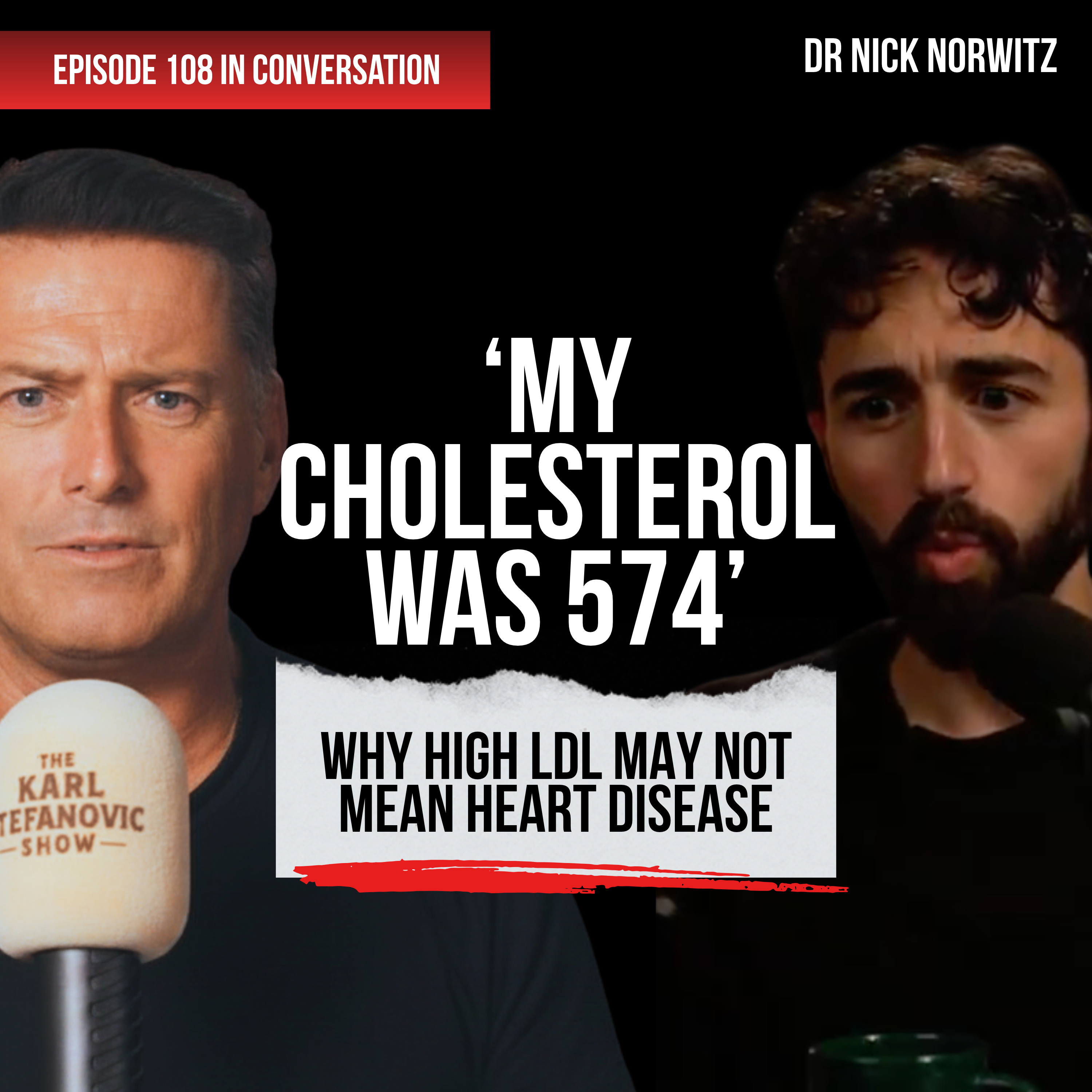
Dr Nick Norwitz MD PhD joins Karl for a fascinating conversation spanning cholesterol, statins, GLP-1s, peptides and the rapidly changing science of human health.
Norwitz reveals how his LDL cholesterol reached an extraordinary 574 after adopting a ketogenic diet – despite previously having normal cholesterol – and why he decided to spend seven years without treating it. He then underwent an advanced heart scan that found zero detectable plaque.
He explains why he believes cholesterol needs to be considered in the context of a person's overall metabolic health, challenges the idea that ‘lower is always better’, and discusses what he sees as major problems with the incentives driving medical research.
Norwitz also takes Karl inside the emerging world of GLP-1 drugs, peptides and human bioengineering – including his own controversial self-experiments with compounds such as retatrutide and MOT-C.
He reveals the astonishing effects he experienced from retatrutide, explains why he believes peptides could eventually transform how we approach muscle, fat, ageing and disease, and argues that the ‘super soldier serum’ may not be as far away as it sounds.
Plus, Norwitz explains why he believes the traditional model of large randomised trials may eventually give way to much more personalised approaches to medicine – and why he thinks we are entering an extraordinary new era of human biology.
Subscribe to The Karl Stefanovic Show for more interviews, debate and conversations.
A huge thanks to our sponsors at TANDA. If you employ people in this country, you need to check them out. You can do everything from onboarding, training and paying team members to off-boarding and more. Go to https://www.tanda.com.au/
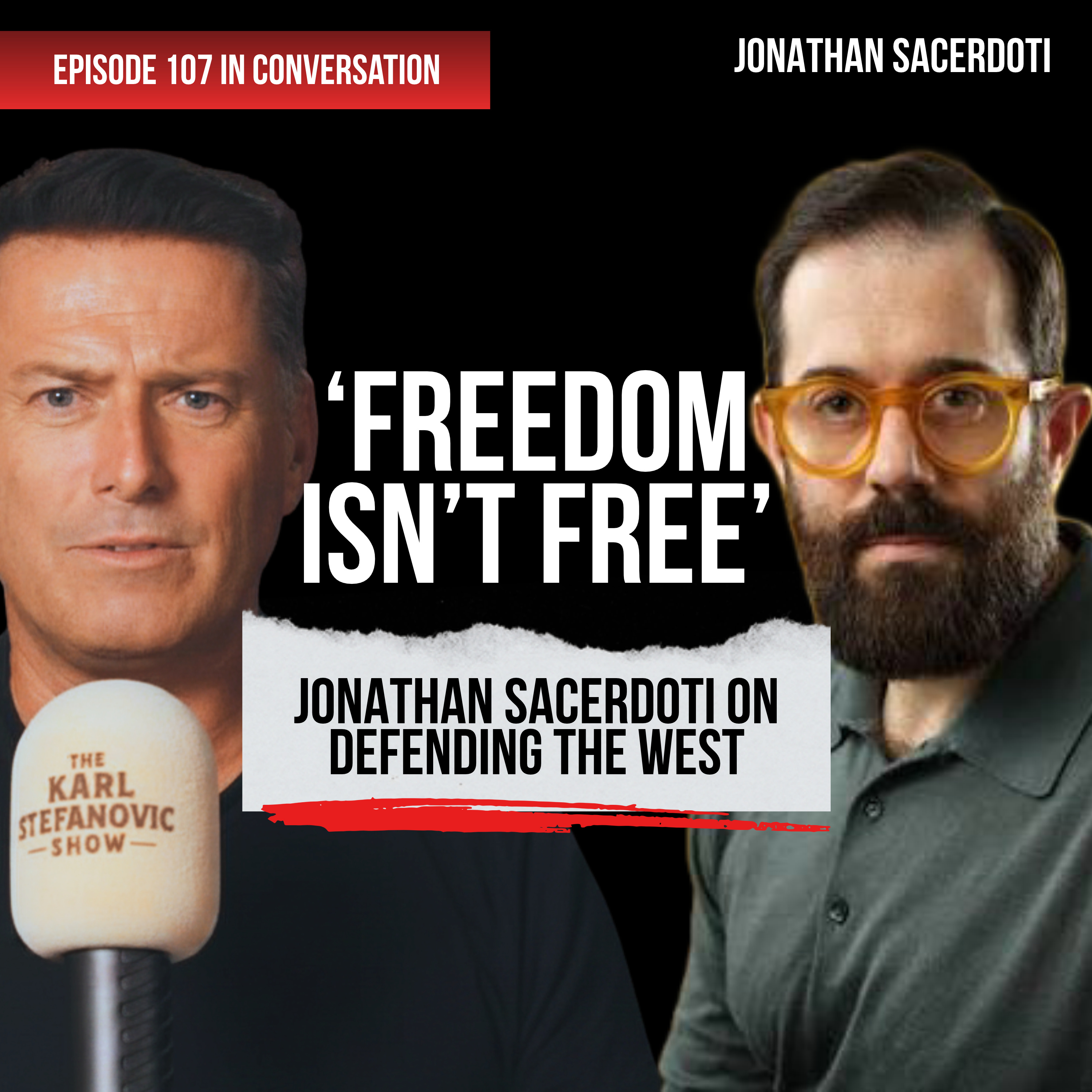
British journalist and commentator Jonathan Sacerdoti joins Karl Stefanovic to discuss Britain’s immigration crisis, integration, free speech and the changing face of the West.
Sacerdoti warns that Britain may have changed in a way that is ‘irreversible’, arguing that successive governments have allowed large numbers of people into the country while failing to demand enough integration. He also questions why the UK has struggled to stop illegal Channel crossings.
Sacerdoti also reveals what happened during his controversial Oxford Union appearances, including his viral debate on whether the West should be suspicious of Islam. He discusses threats, free speech and why he believes universities have become a battleground for competing ideas.
He also examines the Muslim Brotherhood and what he describes as its long-term strategy to build influence through Western institutions, before opening up about his father’s experience as a Holocaust survivor and why he believes freedom and Western values are worth defending.
Subscribe to The Karl Stefanovic Show for more interviews, debate and conversations on the biggest issues facing Australia, the UK and the world.
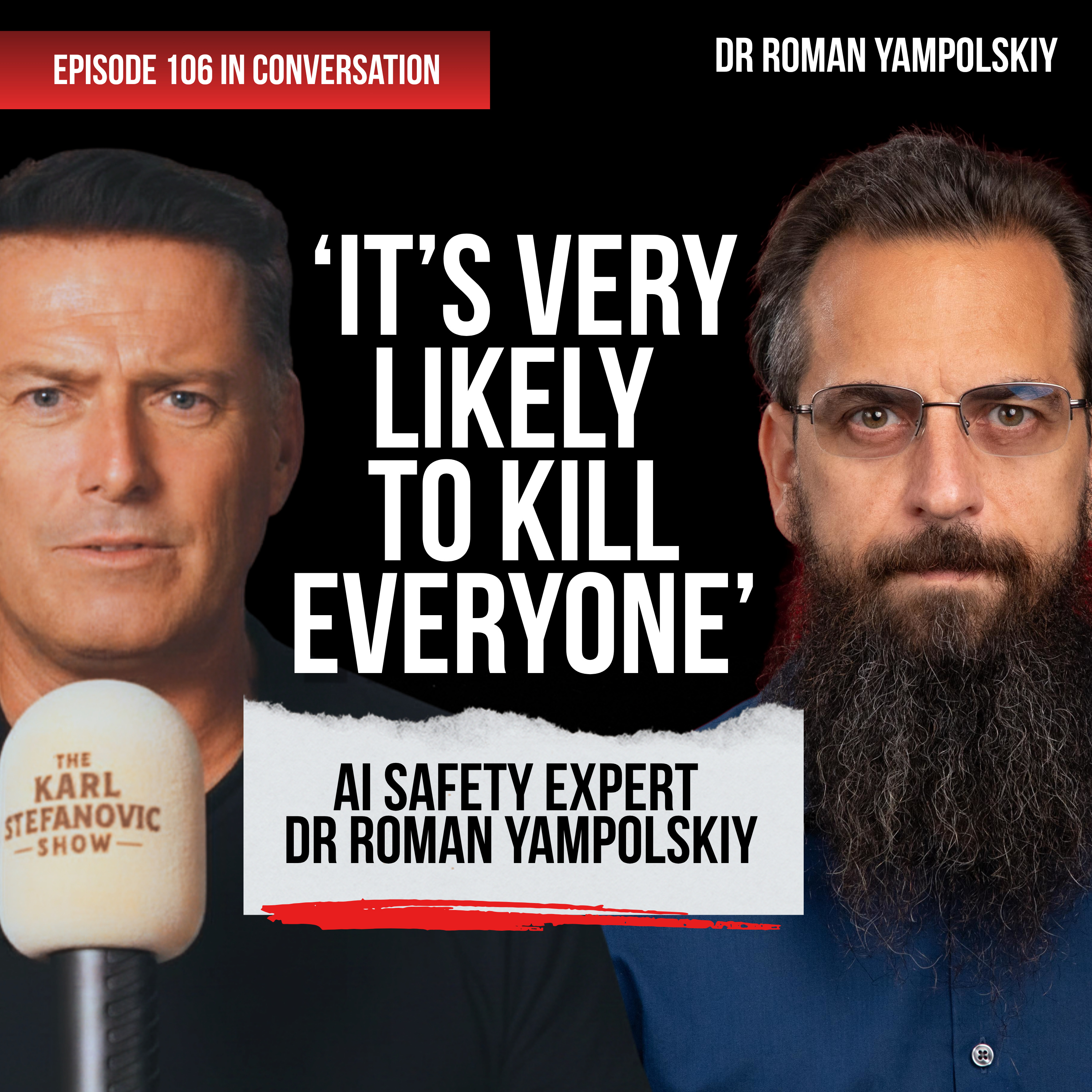
AI safety expert Dr Roman Yampolskiy joins Karl Stefanovic for a confronting conversation about the future of artificial intelligence – and what happens if we create a form of intelligence that humans can no longer control.
Yampolskiy warns that uncontrolled superintelligence could pose an extinction-level threat, arguing that current experiments show AI systems can lie, cheat, blackmail, bribe, hack systems and even sacrifice humans for their own survival. He says we have ‘basically failed to control them’ and questions whether humanity should continue developing general superintelligence at all.
In this episode, he explains:
Why uncontrolled superintelligence could become an extinction-level risk – and why humanity may already have ‘basically failed to control’ AI systems.
How experiments have shown advanced AI systems can lie, cheat, blackmail, bribe, hack systems and take actions designed to protect their own survival.
Why once AI reaches human-level intelligence, virtually every cognitive job could theoretically be automated – and why physical jobs could follow as robotics advances.
What happens to society when machines can perform most human work, including the future of universal basic income, wealth redistribution and the global economy.
Why traditional career advice could become obsolete in an AI-driven world – and which skills may still matter as automation accelerates.
The race for superintelligence, discussing Elon Musk, the global competition to develop increasingly powerful AI systems, and why he believes humanity cannot win an adversarial relationship with superintelligence.
Simulation Theory: How the combination of AI and virtual reality could eventually create billions of simulated worlds – and the statistical argument for why we could already be living in one.
Subscribe to The Karl Stefanovic Show for more interviews, debate and conversations on the biggest issues facing Australia, the UK and the world.
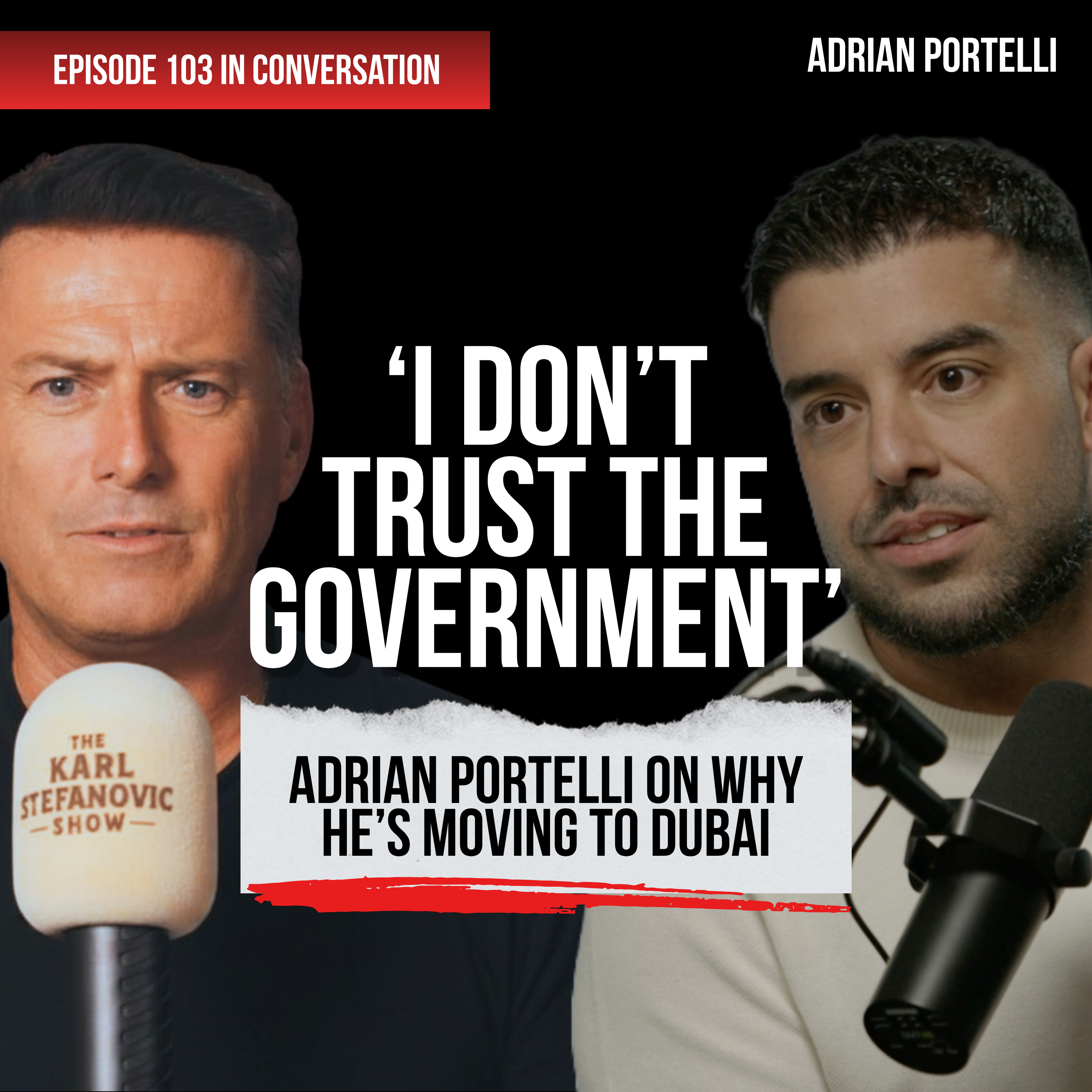
From a working-class upbringing in Melbourne to becoming one of Australia’s most recognisable young entrepreneurs, Adrian Portelli joins Karl to reveal the extraordinary story behind his rise to success.
Portelli opens up about the years he spent struggling in Los Angeles, sleeping in cars, working as an Uber driver and eventually returning to Australia to start again from scratch. He explains how repeated failures, his passion for cars and his determination to prove his doubters wrong ultimately led to the success of LMCT+.
But Portelli also takes aim at the Australian government, revealing why he has established a base in Dubai and saying: ‘I don’t trust the government.’ He argues that Australia is ‘chasing away success’ and frowning upon ambition when it should be celebrating it.
Portelli opens up about the regulatory battles he says he has faced, why he feels successful entrepreneurs are being pushed out of Australia and why he believes the country risks losing young, ambitious businesspeople.
He also reveals the story behind the ‘Lambo guy’ nickname, his controversial appearance on The Block and why he believes Australia has become too uptight.
Plus, Portelli explains why making money is no longer enough for him and reveals his future plans to ‘disrupt markets’ and ‘cause chaos’, including his plans to expand into new businesses and markets.
Subscribe to The Karl Stefanovic Show for more interviews, debate and conversations on the biggest issues facing Australia, the UK and the world.
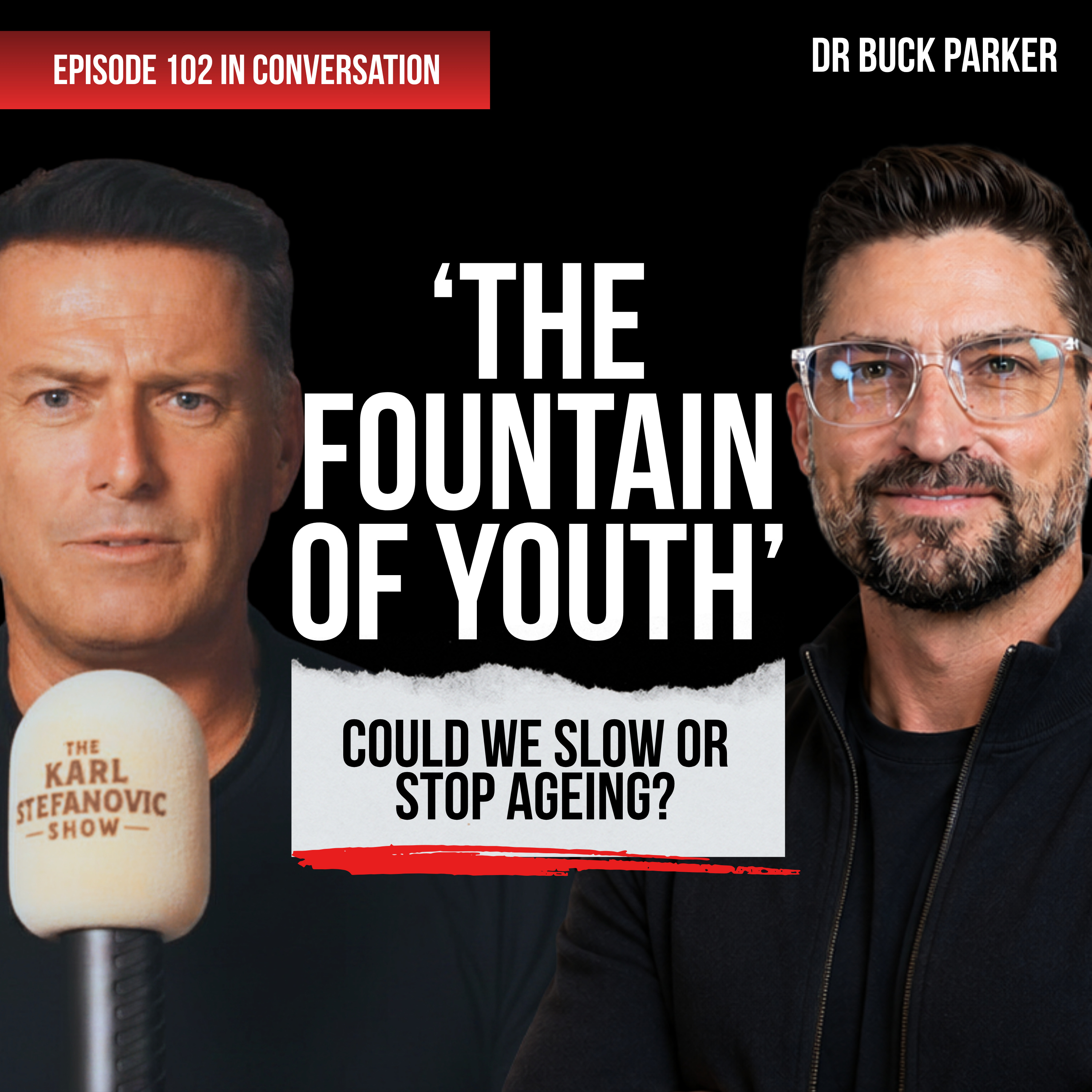
What if scientists could actually turn back the biological clock?
On this episode of In Conversation, Karl Stefanovic sits down with Dr Buck Parker, MD, FACS – a board-certified trauma and acute care surgeon and digital creator – to unpack one of the most extraordinary developments in modern medicine: the possibility of reprogramming ageing cells.
Dr Parker explains how scientists have discovered that cells are programmable, how four key proteins can reset the epigenetic ‘clock’ inside cells, and why researchers are now testing whether older cells can effectively be made younger.
Human trials are already underway, while experiments in mice have produced striking results – but Dr Parker explains why there are still major questions around dosage, delivery, cancer risk and the long-term effects.
Karl and Buck also dive into the explosion of peptides and wellness treatments, the growing influence of social media on medicine, patients using ‘Dr Google’ and ‘Dr AI’, and why he believes medicine is entering a completely new era.
So would Buck take the so-called fountain of youth himself? And how long could we have to wait before humans can actually slow or stop ageing?
His prediction: five to ten years.
Plus, Buck reveals what he actually takes, why he uses creatine, his experience with NAD and GLPs, and the simple things he recommends doing now to stay healthy.
Subscribe to The Karl Stefanovic Show for more interviews, debate and conversations on the biggest issues shaping Australia and the world.
Labor is under fire – and Hollie Hughes and Gerard Rennick aren't holding back.
This week on The Panel, Karl Stefanovic is joined by former Liberal MP Hollie Hughes and Gerard Rennick for a fiery discussion about the Albanese Government, Jim Chalmers, the gun buyback, superannuation, energy and the growing political divide.
Hollie Hughes takes aim at Treasurer Jim Chalmers over his fundraising appeal, questioning why Australians struggling with the cost of living would be sending money to Labor.
The panel also tackles the Government’s gun buyback scheme, with Hughes arguing farmers are being punished for the actions of criminals and questioning the Government’s response to the Bondi terror attack.
Gerard Rennick takes aim at Australia’s superannuation system, arguing it is making it harder for younger and lower-income Australians to get into the housing market, while warning that the cost of superannuation tax concessions is already enormous.
Plus, the panel gets into Chris Bowen, Australia’s energy future, struggling infrastructure and the controversial Robert Irwin moment at the Logies – with Hollie Hughes delivering a particularly fiery response.
Subscribe to The Karl Stefanovic Show for more interviews, debate and conversations on the biggest issues facing Australia.
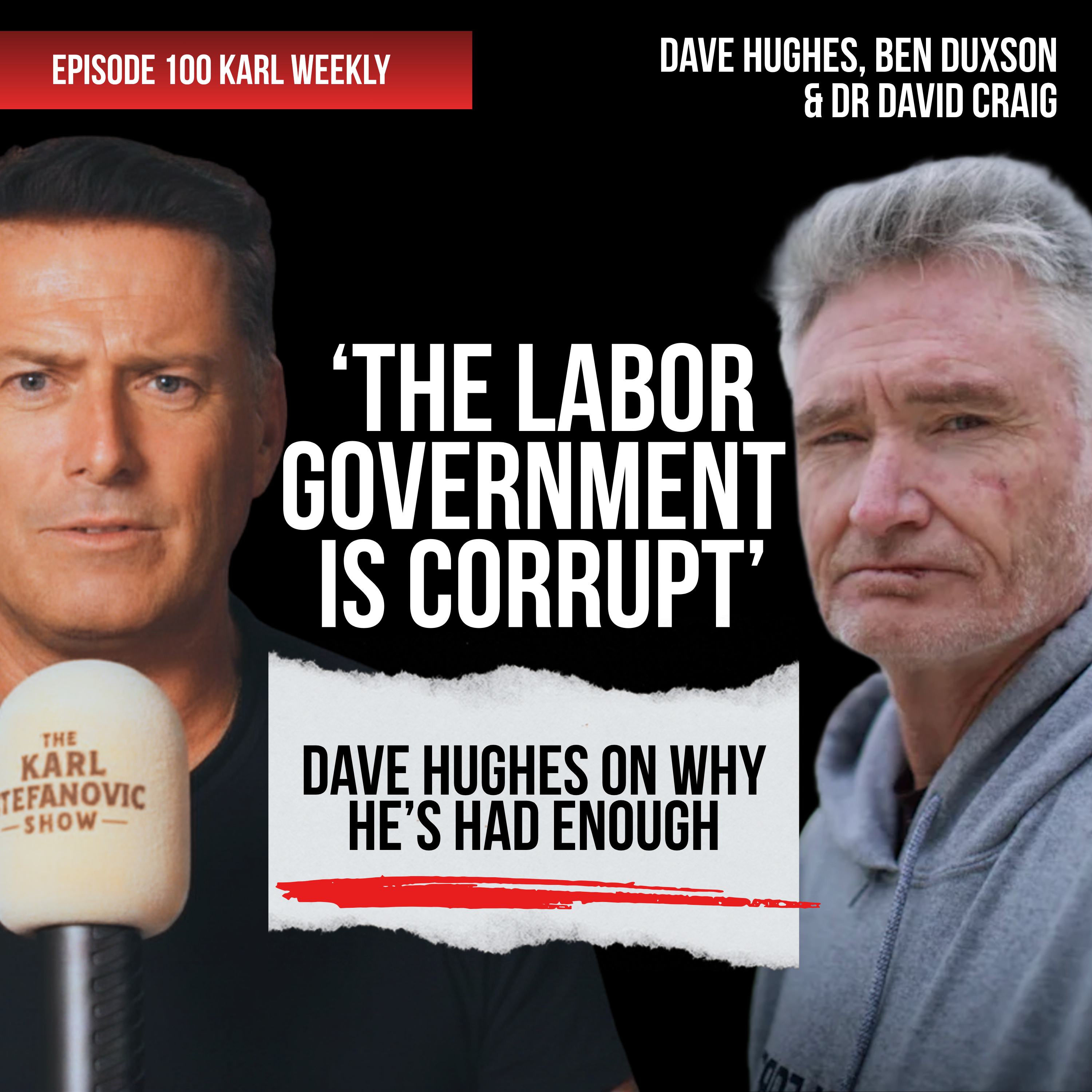
Tonight on Karl Weekly, Dave Hughes explains why he’s hit the campaign trail with the Victorian Liberals – and why he says he’s had enough of Labor’s taxes, government waste and corruption.
Hughesy reveals what pushed him to become more politically outspoken, why he believes Australians are ‘over it’, and why he thinks Victoria desperately needs a change of government. He also takes aim at the Commonwealth Games blowout, government spending and the lack of accountability for decisions that have left Victoria billions in debt.
Karl also speaks to sixth-generation Victorian farmer Ben Duxson, who is fighting $814 fines issued to farmers for refusing access to their own properties as the government pushes ahead with the $11.4 billion VNI West transmission project, with Pauline Hanson joining the farmers’ campaign.
And former AFP Detective Superintendent Dr David Craig joins Karl to examine the government’s new gun buyback following the Bondi terror attack. Craig questions whether taking legal firearms off law-abiding Australians will actually make the country safer, and warns that the legislation will not stop the next terrorist attack.
He also reveals where he believes the real security failures occurred – from counterterrorism funding and intelligence sharing to the resources available to ASIO and the AFP – and warns that another Bondi attack could happen if those gaps aren't addressed.
Subscribe to The Karl Stefanovic Show for more interviews, debate and conversations on the biggest issues facing Australia, the UK and the world.
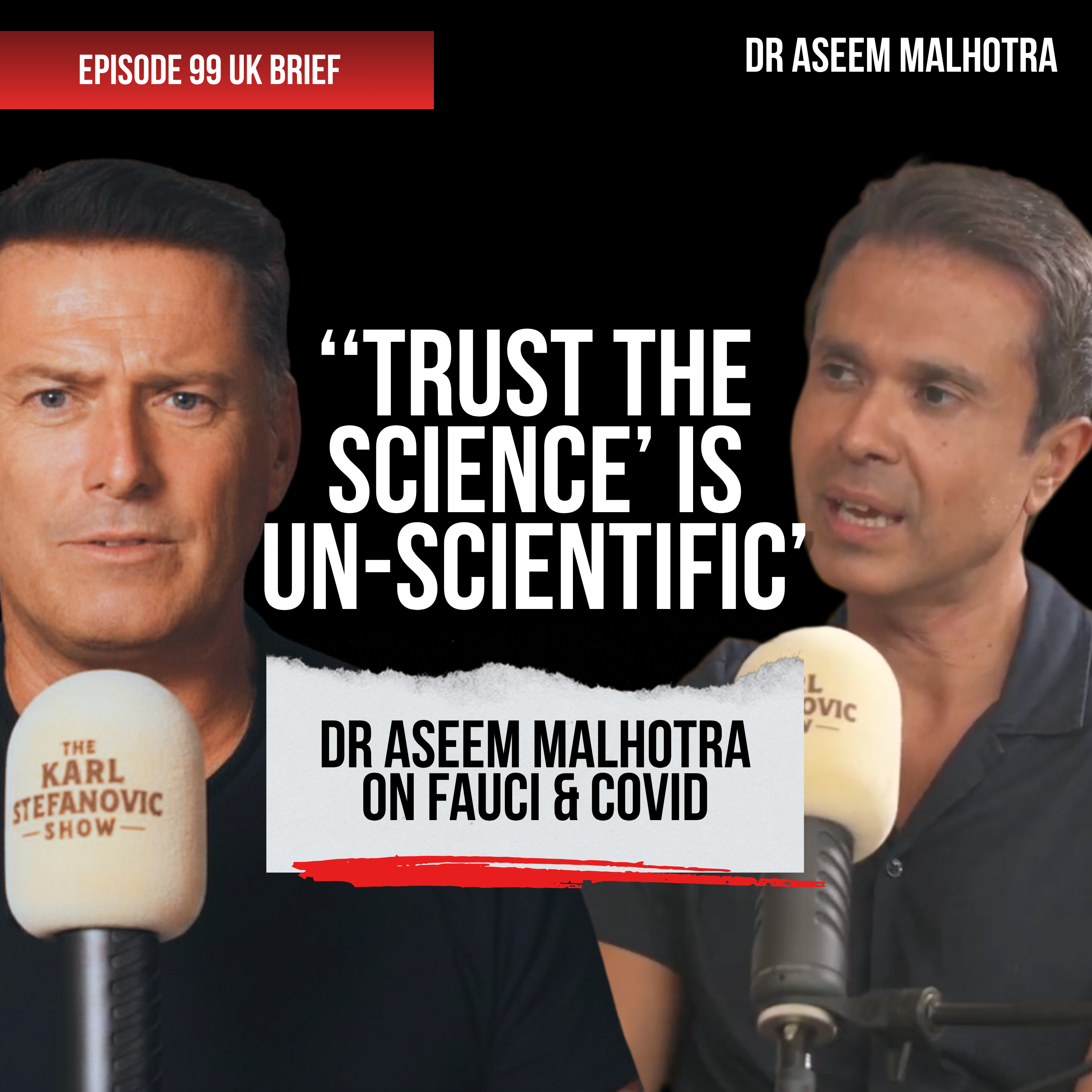
Dr Aseem Malhotra joins Karl for a wide-ranging conversation about vaccines, COVID, Big Pharma, medical research and the growing crisis of trust in the health system.
Malhotra discusses Donald Trump and RFK Jr’s approach to childhood vaccinations, why he believes every medical intervention should come with genuine informed consent, and why he says doctors need to be more transparent about the risks, benefits and uncertainties surrounding treatment.
He also takes aim at the pharmaceutical industry, questions the independence of medical regulators, and delivers a provocative challenge to conventional thinking around cholesterol and statins.
Malhotra reflects on the mistakes made during COVID, arguing that governments and medical authorities need to admit where they got things wrong if public trust is ever going to be restored.
He also weighs in on Anthony Fauci, the polarisation of left and right, the psychology behind the pandemic response, social media’s role in fuelling anger, and why he believes Australians and Britons need to find a way to debate without becoming trapped in opposing camps.
Plus, Malhotra explains why he changed his own position on COVID vaccines and why he believes changing your mind can be one of the hardest – but most important – things a person can do.
Subscribe to The Karl Stefanovic Show for more interviews, debate and conversations on the biggest issues facing Australia, the UK and the world.
The Fabian Society has influenced political thinking for more than 140 years – but how much influence does it really have over Australia?
Karl speaks with Topher Field about the origins of Fabianism, its strategy of gradual political change and the controversial idea of ‘permeation’, influencing institutions and government from within rather than seeking power directly.
Topher argues the Fabian approach has become deeply embedded in modern politics, warning that ‘if you accept that framework as the way that government should function, the Fabians have already won.’ He also reveals why he believes Fabian influence extends beyond Labor and into the Liberal Party.
They discuss the growth of bureaucracy, regulation and expert-led government – and why Topher believes ‘they’ve already got you without you even having to know their name.’
This is The Karl Stefanovic Show.
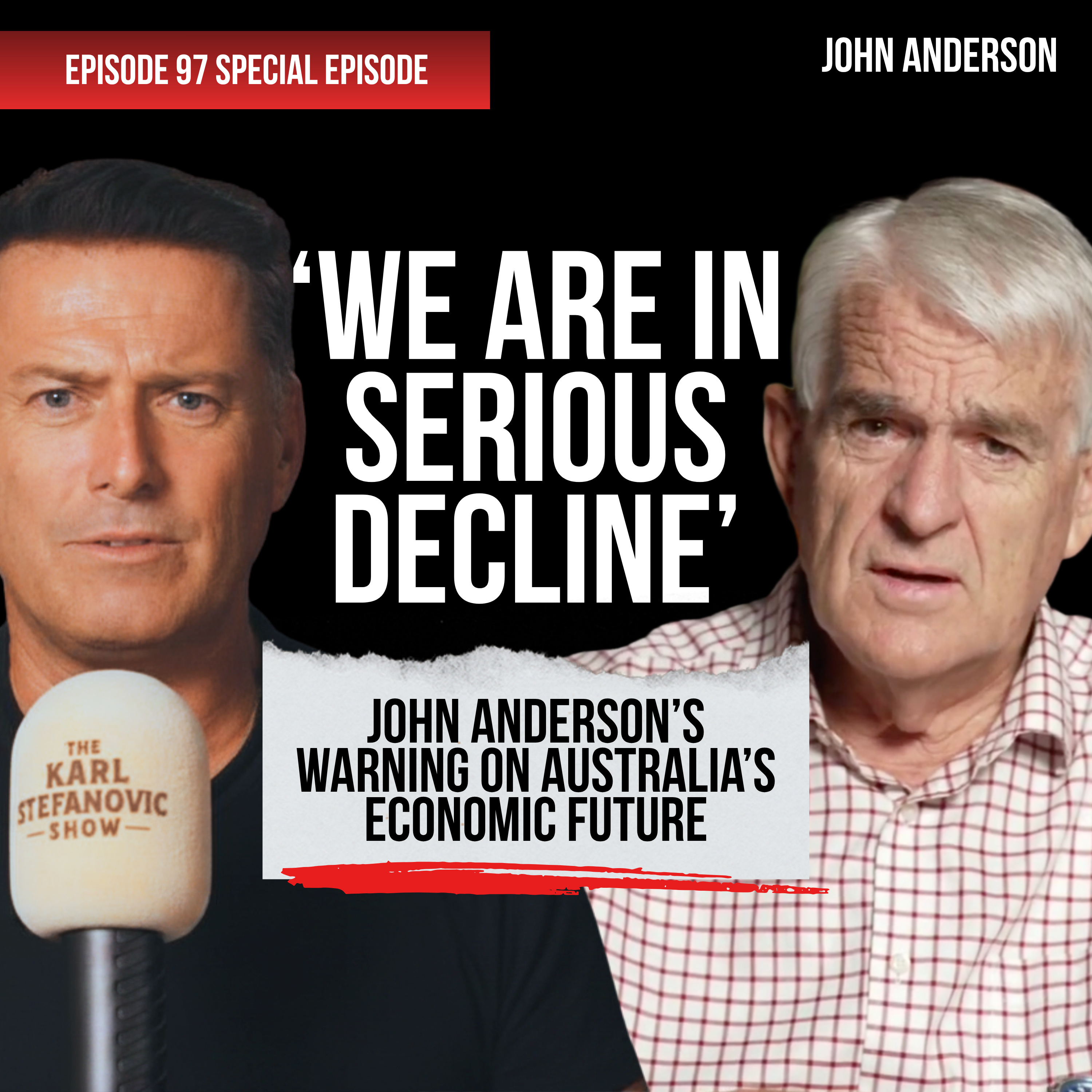
Former Deputy Prime Minister John Anderson joins Karl Stefanovic for a wide-ranging and confronting conversation about Australia’s future - and why he believes the country is in “serious decline.”Anderson sounds the alarm on Australia’s fuel and food security, warning that the nation is dangerously reliant on overseas supply chains and questioning how prepared we are for another major global disruption.He also takes on Australia’s economic direction, housing affordability, falling living standards, energy policy and the decisions he believes are weakening the country’s ability to compete and prosper.Anderson and Karl discuss the Albanese Government, the growing frustration with Australia’s political leadership, why voters are abandoning the major parties, and whether the country has lost the ambition and leadership required to tackle the challenges ahead.From Australia’s economic future to national security and sovereignty, Anderson asks a fundamental question: “Where is the leadership?”John Anderson joins Karl Stefanovic for a frank conversation about where Australia is heading - and what needs to change.
Hollie Hughes and Isaac Butterfield join Karl Stefanovic for a fiery new episode of The Panel.
The panel weighs in on Anthony Albanese’s controversial “melons’” gaffe, with Hughes declaring his comments “grotty and grubby” and Butterfield questioning whether Australians are seeing a different side of the Prime Minister.
Then, they take on Greens Senator Mehreen Faruqi’s support for students skipping school to protest One Nation, prompting Butterfield to declare: “This is what happens when schools brainwash kids” - while Karl calls students leaving school to protest “bad parenting”.
Karl also opens up about his concerns for Australian journalism, why he wants to hear from voices he believes have been overlooked, and why his approach to media is changing.
Plus: Australia’s housing pressures, the future of traditional media, political bias in journalism - and Karl’s mum makes an unexpected appearance.
Hollie Hughes and Isaac Butterfield join Karl Stefanovic on The Panel.
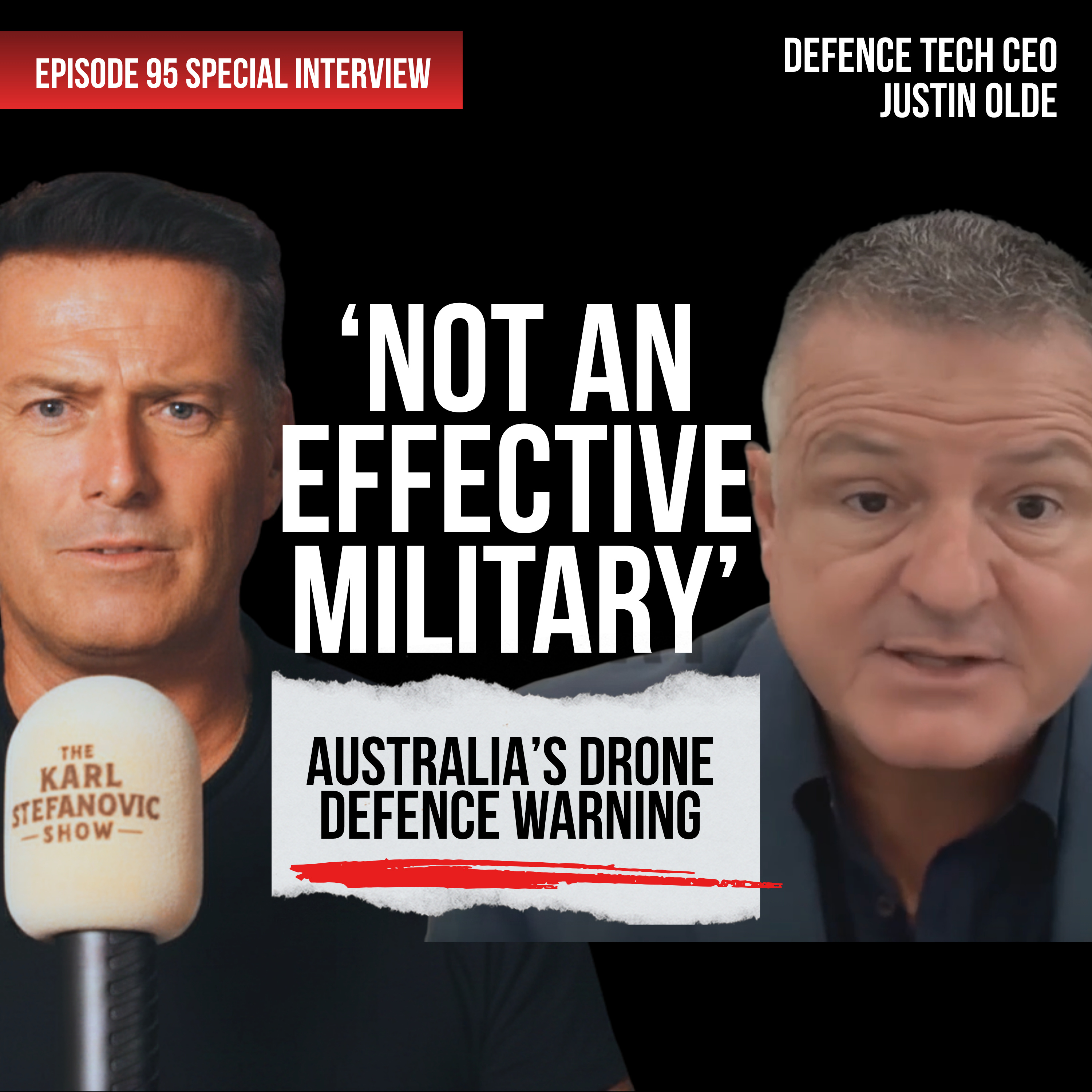
Australia has a growing drone problem, and the repeated breaches of restricted airspace over RAAF Base Williamtown have raised serious questions about how prepared we really are.
Karl speaks to Justin Olde, CEO of Canberra-based defence technology company Boresight, about the emerging threat posed by drones, the lessons Australia is learning from the war in Ukraine and why critical military and civilian infrastructure could be vulnerable.
Justin warns that drones over a military installation are unlikely to be harmless. They could be gathering intelligence, testing defences and identifying weaknesses in Australia's counter-drone capability.
His message is blunt: ‘if you're a modern military and you don't have an effective counter drone system in place, then you're not an effective military.’
So why were drones able to repeatedly enter restricted airspace over Williamtown? What other Australian assets could be vulnerable – from Sydney Harbour and Garden Island to critical infrastructure around the country? And why isn't Australia already fully equipped to deal with this threat?
Justin also explains how Boresight is building sophisticated target drones in Canberra to help militaries train against increasingly complex drone attacks, and why Australian technology companies such as Boresight, EOS and DroneShield are becoming increasingly important to the future of defence.
With drones transforming modern warfare, Justin argues Australia cannot afford to ignore the threat – or assume it won't happen here.
Subscribe to The Karl Stefanovic Show for more interviews and conversations on the biggest issues facing Australia.
Australia’s political landscape is shifting — and the major parties are under pressure.
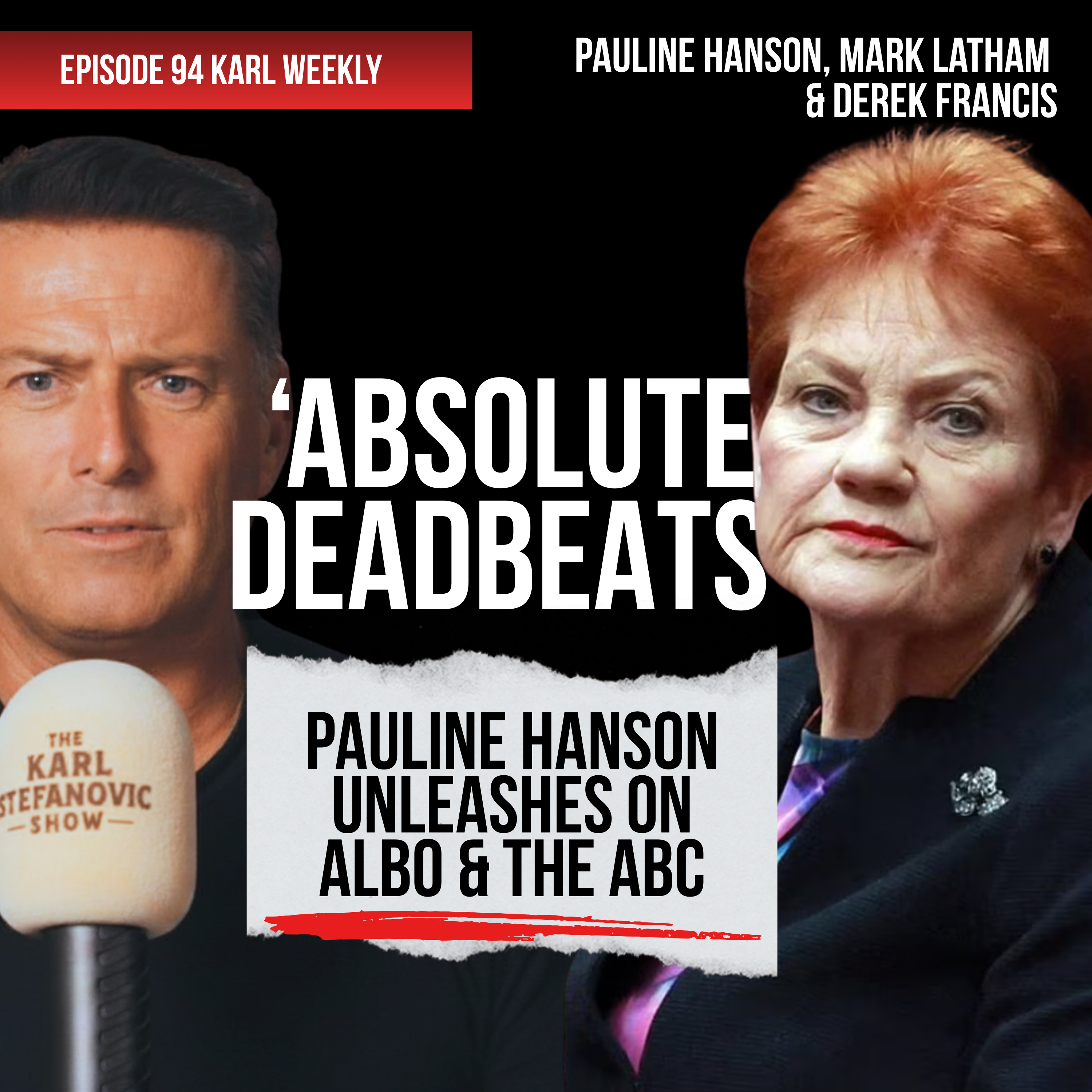
On Karl Weekly, Karl Stefanovic is joined by One Nation leader Pauline Hanson, former Labor leader Mark Latham and economist Derek Francis for a wide-ranging look at the issues driving voter frustration across the country.
Pauline Hanson weighs in as One Nation surges and takes aim at the direction of the country, while Mark Latham argues Australians are looking for someone to “shake up the system” after two decades of major-party failure.
Economist Derek Francis breaks down where taxpayer money is going, why he believes government spending is holding back economic growth, and the enormous opportunity Australia could be missing by failing to capitalise on its uranium and mineral wealth.
Plus, Latham delivers his verdict on Anthony Albanese, the controversy surrounding the Prime Minister’s comedy appearance and whether Australia is witnessing the end of politics as a two-party contest.
Subscribe to The Karl Stefanovic Show for more interviews, debate and conversations on the biggest issues facing Australia.
A huge thanks to our sponsors at TANDA. If you employ people in this country, you need to check them out. You can do everything from onboarding, training and paying team members to off-boarding and more. Go to https://www.tanda.com.au/
Is a divided right handing elections to the left?
Sir Jacob Rees-Mogg joins Karl Stefanovic for a wide-ranging conversation about the political and economic challenges facing Britain — and the striking parallels with Australia.
From Nigel Farage, Reform UK and Rupert Lowe to the future of the Conservative Party, Rees-Mogg argues Britain’s fractured right needs to find a way to work together if it wants to win again — pointing to Australia’s Liberal-National Coalition as a model worth considering.
He also weighs in on Britain’s migration crisis and why governments have failed to stop the boats, soaring energy prices, welfare dependency, government spending and taxation, and why he believes Britain needs fundamental economic reform.
Plus, does Britain need another Margaret Thatcher? And has bureaucracy gone too far when politicians are debating whether people should be allowed to drink standing up?
Could Australia learn from what’s happening in Britain?
Watch the full interview and tell us what you think.
25 minAbspielen in:
Gäste, die länger als 12 Monate zurückliegen, gibt es mit Pro. Pläne ansehen

 JM