Want in on a secret? Your likes and dislikes didn't develop by accident. There are subtle and not-so-subtle forces around you, shaping what you think, how you act, and even who you think you are. Brittany Luse is here to break the spell and help you feel wiser in a society that makes things blurry. THE BEST POP…
Right-wing ideology has crept into gyms across the country. Is this a new phenomenon, or is the very idea of "fitness" ripe for politicization? Is our idea of fitness inherently fascist? In this episode from our friends at Code Switch, We find out with political commentator Hasan Piker, historian Natalia Mehlman Petrzela and professor Ava Purkiss, author of Fit Citizens.
Support public media with NPR+ and enjoy perks for over 25 podcasts like this one. This show’s perks include sponsor-free listening. Learn more at plus.npr.org.
See pcm.adswizz.com for information about our collection and use of personal data for sponsorship and to manage your podcast sponsorship preferences.
NPR Privacy Policy
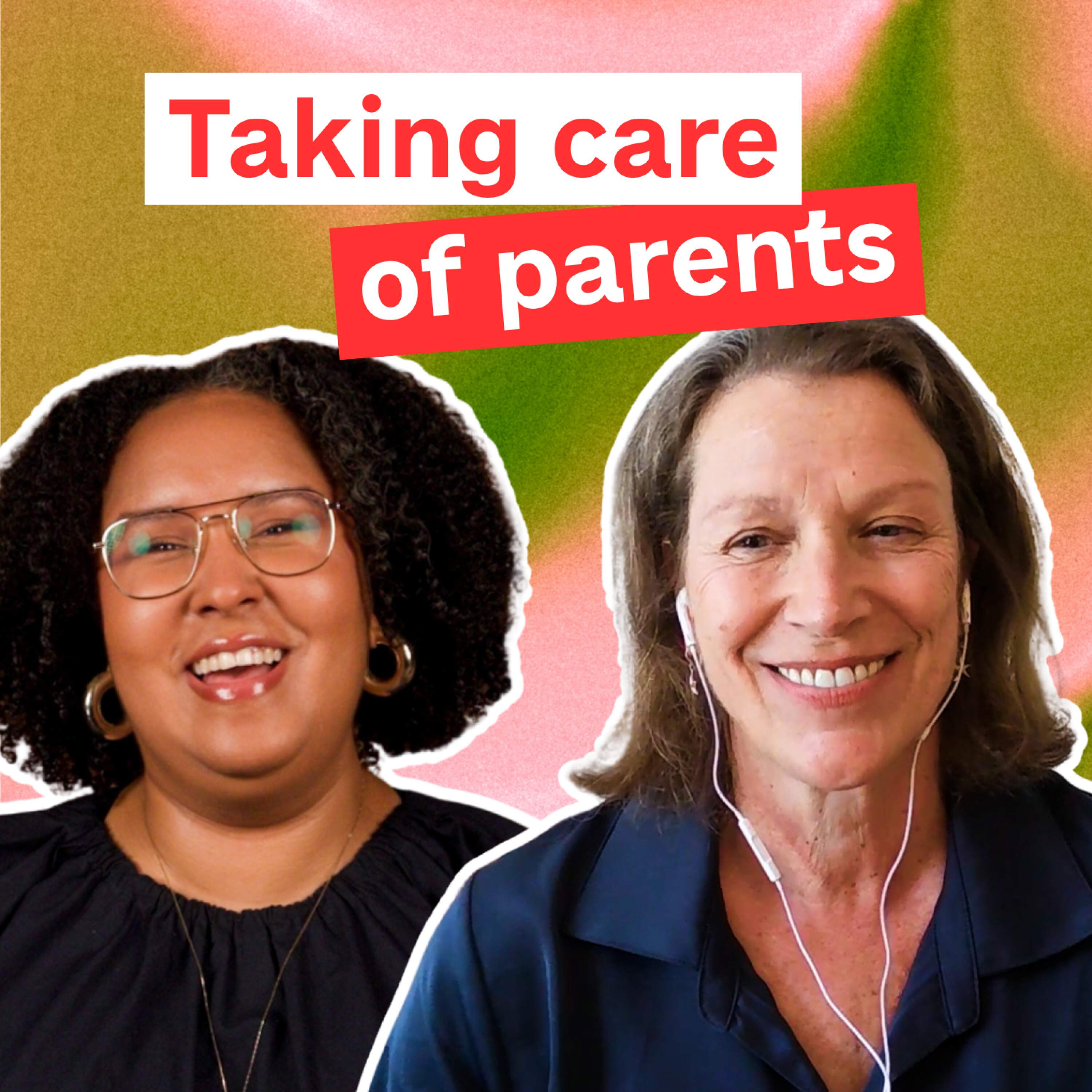
Caring for parents that may not have cared for you is hard.
Even in the best of scenarios, caring for an aging parent can be difficult and intense. But for those who may have had a complicated, fraught, or even abusive parent-child relationship, caring for the person who harmed them can be triggering. So, what options are there?
To answer that question Brittany is joined by Washington Post advice columnist, Carolyn Hax, and Dr. Alexandra Solomon, a licensed clinical psychologist in private practice, adjunct professor at Northwestern University, and the author of Love Every Day to talk through the complexities of managing - or completely opting out of - caring for your parents.
Support public media with NPR+ and enjoy perks for over 25 podcasts like this one. This show’s perks include sponsor-free listening. Learn more at plus.npr.org.
See pcm.adswizz.com for information about our collection and use of personal data for sponsorship and to manage your podcast sponsorship preferences.
NPR Privacy Policy
What does “authentic” music actually sound like?
It’s been an unprecedented year for arguing about “fake” music, and it’s not just because of AI. From bot-powered ticket sales and social media campaigns to manufactured artist identities and an endless wave of complaints against nepo babies, 2026 feels like a turning point in the timeless debate about authenticity in music. All Songs Considered host Robin Hilton breaks it all down with NPR Music’s Ann Powers and Isabella Gomez Sarmiento.
Support public media with NPR+ and enjoy perks for over 25 podcasts like this one. This show’s perks include sponsor-free listening. Learn more at plus.npr.org.
See pcm.adswizz.com for information about our collection and use of personal data for sponsorship and to manage your podcast sponsorship preferences.
NPR Privacy Policy
The holidays are already here, and that means the annual shopping craze has hit online and offline shopping carts across the world. Research estimates are placing the average holiday spending at around $700 per person, so how can we make sure that every penny we spend on a gift is worth it? And what can we learn from how other cultures do gift-giving? Brittany is joined by Russell W. Belk, professor of marketing at the Schulich School of Business at York University in Toronto, to find out.
Want more convos on economy and culture? Check out these episodes:
Why is divorce financially harder on women?
Your summer (Sponsored by prediction markets)
Support public media with NPR+ and enjoy perks for over 25 podcasts like this one. This show’s perks include sponsor-free listening. Learn more at plus.npr.org.
See pcm.adswizz.com for information about our collection and use of personal data for sponsorship and to manage your podcast sponsorship preferences.
NPR Privacy Policy
What the midterms can tell us about the priorities of young Americans.
A lot of people are still processing how Democrats essentially swept the midterms – and some of the most surprising shifts in voting have happened among young voters. Brittany sits down with Rachel Janfaza, founder of The Up and Up, a research and media firm focused on Gen Z, to get into where we might see some generational clashes in our politics, what young voters are thinking, and what narratives about them we might need to rethink.
For more episodes about politics and life, check out:
Bringing a chatbot to the polls
Testosterone doesn't equal masculinity.
Is your city shaped by yuppie taste?
Support public media with NPR+ and enjoy perks for over 25 podcasts like this one. This show’s perks include sponsor-free listening. Learn more at plus.npr.org.
See pcm.adswizz.com for information about our collection and use of personal data for sponsorship and to manage your podcast sponsorship preferences.
NPR Privacy Policy
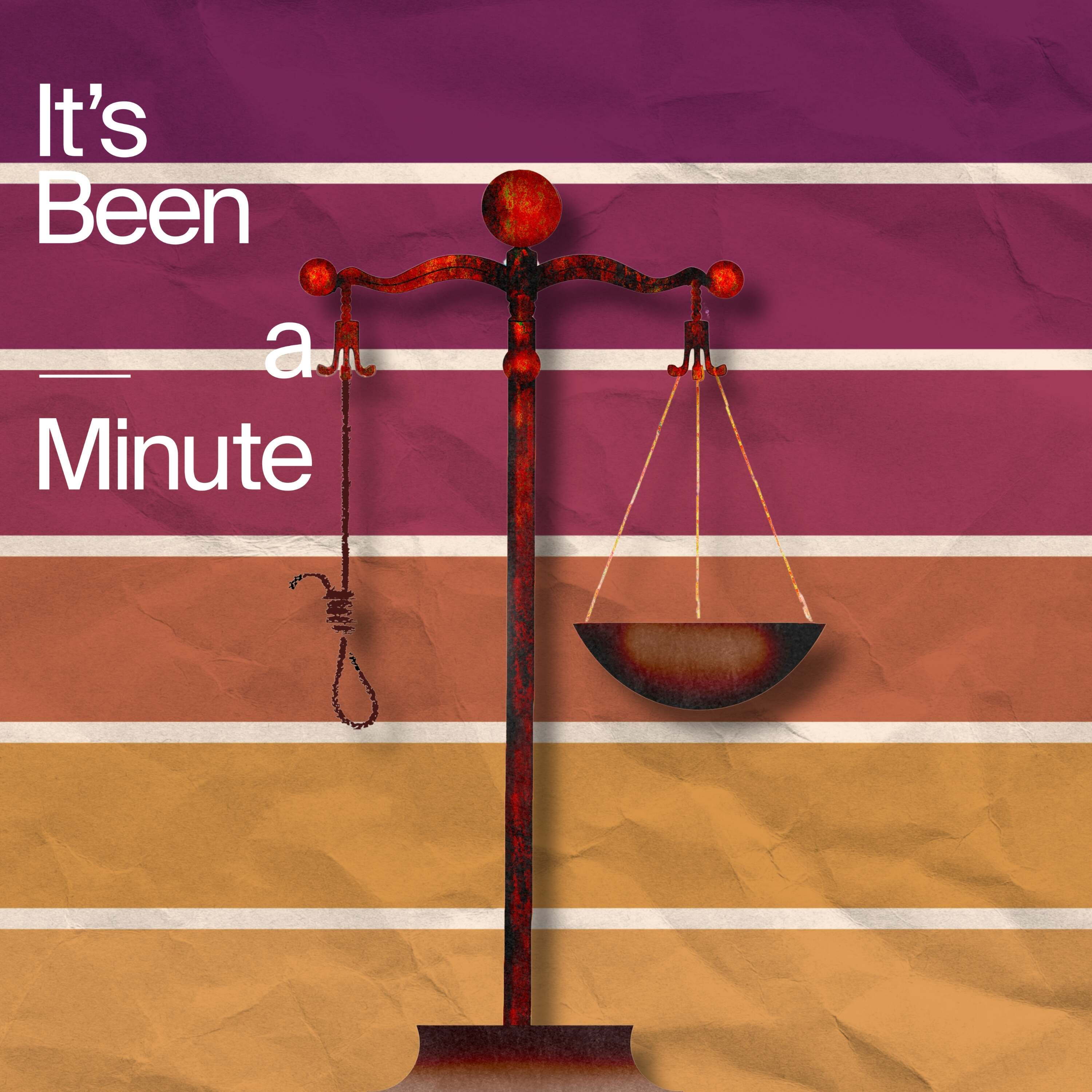
From a botched execution in Tennessee to the commutation of over 500 people on death row in California, capital punishment is all over the headlines.
But where do American attitudes toward the death penalty come from? And what do those attitudes say about the kind of society we want to be? To find out, Brittany chats with Ngozi Ndulue, Associate Professor of Law & Director of the Post-Conviction Criminal Defense Clinic at University of the District of Columbia David A. Clarke School of Law, and Dr. Michael Trotti, History professor and coordinator of legal studies at Ithaca College, and author of The End of Public Execution: Race, Religion, and Punishment in the American South.
Looking for more conversations about law and culture? Check out these episodes:
Why is divorce financially harder on women?
Abortion access is limited. Is Hollywood to blame?
Support public media with NPR+ and enjoy perks for over 25 podcasts like this one. This show’s perks include sponsor-free listening. Learn more at plus.npr.org.
See pcm.adswizz.com for information about our collection and use of personal data for sponsorship and to manage your podcast sponsorship preferences.
NPR Privacy Policy
Midlife isn’t just about body changes and sports cars.
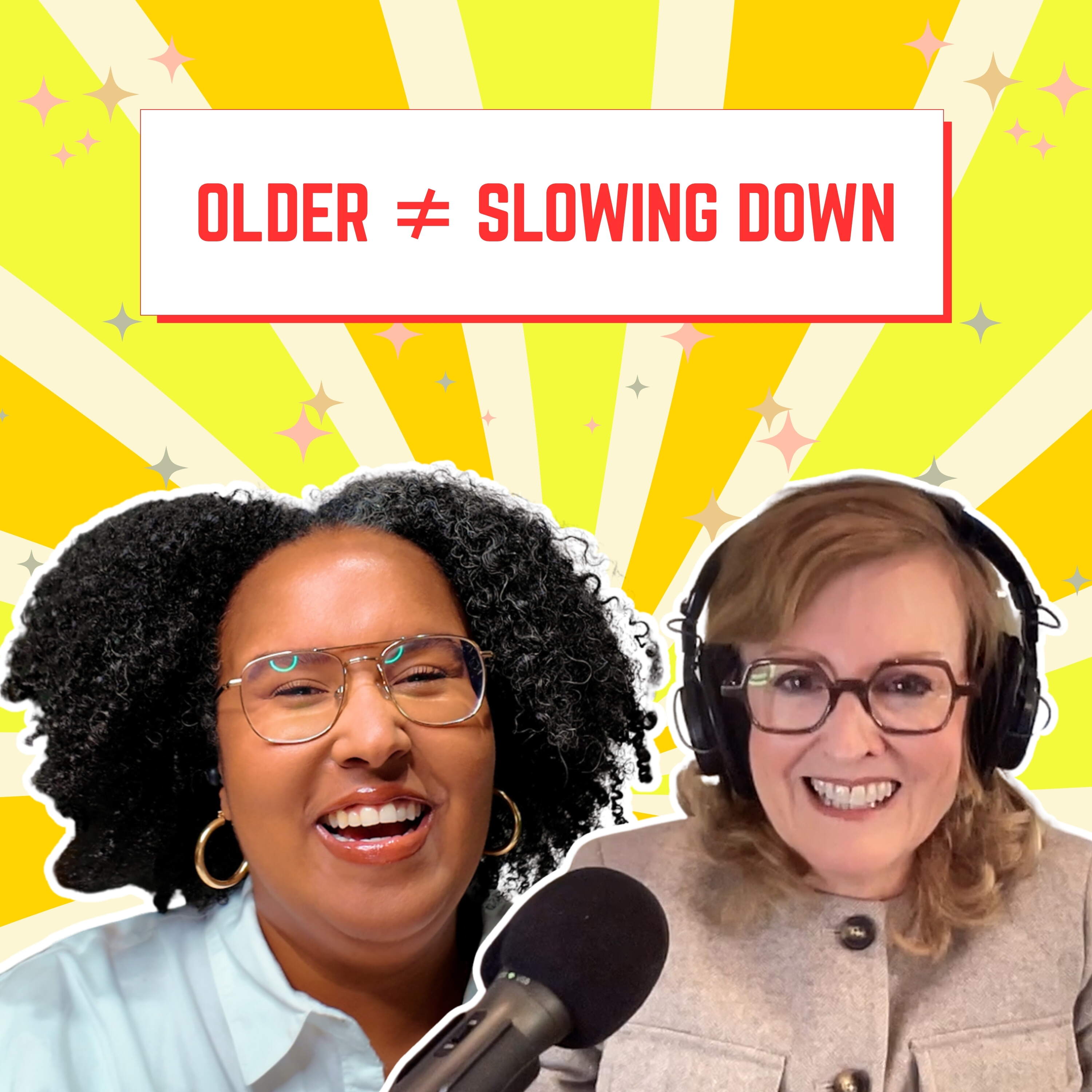
For Allison Aubrey, journalist and host of Your Turn, there’s more to midlife is a new opportunity. In fact, what we’ve been told of midlife –the reinvention and crisis— isn’t reflective of the reality. In fact, midlife is more of pivot, rather than an 180 degree change. Brittany Luse chats with Allison Aubrey about what to expect and not expect in midlife, why curiosity is key, and what it means to share wisdom with younger generations.
Support public media with NPR+ and enjoy perks for over 25 podcasts like this one. This show’s perks include sponsor-free listening. Learn more at plus.npr.org.
See pcm.adswizz.com for information about our collection and use of personal data for sponsorship and to manage your podcast sponsorship preferences.
NPR Privacy Policy
In response to the rape allegations out of Cornell University, many parents are online questioning the lessons they are teaching their children.
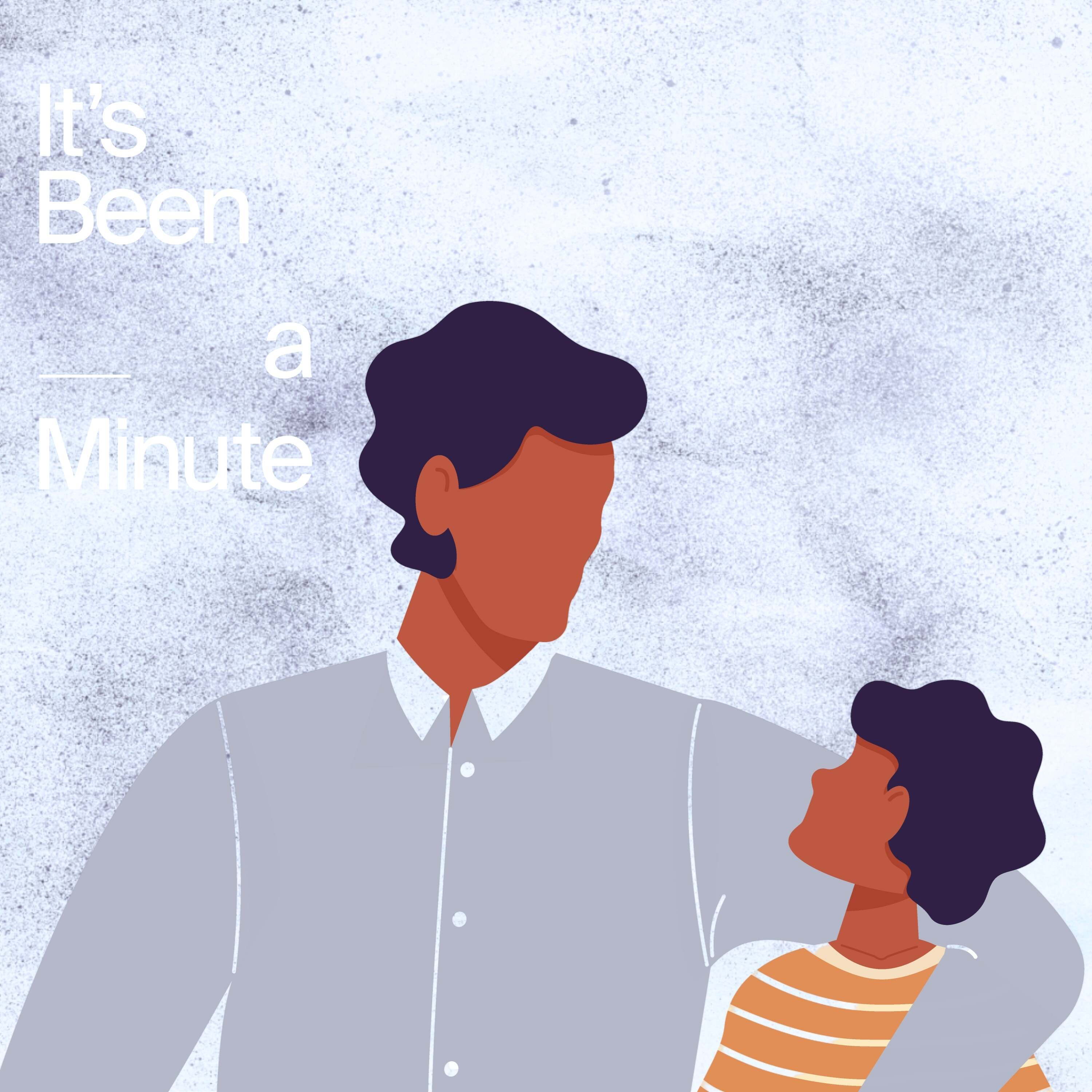
But what about the fathers who are raising the next generation of boys? What conversations are they having with their sons about consent? To find out, Brittany is joined by Kathryn Jezer-Morton, writer for The Cut's Brooding column, and Jenny Grossman, senior research scientist at the Wellesley Centers for Women at Wellesley College.
Want more conversations at the intersection of gender and culture? Tap into these episodes:
Where did all the 'masculine men' go?
Are we fueling violence against women?
Support public media with NPR+ and enjoy perks for over 25 podcasts like this one. This show’s perks include sponsor-free listening. Learn more at plus.npr.org.
See pcm.adswizz.com for information about our collection and use of personal data for sponsorship and to manage your podcast sponsorship preferences.
NPR Privacy Policy
Why IQ still matters to people - even if it's biased.
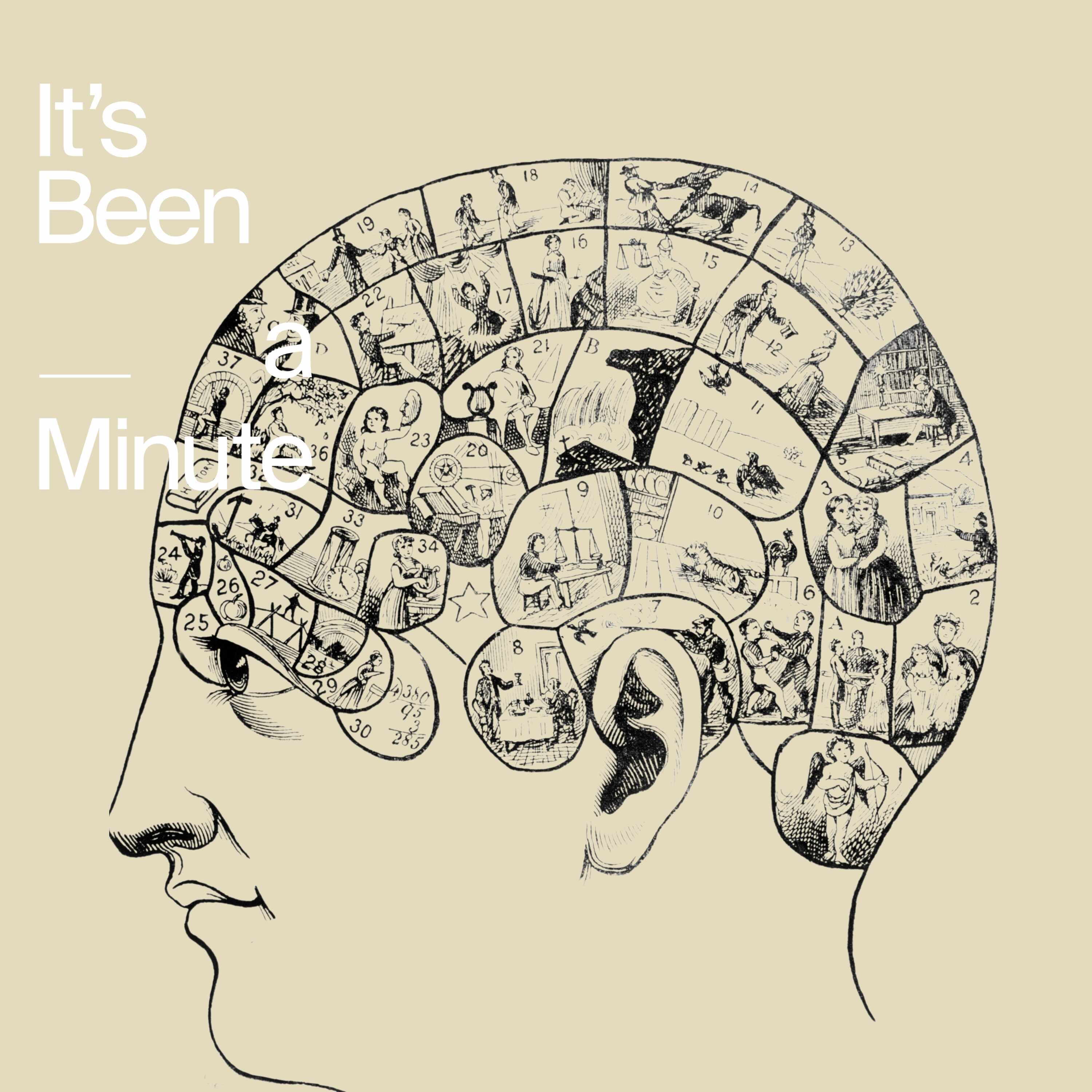
President Trump and Silicon Valley tech bros are obsessed with IQ, but the history of intelligence testing is full of bunk race science and eugenics. With the rise of AI's "super intelligence," should we still be ranking human intelligence at all? In this crossover episode with our friends at Code Switch, we explore who gets labeled as smart with Quinn Slobodian, author of Hayek’s Bastards: Race, Gold, IQ, and the Capitalism of the Far Right and Angela Saini, author of Superior: The Return of Race Science.
(00:00) Why Trump and Silicon Valley are obsessed with IQ
(03:27) The tech right's IQ fetishism
(06:30) How 'The Bell Curve' justified inequality
(09:05) IQ's political consequences
(15:28) The BITCH test and valuing diverse intelligences
(22:23) The myth of biological race
(26:13) Does nurture matter more than nature for intelligence?
(32:27) Rejecting IQ hierarchies
For more episodes about the politics of intelligence, check out:
The price you pay for being smart
Books vs. Brain Rot: why it's so hard to read
You might be suffering from AI brain fry
Support public media with NPR+ and enjoy perks for over 25 podcasts like this one. This show’s perks include sponsor-free listening. Learn more at plus.npr.org.
See pcm.adswizz.com for information about our collection and use of personal data for sponsorship and to manage your podcast sponsorship preferences.
NPR Privacy Policy
How do you decide who to vote for?
Some people are turning to AI chatbots to craft bespoke voter guides, while others are leaning on the wisdom of their favorite Instagram or TikTok influencers to guide them to the polls. But what are the pitfalls of each of these approaches, and what does our reliance on them say about what we need to feel informed? To find out, Brittany is joined by Maham Javaid, NPR politics reporter, and Dr. Martin Riedl, assistant professor of journalism and media at the University of Tennessee, Knoxville.
Are you looking for more conversations on politics and culture? Check these out:
The DSA vs. establishment Democrats
How often do you think about the American Empire?
Support public media with NPR+ and enjoy perks for over 25 podcasts like this one. This show’s perks include sponsor-free listening. Learn more at plus.npr.org.
See pcm.adswizz.com for information about our collection and use of personal data for sponsorship and to manage your podcast sponsorship preferences.
NPR Privacy Policy
Does private equity turn restaurants into zombified husks of their former selves?
From the Crumbl and Insomnia cookie empires, to some of our country's most enduring chains like Dunkin and Panera, private equity is getting its hands in a lot of food chains. And some consumers are actively avoiding places that are private equity backed – expecting high prices, low quality, and an unsettling sameness to the food. But what's behind all the private equity money in these food chains? And what makes the hate of it so personal?
To get into it, Brittany is joined by Alaina Demopoulos, daily features writer at the Guardian, and Courtney E. Smith, founder and owner of the independent food and culture site Ravenous.
(00:00) Why some are spooked by private equity in food
(2:04) Bagels, cookies, and Panera: what private equity involvement looks like
(06:22) The soulless private equity aesthetic
(10:15) Why restaurants are attractive to private equity - despite thin margins
(13:17) Why do some people take private equity involvement so personally?
For more episodes about food culture, check out:
Bacteria is taking over the food pyramid
Is the internet choosing your food?
It's healthy to eat your feelings. Here's why.
Support public media with NPR+ and enjoy perks for over 25 podcasts like this one. This show’s perks include sponsor-free listening. Learn more at plus.npr.org.
See pcm.adswizz.com for information about our collection and use of personal data for sponsorship and to manage your podcast sponsorship preferences.
NPR Privacy Policy
Who do you trust to help you make decisions about your sexual health?
In the absence of widespread public health campaigns and high-profile narratives in TV and film about HIV prevention, Gen Z is turning to their chatbots of choice to help them make decisions regarding their sexual health. While some call it innovative, is there something that gets missed when the hard conversations about safety and pleasure become a digital feedback loop? Brittany is joined by Jerrell K.L. Hardnett, Associate Director of Education and Advocacy at GLAAD, and Dr. Samantha Hill, Associate Professor of Pediatrics at Emory University to find out.
Want more episodes on AI's influence on culture?
You might be suffering from AI brain fry
Generative AI's race problem
Support public media with NPR+ and enjoy perks for over 25 podcasts like this one. This show’s perks include sponsor-free listening. Learn more at plus.npr.org.
See pcm.adswizz.com for information about our collection and use of personal data for sponsorship and to manage your podcast sponsorship preferences.
NPR Privacy Policy
Census data about race can be incredibly important – but we might lose it.
The Trump administration has proposed to stop asking people in the U.S. about their race and ethnicity in the upcoming 2030 census. But what's the point of getting rid of these questions? And what makes the narratives around our nation's demographics so fraught?
To get into it, Brittany is joined by Russell Contreras, senior race and justice reporter at Axios, and Hansi Lo Wang, a correspondent at NPR who covers voting rights and the census.
For more episodes about policy and culture, check out:
Bacteria is taking over the food pyramid
Is your city shaped by yuppie taste?
Don't get got by big MILK
(00:00) Understanding the Trump administration's census proposal
(02:58) Will the government stop collecting data on race?
(05:34) What we use race data for
(10:04) The proposal to stop counting some non-citizens in the census
(14:42) How shifting categories might change census data
(20:52) Who's afraid of America's changing demographics?
Support public media with NPR+ and enjoy perks for over 25 podcasts like this one. This show’s perks include sponsor-free listening. Learn more at plus.npr.org.
See pcm.adswizz.com for information about our collection and use of personal data for sponsorship and to manage your podcast sponsorship preferences.
NPR Privacy Policy
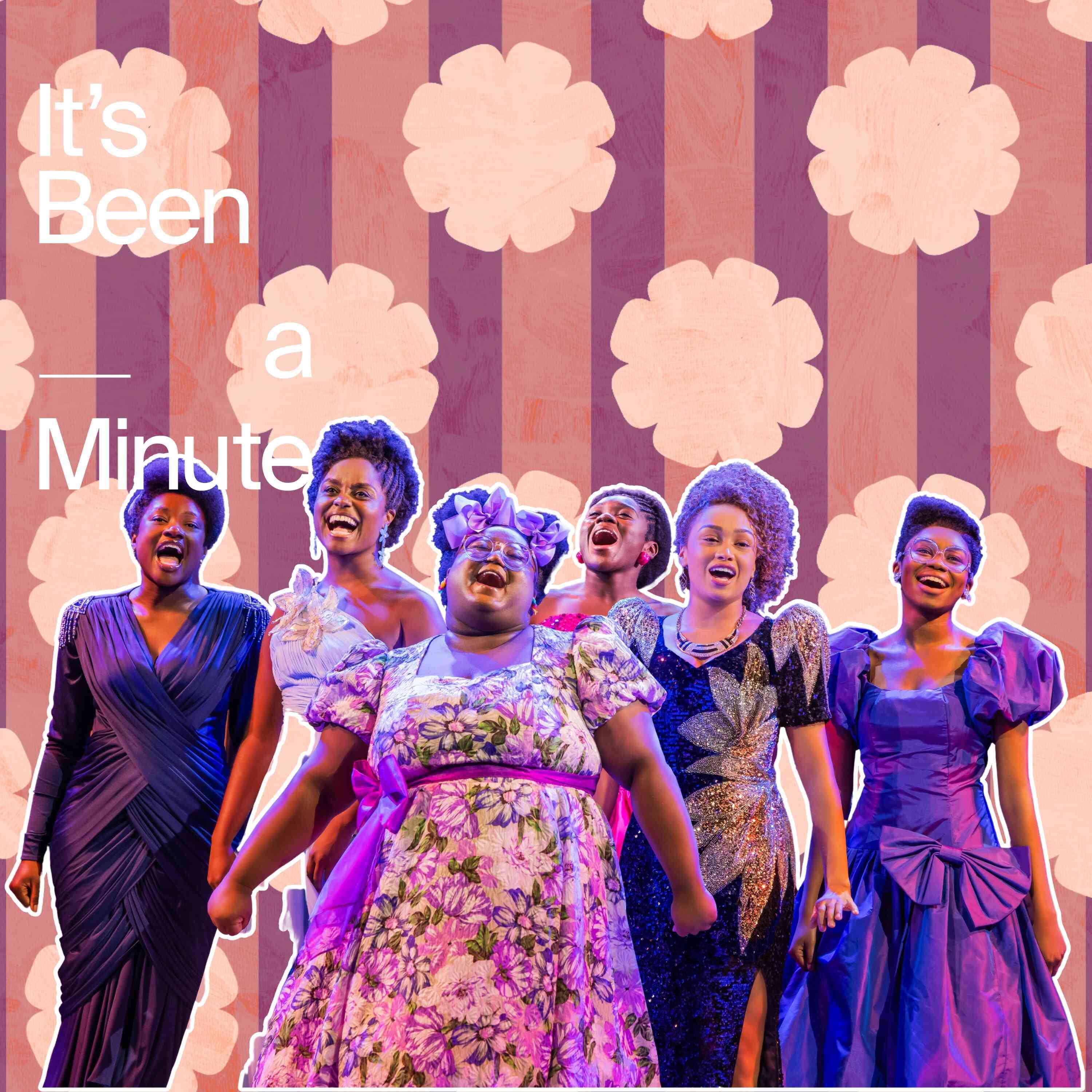
Some of life's hardest lessons are learned in high school.
In Jocelyn Bioh's Broadway play, School Girls; or, the African Mean Girls Play, the ladies of Aburi Girls' Boarding School live these hard lessons through their friendships, feuds, and the upcoming Miss Ghana 1986 beauty pageant. But what does a play about teenagers in the 80s have to tell us about gossip, girlhood, and how it feels to not be chosen for reasons out of your control? Brittany is joined by playwright Jocelyn Bioh and director Whitney White to find out.
Want more conversations on theater and culture? Check out these episodes:
'Cats: The Jellicle Ball' gets 10s across the board
Has Broadway lost its way?
Tony nominee Jocelyn Bioh puts braiders centerstage
Cole Escola literally changes history in 'Oh, Mary!'
Support public media with NPR+ and enjoy perks for over 25 podcasts like this one. This show’s perks include sponsor-free listening. Learn more at plus.npr.org.
See pcm.adswizz.com for information about our collection and use of personal data for sponsorship and to manage your podcast sponsorship preferences.
NPR Privacy Policy
Social media has made it easy for everyone to give their opinion...so why do people hate critics?
To answer that question Brittany is joined by Lovia Gyarkye, culture editor at Hammer and Hope, a magazine dedicated to Black culture and politics. Lovia’s spent the bulk of her career researching, reflecting, and writing about the films, artists, and celebrities we’ve come to love. And in that process, she’s found ways to embrace curiosity and skepticism, two essential parts of being a critic.
Today on the show, Lovia defines what being a critic means for her, the ‘thinking’ problem so many of us face, and the power of giving something your sustained attention.
Support public media with NPR+ and enjoy perks for over 25 podcasts like this one. This show’s perks include sponsor-free listening. Learn more at plus.npr.org.
See pcm.adswizz.com for information about our collection and use of personal data for sponsorship and to manage your podcast sponsorship preferences.
NPR Privacy Policy
How do you know what's safe to eat?
You don't. And after a summer full of food recalls from lettuce to blueberries and even jalapeños, a regular trip to the grocery store can start to feel like a dangerous game. But how are the flaws in our food safety system creating issues beyond what we choose to grab in the produce aisle? To find out, Brittany is joined by Eric Schlosser, author of Fast Food Nation: The Dark Side of the All-American Meal.
Want more episodes on food, access, and power? Check these out:
The politics of hunger
Think the Medicaid cuts don't affect you? Think again.
You can read Eric's piece, "Should We Be Afraid of Our Food?" in the Atlantic.
Support public media with NPR+ and enjoy perks for over 25 podcasts like this one. This show’s perks include sponsor-free listening. Learn more at plus.npr.org.
See pcm.adswizz.com for information about our collection and use of personal data for sponsorship and to manage your podcast sponsorship preferences.
NPR Privacy Policy
Recipes online seem to have all become… kind of the same.
They're described in lots of words that end in y – creamy, jammy, lemony – and they tend to use lots of globally sourced pastes like miso, gochujang and harissa. The luscious photos and videos that accompany them border on erotic. But how did this become the norm? What has the internet done to our palates – and what do today's tastes say about us?
To find out, Brittany is joined by Ruby Tandoh, cookbook writer and the author of All Consuming: Why We Eat the Way We Eat Now.
(00:00) Why online recipes all seem the same
(01:59) What shapes our tastes?
(03:28) How food influencers capture your attention
(06:53) 'Twist culture': why there's miso in everything
(09:30) American food is inescapable
(13:03) The roots of 'silly little drink' culture
(16:58) How algorithms drive orthorexic food ideas
(19:20) The rise of ultra-processed 'healthy' foods
(24:47) The politics of cooking and performative homemaking
For more episodes about food culture and how we eat, check out:
It's healthy to eat your feelings. Here's why.
Is your city shaped by yuppie taste?
The heavy weight of diet culture
Support public media with NPR+ and enjoy perks for over 25 podcasts like this one. This show’s perks include sponsor-free listening. Learn more at plus.npr.org.
See pcm.adswizz.com for information about our collection and use of personal data for sponsorship and to manage your podcast sponsorship preferences.
NPR Privacy Policy
Got first date jitters? Maybe your siblings are already starting drama ahead of the holidays? Or perhaps you need tips on supporting a friend through a hard time?
You’re in good hands, because starting on Monday, September 28th to Wednesday September 30th, from 1pm-2pm ET, Brittany will be hosting a pop-up show called Please Advise, where she'll be giving advice LIVE on WNYC.
But first, Brittany’s getting advice on how to give advice. NPR Embedded producer and author of The Other Significant Others: Reimagining Life with Friendship at the Center, Rhaina Cohen joins the show to share her expertise. Because knowing when to chime in with advice -- versus biting your tongue and lending an ear instead -- is an artform, and Rhaina has some insight on it all.
You can listen to Brittany on Please Advise at WNYC.org.
Support public media with NPR+ and enjoy perks for over 25 podcasts like this one. This show’s perks include sponsor-free listening. Learn more at plus.npr.org.
See pcm.adswizz.com for information about our collection and use of personal data for sponsorship and to manage your podcast sponsorship preferences.
NPR Privacy Policy
Are neutrals dominating your color palette?
Our world is looking kind of gray. Not the trees, the grass or the sky – but the cars, the buildings, the houses, and the decor and appliances in them. Neutrals dominate – like the famous “Millennial gray.” There are a lot of reasons, both structural and cultural, why color is leaching out of some of our most important and most expensive possessions – but what do we think our colors say about us? And what role does color play in our lives today?
To get into it, Brittany is joined by Amogh Dimri, assistant editor at The Atlantic and the writer of a piece about “the color recession,” and Katy Kelleher, a writer, editor, and author of the book The Ugly History of Beautiful Things.
(00:00) What does the color recession look like?
(02:26) How American cities lost their color
(06:26) Who's really picking 'Millennial gray'?
(08:28) What color choices say about class
(13:15) Why color might be scary
(20:33) Finding the freedom to be colorful
For more episodes on tastes, design and material culture, check out:
Fashion isn't art. It's something more.
The ugly truth of America's expensive homes
The hard work of having "good taste"
Support public media with NPR+ and enjoy perks for over 25 podcasts like this one. This show’s perks include sponsor-free listening. Learn more at plus.npr.org.
See pcm.adswizz.com for information about our collection and use of personal data for sponsorship and to manage your podcast sponsorship preferences.
NPR Privacy Policy
25 minAbspielen in:
Gäste, die länger als 12 Monate zurückliegen, gibt es mit Pro. Pläne ansehen

 AP