Welcome to The Marathon Podcast! 15% off Saysky with code TMP15 The podcast that sponsors non-sponsored athletes. This is a podcast for established runners, future runners, and people interested in running. On this podcast, we will focus on everything running. Science, nutrition, training, gear, and much more…
The Marathon Podcast is now proudly sponsored by Saysky Copenhagen. Use code TMP15 for 15% off at saysky.com.
Get 20% off a Strava annual subscription with code KRISTIAN
Save on FlexBeam using code WARWICKRUNS or this link: https://rechargehealthas.sjv.io/55GAPb
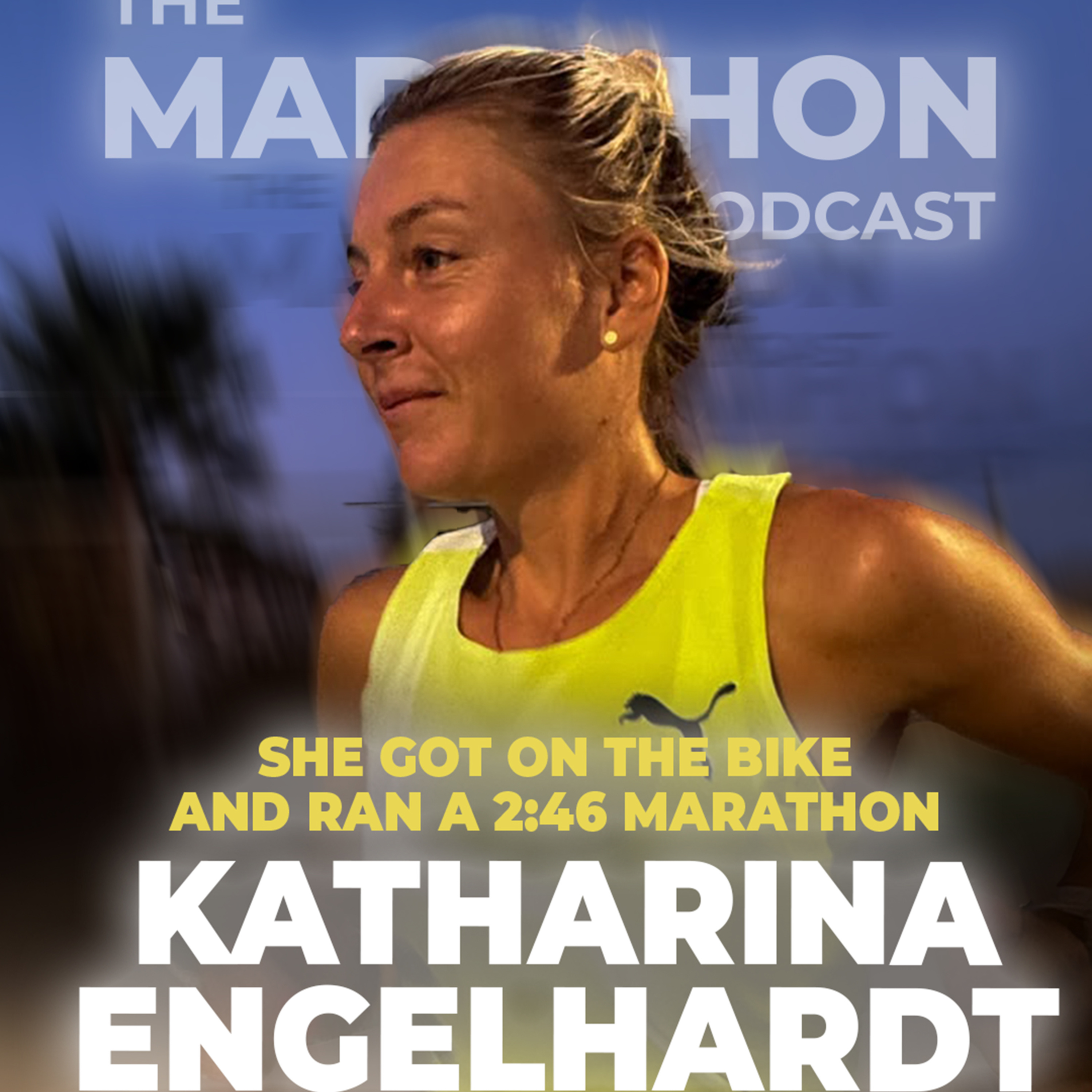
Merga Gemeda ran 2:10:32 to finish 20th at the 2026 New York City Marathon, the eighth American across the line, in only his second marathon. His debut at Grandma's had gone very differently, and that contrast is what makes this conversation so good.
Merga is a great example of someone entering a new discipline. He grew up playing soccer in Iowa, found cross country as a junior, ran 5K and 10K for five years at the University of South Dakota, and then joined Minnesota Distance Elite in 2023. Moving up to the roads changed everything, and he has so much potential still ahead of him.
We talk about New York in detail: the hills from the start, the crowds that carry you, the silence on the bridges, and the moment in Central Park where he had a Grandma's flashback and refused to let it happen again. He also shares what he changed after his first marathon, a normal 120 mile week, the 27 mile long runs on a hilly loop, why a family where nobody runs takes the pressure off, and what is next with the Houston Half in January.
In this episode:
- Running New York: hills, crowds and Central Park
- From soccer player to cross country runner in Iowa
- Joining Minnesota Distance Elite
- Moving from the 10K to the roads and the marathon
- Grandma's debut: going out too hard and skipping fluids
- What changed before New York
- Racing the pack instead of the watch
- A normal 120 mile training week
- 27 mile long runs and preparing for hills
- What makes Minnesota Distance Elite special
- Goals and what is next
Timestamps
00:00 Intro to Merga Gemeda
01:36 A few things before we dive in
04:44 Skating on a frozen lake in Norway
06:41 My training update before Valencia
08:21 Welcome, Merga
08:39 New York: the crowds and the quiet bridges
12:14 Merga's story: Iowa, South Dakota and Minnesota
14:10 Quitting track, then finding cross country
15:52 A family where nobody runs
17:54 Why he moved up to the roads and the marathon
19:30 The Houston half marathon debut
20:41 Does his family understand the times?
23:59 Pacing the Marathon Project and shifting to the marathon
25:26 Grandma's debut and the lessons from it
30:38 Learning from a race that does not go to plan
32:02 What changed before New York
35:34 The hills of New York
37:11 Central Park and the push to 2:10
39:10 20th place and the eighth American
41:19 Looking back on the breakthrough
42:53 How to prepare for New York's hills
44:49 Racing the pack, not the watch
46:54 A normal 120 mile week
50:16 Long runs and the 27 mile over distance
56:02 Strength work
56:56 What makes Minnesota Distance Elite special
58:31 Goals for the future
59:23 Has life changed after New York?
1:00:51 Next race: the Houston half
Follow Merga on Instagram: @merga_gemeda
Start your free Musicbed trial: https://fm.pxf.io/kristian
The Marathon Podcast is now proudly sponsored by Saysky Copenhagen. Use code TMP15 for 15% off at saysky.com.
Get 20% off a Strava annual subscription with code KRISTIAN
Save on FlexBeam using code WARWICKRUNS or this link: https://rechargehealthas.sjv.io/55GAPb
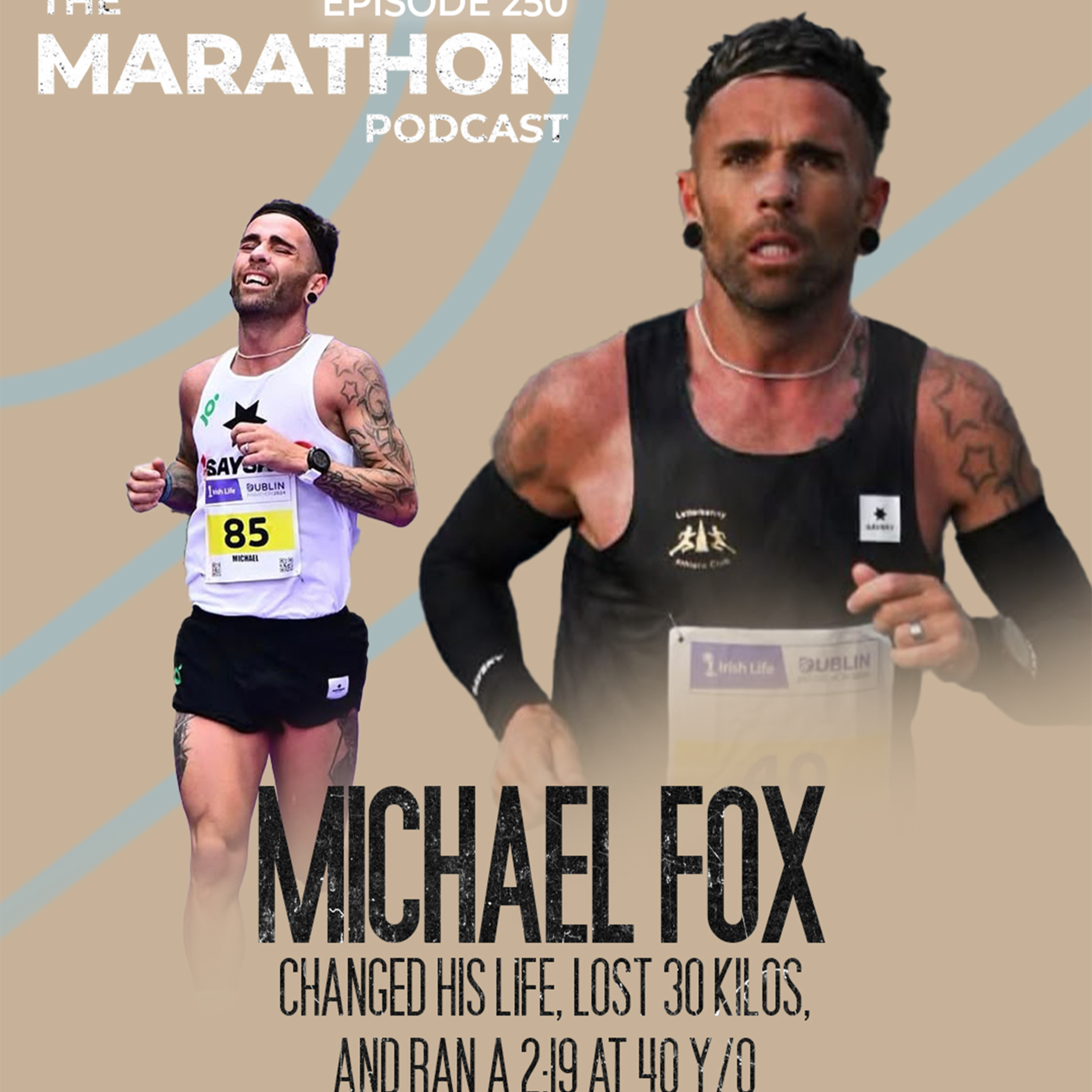
Mick Fox is a 40-year-old dad of three and a 2:19 marathoner who, ten years ago, would not have believed any of it. He was overweight, unhappy and a long way from the fast kid who won Irish school medals. Then a first marathon, signed up for with a young baby at home, changed everything. Mick ran 2:40 in that first race, and he has been chasing the next level ever since.
I have wanted to have Mick on for a long time, and this was one of those conversations where I came away feeling like I had gained a friend. We talk about how he rebuilt his life one step at a time, the 100-mile weeks through COVID that changed his running, the London 2022 race where he ran 2:27 after weaving through costumed runners, and the Dublin 2025 race where he broke 2:20.
Mick also shares what he has learned the hard way about being greedy when things are going well, why he works with Olympian Kevin Seaward, and the mindset I keep thinking about: do not let the lazy thought win. We also talk about running for yourself, why a time is "only a time on a board," and our plans for Valencia, where we are both on the start line.
In this episode:
- From overweight and unhappy to a 2:19 marathon at 39
- Why he signed up for a marathon in the first place
- 100-mile weeks, consistency and what finally moved the needle
- London 2022, Spiderman and a 2:27
- Breaking 2:20 and the champagne tradition after every marathon
- Running for yourself, not for social media
- The "lazy thought" that costs you two weeks of training a year
- Why a coach who has been there matters
- A normal training week, easy runs and Valencia plans
Timestamps
00:00 Intro to Mick Fox
03:47 My Valencia update and the ShakeOut
08:07 Welcome, Mick
09:00 Ten years ago, and where he is now
14:14 Who Mick is: husband, dad, runner
17:08 The moment he decided to change
19:56 Running as a kid, Australia and losing the habit
22:04 Getting back to running
25:49 First marathon: 2:40
31:24 Crying on the curb, then COVID mileage
34:32 London 2022 and the Spiderman race
37:35 Dublin, injuries and the storm
39:38 Running 2:19
43:22 The champagne tradition
48:38 Who are you doing it for?
54:05 The lazy thought that costs you two weeks
56:25 What he would not recommend
57:17 Working with Kevin Seaward
1:05:04 A normal marathon training week
1:08:36 How easy are his easy days?
1:09:46 Goals for Valencia and final advice
Follow Mick on Instagram: @runningfox26.2
Start your free Musicbed trial: https://fm.pxf.io/kristianwarwick
Full episodes + the Boston 2025 documentary: https://www.youtube.com/@Warwickruns
Follow my training journey on Instagram: @warwick.runs
Music from Musicbed: MB01XPYH8ZYENVAMB0133EV2TCQFZY
The Marathon Podcast is now proudly sponsored by Saysky Copenhagen. Use code TMP15 for 15% off at saysky.com.
Get 20% off a Strava annual subscription with code KRISTIAN
Save on FlexBeam using code WARWICKRUNS or this link: https://rechargehealthas.sjv.io/55GAPb
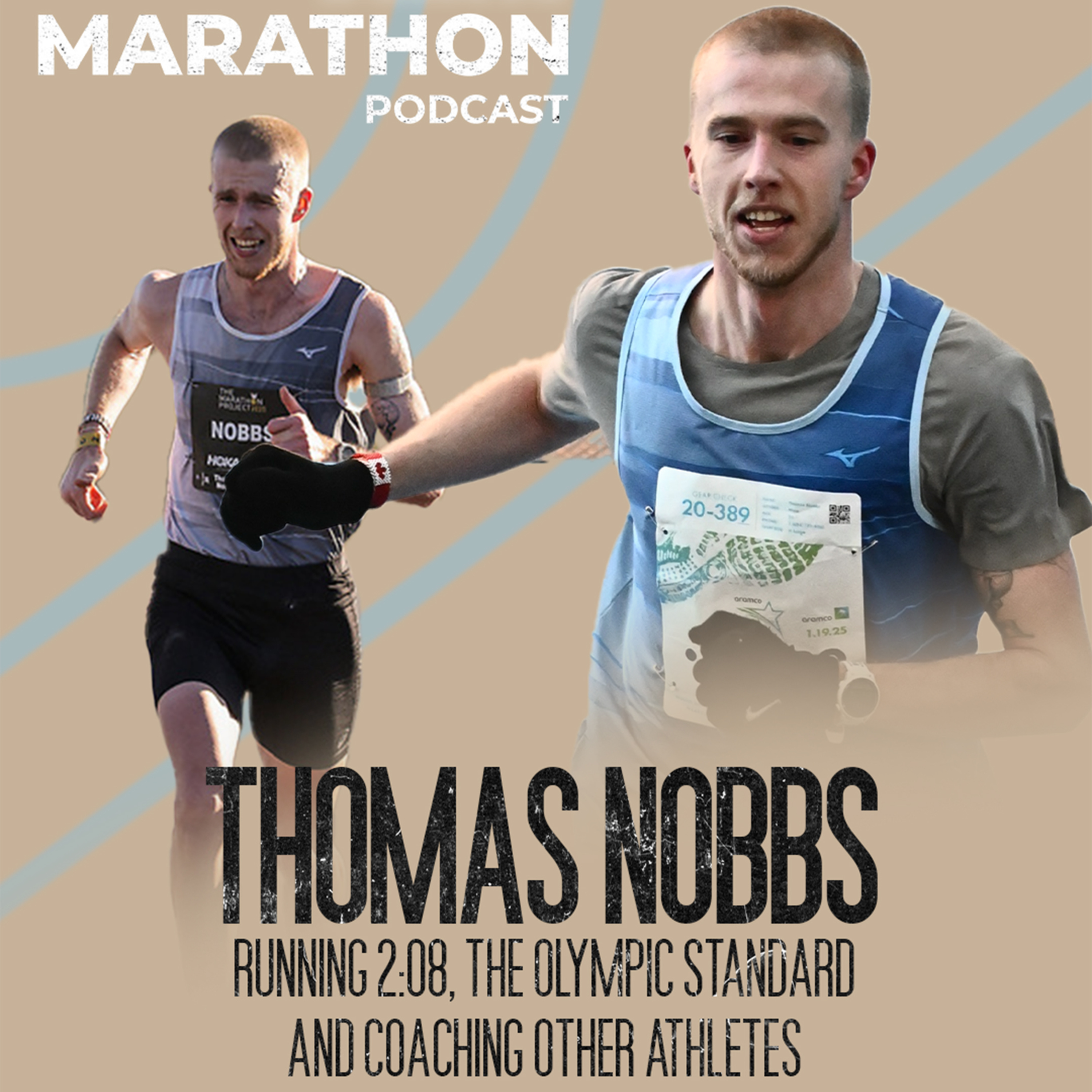
Thomas Nobbs is back on The Marathon Podcast for the third time, almost exactly a year after the breakthrough that put him on the map. The Vancouver runner has gone from a 2:12 marathon to 2:09 at the McKirdy Micro Marathon in March and now a 2:08:35 personal best in Chicago, good for 17th place. He says he has only ever PB'd in the marathon.
We talk through the Chicago race, including the fast start in a pack he did not plan to be in and the hamstring scare at 40K that made him stop. Thomas explains why he has never run out of ambition, how his "horizon line" keeps moving every time he hits a new time, and why most people simply need the right environment and more years rather than a magic shortcut.
I am three weeks out from Valencia, so I also used this conversation to ask the questions I was wondering about myself: what to do when you are not hitting race pace in training, how to trust the taper, how to handle feeling good at a pace you have barely seen in training, and why a coach is still worth more than a watch or an AI prediction.
In this episode:
- Thomas's Chicago Marathon: 2:08:35, a PB, and what went right and wrong
- Why he sees a year-long progression as the result of consistency, not luck
- The "horizon line" mindset and what comes after a 2:08
- Why most athletes need stable conditions, sleep and time, not gear
- How Canadian marathoning is rising, with Thomas, Andrew Davies and the group chasing the Olympic standard
- Why easy runs are slow, and why running more mileage makes you slower
- Race-day effort, tapering and the "sandbags" analogy
- Why coaching matters in a world of AI and Strava comparisons
Timestamps
00:00 Intro and why this episode matters
02:16 Valencia ShakeOut update
03:53 The Boston ShakeOut turnout
05:27 Welcome back, Thomas
06:16 Meeting internet friends in person
09:10 Why Thomas went all in on coaching
11:33 The brutal winter build behind his 2:09
12:32 "Running is easy, life is hard"
19:23 Chicago Marathon 2:08:35 breakdown
24:20 A year of breakthroughs and a moving horizon line
33:05 Why environment and consistency drive progress
39:03 Brands, partnerships and raising the bar
50:06 Canadian marathoning and the Olympic standard
54:55 Intensity control and why he runs easy days slow
58:26 Three weeks out: doubts and race pace
1:03:03 The taper and the sandbags analogy
1:04:48 Strava, comparison and racing by effort
1:11:28 Coaching, AI and where to find Thomas
1:16:30 Wrap-up
Follow Thomas on Instagram: @nobbs.not.knobs
Start your free Musicbed trial: https://fm.pxf.io/kristianwarwick
Full episodes + the Boston 2025 documentary: https://www.youtube.com/@Warwickruns
Follow my training journey on Instagram: @warwick.runs
Music from Musicbed: MB01XPYH8ZYENVAMB0133EV2TCQFZY
The Marathon Podcast is now proudly sponsored by Saysky Copenhagen. Use code TMP15 for 15% off at saysky.com.
Get 20% off a Strava annual subscription with code KRISTIAN
Save on FlexBeam using code WARWICKRUNS or this link: https://rechargehealthas.sjv.io/55GAPb
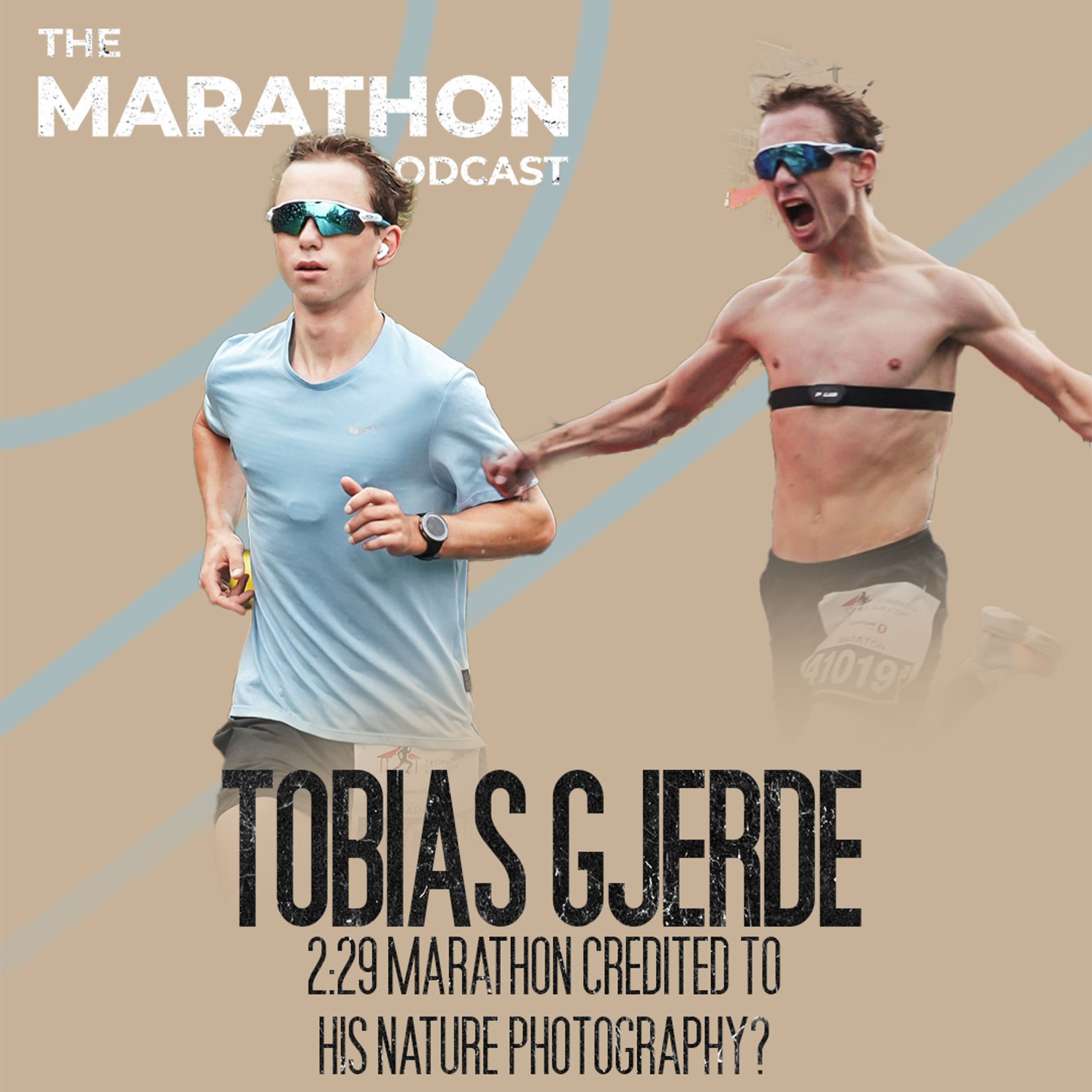
Tobias Gjerde won the Trondheim Marathon in 2:29:40, running a super fast time in what was only his first road marathon. He is a 23 year old nature photographer, an economics student and a former cross-country skier. He says he does not train that much, and he has never seen sport as something to do full time.
In this episode, Tobias tells me how he got from a forest marathon years ago to winning in my home city. We talk about his 7 to 10 hours of training a week, the long days hiking with heavy camera gear while photographing reindeer, and the one hard workout a week that has been enough. He also shares how a long stretch of illness kept him from training consistently for years, and why this race meant so much to him.
We also talk about balance: why he does not plan to go all in on running, why photography is his happy place, and why having several things in life might be an advantage, not a downside.
In this episode:
- Winning the Trondheim Marathon in 2:29:40
- Growing up with cross-country skiing and the Norwegian approach to youth sport
- Training 7 to 10 hours a week, plus hiking and cycling with camera gear
- A forest marathon and a first road marathon
- A GPS watch that stopped working during the race
- Catching the leader and realizing he could win
- One hard workout a week and a long run on the trails
- Years of illness and a DNF in a half marathon
- Nature photography, economics and the balance between them
Timestamps
00:00 Intro
02:46 Welcome and his road to running
03:41 Cross-country skiing and why running became the summer sport
04:44 Why sports have always been a hobby
06:44 Finding time to train as a student and photographer
07:25 7 to 10 hours a week and everyday training
10:11 Counting the hours with hiking and photography trips
11:46 A forest marathon and a first road marathon
12:38 His time goals and what he told his friends
13:29 The start with the lead pack
14:43 The GPS watch fails and he realizes he can win
15:28 Catching the leader and a boost from sub 230 being in reach
17:47 How he felt after the race
20:43 A normal week as a student and a photographer
22:23 Wildlife photography as a career or an escape
26:00 Why he is not planning to go professional
29:24 Illness, skiing plans and the five years that followed
32:41 Why this marathon was so special
35:53 Two pillars: running and photography
37:09 How his friends and family reacted
38:21 Three weeks of specific preparation
40:53 The key sessions of his build
42:18 One hard workout a week and about 40
The Marathon Podcast is now proudly sponsored by Saysky Copenhagen. Use code TMP15 for 15% off at saysky.com.
Get 20% off a Strava annual subscription with code KRISTIAN
Save on FlexBeam using code WARWICKRUNS or this link: https://rechargehealthas.sjv.io/55GAPb
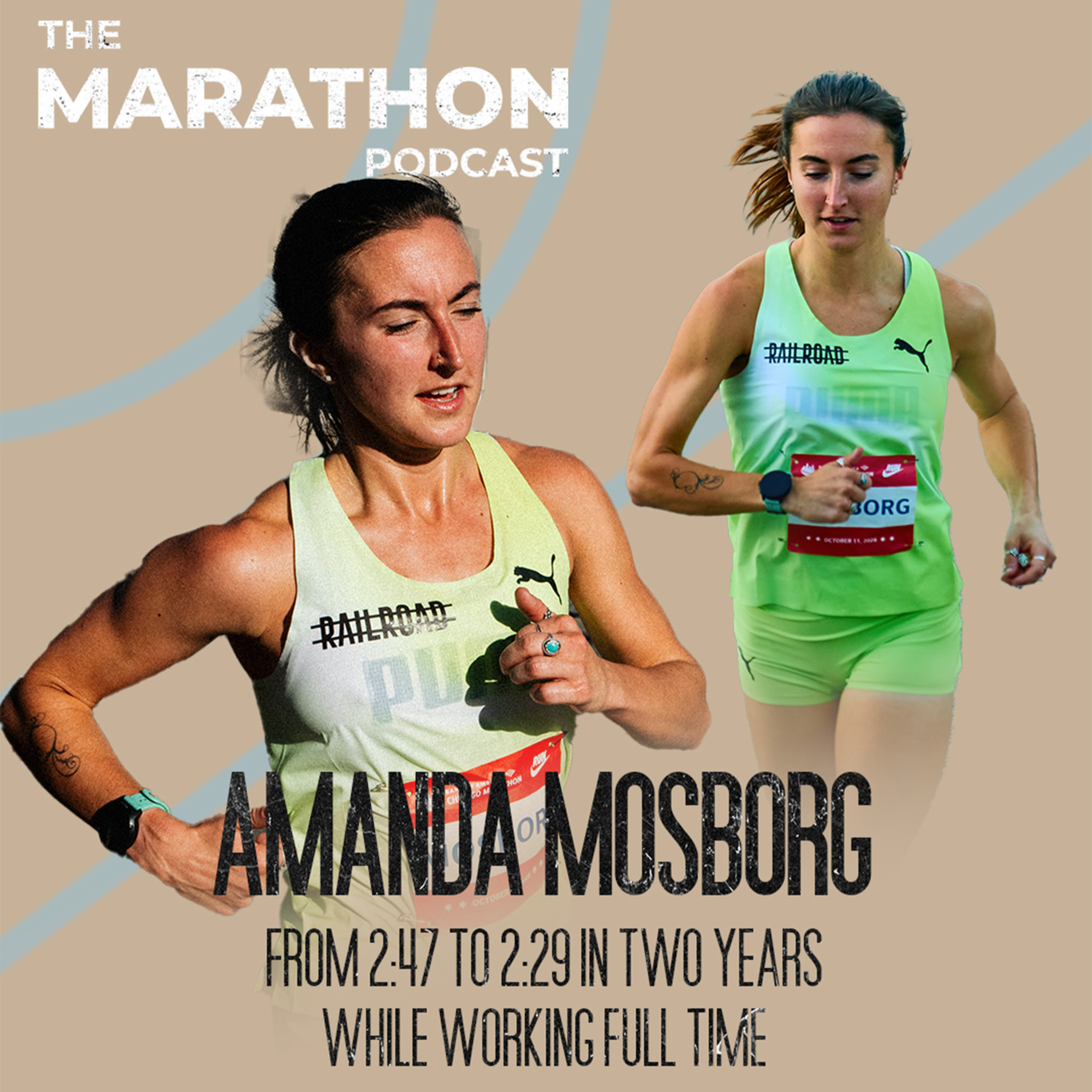
Amanda Mosborg won Puma Project 3 in Chicago, where she ran a 2:29:30 personal best. She is 27, lives in Minneapolis, works full time and is coached remotely. Amanda ran Division 3 at Carleton College, did a fifth year at Northwestern, and says she tried the marathon because many college runners want to see how it goes. Her first marathon, Grandma's in 2024, was a 2:47. Two years later she is a 2:29 marathoner.
This was a real, honest conversation. We talk about why running has stayed sustainable for her since age 11, how she balances a corporate job, art history classes and a growing running career, and why she only sets a goal once it is within reach. She also explains her effort-based training, her mileage of 70 to 80 miles a week, and why her next target is around 2:25.
I also open the episode with a short update on my own build for Valencia.
In this episode:
- Puma Project 3 for the second time, and winning it in Chicago
- Speed skating, cross-country skiing and the Birkebeiner
- Why running has stayed sustainable for her since age 11
- Balancing a full-time job with a growing running career
- Setting goals only when they feel possible
- Process over results, and driving an hour for an indoor track workout
- A B plus day in Chicago and why she thinks there is more to come
- From 2:47 at Grandma's to a 2:29:30 PB
- Training by effort, not by pace or heart rate
- Why she signed up for an Ironman
Timestamps
00:00 Intro, sponsorship news and my Valencia update
09:04 Welcome and speed skating
11:51 Doing Puma Project 3 for the second time
16:33 Why she runs and what sustainable running means
21:41 Who Amanda is: Division 3, Northwestern and a full-time job
24:21 Cross-country skiing and the Birkebeiner
25:49 How the last year has changed her life as a runner
31:48 Battling identities between amateur and pro
34:38 Her ambitions and why she sets goals late
40:17 Winter training in Minnesota and caring about the process
45:41 Chicago, a B plus day and what comes next
48:04 Aiming for the 2:25 range
49:02 Her marathon journey: Grandma's, Boston and Indianapolis
52:42 Life after college and hiring a coach
59:48 Longevity, trail running and the Ironman
1:04:02 Mileage and not copying what everyone else runs
1:08:21 Strength training and the sauna
1:10:22 A typical week of workouts
1:11:52 Effort-based training explained
1:15:20 Long run workouts and a 5:09 final mile
1:17:07 The next race and what comes before the Trials
Follow Amanda on Instagram: @amandagracie7
Start your free Musicbed trial: https://fm.pxf.io/kristianwarwick
Full episodes + the Boston 2025 documentary: https://www.youtube.com/@Warwickruns
Follow my training journey on Instagram: @warwick.runs
Music from Musicbed: MB01XPYH8ZYENVAMB0133EV2TCQFZY
The Marathon Podcast is now proudly sponsored by Saysky Copenhagen. Use code TMP15 for 15% off at saysky.com.
Get 20% off a Strava annual subscription with code KRISTIAN
Save on FlexBeam using code WARWICKRUNS or this link: https://rechargehealthas.sjv.io/55GAPb
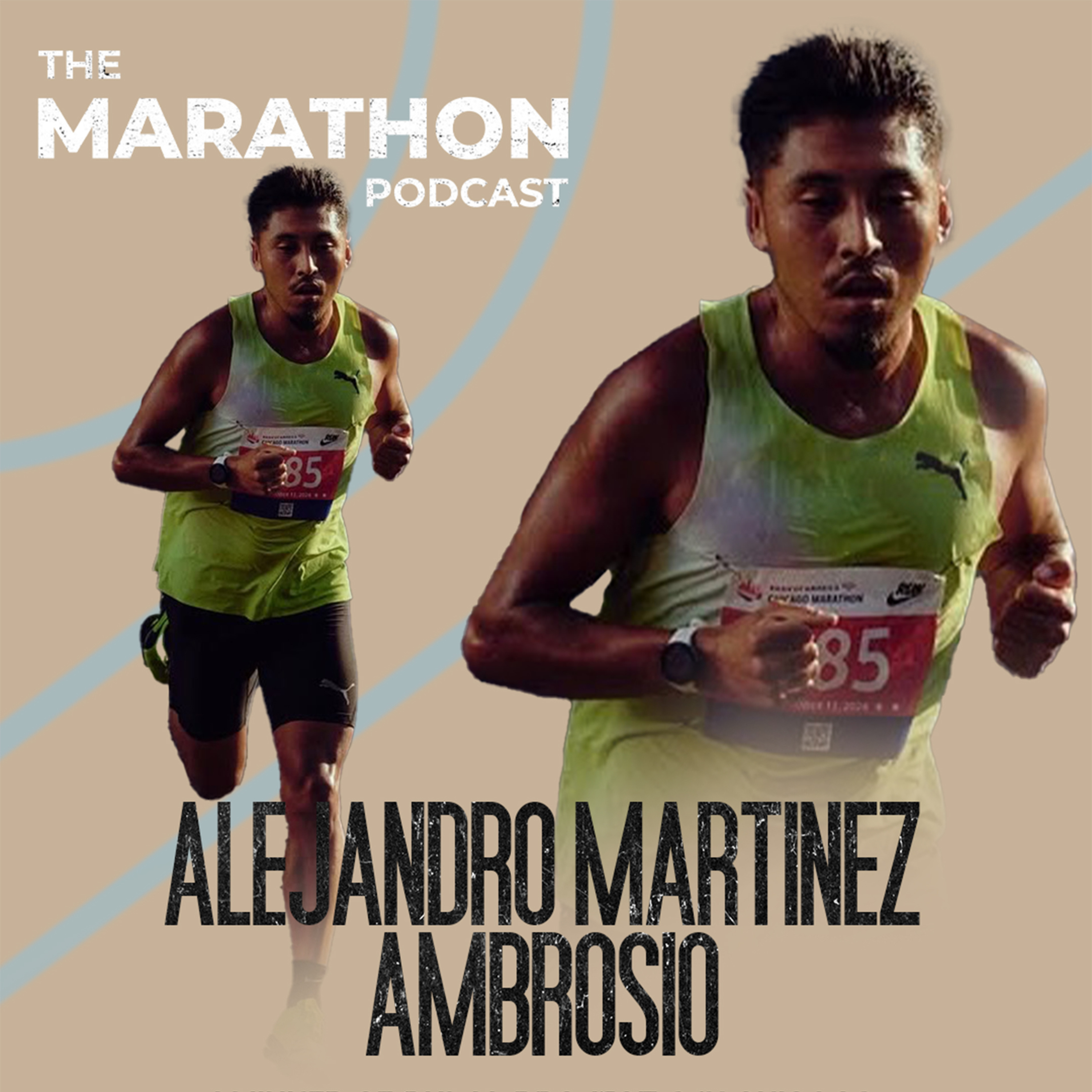
Alejandro Martinez-Ambrosio won Puma Project 3 in Chicago with a 2:17 marathon on a hot day, and he did it self-coached. He found out he had won while scrolling his phone in the car. Alejandro started running through Students Run LA, a high school program that trains students for the LA Marathon, and he says he came to the sport through the marathon even though his first one went badly.
In this episode, Alejandro tells his story: dropping from a 5:20 mile to a 4:35 mile in a single track season, a 2:21 Pittsburgh Marathon where cramps cost him time, and a 15 week Nike resident program in Oregon built around ultra-endurance research. We talk about how he went from that program to Puma Project 3, how he trained for Chicago while balancing work, and the 24 mile long run in the dark that gave him his confidence.
I also open the episode with a short update on my own build for Valencia.
In this episode:
- Winning Puma Project 3 in Chicago in 2:17
- Starting out with Students Run LA
- A huge jump from a 5:20 mile to 4:35
- Pittsburgh Marathon and the cramps that held him back
- The Nike resident program in Oregon
- Why not me: going from Nike to Puma
- Training in the Puma Fast-R 3 over 26 miles
- A typical 90 mile week around a full-time job
- Double threshold experiments and finishing long runs fast
- Why the next goal is 2:12
Timestamps
00:00 Intro, Puma Project 3 and my Valencia update
06:29 Welcome and winning Puma Project 3 in Chicago
07:35 How Students Run LA got him into running
08:35 Life off the track and the move to Flagstaff
12:26 From a 5:20 mile to 4:35 in one year
14:34 Skateboarding and the base he did not know he had
16:55 The first marathon at 18
17:42 Pittsburgh Marathon and the cramps
22:54 The Woodlands win and the call from Nike
24:34 Inside the Nike resident program
27:58 What he took from the program into his training
30:09 Nike to Puma: why not me
32:26 The Puma Fast-R 3 and breaking in a super shoe
37:19 Chicago race day and the heat
39:07 What happens after winning Project 3
41:19 A typical marathon week
43:18 Experimenting with double threshold
45:41 Thursday speed work
46:40 Moving up from shorter distances and the Almgren effect
49:07 Finishing long runs fast
50:06 The 24 mile long run that built his confidence
54:21 Altitude in Flagstaff
56:08 Easy runs, a soleus strain and a new mindset
56:55 The next goal: 2:12
Follow Alejandro on Instagram: @eseseltoro
Start your free Musicbed trial: https://fm.pxf.io/kristianwarwick
Full episodes + the Boston 2025 documentary: https://www.youtube.com/@Warwickruns
Follow my training journey on Instagram: @warwick.runs
Music from Musicbed: MB01XPYH8ZYENVAMB0133EV2TCQFZY
The Marathon Podcast is now proudly sponsored by Saysky Copenhagen. Use code TMP15 for 15% off at saysky.com.
Get 20% off a Strava annual subscription with code KRISTIAN
Save on FlexBeam using code WARWICKRUNS or this link: https://rechargehealthas.sjv.io/55GAPb
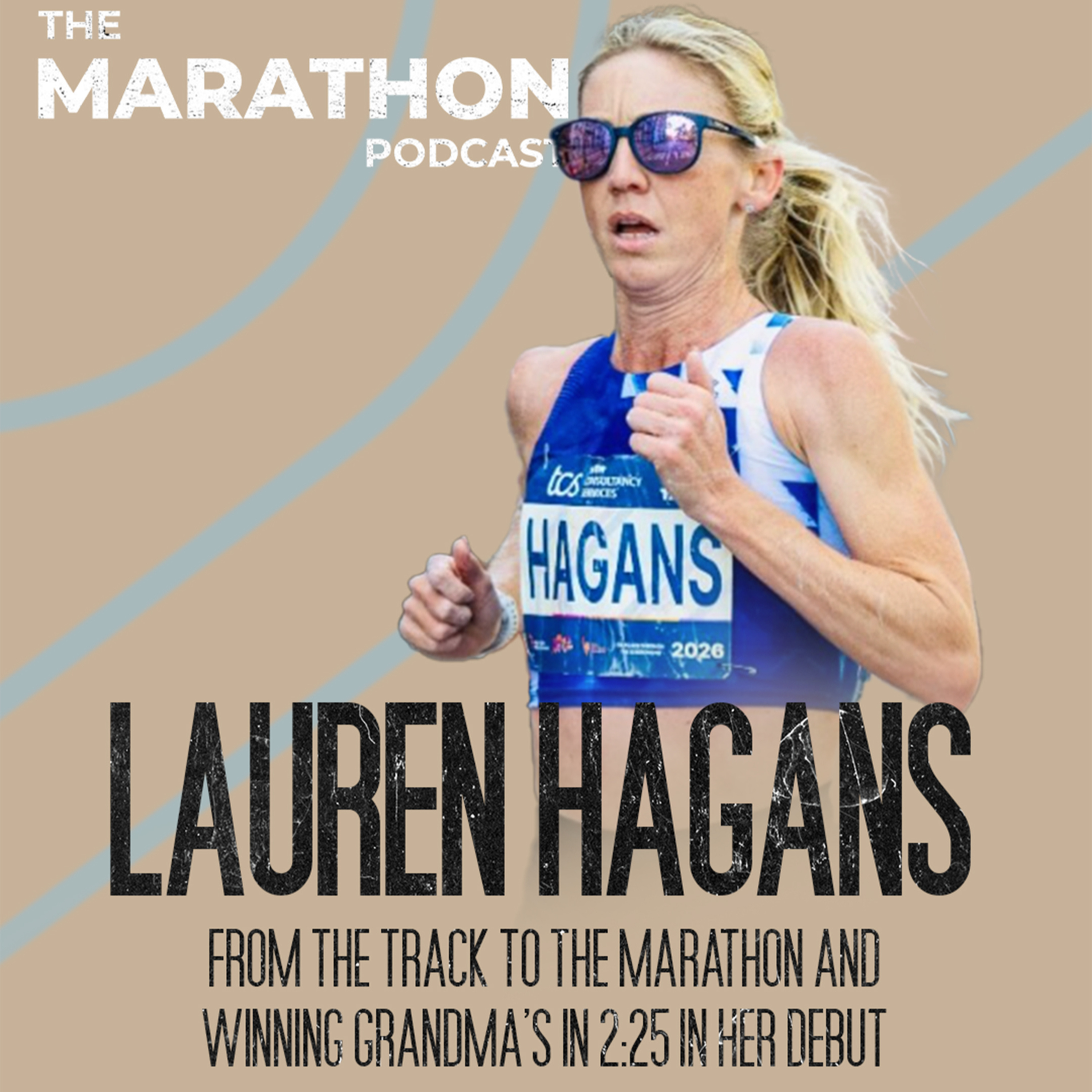
Lauren Hagans started her career on the track as an 800 and 1500 meter runner, and she did not move up to the marathon until 2023, at age 36. She won Grandma's Marathon in 2:25:55 in her debut, then ran 2:25 again in Chicago. After two years of injuries, she came back at the New York City Marathon at age 40, and says she is in the best shape of her life.
In this episode, Lauren takes us through her whole career: the switch from the track to the 5000, the half marathon and finally the marathon, and why she keeps changing things when she gets bored. We talk about her New York comeback, the early starting cannon, running at 40 and how age gets talked about in the sport, plus the new Olympic standards. She also explains how she went from about 65 miles a week for most of her career to weeks of 90 to 100, and wonders if she has been a higher mileage athlete all along.
I also open the episode with my own thoughts on the new Olympic marathon standard.
In this episode:
- Her first marathon in two years at the New York City Marathon
- The start cannon that went off early
- From high school walk-on to Baylor, the track and the 5000
- Winning Grandma's Marathon on her debut
- Running at 40 and how age is talked about
- The new Olympic standards
- Moving from about 65 miles a week to 90 to 100
- A typical week in her New York build
- Staying off Strava and trusting the training
- Why she is not chasing the Olympic Trials the way she used to
Timestamps
00:00 Intro and the new Olympic marathon standard
06:29 Welcome and the New York City Marathon comeback
10:04 The start cannon that fired early
12:26 How she got into running and the walk-on to Baylor
16:14 Moving to the 5000 and the Olympic standard
17:16 Joining the marathon group in Flagstaff and trying the half marathon
19:16 The first marathon and winning Grandma's
24:47 Best shape of her life at 40 and the age conversation
33:00 The age group win and masters prize money
36:08 Her thoughts on the Olympic standards
41:47 The American women's marathon community
47:52 Adapting to different coaches and training styles
50:25 Going from 65 miles a week to 90 to 100
57:38 Is mileage partly mental?
1:03:37 Dessert, a glass of wine and not overthinking it
1:04:42 A typical week in her New York build
1:08:56 Staying off Strava and trusting the training
1:11:57 What is next: Boston and the Olympic Trials
1:16:14 Closing thoughts on her career
Follow Lauren on Instagram: @laurenhagans_run
Start your free Musicbed trial: https://fm.pxf.io/kristianwarwick
Full episodes + the Boston 2025 documentary: https://www.youtube.com/@Warwickruns
Follow my training journey on Instagram: @warwick.runs
Music from Musicbed: MB01XPYH8ZYENVAMB0133EV2TCQFZY
The Marathon Podcast is now proudly sponsored by Saysky Copenhagen. Use code TMP15 for 15% off at saysky.com.
Get 20% off a Strava annual subscription with code KRISTIAN
Save on FlexBeam using code WARWICKRUNS or this link: https://rechargehealthas.sjv.io/55GAPb
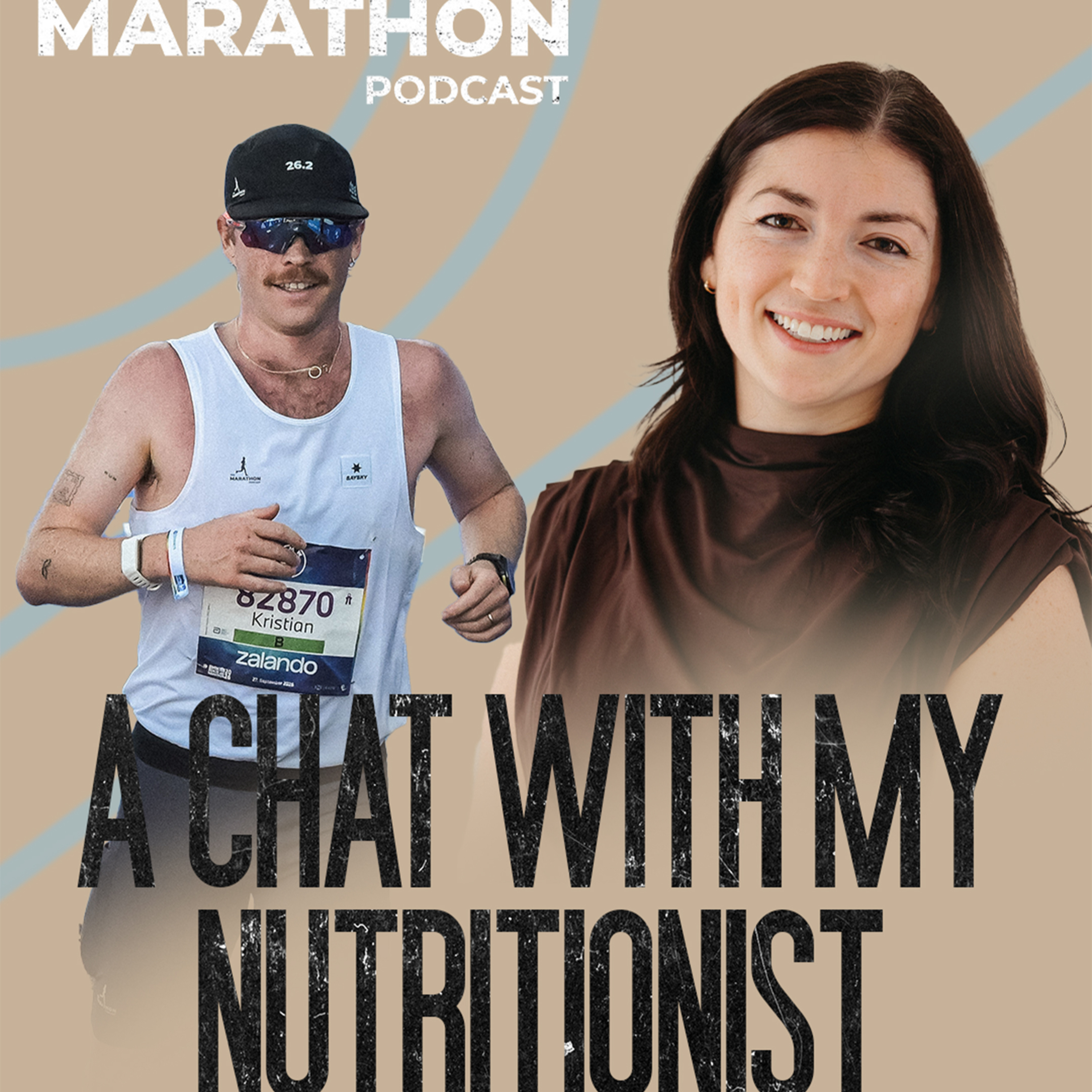
A bonus episode with KC Stockmon, Kristian's sports dietitian. Instead of a normal interview, this is a real nutrition session, the way KC and Kristian work together: what has changed since August, how daily eating looks in a big training block, and the fueling plan for Valencia.
We talk about eating more than ever while training more than ever, keeping meals consistent, why Kristian now thinks about carbs first, and how fueling for runs has shifted from practicing to actually fueling and recovering. KC also explains why appetite can drop at high training volumes, and why it matters to eat enough anyway.
Then we go through what happened at Boston with the drink mix and gels, why a very concentrated bottle may have led to nausea, and how to practice for race day: breakfast, timing, gels, hydration and sodium. We finish with body image and the culture around carbs, what it is like to work with a nutritionist over time, and what happens after Valencia.
This episode is general information and not individual nutrition advice.
In this episode:
- Eating more while training more
- Meal structure and fueling easy and long runs
- Appetite, energy and running on empty
- Looking back at Boston fueling
- The Valencia fueling plan
- Hydration and sodium
- Body image and carbs
- Working with a nutritionist
Find KC at Truly Fueled Nutrition: https://www.trulyfuelednutrition.com
Timestamps
00:00 Intro
00:51 Welcome back KC
02:10 What has changed since August
03:09 Eating more than ever
05:06 Meal and snack structure
06:28 Fruit, breakfast and orange juice
09:13 Fueling easy runs and long runs
12:25 Eating enough when appetite drops
15:18 Running on empty
17:36 Orange juice, a correction
19:35 A relaxed approach to daily food
21:25 Food after Valencia
26:12 The Valencia fueling plan and the Boston recap
29:12 What happened at Boston
31:20 Why a concentrated bottle can cause nausea
37:57 Practicing for race day
38:18 Race morning breakfast and timing
44:24 Which gels to use in training
47:20 Carb goals for Valencia
49:08 The drink mix for Valencia
51:09 Hydration
56:58 Sodium
1:00:00 Everything since Boston
1:01:47 Body image and the culture around carbs
1:06:50 Calorie counting and metabolic testing
1:08:17 Working with a nutritionist
1:12:15 Life after Valencia
Start your free Musicbed trial: https://fm.pxf.io/kristianwarwick
Full episodes + the Boston 2025 documentary: https://www.youtube.com/@Warwickruns
Follow my training journey on Instagram: @warwick.runs
Music from Musicbed:
The Marathon Podcast is now proudly sponsored by Saysky Copenhagen. Use code TMP15 for 15% off at saysky.com.
Get 20% off a Strava annual subscription with code KRISTIAN
Save on FlexBeam using code WARWICKRUNS or this link: https://rechargehealthas.sjv.io/55GAPb
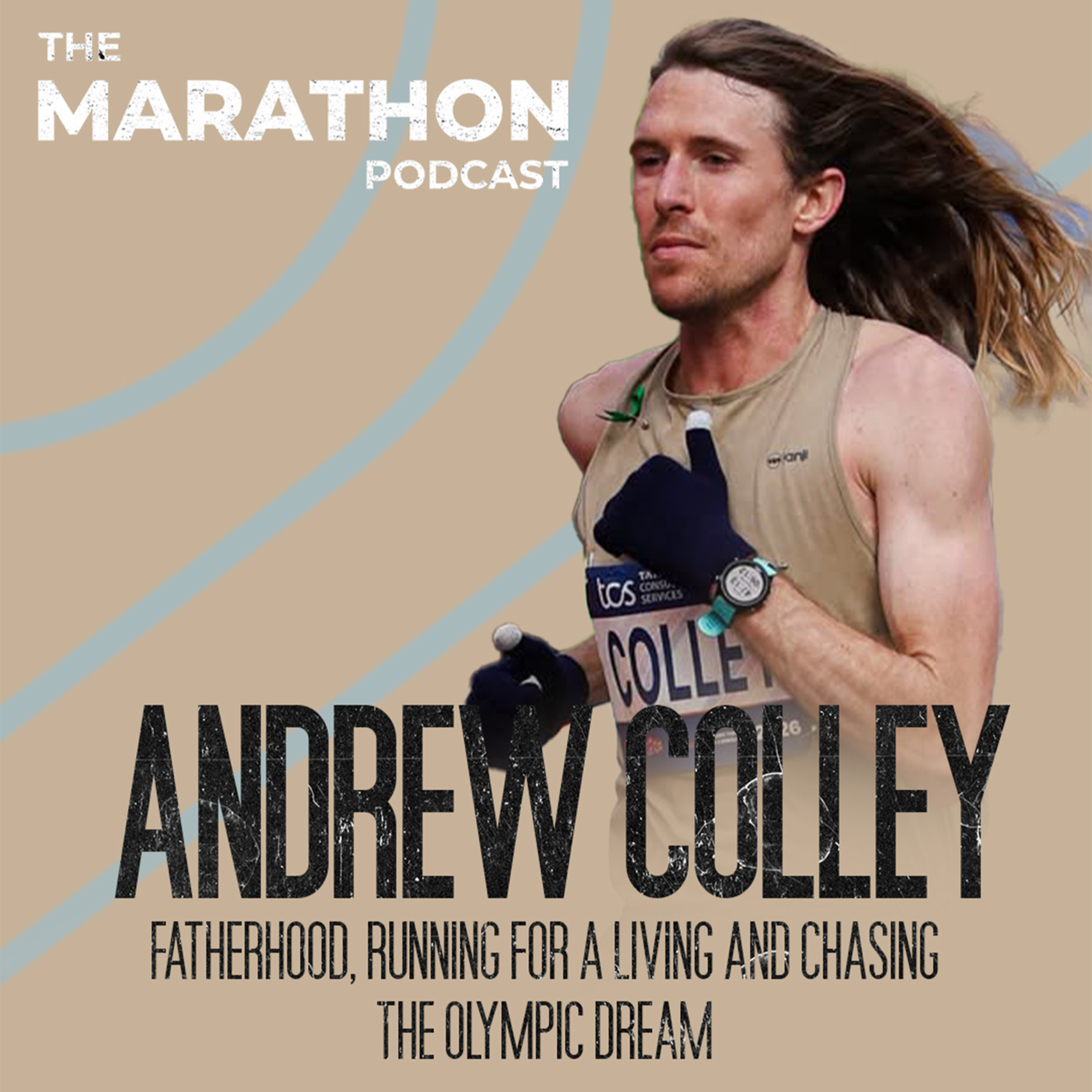
Andrew Colley is an American marathoner with a personal best of 2:09:33 from Seville in February 2026, and a half marathon best of 1:00:47. He grew up in Virginia, ran at NC State, and has been chasing the Olympics since the third grade. We recorded this just after he raced the New York City Marathon, where he was aiming to be the first American and was not happy with how it went.
Andrew tells the story of how he started running at eight years old after a classmate beat him in the mile, how his dad only let him practice on practice days, and why the dream of the Olympics never left him. We talk about the culture around big goals, becoming a dad to his daughter Lily, and running alongside his wife Tristin, who joined the podcast a year ago.
He also goes through his marathon story: a humbling first marathon, a better second one, qualifying for the Olympic Trials in the 5K, the 10K and the marathon, and how the sponsor situation changed when his training group shut down. We finish with his 10 day training cycle, long runs and surges, and what he is taking from New York into the next marathon.
Before the interview, Kristian reads a written intro about Andrew's career and gives an update on his own road to Valencia.
In this episode:
- Becoming a runner at eight years old
- Ambition, big goals and the Olympic dream
- Becoming a dad and running as a couple
- The first and second marathon
- Olympic Trials and world cross country
- Sponsors, prize money and a professional career
- A 10 day training cycle
- Long runs, surges and pacing Chicago
- Moving on after New York
Timestamps
00:00 Intro
00:33 Andrew's written intro
03:29 Kristian's update and the road to Valencia
05:07 Saysky
05:26 Welcome Andrew
06:09 Running and becoming a dad
09:08 How Andrew started running
11:07 Dreaming of the Olympics from the third grade
13:28 What kept him in the sport
16:17 Race anxiety as a kid
18:01 Big goals and the culture around them
21:00 Chasing the Olympic dream as an adult
23:04 Breakthroughs from Jess McClain and Molly Seidel
24:52 From the track to the marathon
27:59 The first marathon
31:06 The second marathon
33:07 Committing to the Olympic cycle
35:00 World cross country in Australia
37:12 Looking back on his career
41:08 Running alongside Tristin
46:15 Sponsors and the training group shutting down
50:23 Between sponsors and the plan for 2026
53:16 Expectations for New York
53:44 A normal 10 day training cycle
1:04:05 Surges in the long run
1:06:11 Long runs close to a race
1:08:21 Pacing Chicago and the pace in New York
1:12:19 Fixing weaknesses four weeks out
1:14:22 Moving on from New York
Follow Andrew on Instagram: @thecolleyllama
Follow Tristin on Instagram: @tristinvanord
Start your free Musicbed trial: https://fm.pxf.io/kristianwarwick
Full episodes + the Boston 2025 documentary: https://www.youtube.com/@Warwickruns
Follow my training journey on Instagram: @warwick.runs
Music from Musicbed: MB01XPYH8ZYENVAMB0133EV2TCQFZY
The Marathon Podcast is now proudly sponsored by Saysky Copenhagen. Use code TMP15 for 15% off at saysky.com.
Get 20% off a Strava annual subscription with code KRISTIAN
Save on FlexBeam using code WARWICKRUNS or this link: https://rechargehealthas.sjv.io/55GAPb
Vikash Sharma is a physical therapist and running performance and rehab specialist based in New York City. His clinic, Perfect Stride Physical Therapy, has worked with runners since 2012, and he also runs Running for Life Education, which teaches coaches and clinicians how to work better with runners.
We recorded this a few days before the New York City Marathon, so we start with the taper crazies and why old niggles can flare up when you run less. From there Vikash explains how to tell normal aches from real warning signs, when it is okay to keep running, how to come back after illness or time off, and what to do about bone stress injuries.
We finish with strength training for runners: why the best routine is the one you actually do, how heavy to lift, where plyometrics fit, what to do if you only have 30 minutes, and whether stretching matters. Kristian also shares what he learned from his own groin and inner thigh pain.
This episode is general information and not medical advice. If you are in pain, get checked by a professional.
In this episode:
- Taper crazies and why niggles flare up
- Red flags when training does not match your goal race
- Pain rules: stride changes, pain medication and the 0 to 10 scale
- When to keep running and when to get help
- Bone stress injuries and cross training
- Coming back after illness or time off
- The most common running injuries
- Strength training, heavy lifting and plyometrics
- Stretching
Timestamps
00:00 Intro
01:48 Kristian's training update
03:06 Sofie Haugen's marathon debut in Malaga
04:12 Indie Monumental
04:47 Jacob Boutera's YouTube series
05:26 Saysky
06:23 Welcome Vikash
07:03 Taper crazies
08:07 Why niggles flare up in the taper
10:17 Who Vikash is and Perfect Stride
12:19 What clinicians should know about runners
13:20 Red flags: training that does not match the race
16:03 When is pain okay to run through?
17:28 Pain rules: stride changes and pain medication
18:29 The 0 to 10 pain scale
19:27 When to get help
22:03 When the rules do not apply
23:12 Bone stress injuries
27:50 Cross training while injured
28:27 Stress fractures and prevention
31:00 Coming back after illness or time off
34:12 How to ease back into training
37:57 Common running injuries
42:39 The Copenhagen plank and groin strength
43:34 Strength training for runners
44:14 Why runners do not lift heavy enough
45:34 Plyometrics
50:48 Strength training in 30 minutes
52:09 Does stretching matter?
Follow Vikash on Instagram: @vikashsharmadpt
Start your free Musicbed trial: https://fm.pxf.io/kristianwarwick
Full episodes + the Boston 2025 documentary: https://www.youtube.com/@Warwickruns
Follow my training journey on Instagram: @warwick.runs
Music from Musicbed: MB01XPYH8ZYENVAMB0133EV2TCQFZY
The Marathon Podcast is now proudly sponsored by Saysky Copenhagen. Use code TMP15 for 15% off at saysky.com.
Get 20% off a Strava annual subscription with code KRISTIAN
Save on FlexBeam using code WARWICKRUNS or this link: https://rechargehealthas.sjv.io/55GAPb
A bonus episode with Evan Jager, recorded just days after Andreas Almgren won the New York City Marathon in his marathon debut. Evan is an Olympic silver medalist in the steeplechase and a world championships bronze medalist, and today he works with Nomio, the Swedish broccoli sprout brand that Almgren has a close tie to.
Evan is close to Almgren, so he gives an insider's view of race day in New York and of what makes Almgren so impressive as an athlete. He also talks about how Almgren's win could change the sport of marathoning, and whether it could send more track runners to the roads.
Evan also looks back on his own career: falling in love with running as the fast kid at school, growing up playing soccer, why a high school coach pointed him toward the steeplechase, what it felt like to make his first Olympic team, and how the 2016 silver medal compared. He is open about the injuries that ended his career, what retiring felt like, and how he found his next chapter at Nomio.
In this episode:
- Reacting to Andreas Almgren's New York City Marathon win
- Evan's start in running and the steeplechase
- Making the Olympic team and winning silver
- Injuries, retirement and life after sport
- Joining Nomio and why the brand works
- Using Nomio regularly and the science behind it
- Almgren as an athlete and how he could change the sport
- Will more track runners move to the marathon?
Timestamps
00:00 Intro
02:31 Road to Valencia and Saysky
03:15 Welcome Evan
03:55 Reacting to Andreas Almgren's win in New York
07:21 Falling in love with running
08:50 Childhood dreams: soccer, running and the Olympics
12:33 Going pro and getting serious
15:56 Why the steeplechase
18:46 Making the Olympic team
21:29 The 2016 silver medal
24:25 Moving on from the Olympic high
26:59 The decision to retire
29:16 Life after athletics
31:30 Joining Nomio
34:24 Why the Nomio brand works
40:41 Using Nomio regularly
44:54 The history and science behind Nomio
53:10 Evan's own experience as an athlete
59:51 Almgren as an athlete
1:02:43 How Almgren could change the sport
1:05:01 Evan and the marathon
1:06:45 Will track runners move to the roads?
Start your free Musicbed trial: https://fm.pxf.io/kristianwarwick
Full episodes + the Boston 2025 documentary: https://www.youtube.com/@Warwickruns
Follow my training journey on Instagram: @warwick.runs
Music from Musicbed: MB01XPYH8ZYENVAMB0133EV2TCQFZY
Podcast cover art features a combined and modified version of "Evan Jager Oregon 2022" and "Evan Jager London 2017" by photographer Erik van Leeuwen via Wikimedia Commons. These original works are used under the GNU Free Documentation License and the Creative Commons Attribution-ShareAlike (CC BY-SA) license. In accordance with these licenses, this final composite design is also released to the public under the same open-source, share-alike terms.
The Marathon Podcast is now proudly sponsored by Saysky Copenhagen. Use code TMP15 for 15% off at saysky.com.
Get 20% off a Strava annual subscription with code KRISTIAN
Save on FlexBeam using code WARWICKRUNS or this link: https://rechargehealthas.sjv.io/55GAPb
Devin Volk came to the marathon through triathlon. He won his age group at the Half Ironman World Championships in 2021, finished second in his age group at the Ironman World Championship in Kona in 2022, and raced as a pro before stepping away to focus on other goals. Now he is a 2:21 marathoner, with a 2:25 at Boston and a 2:21:58 at Chicago, and he is chasing the 2:16 Olympic Trials standard.
In this conversation Kristian and Devin talk about what triathletes know about intensity control, why time-based easy running and heart rate work for him, and how he went from about four hours a week to eight or nine hours of running. They also get into racing better than you train, the workouts that actually mattered before Boston and Chicago, and the case for dreaming big on a multi-year timeline.
Before the interview, Kristian shares a training update, his Road to Valencia YouTube series, and a short rant about people criticizing other people's goals.
In this episode:
- Triathlon, Kona and moving to the marathon
- Swimming as cross-training for runners
- The first marathon at CIM
- Boston 2:25 and Chicago 2:21:58
- Why you can race faster than your training shows
- A key long workout three weeks out
- Heat, water and race execution
- A typical week in a marathon block
- Big goals and the Olympic Trials standard
Timestamps
00:00 Intro
01:28 Saysky
02:46 Training update and the groin scare
05:01 Road to Valencia and criticism of big goals
12:27 Welcome Devin
13:41 Triathlon background
16:20 Learning to swim and bike as an adult
20:44 From 20 to 25 hours a week to running
21:46 Becoming a flight instructor
24:33 Cal Poly, 70.3 Worlds and Kona
26:21 Turning pro and stepping back
28:01 Qualifying for Boston at the deadline
29:52 Switching to running without getting injured
32:15 Why swimming helps runners
41:56 Volume and the marathon
45:34 First marathon at CIM
49:11 Building mileage and training by time
51:13 Boston 2:25
55:25 Racing better than training
58:02 The key workout three weeks out
1:00:24 Chicago
1:08:25 Heat, water and race execution
1:14:37 A typical week in a marathon block
1:26:05 Coaching with Matt Hurley
1:30:57 Goals and the Olympic Trials standard
1:34:22 Finishing Chicago without knowing the time
Follow Devin on Instagram: @devinvolk
Start your free Musicbed trial: https://fm.pxf.io/kristianwarwick
Full episodes + the Boston 2025 documentary: https://www.youtube.com/@Warwickruns
Follow my training journey on Instagram: @warwick.runs
Music from Musicbed: MB01XPYH8ZYENVAMB0133EV2TCQFZY
The Marathon Podcast is now proudly sponsored by Saysky Copenhagen. Use code TMP15 for 15% off at saysky.com.
Get 20% off a Strava annual subscription with code KRISTIAN
Save on FlexBeam using code WARWICKRUNS or this link: https://rechargehealthas.sjv.io/55GAPb
Alex Carter ran his first marathon in April 2025 at London, finishing in 2:22. Seventeen months later he ran 2:14:42 at Berlin, against an A goal of going under 2:15. In between were four more marathons, each one faster than the last, all while working a full-time sales job in London.
In this conversation Alex takes us back to the start: a youth runner in the UK who earned a place at Iona in New York, lost years to stress fractures, and spent a long stretch running for fun before the marathon progression began. We get into the training changes behind the jump, including 200K weeks, back-to-back long workouts, sleep, easy days that are actually easy, and a proper taper.
Before the interview, Kristian shares a shoe test, the start of his Valencia YouTube series, a training update and a thought on feeling like you are not training properly.
In this episode:
- Berlin: the race, the goal and how it unfolded
- Youth running, Iona and the stress fractures
- The 17 month progression from 2:22 to Berlin
- Fueling mistakes in the first marathon
- Sleep, easy pace and what changed
- Building from 120K to 200K weeks
- A typical week in the Berlin block
- Puma Project 3 and the Fast-R3
- Moving to New Zealand
Timestamps
00:00 Intro
00:17 New shoes and the Valencia YouTube series
03:39 Training update and a groin scare
06:48 Feeling like you are not training properly
08:32 Saysky
09:24 Welcome Alex and congrats on Berlin
10:52 Youth running, Iona and stress fractures
12:26 Dallas, London and the ballot present for his sister
14:49 Sales job and balancing work with training
27:41 Reaching 200K weeks
29:13 Slow progress before the 2:22 debut
33:04 First marathon and the fueling lessons
39:39 Biggest changes: sleep and easy pace
41:43 Mileage increase and back-to-back long days
45:28 Taper
52:59 Marathon by marathon progression
56:27 Fourth Brit in Berlin
1:01:07 A typical 200K week
1:06:38 Fast-R3 on race day
1:08:27 Puma Project 3
1:11:56 Moving to New Zealand
Follow Alex on Instagram: @alex_carter_96
Start your free Musicbed trial: https://fm.pxf.io/kristianwarwick
Full episodes + the Boston 2025 documentary: https://www.youtube.com/@Warwickruns
Follow my training journey on Instagram: @warwick.runs
Music from Musicbed: MB01XPYH8ZYENVAMB0133EV2TCQFZY
The Marathon Podcast is now proudly sponsored by Saysky Copenhagen. Use code TMP15 for 15% off at saysky.com.
Get 20% off a Strava annual subscription with code KRISTIAN
Save on FlexBeam using code WARWICKRUNS or this link: https://rechargehealthas.sjv.io/55GAPb
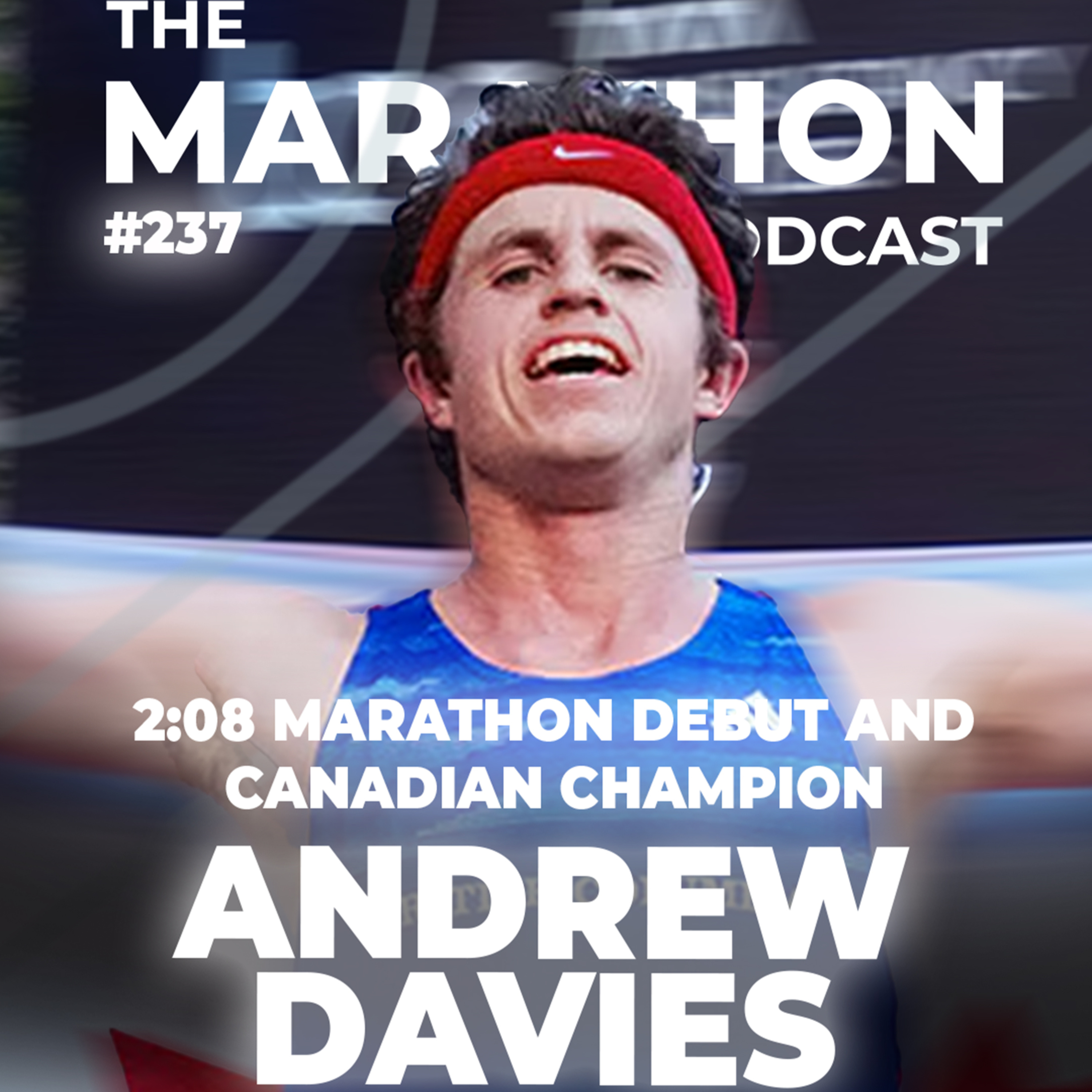
Andrew Davies is the new Canadian marathon champion. In his very first marathon, at the Toronto Waterfront Marathon, he ran 2:08:48, making him the fourth fastest Canadian of all time. His goal was 2:11. He went to work on Monday morning like nothing had happened.
Andrew lives in Vancouver, just finished law school and is now working toward becoming a lawyer. In this conversation, he and Kristian talk about how he balanced a full-time job with the build, why he trains mostly by feel instead of chasing heart rate numbers, and what it was like to wake up the next day as a different kind of runner.
They also dig into his training in detail: weeks of up to 200K, double threshold days, a 41K easy run in the middle of the week, marathon pace workouts in minutes instead of kilometers, and how he fueled with close to 100 grams of carbs an hour. Andrew also clears up the aid station bottle mix-up that went around social media.
Before the interview, Kristian shares his own first double threshold day, including a tough morning session and a much better afternoon in the Puma Fast-R3.
In this episode:
- Andrew's 2:08:48 debut and the Canadian title
- Balancing law work and marathon training
- Racing in the Puma Fast-R and training in carbon plated shoes
- The aid station bottle mix-up, explained
- How the race unfolded, from the start to the last 10K
- What the result changes for his Olympic ambitions
- Signing with an agent after the race
- Training by feel, without heart rate
- Weekly mileage, double threshold days and marathon workouts
- Fueling with 90 to 100 grams of carbs per hour
- What he does next in the spring
Timestamps
00:00 Welcome and who Andrew Davies is
02:00 Kristian's first double threshold day
03:53 Afternoon session in the Puma Fast-R3
08:49 Valencia and Boston shakeouts, and merch
10:03 Saysky Copenhagen
11:01 Interview with Andrew Davies begins
12:21 Expectations going into the race
14:04 Andrew's background: running and law school
15:37 Balancing a full-time job with a marathon build
16:29 Ambitions as a young runner
19:04 Career recap: cross country and the track
21:08 Why the marathon now
22:21 Cross country vs the roads
24:19 Race shoes and carbon plates
25:33 Signing with an agent
27:19 The aid station bottle mix-up
31:06 How the race unfolded
35:59 Crossing the finish line
37:07 Olympic ambitions
38:36 Competing with other Canadian marathoners
41:42 Prioritizing the marathon
42:44 Coaching and mileage
46:43 Easy runs by feel
48:03 Heart rate and lactate: how he controls intensity
50:33 Fueling for the marathon
56:20 Marathon workouts
59:37 The weekly structure and a 41K easy run
1:05:41 What he learned from a marathon block
1:08:04 Snacks and reactions at the office
1:10:23 What is next this spring
1:11:33 Wrap-up
Follow Andrew on Instagram: @andrewdavies.13
Start your free Musicbed trial: https://fm.pxf.io/kristianwarwick
Full episodes + the Boston 2025 documentary: https://www.youtube.com/@Warwickruns
Follow my training journey on Instagram: @warwick.runs
Music from Musicbed: MB01XPYH8ZYENVAMB0133EV2TCQFZY
The Marathon Podcast is now proudly sponsored by Saysky Copenhagen. Use code TMP15 for 15% off at saysky.com.
Get 20% off a Strava annual subscription with code KRISTIAN
Save on FlexBeam using code WARWICKRUNS or this link: https://rechargehealthas.sjv.io/55GAPb
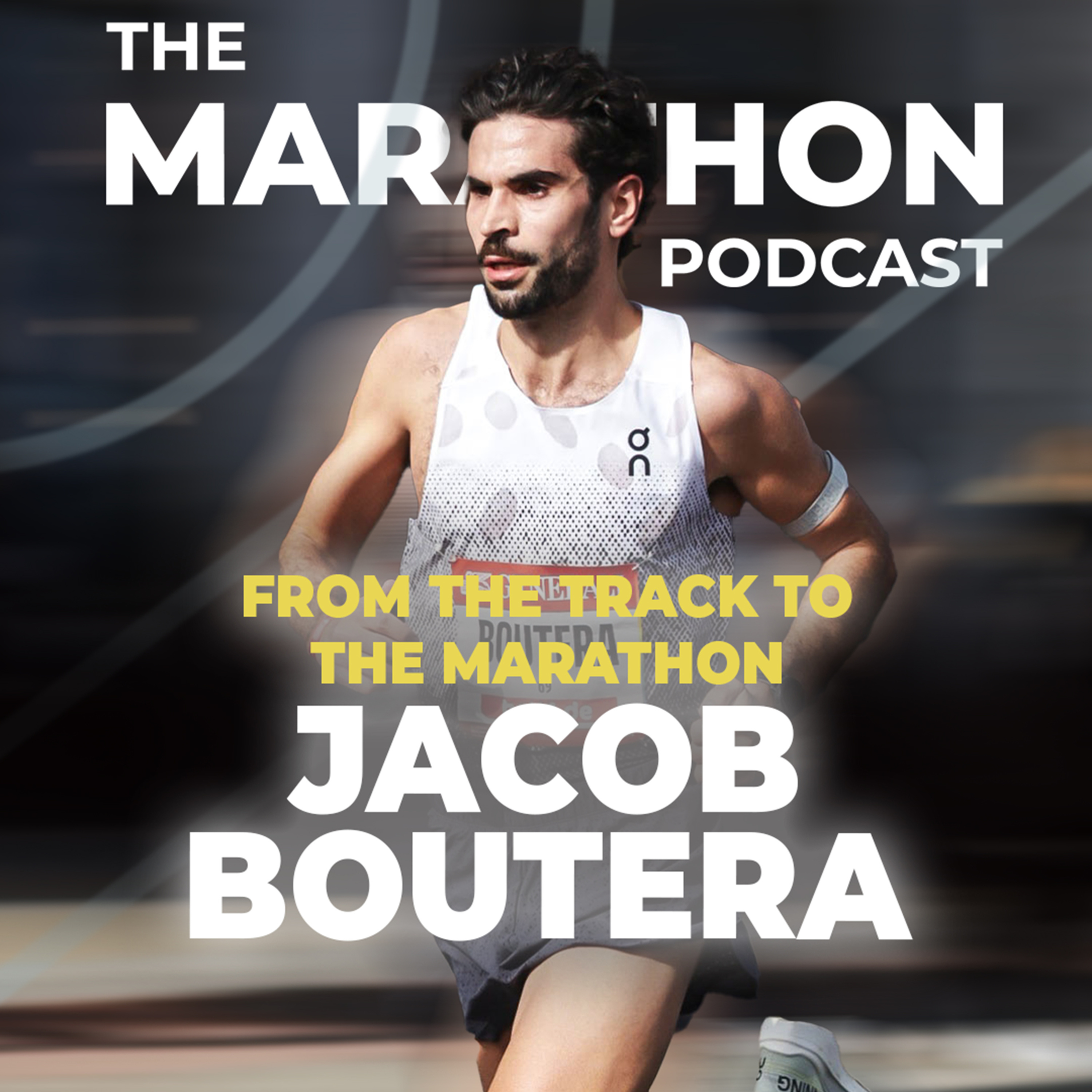
Jacob Boutera is one of Norway's best middle distance runners, a professional with On, and a former soccer player who only started running at 19. Two days before this conversation he ran 62:10 at the Valencia Half Marathon, and in this episode he announces his marathon debut.
Jacob and Kristian are practically neighbors, and this is one of the first guests recorded in Kristian's own studio. They talk about Jacob's path from youth soccer to the steeplechase and a pro contract, how it feels to look back at breaking nine minutes for 3K when he now runs that pace for a whole hour, and how the mindset changes from the track to the road.
They also get into marathon training, double threshold days, fueling, treadmill sessions, fatherhood and the running form that Kristian cannot stop studying.
Before the interview, Kristian shares a training update, including a rest day to protect his groin, his first planned double threshold day, and signing up for Chicago.
In this episode:
- Jacob's 62:10 half marathon in Valencia and the road back from injury
- From soccer player to national medalist and pro runner
- Steeplechase, the World Championships in Eugene and signing with On
- Sharing the track with the Ingebrigtsen brothers
- Why the marathon went from "way too long" to his next goal
- Marathon debut in Valencia and his target of sub 2:10
- A normal training week with double threshold days
- Running easy days slower, treadmill sessions and long runs
- Fueling from scratch for the marathon
- Balancing training with being a dad
- Running technique and why Jacob thinks running more matters most
Timestamps
00:00 Welcome and why this episode is special
01:58 Kristian's training update
04:37 Chicago sign-up and the Valencia shakeout
05:39 Saysky Copenhagen
06:38 Interview with Jacob Boutera begins
07:39 The Valencia Half Marathon: 62:10
09:04 From soccer player to runner
14:11 Career so far: injury, steeplechase and signing with On
16:28 Looking back at breaking nine minutes for 3K
18:35 Competing in the era of the Ingebrigtsen brothers
20:02 When track and field was not cool
22:15 Mindset shift from the track to the roads
25:30 Marathon debut announced: Valencia in six weeks
27:33 How marathon training is different
31:11 Long runs and durability
35:01 Sharing training on Strava
37:20 Being open about injuries and setbacks
40:44 Training and fatherhood
44:02 Treadmill sessions and double threshold days
47:48 Fueling for the marathon
53:40 Running technique
59:47 A normal training week
1:03:10 Running easy days slower
1:05:17 Marathon goal for Valencia
1:06:16 Wrap-up
Follow Jacob on Instagram: @jacobboutera
https://www.youtube.com/@jboutera
Start your free Musicbed trial: https://fm.pxf.io/kristianwarwick
Full episodes + the Boston 2025 documentary: https://www.youtube.com/@Warwickruns
Follow my training journey on Instagram: @warwick.runs
Music from Musicbed: MB01XPYH8ZYENVAMB0133EV2TCQFZY
The Marathon Podcast is now proudly sponsored by Saysky Copenhagen. Use code TMP15 for 15% off at saysky.com.
Get 20% off a Strava annual subscription with code KRISTIAN
Save on FlexBeam using code WARWICKRUNS or this link: https://rechargehealthas.sjv.io/55GAPb
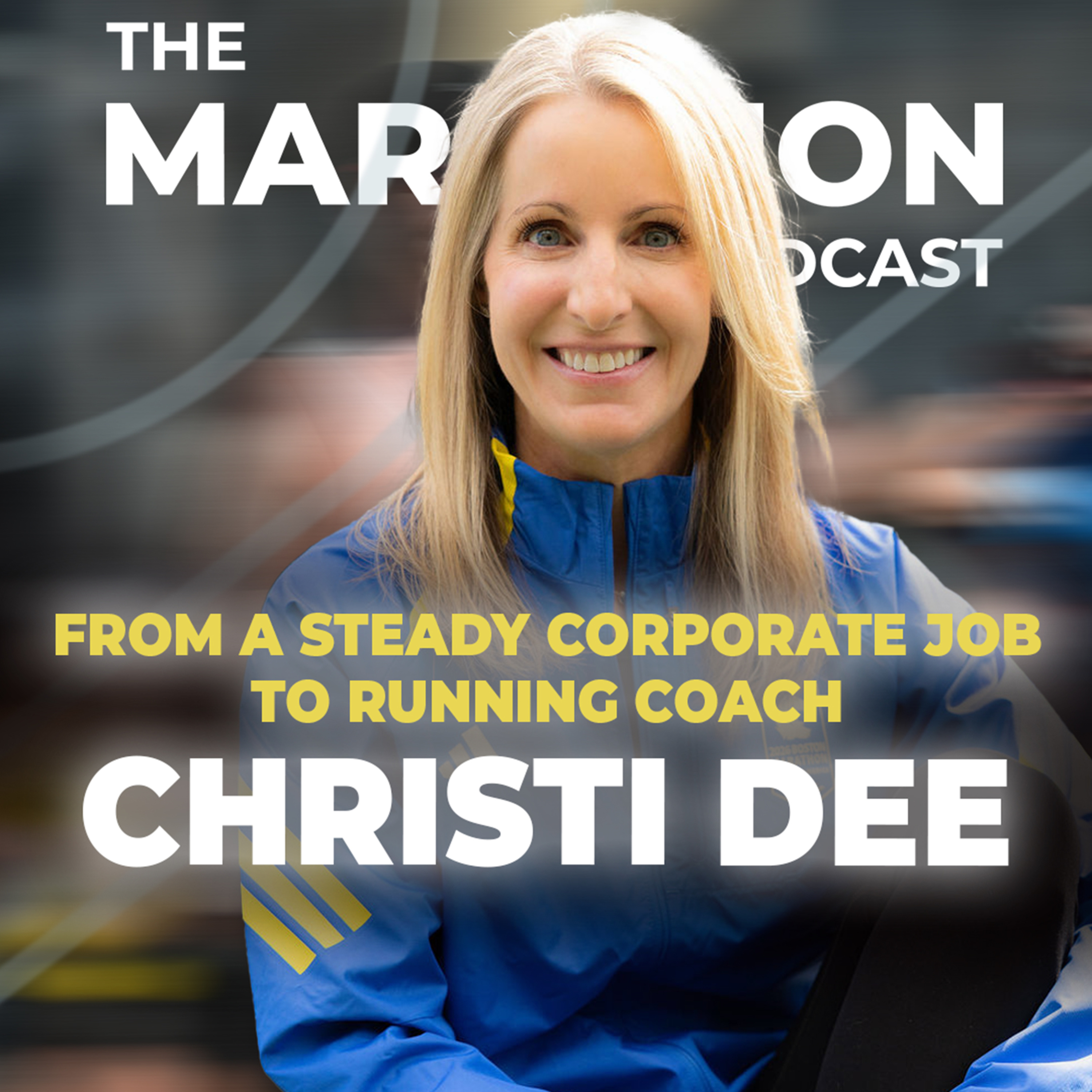
Christi Dee has run 46 marathons, left a 20-year corporate career to start her own running coaching business, and written two children's books about running. In this conversation, Kristian talks to her about all three: why she wrote Can a Frog Jog and Maya Runs a Marathon, what it took to bet on herself, and how she approaches coaching real people with busy lives.
They also get into consistency, what makes running sustainable over decades, the coach and runner relationship, and why not every marathon needs to be a PR. They finish with the Indianapolis Monumental Marathon, a hometown race that is close to her heart.
Before the interview, Kristian shares an update on his own training: why he now looks at a rolling 7-day window instead of Monday to Sunday, his first workout on the Wahoo Kickr Run treadmill, a 28K treadmill long run, and honest doubts about his sub 2:30 goal in Valencia.
In this episode:
- Why Christi wrote running books for children
- Can a Frog Jog and Maya Runs a Marathon
- Leaving corporate America to coach full time
- Running 46 marathons and keeping it sustainable
- Coaching busy athletes without making running their whole life
- Building confidence in a new career
- Trust and communication between coach and runner
- Why every marathon does not have to be a PR
- The Indianapolis Monumental Marathon and the indie running community
Timestamps
00:00 Welcome and what is coming in this episode
00:59 Kristian's training update: Monday to Sunday vs a rolling 7 days
03:05 First workout on the Wahoo Kickr Run treadmill
05:27 A 28K treadmill long run
06:51 Six weeks out from Valencia and the sub 2:30 goal
10:03 Saysky Copenhagen
11:12 Interview with Christi Dee begins
11:39 Why she wrote children's books about running
14:14 Maya Runs a Marathon
15:19 From corporate America to a coaching business
18:47 How kids and parents have reacted to the books
22:19 Teaching kids about the marathon
25:44 Running 46 marathons
28:42 Running while working a corporate job, and why she made the switch
34:13 Consistency and sustainable training
37:51 Coaching busy athletes
41:42 Confidence when starting something new
44:28 Trust and communication between coach and runner
48:56 Not every marathon is a PR
50:10 Her first marathon, Chicago 2006
51:23 The Indianapolis Monumental Marathon
56:22 Where to find the books and wrap-up
Follow Christi on Instagram: @this_blonde_runs
Start your free Musicbed trial: https://fm.pxf.io/kristianwarwick
Full episodes + the Boston 2025 documentary: https://www.youtube.com/@Warwickruns
Follow my training journey on Instagram: @warwick.runs
Music from Musicbed: MB01XPYH8ZYENVAMB0133EV2TCQFZY
The Marathon Podcast is now proudly sponsored by Saysky Copenhagen. Use code TMP15 for 15% off at saysky.com.
Get 20% off a Strava annual subscription with code KRISTIAN
Save on FlexBeam using code WARWICKRUNS or this link: https://rechargehealthas.sjv.io/55GAPb
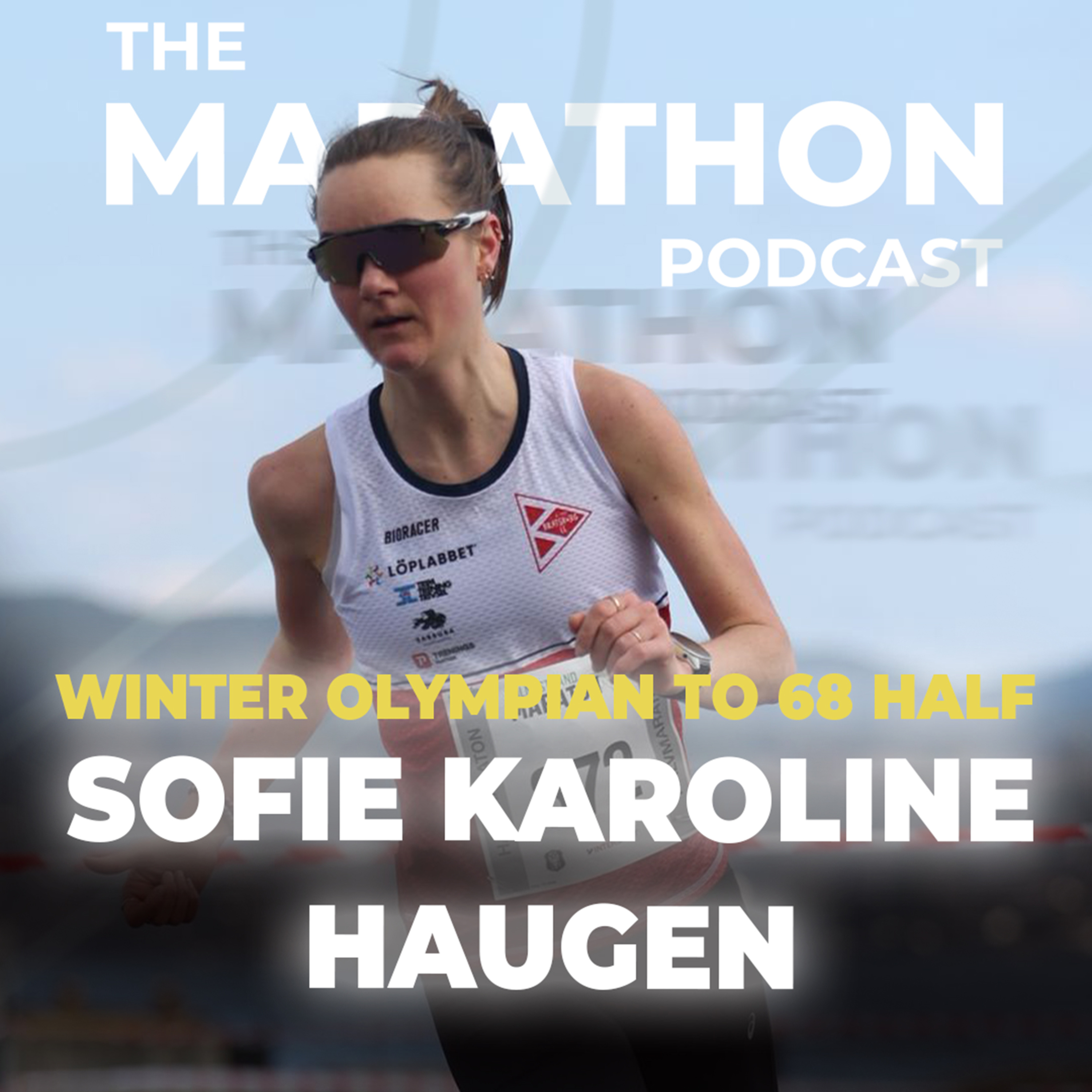
How does a winter Olympian become a 1:09 half marathoner in two years? Sofie Karoline Haugen skated for Norway at the 2022 Olympics, retired from speed skating in 2024, and has since run 10K in 31:57 and a 1:09 half marathon at the Copenhagen half, just a year after running 1:18 in the same city.
Kristian and Sofie have known each other for around 17 years and both come from speed skating. In this conversation, Sofie looks back on her career: the years without progress, the decision to move to Stavanger and rebuild her training, the 2019 breakthrough that took her to ninth in the world, and the Olympic Games. She explains why she walked away when she was still skating well, and how a casual 3K on the track turned into a running career.
Then the conversation turns to training. Sofie takes us through her week at 170 to 180 kilometers, including double threshold days, how she keeps her easy days easy, why consistency matters most, how she chooses shoes for different days as someone who works at the running store Löplabbet, and what she has learned about bicarbonate. She also reveals that her first marathon is coming up in November.
In this episode:
From speed skating to a 1:09 half marathon
The years of hard work before the breakthrough
Moving to Stavanger and rebuilding her training
Qualifying for the Olympics
Why she quit skating in 2024
Her first races as a runner
Racing the Copenhagen half
Shoes for different days, including the Alphafly 4
A full week at 170 to 180 kilometers
Building strength without getting injured
Her first marathon
Timestamps
00:00 Introducing Sofie
01:17 Saysky
01:51 Interview begins
02:19 From skater to 1:09 half marathoner
04:15 Sofie’s skating background
05:56 Years of hard work, and the setback
08:03 Moving to Stavanger
13:17 Ninth in the world
14:25 Qualifying for the Olympics
16:43 Why she quit skating
19:07 The moment she knew
22:36 Starting to run
23:16 A 9:29 3K
25:02 Working at Löplabbet and her coach
27:46 Racing in Copenhagen last year
31:24 A 31:57 10K
35:19 The Copenhagen Half Marathon
37:15 Running 1:09
40:30 Alphafly 4 vs Alphafly 3
43:43 Shoes for different days
49:26 Injuries and building strength
53:33 A week of training
59:18 Why consistency matters
1:09:46 Bicarbonate
1:11:56 Her first marathon
1:13:26 Wrap up
Sofie on Instagram: @sofiehaugen
Start your free Musicbed trial: https://fm.pxf.io/kristianwarwick
Full episodes + the Boston 2025 documentary: https://www.youtube.com/@Warwickruns
Follow my training journey on Instagram: @warwick.runs
Music from Musicbed: MB01XPYH8ZYENVAMB0133EV2TCQFZY
The Marathon Podcast is now proudly sponsored by Saysky Copenhagen. Use code TMP15 for 15% off at saysky.com.
Get 20% off a Strava annual subscription with code KRISTIAN
Save on FlexBeam using code WARWICKRUNS or this link: https://rechargehealthas.sjv.io/55GAPb
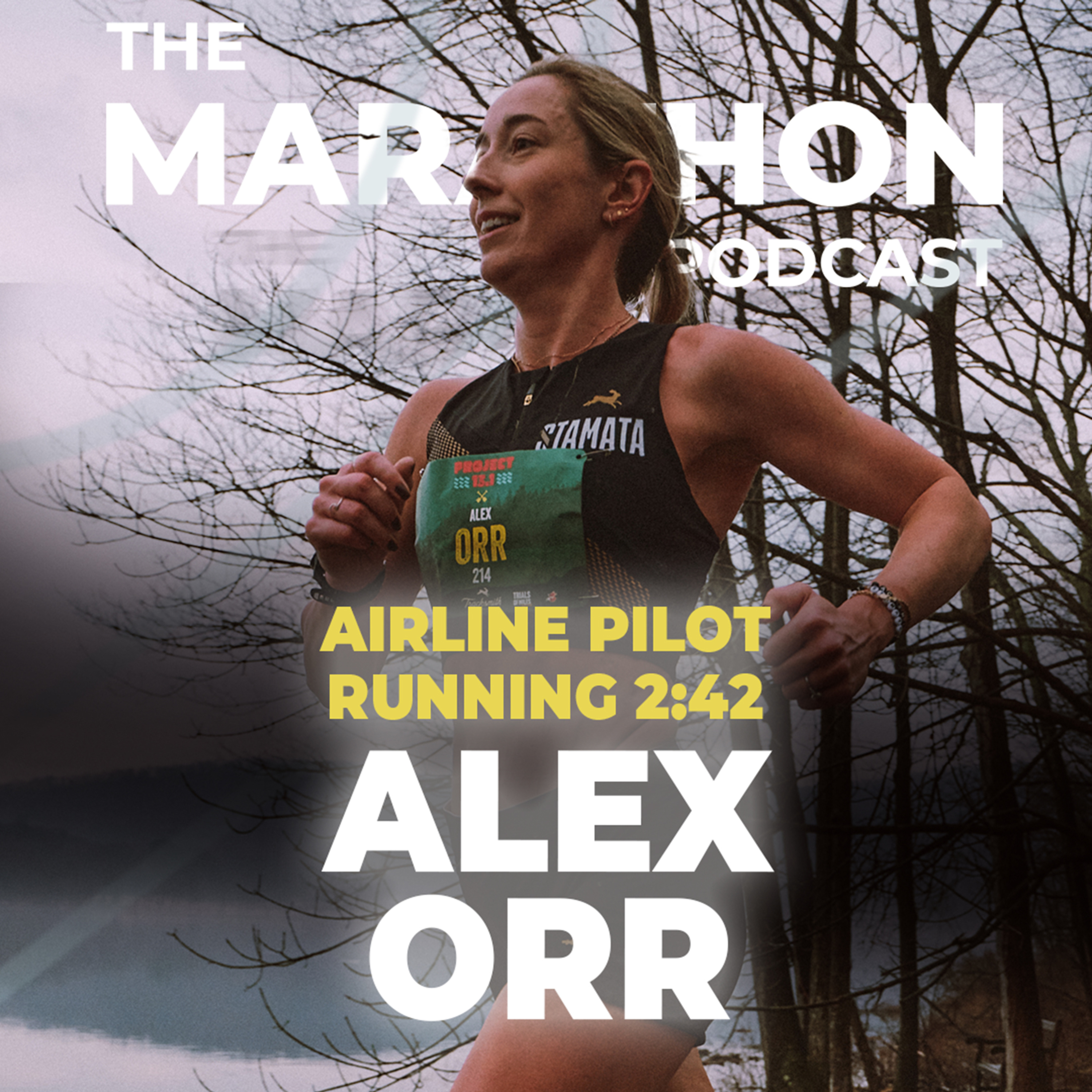
How do you train for a 2:42 marathon while flying as an international airline pilot? In this episode of The Marathon Podcast, part of our series with Tracksmith’s Stamata team, Kristian talks with Alex Orr, a United Airlines pilot who flies the Boeing 777 and runs for Georgetown Running Club in Washington, D.C.
Alex is a 2:42 marathoner (set in Berlin) and a 1:15 half marathoner, and she is chasing an Olympic Trials qualifier. She explains how she plans every week around her flight schedule, why she protects her hard workouts at home, how she handles jet lag and cancelled flights, and what a normal training week looks like when she is gone for days at a time. We also talk about cockpit naps, recovery on layovers, and how she tells the difference between a tough day and a day to back off.
Alex shares the story of how she found her way back to running after stepping away from the sport, what she learned from two marathons that did not go to plan, and how being part of Stamata, led by Steph Bruce and supported by Tracksmith, has shaped her journey.
In this episode:
How a 777 pilot fits in a marathon build
Planning workouts around flights, jet lag and delays
Joining Tracksmith’s Stamata team
Stepping away from running and finding her way back
From a 2:46 in Chicago to a 2:42 in Berlin
Learning from Indianapolis and Eugene, two marathons that did not go to plan
A 1:15 half marathon
A full training week, including VO2 sessions and long runs
Recovery, sleep and naps in the cockpit
Her next goal at CIM
Timestamps
00:00 Introducing Alex
01:07 Kristian’s training update
02:31 Welcome, and fitting running around flights
07:13 Who Alex is and how she got into running
08:05 Living the dream as a pilot and runner
08:57 Joining Tracksmith’s Stamata team
11:15 Flight schedules, bidding and training camps
13:13 Getting time off for races
14:52 Early years of running
18:15 Her coaches
19:49 Life after college
20:23 Losing her father
22:52 Coming back with GRC
24:29 The breakthrough in Chicago and 2:42 in Berlin
25:15 Grief and running
27:39 What running means to her
30:01 What drives her
31:51 Chasing the OTQ
32:42 Indianapolis and Eugene, and what went wrong
37:47 The 1:15 half marathon
39:11 Lessons from the marathon
41:42 A typical training week
46:39 Marathon pace work and long runs
50:04 Recovery, sleep and cockpit naps
52:08 International trips and training around them
56:14 Recovery data on work days
59:22 Running in layover cities
1:03:41 Next up: CIM
1:05:56 Outro
Alex on Instagram: @alexrunstheskies
Start your free Musicbed trial: https://fm.pxf.io/kristianwarwick
Full episodes + the Boston 2025 documentary: https://www.youtube.com/@Warwickruns
Follow my training journey on Instagram: @warwick.runs
Music from Musicbed: MB01XPYH8ZYENVAMB0133EV2TCQFZY
The Marathon Podcast is now proudly sponsored by Saysky Copenhagen. Use code TMP15 for 15% off at saysky.com.
Get 20% off a Strava annual subscription with code KRISTIAN
Save on FlexBeam using code WARWICKRUNS or this link: https://rechargehealthas.sjv.io/55GAPb
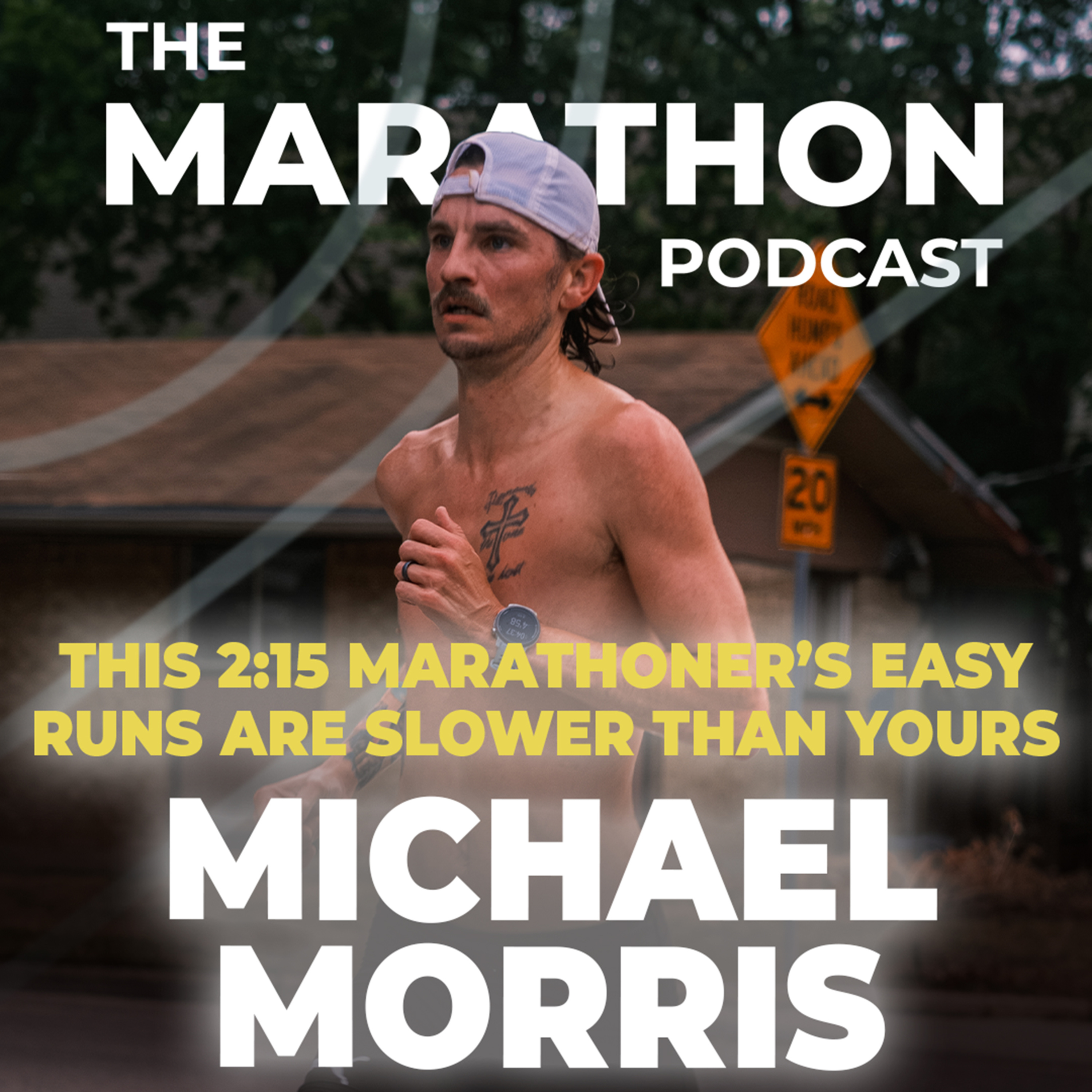
Michael, better known as SupaDupa Slim, is a 2:15 marathoner from Austin, Texas, coached by Jeff Cunningham of Bat City Track Lab. His path to 2:15 has been anything but linear: from the slow kid on the team in a small Texas town, to a marathon that fell apart in the second half, to missing the Olympic Trials standard by seconds, and finally to running 2:15 at the McCurdy Pro Marathon and qualifying.
In this conversation, Michael breaks down what actually moved the needle: small, steady jumps instead of big leaps, a smarter approach to mileage, learning to run marathon pace without fear, and why time alone should never define you as a runner. He walks through his training week for the marathon, the block behind the 2:15, and the race itself. He also explains where the SupaDupa Slim name comes from.
Before the interview, Kristian shares his own training update on the road to a sub-2:30 attempt in Valencia, including a 3:21 per kilometer opener in a session he did not expect to hold.
In this episode:
Where the name SupaDupa Slim comes from
From slow kid to 2:15 marathoner, 25 years of running
Two first marathons and what they taught him
Overtraining, injury and rebuilding with patience
Why small jumps and consistency beat big leaps
How to chase a faster pace without freezing up
A full marathon training week and the block behind the 2:15
His mileage philosophy and advice for runners
The McCurdy Pro Marathon, mile by mile
Next up: the Houston Half Marathon and a Boston pro field hope
Timestamps
00:00 Introducing Michael
01:44 Kristian’s training update
02:08 Saysky
14:45 Interview begins
14:52 The name SupaDupa Slim
16:52 What running means to Michael
20:03 Staying consistent for 25 years
22:32 Growing up with running siblings
26:40 His first marathons
32:43 Learning what it takes
39:01 Injury and rebuilding
41:00 Time goals and the ceilings we create
44:53 Learning to run faster paces
48:17 Commitment and decision making
51:07 Coach Jeff Cunningham
53:32 A marathon block for 2:15
1:00:12 Recovery and fueling
1:03:49 Small habits and mobility
1:06:23 Mileage advice
1:10:23 Doing less and feeling better
1:13:24 A week of marathon training
1:17:45 The McCurdy Pro Marathon
1:23:06 Qualifying, emotions and the finish
1:26:11 What’s next
1:27:34 Wrap up
Michael on Instagram: @supadupaslim
Start your free Musicbed trial: https://fm.pxf.io/kristianwarwick
Full episodes + the Boston 2025 documentary: https://www.youtube.com/@Warwickruns
Follow my training journey on Instagram: @warwick.runs
Music from Musicbed: MB01XPYH8ZYENVAMB0133EV2TCQFZY
The Marathon Podcast is now proudly sponsored by Saysky Copenhagen. Use code TMP15 for 15% off at saysky.com.
Get 20% off a Strava annual subscription with code KRISTIAN
Save on FlexBeam using code WARWICKRUNS or this link: https://rechargehealthas.sjv.io/55GAPb
Olympic marathoner Dakotah Lindwurm joins The Marathon Podcast just days before she lines up at the Chicago Marathon. She was the top American at the 2024 Paris Olympics, finishing 12th, and is a three-time Grandma's Marathon champion.
Dakotah went from a Minnesota hockey kid who finished last in her first high school mile to a Division II runner at Northern State and, eventually, one of the best marathoners in the country. She shares how she trains with Minnesota Distance Elite, why strength work has been behind some of her biggest leaps, how she has stayed healthy for so long, and what a normal marathon training week looks like for her.
We also get into race week, her Chicago goal, the road to the 2028 Olympic Trials, and her upcoming book, You Think This Hurts.
Kristian also shares an update on his own build for a sub-2:30 attempt in Valencia in December.
In this episode:
- Race week routines and her goal for Chicago
- From hockey to the Olympic marathon
- Qualifying for Paris and finishing 12th
- Getting engaged right after the Olympic marathon
- Staying consistent and injury-free for years
- Training with Minnesota Distance Elite and coach Chris Lundstrom
- Minnesota winters and the Norwegian training link
- Strength training for runners
- A full week of marathon training, including easy pace and long runs
- Her book, You Think This Hurts
Timestamps
00:00 Cold open
00:13 Welcome
01:33 Kristian's training update
04:18 Giveaway
04:56 Saysky and sponsors
05:44 Race week with Dakotah
08:38 Her background
09:12 From hockey to running
10:32 Northern State
14:19 Qualifying for the Olympics
16:22 Last year's Chicago and big goals
19:00 Pressure: Olympics vs majors
20:26 Paris, 12th place and the proposal
24:51 The book
27:50 What running means to her
32:09 Chicago goals
37:26 Racing for top three at the Trials
39:30 Why she has stayed consistent
43:32 Minnesota Distance Elite
50:13 Coach Chris Lundstrom
52:30 Minnesota winters
56:38 Strength training
1:03:08 A normal training week
1:09:56 Easy pace and long runs
1:11:41 Pre-ordering the book
1:13:05 Outro
https://www.instagram.com/dakotahlindwurm/
Her book: https://static.macmillan.com/static/smp/you-think-this-hurts-9781250476234/
Start your free Musicbed trial: https://fm.pxf.io/kristianwarwick
Full episodes + the Boston 2025 documentary: https://www.youtube.com/@Warwickruns
Follow my training journey on Instagram: @warwick.runs
Music from Musicbed: MB01XPYH8ZYENVAMB0133EV2TCQFZY
The Marathon Podcast is now proudly sponsored by Saysky Copenhagen. Use code TMP15 for 15% off at saysky.com.
Get 20% off a Strava annual subscription with code KRISTIAN
Save on FlexBeam using code WARWICKRUNS or this link: https://rechargehealthas.sjv.io/55GAPb
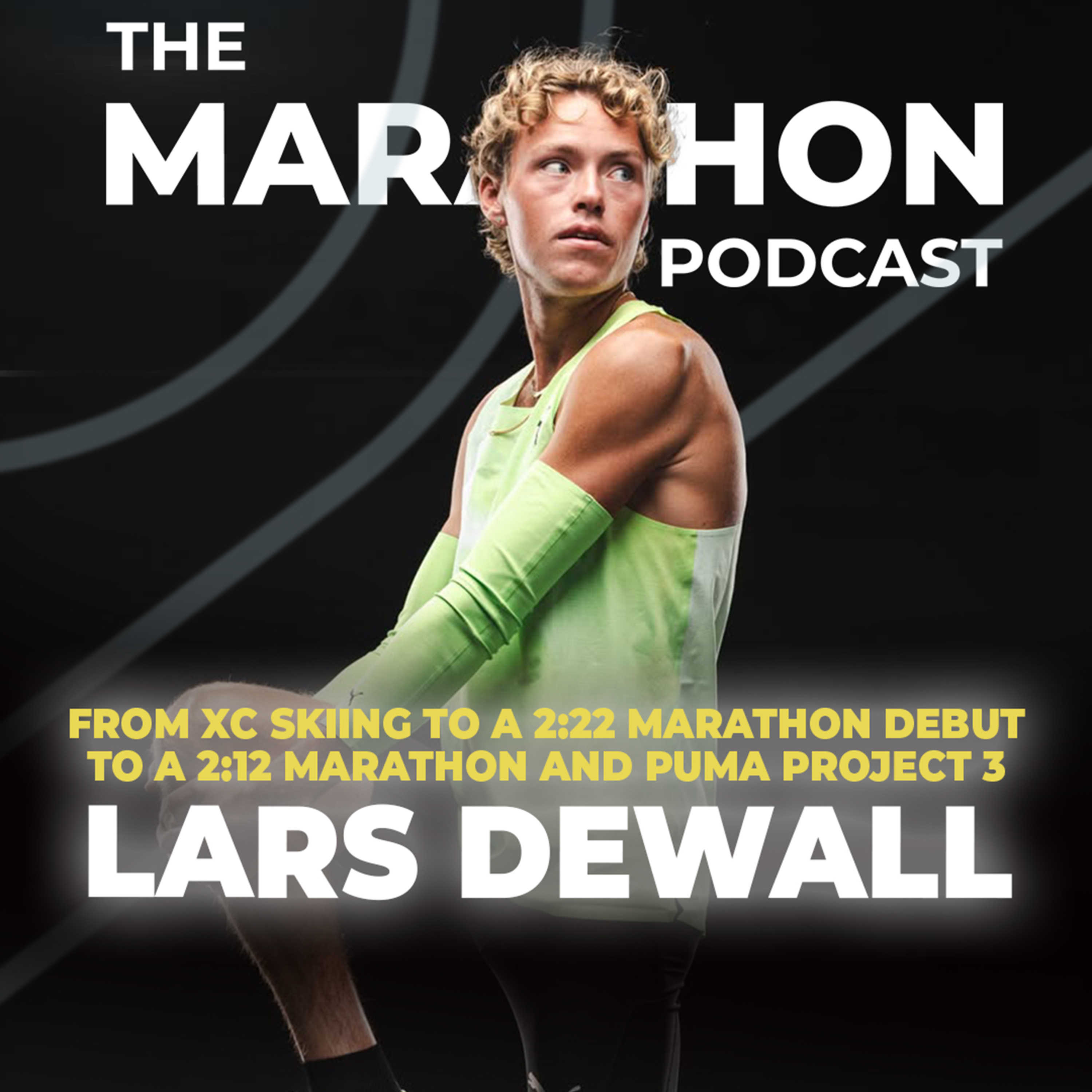
Kristian sits down with Lars Dewall, a middle school teacher and former Nordic skier who ran a 2:22 debut marathon on a three week build and has since worked his way down to a 2:12:13 personal best at the Berlin Marathon.
Lars shares how a Minnesota ski racer turned runner fits two runs a day around a full teaching job, from a 5:30 am shake out to afternoon sessions after school. He explains how his Nordic background shapes his training, why he keeps easy days really easy, and how he ramped up to 135+ mile weeks. We also get an honest look at Berlin as part of Puma Project 3, where he set a PB by 18 seconds but had to let go of his sub 2:10 goal mid race, plus a deep dive into his double threshold sessions and strength routine.
In this episode:
- Balancing a full time teaching job with a 2:12 marathon
- A normal training day, from a 5:30 am run to afternoon miles
- How Nordic skiing built his aerobic engine
- Running 2:22 in his debut marathon with only three weeks of notice
- Why he keeps easy days really, really easy
- Going from 2:22 to 2:14 at CIM to 2:12 at Boston
- Berlin with Puma Project 3 and letting go of a sub 2:10 goal mid race
- Double threshold sessions and treadmill workouts
- Why he started strength training after college
- Peak mileage of 135+ miles a week
Timestamps
00:00 Welcome and why this conversation stood out
01:58 Looking back at 225 episodes
03:07 The friendships behind the podcast and a word on Saysky
04:51 Welcome to Lars
06:26 How he balances teaching and running
07:01 A normal training day
09:11 Minnesota and Nordic skiing
13:23 Moving to San Diego and running with Lane Zero
18:12 The 2:22 debut at Grandma's on three weeks of notice
23:12 Ramping up mileage fast after moving to San Diego
26:39 Keeping easy days really easy
28:29 Training by hours, not miles
33:06 Choosing running over a promising ski career
36:11 From CIM to Boston: how he got to 2:12
41:11 Puma Project 3 and the Berlin build
43:15 Berlin: dropping off the sub 2:10 pack and still running a PB
44:22 Why the sub 2:10 barrier is still the goal
48:10 What he'd change after Berlin
56:32 Threshold sessions on the treadmill and roads
58:31 Double threshold in the Berlin build
59:21 Why he started strength training after college
1:04:22 Peak mileage: 135+ miles a week
1:14:01 Testing at Puma HQ in Boston
1:15:50 What's next after Berlin
1:17:20 Closing thoughts and a thank you to Lars
Lars on Instagram: https://www.instagram.com/dewalllars/
Start your free Musicbed trial: https://fm.pxf.io/kristianwarwick
Full episodes + the Boston 2025 documentary: https://www.youtube.com/@Warwickruns
Follow my training journey on Instagram: @warwick.runs
Music from Musicbed: MB01XPYH8ZYENVAMB0133EV2TCQFZY
The Marathon Podcast is now proudly sponsored by Saysky Copenhagen. Use code TMP15 for 15% off at saysky.com.
Get 20% off a Strava annual subscription with code KRISTIAN
Save on FlexBeam using code WARWICKRUNS or this link: https://rechargehealthas.sjv.io/55GAPb
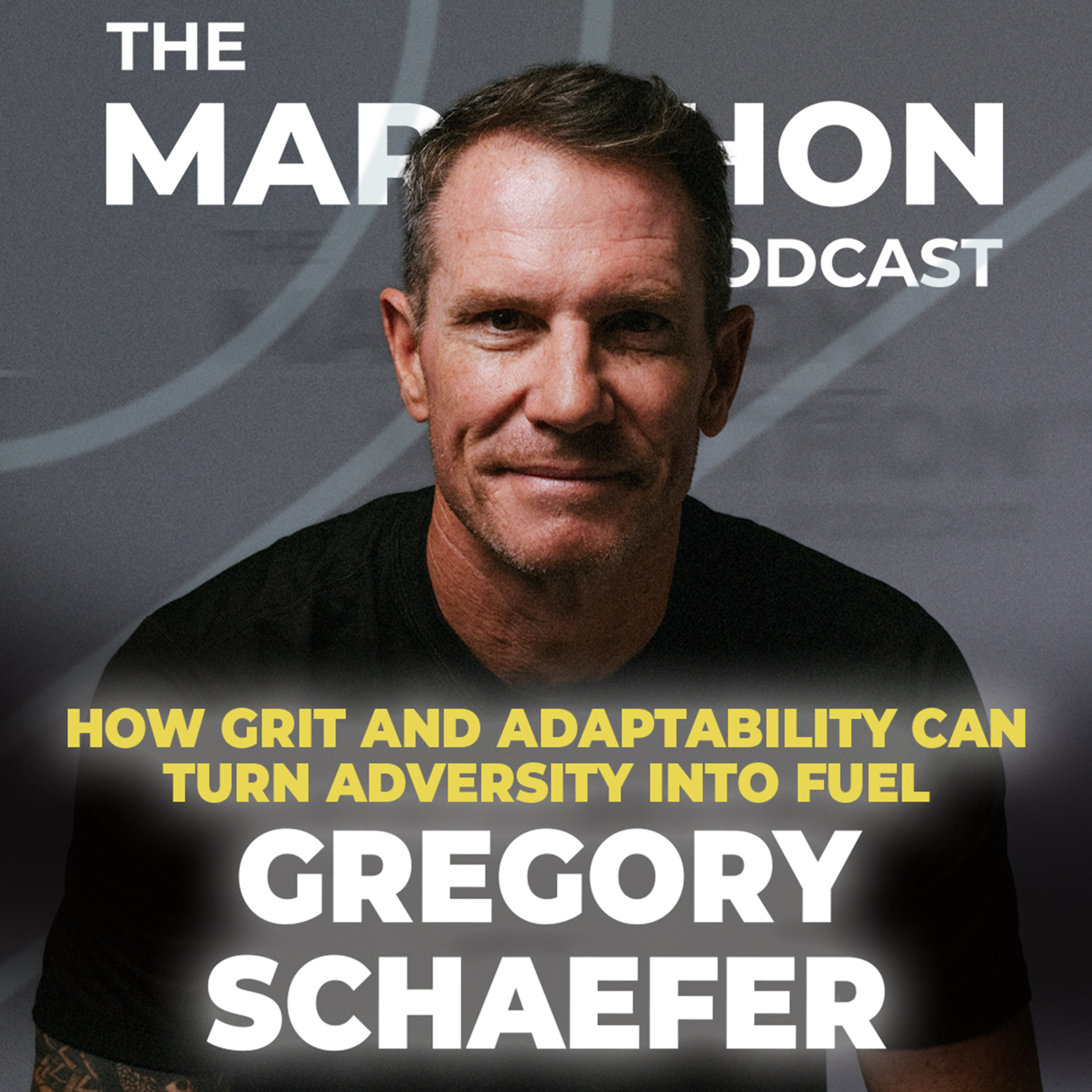
Kristian sits down with Greg Schaefer, a 20 time Ironman finisher, former college basketball player, and Kona qualifier who was diagnosed with Young Onset Parkinson's at 48 and has no intention of being defined by it.
Greg takes us from his first Ironman in Nice to the Kona race where his body started "whispering before it screams," through the phone call on a family vacation that gave him his diagnosis, and the strange sense of relief that came with finally having answers. He talks openly about medication, balancing advocacy with not wanting Parkinson's to be his whole identity, and how he fought his way back to training. We also get into running the Boston Marathon as an adaptive athlete two years in a row, including a first ever negative split on a sore Achilles, and what he's looking forward to at Kona this year.
In this episode:
- Racing Ironman Nice while recovering from surgery
- From college basketball to 20 Ironman finishes
- The Kona race where his body started sending warning signs
- The phone call that brought his Young Onset Parkinson's diagnosis
- Why he felt a sense of relief, and what the disease actually is
- Not wanting to be defined by Parkinson's
- Getting back to training and racing after diagnosis
- Running Boston twice as an adaptive athlete
- Raising over $100,000 for the Ironman Foundation
- Why Kona is the Super Bowl of the sport
Content note: this episode includes an open discussion of a serious medical diagnosis and living with a neurological disease. Please take care while listening.
Timestamps
00:00 Welcome and why this conversation stayed with Kristian
01:26 Kristian's own training update
11:08 A quick word on Saysky and the TMP15 code
11:59 Welcome to Greg
12:26 Racing Ironman Nice after hernia surgery and a torn ankle
16:19 Greg's introduction: 21 Ironmans, business, and family
18:44 Letting go of the basketball dream
29:15 How he got into Ironman
36:10 How his perspective changed over time
37:24 Kona 2019 and the first signs something was off
40:03 Kona: the race where his body "whispered"
42:33 The phone call: diagnosed with Young Onset Parkinson's
43:35 Feeling relieved as everything finally made sense
44:45 What Young Onset Parkinson's actually is
49:24 Medication and its trade offs
52:14 Not wanting to be defined by the disease
54:37 Getting back to training after the diagnosis
58:17 Running the Boston Marathon as an adaptive athlete
1:00:27 Qualifying with a downhill marathon in Vegas
1:02:23 Boston again: a negative split on a sore Achilles
1:16:48 Kristian's first Ironman and what Kona is really like
1:20:49 Kona, the Super Bowl of the sport
1:22:35 Raising over $100,000 for the Ironman Foundation
1:23:04 Closing thoughts and good luck at Kona
Greg's website: https://gregoryschaefer.com
Start your free Musicbed trial: https://fm.pxf.io/kristianwarwick
Full episodes + the Boston 2025 documentary: https://www.youtube.com/@Warwickruns
Follow my training journey on Instagram: @warwick.runs
Music from Musicbed: MB01XPYH8ZYENVAMB0133EV2TCQFZY
The Marathon Podcast is now proudly sponsored by Saysky Copenhagen. Use code TMP15 for 15% off at saysky.com.
Get 20% off a Strava annual subscription with code KRISTIAN
Save on FlexBeam using code WARWICKRUNS or this link: https://rechargehealthas.sjv.io/55GAPb
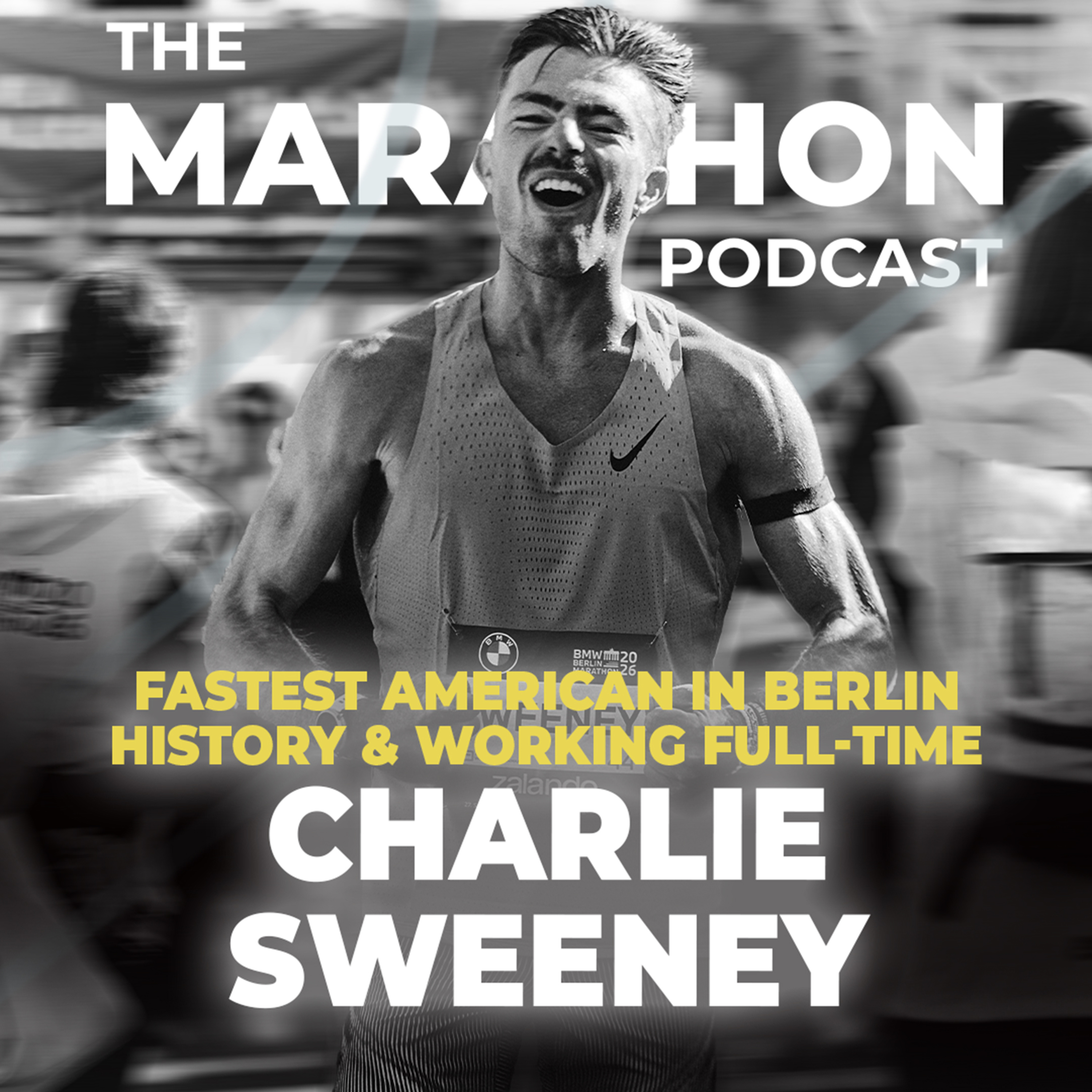
Kristian brings you a bonus episode just hours after recording, sitting down with Charlie Sweeney, who became the fastest American in Berlin Marathon history with a 2:09:33, for a conversation Kristian says he's never been more excited to share.
Charlie walks through his path from a disappointing Olympic Trials experience, where he arrived under fueled and banged up after failing to properly recover from the high of qualifying, to nearly stepping away from the sport entirely. He opens up candidly about the period that followed, working a normal job and running just a few easy miles a day, and how pacing his now partner Elise's workouts reignited his love for running and eventually led him back to racing marathons. The conversation covers his current training with coach David Roche, peaking around 150 miles a week, the uphill treadmill sessions that have become central to his build, and his approach to simulating race effort using a treadmill grade calculator.
In this episode:
- Becoming the fastest American in Berlin Marathon history
- A difficult Olympic Trials experience and the fallout that followed
- Nearly stepping away from running altogether
- How pacing his now partner Elise's workouts brought him back
- Returning to the marathon and rediscovering the love of the sport
- Training under coach David Roche and peaking at 150 miles a week
- The uphill treadmill sessions behind his breakthrough
- Using a treadmill grade calculator to simulate race effort
- Balancing elite training with a full time job at Coros
- What comes next as he looks to keep improving into his thirties
Timestamps
00:00 A preview: what a good day on the track looks like now
00:18 Welcome and introducing Charlie Sweeney
02:02 Kristian's own training update
04:23 Announcing the podcast's sponsorship with Saysky Copenhagen
05:16 Welcome to Charlie and why this episode means so much
11:38 Charlie's background and his job at Coros
20:55 Working at a running brand that takes hiring seriously
21:17 The Coros and treadmill integration, explained
45:24 Introducing Elise and her role in his coaching
46:42 Qualifying for the Olympic Trials on the first attempt
48:13 Riding the high of qualifying, then crashing afterward
50:01 A difficult Olympic Trials experience
50:36 Finding a new coach and stepping away from running
51:48 Pacing Elise's workouts and falling back in love with the sport
52:00 Deciding to return to the marathon
53:13 Training under coach David Roche and peaking at 150 miles a week
2:11:20 Building toward three races in one block, including Berlin
2:13:17 The uphill treadmill sessions behind his training
2:17:33 Using a treadmill grade calculator to simulate effort
2:23:48 Looking ahead to getting even better in his thirties
2:24:19 Closing thoughts and thank you to Charlie
Treadmill grade calculator: https://42.195km.net/e/treadsim/
The other episode mentioned, for more on Charlie's training: https://open.spotify.com/episode/4qF8kurf3VzibAsJYWnmty?si=cdfb5255ec2d4d3b
Charlie on Instagram: https://www.instagram.com/cls1423/
Start your free Musicbed trial: https://fm.pxf.io/kristianwarwick
Full episodes + the Boston 2025 documentary: https://www.youtube.com/@Warwickruns
Follow my training journey on Instagram: @warwick.runs
Music from Musicbed: MB01XPYH8ZYENVAMB0133EV2TCQFZY
The Marathon Podcast is now proudly sponsored by Saysky Copenhagen. Use code TMP15 for 15% off at saysky.com.
Get 20% off a Strava annual subscription with code KRISTIAN
Save on FlexBeam using code WARWICKRUNS or this link: https://rechargehealthas.sjv.io/55GAPb
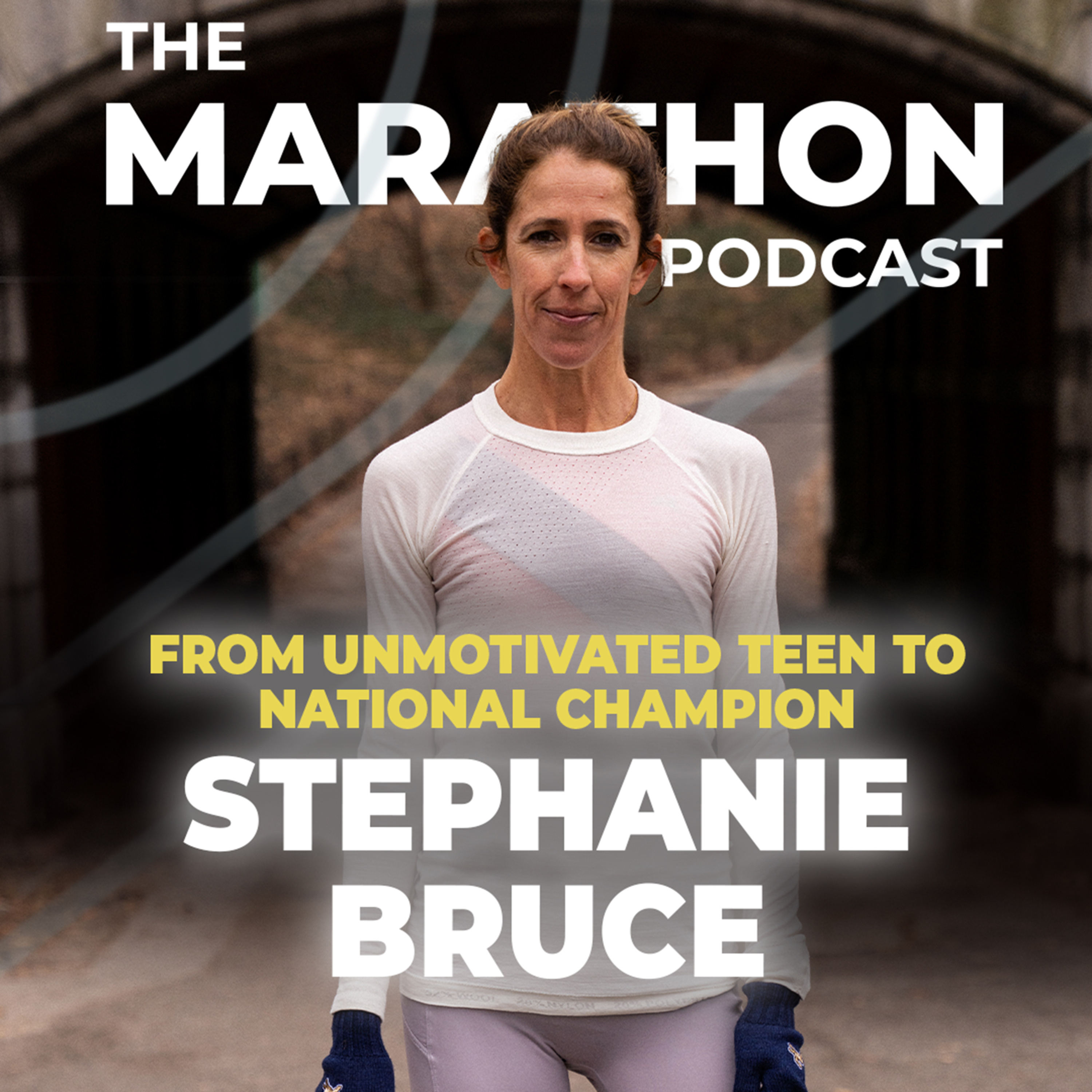
Kristian sits down with Stephanie Bruce, a professional runner of over 15 years and now the head of Project Stamata, supported by Tracksmith, for a conversation Kristian calls pure gold for runners at every level.
Stephanie shares her path from a reluctant, unmotivated high school runner to a national champion and longtime pro at HOKA NAZ Elite, and opens up about the sudden loss of her father during her senior year of high school, a moment that changed how she approached the sport. She talks candidly about building a life around running as a mom of three and serial entrepreneur, from co-founding Picky Bars to now leading Project Stamata, a program supporting women chasing the 2028 Olympic Trials. The conversation turns into a genuinely useful masterclass on marathon training, including the one thing Stephanie says matters more than any workout: fueling.
In this episode:
- A special Boston Marathon cutoff time announcement
- From an unmotivated high schooler to a national champion
- Losing her father suddenly during her senior year of high school
- Building a life in running as a mom of three and serial entrepreneur
- Co-founding Picky Bars and years as a pro with HOKA NAZ Elite
- Leading Tracksmith's Project Stamata for future Olympic Trials qualifiers
- Finding the balance between hardcore dedication and living a full life
- Why fueling, not training, is the biggest thing that makes or breaks a marathon cycle
- The most common under fueling mistake she sees in athletes
- What's next: a national team spot and racing New York in the pro field
Timestamps
00:00 Welcome and introducing Stephanie Bruce
02:10 Announcing the podcast's sponsorship with Saysky Copenhagen
02:17 A special Boston Marathon cutoff time announcement
06:52 Welcome to Stephanie and the idea behind this series
09:05 How she landed the role leading Project Stamata
11:19 Stephanie's introduction: 15 years as a pro, mom of three
14:00 An unmotivated high school runner living on Chick-fil-A
14:10 Her father's cancer diagnosis and declining health
14:53 The sudden loss of her father during her senior year
29:07 Finding the right level of dedication for each phase of life
31:07 Diving deeper into her professional running career
36:34 What it means to have Olympian next to your name or not
51:11 The most important thing in marathon training
51:54 Why fueling makes or breaks a training cycle
52:44 The most common under fueling mistake she sees
2:13:10 What's next: a national team and racing New York
2:14:20 Closing thoughts and thank you to Stephanie
Stephanie on Instagram: https://www.instagram.com/stephrothstein
Start your free Musicbed trial: https://fm.pxf.io/kristianwarwick
Full episodes + the Boston 2025 documentary: https://www.youtube.com/@Warwickruns
Follow my training journey on Instagram: @warwick.runs
Music from Musicbed: MB01XPYH8ZYENVAMB0133EV2TCQFZY
The Marathon Podcast is now proudly sponsored by Saysky Copenhagen. Use code TMP15 for 15% off at saysky.com.
Get 20% off a Strava annual subscription with code KRISTIAN
Save on FlexBeam using code WARWICKRUNS or this link: https://rechargehealthas.sjv.io/55GAPb
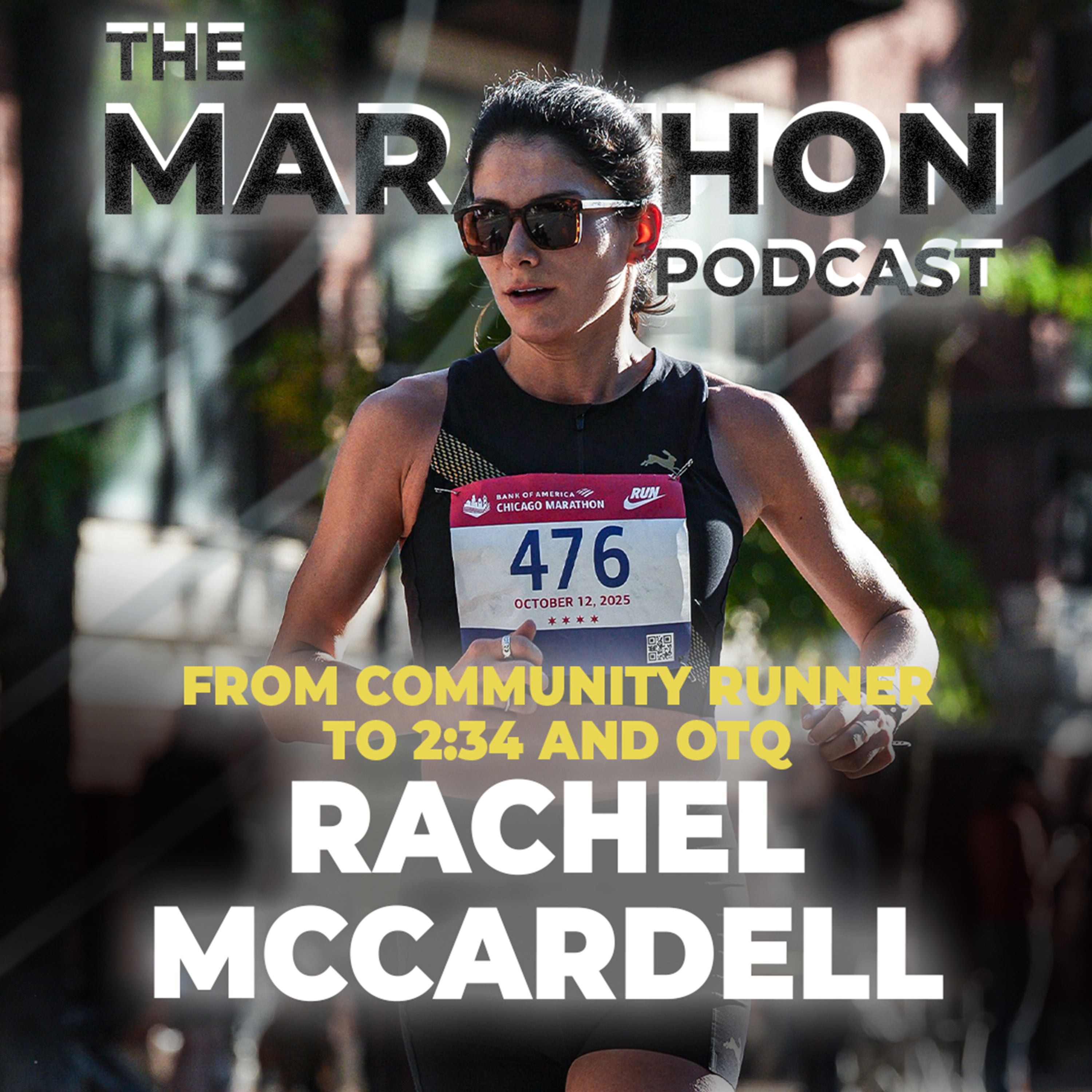
Kristian sits down with Rachel McCardell, a Puma Project 3 athlete and Olympic Trials qualifier, just days before she lines up at the Berlin Marathon.
Rachel shares what it's meant to be part of Puma Project 3 and the running community around it, and opens up about the incredible influence of her college coach at Northwestern, a conversation that Kristian says gave him chills.
She talks through her Olympic Trials qualifying race in Chicago, a six minute personal best run with her teammate pacing her the entire way, and how the mindset lessons from her college program have stayed with her well beyond running.
The conversation closes with her honest, low pressure approach to goal setting heading into Berlin, and the sub 2:30 time quietly sitting in the back of her mind.
https://www.instagram.com/rachel_mccardell/
In this episode:
- Being part of Puma Project 3 and the community around it
- The Northwestern cross country coach who transformed her mindset
- Lessons on teamwork, gratitude, and making hard work fun
- Qualifying for the Olympic Trials with a six minute PR in Chicago
- Having a teammate pace her through the entire race
- Learning to stop putting pressure on time goals
- Fueling and nutrition lessons from the Puma Project 3 resources
- Her honest, low pressure approach to Berlin
- The sub 2:30 time quietly in the back of her mind
Timestamps
00:00 Welcome and introducing this Berlin special with Rachel
01:38 Announcing the podcast's sponsorship with Saysky Copenhagen
01:50 Welcome to Rachel, seven days before Berlin
03:28 How it felt to be selected for Puma Project 3
05:09 Fueling: the biggest takeaway from the project
10:05 Deciding to run marathons to stay with her community
10:19 Qualifying for the Olympic Trials in Chicago with a 2:34
11:11 Her teammate Mitch pacing her through the entire race
11:52 The Northwestern coach who gave Kristian chills
17:35 Lessons on teamwork, fun, and gratitude that stuck with her
37:09 Fueling and nutrition lessons from the project
58:03 Race day nutrition strategy explained
1:04:10 Sharing the Chicago moment with her teammate
1:04:51 Her goal for Berlin and why she won't verbalize a time
1:07:03 The sub 2:30 quietly in the back of her mind
1:07:19 Closing thoughts and good luck in Berlin
Start your free Musicbed trial: https://fm.pxf.io/kristianwarwick
Full episodes + the Boston 2025 documentary: https://www.youtube.com/@Warwickruns
Follow my training journey on Instagram: @warwick.runs
Music from Musicbed: MB01XPYH8ZYENVAMB0133EV2TCQFZY
The Marathon Podcast is now proudly sponsored by Saysky Copenhagen. Use code TMP15 for 15% off at saysky.com.
Get 20% off a Strava annual subscription with code KRISTIAN
Save on FlexBeam using code WARWICKRUNS or this link: https://rechargehealthas.sjv.io/55GAPb
Kristian sits down with Christopher Brenk, a Puma Project 3 athlete heading into the Berlin Marathon off the back of a 2:17 personal best in Eugene, for a genuinely unique running story: from Division 3 college racing to training at altitude in the highest city in the United States.
Christopher shares how a spontaneous application with his college teammate turned into a Puma Project 3 selection, and what it's meant to suddenly have shoes, gear, and a community built around his marathon racing for the first time. He walks through his path from a small Division 3 program at St. Olaf, through years spent in Sitka, Alaska and Utah, to now living and training in Laramie, Wyoming, the highest elevation D1 city in the country. The conversation covers what it's actually like adapting to serious altitude training, how he thinks about carb intake and race nutrition heading into Berlin, and the strange in between space of running elite times without seeing himself as a professional.
In this episode:
- Getting selected for Puma Project 3 alongside a college teammate
- Having shoes, gear, and a community for the first time
- A Division 3 college running background and an unconventional path
- Years spent living in Sitka, Alaska and Utah before Wyoming
- Moving to the highest elevation city in the US for altitude training
- What it's actually like adapting to serious altitude
- Balancing running with a full time job at the university registrar
- Race nutrition strategy and carb intake heading into Berlin
- Chasing a new personal best at the Berlin Marathon
Timestamps
00:00 Welcome and introducing Christopher Brenk
01:00 Announcing the podcast's sponsorship with Saysky Copenhagen
02:13 Kristian's own training week update
08:26 Welcome to Christopher and a wifi mishap
10:08 How it felt to get selected for Puma Project 3
14:04 Running a 2:17 marathon while not seeing himself as a pro
19:12 A Division 3 college running background
19:59 Years spent in Sitka, Alaska before Wyoming
20:00 Moving to Laramie for altitude training and his girlfriend's masters program
52:15 Living and training in the highest city in the US
53:39 Adjusting workouts to account for the altitude
57:07 Whether the altitude benefits are finally paying off
1:16:46 Race nutrition strategy and carb intake for Berlin
1:19:02 Closing thoughts and good luck in Berlin
Christopher on Instagram: https://www.instagram.com/christopher_brenk/
Start your free Musicbed trial: https://fm.pxf.io/kristianwarwick
Full episodes + the Boston 2025 documentary: https://www.youtube.com/@Warwickruns
Follow my training journey on Instagram: @warwick.runs
Music from Musicbed: MB01XPYH8ZYENVAMB0133EV2TCQFZY
The Marathon Podcast is now proudly sponsored by Saysky Copenhagen. Use code TMP15 for 15% off at saysky.com.
Get 20% off a Strava annual subscription with code KRISTIAN
Save on FlexBeam using code WARWICKRUNS or this link: https://rechargehealthas.sjv.io/55GAPb
Kristian welcomes back coach Brant Stachel for his third appearance on the podcast, this time to answer a question sparked by his own wife: why does low intensity training actually work?
Brant and Kristian dig into the physiology behind easy running, from mitochondrial density and capillary growth to the honest caveat that a lot of the exact science still isn't fully settled. They discuss why low intensity training has become such a hot topic in the sport, what elite programs seem to be finding through trial and error even without perfect research to back it up, and how to actually judge whether your easy runs are truly easy. The conversation closes with practical advice on using the talk test, ignoring your watch, and getting past the ego hit of running slow on Strava. Kristian then shares a full recap of his own training week, including a look ahead to Puma Project 3 athletes racing Berlin.
In this episode:
- Why Brant's wife inspired this episode's big question
- The physiology behind low intensity training, explained simply
- Mitochondrial density, capillary growth, and what the research actually shows
- Why elite training groups keep coming back to low intensity work
- What "easy" is actually supposed to feel like
- Using the talk test instead of your watch
- Getting past the ego hit of slow paces on Strava
- Kristian's own training week recap
- A preview of Puma Project 3 athletes racing the Berlin Marathon
Timestamps
00:00 Welcome and the question that sparked this episode
02:10 Announcing the podcast's sponsorship with Saysky Copenhagen
04:51 Welcoming Brant Stachel back for his third appearance
08:10 The alphabet soup of training zones and paces
20:22 An honest look at what the research actually shows
25:03 The capillary system explained through a father's advice
39:36 Why zone two became such a hyped up trend
46:55 Ditching heart rate and pace altogether for a season
51:30 What easy is actually supposed to feel like
52:07 Using the talk test to judge your effort
55:21 Getting past the ego hit of slow Strava times
56:11 Wrapping up and planning a future episode on hard training
57:39 Kristian's own training week recap begins
1:02:33 A breakdown of his easy runs and average heart rate
1:08:19 Looking ahead to Puma Project 3 athletes racing Berlin
1:13:01 Closing thoughts and thank you for listening
Brant on Instagram: https://www.instagram.com/brant_stachel/
Brant on YouTube: https://www.youtube.com/channel/UC4Nd1yg5n94puosXxjeL5FQ
Start your free Musicbed trial: https://fm.pxf.io/kristianwarwick
Full episodes + the Boston 2025 documentary: https://www.youtube.com/@Warwickruns
Follow my training journey on Instagram: @warwick.runs
Music from Musicbed: MB01XPYH8ZYENVAMB0133EV2TCQFZY
The Marathon Podcast is now proudly sponsored by SaySky Copenhagen. Use code TMP15 for 15% off at saysky.com.
Get 20% off a Strava annual subscription with code KRISTIAN
Save on FlexBeam using code WARWICKRUNS or this link: https://rechargehealthas.sjv.io/55GAPb
Kristian sits down with Laura Peill, a Canadian physiotherapist based in Australia and a 2:50 marathoner herself, for a genuinely useful, evidence based deep dive into injury prevention, strength training, and how to actually listen to your body.
Laura shares her own two decade running journey, from a childhood step challenge to chasing new marathon PBs today, and brings her professional expertise into the conversation to explain exactly how to approach strength training to prevent injury, not just after the fact. She breaks down what tendinopathy actually is, why complete rest is rarely the right first move, and the simple daily and 24 hour checks that can tell you whether you're doing too much or just enough. The conversation covers when a niggle needs a physio and when it's safe to keep running through it, along with a practical hierarchy for building back up after time off.
In this episode:
- Laura's two decade running journey and current 2:50 marathon PB
- Splitting her time between physiotherapy, Pilates, and running
- How to approach strength training to prevent injury
- Two ways to think about strength: running specific vs. movement patterns
- What tendinopathy actually is and how tendons respond to load
- Why complete rest is rarely the right first response to pain
- The daily and 24 hour checks that tell you if you're doing too much
- When you actually need to see a physio vs. self manage
- A safe hierarchy for building back up after an injury
- Building toward the Melbourne Marathon and future goals
Timestamps
00:00 Welcome and introducing Laura Peill
02:19 Announcing the podcast's sponsorship with SaySky Copenhagen
05:19 Kristian's own training update
23:31 Welcome to Laura and previewing the conversation
26:52 Laura's background: physiotherapy, Pilates, and running
31:23 Laura's two decade running journey
45:19 Balancing running goals with a physiotherapist's perspective
59:19 Learning the hard way after an early IT band issue
1:00:52 How to approach strength training to prevent injury
1:07:35 Strength training doesn't prevent injury on its own
1:22:27 What tendinopathy actually is, explained simply
1:33:16 How tendons respond to load over time
1:38:16 When to see a physio vs. keep running through it
1:38:51 A safe hierarchy for building back up after an injury
1:39:29 The daily and 24 hour checks that tell you if it's too much
2:14:46 Laura's long term approach: chasing potential on the roads
2:16:04 Closing thoughts and good luck in Melbourne
More from Laura Peill: https://laurapeill.com
Start your free Musicbed trial: https://fm.pxf.io/kristianwarwick
Full episodes + the Boston 2025 documentary: https://www.youtube.com/@Warwickruns
Follow my training journey on Instagram: @warwick.runs
Music from Musicbed: MB01XPYH8ZYENVAMB0133EV2TCQFZY
The Marathon Podcast is now proudly sponsored by SaySky Copenhagen. Use code TMP15 for 15% off at saysky.com.
Get 20% off a Strava annual subscription with code KRISTIAN
Save on FlexBeam using code WARWICKRUNS or this link: https://rechargehealthas.sjv.io/55GAPb
Kristian sits down with Katharina Engelhardt, a Puma Project 3 athlete recommended straight from Puma, whose marathon journey went from a 3:38 debut and years stuck unable to break 40 minutes in the 10k, to a 2:46 personal best today.
Katharina shares how she calculated her way toward every marathon goal using her 10k times, and the years long frustration of chasing a sub 40 10k that never quite came, only to eventually run a marathon far faster than her 10k pace would ever have predicted. She breaks down the training shift that changed everything: adding serious volumes of zone two and three cycling alongside her running, something she still credits as the biggest driver of her recent improvement. The conversation also touches on being part of Puma Project 3, running the New York Marathon warming up alongside the elites, and her approach to staying calm and process focused heading into her next marathon in Berlin.
In this episode:
- Being recommended for Puma Project 3 directly by Puma
- Years spent chasing a sub 40 10k that never quite came
- Calculating every marathon goal using her 10k times
- Running a marathon far faster than her 10k pace ever predicted
- Discovering iron supplementation and the energy shift that followed
- Adding serious volumes of cycling alongside her running
- Why she believes cycling has been the biggest driver of her progress
- Warming up alongside the elites at the New York Marathon
- Letting go of the 10k and trusting her marathon fitness instead
- Heading into Berlin chasing a new personal best
Timestamps
00:00 Welcome to another Puma Project 3 episode
02:05 Announcing the podcast's sponsorship with SaySky Copenhagen
02:31 Kristian's own training update
04:18 Welcome to Katharina Engelhardt
04:41 Being recommended for Puma Project 3 directly by Puma
20:15 Struggling for four years to break sub 40 in the 10k
22:00 Chasing a sub three hour marathon and doing the math
24:20 The years long frustration of chasing sub 40
25:35 What her weekly training looked like at the time
47:02 Discovering iron supplementation and a sudden burst of energy
47:37 Adding six thousand kilometers of cycling in a single year
48:33 Keeping cycling as a core part of her training since
50:22 Why cycling might be underrated for non elite runners
57:40 A typical week blending running and cycling
1:07:15 Letting go of the 10k and trusting her marathon fitness
1:09:03 Closing thoughts and good luck in Berlin
Katharina on Instagram: https://www.instagram.com/ketheknete?stkn=Z2VnMHVkOGJlZzkz
Start your free Musicbed trial: https://fm.pxf.io/kristianwarwick
Full episodes + the Boston 2025 documentary: https://www.youtube.com/@Warwickruns
Follow my training journey on Instagram: @warwick.runs
Music from Musicbed: MB01XPYH8ZYENVAMB0133EV2TCQFZY
The Marathon Podcast is now proudly sponsored by SaySky Copenhagen. Use code TMP15 for 15% off at saysky.com.
Get 20% off a Strava annual subscription with code KRISTIAN
Save on FlexBeam using code WARWICKRUNS or this link: https://rechargehealthas.sjv.io/55GAPb
Content note: this episode includes an open discussion of mental health struggles and suicide. Please take care while listening, and know that support is available if you need it.
Kristian sits down with Brady Russell, a 14 year veteran of the Royal Australian Navy, for a conversation that isn't about fast times, but about finding joy again after some of the hardest years of his life.
Brady shares how leaving the military left him without structure or purpose, and how he first turned to running as a form of self punishment, using pain to distract himself from what he was struggling with internally. He opens up honestly about reaching his lowest point and the mental health facility stay that changed everything, and how meeting his wife gave him a reason to let his guard down for the first time. The conversation traces how running slowly transformed from an unhealthy coping mechanism into a genuine source of joy, connection, and purpose, one he now shares directly with his wife on their runs together. He closes by sharing his why: running for the people in his life who were lost to suicide and never got the chance he did.
In this episode:
- Leaving the Navy after 14 years and losing his sense of purpose
- Turning to running as a form of self punishment
- Reaching his lowest point and a stay in a mental health facility
- How meeting his wife gave him a reason to open up
- Turning an unhealthy coping mechanism into a genuine passion
- Finding joy in running together with his wife
- Being open about his story on social media
- Running for the people in his life lost to suicide
- Looking ahead to the Melbourne Marathon with his wife
Timestamps
00:00 A content note before this episode
00:27 Welcome and introducing this episode with Brady Russell
02:10 Announcing the podcast's sponsorship with SaySky Copenhagen
03:16 An update: his wife's first half marathon
10:53 Introducing Brady: 14 years in the Royal Australian Navy
11:44 Turning to running as a form of self punishment
16:44 What leaving the military actually took away
17:15 Why he chose to become open about his struggles
18:21 Reaching his lowest point and a mental health facility stay
20:39 How meeting his wife changed everything
22:13 How running turned from self harm into healthy obsession
23:37 Finding joy in running together with his wife
27:08 Going through therapy and what recovery looked like
45:40 How his mental health journey changed his outlook
59:15 Running for the people in his life lost to suicide
1:00:01 Looking ahead to the Melbourne Marathon with his wife
1:02:15 Closing thoughts and a thank you to his wife
1:03:37 Kristian's own training week: Ironman prep begins
1:04:28 Signing up for a swim coach and bringing in an Olympian
1:04:54 A full breakdown of the week, day by day
1:08:04 Resting when the week calls for it
1:09:52 A final word on training in SaySky gear
1:11:08 Closing thoughts and thank you for listening
Brady on Instagram: https://www.instagram.com/brady.showingup/
Start your free Musicbed trial: https://fm.pxf.io/kristianwarwick
Full episodes + the Boston 2025 documentary: https://www.youtube.com/@Warwickruns
Follow my training journey on Instagram: @warwick.runs
Music from Musicbed: MB01XPYH8ZYENVAMB0133EV2TCQFZY
Get 20% off a Strava annual subscription with code KRISTIAN
Save on FlexBeam using code WARWICKRUNS or this link: https://rechargehealthas.sjv.io/55GAPb
Kristian sits down with Michael Brady, a Puma Project 3 athlete who improved his marathon time from 3:03 to 2:19, for a genuinely fascinating story about how far consistency alone can take you.
Michael shares how he got into running almost accidentally during COVID, with no running background, no watch, no coach, and no real relationship with nutrition, and how he simply kept showing up and getting faster over dozens of marathons across Europe. He walks through his marathon progression city by city, being entirely self coached for most of his journey, and how joining Puma Project 3 changed the trajectory of his training. The conversation closes with an honest look at what's actually behind his improvement, including surprisingly little dedicated speed work, and his next big goal: racing the Chicago Marathon and chasing a 2:16.
In this episode:
- Getting into running almost by accident during COVID
- Running marathons with no watch and no relationship to nutrition
- A marathon journey across 11 different European cities
- Being entirely self coached for most of his career
- The block where training finally became intentional
- Joining Puma Project 3 and what changed because of it
- Why he's improved so much without much dedicated speed work
- His approach to strength training
- Easing into super shoes without going straight to race day
- What's next: chasing a 2:16 at the Chicago Marathon
Timestamps
00:00 Welcome and introducing Michael Brady
02:41 Kristian's Ironman and Valencia training update
15:52 Introducing Michael and previewing his story
20:26 Getting into running almost by accident during COVID
23:32 A brief athletic background in football, not running
28:44 What Michael would have said about being a 2:19 marathoner back then
33:03 The addictive feeling of racing and improving
34:40 Joining Puma Project 3 for the first time
36:47 How Project 3 changed the trajectory of his training
43:24 Years of self coached, low strategy marathon training
1:03:03 A conversation about strength training
1:10:06 Improving without a dedicated speed work block
1:12:23 Seeing his paces improve even without structured speed sessions
1:16:51 Talking through his experience with Puma Project 3
2:18:22 Easing into super shoes the smart way
2:20:18 Closing thoughts and good luck in Chicago
Michael on Instagram: https://www.instagram.com/mikeybrady589/
Start your free Musicbed trial: https://fm.pxf.io/kristianwarwick
Full episodes + the Boston 2025 documentary: https://www.youtube.com/@Warwickruns
Follow my training journey on Instagram: @warwick.runs
Music from Musicbed: MB01XPYH8ZYENVAMB0133EV2TCQFZY
1 h 22 minAbspielen in:
Gäste, die länger als 12 Monate zurückliegen, gibt es mit Pro. Pläne ansehen

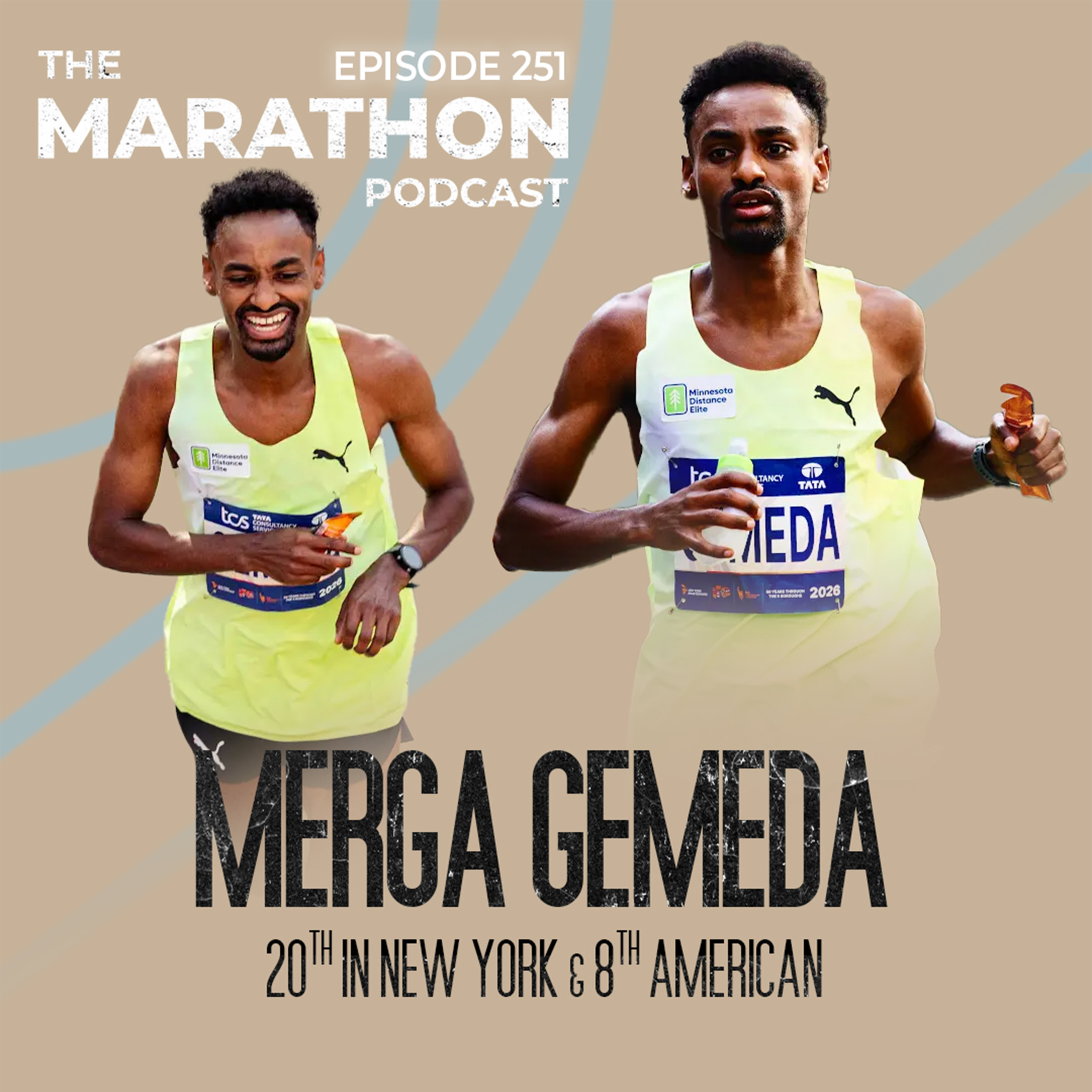 MG