Tales from the world's largest archive of music journalism: entertaining interviews with luminaries such as Neil Tennant, Billy Bragg, Pamela Des Barres, Gary Kemp, Vashti Bunyan, Midge Ure, Nick Hornby and Robyn Hitchcock. Thoughtful and informative conversations about all aspects of popular music history…
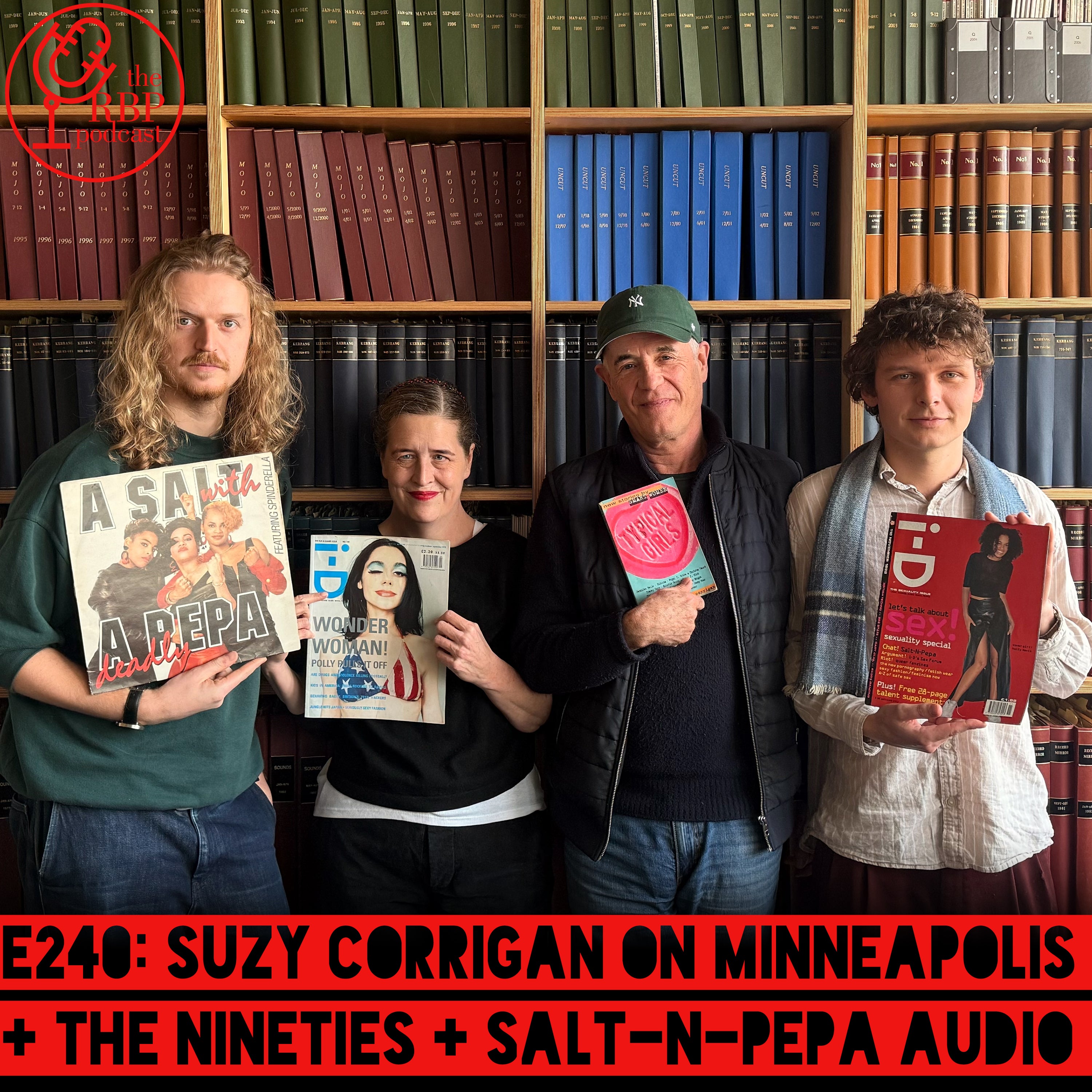
For this episode Suzy Corrigan joins us to look back on the 1990s and her days at i-D magazine.
Starting with her memories of her Minneapolis childhood, our guest explains her nascent Anglophilia and the Manchester bands that drew her to "dear old Blighty" in the late '80s. Her early '90s experiences at the NME give us an opportunity to pay tribute to the paper's former editor Danny Kelly, who died earlier this month. She then recounts how she followed Helen Mead to i-D and recalls life at that bible of street fashion.
Mention of Typical Girls, Suzy's 1997 anthology of stories by "smart women", prompts a general discussion of women's experiences in the decade of lads' mags — and of how we've reached a new moment of reckoning for male entertainers such as Russell Brand and David Walliams. The subject of female empowerment leads us to clips from a 1997 audio interview with Salt-N-Pepa, the trailblazing hip hop trio whose debut album turns 40 this December.
After Barney briefly revisits The Band's farewell "Last Waltz" concert — celebrating its 50th anniversary this month — William and Jasper talk us out with their thoughts on recently-added library pieces about jazz legend Norma Winstone (1966), Japanese quartet POLYSICS (2004) and multiple-Grammy nominee Raye (2026).
Many thanks to special guest Suzy Corrigan. Follow her on Instagram at @suzycorriganlondon.
Madchester: My Baggy Hell!,
Who are the Riot Grrrls?,
Better Living through Chemistry: Celebrating 30 Years of Iconic Club Night Shoom,
Salt-N-Pepa (1997),
And The Band Played On... The Band's Last Waltz,
The Band's "Last Waltz": Winterland, San Francisco CA,
The Band's Last Stand,
A big-time goodbye for The Band,
Graham Coxon/Polysics: Islington Academy,
Norma: Singer who doesn't like singers, and
Raye: Co-op Live, Manchester.
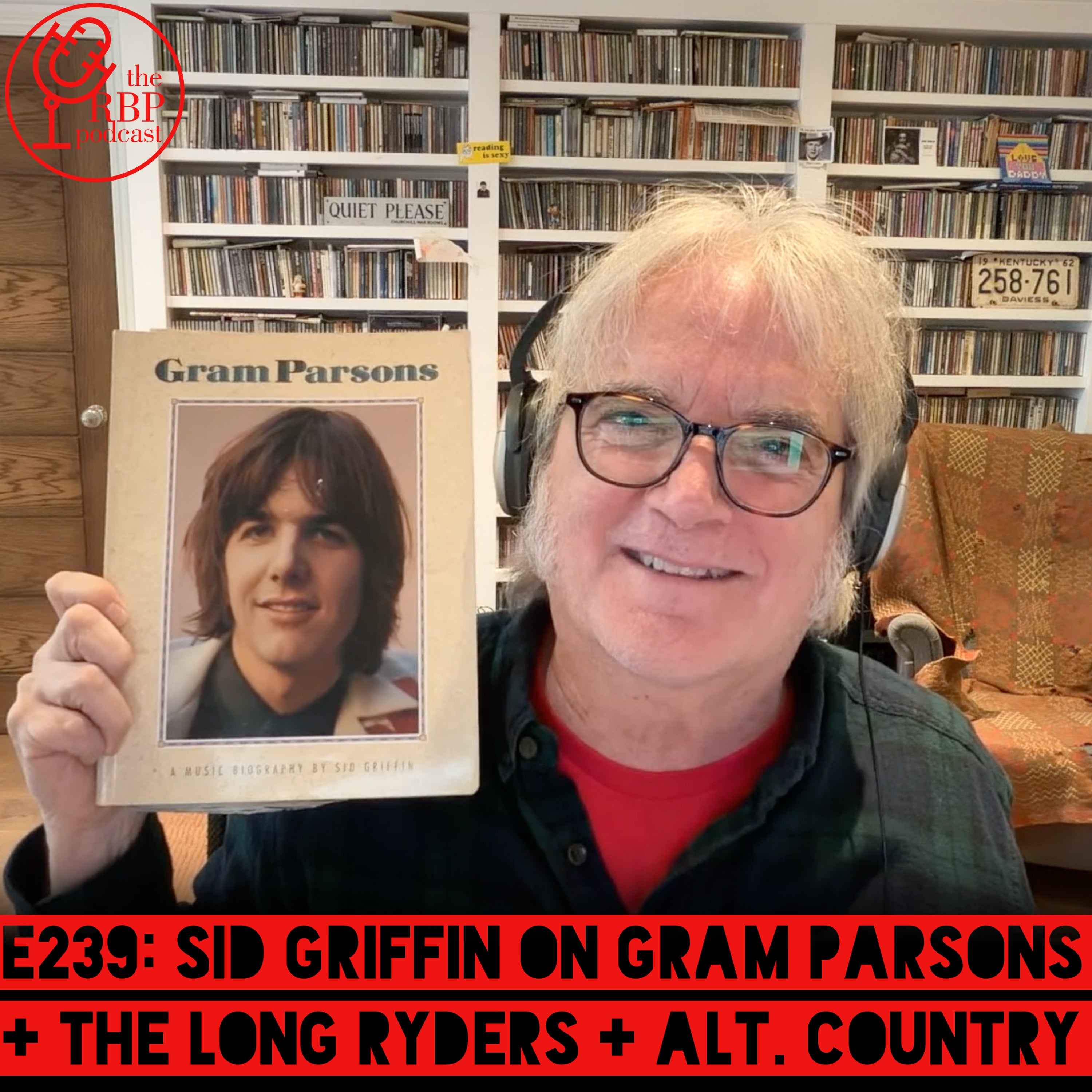
For this episode Sid Griffin joins us to talk about the great Gram Parsons on the 80th anniversary of the alt.country forefather's birth.
After we hear our guest's thoughts on the "Blue Tsunami' of the Midterms in his distant homeland, he reflects on his Kentucky upbringing, his years in journalism school at the University of South Carolina, and his late '70s move to Los Angeles. He also describes his deep immersion in that city's retro-psych "Paisley Underground" scene, including his friendships with the likes of the Bang(le)s.
Sid revisits the formation of his "cowpunk" [sic] band the Long Ryders and considers the influences of such L.A. forebears as the Byrds and the Buffalo Springfield on the group. Which leads us pretty seamlessly to the subject of Gram Parsons, the first biography of whom Sid published back in 1985.
Clips from a never-before-heard 1973 audio interview with Gram are interwoven with our collective thoughts on his music from the Shilos to Grievous Angel via Sweetheart of the Rodeo and the Flying Burrito Brothers.
Following Sid's ruminations on how much he has (or in some ways hasn't) assimilated to the UK in his Coal Porters years, William quotes from pieces about the Beatles' Yellow Submarine (1968) and Mumford & Sons (2011). Jasper then talks us out with remarks on Roy Trakin's florid appraisal of Television's 1978 album Adventure and Sara Scribner's early live review of Ben Harper playing a 1993 benefit gig at the Roxy on Sunset.
Many thanks to special guest Sid Griffin. Visit his website at sidgriffin.com.
Pieces discussed:
Long Ryders Renovating Byrdsland,
What a Long, Strange Ryde(r) It's Been: Sid Griffin,
The Long Ryders: Lock 17, London,
Missing Parsons: The International Submarine Band,
Gene Clark: Dr. Byrd... & Mr. Hyde,
Rock Was Dead Before The Beatles!,
Gram Parsons audio,
Yellow Submarine,
Mumford led the 21st-century hoedown and Laura Marling chimed in,
Television: Adventure, and
Ben Harper et al.: The Roxy, Los Angeles.
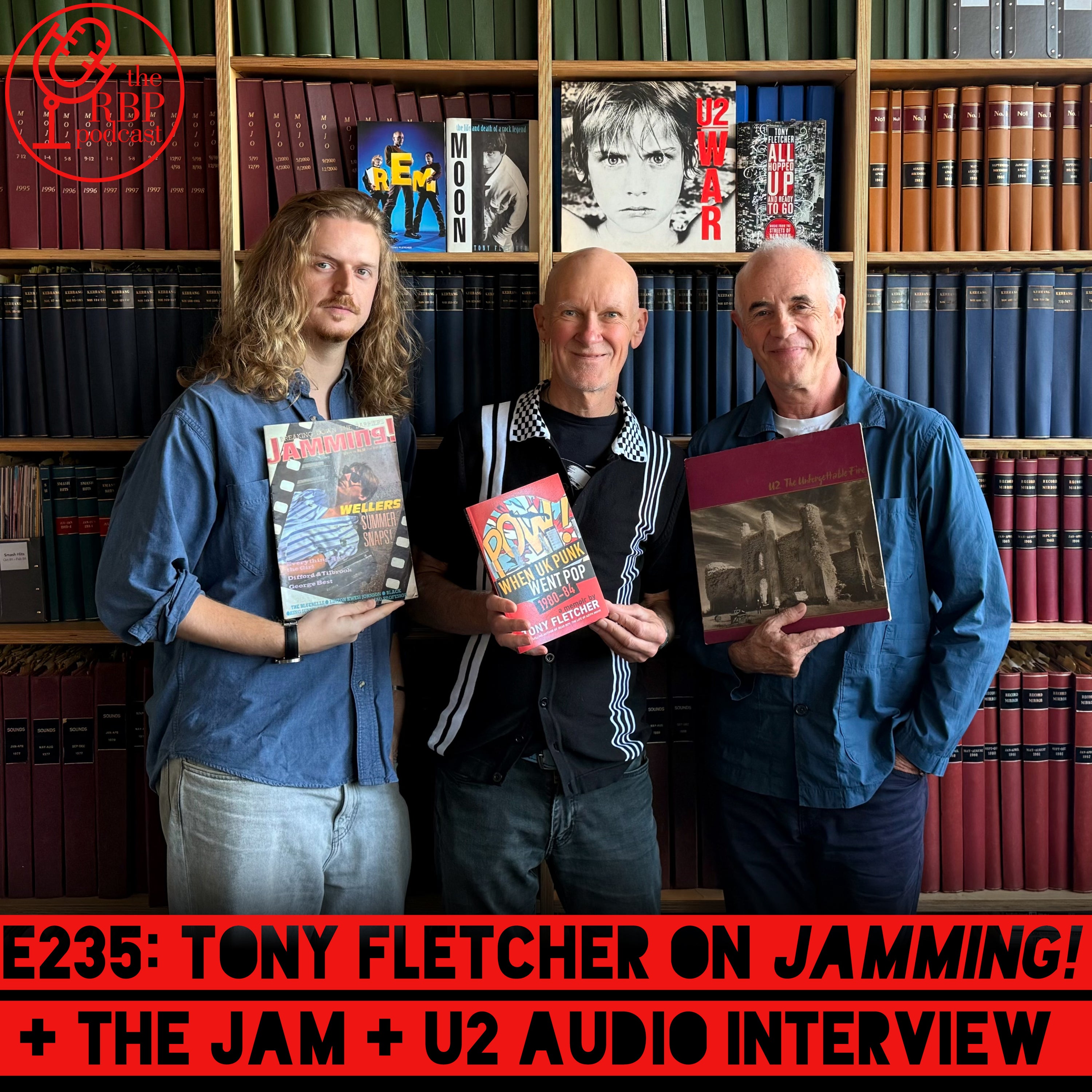
For this episode we're joined in Hammersmith by the much-travelled Tony Fletcher as he returns to his homeland to promote his new book POW! When UK Punk Went Pop, 1980–84.
We begin by asking our guest about Jamming!, the fondly-remembered fanzine he launched in South London at the tender age of 13. He recalls the huge impact of the Jam on his adolescent life and the friendship with Paul Weller that grew out of his passion for the band.
After discussing how Jamming! evolved into a proper monthly magazine — scooping early '80s interviews with Paul McCartney, Morrissey and U2 along the way — we ask Tony about the hyper-tribalism of the period POW! covers. He ponders the way punks like Adam Ant "went pop" while other bands forged a rearguard return to rock.
A conversation about '80s "rockism" and its foes leads to clips from the late Richard Cook's February 1982 audio interview with U2, conducted in America just as the Irish quartet was commencing its full-scale ascent into the stadium-rock stratosphere.
After we hear about our guest's post-Jamming! life as an author and biographer based in Brooklyn — and then upstate New York — Jasper talks us out with quotes from (and thoughts on) Chris Bohn's 1981 NME piece about Budapest's "semi-legal" musical underground... and a great Dua Lipa interview from 2022.
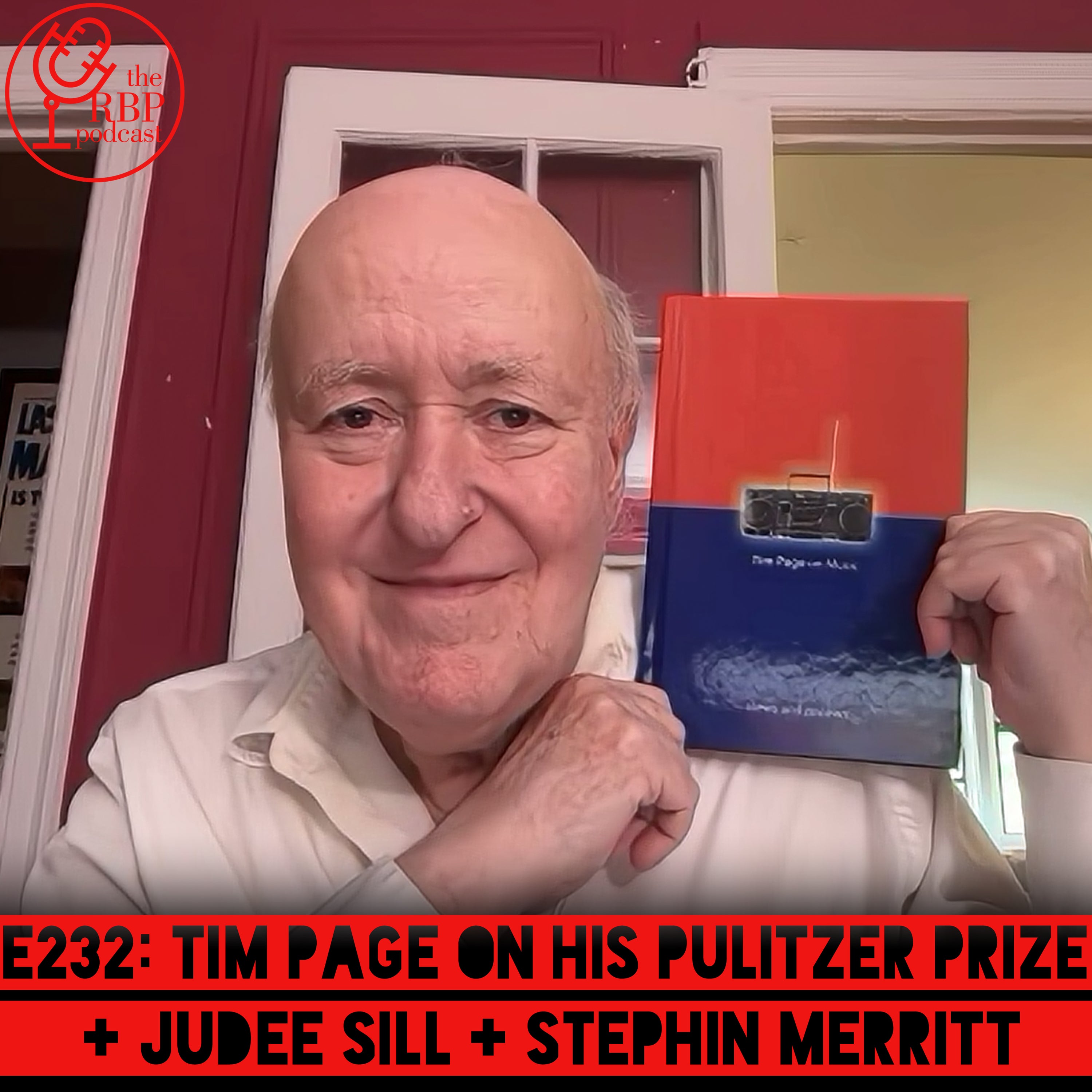
In this episode we're joined by special guest Tim Page to trace the arc of his career from reviewing James Chance & the Contortions to winning the Pulitzer Prize.
In a conversation that's as entertaining as it is erudite, Tim recalls his teenage discovery of Rolling Stone and the subsequent influence of rock criticism on his singular brand of classical music reviewing. After touching on the 1967 documentary A Day with Timmy Page, we hear about his journey as a critic from New York Rocker to the Washington Post via the New York Times.
With reference to the 2002 collection Tim Page on Music, our guest reflects on his affection for Sean O'Hagan's High Llamas and Stephin Merritt's Magnetic Fields. Merritt and his electro-pop offshoot Future Bible Heroes are then heard in clips from an audio interview by the late Andy Gill. From there we turn to another of Tim's great passions – the tragic and long-neglected Judee Sill – and pay collective tribute to what he calls her "extraordinary gifts".
After William quotes from newly-added library interviews with Janis Joplin (1970) and Ozzy Osbourne (2001), Jasper talks us out with his thoughts on pieces about country singer Tom T. Hall (1973) and Dallas Austin's Highland Place Mobsters (2014).
Many thanks to special guest Tim Page.
Pieces discussed: The Contortions + James White & the Blacks, Minimalism: Hey, DJ, The Everlasting Forever Of Arthur Lee, Future Bible Heroes audio (2002), Judee Sill: Lunch And Judee, Judee Sill: Heart Food, Judee Sill: A Brief Life, an Enduring Musical Impression, Miss Janis — Texas White Queen Of Rock, Ozzy Osbourne, Tom T. Hall and Make It Funky: The Rise & Fall of the Highland Place Mobsters.
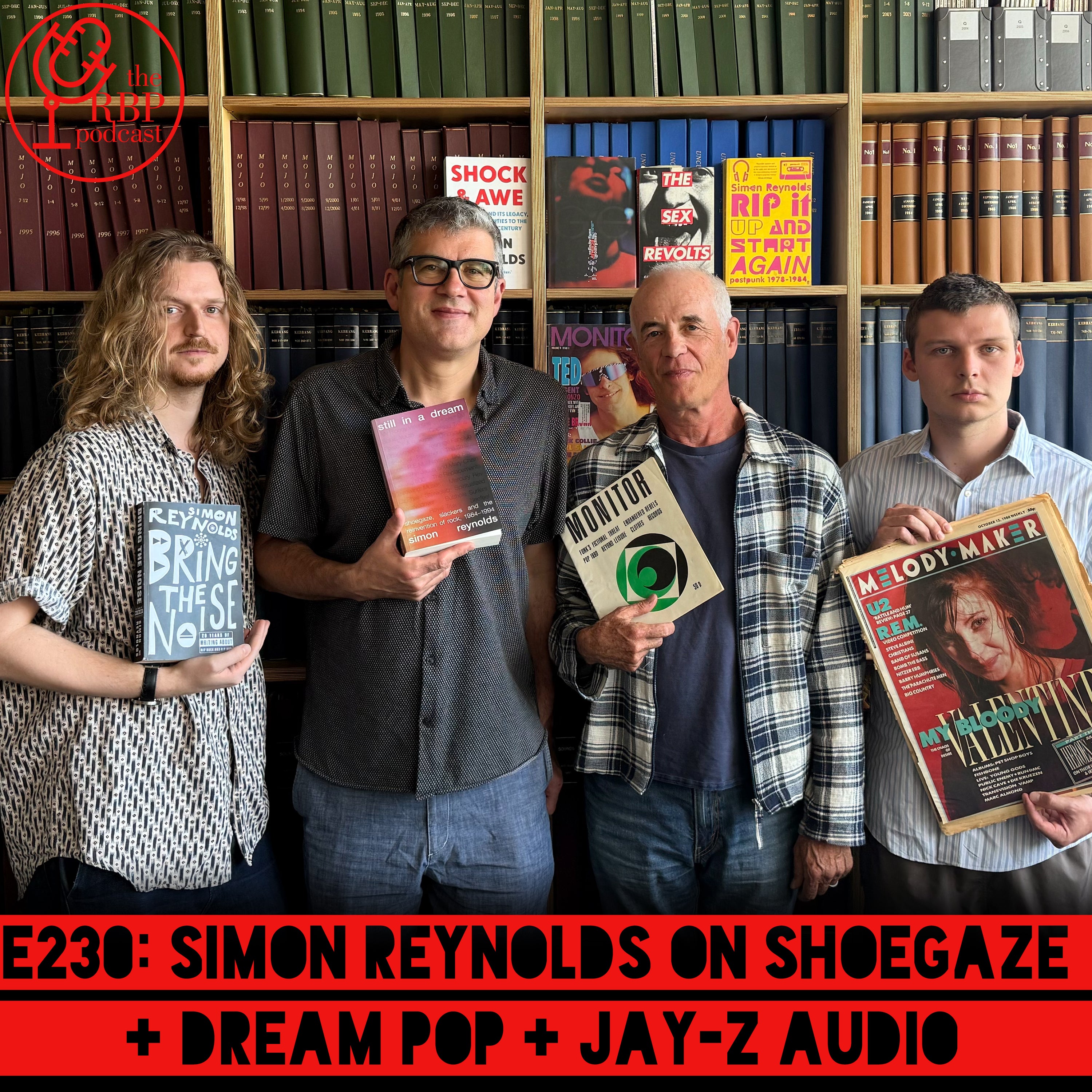
Acclaimed author Simon Reynolds joins us in Hammersmith to discuss his latest book. A journey through the many bands and scenes he wrote about between 1984 and 1994, Still in a Dream gives us a chance to ask our guest about shoegaze, C86 and the book's autobiographical threads.
Clips from an early 2000 Jay-Z audio interview by Dorian Lynskey prompt a general discussion of the hip hop superstar whose debut album Reasonable Doubt turns 30 this week.
Jasper and William then wrap up the episode with their highlights among new additions to the RBP library, including pieces about LL Cool J (1986), Rick Rubin (2009) and Randy Newman's priceless song about Vladimir Putin (2017).
Many thanks to special guest Simon Reynolds. Still In a Dream: Shoegaze, Slackers and the Reinvention of Rock, 1984–1994 is published by Hachette and available now.
Pieces discussed: Younger Than Yesterday, The Butthole Surfers: Deeper & Down, "Dream-Pop" Bands Define the Times in Britain, Jay-Z audio, Jay-Z: The Blueprint (Roc-A-Fella), Oscar Peterson Trio: Assembly Hall, Worthing, LL Cool J: He Has Seen Rap 'n' Roll Future, Rick Rubin and Randy Newman: And You Thought 'Short People' Was Controversial?.
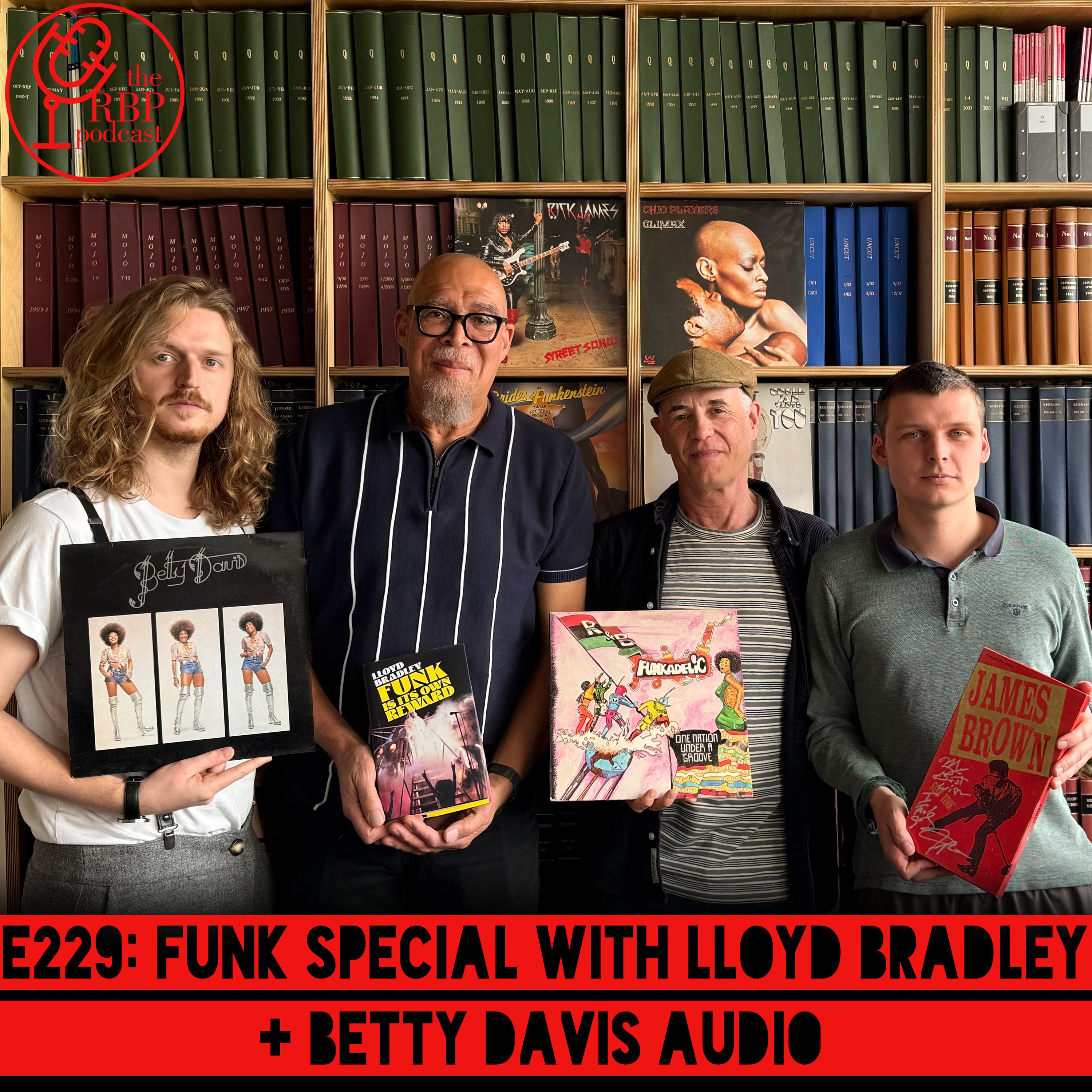
In this episode we welcome Lloyd Bradley back to Hammersmith to discuss his monumental new tome Funk Is Its Own Reward.
We ask our guest about what he describes as "Black America's second great cultural revolution" before learning of his own first awareness of funk as a new musical form. After we consider the parts played in the movement's evolution by James Brown, Earth Wind & Fire and Kool & the Gang, we get to George Clinton's Parliament-Funkadelic, whose mind-blowing "P-Funk Earth Tour" of America celebrates its 50th anniversary this year.
Clips from a rare audio interview with Betty Davis prompt our combined thoughts on the cult funk-rock queen who married Miles Davis and helped him fly his freak flag by turning him on to Sly Stone and Jimi Hendrix.
After William discusses newly-added library pieces about the Beatles (1962) and a Marc Almond convention at London's Heaven (1986), Jasper revisits a live review of Bruno ('Uptown Funk') Mars from 2017.
Many thanks to special guest Lloyd Bradley. Funk Is Its Own Reward is published by Constable and available now from all good bookshops. Visit his website at lloydbradley.net for more details.
Pieces discussed: James Brown: Twilight Of The Godfather, Countdown on Parliament, from launchpad to mothership connection... We have lift-off!, A Journey to the Center of Parliament/Funkadelic, The Bizarre World of George Clinton (Parliament/Funkadelic Drop The Funk-Bomb On America), Betty Davis audio, Marc Almond Convention: Heaven Sent, Local Group: The Beatles and Bruno Mars live.
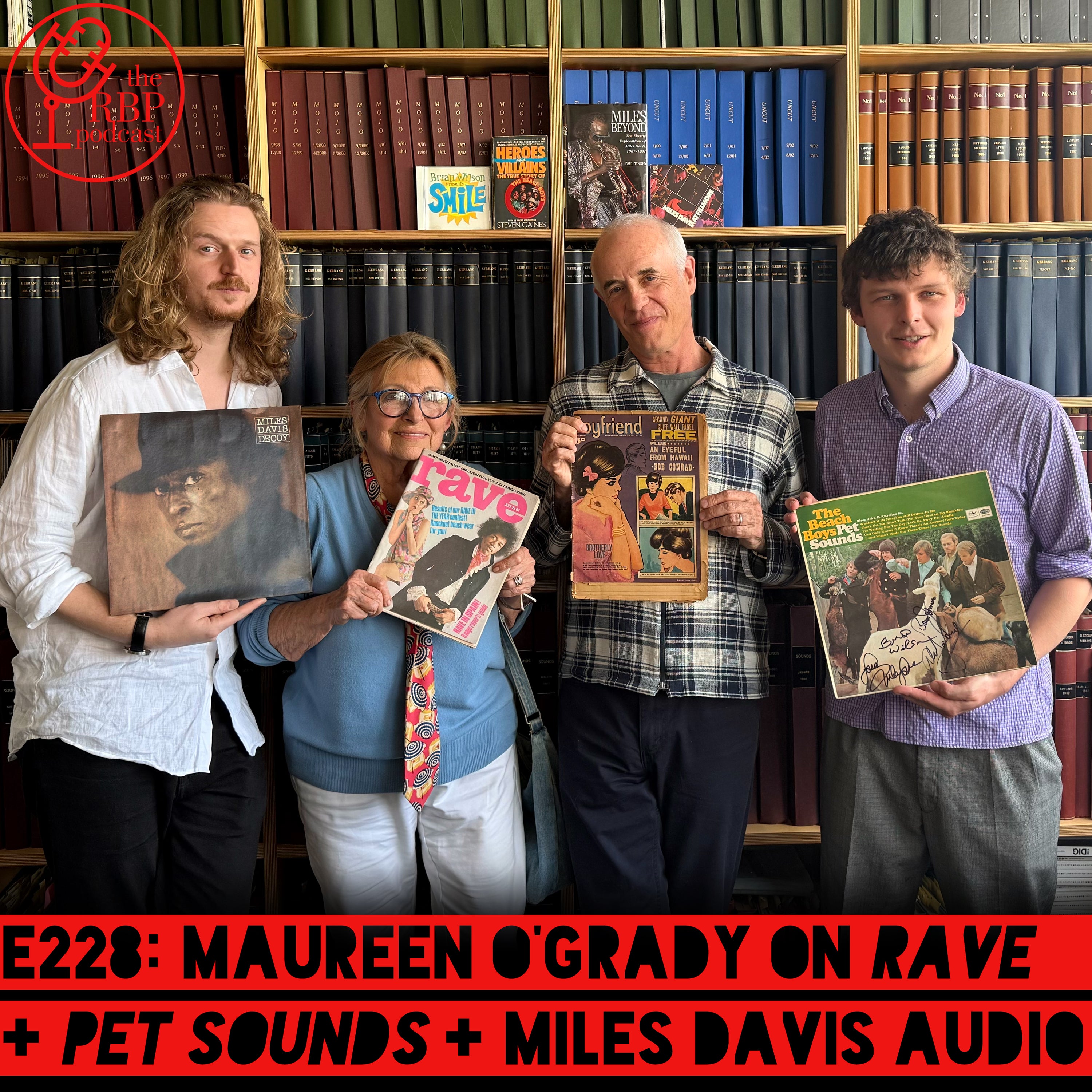
In this episode we're joined by a legend of '60s pop journalism to discuss her days at Rave magazine and her friendships with the stars of that swinging decade.
Maureen O'Grady talks about the lucky break that brought her to Boyfriend magazine and her long friendship with the great Penny Valentine. She recalls her early interviews with the Beatles and the Rolling Stones before we digress into the role the UK played in hailing the Beach Boys' Pet Sounds as a game-changing masterpiece. Plus we ask our guest about Rave and its groundbreaking 1967 issue featuring Jimi Hendrix on its over.
The conversation concludes with Maureen's reminiscences of the '70s, a decade in which she worked as a publicist for — among many other artists — Gladys Knight, Glen Campbell and, erm, Gary Glitter. We then celebrate Miles Davis' 100th birthday by listening to clips from the late Richard Cook's 1985 audio interview with that dark magus of avant-garde jazz.
Jasper and William talk us out with their thoughts on pieces about the importance (or otherwise) of pop lyrics (2001) and the abuse meted out to female partners — from Yoko Ono to Courtney Love — of male rock stars (2025).
Many thanks to special guest Maureen O'Grady.
Pieces discussed: The Who did you say?, The Flower Game, The Beach Boys Visit the Animals, The Beach Boys: Complex and Intricate, Brian Wilson Remembers Pet Sounds on the Album's 50th Anniversary, Miles Davis audio, No Language, Just Sound — Looking Well Beyond the Lyric Sheet and Yoko Ono is now getting acclaim, but why do rock stars' female partners get so much abuse?.
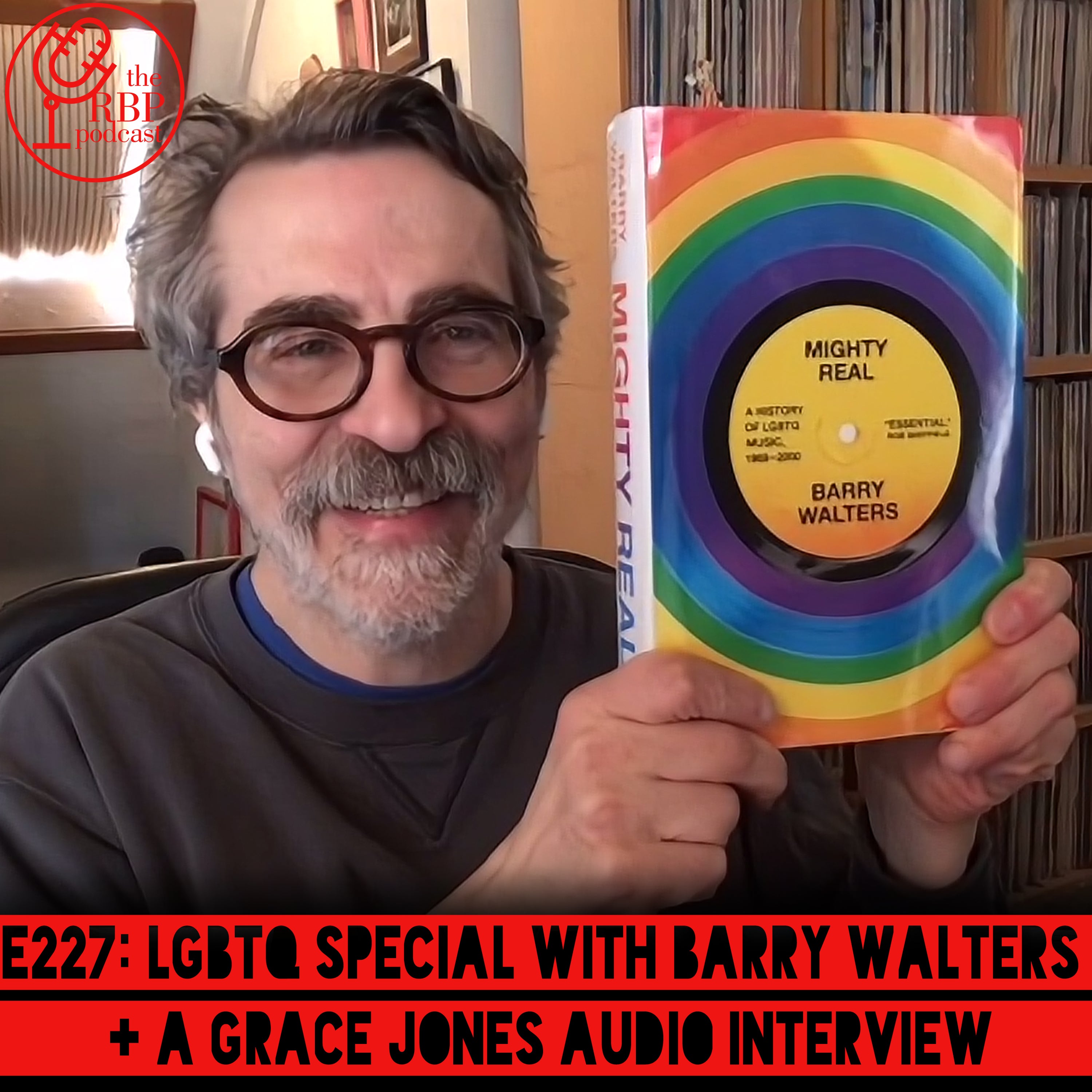
For this episode we're joined all the way from San Francisco by Barry Walters to discuss his new history of LGBTQ music. And in our first recording since the retirement of Mark Pringle, William Pike becomes an official co-host of the RBP podcast...
Barry reflects on his upbringing in Rochester, N.Y., his move to New York City, and his early writing for the Village Voice. We then hear about his years as pop critic for the San Francisco Examiner and the inspiration of gay disco icon Sylvester.
Along the way our guest touches on some of the other artists he writes about in Mighty Real, including the Village People, k.d. lang and Grace Jones. We hear clips from Richard Cook's 1985 audio interview with the amazing Grace and discuss her unique contribution to LGBTQ culture.
After William mentions a recently-added library piece about Ray Davies (1977), prompting a discussion of the Kinks' watershed hit 'Lola', Jasper talks us out with his thoughts on Kylie Minogue (2011) and his deep reverence for Spanish superstar Rosalía (from whose O2 show the previous evening he is still reeling...).
Many thanks to special guest Barry Walters. Mighty Real: A History of LGBTQ Music, 1969–2000 is published by Viking and available now from all good bookshops. Visit Barry's website at barrywalterswriter.com.
Pieces discussed: Grace Jones audio interview (1985), Ray Davies live at Queen Elizabeth Hall, Kylie Minogue: The Albums 2000–2010 and Rosalía: Lux.
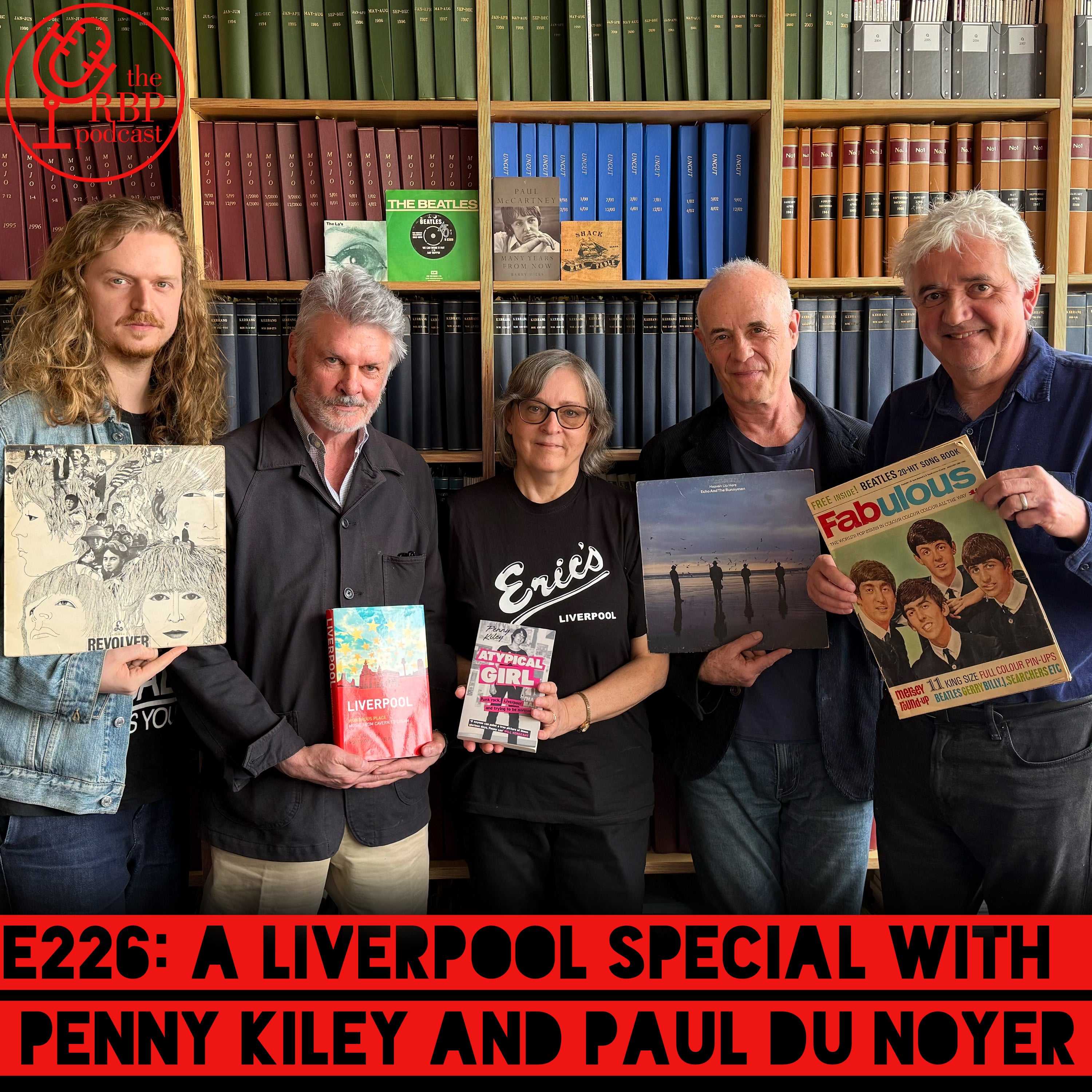
For this episode we're joined by not one but two very special guests to talk about one of the great music cities.
Penny Kiley is the former pop columnist for the Liverpool Echo, contributed regularly to Melody Maker and has just published the superb memoir Atypical Girl. Paul Du Noyer, meanwhile, wrote beautifully for the NME in its glory years and edited both Q and MOJO; he is also the author of 2002's exceptional Liverpool: Wondrous Place.
We ask our guests about everything from the Beatles to Frankie Goes to Hollywood via Eric's, the Real Thing and the "crucial three" of Pete Wylie, Julian Cope and Ian McCulloch. We also hear riveting clips from Simon Garfield's 1999 audio interview with (Sir) Paul McCartney.
After paying tribute to NME legend Keith Altham, Mark quotes from interviews with Miami soul star Betty Wright (1977) and Southern country-rocker Charlie Daniels (1979). Finally, Jasper rounds things off with his thoughts on Terris – apparently "the best new band in Britain" (2000).
Many thanks to special guests Penny Kiley and Paul Du Noyer. You can find Penny's music writing on her Substack at pennykiley.substack.com; Atypical Girl is published by Polygon and available from all good bookshops. Find Paul's writing and details of his books online at pauldunoyer.com.
Pieces discussed: Beatles Find Show Biz Isn't All Fun, The Real Thing haven't souled out, Liverpool's Cream: Bag Company, Articles, interviews and reviews from Penny Kiley, The Teardrop Explodes: Teardrops Rising, Eric's: An Undignified Death, Frankie Goes To Hollywood: Royal Court, Liverpool, Paul McCartney audio, Betty Wright, Charlie Daniels' million-dollar miles and Make way for Terris — the best new band in Britain.
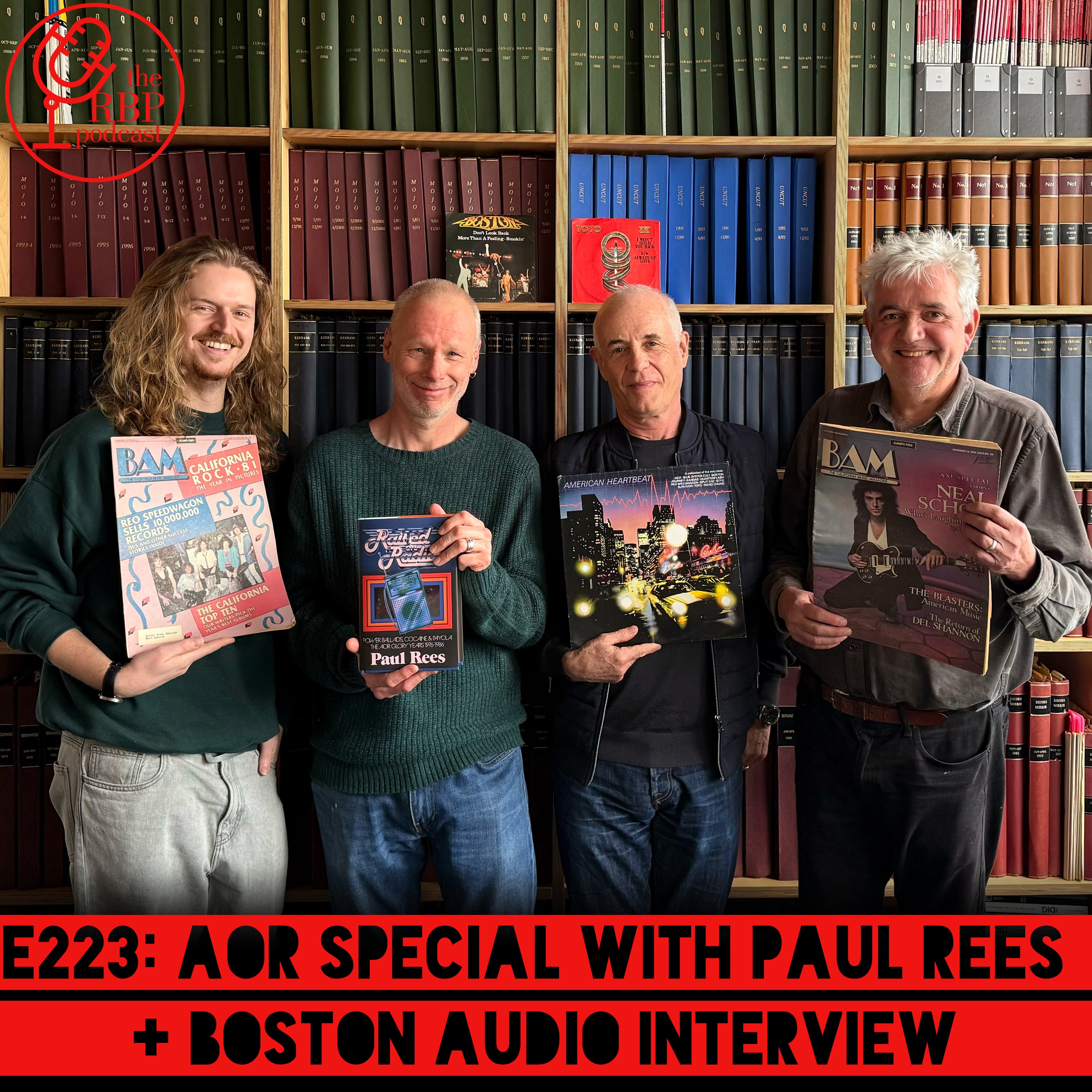
For this episode we welcome former Q/Kerrang! editor-in-chief Paul Rees to RBP Towers to discuss his riveting new book Raised on Radio: Power Ballads, Cocaine & Payola.
An oral history of AOR (or Album-Oriented Rock), Raised on Radio gives us an eagerly-awaited chance to enthuse about an oft-maligned genre we all happen to adore. The conversation takes in most of AOR's major practitioners, from Kansas and Toto to Journey and Survivor, and incorporates clips from John Tobler's 1979 audio interview with Tom Scholz and Brad Delp of Boston.
After we've exhausted these guilty-till-proved-innocent pleasures, Mark quotes from newly-added library pieces about Siouxsie & the Banshees (1982) and Chic's Bernard Edwards (1987), then Jasper talks us out with his reflections on archive interviews with George Clinton (1997) and Brutalist composer Daniel Blumberg (2025).
Many thanks to special guest Paul Rees. Raised on Radio is published by Constable and available now from all good bookshops.
Pieces discussed: More Than a Feeling: The 20 Greatest AOR Tracks of All Time!, American revolution: Aerosmith, Boston, Kansas and co., Hard Pop, Suburban Rock, Hall & Oates: Blue-Eyed Philadelphia Soul, The Buzz On Boz Scaggs, Nirvana: Smells like Success, Boston (1979), Heart, Siouxsie & the Banshees, Bernard Edwards, George Clinton: Funkamental and The Brutalist's score.
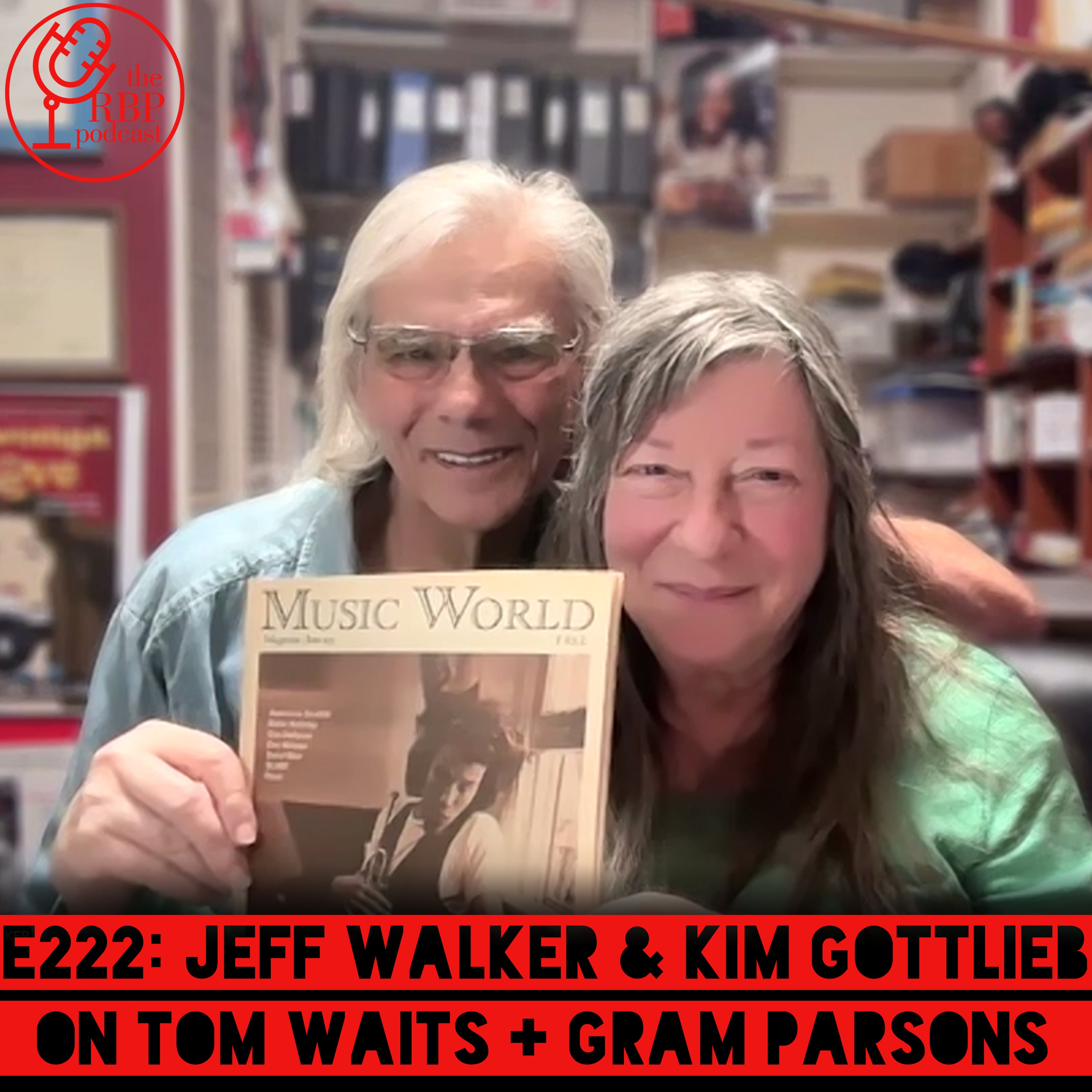
For this episode we're joined — all the way from Laurel Canyon — by the husband-and-wife tag team that is Jeff Walker and Kim Gottlieb(-Walker). Married for 53 years, Jeff and Kim have worked in diverse capacities in the music business and talk about their experiences over those five-plus decades.
We start with the couple's work together on monthly freesheet Music World, focusing on their 1973 encounters with Tom Waits and Gram Parsons (plus a 15-year-old Cameron Crowe tagging along). After audio clips of both Waits and Parsons, we hear a 1987 clip of Gram's great singing partner Emmylou Harris talking to Adam Sweeting about... Gram Parsons.
Interweaving tales of Jeff's life as a publicity director and Kim's career as a photographer, we hear about Island Records, Jamaica and the couple's close relationship with Bob Marley, concluding with Jeff's account of being with Bob after the chief Wailer was shot by gunmen in 1976.
After Jasper offers his thoughts on Bad Bunny's ICE-breaking half-time show at the Super Bowl, Kim channels her late '60s protesting self and eloquently summarises her feelings about staying sane in Trump's dystopian America.
Finally, Mark quotes from newly-added library interviews with Captain Beefheart (1979) and David Thomas (1985), while Jasper hails Joe Muggs' 2021 piece about Joel Culpepper.
Many thanks to special guests Kim Gottlieb-Walker and Jeff Walker. Visit Kim's website at lenswoman.com and read Jeff's writing on Rock's Backpages.
Pieces discussed: Tom Waits: Thursday Afternoon, Sober as a Judge, Jackson Browne, Techno-Rock: Six Teutons And What Do You Get — A Programmed Sequencer And The Doppler Effect, Emmylou Harris audio, Captain Beefheart Pulls A Hat Out of His Rabbit, David Thomas: Unscrambling the egg man and Joel Culpepper: Almost Famous.
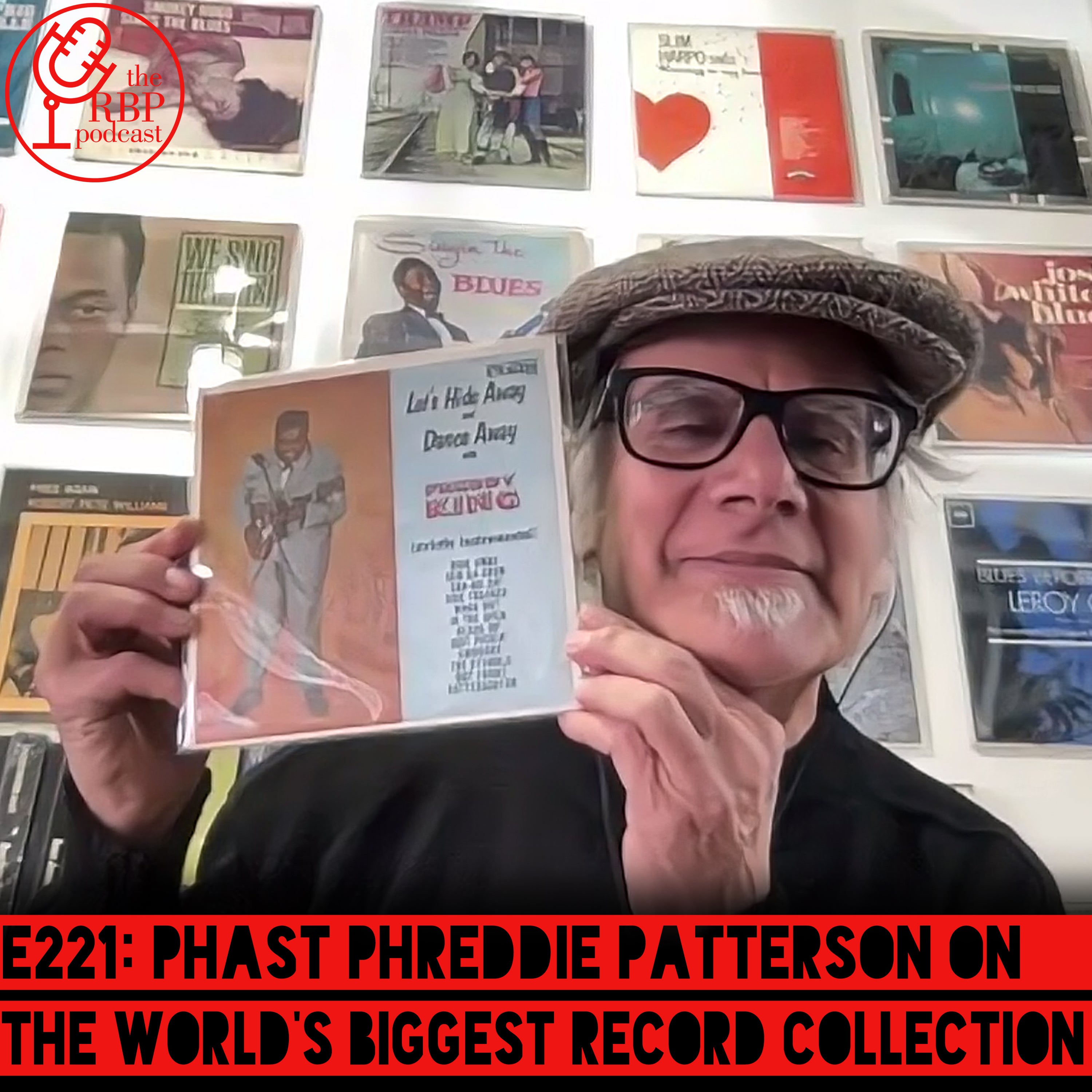
In this episode, we talk to Fred Patterson, aka Phast Phreddie, about his work at the ARChive of Contemporary Music, plus his own magazine Back Door Man and his band Thee Precisions.
Beginning with his early musical life teaching classes with Don Waller at UCLA's Experimental College, we hear about how he named Back Door Man after a Howlin Wolf song and wanted to cover "hard core rock n roll". Phreddie remembers how different it was working with R. Meltzer compared to Lester Bangs, who both contributed to the mag.
Next, we hear about where Thee Precisions got their name and how they were intended as a garage rhythm 'n' blues combo that might fit into south central L.A.'s rockabilly scene without doing rockabilly.
After telling us about moving across the country to help set up a record shop in Albany, Phreddie then takes us back to the ARChive of Contemporary Music's original mission statement to collect two of every record and explains how they operate.
Three clips from a 1977 Mary Wilson audio interview prompt Barney to wonder whether the Supremes are the greatest girl group of all time. To wrap things up, we pay tribute to Sly Dunbar of Sly & Robbie before Mark and Jasper talk us out with highlights from pieces including interviews with Isaac Hayes and De La Soul.
Many thanks to special guest Phast Phreddie Patterson. Find out more about the ARC at arcmusic.org.
Pieces discussed: Articles, interviews and reviews from Phast Phreddie Patterson, The L.A. Rock Explosion, Gun Club: You Can't Go Home Again, Phast Phreddie Finds His Calling, Building the ARC, Not Fade Away: The ARChive of Contemporary Music, Collecting Gone Mad: The ARChive of Contemporary Music, Mary Wilson audio, Sly & Robbie: The Reggae Heartbeat – Freedom Into Form, Sly and Robbie: Laying Reggae's Bottom Line, Alan Price, Cat Stevens, Isaac Hayes, Ronnie & Clyde and De La Soul.
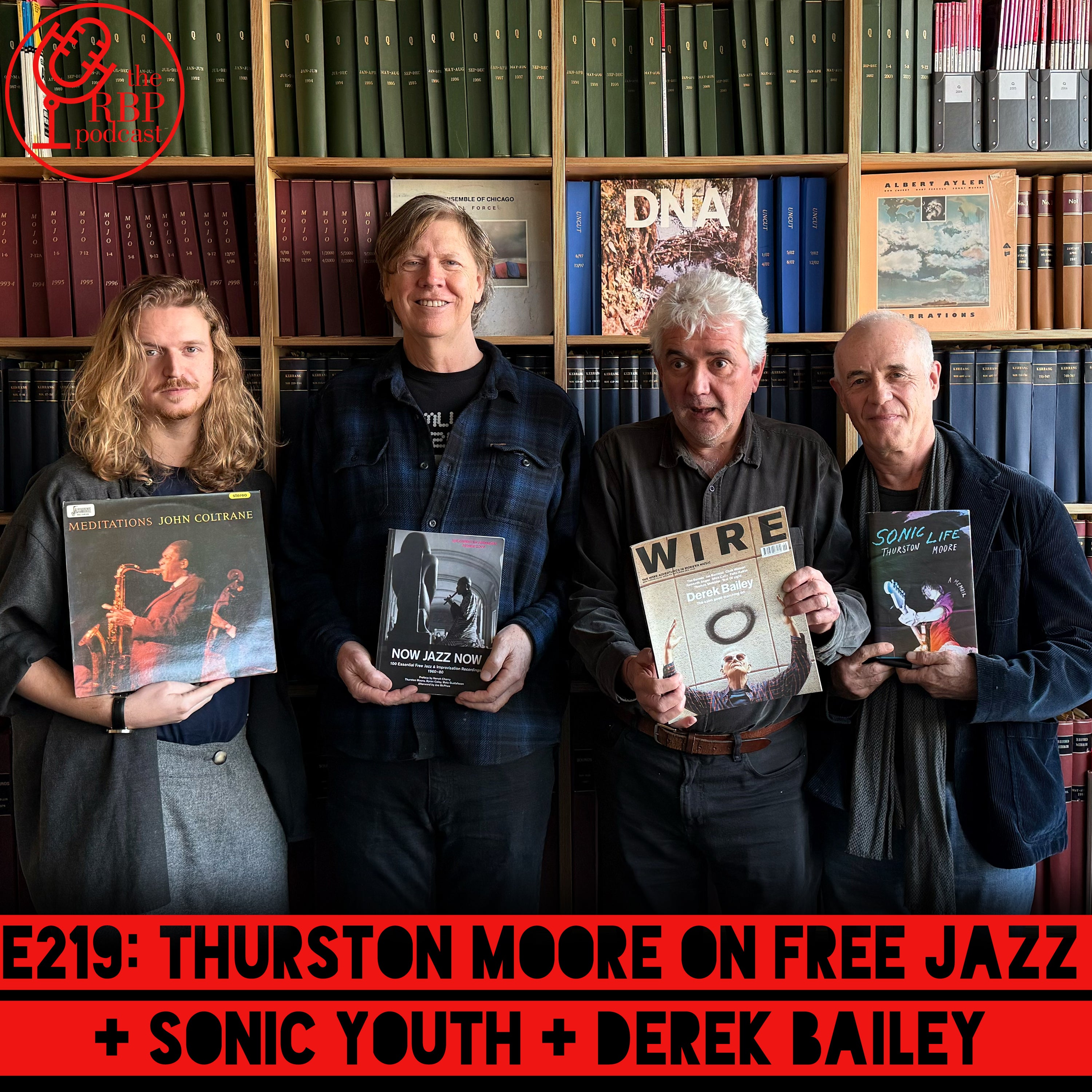
For this episode we're joined by Sonic Youth legend Thurston Moore to discuss his new book Now Jazz Now: 100 Essential Free Jazz and Improvisation Recordings, 1960-80.
We start by recapping on the story our guest told in his acclaimed 2023 memoir Sonic Life. In the course of the conversation about his early musical life in Florida and Connecticut we hear a clip from Steve Roeser's 1994 audio interview with him. Discussion of early influences such as the Stooges takes us back to Thurston's stint in the late J.D. King's New York band the Coachmen – and then on to Sonic Youth itself.
Our guest's friendship with neo-gonzoid scribe Byron Coley – a brilliant guest on our podcast last summer – takes us up to the present and the publication of Now Jazz Now. A general conversation on the subjects of "free jazz" and "improv" ensues, taking in clips from Thurston's pal David Toop's 1995 audio interview with the late Derek Bailey.
After Mark has quoted from newly-added library pieces about Bill Evans (1972) and OMD (1984), Jasper talks us out with his thoughts on James Brown's 1994 loaded encounter with the Beastie Boys.
Many thanks to special guest Thurston Moore. Now Jazz Now is published by Ecstatic Peace Library and available from ecstaticpeace.net/now-jazz-now.
Pieces discussed: Sonic Youth, Sonic Youth And the Blast First Axis, Derek Bailey audio, Cecil Taylor: Ladies and gentlemen, please adjust your re-entry goggles, David Toop: Gorilla Noises & Mains Hum, Bill Evans: Living Time With Evans, Orchestral Manoeuvres In The Dark: OMD and The Beastie Boys: Still Ill.
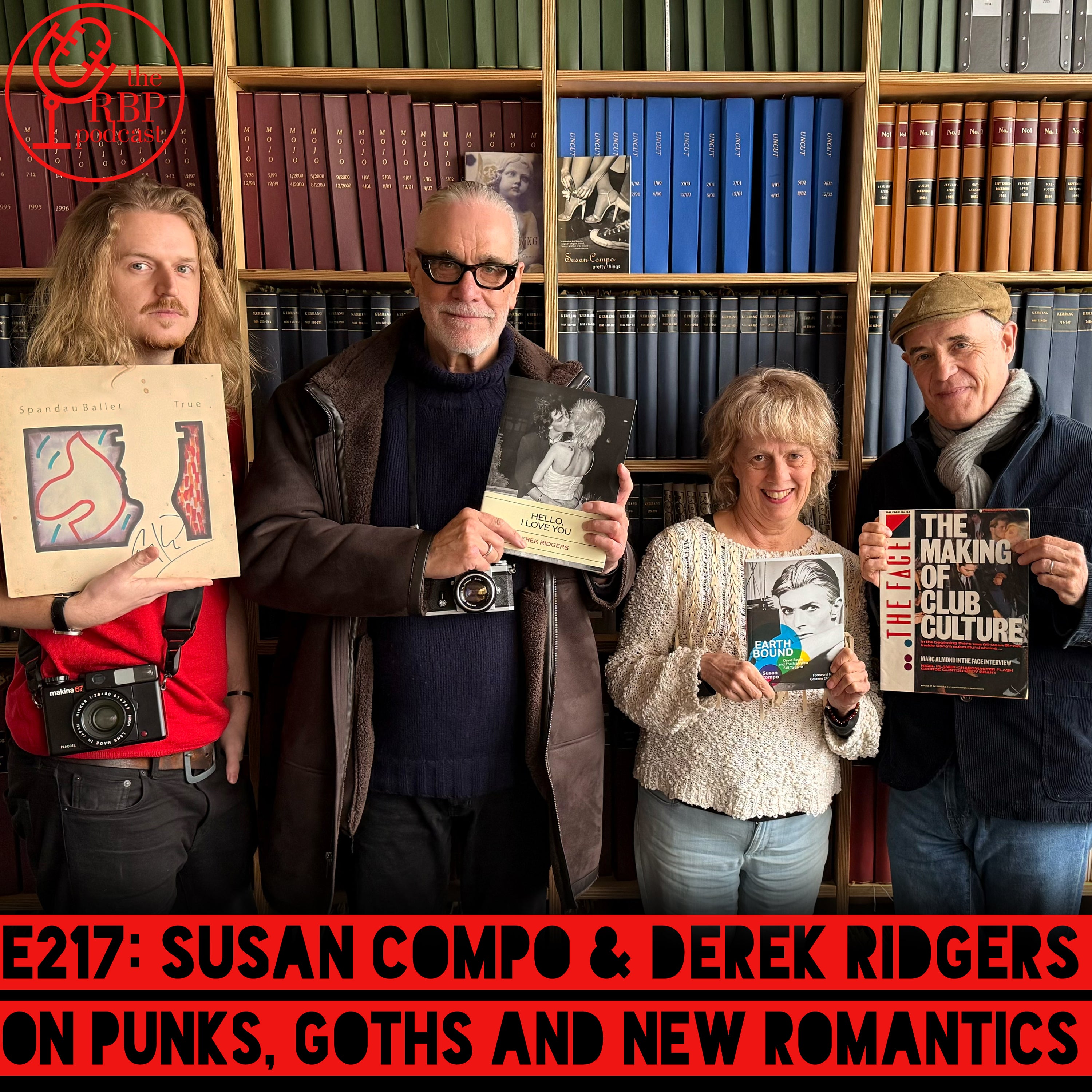
In this episode we welcome not one but two wonderful guests to RBP Towers. Susan Compo and Derek Ridgers have been trans-Atlantic pals for decades and first met on a FourFourTwo assignment to interview and photograph the L.A.-expats "soccer" team Hollywood United.
Starting with Susan's punk years in Southern California, we hear about her memories of seeing the Sex Pistols live in Dallas and Tulsa in January 1978. She also talks about her trip to London the year before, prompting Derek's recall of the punk scene he began photographing at clubs such as Vortex and the Roxy. Derek then rewinds his story to his late '60s days at Ealing School of Art when fellow student Freddie Mercury nicked his girlfriend in a local pub.
The conversation oscillates between Susan's reflections on her career move – from music journalism to short stories about star-crossed Goths – and Derek's memories of the New Romantic "movement" he documented so brilliantly in early '80s London. In between clips from John Tobler's 1984 audio interview with Spandau Ballet singer Tony Hadley, Derek talks about his approach to his chosen medium.
After touching on Derek's years at Loaded magazine and Susan's terrific books about Warren Oates and David Bowie, we discuss our shared passion for football/"soccer" before paying tribute to Derek's former NME colleague Jack Barron. Jasper then talks us out with quotes from newly-added library pieces about Grandmaster Flash (2000) and Boy George (2024).
Many thanks to special guests Susan Compo and Derek Ridgers. Susan's books, include Malingering and David Bowie and The Man Who Fell To Earth are available from all good bookshops. You can visit Derek's website at derekridgers.com and his latest book, Hello, I Love You, is published by IDEA.
Pieces discussed: The Sex Pistols Shoot To The Top, The Cure: Happily Ever After, White Noise/White Sands: The Bowie Who Fell to Earth, Gary Kemp on the RBP podcast, New Romantics, Electro-Disco: Night Moves, Spandau Ballet's Tony Hadley audio, Jack Barron, Nick Cave: The Needle And The Damage Done, The Stone Roses: Bliss This House, Gregory Isaacs: Gregorian Rants, Gong: The Gong Remains The Same, The Adventures of Grandmaster Flash in the Game of Life and Boy George.
1 h 19 minAbspielen in:
Gäste, die länger als 12 Monate zurückliegen, gibt es mit Pro. Pläne ansehen

 SC