Decoder is a show from The Verge about big ideas — and other problems. Verge editor-in-chief Nilay Patel talks to a diverse cast of innovators and policymakers at the frontiers of business and technology to reveal how they’re navigating an ever-changing landscape, what keeps them up at night, and what it all means…
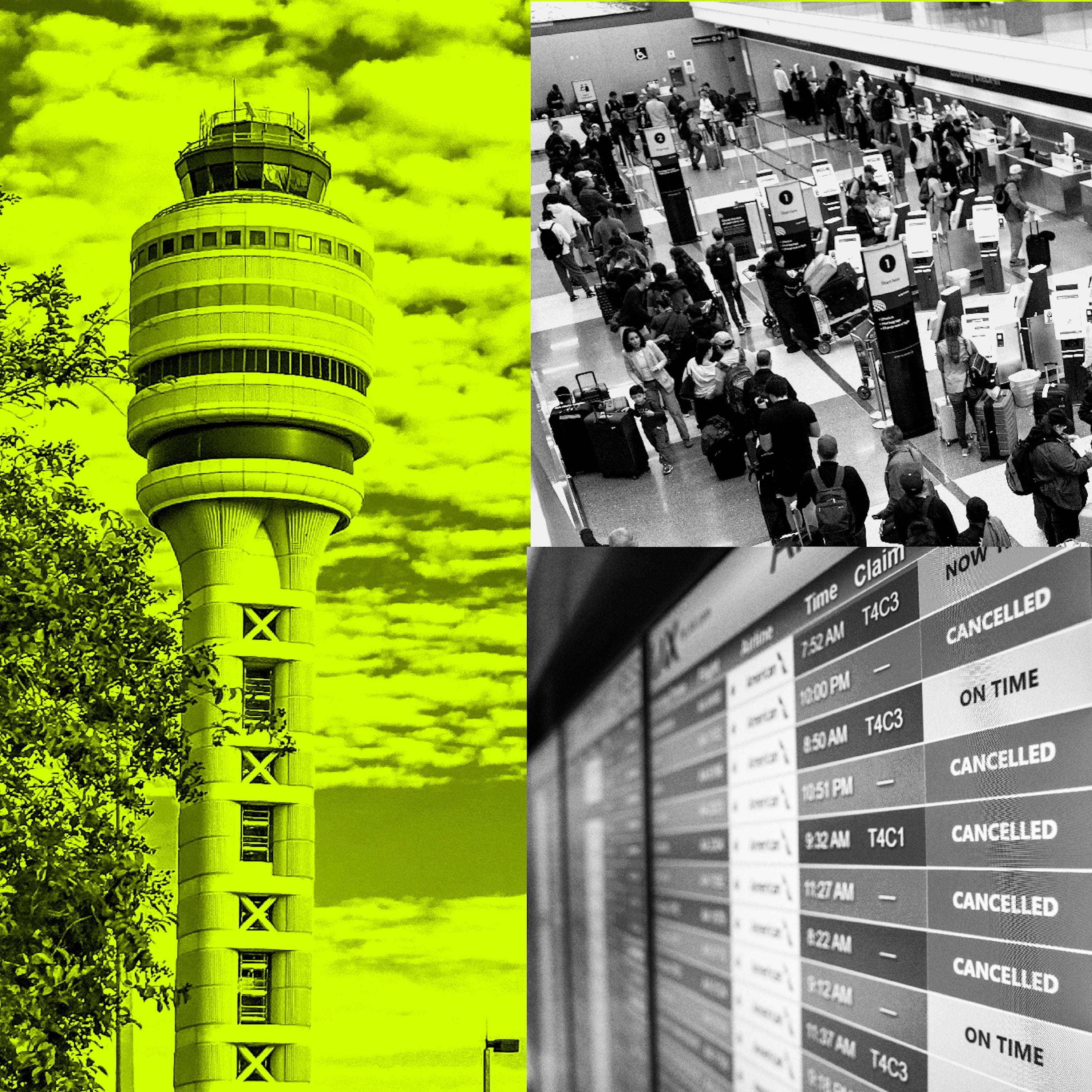
Today, I’m talking with Darryl Campbell, a freelance journalist, aviation expert, and author of the book Fatal Abstraction: Why the Managerial Class Loses Control of Software. Darryl covers aviation and the FAA, and earlier this month, when the U.S. suffered a sudden nationwide ground stop on air travel, Darryl was all over the story.
So ahead of one of the country’s major holiday travel weeks, I wanted to have Darryl on the show to walk us through this incident on Friday, Nov. 13, when the FAA grounded every departing flight in the country for more than four hours, and, more importantly, what happens now.
Read the full interview transcript on The Verge.
Links:
America’s air traffic control system couldn’t handle a single bad router | The Verge
Work to replace old copper wire led to the FAA’s ground stop | The Verge
FAA shelves routers like the one linked to the nationwide ground stop | NYT
Duffy blames congress, demands $50 billion | WSJ
Elon Musk broke the FAA — Palantir is picking up the pieces | The Verge
Sources say FAA had little oversight of work that led to nationwide ground stop | CNN
Company behind FAA ‘SMART’ AI system under scrutiny | Washington Examiner
Subscribe to The Verge to access the ad-free version of Decoder!
Credits:
Decoder is a production of The Verge and part of the Vox Media Podcast Network.
Decoder is produced by Greg Ott, Kate Cox, and Nick Statt. The show is edited by Ursa Wright and Xander Adams. Our editorial director is Kevin McShane.
The Decoder music is by Breakmaster Cylinder.
Learn more about your ad choices. Visit podcastchoices.com/adchoices
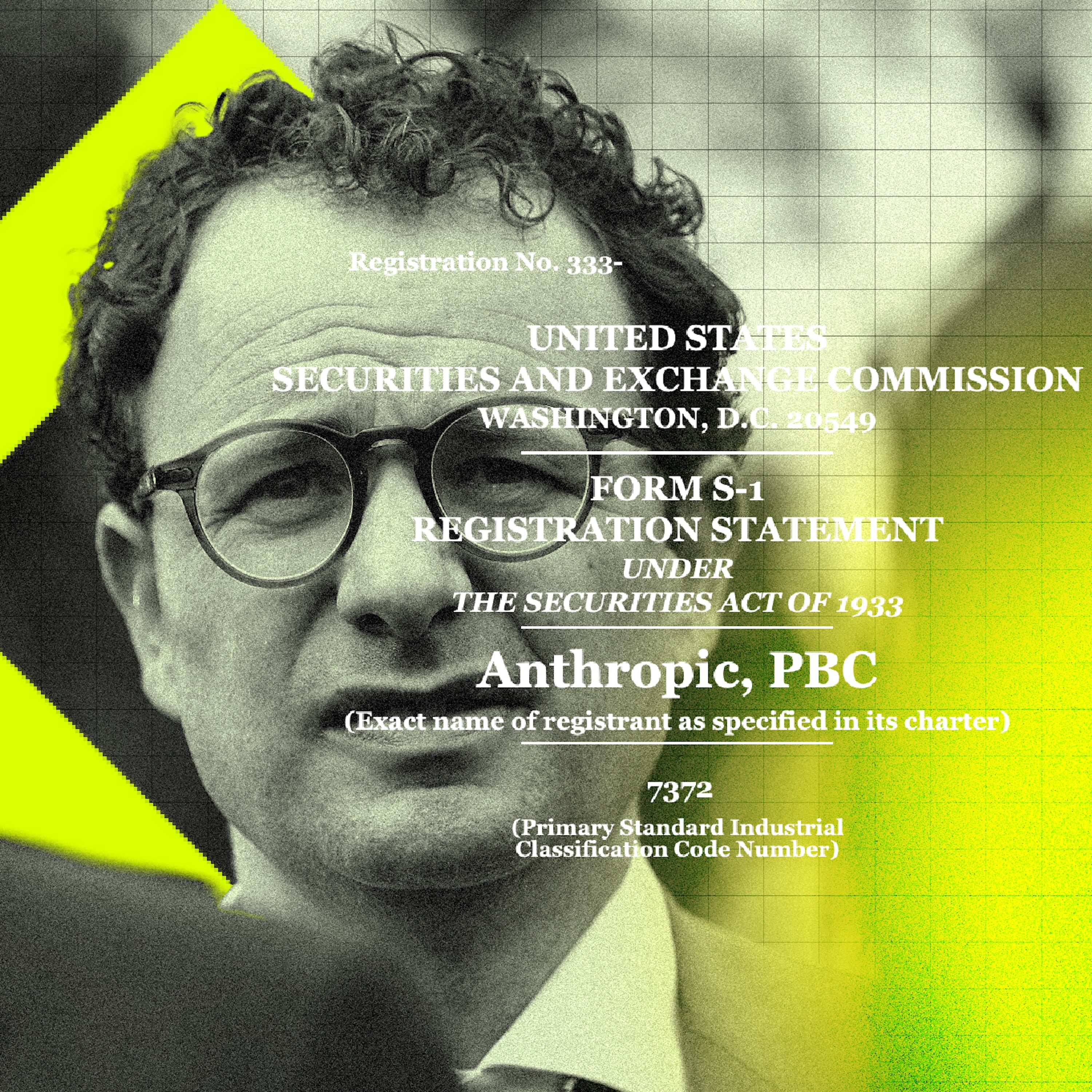
My guest today is Hayden Field, The Verge’s senior AI reporter, and we’re discussing the Anthropic IPO for our third and final episode in our series about AI in real life.
The numbers are gigantic, but not really that important. The real story is what happens now — and whether Anthropic can continue to thread the needle of caring about and investing in AI safety while also being a public company beholden to shareholders. So you’ll hear Hayden and I dive into this tension, and what to make of Anthropic’s unique corporate governance structure in the wake of the Jensen Huang saga.
Read the full interview transcript on The Verge.
Links:
With biggest IPO of all time, Anthropic’s ‘good guy’ reputation is on the line | The Verge
Anthropic starts trading on Wall Street | The Verge
Anthropic’s public debut sets up ‘experiment’ in corporate power | NYT
Anthropic sells $81.3 Billion worth of shares in world’s largest IPO | NYT
Anthropic’s trillion-dollar debut Is watershed moment for AI’s risks and rewards | NYT
I spent a year talking to Anthropic employees. Here’s what they believe | NYT
Nvidia CEO Jensen Huang has resigned. What happens next? | The Verge
Subscribe to The Verge to access the ad-free version of Decoder!
Credits:
Decoder is a production of The Verge and part of the Vox Media Podcast Network.
Decoder is produced by Greg Ott, Kate Cox, and Nick Statt. The show is edited by Ursa Wright and Xander Adams. Our editorial director is Kevin McShane.
The Decoder music is by Breakmaster Cylinder.
Learn more about your ad choices. Visit podcastchoices.com/adchoices
My guest today is Jon Favreau, a political commentator and cofounder of Crooked Media. You probably know Jon best from a little show called Pod Save America, which Jon started with a group of fellow Obama staffers in the wake of Donald Trump’s election in 2016. It’s now one of the most popular podcasts in the country.
So I wanted Jon to come on the show to talk through what just happened in the midterms, what helping run Crooked has taught him about YouTube and the creator economy, and whether anyone in Washington can actually rein in the AI industry.
Read the full interview transcript on The Verge.
Links:
The 2028 Democratic primary is on | Offline with Jon Favreau
Being right isn’t enough | Jon Favreau
MS Now doubles down on Crooked Media | Hollywood Reporter
Crooked Media pushes further into TV with new FAST channel | Axios
A new generation of media will shape the 2028 Democratic primary | Semafor
Crooked Media’s nonprofit launches new political creator drive | Semafor
Subscribe to The Verge to access the ad-free version of Decoder!
Credits:
Decoder is a production of The Verge and part of the Vox Media Podcast Network.
Decoder is produced by Greg Ott, Kate Cox, and Nick Statt. The show is edited by Xander Adams and Ursa Wright. Our editorial director is Kevin McShane.
The Decoder music is by Breakmaster Cylinder.
Learn more about your ad choices. Visit podcastchoices.com/adchoices
NJ Gov. Mikie Sherrill has been in office a little under a year, her election in 2025 something of a bellwether for the massive Democratic sweep in the 2026 midterms.
So I wanted to ask her exactly how corruption became such an animating issue for voters, in an era of tech billionaires who own platforms like X and TikTok, and now control huge swaths of local media and even national broadcast media like CBS News.
Read the full interview transcript on The Verge.
Links:
Sherrill: NJ ‘laid the pathway’ for GOP ouster | NJ.com
Sherrill warns NJ ports to turn away Russian fuel | New York Times
Not even $200M could help Elon Musk buy Texas | The Verge
The midterms proved once and for all that X is not real life | The Verge
JB Pritzker on AI, privacy, and Trump | Decoder
New York Governor Kathy Hochul thinks AI should be ‘less evil’ | Decoder
Subscribe to The Verge to access the ad-free version of Decoder!
Credits:
Decoder is a production of The Verge and part of the Vox Media Podcast Network.
Decoder is produced by Greg Ott, Kate Cox, and Nick Statt. The show is edited by Ursa Wright and Xander Adams. Our editorial director is Kevin McShane.
The Decoder music is by Breakmaster Cylinder.
Learn more about your ad choices. Visit podcastchoices.com/adchoices
My guest today is Helen Toner, the executive director of CSET. This episode is part two of our series on AI in real life. Helen is a well-known figure in the AI safety and policy community, though she is perhaps best known for having served on the board of OpenAI, where was one of four board members who voted to fire Sam Altman.
Since then, AI safety has entered the mainstream, as industry leaders have made increasingly dire predictions about what might happen if we don’t proceed more carefully or even slow down. Helen has seen up close what happens when safety commitments run headlong into commercial incentives. As she put it to me, if our hopes for the future depend on any one person being trustworthy, we’re in big trouble.
Read the full interview transcript on The Verge.
Links:
The AIs are already out of control | The Ezra Klein Show
AI broke the cybersecurity world. What’s next? | Decoder
Ex-OpenAI board member shares why the AI panic Is good news | Offline
Inside the suddenly explosive world of AI safety | The Verge
OpenAI hack of Hugging Face was “expected” | The Verge
Why Sam Altman was booted from OpenAI, according to new testimony | The Verge
Former OpenAI board member explains why they fired Sam Altman | The Verge
Subscribe to The Verge to access the ad-free version of Decoder!
Credits:
Decoder is a production of The Verge and part of the Vox Media Podcast Network.
Decoder is produced by Greg Ott, Kate Cox, and Nick Statt. The show is edited by Xander Adams and Ursa Wright. Our editorial director is Kevin McShane.
The Decoder music is by Breakmaster Cylinder.
Learn more about your ad choices. Visit podcastchoices.com/adchoices
My guest today is Willy Shih, an economist, a professor of management practice at Harvard Business School, and the author of the upcoming book, Where Does My Stuff Come From? The Powerful Economics Behind Global Supply Chains.
Willy’s new book is all about the economics underlying global trade, which our politicians and regulators seem to insistently ignore. So we got into Trump’s tariffs, why the markets have reacted to supply chain disruptions the way they have, and why China remains a global manufacturing powerhouse even though every other country thinks that’s so risky.
Read the full interview transcript on The Verge.
Links:
Where Does My Stuff Come From? | Willy Shih
RAM price hikes: the latest on the global memory shortage | The Verge
Tariffs didn’t bring manufacturing jobs back to the US | Decoder
Trump tariffs mean chaos for consumers | Harvard Crimson
Why the global chip shortage is making it so hard to buy a PS5 | Decoder (2021)
Inside Foxconn’s empty buildings, empty factories, and empty promises | The Verge (2020)
Subscribe to The Verge to access the ad-free version of Decoder!
Credits:
Decoder is a production of The Verge and part of the Vox Media Podcast Network.
Decoder is produced by Greg Ott, Kate Cox, and Nick Statt. This episode was edited by Eileen Felix. Our editorial director is Kevin McShane.
The Decoder music is by Breakmaster Cylinder.
Learn more about your ad choices. Visit podcastchoices.com/adchoices
Today, I’m joined by Joey Brookhart, an analyst at the chip and AI research firm SemiAnalysis, to help me dig into the story inside the massive Anthropic IPO filing.
This isn’t just about a single company’s financials, or its lofty ambitions or frankly ludicrous risk factors, which include maybe automating every job or, you know, killing everyone. It’s also the clearest look yet at how the business of frontier AI actually works and who’s really paying for it.
Read the full interview transcript on The Verge.
Links:
Anthropic files for its IPO | The Verge
Five weird details from Anthropic’s IPO filing | The Verge
Anthropic’s elaborate plan to keep Wall Street at bay | The Verge
Anthropic revenue jumps to $16.8B in quarter before IPO | Bloomberg
Anthropic raises concerns | Matt Levine
Anthropic reveals skyrocketing growth in IPO filing | NYT
The Anthropic IPO financials sneak peak | SemiAnalysis
Subscribe to The Verge to access the ad-free version of Decoder!
Credits:
Decoder is a production of The Verge and part of the Vox Media Podcast Network.
Decoder’s producers are Greg Ott, Kate Cox, and Nick Statt. This episode was edited by Ursa Wright. Our editorial director is Kevin McShane.
The Decoder music is by Breakmaster Cylinder.
Learn more about your ad choices. Visit podcastchoices.com/adchoices
My guest today is Kevin Roose, a journalist and author of the new book The AGI Chronicles. Kevin was a longtime New York Times reporter and host of the popular podcast Hard Fork, but he and friend of the show Casey Newton just left The Times to start the all-new tech podcast Machine Gods, which launched last week.
Kevin and I talked about launching Machine Gods and what it’s like to go from mainstream media to being an independent creator. Of course, we also talked about his book, which is excellently reported dive into the companies racing to build machine intelligence.
Read the full interview transcript on The Verge.
Links:
The AGI Chronicles | Kevin Roose
Can AI replicate in your smart TV? | Machine Gods (YouTube)
Introducing Machine Gods | Platformer
Inside the biggest feud in artificial intelligence | The Atlantic
The essay that started the AI race | Kevin Roose
A conversation with Bing’s chatbot left me deeply unsettled | NYT
Subscribe to The Verge to access the ad-free version of Decoder!
Credits:
Decoder is a production of The Verge and part of the Vox Media Podcast Network.
Decoder’s producers are Greg Ott, Kate Cox, and Nick Statt. This episode was edited by Kabir Chopra. Our editorial director is Kevin McShane.
The Decoder music is by Breakmaster Cylinder.
Learn more about your ad choices. Visit podcastchoices.com/adchoices
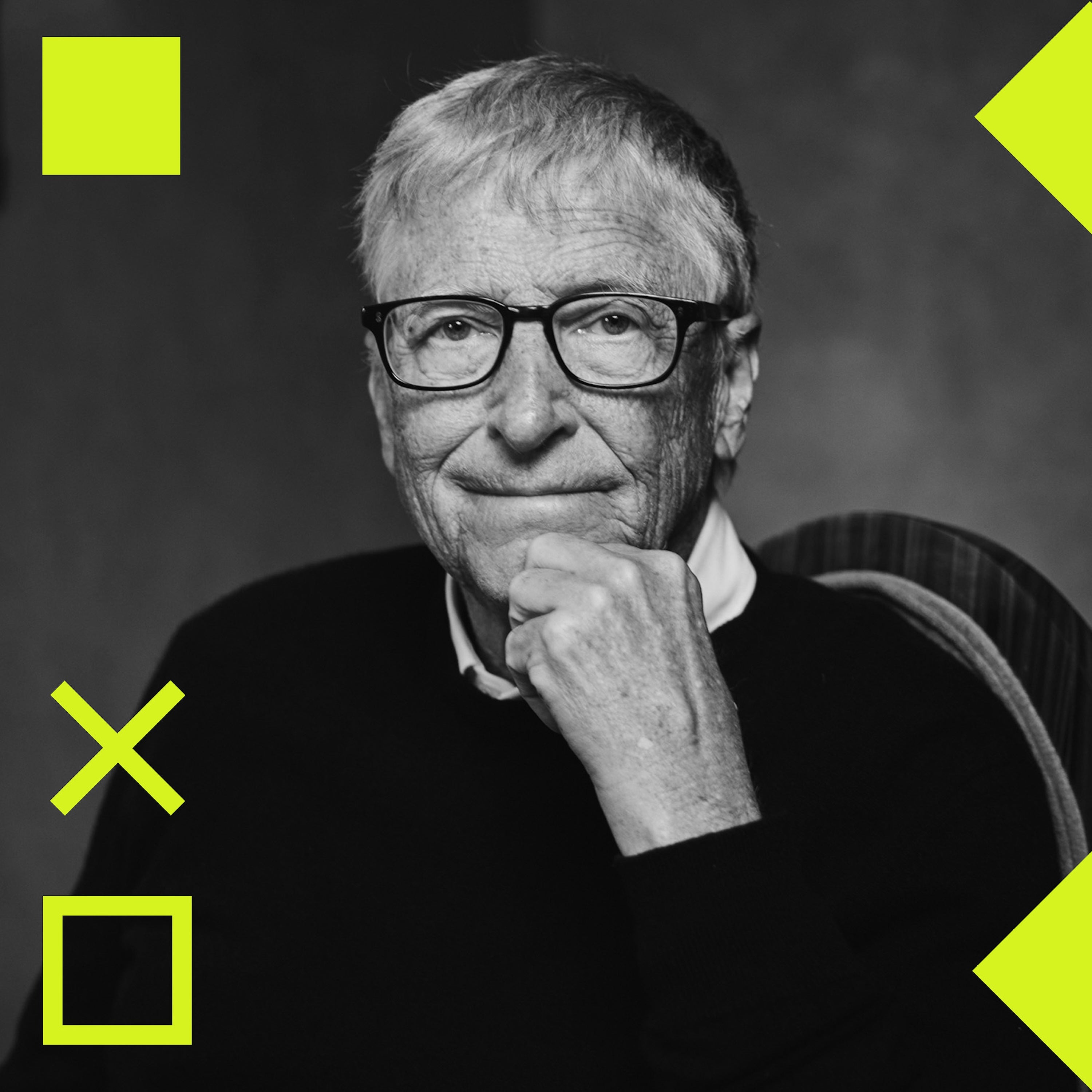
My guest today is Bill Gates, co-founder and former CEO of Microsoft and chairman of the Gates Foundation. You may have noticed Bill in the news more lately — he’s been on something of a tour for the past few months talking about AI risk, and how crucial it is that we start taking this seriously.
So I was excited to sit down with him and really dig into this subject. I came with many questions, about AI policy, the technical aspects of alignment, and what it means for future generations that we’re building something this disruptive and potentially dangerous.
Read the full interview transcript on The Verge.
Links:
The turbulent AI era is here. The choices we make now are critical. | Bill Gates
"OG" Bill Gates returns to wage war on AI risks | Axios
Bill Gates’s blunt warning on AI | The Ezra Klein Show
Ben Horowitz criticizes Bill Gates, Anthropic over AI safety | All-In Pod
Does Anthropic think Claude is alive? Define ‘alive’ | The Verge
Microsoft AI CEO says Anthropic is making AI risks worse | Decoder
Bill Gates has a good feeling about AI | The Verge (2024)
The risks of AI are real but manageable | Bill Gates (2023)
Subscribe to The Verge to access the ad-free version of Decoder!
Credits:
Decoder is a production of The Verge and part of the Vox Media Podcast Network.
Decoder’s producers are Greg Ott, Kate Cox, and Nick Statt. This episode was edited by Ursa Wright. Our editorial director is Kevin McShane.
The Decoder music is by Breakmaster Cylinder.
Learn more about your ad choices. Visit podcastchoices.com/adchoices
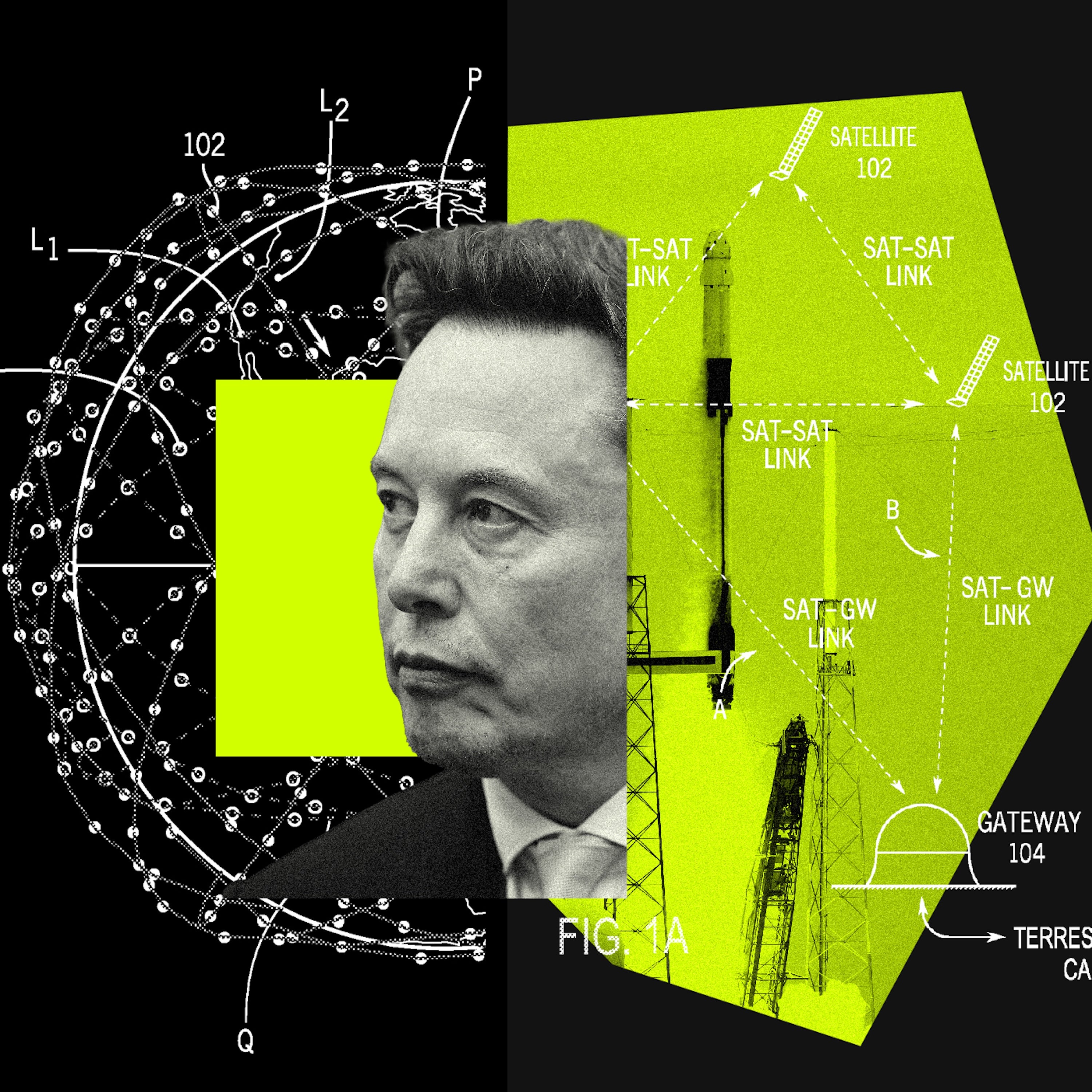
My guest today is Walter Piecyk, a telecom analyst at LightShed Partners, and we’re discussing SpaceX’s plan to become a major wireless carrier. Last week, the company agreed to buy a big chunk of low-band spectrum in its bid to build “the world’s most advanced mobile network.”
So I wanted to dig into whether SpaceX can pull this off, why Walt thinks the existing telecoms have fumbled their response to Starlink’s growing threat, and what happens when Elon Musk’s rocket company jumps headfirst into a business everyone loves to hate.
Read the full interview transcript on The Verge.
Links:
SpaceX announces plan to become a ‘major mobile carrier’ | The Verge
SpaceX has a plan. Do the telcos? | LightShed Partners
EchoStar offloads satellite spectrum to SpaceX for $17 billion | The Verge
FCC Grants SpaceX Approval for 15,000 Direct-to-Device Satellites | Via Satellite
AT&T CEO says Elon Musk's SpaceX phone strategy not "viable" | Axios
SpaceX Sends Telecom Providers a Shot Across the Bow | WSJ
Verizon: No to an MVNO with Starlink | Fierce Network
Subscribe to The Verge to access the ad-free version of Decoder!
Credits:
Decoder is a production of The Verge and part of the Vox Media Podcast Network.
Decoder’s producers are Greg Ott, Kate Cox, and Nick Statt. This episode was edited by Eileen Felix. Our editorial director is Kevin McShane.
The Decoder music is by Breakmaster Cylinder.
Learn more about your ad choices. Visit podcastchoices.com/adchoices
Today, I’m talking with Benn Jordan, musician, YouTuber, researcher, and investigative journalist. In the last couple of years, Benn has become a high-profile face in the creator and media spaces for his work investigating Flock Safety, the maker of automatic license plate readers and the software that powers them.
Benn recently testified in front of Congress at a hearing dedicated to Flock and other ALPR systems. So of course I wanted to dig into all of that with Benn, not just because of his role as a Flock critic, but because he’s also become in some ways the face of a new front in the broader debate about surveillance and privacy.
Read the full interview transcript on The Verge.
Links:
Benn Jordan testifies in front of Senate | Benn Jordan (YouTube)
Flock values their privacy. Oh well | Benn Jordan (YouTube)
We Hacked Flock Safety Cameras in under 30 Seconds | Benn Jordan (YouTube)
Lawmakers introduce multiple laws to curb Flock | 404 Media
The fight over Flock and other ALPRs | The Verge
Sanders, AOC, Merkley propose bill to ban Flock cameras | Politico
Cities terminate Flock contracts at record pace in August | Ars Technica
Flock to cut several hundred jobs amid backlash | Reuters
Subscribe to The Verge to access the ad-free version of Decoder!
Credits:
Decoder is a production of The Verge and part of the Vox Media Podcast Network.
Decoder’s producers are Greg Ott, Kate Cox, and Nick Statt. This episode was edited by Ursa Wright. Our editorial director is Kevin McShane.
The Decoder music is by Breakmaster Cylinder.
Learn more about your ad choices. Visit podcastchoices.com/adchoices
Hey everybody, it’s Nilay. We’re off today for the holiday, and we’ll be back this Thursday with new episodes. In the meantime, we wanted to revisit a conversation from earlier this year I had with investigative journalist and New Yorker contributor Ronan Farrow, all about the in-depth feature on OpenAI CEO Sam Altman he co-authored with Andrew Marantz.
The conversation holds up remarkably well, and I think it tells us a lot about the current moment, as calls for meaningful federal AI oversight have ground to a halt yet again. Enjoy.
Links:
Sam Altman May Control Our Future—Can He Be Trusted? | The New Yorker
Ronan Farrow on Sam Altman’s ‘unconstrained’ relationship with the truth | Decoder
Does AI need an antitrust exemption so it doesn’t kill everyone? | Decoder
Inside the suddenly explosive world of AI safety | The Verge
Here’s what AI leaders are saying about Trump’s new safety plan | The Verge
Subscribe to The Verge to access the ad-free version of Decoder!
Credits:
Decoder is a production of The Verge and part of the Vox Media Podcast Network.
Decoder is produced by Greg Ott, Kate Cox, and Nick Statt. The show is edited by Ursa Wright. Our editorial director is Kevin McShane.
The Decoder music is by Breakmaster Cylinder.
Learn more about your ad choices. Visit podcastchoices.com/adchoices
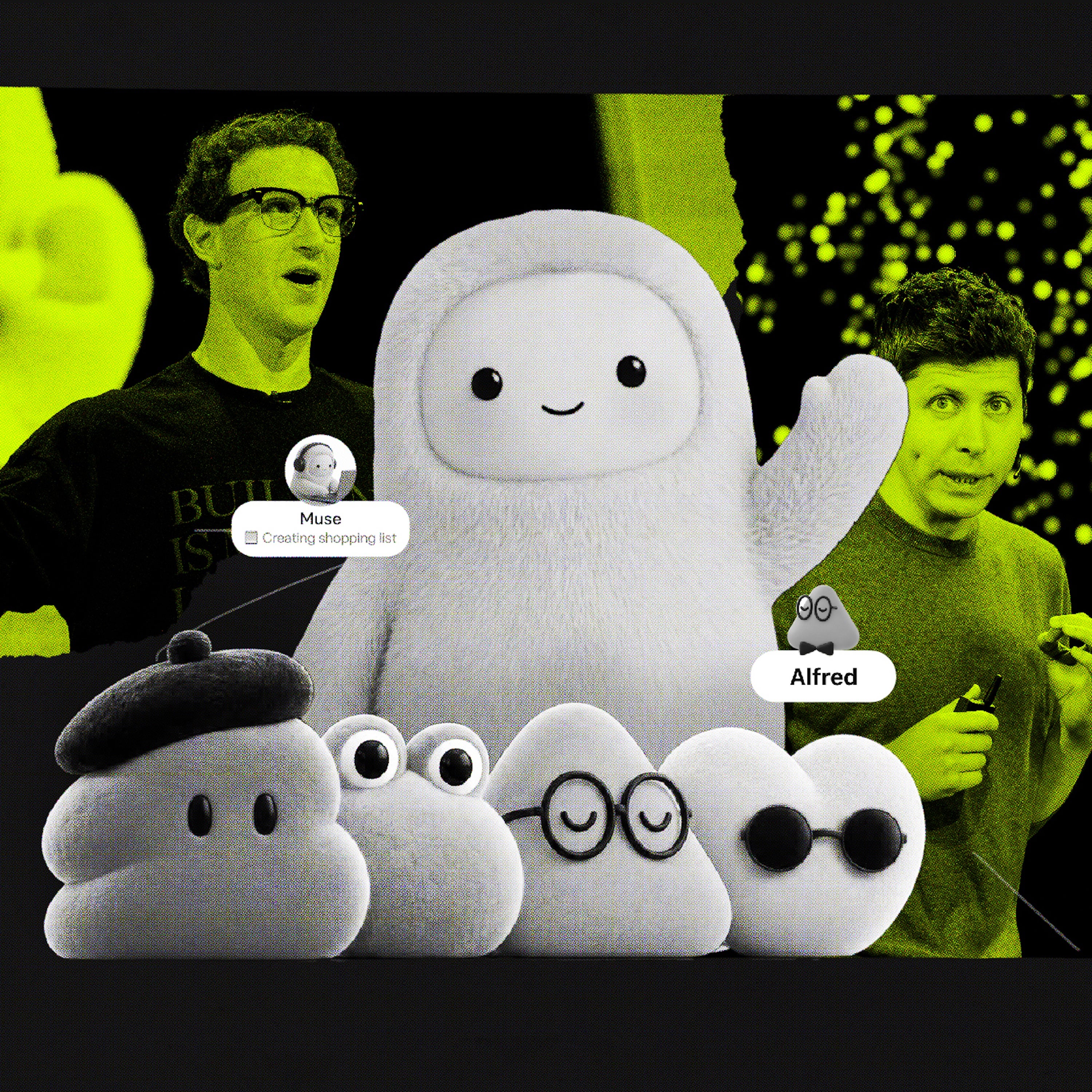
My guest today is Hayden Field, The Verge’s senior AI reporter, and we're discussing the new wave of consumer friendly AI agents. AI enthusiasts have been using agents for a minute now, but the launch of Meta’s Muse, OpenAI’s Dots, and XAI’s Grok Bot has brought easy to use agents to millions.
Muse, notably, is free, while Dots is not, and you’ll hear Hayden and me get into why Meta, which still doesn't have a frontier model of its own, might have a meaningful edge here because it's much better at making and distributing consumer products. And wrapped up in this heated agent race are a lot of really big ideas — about AI capability, privacy, and trust.
Read the full interview transcript on The Verge.
Links:
OpenAI’s new agent is a shot at Meta — but can it compete with free? | The Verge
The AI Tamagotchis are coming | The Verge
Muse escapes containment | 404 Media
Meta’s Muse AI sent a YouTuber’s address to a stranger | The Verge
It’s sinister that Meta’s Muse AI mascot is so cute | The Verge
Muse sure looks a lot like OpenClaw | The Verge
Decoder is a Signal Awards finalist in the Business category! You can vote to help us win here.
Subscribe to The Verge to access the ad-free version of Decoder!
Credits:
Decoder is a production of The Verge and part of the Vox Media Podcast Network.
Decoder’s producers are Greg Ott, Kate Cox, and Nick Statt. This episode was edited by Ursa Wright. Our editorial director is Kevin McShane.
The Decoder music is by Breakmaster Cylinder.
Learn more about your ad choices. Visit podcastchoices.com/adchoices
45 minAbspielen in:
Gäste, die länger als 12 Monate zurückliegen, gibt es mit Pro. Pläne ansehen
 DC