
Reversing Climate Change cover
Podcast

Reversing Climate Change

by Ross Kenyon

Reversing Climate Change has had 11 confirmed guests across 11 episodes in the last 12 months. Latest: Dimitry Gershenson, Oct 27, 2026.

Show websiteApple PodcastsHow guests are confirmed

Reversing Climate Change is a podcast about carbon removal and climatetech that keeps wandering off into literature, history, philosophy, theology, and geopolitics on the theory that the technical and scientific questions stop making much sense without them. Hosted by Ross Kenyon, who did not go past a year of…

Guests on the show

Tue27Oct
Reversing Climate ChangeDG

Dimitry GershensonGuest

Climate is pitchfork time! Neurodiversity, anger, & candor—w/ Dimitry Gershenson of Enduring Planet

What happens when you ask Dimitry Gershenson how he's doing? He tells you. This confuses people at parties, and by his account it works surprisingly well on investors. Today's guest is Dimitry Gershenson, the co-founder and CEO of Enduring Planet, which provides "founder-friendly working capital and financial advisory services to climate startups and SMBs," often lending against a government grant or contract. They recently closed a second fund more than twice the size of their first. We get into why so much climate content reads like it went through legal, the op-ed on impact investing in an age of autocracy he held back until his fund closed (a major investor bailed anyway), how much (or how little) of his work runs on anger, and what being on the autism spectrum is like while running a company of almost 120 people. And Dimitry tells the story of a field trip with his old Berkeley professor John Harte, who gave the bleakest two-word summary of climate change I've heard in a while, followed by a surprisingly useful second answer. Full disclosure: I have a referral agreement with Enduring Planet, so if you go talk to them, tell them I sent you. Enduring Planet Courageous Capital: Impact investing in an age of autocracy, Dimitry Gershenson and Jed Emerson, ImpactAlpha Take risk, act swiftly and seven other tips for deploying catalytic capital the right way, Dimitry Gershenson, ImpactAlpha With $12M second fund, fintech startup aims to pump more cash into climate entrepreneurs, GeekWire Energy and Resources Group, UC Berkeley Radical Candor, Kim Scott This episode's page on the web Subscribe to the Reversing Climate Change Substack Books from the show, at Bookshop My other show, Climate Workers Anonymous
59 minPlay in:

Thu24Sep
Reversing Climate ChangeUA

Uzoma AyoguGuest

The palm nutcracker that became a carbon dioxide removal company—w/ Uzoma Ayogu of Biochar Industrial Group

What do you do when none of the machinery you imported works? If you're Releaf, you build your own nutcracker, name it Kraken, and get it working with about six weeks of runway left in the middle of COVID. And once you have a huge pile of palm kernel shells sitting around, why not get really into biochar? Today's guest is Uzoma Ayogu, cofounder and CTO of Releaf and cofounder of Biochar Industrial Group (BIG), which just closed a $1.5 million pre-seed. Releaf cracks palm nuts from smallholder farms in Nigeria, where equipment built for plantations met thick-shelled nuts that arrive wet, dusty and full of rocks. BIG is the carbon dioxide removal side, spun out because Releaf's investors understood agriculture and supply chains and did not understand the voluntary carbon market. They bought their pyrolyzer from a Ukrainian manufacturer during a war, installed it without the manufacturer's engineer, and Uzo slept in the factory on a yoga mat for two weeks. Uptime went from around a third to 87 percent. We also get into cassava yields, what Y Combinator told them when they got in, and my own YC story, which ends with Nori getting in and saying no. This Episode's Sponsor EcoEngineers: a full-service advisory and consulting firm focused on carbon dioxide removal, decarbonization, and carbon markets. Listen to the RCC episode I made with David LaGreca from EcoEngineers about how to choose, hire, and fire carbon market contractors. And the one with Rudy Krehbiel, also of EcoEngineers, on which story carbon dioxide removal is actually in and what it costs to be inside the wrong one. 2026 EcoForums Training Series: Navigating Global Carbon and Fuel Regulations, Market Mechanisms, and Life-Cycle Analysis Fundamentals Resources Full disclosure: Uzo, Kenna, and I met in the AirMiners Launchpad Accelerator program and I have worked with them in a few programs since. Subscribe to the Reversing Climate Change Substack Become a paid subscriber for bonus content and ad-free episodes My other show, Climate Workers Anonymous Releaf Biochar Industrial Group BIG raises $1.5m to turn African farm waste into carbon removal, TechCabal AirMiners How Releaf is scaling Nigerian biochar, my piece for Rainbow Books from the show, at Bookshop Resources This episode's page on the web Subscribe to the Reversing Climate Change Substack Books from the show, at Bookshop My other show, Climate Workers Anonymous
1 h 06 minPlay in:

Thu10Sep
Reversing Climate ChangeMB

Mary BerryGuest

Thinking Little with Mary Berry, Executive Director of The Berry Center—RERELEASE

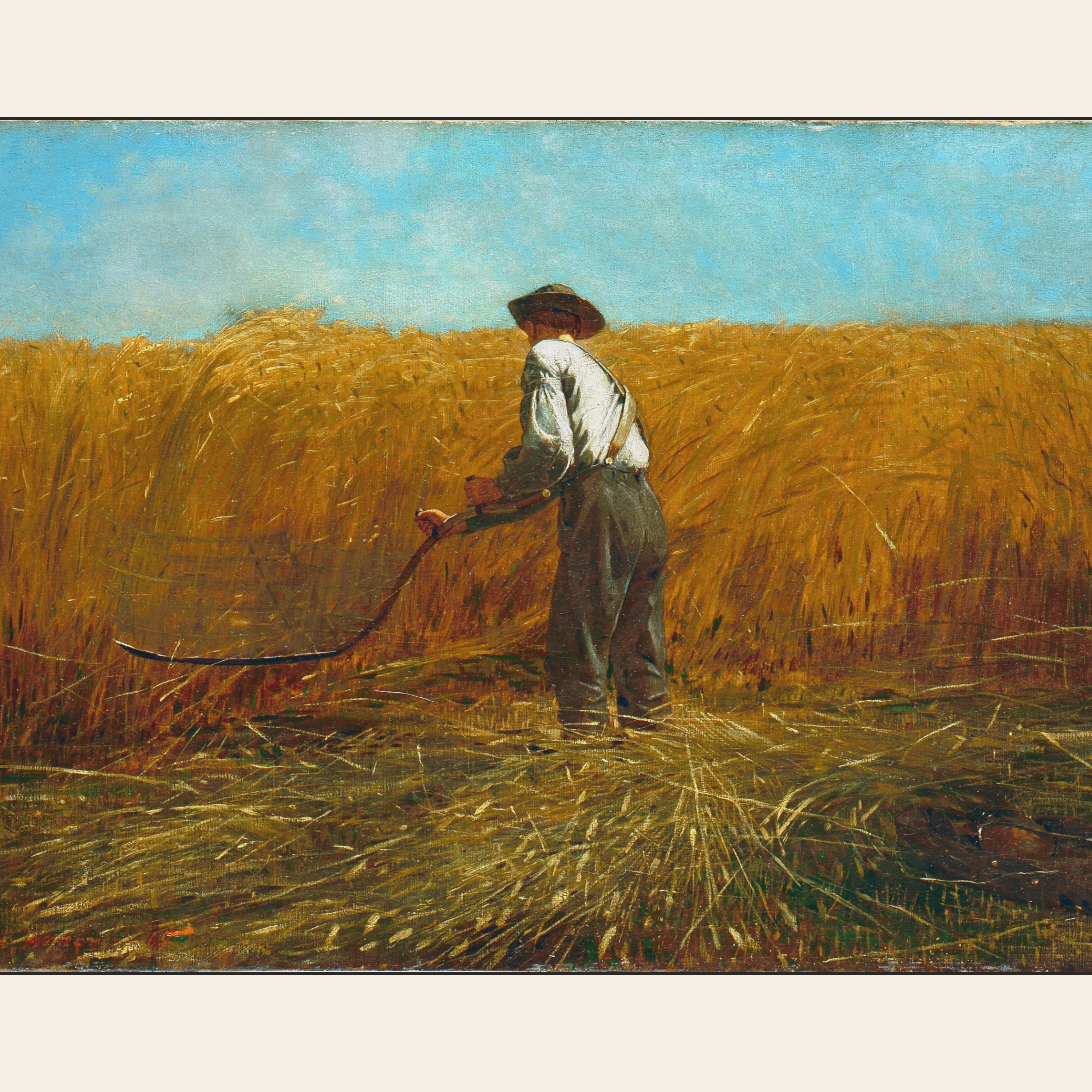
Wendell Berry died on August 31st, 2026. A listener once made a Reversing Climate Change bingo card and one of the squares was just "someone mentions Wendell Berry," which turned out to be a rigged square. So rather than write another appreciation, I have pulled the conversation I had with his daughter in 2020 and recorded a new introduction to sit in front of it. The episode I made the week he died is here. Mary Berry runs The Berry Center in New Castle, Kentucky, founded in 2011 after a lifetime of farming. She started it because a forty-year local food movement had produced some very good farmers' markets and almost no change to the culture of farming, and because the best agricultural program her state ever had was being forgotten inside that very state. Listen in to hear more about why the local food movement concentrated on food and skipped land use and the economic lives of farmers, and what you do about any of this if you have no Henry County of your own to go back to. My new introduction is about that last part, and about whether those of who without such roots are like locusts, but somehow worse? What a grim sentence to pen, and there's a lot more coming on this topic soon... This Episode's Sponsor EcoEngineers: a full-service advisory and consulting firm focused on carbon dioxide removal, decarbonization, and carbon markets. Listen to the RCC episode I made with David LaGreca from EcoEngineers about how to choose, hire, and fire carbon market contractors. Listen to the RCC episode I made with Rudy Krehbiel, also of EcoEngineers, on which story carbon dioxide removal is actually in and what it costs to be inside the wrong one. 2026 EcoForums Training Series: Navigating Global Carbon and Fuel Regulations, Market Mechanisms, and Life-Cycle Analysis Fundamentals Resources Subscribe to the ⁠⁠Reversing Climate Change Substack⁠⁠ ⁠⁠Become a paid subscriber⁠⁠ for bonus content and ad-free episodes Check out my new show, Climate Workers Anonymous The original 2020 release of this conversation The Berry Center, and Our Home Place Meat, and the shop The Berry Center Farm and Forest Institute: the education program Mary describes as the Wendell Berry Farming Program of Sterling College, now run by the Berry Center itself The Agrarian Culture Center and the Archive of The Berry Center, which holds her grandfather's and uncle's papers from the Burley Tobacco Program The Land Institute, and Wes Jackson's Becoming Native to This Place Removals, avoidances, and what Wendell Berry thought of making tonnes fungible Wendell Berry, Jayber Crow and the Port William novels, and The World-Ending Fire The 50-Year Farm Bill Organic Valley, founded on what its founder knew about the Burley Tobacco Program Four Arguments for the Elimination of Television by Jerry Mander Bowling Alone: The Collapse and Revival of American Community by Robert D. Putnam Gary Snyder The episode art is Winslow Homer's The Veteran in a New Field, 1865, oil on canvas. The Metropolitan Museum of Art, Bequest of Miss Adelaide Milton de Groot (1876–1967), 1967, accession number 67.187.131. Public domain, via The Met's Open Access program. Originally released in September 2020 as season 2, episode 30. Re-released September 2026 with a new introduction. Resources This episode's page on the web Subscribe to the Reversing Climate Change Substack Books from the show, at Bookshop My other show, Climate Workers Anonymous

1 h 07 minPlay in:

Thu13Aug
Reversing Climate ChangeJM

J. Maarten TroostGuest

J. Maarten Troost on Kiribati's atolls, climate change, and what travel writing is for RERELEASE

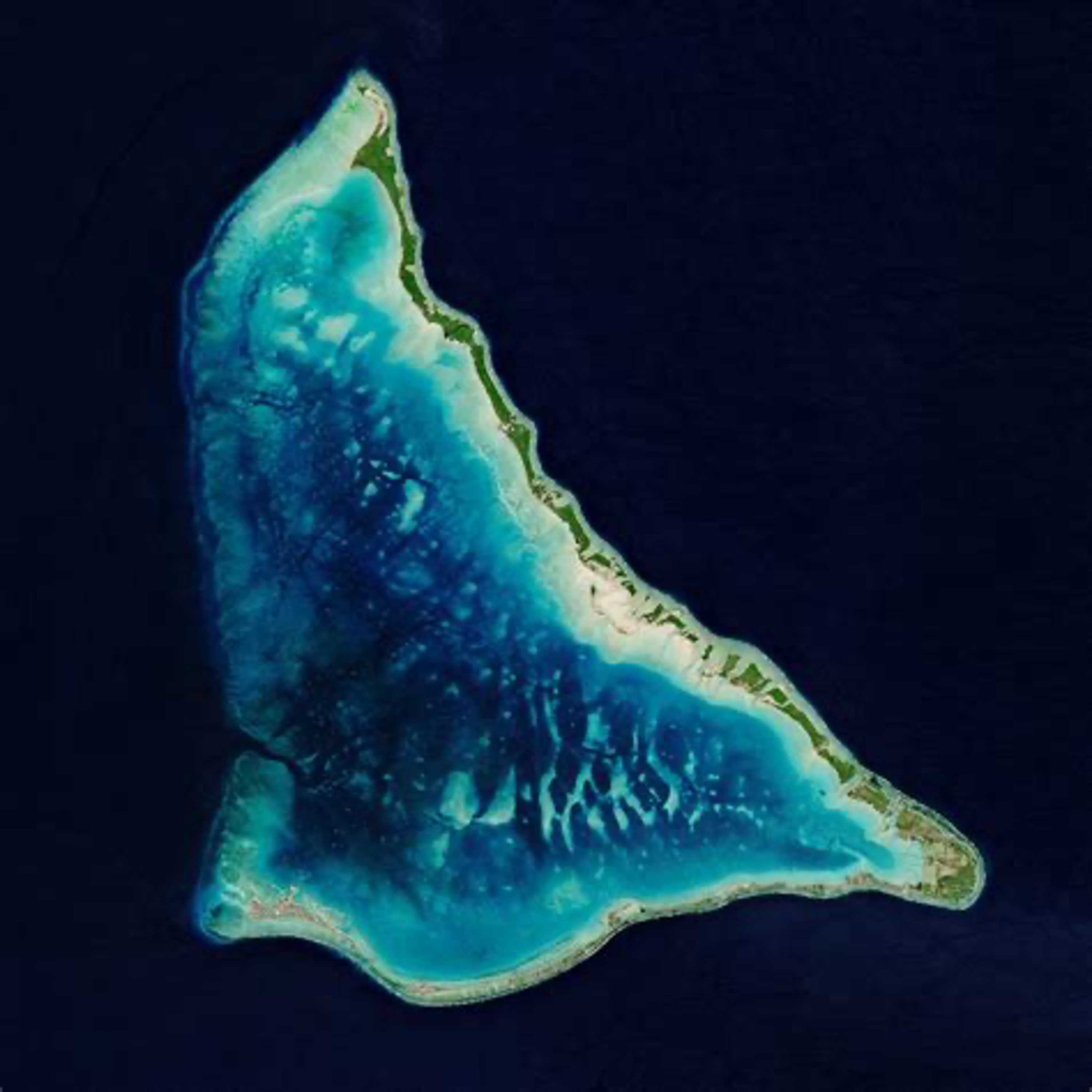
This podcast has been running for almost a decade. There are some real gems buried in the catalogue that I am happy to have a chance to rerelease. This is one of those episodes. It has a new intro. I recorded it with J. Maarten Troost in April 2020 and published it as S2E9, "Travel writing a disappearing Oceania". It remains a personal favorite of mine. Maarten wrote four travel memoirs: The Sex Lives of Cannibals (2004), about the two years he spent in Kiribati after his partner got a job at an NGO who operated there; Getting Stoned with Savages (2006), about their move to Fiji and Vanuatu; Lost on Planet China (2008) where Maarten ends up wandering around quite a bit of China; and Headhunters on My Doorstep (2013), a Treasure Island retracing written in recovery. We talk about his time in a huge place that very few have visited to the depths he has, and how the world was changing (or maybe beginning to change) since his time in the region. Travel writing when it's good, acknowledges both difference and universality. It helps us understand Other, and mocks the way that we are in taking our Otherness for granted. Maarten does a wonderful job at both. And he hates the f*@!ing Macarena. This Episode's Sponsor ⁠⁠⁠⁠⁠⁠⁠⁠⁠⁠⁠⁠⁠⁠EcoEngineers: a full-service advisory and consulting firm focused on carbon dioxide removal, decarbonization, and carbon markets⁠⁠⁠⁠⁠⁠⁠⁠⁠ ⁠⁠⁠⁠⁠⁠⁠⁠Listen to the RCC episode I made with David LaGreca from EcoEngineers about how to choose, hire, and fire carbon market contractors.⁠⁠⁠⁠⁠⁠⁠⁠ ⁠⁠⁠⁠⁠⁠2026 EcoForums Training Series: Navigating Global Carbon and Fuel Regulations, Market Mechanisms, and Life-Cycle Analysis Fundamentals⁠⁠⁠⁠⁠⁠ Resources ⁠⁠⁠⁠⁠⁠⁠⁠⁠⁠⁠⁠⁠⁠⁠⁠⁠⁠⁠⁠⁠⁠⁠⁠⁠⁠⁠⁠⁠⁠⁠⁠⁠⁠⁠⁠⁠⁠⁠⁠⁠⁠⁠⁠⁠⁠⁠⁠⁠⁠⁠⁠⁠⁠⁠⁠⁠⁠⁠⁠⁠Check out my new show, Climate Workers Anonymous⁠⁠⁠⁠⁠⁠⁠⁠ ⁠⁠⁠⁠⁠⁠⁠⁠Become a paid subscriber of Reversing Climate Change (and get rid of the ads on Spotify)⁠⁠⁠⁠⁠⁠⁠⁠⁠⁠⁠⁠⁠⁠⁠⁠⁠⁠⁠⁠⁠⁠⁠⁠⁠⁠⁠⁠⁠⁠⁠⁠⁠⁠⁠⁠⁠⁠⁠⁠⁠⁠⁠⁠⁠⁠⁠⁠⁠⁠⁠⁠⁠ ⁠⁠⁠⁠⁠⁠⁠⁠⁠⁠⁠⁠⁠⁠⁠⁠⁠⁠⁠⁠⁠⁠⁠⁠⁠⁠⁠⁠⁠⁠⁠⁠Subscribe to the Reversing Climate Change Substack⁠⁠⁠⁠⁠⁠⁠⁠⁠⁠⁠⁠⁠⁠⁠⁠⁠⁠ J. Maarten Troost at Penguin Random House J. Maarten Troost at BJ Robbins Literary Agency The Sex Lives of Cannibals: Adrift in the Equatorial Pacific (2004) Getting Stoned with Savages: A Trip Through the Islands of Fiji and Vanuatu (2006) Lost on Planet China: One Man's Attempt to Understand the World's Most Mystifying Nation (2008) Headhunters on My Doorstep: A True Treasure Island Ghost Story (2013) What became of the Kiribati land purchase in Vanua Levu Kiribati's Office of Te Beretitenti on the Fiji land purchase Paul Theroux, The Happy Isles of Oceania: Paddling the Pacific (1992) Christina Thompson, Sea People: The Puzzle of Polynesia (Harper, 2019) David Foster Wallace, "Shipping Out," Harper's, January 1996, later collected as "A Supposedly Fun Thing I'll Never Do Again" John Jeremiah Sullivan, "You Blow My Mind. Hey, Mickey!", The New York Times Magazine, 2011 Jon Ronson, So You've Been Publicly Shamed (Picador, 2015) 407: Charles C. Mann on the wizards & prophets of climate change, the first rerelease 326: Confronting our shadow: Jung, the Vietnam War & climate change, w/ Karl Marlantes, the other author episode Maarten's intro name-checks Climate Workers Anonymous Resources This episode's page on the web Subscribe to the Reversing Climate Change Substack Books from the show, at Bookshop My other show, Climate Workers Anonymous

1 h 01 minPlay in:

Thu9Jul
Reversing Climate ChangeCC

Charles C. MannGuest

Charles C. Mann on the wizards & prophets of climate change

I interviewed Charles C. Mann in 2020 about his book, The Wizard and the Prophet: Two Remarkable Scientists and Their Dueling Visions to Shape Tomorrow's World. This episode is a personal favorite of mine. Somehow, I don't believe I've ever rereleased any old episodes. But there are many great ones buried in the archives. I am going to start bringing more of them out that remain relevant. If you aren't familiar with Charles C. Mann, he's written a bunch of great books including 1491 and 1493, both of which I'd recommend. This Episode's Sponsor EcoEngineers: a full-service advisory and consulting firm focused on carbon dioxide removal, decarbonization, and carbon markets. Listen to the RCC episode I made with David LaGreca from EcoEngineers about how to choose, hire, and fire carbon market contractors. Listen to the RCC episode I made with Rudy Krehbiel, also of EcoEngineers, on which story carbon dioxide removal is actually in and what it costs to be inside the wrong one. 2026 EcoForums Training Series: Navigating Global Carbon and Fuel Regulations, Market Mechanisms, and Life-Cycle Analysis Fundamentals Resources ⁠⁠⁠⁠⁠⁠⁠⁠⁠⁠⁠⁠⁠⁠⁠⁠⁠⁠⁠⁠⁠⁠⁠⁠⁠⁠⁠⁠⁠⁠⁠⁠⁠⁠⁠⁠⁠⁠⁠⁠⁠⁠⁠⁠⁠⁠⁠⁠⁠⁠⁠⁠⁠⁠⁠⁠Check out my new show, Climate Workers Anonymous⁠⁠⁠ ⁠⁠⁠Become a paid subscriber of Reversing Climate Change⁠⁠⁠⁠⁠⁠⁠⁠⁠⁠⁠⁠⁠⁠⁠⁠⁠⁠⁠⁠⁠⁠⁠⁠⁠⁠⁠⁠⁠⁠⁠⁠⁠⁠⁠⁠⁠⁠⁠⁠⁠⁠ ⁠⁠⁠⁠⁠⁠⁠⁠⁠⁠⁠⁠⁠⁠⁠⁠⁠⁠⁠⁠⁠⁠⁠⁠⁠⁠⁠Subscribe to the Reversing Climate Change Substack⁠⁠⁠⁠⁠⁠⁠⁠⁠⁠⁠⁠⁠ ⁠⁠⁠Subscribe to the Climate Workers Anonymous Substack⁠⁠⁠⁠⁠⁠⁠⁠⁠⁠⁠⁠⁠ Charles C. Mann on Wikipedia The Wizard and the Prophet by Charles C. Mann Resources This episode's page on the web Subscribe to the Reversing Climate Change Substack Books from the show, at Bookshop My other show, Climate Workers Anonymous

58 minPlay in:

Thu18Jun
Reversing Climate ChangeTM

Tom MillsGuest

When will insetting work for carbon dioxide removal?—w/ Tom Mills, Stripe Climate Fellow (former)

Everyone knows about offsetting. But what about insetting? Surely, that's easier. If only we could define it... In this episode of Reversing Climate Change, host Ross Kenyon sits down with Tom Mills to dig into the physical reality of carbon dioxide removal (CDR) and its intersection with heavy industry, mining, and global agricultural supply chains. Drawing from his experience working in mining governance across Africa and South Asia, Tom shares how the physical, logistical, and geopolitical challenges of heavy industry perfectly parallel the hurdles facing the scaling of CDR today. The conversation explores Tom's journey into carbon removal while living in India, where he realized how the region's unique geology and agricultural needs make it an ideal landscape for scalable climate solutions like biochar and enhanced rock weathering (ERW). Tom was a Stripe Climate Fellow, where he focused on embedding CDR directly into global agricultural supply chains. Tom breaks down why certain premium commodity value chains—specifically coffee—are leading the charge in adopting these practices due to strict European regulations and high consumer engagement. From there, the conversation tackles the messy realities of corporate carbon accounting, untangling the nuances of "insetting" versus "offsetting," and exploring how project developers can monetize non-carbon benefits like yield optimization, nutritional density, and watershed protection. This Episode's Sponsors EcoEngineers: a full-service advisory and consulting firm focused on carbon dioxide removal, decarbonization, and carbon markets. Listen to the RCC episode I made with David LaGreca from EcoEngineers about how to choose, hire, and fire carbon market contractors. Listen to the RCC episode I made with Rudy Krehbiel, also of EcoEngineers, on which story carbon dioxide removal is actually in and what it costs to be inside the wrong one. 2026 EcoForums Training Series: Navigating Global Carbon and Fuel Regulations, Market Mechanisms, and Life-Cycle Analysis Fundamentals ⁠⁠⁠⁠⁠⁠Philip Lee LLP: legal resources for carbon removal buyers and suppliers⁠⁠⁠⁠⁠⁠⁠⁠⁠⁠⁠⁠⁠⁠⁠⁠⁠⁠⁠⁠⁠⁠⁠⁠⁠⁠⁠⁠⁠⁠⁠⁠⁠⁠⁠⁠⁠⁠ ⁠⁠⁠⁠⁠⁠⁠⁠⁠⁠⁠⁠⁠⁠⁠⁠⁠⁠⁠⁠⁠⁠⁠⁠⁠⁠⁠⁠⁠⁠⁠⁠⁠Listen to the RCC episode with Ryan Covington from Philip Lee LLP⁠⁠⁠⁠⁠⁠⁠⁠⁠⁠⁠⁠⁠⁠⁠⁠⁠⁠⁠⁠⁠⁠⁠ about project finance⁠⁠⁠⁠⁠⁠⁠⁠⁠⁠ ⁠⁠⁠⁠⁠⁠⁠⁠⁠Listen to the RCC episode with Lev Gantly about the history and current status of CORSIA⁠⁠⁠⁠⁠⁠⁠⁠⁠ Resources ⁠⁠⁠⁠⁠⁠⁠⁠⁠⁠⁠⁠⁠⁠⁠⁠⁠⁠⁠⁠⁠⁠⁠⁠⁠⁠⁠⁠⁠⁠⁠⁠⁠⁠⁠⁠⁠⁠⁠⁠⁠⁠⁠⁠⁠⁠⁠⁠⁠⁠⁠⁠⁠Check out my new show, Climate Workers Anonymous Become a paid subscriber of Reversing Climate Change⁠⁠⁠⁠⁠⁠⁠⁠⁠⁠⁠⁠⁠⁠⁠⁠⁠⁠⁠⁠⁠⁠⁠⁠⁠⁠⁠⁠⁠⁠⁠⁠⁠⁠⁠⁠⁠⁠⁠ ⁠⁠⁠⁠⁠⁠⁠⁠⁠⁠⁠⁠⁠⁠⁠⁠⁠⁠⁠⁠⁠⁠⁠⁠Subscribe to the Reversing Climate Change Substack⁠⁠⁠⁠⁠⁠⁠⁠⁠⁠ Subscribe to the Climate Workers Anonymous Substack⁠⁠⁠⁠⁠⁠⁠⁠⁠⁠⁠ ⁠⁠⁠Become a paid subscriber of Reversing Climate Change⁠⁠⁠ ⁠⁠⁠Subscribe to the Reversing Climate Change Substack⁠⁠ ⁠Read the full transcript and show notes on Substack⁠ Stripe Climate Fellows Mati Carbon "Jerusalem ["And did those feet in ancient time"]" by William Blake. In fact, the episode art for this episode is from the piece that we discuss. Jerusalem, Plate 1, Frontispiece, 1804 to 1820, Bentley Copy E, © Yale Center for British Art, Paul Mellon Collection. Resources This episode's page on the web Subscribe to the Reversing Climate Change Substack Books from the show, at Bookshop My other show, Climate Workers Anonymous

57 minPlay in:

Thu4Jun
Reversing Climate ChangeDW

Drew WilkinsonGuest

Reform vs. Revolution from Microsoft to the Salvage Yard—w/ Drew Wilkinson, Climate Leadership Collective

What do you do when you spent 20 years fighting climate change from every angle you could find: community organizing, Sea Shepherd, AmeriCorps, corporate sustainability at Microsoft... and you realize the prevention phase might be ending? Do you keep keynoting conferences about employee engagement while the Amazon CSO brags about marginal improvements to delivery vans the same week they platform the Melania documentary? Or do you get a job at a salvage yard, start building your own shipping container house, and shift your energy from prevention to adaptation? My friend Drew Wilkinson chose the second thing. Drew grew up in Phoenix, got into punk rock at 13, never stopped playing in bands, and somehow that trajectory carried him from DIY shows in Arizona to corporate sustainability at Microsoft, where he helped organize employees into one of the most effective internal climate movements a Fortune 500 has ever seen. But this episode isn't really about that success. It's about what comes after. Drew left Microsoft three years ago and started consulting independently through the Climate Leadership Collective, and the financial instability of that choice has been brutal. He's honest about it in a way that most people in this space aren't: he doesn't know where his next paycheck is coming from, some days he's crippled on the couch with grief and anger, and he knows that the spicy contrarian stuff he posts on LinkedIn (AKA the stuff that makes him uniquely valuable) also sabotages his ability to get hired by the companies he's criticizing. We got into reform versus revolution, whether the system can be sufficiently reformed or needs to be tossed out entirely, the Austrian Catholic farmer who refused to swear the oath to Hitler (A Hidden Life, go watch it!), and whether Anthropic refusing to work with the Department of Defense matters when Sam Altman is waiting in line behind them. Drew brought up the GreenBiz conference panel that was literally three hours on "how to do sustainability without saying sustainability." I brought up the Amazon CSO posting about minor improvements to delivery van emissions the same week they gave the Melania documentary a platform. We both felt sick about it. But we escaped that grim discourse when Drew started talking about his shift from prevention to adaptation. He's building a shipping container house on five acres in the forest outside Seattle, sourcing materials from the architectural salvage yard where he now works a couple days a week. Yesterday he moved several thousand pounds of doors. He came home covered in dirt. And for the first time in a long time, he could touch the problem and touch the solution. Three thousand pounds of doors didn't go to a landfill. This Episode's Sponsors EcoEngineers: a full-service advisory and consulting firm focused on carbon dioxide removal, decarbonization, and carbon markets. Listen to the RCC episode I made with David LaGreca from EcoEngineers about how to choose, hire, and fire carbon market contractors. Listen to the RCC episode I made with Rudy Krehbiel, also of EcoEngineers, on which story carbon dioxide removal is actually in. 2026 EcoForums Training Series: Navigating Global Carbon and Fuel Regulations, Market Mechanisms, and Life-Cycle Analysis Fundamentals Philip Lee LLP: legal resources for carbon removal buyers and suppliers Listen to the RCC episode with Ryan Covington from Philip Lee LLP about project finance Listen to the RCC episode with Lev Gantly about the history and current status of CORSIA Resources More references from this episode, with links, are in the show notes on Substack. This episode's page on the web Subscribe to the Reversing Climate Change Substack Books from the show, at Bookshop My other show, Climate Workers Anonymous
1 h 02 minPlay in:

Fri29May
Reversing Climate ChangeAG

Alexsandra GuerraGuest

Emotional startup lessons from Nori cofounders—w/ Alexsandra Guerra of Calming Chaos

What happens when you ask a startup founder how a decision made them feel and their eyes start to water? What happens when you realize the person who drove you the craziest at your company was right about all the things you dismissed as too woo? What happens when you look at the wreckage of a seven-year startup and realize the business model failed but the mission didn't? Today I'm talking with Alexsandra Guerra, "Alé", one of my former cofounders at Nori. Her voice used to be the intro to this very podcast. She's now a coach for purpose-driven founders through her business Calming Chaos, and we're doing something I've wanted to do for a while: an honest, no-bs conversation about what went wrong between us, what we've learned since, and why the emotional stuff that I used to dismiss is actually what's holding back so much innovation in climate and beyond. Alé shared her story in a way I wasn't expecting. The perfectionism, the imposter syndrome, the hero complex that made her volunteer for work she couldn't sustain, the sensitivity to feedback that followed, the burnout that was inevitable. She traced all of it back to childhood—a father who didn't show up, a mother who told her to stop crying, and a lifetime of performing for love that was supposed to just be there. And then she connected it to how she showed up at Nori, and I have to admit: it explained a lot of things I didn't understand at the time. I did my version too. The compulsive reading that everyone compliments but that's actually a way of never having a quiet moment. The diminishing returns of knowledge versus the increasing returns of wisdom. The times I should have listened to my gut and didn't because I couldn't articulate it analytically. We got into patriarchy, the spiritual emptiness of power-seeking, why my most common piece of advice to founders is to go to therapy, and why Alé believes entrepreneurship is fundamentally a spiritual process. I didn't want that to be true when we were running Nori together. I'm pretty sure she was right the whole time. It just took me awhile to open up to it. This Episode's Sponsors EcoEngineers: a full-service advisory and consulting firm focused on carbon dioxide removal, decarbonization, and carbon markets. Listen to the RCC episode I made with David LaGreca from EcoEngineers about how to choose, hire, and fire carbon market contractors. Listen to the RCC episode I made with Rudy Krehbiel, also of EcoEngineers, on which story carbon dioxide removal is actually in and what it costs to be inside the wrong one. 2026 EcoForums Training Series: Navigating Global Carbon and Fuel Regulations, Market Mechanisms, and Life-Cycle Analysis Fundamentals ⁠⁠⁠Philip Lee LLP: legal resources for carbon removal buyers and suppliers⁠⁠⁠⁠⁠⁠⁠⁠⁠⁠⁠⁠⁠⁠⁠⁠⁠⁠⁠⁠⁠⁠⁠⁠⁠⁠⁠⁠⁠⁠⁠⁠⁠⁠⁠ ⁠⁠⁠⁠⁠⁠⁠⁠⁠⁠⁠⁠⁠⁠⁠⁠⁠⁠⁠⁠⁠⁠⁠⁠⁠⁠⁠⁠⁠⁠Listen to the RCC episode with Ryan Covington from Philip Lee LLP⁠⁠⁠⁠⁠⁠⁠⁠⁠⁠⁠⁠⁠⁠⁠⁠⁠⁠⁠⁠⁠⁠⁠ about project finance⁠⁠⁠⁠⁠⁠⁠ ⁠⁠⁠⁠⁠⁠Listen to the RCC episode with Lev Gantly about the history and current status of CORSIA⁠⁠⁠⁠⁠⁠ Resources ⁠⁠⁠⁠⁠⁠⁠⁠⁠⁠⁠⁠⁠⁠⁠⁠⁠⁠⁠⁠⁠⁠⁠⁠⁠⁠⁠⁠⁠⁠⁠⁠⁠⁠⁠⁠⁠⁠⁠⁠⁠⁠⁠⁠⁠⁠⁠⁠⁠⁠Become a paid subscriber of Reversing Climate Change⁠⁠⁠⁠⁠⁠⁠⁠⁠⁠⁠⁠⁠⁠⁠⁠⁠⁠⁠⁠⁠⁠⁠⁠⁠⁠⁠⁠⁠⁠⁠⁠⁠⁠⁠⁠ ⁠⁠⁠⁠⁠⁠⁠⁠⁠⁠⁠⁠⁠⁠⁠⁠⁠⁠⁠⁠⁠Subscribe to the Reversing Climate Change Substack⁠⁠⁠⁠⁠⁠⁠ Become a paid subscriber of Reversing Climate Change Subscribe to the Reversing Climate Change Substack ⁠Calming Chaos: Ale's coaching practice⁠ Gabor Maté Resources This episode's page on the web Subscribe to the Reversing Climate Change Substack Books from the show, at Bookshop My other show, Climate Workers Anonymous
1 h 00 minPlay in:

Thu21May
Reversing Climate ChangeJR

Julia ReichelsteinGuest

What kind of leader does my CDR company need me to be?—w/ Julia Reichelstein, Vaulted Deep

What do you do when you're a venture capitalist who can't stop talking about carbon removal at every meeting? You quit and start a carbon removal company, obviously. Three days later you meet the person who's been quietly running one of the largest carbon removal operations nobody's ever heard of. And then you build a company that just signed a nearly 5 million tonne deal with Microsoft. That's... a lot of tonnes. Today's guest is Julia Reichelstein, the co-founder and CEO of Vaulted Deep. They take contaminated organic waste—the stuff nobody else wants, the sludgy, PFAS-laden, moisture-intensive material that's going to landfills or getting spread on land—and they pump it thousands of feet underground where it stays forever. They don't compete for nice clean biomass. They take the actual waste, and they get paid to take it. That's a business model I can get behind. I wanted to talk to Julia because her origin story is unusual. She didn't start with a technology and try to commercialize it. She came from venture capital, from international development in Kenya and Ethiopia, from a place of asking "what actually scales?" And when she found deep well disposal through her now co-founder Omar, she recognized immediately that this was both great waste management and great carbon removal—and that the combination was the thing. But this episode went somewhere I didn't expect. We got into intuition and gut decisions, into what it means to lead a company from a spiritual place without losing business rigor, into "front of brain" versus "back of brain" and why Julia's trail runs keep getting longer the more successful Vaulted gets. I brought up the question of whether CEOs who founded their companies can survive the transition to scaling them, and Julia gave one of the best answers I've heard: "What does the company need me to be?" Not "how do I shape the company around my strengths"—the other direction entirely. We also talked about the mechanics of spinning a company out of an existing one, why there aren't many venture-backed spinoffs (and why that should have told her something), and what it actually looks like to go from two trucks a week to fifty trucks a day. This Episode's Sponsors EcoEngineers: a full-service advisory and consulting firm focused on carbon dioxide removal, decarbonization, and carbon markets. Listen to the RCC episode I made with David LaGreca from EcoEngineers about how to choose, hire, and fire carbon market contractors. Listen to the RCC episode I made with Rudy Krehbiel, also of EcoEngineers, on which story carbon dioxide removal is actually in and what it costs to be inside the wrong one. 2026 EcoForums Training Series: Navigating Global Carbon and Fuel Regulations, Market Mechanisms, and Life-Cycle Analysis Fundamentals ⁠⁠Philip Lee LLP: legal resources for carbon removal buyers and suppliers⁠⁠⁠⁠⁠⁠⁠⁠⁠⁠⁠⁠⁠⁠⁠⁠⁠⁠⁠⁠⁠⁠⁠⁠⁠⁠⁠⁠⁠⁠⁠⁠⁠⁠ ⁠⁠⁠⁠⁠⁠⁠⁠⁠⁠⁠⁠⁠⁠⁠⁠⁠⁠⁠⁠⁠⁠⁠⁠⁠⁠⁠⁠⁠Listen to the RCC episode with Ryan Covington from Philip Lee LLP⁠⁠⁠⁠⁠⁠⁠⁠⁠⁠⁠⁠⁠⁠⁠⁠⁠⁠⁠⁠⁠⁠⁠ about project finance⁠⁠⁠⁠⁠⁠ ⁠⁠⁠⁠⁠Listen to the RCC episode with Lev Gantly about the history and current status of CORSIA⁠⁠⁠⁠⁠ Resources ⁠⁠⁠⁠⁠⁠⁠⁠⁠⁠⁠⁠⁠⁠⁠⁠⁠⁠⁠⁠⁠⁠⁠⁠⁠⁠⁠⁠⁠⁠⁠⁠⁠⁠⁠⁠⁠⁠⁠⁠⁠⁠⁠⁠⁠⁠⁠⁠⁠Become a paid subscriber of Reversing Climate Change⁠⁠⁠⁠⁠⁠⁠⁠⁠⁠⁠⁠⁠⁠⁠⁠⁠⁠⁠⁠⁠⁠⁠⁠⁠⁠⁠⁠⁠⁠⁠⁠⁠⁠⁠ ⁠⁠⁠⁠⁠⁠⁠⁠⁠⁠⁠⁠⁠⁠⁠⁠⁠⁠⁠⁠Subscribe to the Reversing Climate Change Substack⁠⁠⁠⁠⁠⁠⁠ ⁠Vaulted Deep⁠ Resources This episode's page on the web Subscribe to the Reversing Climate Change Substack Books from the show, at Bookshop My other show, Climate Workers Anonymous
54 minPlay in:

Thu23Apr
Reversing Climate ChangeOK

Oliver KatzGuest

Why We All Keep Going to Carbon Unbound—w/ Oli Katz, Unbound Summits

Every industry needs a Schelling point. For carbon dioxide removal, it's Carbon Unbound. Unbound Summits' CEO and Founder Oliver Katz joins host Ross Kenyon to chat about building the CDR industry's flagship in-person events, the economics of conference organizing, why the adaptation event series didn't work, the pay-to-play dynamics of industry speaking slots, and whether carbon removal professionals need to take themselves less seriously. Listeners can get themselves 10% off of Carbon Unbound East Coast in New York City on May 19th-20th by using the discount count: "ReversingClimateChange". This Episode's Sponsor ⁠⁠⁠⁠⁠⁠⁠⁠⁠⁠⁠⁠⁠⁠⁠⁠⁠⁠⁠⁠⁠⁠⁠⁠⁠Philip Lee LLP: legal resources for carbon removal buyers and suppliers⁠⁠⁠⁠⁠⁠⁠⁠⁠⁠⁠⁠⁠⁠⁠⁠⁠⁠⁠⁠⁠⁠⁠⁠⁠⁠⁠⁠⁠⁠⁠ ⁠⁠⁠⁠⁠⁠⁠⁠⁠⁠⁠⁠⁠⁠⁠⁠⁠⁠⁠⁠⁠⁠⁠⁠⁠⁠Listen to the RCC episode with Ryan Covington from Philip Lee LLP⁠⁠⁠⁠⁠⁠⁠⁠⁠⁠⁠⁠⁠⁠⁠⁠⁠⁠⁠⁠⁠⁠⁠ about project finance⁠⁠⁠ ⁠⁠Listen to the RCC episode with Lev Gantly about the history and current status of CORSIA⁠⁠ Resources ⁠⁠⁠⁠⁠⁠⁠⁠⁠⁠⁠⁠⁠⁠⁠⁠⁠⁠⁠⁠⁠⁠⁠⁠⁠⁠⁠⁠⁠⁠⁠⁠⁠⁠⁠⁠⁠⁠⁠⁠⁠⁠⁠⁠⁠⁠Become a paid subscriber of Reversing Climate Change⁠⁠⁠⁠⁠⁠⁠⁠⁠⁠⁠⁠⁠⁠⁠⁠⁠⁠⁠⁠⁠⁠⁠⁠⁠⁠⁠⁠⁠⁠⁠⁠ ⁠⁠⁠⁠⁠⁠⁠⁠⁠⁠⁠⁠⁠⁠⁠⁠⁠Subscribe to the Reversing Climate Change Substack⁠⁠⁠⁠⁠ Carbon Unbound Connect with Oli on LinkedIn Listeners can get themselves 10% off of ⁠Carbon Unbound East Coast in New York City on May 19th-20th by using the discount count: "ReversingClimateChange".⁠ Resources This episode's page on the web Subscribe to the Reversing Climate Change Substack Books from the show, at Bookshop My other show, Climate Workers Anonymous

60 minPlay in:

Thu2Apr
Reversing Climate ChangeES

Emily SwaddleGuest

Emily's Language Chat: Storytelling, Silliness, & Surviving the Climate Space—w/ Emily Swaddle, The Carbon Removal Show

This is the kind of episode you put on and laugh along with us. This isn't the one where you'll get super quick tech takeaways within 30 minutes that you can drop at your next meeting. It's something else entirely. Emily Swaddle, co-host of The Carbon Removal Show and one of the funniest people in carbon removal, joins Ross for a wide-ranging conversation about life, art, language, climate communications, and the absurdity of having a career in all of the above. A good chunk of the reason The Carbon Removal Show is so fun is because Emily is so fun, and this episode is basically an extended version of her (in)famous segment on TCRS, "Emily's Language Chat". Emily Swaddle is a storyteller, communicator, and co-host of The Carbon Removal Show alongside Ben Weaver-Hincks and Tom Previte. She's been making the show since 2020, producing deeply researched, highly produced seasons that have become a go-to educational resource for the carbon removal community. Emily brings a unique perspective shaped by her background in the arts, her love of language, and her instinct that the climate conversation needs more humanity, more humor, and far less jargon. Listen in to hear more about why Emily thinks silliness and vulnerability are underrated tools in climate communication, and why we even bother doing this climate work when it isn't the glamorous, high-paying energy executive type work. You'll also hear about the Carbon Removal Show Coalition funding model, the tension between monetizing the natural world and actually caring about it, how British class dynamics show up in language and accent, why being a generalist in a specialist world is both a gift and a curse, and what happens when two podcast hosts stop talking about carbon removal policy and start talking about Disney villain queer coding, Mary Poppins, and whether "rabbit tube" should be a phrase. Special thanks to the team at The Carbon Removal Show for loaning us the perfection that is the "Emily's Language Chat" reggae jingle. "Whereof one cannot speak, thereof one must be silent." - Ludwig Wittgenstein This Episode's Sponsor ⁠⁠⁠⁠⁠⁠⁠⁠⁠⁠⁠⁠⁠⁠⁠⁠⁠⁠⁠⁠⁠⁠⁠Philip Lee LLP: legal resources for carbon removal buyers and suppliers⁠⁠⁠⁠⁠⁠⁠⁠⁠⁠⁠⁠⁠⁠⁠⁠⁠⁠⁠⁠⁠⁠⁠⁠⁠⁠⁠⁠⁠ ⁠⁠⁠⁠⁠⁠⁠⁠⁠⁠⁠⁠⁠⁠⁠⁠⁠⁠⁠⁠⁠⁠⁠⁠Listen to the RCC episode with Ryan Covington from Philip Lee LLP⁠⁠⁠⁠⁠⁠⁠⁠⁠⁠⁠⁠⁠⁠⁠⁠⁠⁠⁠⁠⁠⁠⁠⁠ Resources ⁠⁠⁠⁠⁠⁠⁠⁠⁠⁠⁠⁠⁠⁠⁠⁠⁠⁠⁠⁠⁠⁠⁠⁠⁠⁠⁠⁠⁠⁠⁠⁠⁠⁠⁠⁠⁠⁠⁠⁠⁠⁠⁠⁠Become a paid subscriber of Reversing Climate Change⁠⁠⁠⁠⁠⁠⁠⁠⁠⁠⁠⁠⁠⁠⁠⁠⁠⁠⁠⁠⁠⁠⁠⁠⁠⁠⁠⁠⁠⁠ ⁠⁠⁠⁠⁠⁠⁠⁠⁠⁠⁠⁠⁠⁠⁠Subscribe to the Reversing Climate Change Substack⁠⁠⁠⁠ The Carbon Removal Show podcast "Wild Geese" by Mary Oliver The Carbon Removal Show Coalition Why Would You Say Something So Controversial Yet So Brave? Unruly: The Ridiculous History of England's Kings and Queens by David Mitchell What Makes Disney Villains so Gay? Money can be exchanged for goods and services from The Simpsons "The Darmine Doggy Door" from I Think You Should Leave Range: Why Generalists Triumph in a Specialized World by David Epstein Sumptuary Law Resources This episode's page on the web Subscribe to the Reversing Climate Change Substack Books from the show, at Bookshop My other show, Climate Workers Anonymous

1 h 40 minPlay in:

Guests from more than 12 months ago are part of Pro. See plans