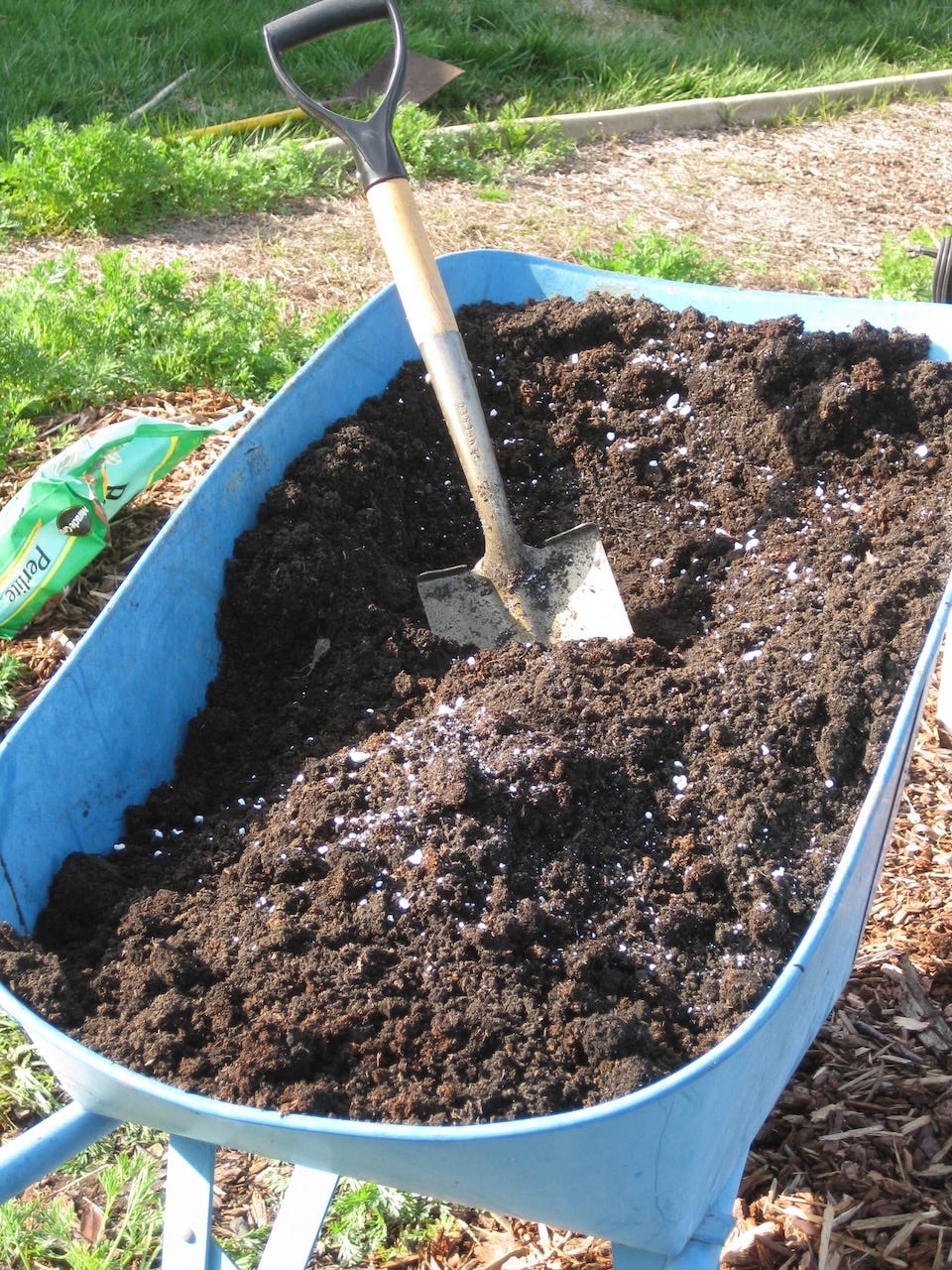
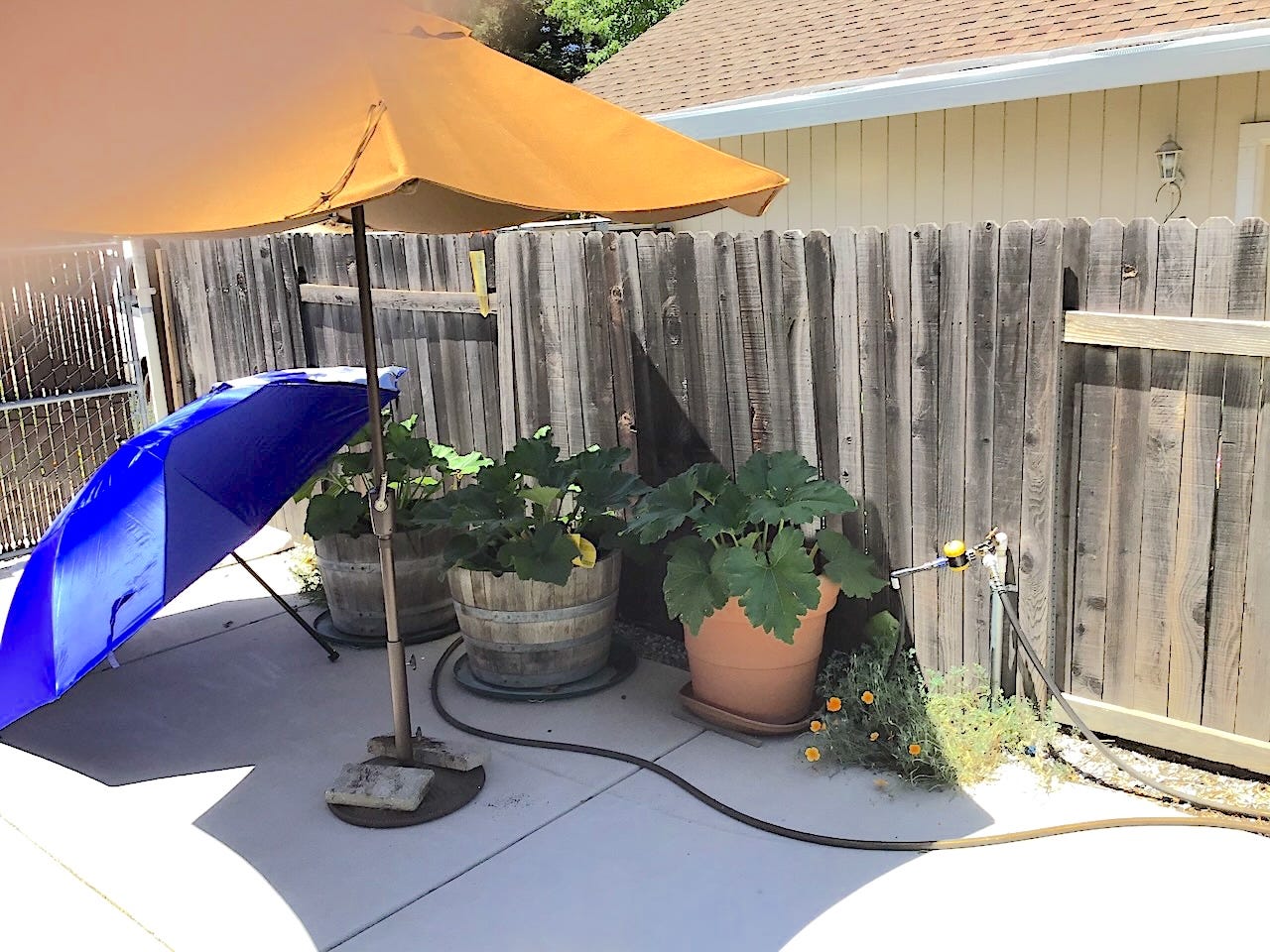
In today’s podcast, Farmer Fred describes a disappointing harvest of Bodega Red potatoes grown in a 20-gallon fabric pot: three plants produced five potatoes, mostly small. Sacramento County Master Gardener and vegetable expert Gail Pothour suggests the main culprit: operator error. If you grow potatoes, don’t be like Fred!
This is a public episode. If you'd like to discuss this with other subscribers or get access to bonus episodes, visit gardenbasics.substack.com/subscribe
The high points of our chat with Lance Walheim in today’s podcast:
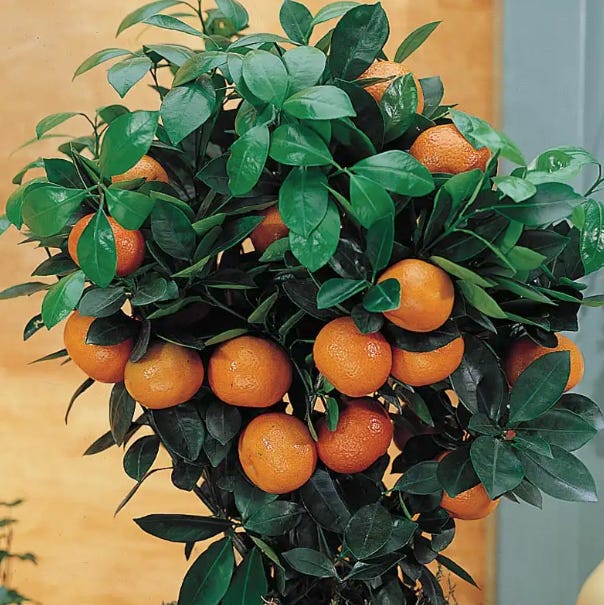
* Pick the right variety first. Sweet types like navel oranges struggle indoors, so go with acidic fruit that ripens with less heat.
* Meyer lemons, kumquats, Bearss limes and calamondins are the best bets. They’re compact, bloom often and fit in containers.
* Regular lemons and grapefruit can survive indoors, but don’t expect much edible fruit from them.
* Moving trees in and out is workable, but you need a transition period. Going outside in spring, start in shade after the last frost and increase light over several weeks. Coming inside, reverse the process and reduce light gradually.
* The shock is real. Outdoor humidity can top 50 or 60 percent, while a heated house can drop to around 10 percent.
This is a public episode. If you'd like to discuss this with other subscribers or get access to bonus episodes, visit gardenbasics.substack.com/subscribe
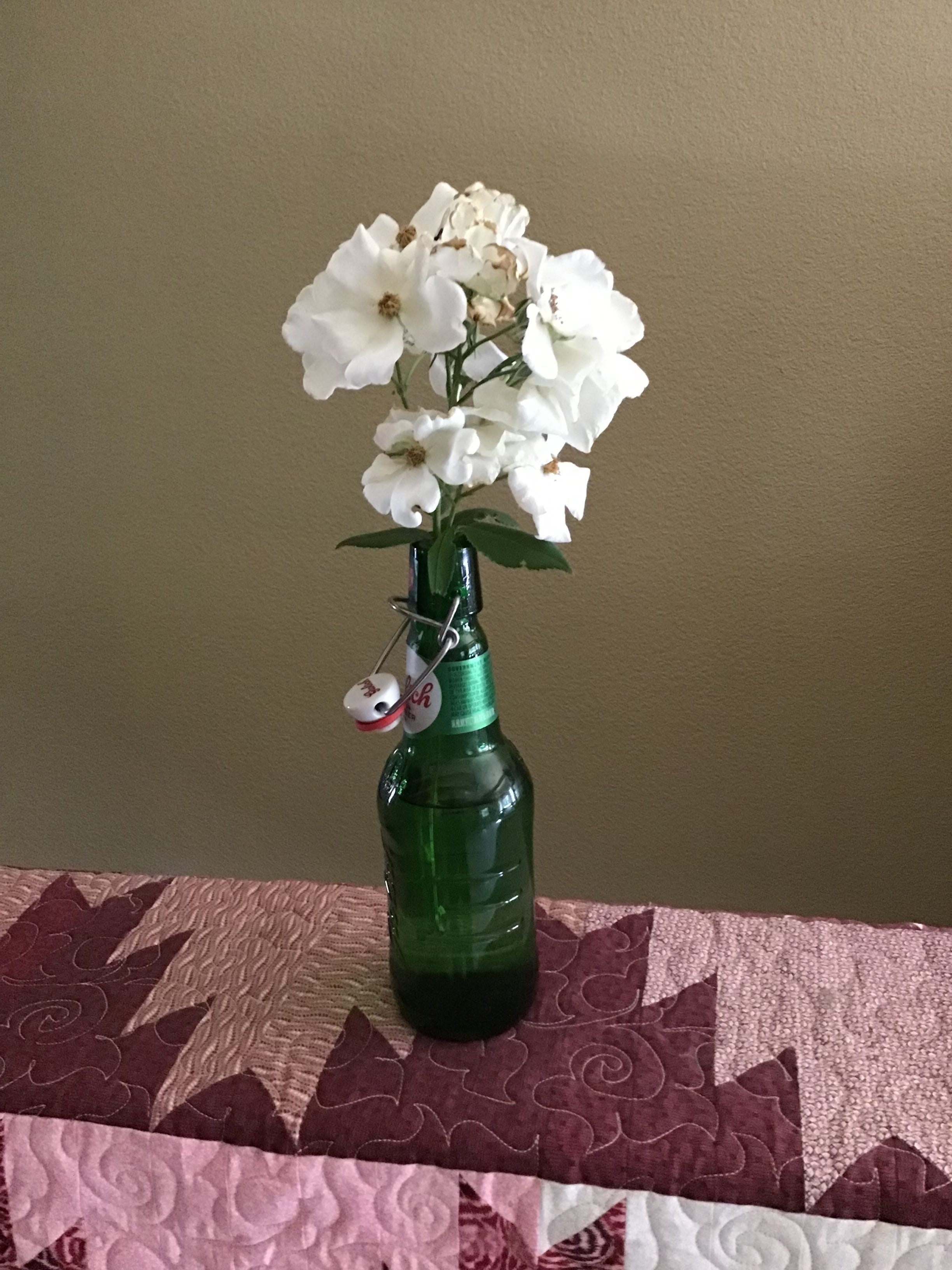
In today’s podcast, I tell a long, drawn out story about what happened the night before my wedding in 1980. Yes, it is a garden story, about the Cecile Bruner rose. But, we quickly turn to a chat with Ben Hanna of heirloomroses.com, who describes how he and his wife came to own the company after leaving corporate life over a decade ago. He says their shared love of gardening and roses, plus the chance to work closer to family, made the business a good fit. He also notes that all five of his children have worked at the nursery in different roles.
In the newsletter, it's a list of the best roses for fall blooming color!
This is a public episode. If you'd like to discuss this with other subscribers or get access to bonus episodes, visit gardenbasics.substack.com/subscribe
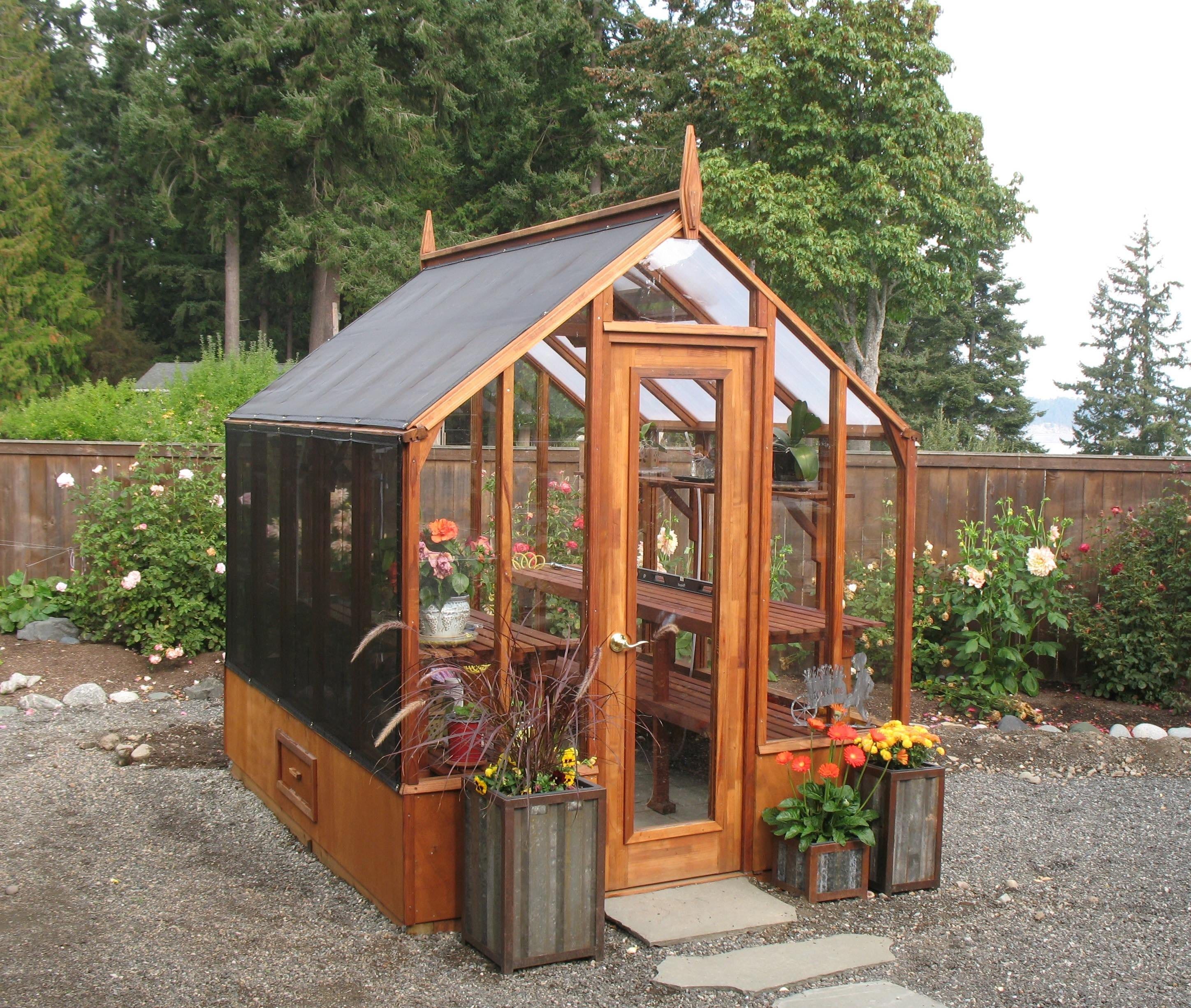
In today’s podcast, we talk with Mark Seibert of Sturdi-Built greenhouses in Oregon. The interview covers key considerations for first-time greenhouse buyers, including choosing the right site, with emphasis on sunlight, southern exposure when possible, and local hazards such as trees or lawn equipment. It also discusses heat control and utilities, recommending ventilation, shade cloth, fans, water access, and electrical service with safety protections.
Seibert also explains that lean-to greenhouses can work if the roof pitch and site conditions fit, and says a well-built greenhouse can last 20 to 30 years.
Growing Hobby Greenhouse Tomatoes in the Winter
If you really want to demonstrate to your friends what a great investment your greenhouse is, nothing beats serving them home grown tomatoes...on New Year’s Day. Here’s What You’ll Need to Grow Greenhouse Tomatoes for the Winter and Spring:
This is a public episode. If you'd like to discuss this with other subscribers or get access to bonus episodes, visit gardenbasics.substack.com/subscribe
The discussion in today’s podcast focuses on pumpkins. Warren Roberts, Superintendent Emeritus of the UC Davis Arboretum, explains that the pumpkin is botanically a fruit, though it is usually eaten as a vegetable. He says the plant belongs to the genus Cucurbita, which is native to the Americas, especially Mexico and the Andes.
He describes pumpkin types and notes that many large pumpkins are hybrids, often involving Cucurbita maxima. He contrasts these with the smaller typical pumpkin species, Cucurbita pepo. The conversation also covers the origin of jack-o’-lanterns, whose purpose, Roberts says, came from hollowed-out turnips or rutabagas used to carry coals before matches were available (a handy skill to remember when AI takes over).
Short of Garden Room? Grow Mini-Pumpkins!
Admittedly, I got a late start on planting pumpkins this year: in early summer (the 4th of July weekend), and I had only one raised garden bed, 4 feet by 8 feet, still available.
So, I planted three pumpkin seeds that would eventually produce medium sized pumpkins, the “Jack O’ Lantern” variety, a fruit that gets about 15 pounds.
I won’t make that mistake again.
Fast-forward three months, and I have a jungle of green vines from those three seeds that have escaped the confines of the raised bed and are now proceeding to swallow the trunks of my adjacent fruit trees. And it looks like the end-result for Halloween decorations will be only four or five medium sized pumpkins. Not much production, considering the sprawl of the vines. And three of them are still green, making me wonder if they will be nice orange orbs ready for carving at the end of the month.
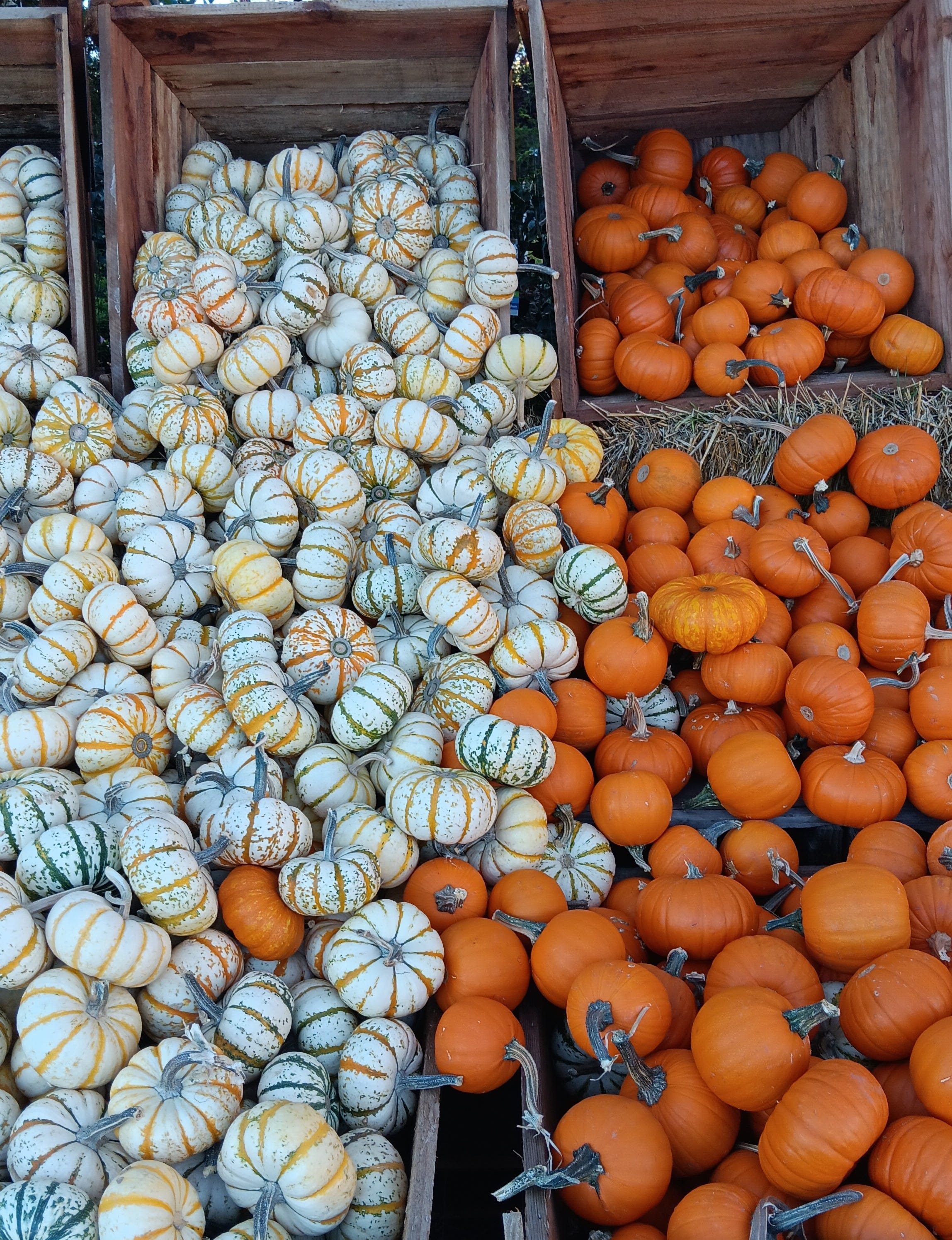
Fortunately for gardeners, many seed catalogs and nursery seed racks feature pumpkin varieties that mature in about 90 days and don’t do much sprawling: the miniature pumpkins.
There are several advantages to growing pumpkins that weigh less than a pound: quicker maturity, a smaller footprint, and versatility in shapes, color, and uses.
This is a public episode. If you'd like to discuss this with other subscribers or get access to bonus episodes, visit gardenbasics.substack.com/subscribe
In today’s podcast, we talk with Sacramento County Master Gardener Michael Stinson about the when, how and why of pruning blackberry vines. Don’t want to listen? Here’s a summary. A complete transcript is at the bottom of this newsletter.
Pruning Blackberries: Key Points
From a conversation with Sacramento County Master Gardener Michael Stinson
• Blackberry plants are perennials that can live 15 to 20 years, but each individual cane only last around two seasons, with a notable exception.
• First year canes are called primocanes. Second year canes, the ones that flower and fruit, are floricanes. Fall pruning is all about removing the floricanes.
This is a public episode. If you'd like to discuss this with other subscribers or get access to bonus episodes, visit gardenbasics.substack.com/subscribe
Paid subscribers to the Beyond The Garden Basics get exclusive newsletters and podcasts each Monday!
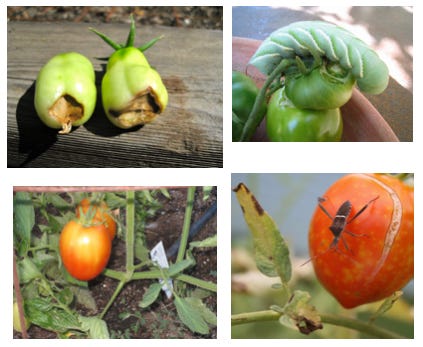
In today’s podcast (above), Don Shor from Redwood Barn Nursery in Davis, CA and I discuss common tomato problems and how changing weather is affecting them, especially in hotter summers. We focus first on blossom end rot, which usually appears on the first fruit and is linked to cool temperatures during fruit development and soil that stays too wet.
This is a public episode. If you'd like to discuss this with other subscribers or get access to bonus episodes, visit gardenbasics.substack.com/subscribe
Thanks for being a paid subscriber to Beyond the Garden Basics!
No time to listen to today’s podcast (above) with Ed Laivo? Here’s a summary. And below that, the actual transcript, with pictures, links, and music!
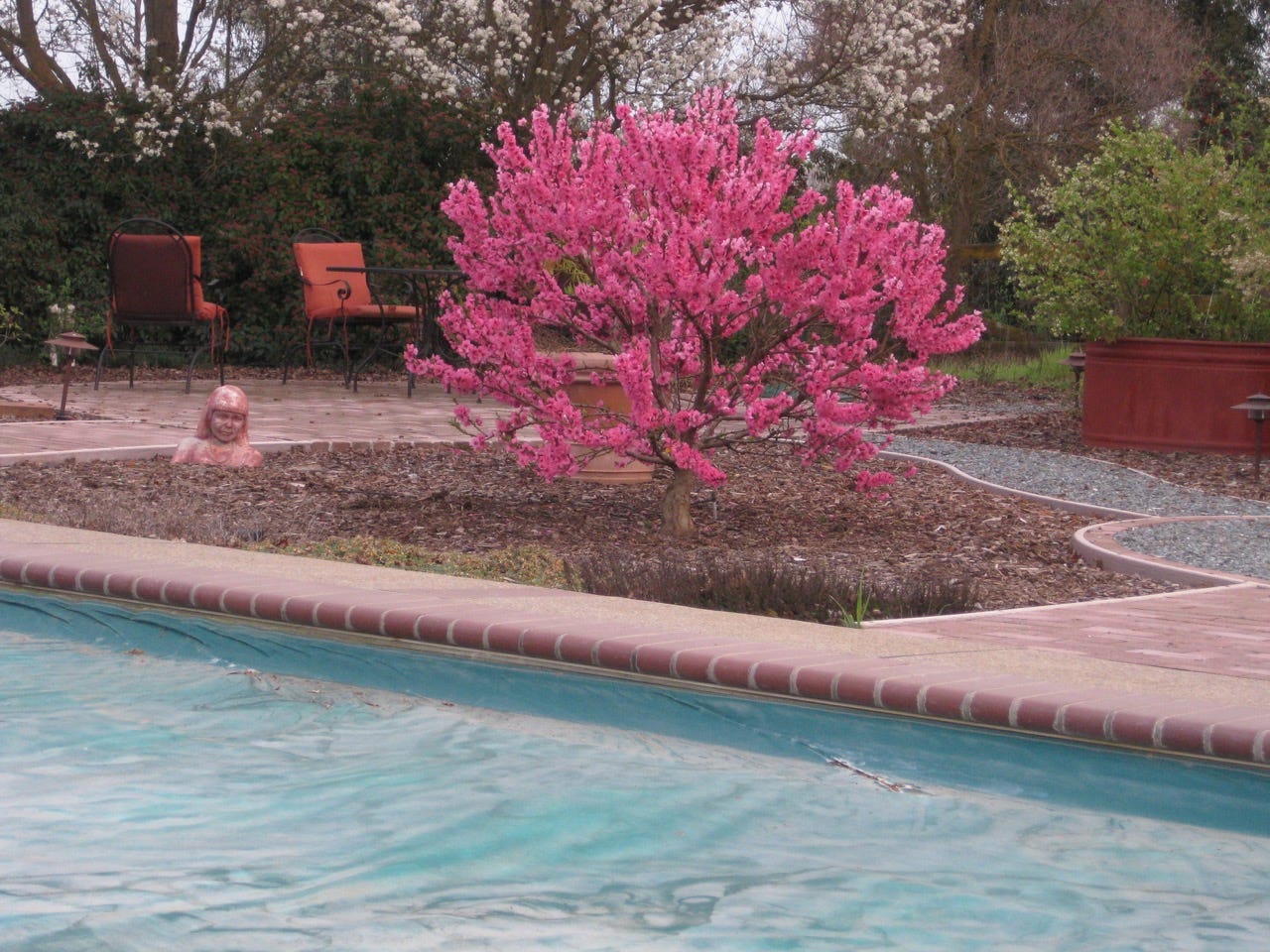
* Don’t expect a seed-grown peach to match the parent. Genetics are unpredictable. There’s a 70–90% chance the fruit will be disappointing or the tree won’t produce at all.
* Check whether your seedling tree even has a rootstock by looking at the base for a graft bump. A true seedling grows on its own roots, which means no disease resistance or soil adaptation guarantees.
* Plant in well-drained soil. This is the single most important factor for improving a seedling’s odds, since you can’t predict its soil tolerance.
* Give it full sun. It won’t guarantee quality fruit, but it removes one variable.
* Be realistic about your timeline. Seed-grown fruit trees can take 5–7+ years to produce, and may never produce at all.
* If space is limited, skip it. A seedling takes up valuable yard space that a proven variety could fill with reliable fruit.
* Consider tossing it and buying a named variety instead. You’ll get fruit faster, with known flavor and disease resistance.
* If you want to keep the tree, graft a branch of it on a proven variety of peach or nectarine rather than waiting years for the seedling’s unknown fruit. Find a friend with a good local peach tree and bud or graft that variety onto your seedling’s rootstock.
* Use grafting to test the tree before committing space to it. Test blocks, even at home, let you evaluate without betting your whole yard.
* If you do plant the seedling out, cut it back to knee height to encourage a low, manageable canopy (as Ed Laivo recommends).
* Factor in precocity when choosing any fruit tree. Trees that don’t fruit within the first 2–3 years are generally not worth the wait for most home gardeners.
* If you’re young, patient, and have land, go for it. Experimenting with seedlings is a worthwhile pursuit if you can afford the time and space.
* Research the Dave Wilson Nursery catalog for proven interspecific hybrids (pluots, pluerry, aprium, etc.) that have already been tested for precocity, disease resistance, and rootstock compatibility.
================
This is a public episode. If you'd like to discuss this with other subscribers or get access to bonus episodes, visit gardenbasics.substack.com/subscribe
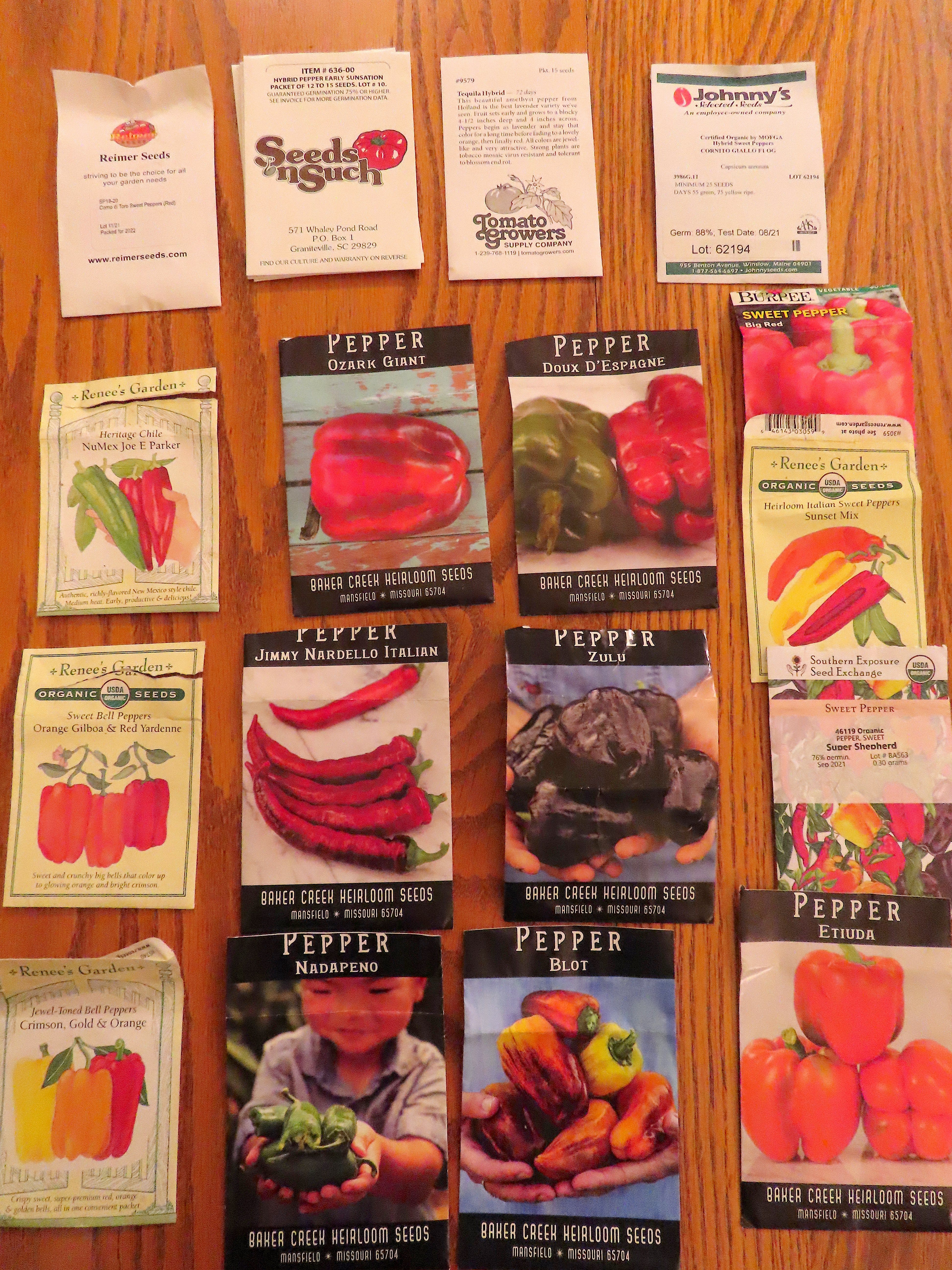
In today’s podcast (above), we talk with renowned pepperhead Dave DeWitt, author of several hot pepper books. We talk hot pepper basics, and Dave adds advice on how to overwinter your hot pepper plants for a second year of growth (and heat!). We have a complete, human-corrected transcript of the podcast towards the bottom of today’s newsletter. Short of time? Here are the main points from today’s podcast:
* Start from seed for variety, or order early from pepper catalogs. Super-hot varieties like Bhut Jolokia or Scorpion peppers may be difficult to find as transplants, so grow them from seed.
* Don’t judge peppers by heat alone. Habaneros hit 80,000–200,000 Scoville units but have a fruity, apricot-like flavor, good for both heat and taste. Diluting them (e.g., one habanero in 4 cups of salsa) keeps flavor without overwhelming heat.
* Skip water or beer for pepper burn. Capsaicin isn’t water-soluble, so the relief is temporary and heat returns. Use dairy instead: yogurt, sour cream, heavy cream, whole milk or ice cream (the casein protein strips capsaicin off your mouth).
* Never let pepper roots sit in water-logged soil. Add perlite or pumice (not vermiculite) to potting soil/containers to keep roots well-drained and prevent root rot or Phytophthora fungal disease.
* Give peppers 10–12 hours of full sun daily. They’re unaffected by day length until fall, and stop flowering once they hit their max fruit load.
* Use moderate nitrogen fertilizer. Too much N (especially from urea) produces lots of foliage but few pods. Organic fertilizers (naturally low in salt, under 10% nitrogen) are a safer bet.
* Get your soil tested annually (via a University extension service, e.g., Colorado State, UMass/Amherst, Texas A&M, or Utah St) to catch salt buildup, a common yield-killer from repeated watering/fertilizing in raised beds. If salts build up, flood-irrigate the bed heavily at season’s end to flush them out.
* To overwinter a pepper plant, grow it in a container, bring it indoors (a south-facing window is enough) over winter, and move it back outside in spring. You’re just keeping it alive in the winter, not expecting fruit until summer returns.
* Choose smaller-podded varieties (like pequins) for overwintering success. Pequins retain more vigor in year two, while larger-podded types (like New Mexico chilies) lose vigor and yield less after their first year.
What To Do With All Those Peppers
This is a public episode. If you'd like to discuss this with other subscribers or get access to bonus episodes, visit gardenbasics.substack.com/subscribe
Today’s newsletter podcast is a special treat for readers and listeners of the Beyond the Garden Basics newsletter/podcast who might also be weather nerds…and what gardener isn’t? It’s an interview with climate scientist Daniel Swain, who, besides being a University of California Ag and Natural Resources employee at the California Institute for Water Resources, is well known on social media. Swain runs the Weather West website as well as his frequent presentations talking about extreme weather conditions in California and the west on YouTube, Bluesky, and other social media outlets.
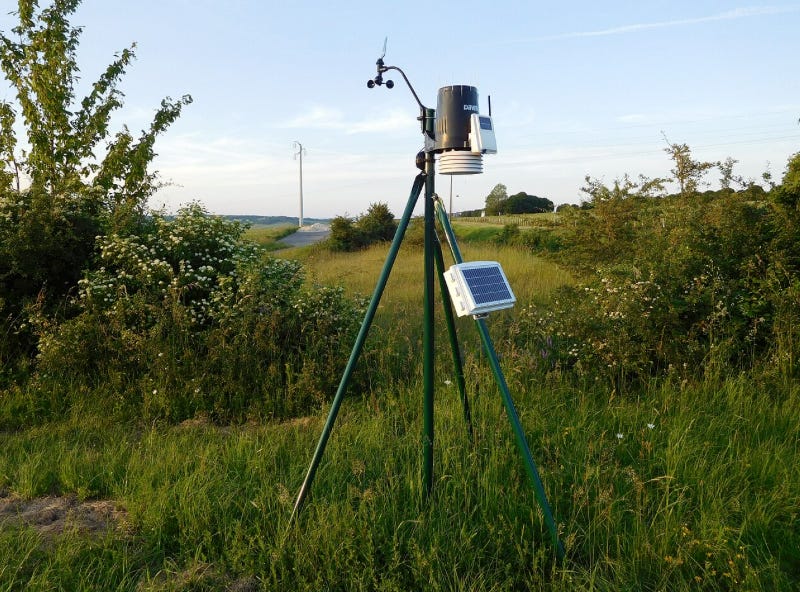
The interview focuses on how gardeners can measure weather conditions more accurately in their own yards. We discuss the limits of simple thermometers and the value of weather stations that measure temperature, humidity, wind, rainfall, soil temperature, and other variables, emphasizing that equipment placement is important for getting readings that reflect actual garden conditions.
Swain explains that temperature measurements depend heavily on location. A thermometer in direct sun, near asphalt, dirt, or a house wall can read much hotter or colder than the standard shade temperature used by weather services. He says the official comparison temperature is usually taken about two meters (78 inches) above the ground, in shade, and that exposed thermometers can produce misleading highs and lows.
The conversation then turns to frost protection in gardens and orchards. Swain says the relevant temperature depends on the plant and its height, because vertical microclimates can differ significantly within a few feet. He explains that cold air can settle near the ground, while higher air may be warmer, and that this matters for citrus, vineyards, tomatoes, and fruit trees. He also notes that irrigation and soil moisture can change daytime and nighttime temperatures.
Discussing wind measurement, Swain says rooftop-mounted wind sensors often do not measure ambient wind well because the house creates turbulence and eddies. He explains that spinning-cup anemometers are vulnerable to dirt, rust, and wear, while sonic anemometers have fewer moving parts and can be more reliable. For wind, he recommends placing sensors away from tall obstacles and in open areas.
Among the main points in the podcast:
* Don’t rely on a thermometer mounted outside your kitchen window; it won’t reflect real conditions in your garden or orchard, which can differ by 6–8°F or more.
* Test any temperature sensor in several yard locations before committing to a permanent spot; look for where it runs coldest and where it gets the most sun.
* Keep thermometers out of direct sunlight and off dark, heat-absorbing surfaces (asphalt, concrete, bare dirt). These cause false highs by day and false lows at night.
* For frost/freeze protection on citrus, hang the sensor at the height you’re actually trying to protect (e.g., ~2 feet, in the canopy shade), not high on a wall or pole.
* Remember that a few feet of vertical height can matter more than many feet of horizontal distance, since cold air pools near the ground at night (temperature inversion).
* If protecting a ground crop vs. a citrus tree, measure separately near the canopy top and under the canopy. Conditions differ significantly.
* Use inexpensive multi-sensor stations (one indoor display, several remote probes) to monitor several yard zones at once rather than a single point.
* Consider planting on gentle slopes or hillsides when possible. Cold air drains downhill, giving lower spots more frost risk and slopes a degree or two of protection.
* Irrigated soil and plant tissue hold heat longer than dry soil, so damp areas will show a different (often milder) temperature swing than dry ones. Factor this into sensor placement and expectations.
* Don’t mount wind gauges (anemometers) on the roofline. House edges create turbulent eddies that produce inaccurate, artificially chaotic wind readings.
* For accurate wind data, mount the anemometer on a freestanding pole away from buildings, trees, and other obstacles, as high as practical.
* If your station combines wind and temperature sensors in one unit, know that the ideal siting for each conflicts. Consider separating sensors and placing them independently.
* Favor sonic anemometers over spinning-cup types if buying new. No moving parts means less error from dust, spiderwebs, or rust, and prices have dropped into the hundreds of dollars.
* Clean and periodically recalibrate wind and temperature sensors. Even good instruments degrade and drift with age and grime.
* Before designing a garden layout, spend a year observing your yard’s actual sun, shade, drainage, and temperature patterns month to month rather than guessing.
Paid subscribers get extra editions of Beyond the Garden Basics, as well as access to over 300 previous editions of this podcast and newsletter.
Home Weather Stations Podcast Transcript
(originally aired on the Garden Basics with Farmer Fred podcast in May 2025)
Farmer Fred:
[0:00] If you’re a longtime gardener, well, you just might be a weather nerd. You may want to know what’s happening, especially around your garden area and greenhouse, about many things, such as what’s the high temperature, what’s the low temperature, what about humidity, wind, soil temperature, rainfall, evapotranspiration rate, chill hours, growing degree days, heat index, UV radiation, and a lot more that can be affecting you and your plants. And your meteorological equipment right now may be as simple as a thermometer hanging outside your kitchen window, which may not be the best idea. We’ll have more about that in a minute. Or it could be as complex as a really nifty weather station that set you back $1,000 or $2,000 that sends a myriad of data to your computer or phone or your in-house monitor. So if you’re considering upgrading your backyard weather equipment, you also need to consider the placement of those various devices in your yard to get more accurate readings about what is really happening in your garden area, especially near your food crops.
Today, we’re going to get some answers to those questions from Daniel Swain. If that name sounds familiar, you may know him as the man behind weatherwest.com. He’s a climate scientist focused on the dynamics and impacts of extreme events, including droughts, floods, storms, and wildfires. Daniel holds joint appointments as a climate scientist within the California Institute for Water Resources, within the University of California Ag and Natural Resources, the Institute of the Environment and Sustainability at UCLA. And he’s a research fellow at the NSF National Center for Atmospheric Research. He’s an alumnus of Davis and Stanford, and he completed postdoctoral work at UCLA. And again, his Weather West blog is excellent reading wherever you might be on social media, especially Twitter, Blue Sky, and YouTube, where he does presentations all the time about upcoming weather events. I’ve been a fan of his for years. Daniel, I’m finally glad to be able to talk to you in person. Welcome to the Garden Basics podcast.
Daniel Swain:
[2:15] Yeah, so thanks for the invitation to be here today. It’s great to be on the show.
Farmer Fred:
[2:19] All right, let’s talk about, I’d be curious about your own home weather setup. What’s that like?
Daniel Swain:
[2:26] Yes. Well, you know, today where I live, I actually am based physically in Boulder, Colorado these days because of that NCAR appointment, despite the primary one with the University of California. So we don’t own a home here. So I’m somewhat limited when I can personally install on this side of the Rocky Mountains. But back in California, I actually, back when I was in high school, believe it or not, installed a weather station on my parents’ home in the North Bay. And that is something that I have maintained over the years on their roof. It’s still there. It still gets maintained. And I’m still trying to use, to the best extent…
This is a public episode. If you'd like to discuss this with other subscribers or get access to bonus episodes, visit gardenbasics.substack.com/subscribe
You may recall a couple of weeks ago on June 12, the Beyond the Garden Basics podcast featured myself and America’s Favorite retired horticulture professor, Debbie Flower, talking about protecting your outdoor plants in containers from the searing summer heat. That conversation was recorded during a live presentation at the 2023 Harvest Day festivities, put on by the Sacramento County, California Master Gardeners at the Fair Oaks Horticulture Center.
Today’s podcast is the rest of that live presentation, where we discuss tips for saving Time Money and Water in the garden. Meanwhile, in this week’s newsletter, we have more advice for dealing with extreme heat in the garden this summer.
This is a public episode. If you'd like to discuss this with other subscribers or get access to bonus episodes, visit gardenbasics.substack.com/subscribe
We tackle how to help your garden cope with the late spring and all-summer heat waves coming our way in today’s podcast and newsletter. In the first part of the podcast (above), America’s Favorite Retired College Horticulture Professor, Debbie Flower, and I, concentrate on helping your plants in containers stay cooler in the summer.
The second part of today’s podcast features a September 2022 chat with Sacramento County Master Gardener Gail Pothour, who had specific tips for helping your vegetable plants manage the heat.
This is a public episode. If you'd like to discuss this with other subscribers or get access to bonus episodes, visit gardenbasics.substack.com/subscribe
23 minAbspielen in:
Gäste, die länger als 12 Monate zurückliegen, gibt es mit Pro. Pläne ansehen

 GP