Where designers never stop learning 💪 Dive Club is an interview series hosted by Ridd that is designed to unlock knowledge from today's most prolific designers. We go deep into craft, storytelling, tools, design engineering, startups, and much more. You can find all of the episodes, key takeaways, and bonus…
This week's episode is with Noam Segal, who leads AI Insights at Figma, and we're doing a deep dive into the future of research with AI.
We discuss everything from systems to synthesis to advancements in simulated research.
Some highlights:
- Why all research is becoming rapid research
- How the new AI Insights team operates at Figma
- The future of digital twins and self-serve research
- What AI still can’t do as effectively as human research
- Noam’s biggest prediction for how research evolves in 2027
+ a lot more
Research slop is human slop (Noam's article)
How Figma measured the impact of AI with 639 AI-moderated interviews (Shane Johnston)
Figma's shifting roles research (Matt Walker)
Felix Rieseberg's personal site
Hype(less) (Noam's project with Lenny Rachitsky)
Noam's first Dive Club episode: Noam Segal
This week's episode is with Tom Johnson (https://x.com/tomjohndesign) (staff designer at Vercel) who just released one of the coolest personal sites (https://www.tomjohn.design/) I've ever seen.
So he's going to give us a behind the scenes of his portfolio journey that led him to create a fully simulated world generator for his camper travels. It might be the most robust set of tooling I’ve ever seen a designer create on this show. And that sparks a lot of questions about what it really means to be a designer these days.
Some highlights:
- How Tom’s workflow has evolved as a builder
- How Tom accidentally turned his portfolio into a game
- Why Tom built a skill to show his prompts in case studies
- How experimenting with 3D unlocked new possibilities as a designer
- + a lot more
- Tom's portfolio (https://www.tomjohn.design/)
- White Knuckle case study (https://www.tomjohn.design/content/whiteknuckle)
Dive is where the best designers never stop learning 🤿
🌐 dive.club
🐦 twitter.com/joindiveclub
Now you can join advanced courses taught by the top designers to help you take a huge leap forward in your career 💪
Chapters
0:00 Intro
4:28 How it started: case study
9:13 What the models were good (and bad) at
16:03 How working in 3D levels Tom up as a designer
17:08 White Knuckle
20:11 How Tom build White Knuckle
25:16 How this is shaping his ientity as a designer
26:10 Lost breadcrumbs / Gretel
26:54 Adding prompts to your case studies
30:41 Building a custom video tool for shorts
33:14 Noticing what's wrong
36:09 How our design workflows are changing
43:32 Identity when AI makes
50:02 Prompts in public
This week's episode is with Derek Briggs and we're doing a deep dive into how he's raising the bar for craft as a principal designer at Shopify.
Some highlights:
- Scaling impact as a principal IC at Shopify
- Creating systems for greatness to happen
- Sweating the details on the shop.com carousel
- The custom easing system Derek built for Shopify
- Building custom data pipelines to uncover opportunities
- Why Derek thinks design engineer is the most important role today
- + a lot more
This week's episode is a behind-the-scenes of the Inflight design journey. So I invited my co-founder Kyle Barber (designer at Tinder, Facebook, and Airchat) to share what it's actually like designing a startup today.
Inflight Pitch Episode (the SPC pitch we mention in the fundraising section)
I’ve seen a lot of custom AI tools on this show…
But this week’s episode with Myles Palmer (Design Director at Metalab) might take the cake.
Myles is the perfect archetype for what it looks like to be curious as a builder today and in this episode he gives us the ultimate behind-the-scenes look at the internal tooling system he built at Metalab.
This week's episode is with Rhiannon Bell (VP of UX for Google Search) and we're doing a deep dive into what it takes to design for AI at the scale of Google.
Some highlights:
- The design decisions that unlocked AI Mode
- What it takes to design at the scale of Google
- Designing dynamic component systems for AI
- How AI is shaping the practice of design at Google
- What we can learn from the top designers at Google
- What skills are becoming more valuable for designers
- + a lot more
This week's episode is with Danny Martinez and we're doing the ultimate deep dive into design hiring and what's happening in today's job market. Danny has the perfect vantage point as the CEO of Decimals—the platform that powers everything I do with the Dive Talent Network. So this episodes is about as practical as it gets.
- What companies want in a “design engineer”
- The biggest green and red flags from hiring managers
- How the best teams are iterating on the hiring process
- Examples of portfolios getting hired in the talent network
- Why brand design is the most difficult design role to hire for
- How to attract the most in-demand designers as a hiring manager
- The interaction design example hiring managers keep highlighting
- + a lot more
This week's episode is with Geoff Teehan—co-founder of the legendary design agency Teehan+Lax, longtime design leader at Facebook, and now Chief Design Officer at Lightspark.
Some highlights:
How Geoff has navigated multiple cycles of change
What the “parking spot” phase of software looks like
Why Geoff plans to only hire 4 designers at Lightspark
The design backstory behind Geoff’s viral Dialed game
How Geoff brings consumer principles into enterprise design
+ a lot more
This week's episode is with Nev Flynn and we're doing a deep dive into how he's bringing artful expression into enterprise design as the Head of Design at ElevenLabs.
Some highlights:
Inside look at ElevenLabs internal brand tools
Why Nev is prioritizing specialists over generalists
What Nev looks for when evaluating a design portfolio
How they built a shader orb system for 40 million voices
What happens when non-designers are designing with AI
How the team is making their design system agent-native
a lot more
This week's episode is with Ed Bayes and we're doing a deep dive into how designers at OpenAI prototype the future of Codex/ChatGPT Work.
Some highlights:
- How prototyping at OpenAI has shifted recently
- The design challenges of bringing Codex into ChatGPT
- How Ed thinks about the spectrum of dynamic interfaces
- How Codex thought about their information architecture bets
- Why Ed structures design teams around personas not features
- The traits of the designers making the biggest impact at OpenAI
- + a lot more
The Bitter Lesson (http://www.incompleteideas.net/IncIdeas/BitterLesson.html) — ML essay he referenced on scaffolding and model releases
This week’s episode is with Evil Rabbit who is the founding designer at Vercel and an iconic figure in the design community.
He shares his design journey (which started with his first job in Argentina at 12 years old)
So he’s going to share his journey in design and what it was like
Some highlights:
- What it takes to design an iconic brand identity
- How Vercel’s new Creative Studio team operates
- How he landed his first design job at 12 years old in Argentina
- Why Vercel is shifting from designing assets to building tools
- What he learned from working directly with Guillermo (Vercel CEO)
- + a lot more
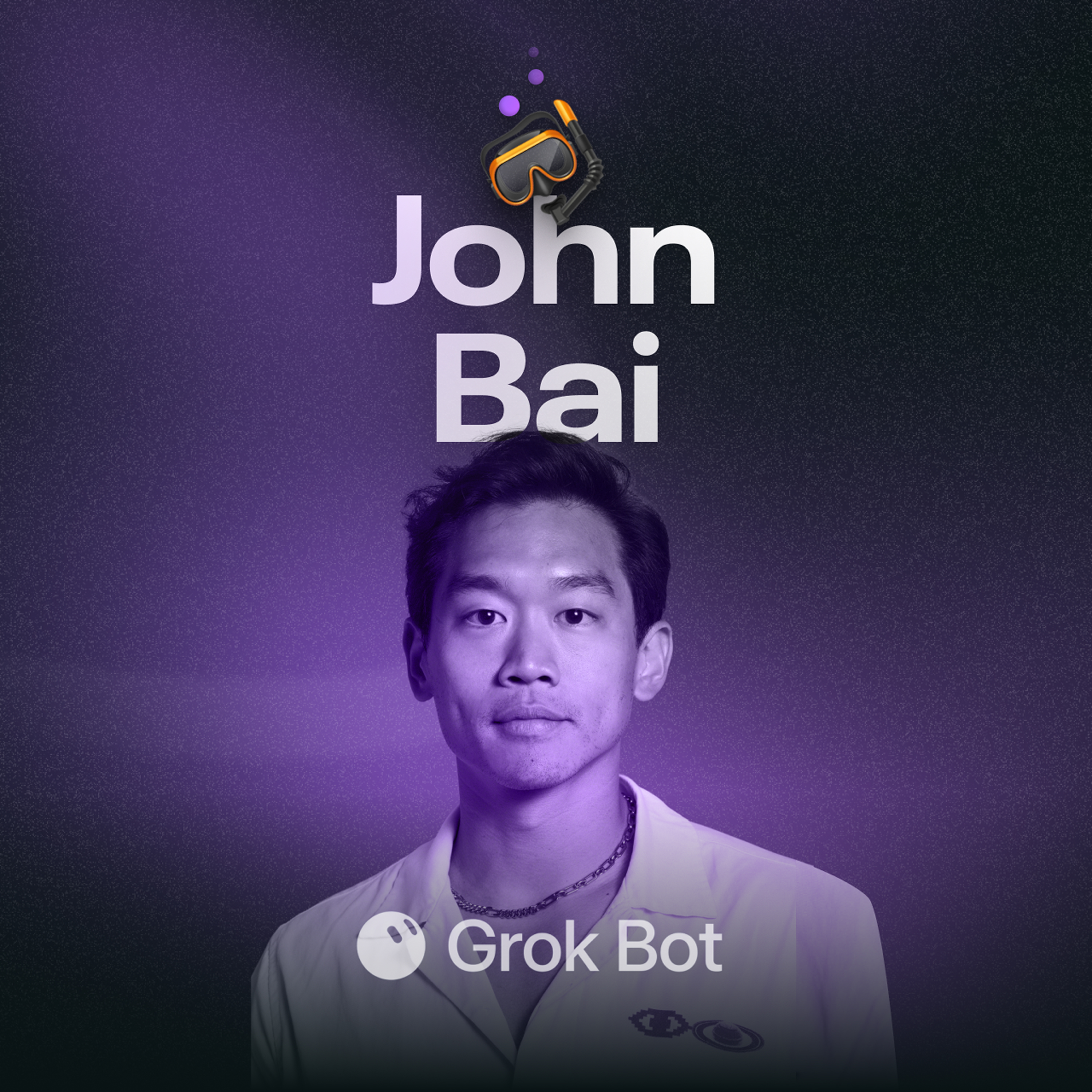
Grok Bot has been going viral the last two weeks so this week's episode is a behind-the-scenes of the design journey with John Bai (who was the first NYC design hire at Cursor).
He screen-shares a ton of agent interaction pattern ideas as well as his unused concepts for the Grok Bot onboarding flow.
Some highlights:
- The prototype that led to the Grok Bot mascot
- Why John realized chat was still the right UX for AI
- How John uses agents to streamline his Figma work
- Comparing John's onboarding concepts for Grok Bot
- Why John still starts his design explorations in Figma
- What it took to turn AI agents into a consumer product
- Why no two designers at Cursor have the same tools/process
- + a lot more
Ridd mentioned Colin Dunn’s episode ("informed simplicity")
This week's episode is with Patrick Morgan and we're doing a deep dive into the prototyping environment he built for Sublime Security.
What started as an attempt to organize his team’s prototypes ended up becoming a new type of AI design tool. It's a great example of how designers can level up the team by building thoughtful internal tools.
Some highlights:
How Patrick hacks low-fidelity styles with AI
Patrick’s vision for agent-native design handoff
How Patrick built a canvas to organize prototypes
The design principles that guide how the agent prototypes
How Patrick built a system to port over production frontend
How the brand team uses Design Studio to build internal tools
a lot more
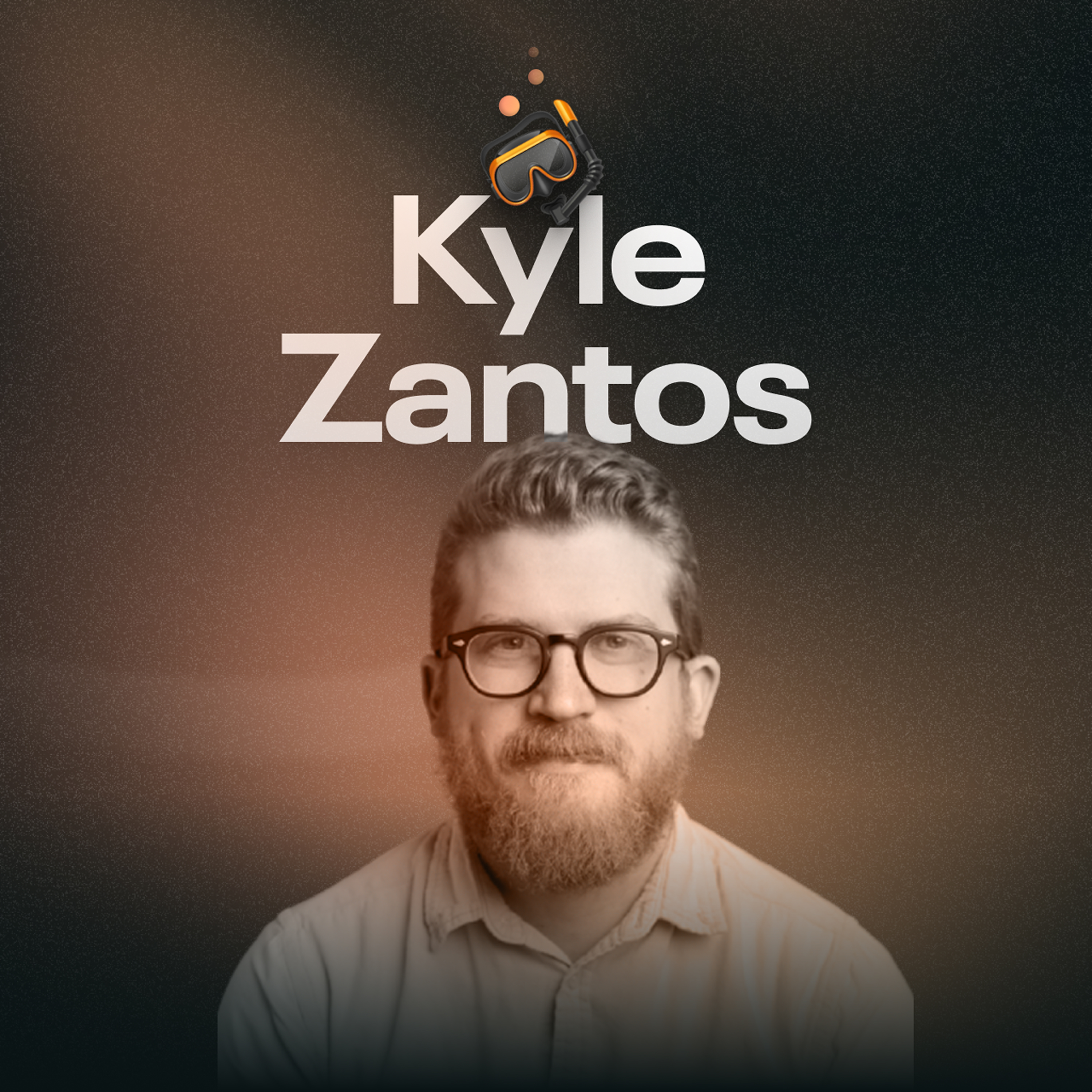
This week's episode is with Kyle Zantos who is officially the first person to make three appearances on Dive Club 🫢
Seems like AI totally transforms the design process every few months so Kyle and I play a little ping pong and share some of the workflows that we've been having success with lately.
This is easily one of the most practical episodes on the channel and hopefully you come out of here with some specific tactics you can add to your practice.
Some highlights:
- 5 use cases for designing with HTML docs
- How you can build a UX writing environment
- My new Supercut MCP workflow for prompting
- How Kyle explores with node-based workflows
- Strategies for brainstorming UX ideas with Fable
- How to decide when to invest in a personal design tool
- + a lot more
- Terminal Graph app (by Caden Williams, Internet Development Studio, Pike Place, Seattle) -https://terminalgraph.com/
- Supercut MCP - https://supercut.ai/agents
- Emil Kowalski - https://emilkowal.ski/
- Jakob Krehel - https://x.com/jakubkrehel
- Jhey Tompkins - https://x.com/jh3yy?lang=en
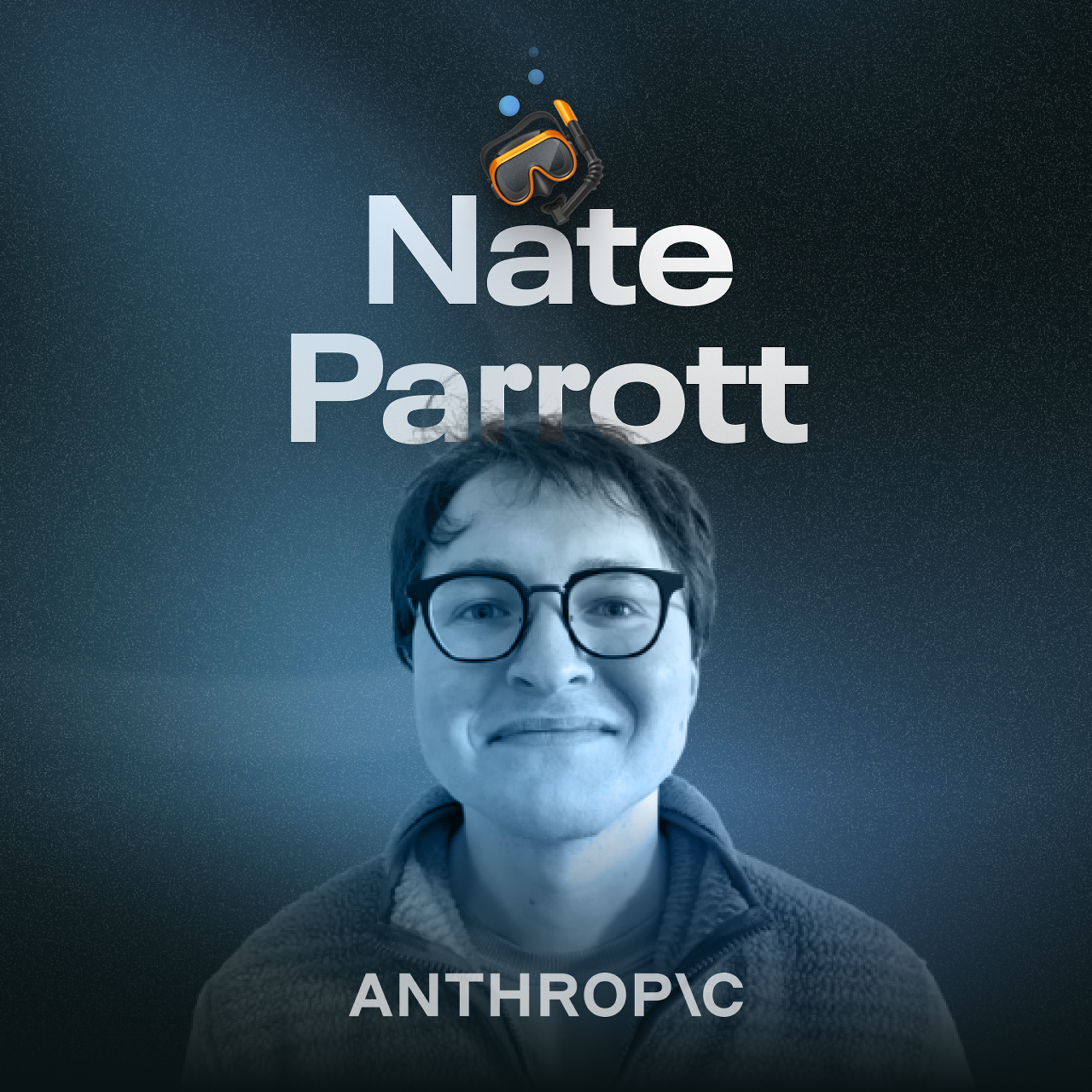
Did you know Claude Design started off as a side project from one person?
That's what this week's episode with Nate Parrott is all about. He shares the origin story along with a ton of examples of how he's using Claude Design in his own workflow.
Some highlights:
- Nate’s tips for getting the most out of Claude Design
- Storytelling and communication tactics for designers
- How Nate views the landscape for design tooling today
- How “weatherman mode” turned into a killer voice mode
- How Claude Design went from side project to launch in ~3 months
- Examples of how Anthropic designers build artifacts across mediums
- + a lot more
Claude Design (Anthropic) - https://www.anthropic.com/news/claude-design-anthropic-labs
Charlie Deets (https://x.com/charliedeets) has designed Safari, Arc, and now Dia…
Needless to say he knows a thing or two about designing browsers 😅
So in this week’s episode Charlie shares the principles that guide his design practice and takes us on a tour of some of the finer craft details inside Dia.
Some highlights:
- Charlie’s tips for presenting design work
- How to protect your special sauce as a designer
- What makes Apple’s decision-making culture unique
- The differences between designing at Apple vs. The Browser Co.
- Why Charlie is spending more time in Figma and less time prototyping with AI
- + a lot more
- Nate Parrott episode on Dive Club (first design hire at the Browser Company): https://www.dive.club/deep-dives/nate-parrott
- Gabriel Valdivia episode on Dive Club: https://www.dive.club/deep-dives/gabe-valdivia-2
Pablo Stanley (https://www.pablostanley.com/) has built as many creative tools as anyone in our industry.
So in this episode he gives us a behind-the-scenes of his latest creations (including how he prototyped the all-new design mode in Vercel's v0).
We go deep into:
- The two types of design builders at Vercel
- Pablo's approach to prototyping the new v0
- Behind the scenes of Pablo's custom design tools
- What historic artists teach us about AI and creativity
- How Pablo gets people excited about his ideas with Loom
- The moment Pablo realized “I don’t design like this anymore”
- Efecto: Pablo’s design tool with shaders, ASCII effects, and AI agents on the canvas (https://efecto.app/)
- hilos: Pablo’s team chat that ships code (https://hilos.sh/)
Jason Yuan (https://x.com/jasonyuan) has one of the most fascinating minds in design so naturally I like to keep tabs on what he is creating 😎
This episode is a deep dive into Jason Yuan’s creative process for Hivemind (his new social intelligence product).
He screenshares dozens of unused concepts, novel art directions, brand identities, and everything in between.
Some highlights:
- The journey of designing Dot
- Why Jason doesn’t believe in user research
- The surprising sources Jason uses for design inspo
- building a system to generate infinite branded images
- How Jason thinks about art direction and world building
- + a lot more
It kinda feels like how design operates at Anthropic is consistently 3-6 months ahead of the rest of the industry.
As a result, Meaghan Choi (https://x.com/meaghaneschoi) (Design Lead for Claude Code) has quickly become a staple guest on this show.
In today’s episode we go deep into her design process, how she uses the new Artifacts feature, how the shape of designer is evolving, and a lot more…
Some highlights:
- Designing experiences that don’t have UIs
- How Meaghan collaborates with Claude Tag
- What it’s like designing the Claude Code CLI
- The shape of designers that will thrive in the coming years
- Collaborating with the models for execution vs. brainstorming
- + a lot more
Meng To (https://x.com/MengTo?lang=en) is one of the people I keep tabs on to see how he's evolving his workflow as he builds his ideas with AI.
So I sat down with him to get a look into what his process looks like now… (spoiler: he’s moved everything to Codex)
We do a ton of screen-sharing and go deep into his strategies for prompting, how to get better outputs from the models, and more 👇
Some highlights:
Why Meng built his own local Notion tool
Why Meng writes 0% of his own code now
Strategies for design.md and agents.md files
How Meng uses GPT Image 2 to brainstorm UI design
How Meng’s workflow has evolved in the last 1.5 years
a lot more
This week we are going behind the scenes of Config 2026 with Loredana Crisan (Figma’s Chief Design Officer) https://www.linkedin.com/in/loredanacrisan/
We talk about Figma’s vision for AI, why design is having “an identity crisis and a renaissance at the same time,” and what it means to use AI to express what’s already in your head (not outsource creativity to it).
It’s a clarifying conversation about taste, tools, and the future of design 👇
Some highlights:
- Designing systems not screens
- Loredana’s mental model for AI as a tool
- Building your own tools and mini apps in Figma
- What Figma is learning in their own UX research
- What types of designers Figma is hiring right now
- + a lot more
What does it look like when a designer with zero technical background commits to shipping something real?
That’s what this week’s episode with Brett Williams is all about.
He gives us a behind-the-scenes of his journey building Gather including:
Brett’s process for iterating on a design
Brett’s new prototyping.md skill workflow
How Brett maintains control while building with AI
Brett’s strategy for adding sound design to Gather
When Brett relies on Figma vs. explores directly in code
a lot more
This week's episode is with Ron Goldin who has led design at Google, Shopify, UberEats, and in my opinion... he's the perfect example of what it looks like to thrive as a design leader in an AI world.
So this week’s episode is a deep dive into his journey as a builder and it’s full of stories:
Redesigning the Shopify checkout
Ron’s unique research tactics for UberEats
Building MTCHMKR from scratch in Lovable
Navigating the job market as a design leader
a lot more
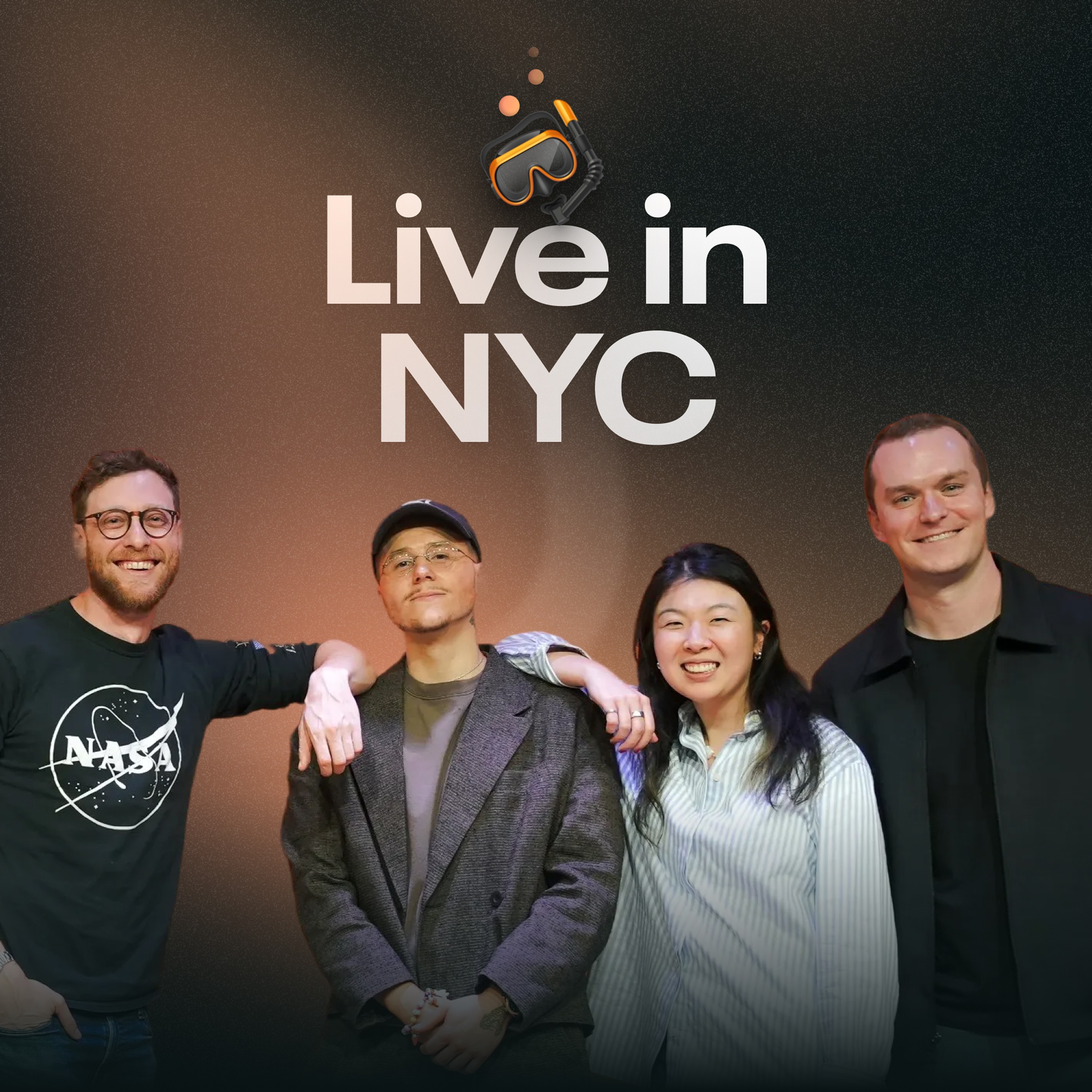
A couple of weeks ago I recorded my first ever episode in front of a live audience (at Ramp HQ in NYC) 🗽
So today I’m excited to share the panel discussion recording with 3 incredible guests:
Meaghan Choi who is the design lead for Claude Code and Cowork
Dan Shipper who is the CEO of Every and one of my favorite thinkers when it comes to AI
And Bradley Ziffer who is a design engineer at Ramp
It’s a deep dive into AI design workflows at Anthropic, Ramp, and Every and I think you’ll enjoy it :)
The event was hosted by Double Diamond and Ramp
How do the best designers shape strategy at companies like Shopify?
That’s what today’s episode with Design Director Katarina Batina is all about.
Some highlights:
Balancing metrics and vision
Redesigning the shopping cart UX
Taking a big bet on the shopping feed
How product strategy has changed with AI
How to get people excited about your ideas
How to make sure you don't overcook your app
a lot more
Katarina mentioned John Rundle and Luke Dupont
Rafa Conde (https://x.com/rafahari) is a design engineer at Retro and one of the most creative designers I know. I still remember where I was when I first saw the video on his personal site (https://rafa.design/) 😂
In this episode we unpack what it means to design experiences that bring delight :)
Some highlights:
- Finding ways to introduce delight
- How to make users feel something
- The power of humor in your design
- How to lean into video as a superpower
- Balancing accessibility and delightful UX
- Behind the scenes of Rafa's side projects
- + a lot more
- Metal Gear Solid (PlayStation 1) — directed by Hideo Kojima, referenced for its fourth-wall-breaking design moments (Meryl’s codec frequency hidden on the game box; Psycho Mantis boss fight requiring the controller to be switched from port 1 to port 2)
- Sunlit app — gyroscope-based app for tracking sun position and light direction, referenced as a recent example of surprising UI: https://play.google.com/store/apps/details?id=io.lonepalm.coloringworld&pli=1
- Retro app — private social network for friends and family (what Instagram used to be); Rafa’s current employer: https://apps.apple.com/us/app/retro-photos-with-friends/id6443709020
- Splat app — Retro’s generative AI app for iPad/iPhone that turns photos of kids into coloring book pages: https://apps.apple.com/us/app/splat-magic-coloring-book/id6749165093
- Hand Mirror app — Rafa’s most popular side project, a menu bar camera app: [https://handmirror.app](https://handmirror.app/)
- Gabe Valdivia’s episode — early Dive Club episode (~ep. 30) where Gabe talked about designers needing to be like “little TikTok creators” inside their orgs: https://www.dive.club/deep-dives/gabe-valdivia
- Final Cut Pro — Rafa’s video editing tool of choice: https://creatorstudio.apple.com/info/try?itscg=20201&itsct=acs-sem-187498456050-794866723417&pt=2003&ct=css-187498456050-794866723417
Remember when the Carl Rivera (https://www.dive.club/deep-dives/carl-rivera) told us about his vision to create the new Shopify Product Design Studio?
Well in this episode I got to sit down with Marvin Schwaibold (https://x.com/MSchwaibold) from Molly studio who Shopify recently acquired to bring that vision to life.
We go deep into creativity, Marvin's journey with Molly, how he's building his ideas with AI, and a lot more.
Some highlights:
- How to become a well of creative ideas
- How AI unlocks how designers work at Shopify
- What design differentiation looks like at Shopify
- What Marvin has learned diving into Claude Code
- How designers at Shopify create and leverage internal tools
- Behind-the-scenes of redesigning the famous Collins website
- + a lot more
- Jaytel - Marvin’s design partner from Molly studio https://x.com/Jaytel
- Brian Collins - legendary designer who worked on the Collins website redesign https://wearecollins.com/
- Carl Rivera - Shopify’s Chief Design Officer (referenced previous Dive Club episode) https://www.dive.club/deep-dives/carl-rivera
- Design Fluid Interfaces video from Apple’s Human Interface team (2019) [https://developer.apple.com/br/videos/play/wwdc2018/803/?time=1551](https://developer.apple.com/videos/play/wwdc2019/808/)
- Claude Code - AI coding tool by Anthropic https://claude.ai/login
- Artifact - internal Shopify tool for showcasing design work https://www.linkedin.com/posts/jaytel_this-was-meant-to-stay-inside-shopify-but-activity-7422739773561384960-oqiU/
Flora Guo (https://x.com/floguo) has one of the more impressive career trajectories of anyone I've interviewed on this show.
She's currently the founding design engineer at Paradigm. But before that Guillermo (Vercel CEO) personally DM'd her to join the Vercel team.
So we're going deep into career growth, design engineering, what it's like being a founding designer at an AI-native startup.
- What it’s like being a founding design engineer at Paradigm
- The challenges of designing AI-first products that work at scale
- Flora’s experiments with new design tools like Paper and Variant
- What Flora learned working alongside top design engineers at Vercel
- How Flora evolved her workflow with Claude Code over the past year
- Mental models for using AI as a learning tool rather than just a task executor
- + a lot more
- Tokyo Design Forum (February 2026) - https://www.tokyodesignforum.com/
- UI Engineering 101 by Mariana Castillo and Derek Briggs - https://maven.com/pixeljanitor/uiengineering-101-for-designers
- We talked about Rauno Freiberg's portfolio (Vercel design engineer) - https://rauno.me/
- New tools: Paper - https://join.dive.club/paper-ad-email
Today's episode is with Kris Puckett who has led design at Mercury, Dropbox, and now as a design manager at Stripe.
His journey is the perfect example of what it looks like to lean into this moment in time with AI.
Some highlights:
- Behind the scenes of Kris’s Epilogue app
- How to create custom skills with Claude Code
- How to start building personal systems with AI
- How Kris taught Claude to be a metal shader expert
- Building internal tools and workflows with AI at Stripe
- + a lot more
Today's episode is with Luis Ouriach (https://x.com/disco_lu) whose role as a designer advocate at Figma means he's constantly helping teams navigate this rapidly changing landscape... especially when it comes to design systems.
So we're going to do a deep dive into the trends he's noticing and what it all means for designers.
Some highlights:
- How design systems are changing with AI
- Luis’s ideas around agentic design systems
- Pitfalls to avoid when adopting AI with your team
- What trends we can ignore vs. what is really important
- Luis’s journey as a builder and his career plan moving forward
- What Figma's new integration with Claude and Codex unlocks
Luis’s agentic design systems article: https://medium.com/@disco_lu/building-agentic-design-systems-the-future-of-ai-enhanced-design-6ad0470cf1e3
Today's episode with Cameron Worboys (Head of Product Design at Cash App) is an inside look at how an AI-native design org operates and the ways designers can thrive in this new world.
We go deep into:
The new archetypes of designers
Cam's vision for bespoke software
The #1 trait that Cam looks for in design hires
How >90% of designers at Cash are shipping PRs
What to do if you don't want to become an IC builder
How to create an emotional attachment to your product
How Cash has replaced the old engineering/product/design triad
Julien Martin's episode - https://www.dive.club/deep-dives/julien-martin
55 minAbspielen in:
Gäste, die länger als 12 Monate zurückliegen, gibt es mit Pro. Pläne ansehen

 NS