The Think Neuro podcast from Pacific Neuroscience Institute takes you into the clinic, operating room and laboratory with doctors and surgeons who are tackling the most challenging brain diseases and disorders. You’ll go deep into the brain and beyond, exploring the neurological processes and structures that control…
Modern plastic surgery traces back to World War I, when trench warfare left many soldiers with severe facial injuries. An ear, nose, and throat (ENT) surgeon and a dentist pioneered ways to restore the form and function of those soldiers' faces, work that led to the Queen Victoria Hospital in England.
David M. Butler, MD, facial plastic surgeon at Pacific Neuroscience Institute, trained in both ENT, head and neck surgery and facial plastic surgery, which is now the core of his practice.
310-829-7792
pacificheadandneck.com
Think Neuro is produced by Pacific Neuroscience Institute in Santa Monica, California.
Request an appointment: https://www.pacificneuroscienceinstitute.org/contact/request-an-appointment/
Call: 310-582-7640
Watch on YouTube: https://www.youtube.com/playlist?list=PLi7WP07vn6Ef77Bp1YwH27ck2VB7B6-uV
Get our newsletter: https://www.pacificneuroscienceinstitute.org/patient-care/newsletters/
Enjoying the show? Please rate and review Think Neuro on Apple Podcasts or Spotify. It helps other listeners find us.
Hypogonadism is a defect of the reproductive system resulting in lack of function of the gonads (ovaries or testes). The gonads have two major functions: to produce hormones (testosterone, estradiol), and to produce gametes (eggs or sperm). Sex hormones deficiency can result in defective primary or secondary sexual development, infertility and loss of libido. Defective egg or sperm development results in infertility. pituitary adenomas and other tumors that impinge upon the pituitary gland can cause hypogonadism (a subset of hypopituitarism) by causing either decreased production of LH and FSH or by causing hyperprolactinemia which inhibits LH and FSH production.
Think Neuro is produced by Pacific Neuroscience Institute in Santa Monica, California.
Request an appointment: https://www.pacificneuroscienceinstitute.org/contact/request-an-appointment/
Call: 310-582-7640
Watch on YouTube: https://www.youtube.com/playlist?list=PLi7WP07vn6Ef77Bp1YwH27ck2VB7B6-uV
Get our newsletter: https://www.pacificneuroscienceinstitute.org/patient-care/newsletters/
Enjoying the show? Please rate and review Think Neuro on Apple Podcasts or Spotify. It helps other listeners find us.
When a person receives a diagnosis of Parkinson’s disease, the effects extend out into that person’s world. Family members often find themselves in new roles as caregivers—or, in the phrase of Sheila Moore, a licensed clinical social worker at Pacific Neuroscience Institute—care partners. Sheila works with people who have Parkinson’s disease and their care partners at PNI and at PNI’s Movement Disorders Center. Sheila has a wealth of information, resources and referrals for families, as well as support for those incredibly trying times. Sheila also works closely with PNI’s Parkinson’s disease and movement disorder neurologists, Dr. Melita Petrossian and Dr. Natalie Diaz as well as the rest of the team. Sheila shares with us today some of her experiences and advice for when situations become tough, along with her top ten tips for the empowered care partner. We also talk to Mary, who found herself thrust into the role of care partner when her husband Charles received a Parkinson’s diagnosis at PNI almost 10 years ago. Mary has worked with Sheila and participated in support groups, and offers her own advice and experience in how to cope with this challenging situation.
Think Neuro is produced by Pacific Neuroscience Institute in Santa Monica, California.
Request an appointment: https://www.pacificneuroscienceinstitute.org/contact/request-an-appointment/
Call: 310-582-7640
Watch on YouTube: https://www.youtube.com/playlist?list=PLi7WP07vn6Ef77Bp1YwH27ck2VB7B6-uV
Get our newsletter: https://www.pacificneuroscienceinstitute.org/patient-care/newsletters/
Enjoying the show? Please rate and review Think Neuro on Apple Podcasts or Spotify. It helps other listeners find us.
Celebrating 25 years with the team, Chester Griffiths, MD, FACS, has been a member of the Los Angeles Kings ice hockey team medical staff since 2002 as their maxillofacial plastic surgeon. Maxillofacial surgeons are trained to handle facial trauma as well as a wide variety of conditions and injuries that affect the head, neck, mouth, and jaw. Dr. Griffiths has done hundreds of procedures for team players as well as visiting team members and the referees who have been injured during games including the Olympics. And he has even saved a life on the ice. Dr. Griffiths’ passion for hockey and the LA Kings is lifelong, and he is reminded of their shared values each time he looks at his two Stanley Cup rings.
Think Neuro is produced by Pacific Neuroscience Institute in Santa Monica, California.
Request an appointment: https://www.pacificneuroscienceinstitute.org/contact/request-an-appointment/
Call: 310-582-7640
Watch on YouTube: https://www.youtube.com/playlist?list=PLi7WP07vn6Ef77Bp1YwH27ck2VB7B6-uV
Get our newsletter: https://www.pacificneuroscienceinstitute.org/patient-care/newsletters/
Enjoying the show? Please rate and review Think Neuro on Apple Podcasts or Spotify. It helps other listeners find us.
Hearing loss is common as we age, but its effects reach far beyond the ears. Research increasingly links untreated hearing loss to a higher risk of cognitive decline and dementia, while treating hearing loss with hearing aids or cochlear implants may help protect memory and quality of life. At PNI’s Ear, Hearing & Balance program, our audiologists and ENT specialists work together to evaluate your hearing and recommend the right next step, whether that’s hearing aids, cochlear implants, or another treatment path.
Think Neuro is produced by Pacific Neuroscience Institute in Santa Monica, California.
Request an appointment: https://www.pacificneuroscienceinstitute.org/contact/request-an-appointment/
Call: 310-582-7640
Watch on YouTube: https://www.youtube.com/playlist?list=PLi7WP07vn6Ef77Bp1YwH27ck2VB7B6-uV
Get our newsletter: https://www.pacificneuroscienceinstitute.org/patient-care/newsletters/
Enjoying the show? Please rate and review Think Neuro on Apple Podcasts or Spotify. It helps other listeners find us.
Hearing loss is one of the leading causes of overall disability worldwide, affecting approximately 466 million adults and children. In this video, Rebecca Lewis, AuD, the Audiology Director of the Adult & Pediatric Cochlear Implant Program at Pacific Neuroscience Institute, answers common questions about cochlear implants.
For more information:
https://www.pacificneuroscienceinstitute.org/patient-care/treatments/cochlear-implants/
Think Neuro is produced by Pacific Neuroscience Institute in Santa Monica, California.
Request an appointment: https://www.pacificneuroscienceinstitute.org/contact/request-an-appointment/
Call: 310-582-7640
Watch on YouTube: https://www.youtube.com/playlist?list=PLi7WP07vn6Ef77Bp1YwH27ck2VB7B6-uV
Get our newsletter: https://www.pacificneuroscienceinstitute.org/patient-care/newsletters/
Enjoying the show? Please rate and review Think Neuro on Apple Podcasts or Spotify. It helps other listeners find us.
The pituitary gland may be tiny, but it plays a significant role in a woman’s health. When functioning properly, this master gland regulates essential hormones that influence many of bodily functions, from menstrual cycles to metabolism. Therefore, when pituitary gland disorders arise, they can disrupt reproductive health, energy levels, and overall quality of life. In this article, we’ll explore the role of the pituitary gland in women’s health, common disorders, symptoms to watch for, and how these conditions can be diagnosed and treated.
Think Neuro is produced by Pacific Neuroscience Institute in Santa Monica, California.
Request an appointment: https://www.pacificneuroscienceinstitute.org/contact/request-an-appointment/
Call: 310-582-7640
Watch on YouTube: https://www.youtube.com/playlist?list=PLi7WP07vn6Ef77Bp1YwH27ck2VB7B6-uV
Get our newsletter: https://www.pacificneuroscienceinstitute.org/patient-care/newsletters/
Enjoying the show? Please rate and review Think Neuro on Apple Podcasts or Spotify. It helps other listeners find us.
It sounds almost too good to be true: A simple solution to a major health issue, that’s safe, effective and covered by insurance—yet most of the people who would benefit from this procedure don’t even know about it. We’re talking about cochlear implants—a well-established procedure that can restore hearing loss. Dr. Courtney Voelker has made it her life’s work to spread the word about this remarkable surgery. One of her patients, Sharon, also wants people to know how her cochlear implant completely changed her life, restoring her ability to hear everything from her pet birds to her yoga teacher to actors on stage in theatrical performances. Dr. Voelker and Sharon share those stories with us today.
Think Neuro is produced by Pacific Neuroscience Institute in Santa Monica, California.
Request an appointment: https://www.pacificneuroscienceinstitute.org/contact/request-an-appointment/
Call: 310-582-7640
Watch on YouTube: https://www.youtube.com/playlist?list=PLi7WP07vn6Ef77Bp1YwH27ck2VB7B6-uV
Get our newsletter: https://www.pacificneuroscienceinstitute.org/patient-care/newsletters/
Enjoying the show? Please rate and review Think Neuro on Apple Podcasts or Spotify. It helps other listeners find us.
With four Comprehensive Stroke Centers at Providence hospitals in the greater Los Angeles region, Pacific Neuroscience Institutes specialists have expert teams to treat stroke patients. Working with EMS, neurointerventional teams are standing by to provide immediate, advanced treatment. Using the latest in leading-edge imaging and minimally invasive clot-retrieval and clot busting techniques, we are able to treat strokes right away, maximizing the chance of recovery.
Think Neuro is produced by Pacific Neuroscience Institute in Santa Monica, California.
Request an appointment: https://www.pacificneuroscienceinstitute.org/contact/request-an-appointment/
Call: 310-582-7640
Watch on YouTube: https://www.youtube.com/playlist?list=PLi7WP07vn6Ef77Bp1YwH27ck2VB7B6-uV
Get our newsletter: https://www.pacificneuroscienceinstitute.org/patient-care/newsletters/
Enjoying the show? Please rate and review Think Neuro on Apple Podcasts or Spotify. It helps other listeners find us.
Normal Pressure Hydrocephalus (NPH) can cause symptoms of dementia, but these are reversible.
NPH is a neurological condition that occurs when cerebrospinal fluid (CSF) builds up in the brain’s ventricles, causing them to enlarge. It most commonly affects older adults and can lead to a unique set of symptoms, including difficulty walking, problems with bladder control, and cognitive decline. Because its symptoms often overlap with those of other neurological conditions, NPH can be challenging to diagnose but is often treatable once identified.
310-582-7450
pacifichydrocephalus.com
Think Neuro is produced by Pacific Neuroscience Institute in Santa Monica, California.
Request an appointment: https://www.pacificneuroscienceinstitute.org/contact/request-an-appointment/
Call: 310-582-7640
Watch on YouTube: https://www.youtube.com/playlist?list=PLi7WP07vn6Ef77Bp1YwH27ck2VB7B6-uV
Get our newsletter: https://www.pacificneuroscienceinstitute.org/patient-care/newsletters/
Enjoying the show? Please rate and review Think Neuro on Apple Podcasts or Spotify. It helps other listeners find us.
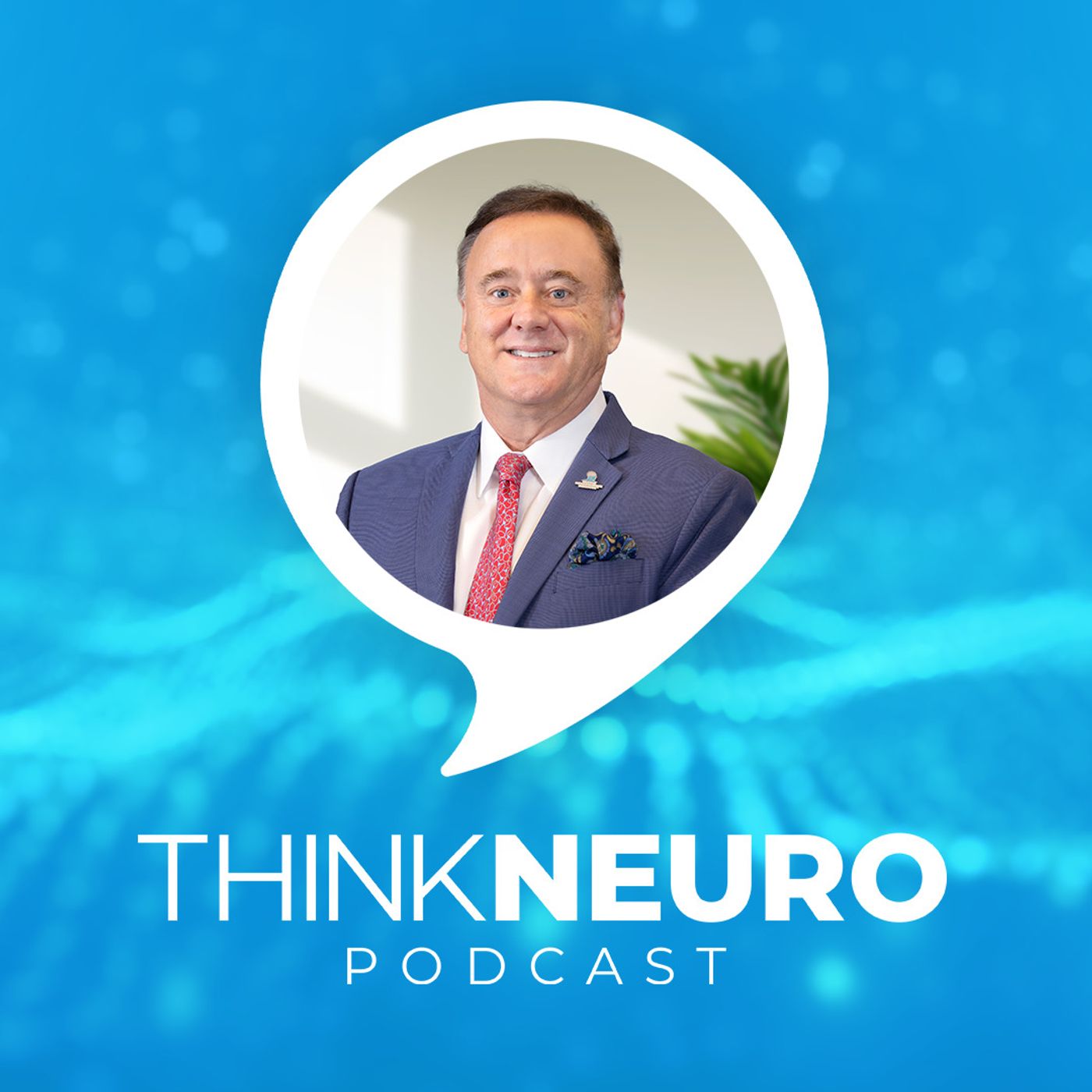
The world of brain surgery has changed dramatically over the past generation. Surgeons are able to remove many tumors and other problems from the brain, often using new approaches that have much shorter recovery times and much better long-term outcomes. Many of these surgeries are much less invasive than old methods that saw the need to cut into a patient’s skull. Dr. Daniel Kelly and the team at Pacific Neuroscience Institute have pioneered many of these new approaches, and they’ve published peer-reviewed papers on their work in an effort to spread the word through the field. Dr. Kelly, the CEO and co-founder of PNI, joins us today to talk about some of these papers and what he and the team have found.
For more information, visit: pacificneuro.org
Think Neuro is produced by Pacific Neuroscience Institute in Santa Monica, California.
Request an appointment: https://www.pacificneuroscienceinstitute.org/contact/request-an-appointment/
Call: 310-582-7640
Watch on YouTube: https://www.youtube.com/playlist?list=PLi7WP07vn6Ef77Bp1YwH27ck2VB7B6-uV
Get our newsletter: https://www.pacificneuroscienceinstitute.org/patient-care/newsletters/
Enjoying the show? Please rate and review Think Neuro on Apple Podcasts or Spotify. It helps other listeners find us.
Parkinson's disease begins with the quiet loss of the brain cells that make dopamine, and dopamine is what carries your movement, your mood and the drive that gets you through the day. As those cells disappear, so does everything they were holding up, which is why the disease eventually shows itself in so many different ways at once. For years the central question in Parkinson's research has been whether any of that can be given back, and stem cells offer one of the more hopeful answers, since they can be turned into the very dopamine neurons the brain can no longer make on its own.
Think Neuro is produced by Pacific Neuroscience Institute in Santa Monica, California.
Request an appointment: https://www.pacificneuroscienceinstitute.org/contact/request-an-appointment/
Call: 310-582-7640
Watch on YouTube: https://www.youtube.com/playlist?list=PLi7WP07vn6Ef77Bp1YwH27ck2VB7B6-uV
Get our newsletter: https://www.pacificneuroscienceinstitute.org/patient-care/newsletters/
Enjoying the show? Please rate and review Think Neuro on Apple Podcasts or Spotify. It helps other listeners find us.
For a tiny organ, the pituitary gland carries outsized responsibilities in the human body. The size of a pea, the so-called “master gland” produces vital hormones that regulate many important bodily functions, including growth, stress, thirst, and even reproductive development. So it only follows that when things go awry with the pituitary gland, the body can suffer many other problems. Dr. Garni Barkhoudarian is a director of the Pacific Pituitary Disorders Center at Pacific Neuroscience Institute and he joins us today to discuss the positive parts—and the pitfalls—of the pituitary gland.
Christine, one of Dr. Barkhoudarian’s patients, also joins us to share her story of the long and arduous road to get her pituitary tumor diagnosed—and the happy ending she experienced when Dr. Barkhoudarian finally removed the tumor.
For more information, visit:
PacificNeuro.org
Think Neuro is produced by Pacific Neuroscience Institute in Santa Monica, California.
Request an appointment: https://www.pacificneuroscienceinstitute.org/contact/request-an-appointment/
Call: 310-582-7640
Watch on YouTube: https://www.youtube.com/playlist?list=PLi7WP07vn6Ef77Bp1YwH27ck2VB7B6-uV
Get our newsletter: https://www.pacificneuroscienceinstitute.org/patient-care/newsletters/
Enjoying the show? Please rate and review Think Neuro on Apple Podcasts or Spotify. It helps other listeners find us.
If you suffer from seasonal allergies, you probably kept a close eye on the pollen count this spring—and you may have felt those all-too-familiar symptoms that affect one in five people: Congestion, sneezing, runny nose, stuffy nose. That’s known as allergic rhinitis or, more commonly, hay fever. And that’s why now is a good time to revisit this Think Neuro podcast with Pacific Neuroscience Institute’s Dr. Michael Yong, an otolaryngologist with focused training in neuro-rhinology who specializes in treating these seasonal allergies. We’ll learn about what causes allergies and what the different treatment options are. Let’s listen in!
Think Neuro is produced by Pacific Neuroscience Institute in Santa Monica, California.
Request an appointment: https://www.pacificneuroscienceinstitute.org/contact/request-an-appointment/
Call: 310-582-7640
Watch on YouTube: https://www.youtube.com/playlist?list=PLi7WP07vn6Ef77Bp1YwH27ck2VB7B6-uV
Get our newsletter: https://www.pacificneuroscienceinstitute.org/patient-care/newsletters/
Enjoying the show? Please rate and review Think Neuro on Apple Podcasts or Spotify. It helps other listeners find us.
When blood collects in the skull outside the brain and below the outermost layer of tissue surrounding the brain (dura), a subdural hematoma results. This may occur due to head trauma when it is called an acute subdural hematoma. Chronic subdural hematomas may occur due to aging and the increased fragility of blood vessels. The pooled blood may resolve on its own or may require surgical intervention as development of a subdural hematoma can be a life-threatening condition. Symptoms of subdural hematoma can include headache, confusion, change in behavior, dizziness, nausea and vomiting, lethargy or excessive drowsiness, weakness, apathy, and seizures. Subdural hematomas are generally diagnosed by CT scan or MRI imaging.
Ashkan Mowla, MD, FAHA, FAAN, is neuro-interventional surgeon at the Pacific Neuroscience Institute® (PNI). He specializes in minimally invasive endovascular procedures to treat conditions and diseases of the brain and spine, including stroke, brain aneurysm, brain and spine arteriovenous malformation and fistula and carotid and intracranial disease.
Accepting new patients: 424-212-5361
Think Neuro is produced by Pacific Neuroscience Institute in Santa Monica, California.
Request an appointment: https://www.pacificneuroscienceinstitute.org/contact/request-an-appointment/
Call: 310-582-7640
Watch on YouTube: https://www.youtube.com/playlist?list=PLi7WP07vn6Ef77Bp1YwH27ck2VB7B6-uV
Get our newsletter: https://www.pacificneuroscienceinstitute.org/patient-care/newsletters/
Enjoying the show? Please rate and review Think Neuro on Apple Podcasts or Spotify. It helps other listeners find us.
National Stroke Awareness Month is observed in May to promote public awareness about stroke symptoms and prevention. While 800,000 Americans have a stroke every year, many of these can be prevented. It’s particularly critical to recognize when a stroke is happening, because fast treatment can prevent the worst effects. In this Spotlight Replay, Dr. Sandra Narayanan, a neurointerventional surgeon at Pacific Neuroscience Institute who treats people who’ve had strokes, tells us how a healthy lifestyle can help most people avoid a stroke. And she gives an important update to the F.A.S.T. acronym for helping recognize when someone has had a stroke—it’s now BE FAST. Let’s listen in and learn what BE FAST stands for—and keep a stroke from knocking us down!
Think Neuro is produced by Pacific Neuroscience Institute in Santa Monica, California.
Request an appointment: https://www.pacificneuroscienceinstitute.org/contact/request-an-appointment/
Call: 310-582-7640
Watch on YouTube: https://www.youtube.com/playlist?list=PLi7WP07vn6Ef77Bp1YwH27ck2VB7B6-uV
Get our newsletter: https://www.pacificneuroscienceinstitute.org/patient-care/newsletters/
Enjoying the show? Please rate and review Think Neuro on Apple Podcasts or Spotify. It helps other listeners find us.
May is Brain Tumor Awareness Month, which the National Brain Tumor Society calls “a time dedicated to supporting, empowering, and amplifying the voice of the brain tumor community.” The NBTS estimates that more than 1.3 million Americans are living with a brain tumor and, while 73 percent of these are benign, an estimate 18,350 Americans will die of a brain tumor this year. In this Spotlight Replay, we revisit a conversation with Dr. Chester Griffiths, one of the founders of Pacific Neuroscience Institute and a pioneer in the minimally invasive brain surgery that has become one of PNI’s hallmarks. Dr. Griffiths tells how he helps find the path through the brain to the tumor, helps the neurosurgeon remove the disease, and then leads their tiny instruments out again. Let’s listen in!
Think Neuro is produced by Pacific Neuroscience Institute in Santa Monica, California.
Request an appointment: https://www.pacificneuroscienceinstitute.org/contact/request-an-appointment/
Call: 310-582-7640
Watch on YouTube: https://www.youtube.com/playlist?list=PLi7WP07vn6Ef77Bp1YwH27ck2VB7B6-uV
Get our newsletter: https://www.pacificneuroscienceinstitute.org/patient-care/newsletters/
Enjoying the show? Please rate and review Think Neuro on Apple Podcasts or Spotify. It helps other listeners find us.
In general, aneurysms are only detected after they have burst although they may sometimes be detected during the course of other tests. Operating on the arteries of the brain may feel scary but there have been tremendous advances in the way that aneurysms are surgically treated. The interventional neuroradiologist has several options for treating the aneurysm from the inside of the blood vessel based on the patient’s status. These kinds of surgery, called endovascular neurosurgery or embolization, are performed using the minimally invasive microcatheter-based approach mentioned earlier. In this way, aneurysms can be treated by coiling, stent coiling, flow diversion, or balloon remodeling. In all these methods, the aim is to prevent blood from pooling in the aneurysm and causing blood clots. The deposited wire coils or cages help to cut off the blood’s access to the aneurysm so that it can flow normally through the blood vessel.
Think Neuro is produced by Pacific Neuroscience Institute in Santa Monica, California.
Request an appointment: https://www.pacificneuroscienceinstitute.org/contact/request-an-appointment/
Call: 310-582-7640
Watch on YouTube: https://www.youtube.com/playlist?list=PLi7WP07vn6Ef77Bp1YwH27ck2VB7B6-uV
Get our newsletter: https://www.pacificneuroscienceinstitute.org/patient-care/newsletters/
Enjoying the show? Please rate and review Think Neuro on Apple Podcasts or Spotify. It helps other listeners find us.
Parkinson’s disease is a neurologic movement disorder. It affects the brain and causes difficulty with movement, with the most common motor symptoms being tremors, stiffness or rigidity of muscles, and slowness of movement. According to the American Parkinson Disease Association, it is the fastest growing neurodegenerative disease in the world, and the second most common after Alzheimer’s disease, with an estimated 1 million people in the U.S. and more than 10 million people worldwide living with Parkinson’s.
In addition to the well-known motor symptoms of tremors, rigidity and slowness, Parkinson’s disease also manifests in non-motor symptoms including sleep problems, constipation, anxiety, depression, and fatigue, among others, which can be present well before any visible motor symptoms.
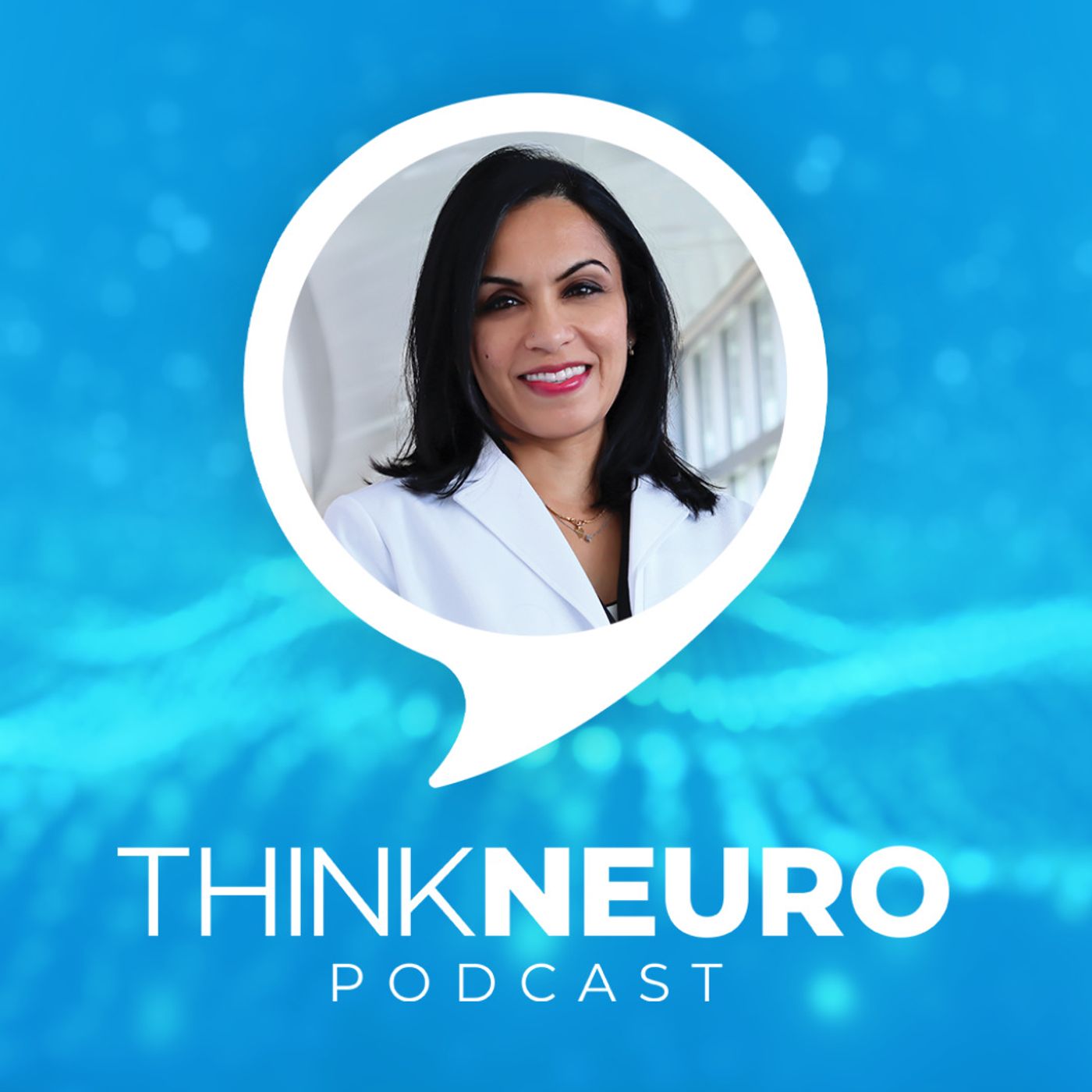
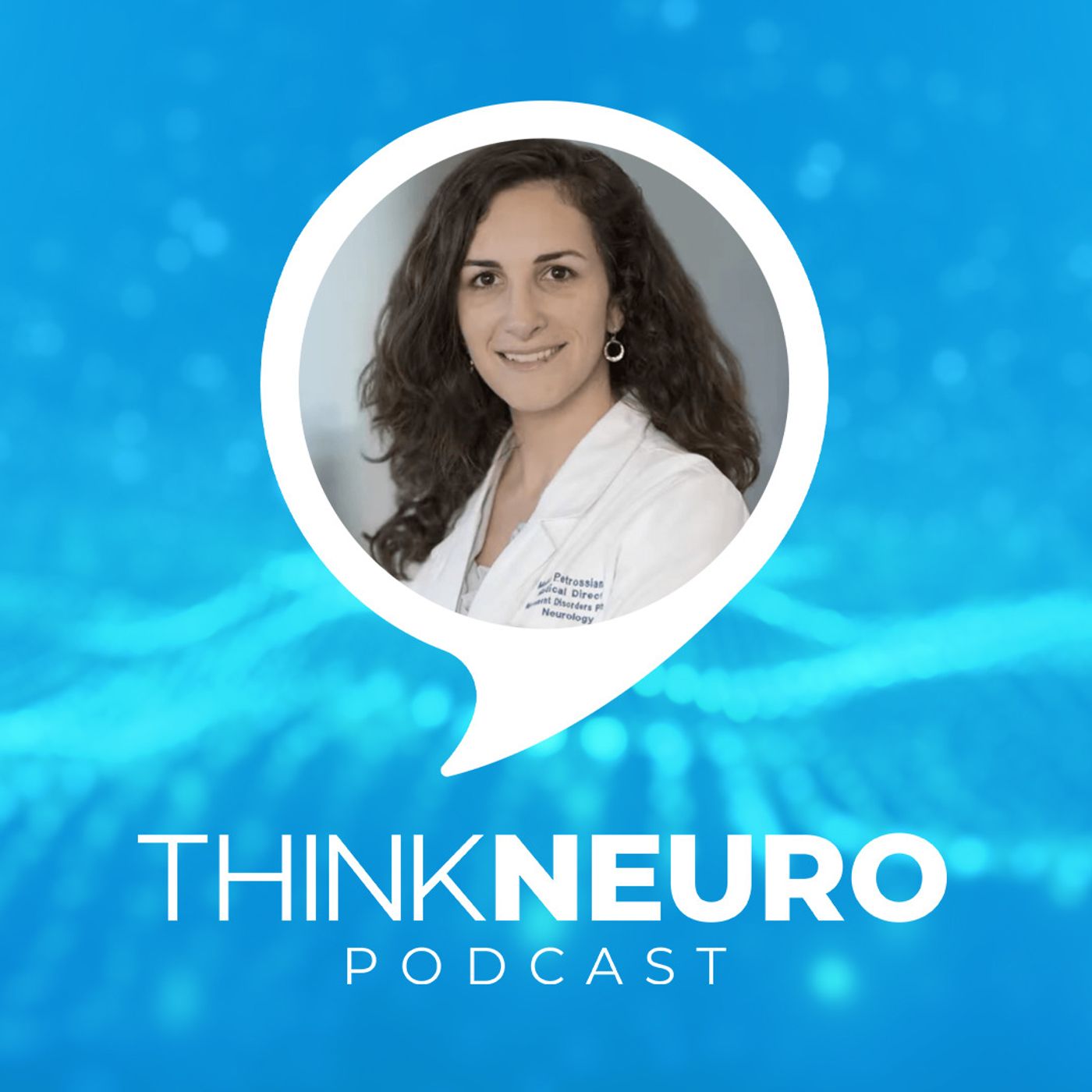
Dr. Melita Petrossian is a movement neurologist and medical director of Pacific Neuroscience Institute’s Movement Disorders Center. In today’s episode, Dr. Petrossian discusses these non-motor symptoms and explains the different types of testing that can lead to a diagnosis of Parkinson's disease—and what someone living with Parkinson’s may need to consider.
For more information, visit:
https://pacificneuro.org/
Think Neuro is produced by Pacific Neuroscience Institute in Santa Monica, California.
Request an appointment: https://www.pacificneuroscienceinstitute.org/contact/request-an-appointment/
Call: 310-582-7640
Watch on YouTube: https://www.youtube.com/playlist?list=PLi7WP07vn6Ef77Bp1YwH27ck2VB7B6-uV
Get our newsletter: https://www.pacificneuroscienceinstitute.org/patient-care/newsletters/
Enjoying the show? Please rate and review Think Neuro on Apple Podcasts or Spotify. It helps other listeners find us.
Two slender muscles carry out some of the most important—and taken-for-granted—tasks in our lives. These muscles make up what we have come to call our “voice box,” and they not only produce the sounds that we make—they also close on cue to protect our lungs as we swallow. In this Spotlight Replay, we revisit a conversation with Dr. Omid Mehdizadeh, who treats voice and swallow disorders, in which he helps us appreciate the vital role of this unsung hero, our voice box. Let’s listen in!
Think Neuro is produced by Pacific Neuroscience Institute in Santa Monica, California.
Request an appointment: https://www.pacificneuroscienceinstitute.org/contact/request-an-appointment/
Call: 310-582-7640
Watch on YouTube: https://www.youtube.com/playlist?list=PLi7WP07vn6Ef77Bp1YwH27ck2VB7B6-uV
Get our newsletter: https://www.pacificneuroscienceinstitute.org/patient-care/newsletters/
Enjoying the show? Please rate and review Think Neuro on Apple Podcasts or Spotify. It helps other listeners find us.
Survey after survey is telling us that Americans are increasingly feeling lonely. It’s a trend that’s been growing for years and, while it was exacerbated during the pandemic when we were instructed to socially isolate, it continues even as society has reopened. In this Spotlight Replay, we revisit a panel discussion in which three doctors at Pacific Neuroscience Institute tell how they help people deal with different causes of loneliness. Doctors at PNI discover loneliness in their patients, often for specific causes that can be treated. Dr. Courtney Voelker sees patients with hearing so compromised that they can’t follow conversations with loved ones. Dr. Amit Kochhar has patients who are unwilling to socialize because their facial paralysis prevents them from expressing emotions. And Dr. Shanthi Gowrinathan works with patients struggling with depression from a cancer diagnosis. Each doctor has tools to help ease the social impact of these neurological diseases. Let’s listen in!
Think Neuro is produced by Pacific Neuroscience Institute in Santa Monica, California.
Request an appointment: https://www.pacificneuroscienceinstitute.org/contact/request-an-appointment/
Call: 310-582-7640
Watch on YouTube: https://www.youtube.com/playlist?list=PLi7WP07vn6Ef77Bp1YwH27ck2VB7B6-uV
Get our newsletter: https://www.pacificneuroscienceinstitute.org/patient-care/newsletters/
Enjoying the show? Please rate and review Think Neuro on Apple Podcasts or Spotify. It helps other listeners find us.
The doctors at Pacific Neuroscience Institute believe strongly in educating other neurosurgeons in the latest techniques for minimally invasive surgery. PNI’s Pacific Rim Master Class in Endoscopic Endonasal and Keyhole Surgery is right around the corner, coming up at the end of March. In this Spotlight Replay, we return to the episode in which Dr. Garni Barkhoudarian talks about his commitment to pay forward his own neurosurgery education. We also hear from medical illustrator and animator Josh Emerson, manager of PNI’s Neuroanatomy Lab, who tells us how people can learn about the fascinating inner anatomy of the brain through illustration. Let’s listen in!
Think Neuro is produced by Pacific Neuroscience Institute in Santa Monica, California.
Request an appointment: https://www.pacificneuroscienceinstitute.org/contact/request-an-appointment/
Call: 310-582-7640
Watch on YouTube: https://www.youtube.com/playlist?list=PLi7WP07vn6Ef77Bp1YwH27ck2VB7B6-uV
Get our newsletter: https://www.pacificneuroscienceinstitute.org/patient-care/newsletters/
Enjoying the show? Please rate and review Think Neuro on Apple Podcasts or Spotify. It helps other listeners find us.
March is Essential Tremor Awareness Month. Essential tremor is one of the most common movement disorders, affecting millions of people around the world. In this Spotlight Replay, we return to the episode in which Dr. Melita Petrossian discusses the diagnosis and treatment of Essential Tremors, and explains how these tremors differ from those seen in people with Parkinson’s Disease. Keeping hope alive, the International Essential Tremor Foundation’s theme this year is, “Still Believing in Answers for ET.” While the exact cause of Essential Tremor remains unknown, Dr. Petrossian and the team at PNI work hard to help alleviate symptoms and provide patient support. Let’s listen in!
Think Neuro is produced by Pacific Neuroscience Institute in Santa Monica, California.
Request an appointment: https://www.pacificneuroscienceinstitute.org/contact/request-an-appointment/
Call: 310-582-7640
Watch on YouTube: https://www.youtube.com/playlist?list=PLi7WP07vn6Ef77Bp1YwH27ck2VB7B6-uV
Get our newsletter: https://www.pacificneuroscienceinstitute.org/patient-care/newsletters/
Enjoying the show? Please rate and review Think Neuro on Apple Podcasts or Spotify. It helps other listeners find us.
Dural arteriovenous fistula (DAVF) is a rare vascular condition where abnormal connections (fistulas) form between branches of arteries and veins in the dura mater, the brain's covering. The dural arteries deliver high-pressure, oxygen-rich blood to the brain, while the dural veins return deoxygenated, low-pressure blood to the heart. DAVF causes high-pressure arterial blood to flow into veins or sinuses meant for low-pressure blood, which can lead to ruptures, brain hemorrhages, and other neurological issues.
Meet Dr. Aditya (Adi) Iyer, a board-certified, fellowship-trained neurosurgeon specializing in vascular diseases of the brain and spine at Pacific Neuroscience Institute®. As one of California’s few dual-trained neurosurgeons, Dr. Iyer offers both minimally invasive open surgical techniques and incisionless catheter-based procedures to treat strokes, aneurysms, AVMs, tumors, and pain.
Think Neuro is produced by Pacific Neuroscience Institute in Santa Monica, California.
Request an appointment: https://www.pacificneuroscienceinstitute.org/contact/request-an-appointment/
Call: 310-582-7640
Watch on YouTube: https://www.youtube.com/playlist?list=PLi7WP07vn6Ef77Bp1YwH27ck2VB7B6-uV
Get our newsletter: https://www.pacificneuroscienceinstitute.org/patient-care/newsletters/
Enjoying the show? Please rate and review Think Neuro on Apple Podcasts or Spotify. It helps other listeners find us.
Dr. Daniel Kelly joins Dr. Stephen Sideroff this week on the Quantum Leadership Podcast.
In this powerful episode of the Quantum Leadership Podcast, Dr. Stephen Sideroff sits down with Dr. Dan Kelly, one of the nation’s leading neurosurgeons and co-founder and director of the Pacific Neuroscience Institute, for an illuminating look at the inner work, vision, and steady courage behind his remarkable leadership journey.
From leaving a secure tenured role at UCLA to create an entirely new model of neuroscience care, to performing high-stakes brain tumor surgeries where a millimeter can change a life, Dan shares what it truly takes to lead with clarity, presence, and heart. He reveals how risk-taking, disciplined innovation, and multidisciplinary collaboration helped him grow PNI from a small three-person nucleus into a nationally recognized institute with more than a dozen centers of excellence.
Dan also opens up about the personal side of leadership: coping with emotionally heavy diagnoses, maintaining balance through meditation and exercise, fostering trust in the operating room, and navigating the enormous pressures of a healthcare system while protecting what matters most: patient outcomes, team wellbeing, and integrity.
His story offers profound lessons for leaders facing uncertainty, complexity, or the need to build something groundbreaking from the ground up.
Think Neuro is produced by Pacific Neuroscience Institute in Santa Monica, California.
Request an appointment: https://www.pacificneuroscienceinstitute.org/contact/request-an-appointment/
Call: 310-582-7640
Watch on YouTube: https://www.youtube.com/playlist?list=PLi7WP07vn6Ef77Bp1YwH27ck2VB7B6-uV
Get our newsletter: https://www.pacificneuroscienceinstitute.org/patient-care/newsletters/
Enjoying the show? Please rate and review Think Neuro on Apple Podcasts or Spotify. It helps other listeners find us.
1 h 05 minAbspielen in:
Gäste, die länger als 12 Monate zurückliegen, gibt es mit Pro. Pläne ansehen

 DM