Creating eco-minimalist, non-toxic homes (without the extra work). Although minimalism has experienced a rebirth in recent years, the "less is more" movement has been around for centuries. Yet today's minimalist influencers have resurrected minimalism with a decidedly consumerist spin, as modern minimalism is nearly…
For many parents, buying that new toy can feel like the fastest, easiest way to show our kids we love them. Giving “stuff” can also be a way to soothe tantrums, reinforce good behavior and even make up for moments when we’re stretched thin.
And yet more toys will never be a stand-in for good parenting. When we try to meet our children’s needs with material things, we end up with cluttered homes, overstimulated kids, and empty wallets.
Our children don’t need another squishie, stuffie, or fidget. On today’s show, parenting coach Vigdis Gabrielsen shares what our children really need from us during the holidays and throughout the year.
Here’s a preview:
What’s really happening when we reach for a toy to fix a meltdown or make up for a busy week
How to avoid turning intentional, minimalist parenting into another impossible standard to fail at
Why children become naturally more empathetic, harmonious, and cooperative when their emotional needs are met
How unhealed childhood wounds surface in everyday family friction, plus: Concrete steps to interrupt those patterns
Practical ways to meet your children’s emotional needs even if your own went perpetually unmet growing up
Resources mentioned:
Vigdis's free guides
Vigdis on Instagram
This show is listener-supported. Thank you for supporting!
Join our (free!) Facebook community here.
Find your tribe. Sustainable Minimalists are on Facebook, Instagram + Youtube @sustainableminimalists
Say hello! MamaMinimalistBoston@gmail.com
Support this podcast at — https://redcircle.com/sustainable-minimalists2448/exclusive-content
Advertising Inquiries: https://redcircle.com/brands
Privacy & Opt-Out: https://redcircle.com/privacy
In our fast-paced, convenience-driven world, we’ve made our waste invisible. But 'out of sight' isn't out of existence, and our wastefulness is creating big problems for future generations.
True self-awareness starts with taking responsibility for what we throw away. On today's show, author Cassandra Marketos joins us to reframe composting from a messy chore into an easy-as-pie, grounding antidote to instant gratification that teaches us slowness, observation, and presence.
Here's a preview:
[5:00] Nature wants to decompose, no expensive gadgets or insane time commitments required!
[11:00] Composting is "soul-opening". Here's how
[16:00] You literally can't get composting wrong! Browns, greens and other tips to get started
[29:00] Troubleshooting Stephanie's backyard compost pile
[33:00] Ready to level up? Here's how to supercharge your composting habit
Resources mentioned:
Compost After Reading: A Practical Manifesto for Purposeful Decomposition (via bookshop.org)
The Rot (via Substack)
Next Book Club! Nov. 4 7:30pm EST Book: TRASH! A Garbageman's Story
This show is listener-supported. Thank you for supporting!
Join our (free!) Facebook community here.
Find your tribe. Sustainable Minimalists are on Facebook, Instagram + Youtube @sustainableminimalists
Say hello! MamaMinimalistBoston@gmail.com
Support this podcast at — https://redcircle.com/sustainable-minimalists2448/exclusive-content
Advertising Inquiries: https://redcircle.com/brands
Privacy & Opt-Out: https://redcircle.com/privacy
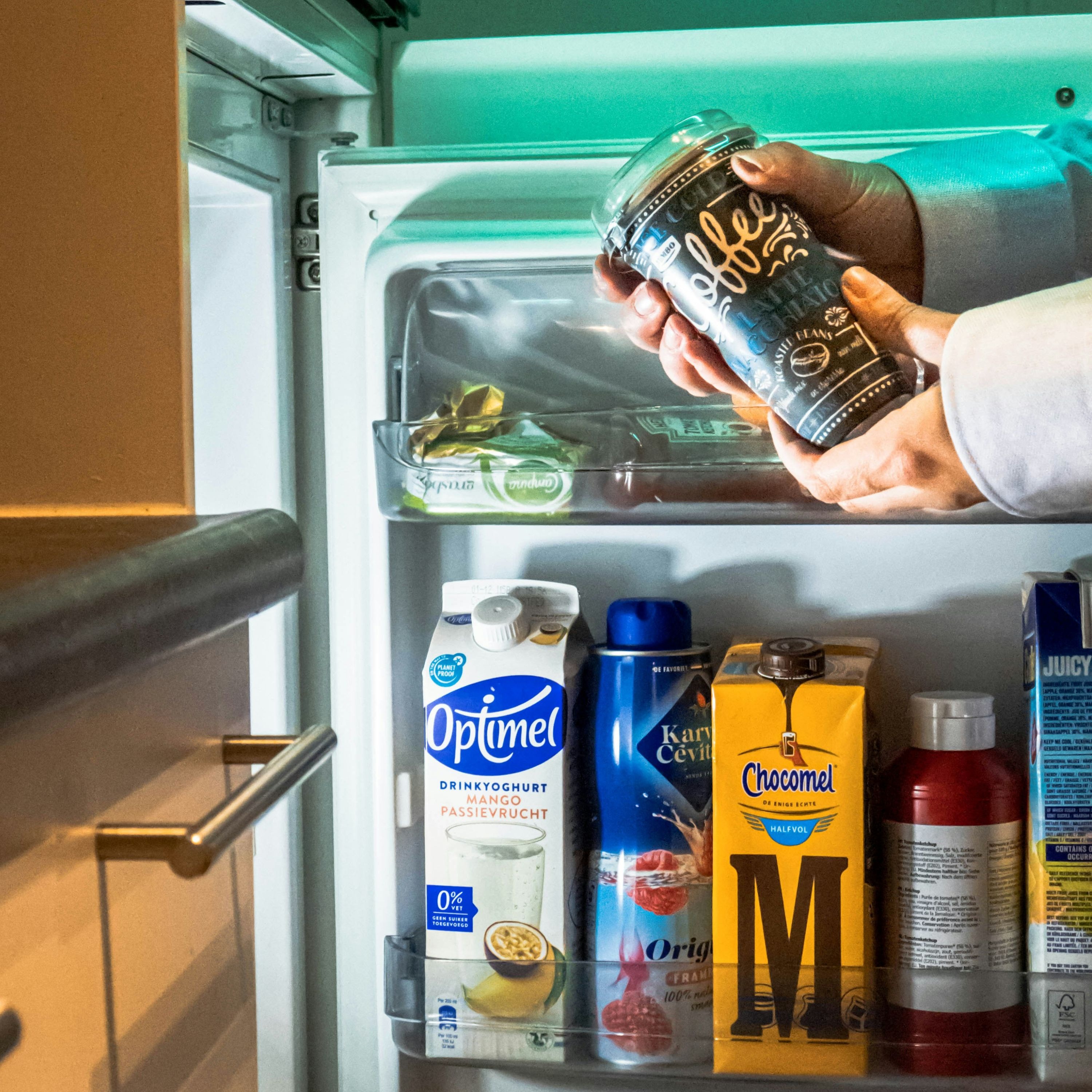
Not so long ago, humanity’s main pursuit was finding food and staving off hunger. But these days, we’re throwing out strawberries. We’re letting salad greens go bad in the crisper. And when it comes to transforming those broccoli stalks or potato peels into something delicious, we’ve lost the know-how.
In an age where the average home discards enough edible meals to sustain an entire extra person, reclaiming our kitchens from unnecessary food waste has never been more urgent. On today’s show, author Teralyn Pilgrim explores what our wastefulness says about us as a culture—as well as her foundational framework for reframing our relationship with the food in our refrigerators.
Here’s a preview:
Why food waste stands as one of today’s largest environmental issues, and the stark contrast between historical food scarcity and modern excess
How disconnection from food production and changing home-cooking habits contribute to everyday waste
The Rules of Food Waste: A step-by-step walkthrough of Teralyn’s core principles for running a waste-free kitchen
Never shop hungry! Sweep out the fridge before adding more! And other top tips for reducing food waste once and for all
Resources mentioned:
No Scrap Left Behind (via Bookshop.org)
Want another episode on food waste that’s chock full of tips? Check out episode #437: Breaking Food Waste Norms.
This show is listener-supported. Thank you for supporting!
Join our (free!) Facebook community here.
Find your tribe. Sustainable Minimalists are on Facebook, Instagram + Youtube @sustainableminimalists
Say hello! MamaMinimalistBoston@gmail.com
Support this podcast at — https://redcircle.com/sustainable-minimalists2448/exclusive-content
Advertising Inquiries: https://redcircle.com/brands
Privacy & Opt-Out: https://redcircle.com/privacy
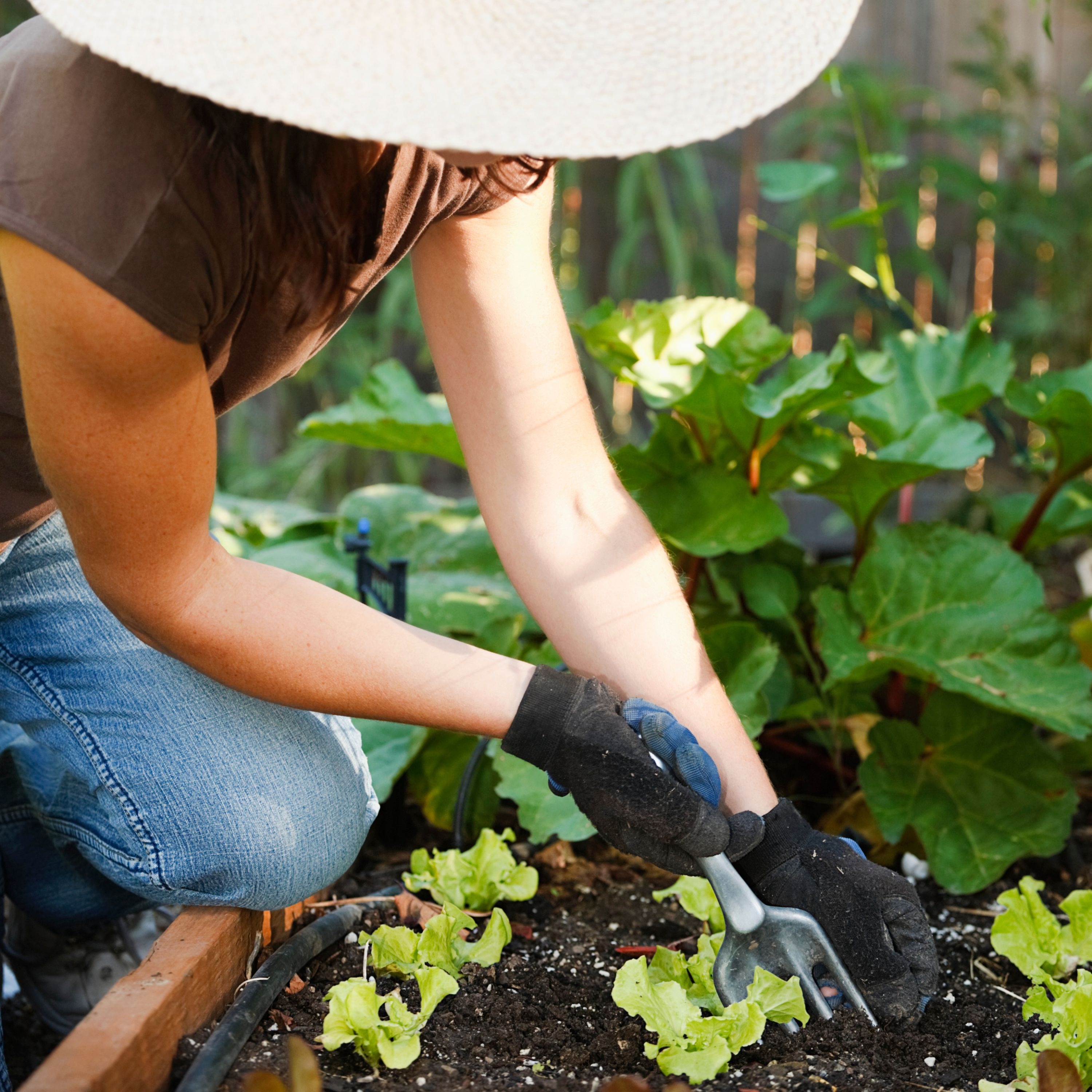
A quiet revolution is starting in our backyards.
News headlines are certainly frightening at the moment, and watching billion-dollar corporations harm people and the planet in the name of profit is infuriating. But don’t let yourself slide into hopelessness. Whether you have a small urban balcony or sprawling rural acreage, you can reclaim your power as an activist through the small-scale choices you make every day.
On today’s show, author and homesteader Devon Ballard-Hudson walks us through her hopeful, accessible framework for reshaping the systems harming the planet, starting in our own homes and backyards.
Here’s a preview:
[6:30] On the importance of re-learning those “lost skills”
[10:00] Moving beyond headline-grabbing protests toward grounded, daily habits
[13:00] Applying the seventh generation principle and long-term ecological stewardship to household decisions
[18:00] Step one? Rewild!
[29:00] Life is noisy. So go on and reset your baseline
Resources mentioned:
Backyard Climate Activist: Healing the Planet from Home (releases Nov. 8)
The Myth of Normal by Gabor Maté
Next Book Club! Nov. 4 7:30pm EST Book: TRASH! A Garbageman’s Story
This show is listener-supported. Thank you for supporting!
Join our (free!) Facebook community here.
Find your tribe. Sustainable Minimalists are on Facebook, Instagram + Youtube @sustainableminimalists
Say hello! MamaMinimalistBoston@gmail.com
Support this podcast at — https://redcircle.com/sustainable-minimalists2448/exclusive-content
Advertising Inquiries: https://redcircle.com/brands
Privacy & Opt-Out: https://redcircle.com/privacy
We live our lives surrounded by smart phones, smart devices, Wi-Fi networks, and wireless wearables. But as our homes become "smarter", the constant electropollution these devices emit carries risks for our long-term health.
Your home should be a sanctuary, not a radiation zone. On today's show, radiologist and author Dr. Rob Brown offers simple ways to dramatically reduce your daily electropollution load without giving up modern technology.
Here's a preview:
[5:00] A doctor explains why he believes electropollution is "the secondhand smoke of our generation"
[13:30] Should our children wear Airpods or smart watches? Should we?
[25:00] Five low friction ways to reduce electropollution in your home
[29:00] Why this medical doctor suggests that we shut our wifi router off each night, plus: other ways to support rest and cellular recovery
Resources mentioned:
Unplug: A Radiologist Explores the Damage Caused by Electropollution and How You Can Prevent It
DefenderShield phone case
Next Book Club! Nov. 4 7:30pm EST Book: TRASH! A Garbageman's Story
DefenderShield EMF blocking cell phone case
This show is listener-supported. Thank you for supporting!
Join our (free!) Facebook community here.
Find your tribe. Sustainable Minimalists are on Facebook, Instagram + Youtube @sustainableminimalists
Say hello! MamaMinimalistBoston@gmail.com
Support this podcast at — https://redcircle.com/sustainable-minimalists2448/exclusive-content
Advertising Inquiries: https://redcircle.com/brands
Privacy & Opt-Out: https://redcircle.com/privacy
Our economy is built to keep us consuming on autopilot. Between frictionless digital checkouts, targeted algorithms, and subscription traps, buying has become effortless. So effortless, in fact, that we rarely register it as an active choice anymore.
But what happens when we slow down and reclaim that awareness?
On today’s show, author David Gaines makes a case for moving away from isolated, guilt-driven consumerism and toward community-based choices that have the power to transform our buying habits for the better.
Here’s a preview:
[6:30] Why algorithms and one-click buying strip away our intentionality—and how regaining awareness is the first step toward values-aligned spending
[13:30] What to do when you want to buy better but you just can’t afford it
[14:00] On the importance of savoring more so as to consume less
[23:00] Ethics under capitalism? Is it possible?
[28:00] How to evaluate brand claims and recognize common marketing red flags
[31:00] On elephants, ants and the significance of small, daily actions, plus: One low-friction adjustment you can make this week for maximum impact
Resources mentioned:
Why We Buy and Why it Matters (releases Oct. 27)
Certified B Corporation (episode from the archives!)
Book Club! September 23, 7:30pm EST
This show is listener-supported. Thank you for supporting!
Join our (free!) Facebook community here.
Find your tribe. Sustainable Minimalists are on Facebook, Instagram + Youtube @sustainableminimalists
Say hello! MamaMinimalistBoston@gmail.com
Support this podcast at — https://redcircle.com/sustainable-minimalists2448/exclusive-content
Advertising Inquiries: https://redcircle.com/brands
Privacy & Opt-Out: https://redcircle.com/privacy
In a world filled with endless digital noise, it’s easier than ever to lose touch with the natural world. Children are drawn to the excitement of screens, parents are increasingly anxious about real-world outdoor risks, and our culture far too often views the earth as a commodity to be bought and sold, not valued and preserved.
How do we rebuild our relationship with nature when our schedules are packed and our kids don't self-identify as "outdoor kids"?
On today's show, author Amber Vilhauer reminds us that nature isn't just a place to visit—it’s one of our greatest teachers.
Here's a preview:
[6:30] It's our responsibility as parents to give our kids ample time outside, and here's why
[10:00] How to help children put down the screens and appreciate the quiet rhythms and intrinsic wonders of nature
[15:00] Two ways in which time outside provides the backdrop for creating simple core memories
[23:00] What the the natural world can teach us about resilience, generosity, emotional balance, and community (if we let it)
[28:00] How spending intentional, unscripted time outside pushes back against a culture that treats the earth as something to buy and sell
Resources mentioned:
What Nature Teaches Us (releases Oct. 13)
Book Club! September 23, 7:30pm EST
This show is listener-supported. Thank you for supporting!
Join our (free!) Facebook community here.
Find your tribe. Sustainable Minimalists are on Facebook, Instagram + Youtube @sustainableminimalists
Say hello! MamaMinimalistBoston@gmail.com
Support this podcast at — https://redcircle.com/sustainable-minimalists2448/exclusive-content
Advertising Inquiries: https://redcircle.com/brands
Privacy & Opt-Out: https://redcircle.com/privacy
Extreme heat, wildfires, flash floods, and poor air quality are no longer abstract future projections—they form the backdrop of our kids' childhoods. Right now, extreme weather and their subsequent environmental factors are directly impacting our children's physical health, brain development, and outdoor play.
On today's show, national climate advisor Dr. Laura Schifter offers urgent, practical advice for protecting our children, fostering resilience, and moving from climate anxiety into meaningful family action.
Here's a preview:
[11:00] Should we send our kids to summer camp during a heat wave? Play outdoor sports?
[16:00] Every school district should have plans in place for both extreme heat and extreme weather. Here are the questions to ask
[15:00] Moving beyond "stop, drop, and roll" to age-appropriate responses for flash floods, poor air quality days, and extreme heat
[24:00] For the sports moms and dads: Three things to keep in mind
[26:00] Exactly how to explain climate change to your children, word-for-word
[38:00] We really need to be talking about climate change more, and here's why
Resources mentioned:
EPA Releases Report Showing Health Impacts of Climate Change on Children in the United States
Floods are Becoming More Common. Here’s What I Tell my Daughters (via Time Magazine)
Students, Schools, and Our Climate Moment: Acting Now to Secure Our Future
This show is listener-supported. Thank you for supporting!
Join our (free!) Facebook community here.
Find your tribe. Sustainable Minimalists are on Facebook, Instagram + Youtube @sustainableminimalists
Say hello! MamaMinimalistBoston@gmail.com
Support this podcast at — https://redcircle.com/sustainable-minimalists2448/exclusive-content
Advertising Inquiries: https://redcircle.com/brands
Privacy & Opt-Out: https://redcircle.com/privacy
In a world dominated by digital noise, reclaiming our peace has become one of the most urgent challenges of modern life. For parents, the stakes are even higher. How do we set healthy screen boundaries for our tech-obsessed kids? Where do we draw the line as artificial intelligence inserts itself in our homes and routines?
On today's show writer, father, and dumb phone user Andrew Broman explores what it really takes to disengage from the smartphone ecosystem and cultivate an intentional approach to emerging technology for both ourselves and our families.
Here's a preview:
[6:00] Is the tech serving you, or are you serving the tech?
[11:00] On the importance of taking your attention span and stretching it like a rubber band
[15:00] Advice for parents with tech-obsessed kids
[26:00] Bring back the landline! Seriously!
[33:00] What 18 pints of Ben & Jerry's taught Stephanie about self-control
[38:00] From attention to affection and attachment: When it comes to AI, where's the line?
Resources mentioned:
The Resisters by Gish Jen
Frugalmatic.com
The Social Dilemma
The Light Phone
Digital Minimalism: Choosing a Focused Life in a Noisy World by Cal Newport
This show is listener-supported. Thank you for supporting!
Join our (free!) Facebook community here.
Find your tribe. Sustainable Minimalists are on Facebook, Instagram + Youtube @sustainableminimalists
Say hello! MamaMinimalistBoston@gmail.com
Support this podcast at — https://redcircle.com/sustainable-minimalists2448/exclusive-content
Advertising Inquiries: https://redcircle.com/brands
Privacy & Opt-Out: https://redcircle.com/privacy
Are we treating the symptoms of modern life while simultaneously ignoring our habitat?
The average American now spends 93% of their life indoors. But humans evolved for millennia alongside the natural world, and research suggests that our indoor lifestyle is disrupting our sleep, focus and long-term health.
You don’t need a gym membership or expensive workout gear to get your health back on track. On today’s show, Dr. John La Puma argues that all you need is a 17-minute dose of nature, every single day.
Here’s a preview:
[4:00] Modern medicine tends to prioritize intervention over prevention. But why?
[7:30] We’re taught to fear the outdoors, but indoor living can be directly harmful in ways we’re only beginning to understand
[11:30] Why it’s time to view “screen time” as “ultra-processed time”
[16:00] Exactly how a daily dose of morning sunlight resets insulin sensitivity, hunger timing, and prefrontal cortex function
[30:00] Outside exercise is better for you than inside exercise, so take your movement outdoors!
Resources mentioned:
Indoor Epidemic: 93% Inside Steals Sleep, Focus & Years—The 7% Outdoor Rx Restores Them
The Summer Challenge: Touch Grass (via The NY Times)
7-Day Outdoor Reset (via IndoorEpidemic.com)
Birding to Change the World (by Trish O’Kane)
This show is listener-supported. Thank you for supporting!
Join our (free!) Facebook community here.
Find your tribe. Sustainable Minimalists are on Facebook, Instagram + Youtube @sustainableminimalists
Say hello! MamaMinimalistBoston@gmail.com.
Support this podcast at — https://redcircle.com/sustainable-minimalists2448/exclusive-content
Advertising Inquiries: https://redcircle.com/brands
Privacy & Opt-Out: https://redcircle.com/privacy
Every week, we drag our trash bins to the curb, close the lid, and forget about them. But where does "away" actually go? And does the mere existence of waste "management" mean we can continue to consume more and more without major consequence?
On today's show, author and sanitation worker Simon Paré-Poupart discusses what he's learned in his 20 years on the back of a Montreal haul truck. He's here to pull back the curtain on the grueling yet essential work of waste collection. He's also here to offer a sociological reflection on modern consumerism, systemic waste, and the human cost of hiding our cultural detritus.
Here's a preview:
[5:00] We didn't always have all this trash, and we didn't always have a need for "waste management"
[12:00] A society's trash reveals an awful lot about a society. What does our trash reveal about us?
[19:00] Recycling might give us a boost of moral satisfaction, but that moral satisfaction is ultimately just fuel to buy more stuff
[22:00] On why waste management is integral to maintaining the status quo
[27:30] The mere existence waste management is a symptom of this much larger problem
Resources mentioned:
Trash! A Garbageman's Story
The Books Times Readers Are Most Excited About This Summer (via The New York Times)
Waste and Want: A Social History of Trash (by Suzanne Strasser)
Book Club! We're reading Beyond Decluttering: Forty Days to Simplicity Through Connection for our Wednesday, June 24 meeting at 7 pm EST. Join us! Details here.
This show is listener-supported. Thank you for supporting!
Join our (free!) Facebook community here.
Find your tribe. Sustainable Minimalists are on Facebook, Instagram + Youtube @sustainableminimalists
Say hello! MamaMinimalistBoston@gmail.com.
Support this podcast at — https://redcircle.com/sustainable-minimalists2448/exclusive-content
Advertising Inquiries: https://redcircle.com/brands
Privacy & Opt-Out: https://redcircle.com/privacy
The plastic-drenched, disposable world we live in didn’t happen by accident. It was slowly, methodically built by Big Oil.
They’re doing everything in their power to get people to use as much plastic as possible, all so they can make money from every single molecule they extract from the ground. And right now, they’re pouring billions of dollars into plans to double, or even triple, plastic production by 2050.
This week, award-winning environmental journalist Beth Gardiner joins us to pull back the curtain on who’s behind all this plastic and why. We explore why production is skyrocketing despite consumer pushback, how the myth of recycling keeps us distracted, and why naming the real culprits is the first step toward true systemic change.
Resources mentioned:
Plastic Inc: The Secret History and Shocking Future of Big Oil’s Biggest Bet
Beyond Plastics
This episode is sponsored by Fearless Finance. Use code SUSTAINABLE to get $50 off your first meeting.
This show is listener-supported. Thank you for supporting!
Join our (free!) Facebook community here.
Find your tribe. Sustainable Minimalists are on Facebook, Instagram + Youtube @sustainableminimalists
Say hello! MamaMinimalistBoston@gmail.com.
Support this podcast at — https://redcircle.com/sustainable-minimalists2448/exclusive-content
Advertising Inquiries: https://redcircle.com/brands
Privacy & Opt-Out: https://redcircle.com/privacy
Why aren't we talking about the elephant in the room?
Broaching the topic of climate change can be socially awkward at best and polarizing at worst. In fact, psychology, evolutionary biology and modern day tribalism keep many of us tongue-tied.
But staying quiet isn't an option. Breaking the silence around our warming planet is one of the most powerful tools we have for systemic change. On today's show, author and climate scientist Norm Leo offers a formula for unlocking more deeply human, empathetic, and impactful conversations about climate change.
Resources mentioned:
This episode is sponsored by Fearless Finance. Use code SUSTAINABLE to get $50 off your first meeting.
Look At It This Way: Climate Solutions that will Benefit your Health and Wealth
Book Club! We're reading Beyond Decluttering: Forty Days to Simplicity Through Connection for our Wednesday, June 24 meeting at 7 pm EST. Join us!
This show is listener-supported. Thank you for supporting!
Join our (free!) Facebook community here.
Find your tribe. Sustainable Minimalists are on Facebook, Instagram + Youtube @sustainableminimalists
Say hello! MamaMinimalistBoston@gmail.com.
Support this podcast at — https://redcircle.com/sustainable-minimalists2448/exclusive-content
Advertising Inquiries: https://redcircle.com/brands
Privacy & Opt-Out: https://redcircle.com/privacy
The world has changed so much, but the tenets of timeless parenting haven't changed one bit.
Our culture tends to treat childhood like a race. But the push to meet academic benchmarks at younger and younger ages is counterproductive to how a child's brain naturally develops. And when parents overschedule their children because they're afraid they'll be left behind, they may be robbing them of the downtime they need to thrive.
On today's show world-renowned child psychologists Dr. Kathy Hirsh-Pasek and Dr. Roberta Michnick Golinkoff dive into how to raise healthy, happy children without burning out -- and without relying on the latest "educational" gadgets.
Here's a preview:
[5:15] Smart phones, AI, oh my: The fundamental needs of children haven't changed, even if technology has
[15:00] How to ignore the very-real temptation to get our kids "ahead"
[19:45] Unrealistic expectations characterize much of the "academic" toys on the market. Here's how to spot them
[25:00] The research is clear: Kids need more downtime. Extracurriculars aren't downtime!
[34:00] Your new parenting mantra: "Reflect, Resist, Recenter"
Resources mentioned:
Einstein Never Used Flashcards: How Our Children Really Learn–And Why They Need to Play More and Memorize Less
Trouble in Toyland 2025: A.I. bots and toxics present hidden dangers (via PIRG)
Kathy and Roberta on Instagram
Book clubs are scheduled!
This show is listener-supported. Thank you for supporting!
Join our (free!) Facebook community here.
Find your tribe. Sustainable Minimalists are on Facebook, Instagram + Youtube @sustainableminimalists
Say hello! MamaMinimalistBoston@gmail.com.
Support this podcast at — https://redcircle.com/sustainable-minimalists2448/exclusive-content
Advertising Inquiries: https://redcircle.com/brands
Privacy & Opt-Out: https://redcircle.com/privacy
42 minPlay in:
Guests from more than 12 months ago are part of Pro. See plans
 VG