Trail Runner Nation is devoted to sharing knowledge and advice to the trail running community - from beginners to the pros! We offer tips and discussion regarding race nutrition, pacing strategy, mental focus and much more from well-respected members of the trail community.
In this episode from the Trail Runner Nation archives, we revisit our conversation with Alex Hutchinson, author of Endure: Mind, Body, and the Curiously Elastic Limits of Human Performance. Alex explores why endurance is about much more than VO2 max, lactate threshold, muscles, and lungs, and why our perception of effort can play such a powerful role in determining when we slow down or stop. He shares the remarkable story of breaking through a four-year running plateau after incorrect lap splits accidentally convinced him he was running far faster than he actually was. We also explore research on motivational self-talk, facial expressions, pain tolerance, belief, and why training yourself to experience discomfort may be almost as important as training your cardiovascular system. Alex also challenges runners to reconsider the limits they impose on themselves, including the danger of becoming so obsessed with pacing that we never give ourselves the opportunity to discover what we're actually capable of. Years after this conversation was originally recorded, the science and stories make this one of those TRN episodes worth pulling out of the archives and hearing again.
Hosted by Simplecast, an AdsWizz company. See pcm.adswizz.com for information about our collection and use of personal data for advertising.
Matt Fitzgerald returns to Trail Runner Nation to talk about his deeply personal book Dying to Run: An Athlete’s Quest for One More Finish and the long COVID diagnosis that transformed his life as a runner. After more than three years without running, Matt signed up for a 100K desert ultra, Javalina Hundred, despite believing he had only about a 10 percent chance of even making it to the start line. The conversation explores how he cautiously rebuilt enough fitness to attempt the race, but the bigger story is how he redefined success from achieving a result to refusing to let his disease decide who he could be. Matt talks candidly about running as identity, community, addiction, and something that left a hole nothing else could completely fill when it disappeared. He also explains how Stoicism helped him accept reality without surrendering to it, and how suffering became something he could use rather than simply something he had to escape. Most powerfully, Matt says he would make the same choices again, even knowing long COVID was waiting for him, because removing the hardship would also remove the person he became through it.
LINKS
Dream Run Camp
EPISODE SPONSORS
Tifosi Optics - CLARITY ON THE TRAIL: Post your Golden Nugget of wisdom that helps you recover after a huge effort on Instagram, tag @TifosiOptics, @TrailRunnerNation, and use the hashtag #ClarityOnTheTrail. OR try texting us (within the USA) with your tip: 916-235-3928.
If we use yours on a weekly episode, you get a pair of the new Sanctum SL glasses!
Timestamps
00:00 – When Running Is Taken Away
Matt explains how long COVID ended his running for more than three years and why he eventually committed to a 100K desert ultra despite still being sick.
05:14 – Living With Long COVID
Matt describes the neurological symptoms, post-exertional crashes, loss of function, and the realization that “recovery” may never mean returning to his old body.
09:32 – Training With a 10% Chance of Starting
Forty pounds above his former racing weight and badly deconditioned, Matt begins with walking and tries to carefully build just enough fitness without triggering another major setback.
19:22 – The Voices That Tell Us to Stop
The conversation turns to suffering, pride, competitiveness, and the surprising realization that Matt’s biggest struggle wasn't quitting, but accepting that he could no longer perform like the athlete he once was.
23:25 – When Running Becomes Your Identity
Matt wrestles with an uncomfortable question: what happens when running isn't simply something you do, but a central piece of who you are?
28:03 – Stoicism, Suffering and Redefining Success
Matt explains how Stoic ideas helped him face reality without self-pity and redefine success around how he responded to circumstances rather than what he accomplished.
47:12 – Who Are You Without the Circus?
Matt reflects on a lifetime of achievement, his changing definition of happiness, Dream Run Camp, and why he would still choose the path that led to long COVID because of what the experience ultimately taught him.
Hosted by Simplecast, an AdsWizz company. See pcm.adswizz.com for information about our collection and use of personal data for advertising.
In this new Aging As An Athlete episode with Krissy Moehl, Coach Kirk Keller has been running since 1974, and nearly six decades later, he’s still training, racing, coaching, and figuring things out. He joins The Nation to talk about one of the hardest lessons for aging athletes: the training that worked years ago may not be the training your body needs today. The conversation covers consistency, recovery, RPE, mental training, durability, and the danger of comparing today’s pace to an earlier version of yourself. Kirk also shares a fresh lesson from the Bridger Ridge Run, where tired legs forced him to reconsider his own recovery and training load, proving that even an experienced coach still has to keep rewriting the playbook. Krissy adds her perspective on how experience, durability, life stress, and smarter recovery have changed her approach to training in her 40s. The bigger message is encouraging: aging changes the athlete, but it can also bring wisdom, perspective, problem-solving skills, and a deeper appreciation for simply being out there.
LINKS:
Kirk Keller Coaching
Krissy Moehl Coaching and Races
EPISODE SPONSORS
Tifosi Optics - CLARITY ON THE TRAIL: Post your Golden Nugget of wisdom that helps you recover after a huge effort on Instagram, tag @TifosiOptics, @TrailRunnerNation, and use the hashtag #ClarityOnTheTrail. OR try texting us (within the USA) with your tip: 916-235-3928.
If we use yours on a weekly episode, you get a pair of the new Sanctum SL glasses!
RunMotion Coach: Whether you’re training for your first trail race or chasing a new ultra PR, RunMotion Coach creates a personalized training plan that adapts to your schedule, fitness, and progress. Built by experienced coaches and powered by intelligent coaching technology, it helps you train smarter, stay consistent, and arrive at the starting line ready for your next adventure.
Timestamps
02:43 – Why Coach 40+ Athletes?
Kirk explains what makes older athletes so rewarding to coach, including their commitment, clear goals, and occasional tendency to do too much.
07:35 – Can We Still Get Faster as We Age?
The group examines age, previous training history, accumulated mileage, and why personal bests mean something different depending on when someone began running.
12:58 – Consistency, Durability, and Training After 40
Kirk identifies consistency as a major predictor of success and explains why older athletes may need a flatter, more patient approach to building toward big goals.
29:58 – The Biggest Mistake Aging Athletes Make
Kirk argues that denying the effects of age can hold runners back, while accepting change creates room to adjust and keep doing meaningful things on the trail.
34:54 – Why RPE Becomes More Valuable With Age
They discuss using perceived effort instead of chasing old splits, giving runners a more useful way to measure effort across changing terrain and changing bodies.
37:28 – Training the Aging Runner’s Brain
Kirk explains why mental skills remain trainable and how runners can recognize negative thoughts, verbalize them, and replace them during difficult moments.
43:38 – A Coach Learns His Own Recovery Lesson
After struggling early at the Bridger Ridge Run, Kirk realizes he had stacked hard training too closely together and needs to rethink recovery at age 67. The conversation expands into durability, wisdom, changing expectations, and the value of continually experimenting with training as we age.
Hosted by Simplecast, an AdsWizz company. See pcm.adswizz.com for information about our collection and use of personal data for advertising.
Sophie Grant had reached a point where even the hardest ultramarathons no longer carried the uncertainty they once did, and after years of infertility and IVF, she realized she had also lost some of her joy in running and trust in her own body. The Via Alpina changed that, taking her roughly 2,000 kilometers across the Alps and forcing her to approach each day without knowing exactly what the next one would bring. She and photographer Zoe Salt talk about the physical and logistical realities of nearly a month on the trail, including relentless fueling, strength training, bad patches, storms, forest fires, and the value of an exceptional crew. Sophie shares practical lessons endurance athletes can use immediately, including her belief that “a bad moment does not make a bad day,” the importance of eating before assuming something has gone seriously wrong, and learning to distinguish between not wanting to continue and truly being unable to continue. The deeper story is about something bigger than an FKT: Sophie describes how this adventure helped her appreciate what her body could do after spending years focused on something it couldn't. By the end, her message is wonderfully simple: try something new,
LINKS:
Sophie Grant's coaching
Zoe Salt photography
EPISODE SPONSORS
Tifosi Optics - CLARITY ON THE TRAIL: Post your Golden Nugget of wisdom that helps you recover after a huge effort on Instagram, tag @TifosiOptics, @TrailRunnerNation, and use the hashtag #ClarityOnTheTrail. OR try texting us (within the USA) with your tip: 916-235-3928.
If we use yours on a weekly episode, you get a pair of the new Sanctum SL glasses!
ALTRA: With the classic Altra Fit, you set the pace. Altra running shoes are designed with room for your toes so they can actually spread out - for a natural fit. This gives you comfort, balance, and strength on and off the trail. Better balance and stability for our toes mean more comfort – on mile 5, 50, or 100.
Learn more about Altra Fit. Feel the Altra Difference and use code TRN10 for 10% off your first order at checkout at altrarunning.com/TRN. Stay Out There with Altra.
RunMotion Coach: Whether you’re training for your first trail race or chasing a new ultra PR, RunMotion Coach creates a personalized training plan that adapts to your schedule, fitness, and progress. Built by experienced coaches and powered by intelligent coaching technology, it helps you train smarter, stay consistent, and arrive at the starting line ready for your next adventure.
Timestamps
00:00 – The Via Alpina and an Enormous New Challenge
Sophie and Zoe introduce the roughly 2,000-kilometer route across eight Alpine countries and explain why attempting it was so different from Sophie's previous racing.
05:14 – Why Sophie Needed Something Different
After years of racing at a high level, Sophie realized she was operating on autopilot and needed a challenge that could bring uncertainty, learning, and joy back into running.
12:12 – Infertility, Running and Her Relationship With Her Body
Sophie opens up about infertility, IVF, and how the experience left her angry and disconnected from her body before the Via Alpina helped change that relationship.
20:00 – What 29 Days Really Looked Like
Zoe describes watching Sophie get up and do the work day after day, while Sophie shares the low moments, frustration, pain, and perspective that kept her moving.
25:12 – How Do You Fuel for a Month?
Sophie breaks down the surprisingly broad menu that powered the effort and explains why years of practicing 80 to 90 grams of carbohydrate per hour made eating almost automatic.
28:41 – “A Bad Moment Does Not Make a Bad Day”
Sophie explains how food, music, distraction, and experience help her escape negative headspaces, plus the crucial difference between can't continue and simply don't want to.
41:51 – When the Plan Falls Apart
Storms, vehicle problems and forest fires force the team to adapt, leading to a broader conversation about trusting your support system and learning to build a different life when the original plan changes.
48:20 – Not Every Problem Needs to Be Fixed
Sophie explains one of the most meaningful lessons from her infertility experience: sometimes people don't need solutions, they simply need someone willing to sit with them and acknowledge how hard things are.
53:15 – The Courage to Try Something That Scares You
Sophie closes with advice for anyone who feels stuck: try something new, choose something that scares you, and focus on having the courage to begin rather than obsessing over the outcome.
Hosted by Simplecast, an AdsWizz company. See pcm.adswizz.com for information about our collection and use of personal data for advertising.
Tim Tollefson returns to Trail Runner Nation for a wide-ranging conversation about what makes trail running special and what happens as the sport continues to grow. Using a "Wheel of Trail Running" format, the discussion lands on two big topics: cultivating the next generation of trail stewards and the ongoing professionalization of trail running. Tim shares how his work with Runners for Public Lands and Mammoth Trail Fest has changed the way he views trails, volunteerism, and the responsibility runners have to give back to the places they love. The conversation explores everything from carrying a small saw on training runs to the challenges and opportunities created by big sponsors, larger race organizations, and growing prize purses. Throughout the episode, Tim makes a compelling case that trail running's future depends on balancing growth with the community values that built the sport. It's an honest look at how runners can help preserve trail culture while welcoming more people into it.
Episode Sponsors: Tifosi Optics - CLARITY ON THE TRAIL: Post your Golden Nugget of wisdom that helps you recover after a huge effort on Instagram, tag @TifosiOptics, @TrailRunnerNation, and use the hashtag #ClarityOnTheTrail. OR try texting us (within the USA) with your tip: 916-235-3928. If we use yours on a weekly episode, you get a pair of the new Sanctum SL glasses!
Timestamps 00:00 | Welcome Back, Tim Tollefson. Tim shares updates from Mammoth Lakes and explains why the Eastern Sierra continues to inspire his running and community work. 05:45 | California Carpet and Gravel Running. A conversation about trail surfaces, the rise of gravel running, and how the sport continues to evolve. 11:45 | Why Trail Stewardship Matters. Tim discusses his work with Runners for Public Lands and why every runner should consider giving back to the trails they use. 22:00 | How Runners Can Get Involved. Practical ways to participate in trail work, volunteer projects, and local stewardship efforts. 30:00 | The Professionalization of Trail Running. The group explores sponsorships, prize money, corporate investment, and how the sport has changed over the past decade. 43:00 | Building Mammoth Trail Fest. Tim shares the vision behind Mammoth Trail Fest and how community, storytelling, and stewardship shape the event. 53:00 | What Trail Running Could Look Like in 2036. A look ahead at the future of the sport and the values Tim hopes will remain at its core.
Hosted by Simplecast, an AdsWizz company. See pcm.adswizz.com for information about our collection and use of personal data for advertising.
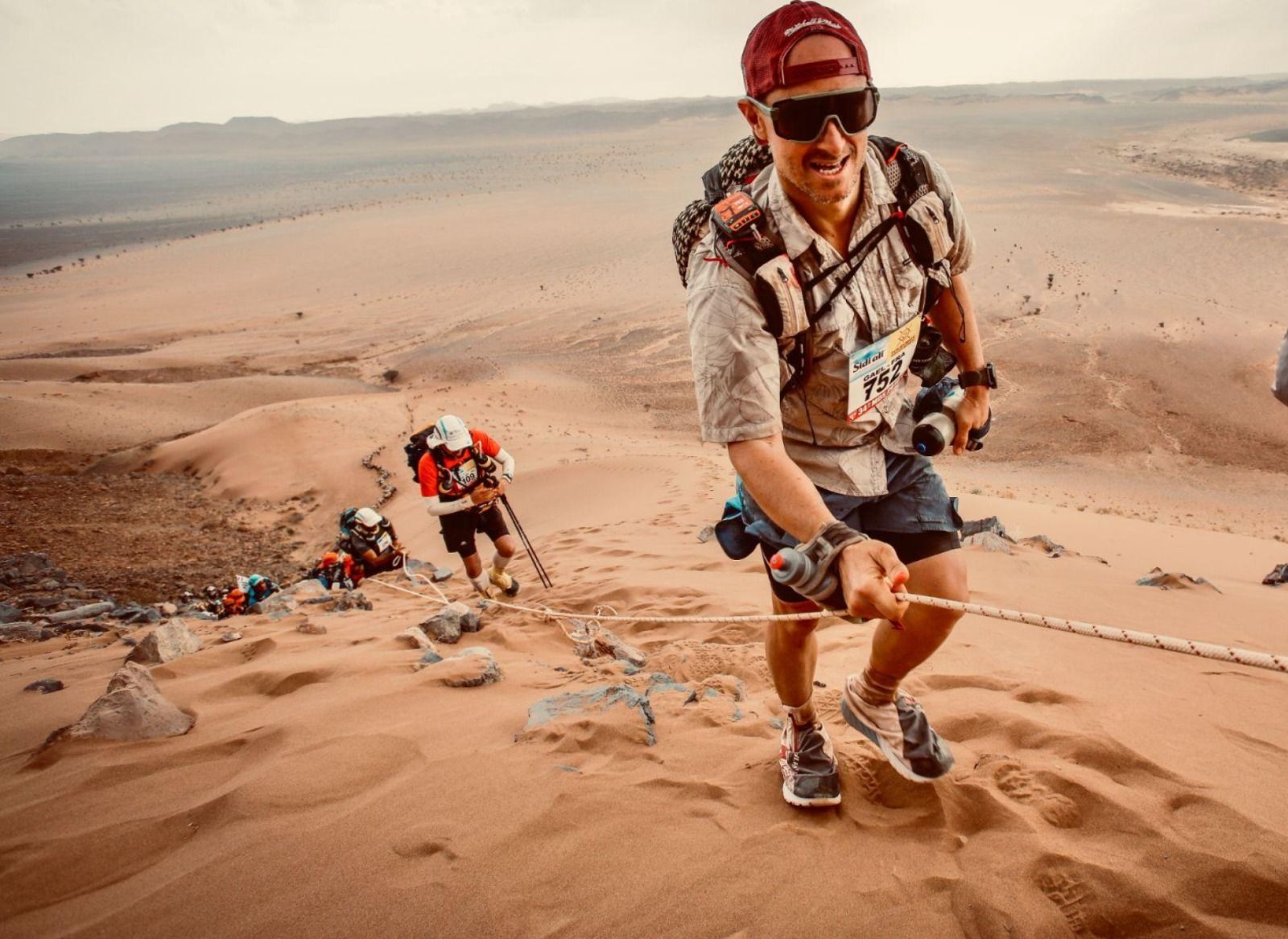
Writer and ultrarunner Gaël Dutigny joins us to talk about his Ultra Running Magazine article, "Fear Isn't a Weakness," and why fear may be one of the most misunderstood tools in endurance sports. Gaël shares how, even after finishing UTMB four times and racing in deserts, jungles, mountains, and even Iraq during wartime, fear still shows up before and during big efforts. The conversation reframes fear not as something to suppress, but as information that can sharpen decision-making, expose your true "why," and help you respect the environment you're moving through. We also talk about the thin line between fear that freezes you and fear that helps you function, especially in long mountain races where fatigue, darkness, cutoffs, hallucinations, and self-doubt all start stirring the pot. One of the most useful takeaways for trail runners is that mental preparation deserves the same attention as physical training, because knowing yourself may be just as important as knowing your pace, gear, or nutrition plan.
Links:
Gaël Dutigny's Substack
UltraRunning Magazine
"Race to the Summit" Dean Potter's documentary on Netflix
Episode Sponsors:
Tifosi Optics - CLARITY ON THE TRAIL: Post your Golden Nugget of wisdom that helps you recover after a huge effort on Instagram, tag @TifosiOptics, @TrailRunnerNation, and use the hashtag #ClarityOnTheTrail. OR try texting us (within the USA) with your tip: 916-235-3928. If we use yours on a weekly episode, you get a pair of the new Sanctum SL glasses!
True Nutrition: Customized quality protein: Use Code TRNSummer and get 25% off between May 22-25 for their Memorial Day Sale!
Peluva - Footwear that let your feet be feet. Get 10% off on our DEALS page
Timestamps
00:00 | Is Fear Holding You Back or Helping You? Scott opens the conversation by asking whether fear on the trail is something to overcome or something that may actually guide us.
02:40 | Why Gaël Wrote About Fear Gaël explains how decades of running in mountains, deserts, jungles, and difficult environments shaped his view that fear is a deep part of the sport.
05:15 | Why Experience Doesn't Eliminate Fear Even after multiple UTMB finishes and other major races, Gaël shares why fear still shows up and why that may be healthy.
11:30 | Training Fear Before Race Day The discussion turns to how runners can practice facing fear in training, whether that means darkness, distance, terrain, isolation, or uncertainty.
21:20 | Fear as a Decision-Making Tool: How fear can sharpen awareness and help runners make better choices instead of simply pushing blindly forward.
27:15 | Mental Health as Performance Training Gaël makes the case that talking to a sports psychologist or therapist is not weakness, but another form of training for hard things.
44:20 | Fear, DNFs, and Knowing Your Why The group talks about how fear of failure, social pressure, and shallow motivation can unravel a race when things get hard.
Hosted by Simplecast, an AdsWizz company. See pcm.adswizz.com for information about our collection and use of personal data for advertising.
ode we are joined by Brian Morrison, author of Given to Fly: A Story of Tragedy, Triumph, and Realization at Western States 100, about one of the most unforgettable finishes in ultrarunning history. Brian takes listeners back to the 2006 Western States 100, where he was leading the race before collapsing on the Placer High School track just steps from victory, later being disqualified because he received assistance crossing the finish line. The conversation explores how Scott Jurek's belief in him helped Brian transform from a talented but relatively unproven runner into someone who truly believed he could win Western States. But the heart of the episode is not just the collapse, it is the decade that followed, as Brian wrestled with regret, obsession, identity, family, and the need to return in 2016 to finally finish the race on his own terms. For trail runners and endurance athletes, this episode is a powerful reminder that failure is not always the opposite of success, sometimes it becomes the thing that reshapes us, redirects us, and teaches us what the finish line could never have taught alone.
Links
YouTube video, "A Decade On" by GingerRunner
Link to buy the Book
Episode Sponsors:
Tifosi Optics - CLARITY ON THE TRAIL: Post your Golden Nugget of wisdom that helps you recover after a huge effort on Instagram, tag @TifosiOptics, @TrailRunnerNation, and use the hashtag #ClarityOnTheTrail. OR try texting us (within the USA) with your tip: 916-235-3928. If we use yours on a weekly episode, you get a pair of the new Sanctum SL glasses!
Peluva - Footwear that let your feet be feet. Get 10% off on our DEALS page
Timestamps
00:00 – The Moment That Almost Defined Him Scott introduces Brian Morrison and sets up the unforgettable 2006 Western States finish that became the centerpiece of Brian's story.
01:48 – Scott Jurek's Belief Changes Everything Brian explains how Scott Jurek told him he could carry the torch for Seattle and win Western States, planting a belief Brian had never fully considered before.
06:34 – Training Like a Western States Contender Brian describes the intense training block with Jurek, including Mount Si repeats, hard downhill work, and the psychological shift from hoping to win to believing he could.
15:30 – Race Day: Heat, Strategy, and the Chase Brian walks through the 2006 race, from the early miles to picking up Scott Jurek at Foresthill and hunting down the leaders before the river crossing.
24:00 – The Final Miles Begin to Unravel After No Hands Bridge, Brian starts running scared, convinced Graham Cooper is closing fast, and the effort begins to push him past the edge.
28:37 – Collapse on the Track Brian reaches the Placer High School track first but blacks out, collapses repeatedly, and later learns he has been disqualified despite crossing the finish line.
38:17 – Ten Years of Haunting and the Return Brian shares how the race followed him for a decade, why he returned in 2016, and how finishing with his family finally allowed him to see the experience differently.
56:22 – Writing the Book and Finding the Realization Brian explains why he wrote Given to Fly, how the process helped him understand his deeper motivations, and why he now sees the whole experience not as redemption, but as a gift.
Hosted by Simplecast, an AdsWizz company. See pcm.adswizz.com for information about our collection and use of personal data for advertising.
Megan Eckert returns to Trail Runner Nation after an extraordinary stretch in endurance racing, including a third place at Cocadona 250, setting a women's world record at Big's Backyard Ultra and becoming the first woman to run more than 600 miles in six days. She explains why backyard ultras are less about speed and more about solving the strange little puzzle of time, sleep, food, heat, pacing, and decision-making, one hour at a time. The conversation gets into what happens when the body starts swelling after days of effort, how recovery has to be tested carefully, and why a runner's "toolbox" matters more than a perfect race plan. Megan also shares how mantras, gratitude, crew support, short sleep strategies, and breaking huge goals into smaller chunks helped her keep moving when the mental fog rolled in. The big takeaway is that toughness is not always loud or dramatic. Sometimes it looks like patience, curiosity, a good crew, and the willingness to step back into the corral one more time.
Links:
SharmanUltra Coaching - Megan
Previous Episode with Megan: EP 685: Running in Circles - Backyard Ultras
Episode Sponsors:
Tifosi Optics - CLARITY ON THE TRAIL: Post your Golden Nugget of wisdom that helps you recover after a huge effort on Instagram, tag @TifosiOptics, @TrailRunnerNation, and use the hashtag #ClarityOnTheTrail. OR try texting us (within the USA) with your tip: 916-235-3928. If we use yours on a weekly episode, you get a pair of the new Sanctum SL glasses!
Peluva - Footwear that let your feet be feet. Get 10% off on our DEALS page
Timestamps
00:00 | Megan Eckert's 600-Mile Breakthrough Scott introduces Megan's recent accomplishments, including her Big's Backyard Ultra world record and becoming the first woman to run more than 600 miles in six days.
02:10 | What Happens to the Body After 600 Miles Megan describes the swelling, inflammation, and strange physical effects that showed up late in the six-day race.
03:10 | Recovery Is Not a Formula She explains how recovery depends on the race, the body's feedback, heart rate, feet, legs, and the willingness to test movement and back off when needed.
04:14 | How Backyard Ultras Actually Work Megan breaks down the format: 4.17 miles every hour, starting again and again until only one runner remains.
06:16 | The Race She's Most Proud Of Megan shares why Run Rabbit Run stands out, not because it was perfect, but because she had to work through an off day almost from the beginning.
14:16 | The Tools That Keep You Moving The conversation shifts to mantras, knowing your "why," gratitude, and the mental tools runners build through hard training and bad races.
19:34 | Solving the Puzzle of Time Megan explains why backyard racing fascinates her: it is not about being fastest, but about balancing pace, rest, calories, sleep, and strategy.
25:46 | Training Yourself to Sleep Fast She talks about using an eye mask, lowering heart rate before lying down, and noise-canceling headphones to help the body shut down quickly during long races.
27:55 | Why Women Are Thriving in Long Events Megan reflects on the growing participation of women in backyard and multi-day racing and why the format creates a welcoming space for many types of runners.
31:15 | Why Crew Becomes Critical Megan explains how sleep deprivation affects decision-making and why crew support becomes essential in the later stages of multi-day races.
35:16 | The Dark Places in a Six-Day Race She describes the strange feeling of being between two shores, unable to see where you started or where you are going, and how her crew helped her regain perspective.
43:30 | Coaching for Backyard Ultras vs. 50Ks Megan explains how training shifts for backyard races, with more emphasis on time on feet, double days, and learning to run when you do not feel like running.
47:00 | Sleep Deprivation and Trial-and-Error The group discusses whether sleep deprivation can really be trained, and Megan explains why her best sleep strategy is built around longer 45- to 90-minute cycles.
52:00 | What's Next for Megan Megan talks about taking on Cocodona 250 and applying what she has learned from looped and timed events to a very different kind of trail challenge.
55:13 | Who Should Try a Backyard Ultra? Megan closes with a simple message: the best attribute is curiosity, because you never know what you are capable of until you show up.
Hosted by Simplecast, an AdsWizz company. See pcm.adswizz.com for information about our collection and use of personal data for advertising.
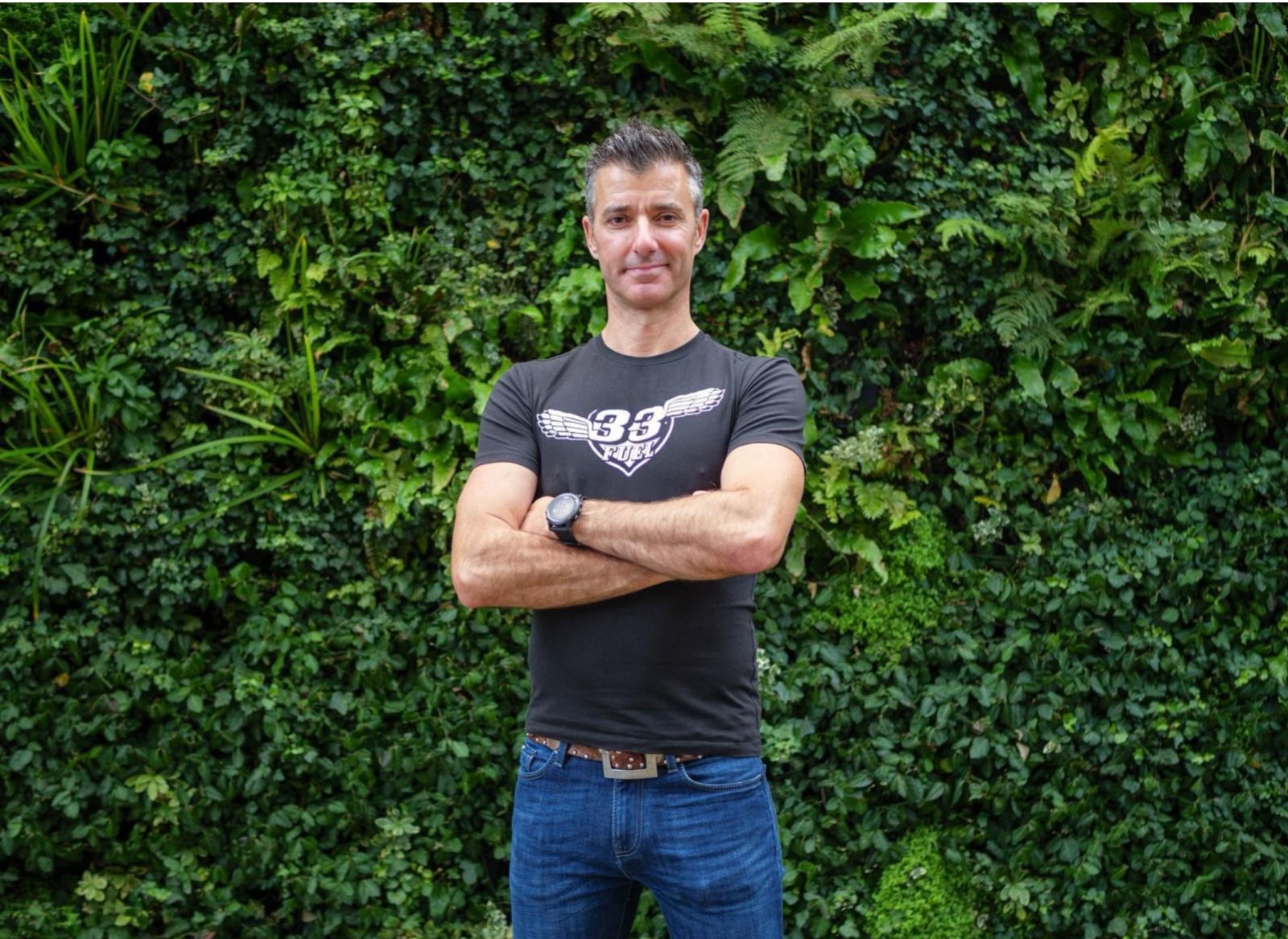
Audio Magazine episode! Long-time friend, Warren Pole joins us to trade ideas, stories, and thought-provoking topics from the world of endurance sports. We talk about everything from whether races should ban in-race filming to the surprising ways ultrarunning might temporarily damage red blood cells and what that means for recovery. Warren brings a sharp perspective on long-term health, framing running as an investment that compounds over time, especially when paired with better nutrition. The conversation also explores how beginners can cut through noise and focus on simple fundamentals like cadence and effort, while questioning whether trends like "gravel running" are innovation or just clever marketing. Along the way, we highlight how trail running uniquely benefits mental health, reinforcing why time on the trails feels different than pounding pavement.
Check out 33 Fuel for amazing and healthy products that will help you live healthier. If you live in the USA, you can buy their Ultimate Daily Greens via Amazon HERE.
Episode Sponsors:
Tifosi Optics - CLARITY ON THE TRAIL: Post your Golden Nugget of wisdom that helps you recover after a huge effort on Instagram, tag @TifosiOptics, @TrailRunnerNation, and use the hashtag #ClarityOnTheTrail. OR try texting us (within the USA) with your tip: 916-235-3928. If we use yours on a weekly episode, you get a pair of the new Sanctum SL glasses!
Peluva - Footwear that let your feet be feet. Get 10% off on our DEALS page
Timestamps
00:00 – Reunion & Format Setup Scott and Don welcome Warren back and explain the fast-paced "audio magazine" format.
11:00 – Should Races Ban Content Creation? Debate on whether filming during races helps grow the sport or distracts from it.
24:00 – What Running Really Does to Your Body Discussion of research on red blood cell damage and what it means for performance and recovery.
30:00 – Nutrition, Recovery, and Long-Term Health Warren explains why whole-food fueling may improve recovery and long-term outcomes.
39:00 – Learning to Run: What Actually Matters Simple, foundational advice for new runners like cadence, effort, and consistency.
50:00 – Trail Running and Mental Health Why running in nature has a stronger effect on mood, stress, and brain function.
54:00 – "Gravel Running" and the Future of the Sport Exploring whether new categories are helpful or just clever marketing.
Hosted by Simplecast, an AdsWizz company. See pcm.adswizz.com for information about our collection and use of personal data for advertising.
In this episode, we sit down with ultrarunning legend Hal Koerner and Ian Sharman to go beyond the race results and into the stories hidden between the aid stations. Hal reflects on the gritty era of ultrarunning when gear was simpler, races were rougher, and success often came down to who could stay calm while everything else unraveled. The conversation explores their approach to downhill running, how they learned to descend with confidence, and why many runners sabotage themselves by braking too much and overthinking every step. Hal also shares memorable moments from decades in the sport, including hallucinations, race-day mistakes, lessons from other legends, and the strange, beautiful chaos that unfolds after enough miles in the mountains. Along the way, we discuss how the sport has changed, from shoes and nutrition to the growing popularity of ultrarunning, while Hal remains the same smiling, endlessly curious runner with the grin that somehow survives even mile 90. By the end, the episode feels less like an interview and more like sitting beside a campfire with one of the sport's great storytellers while the mountains glow quietly in the background.
Check out
"Unbreakable" film
SharmanUltra.com coaching
Hal Koerner's Field Guide to Ultrarunning
Preorder Ian's book, "The Art of Ultrarunning: Tried & Tested Strategies for Long-Distance.
Episode Sponsors:
Tifosi Optics - CLARITY ON THE TRAIL: Post your Golden Nugget of wisdom that helps you recover after a huge effort on Instagram, tag @TifosiOptics, @TrailRunnerNation, and use the hashtag #ClarityOnTheTrail. OR try texting us (within the USA) with your tip: 916-235-3928. If we use yours on a weekly episode, you get a pair of the new Sanctum SL glasses!
Peluva - Footwear that let your feet be feet. Get 10% off on our DEALS page
Timestamps
06:00 – What Ultrarunning Used to Be Like Hal reflects on the early days of the sport, when aid stations were simpler, shoes were sketchier, and ultrarunners seemed stitched together from duct tape, stubbornness, and peanut butter sandwiches.
14:00 – The Downhill Running Advantage Hal explains why his ability to descend gave him an edge, how he learned to trust gravity, and why most runners unknowingly fight the trail on every downhill.
27:00 – Hallucinations, Mistakes & The Weird Stuff That Happens After 80 Miles The conversation drifts into race stories, strange moments, and the surreal carnival that begins when exhaustion starts repainting reality with a very crooked brush.
40:00 – How the Sport Has Changed The evolution of ultrarunning, from carbon shoes and nutrition science to the explosion of races, gear, and attention.
53:00 – The Lessons That Last Hal shares the wisdom he has gathered after decades in the mountains: stay adaptable, keep your sense of humor, and never lose the grin, even when the trail is trying very hard to take it from you.
Hosted by Simplecast, an AdsWizz company. See pcm.adswizz.com for information about our collection and use of personal data for advertising.
What if your best performance isn't behind you… it's just different now? In this Aging as an Athlete episode, Krissy Moehl joins again as co-host in a discussion with Bryce Thatcher.
Bryce Thatcher is a trail-running pioneer and founder of UltrAspire, who has spent over 40 years innovating hydration gear while living and embodying a lifelong commitment to mountain running and human-powered adventure.
We explore what it really takes to stay connected to trail running over decades. Bryce shares how a deep love of the outdoors and the human-powered movement form the foundation for long-term engagement in the sport. The conversation moves into how motivation evolves from personal performance to purpose, service, and community, while also addressing the tension between modern convenience and the sport's rugged roots. We reflect on gear innovation, race culture changes, and the importance of maintaining responsibility, resilience, and self-reliance on the trail. Bryce offers powerful insights on longevity, consistency, and adapting expectations as we age without losing joy. Ultimately, the episode is about staying grounded in your "why" while evolving with each season of life
Episode Sponsors:
Tifosi Optics - CLARITY ON THE TRAIL: Post your Golden Nugget on Instagram, tag @TifosiOptics, @TrailRunnerNation, and use the hashtag #ClarityOnTheTrail. If we use yours on a weekly episode, you get a pair of the new Sanctum SL glasses!
Peluva - Footwear that let your feet be feet. Get 10% off on our DEALS page
TImestamps:
02:30 – What Creates Longevity in the Sport Love of the outdoors + human-powered movement as the foundation for staying in trail running long-term.
08:00 – Origins, Gear Evolution & Finding Your "Why" Early days of the sport, how gear has changed, and the risk of losing intrinsic motivation.
13:30 – Redefining Performance: From PRs to "FK Me" Shifting from peak performance to personal best for your current stage of life.
19:00 – Has Trail Running Lost Its Edge? Discussion on race culture, aid stations, responsibility, and the tension between convenience and adventure.
27:00 – Solo vs Community: The Balance That Sustains Us Running as meditation vs shared experience, and why both matter for longevity.
34:00 – Adapting as You Age: Training, Gear & Recovery Cross-training, strength work, and evolving expectations to stay healthy and consistent.
55:00 – Advice to Your Younger (and Older) Self Consistency, simplicity, and long-term thinking as the keys to a lifetime in the sport.
Hosted by Simplecast, an AdsWizz company. See pcm.adswizz.com for information about our collection and use of personal data for advertising.
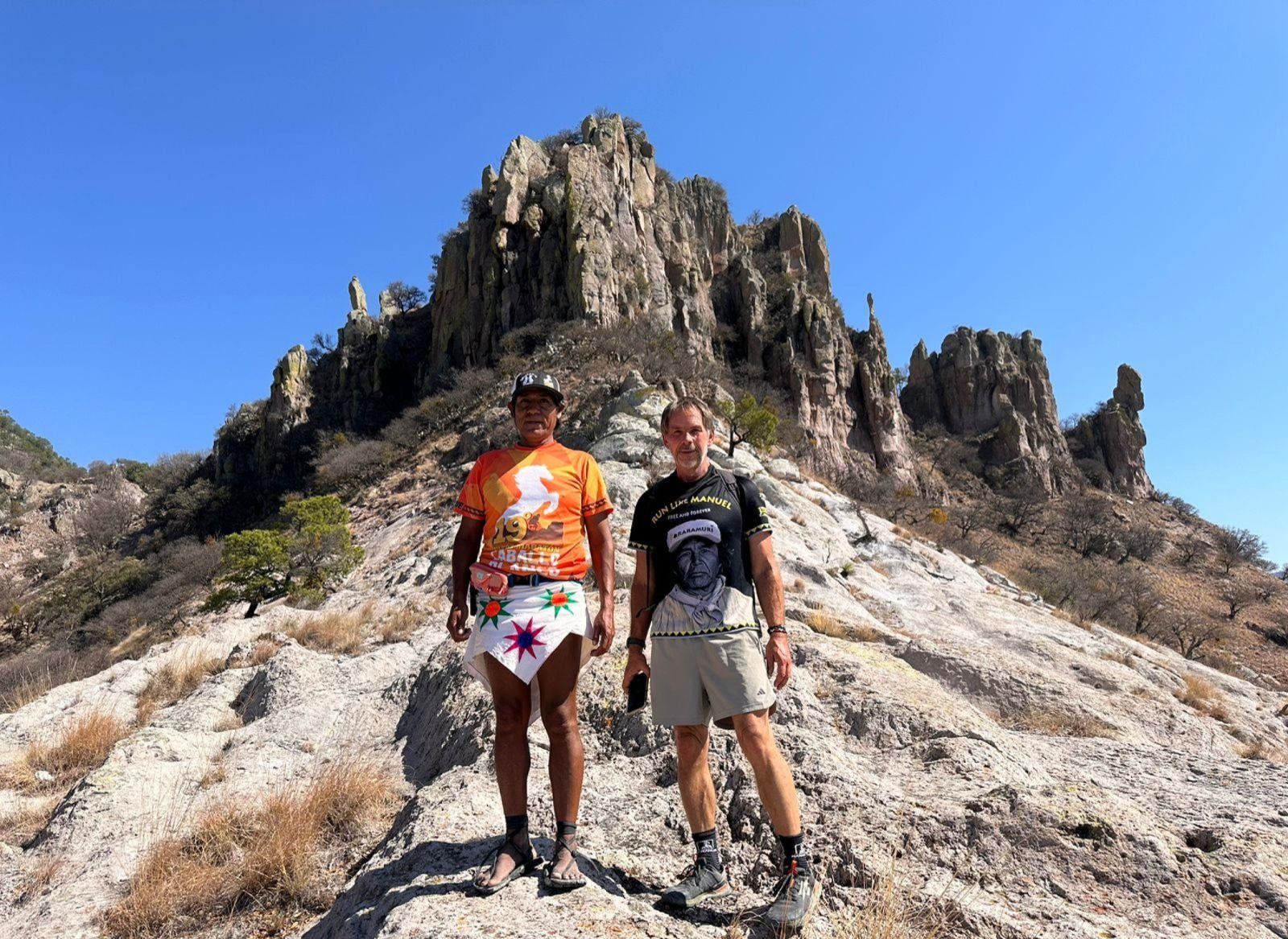
In this episode, we are joined by Michael Miller to discuss his book Run Like a Rarámuri : Stories and Wisdoms from the Sierra Tarahumara and Running Long and his deep connection to the Indigenous Rarámuri "running people" of Mexico's Sierra Tarahumara. Drawing on years spent living among the community, Michael shares how running is woven into their social fabric as a celebration of resilience, nature, and togetherness rather than competition or performance. The conversation explores powerful cultural concepts like korima, the practice of sharing without expectation, and how movement in nature can restore balance and contentment in modern life. Michael also reflects on the legacy of Micah True (Caballo Blanco) and the evolution of the Ultramarathon Caballo Blanco race, which now brings together runners from around the world while supporting local communities. We consider what trail runners can learn from the Rarámuri about simplicity, presence, and reconnecting with the deeper purpose of running. Ultimately, the discussion suggests that "running like a Rarámuri" is less about technique and more about learning to live with gratitude, connection, and joy.
Check out the non-profit True Messages for more information and how to support these projects, and these other links:
Ultra Caballo Blanco
Copper Canyons
Entre Amigos Camps
Instagram
Sponsors:
Tifosi Optics - check out how to win a free pair of the new Sanctum SL and how to get a discount
Peluva - let your feet be feet!
Timestamps
0:00 Intro to Michael Miller and Run Like a Rarámuri
2:05 What makes the Ultramarathon Caballo Blanco unique
6:15 Who the Rarámuri are and how Born to Run shaped their global story
14:10 Running as culture: traditional games, community, and connection
20:06 Michael's personal journey to the Sierra and why this became a passion project
29:37 Training vs. lifestyle: how the Rarámuri develop endurance naturally
34:52 Is the book about running… or about living?
44:42 Korima explained: sharing, gratitude, and the social fabric of the Rarámuri
51:11 Supporting the community: nonprofit work and how listeners can help
58:13 Closing reflections on Micah True's legacy and running free
Hosted by Simplecast, an AdsWizz company. See pcm.adswizz.com for information about our collection and use of personal data for advertising.
In this episode of Trail Runner Nation's Aging as an Athlete series, along with Krissy Moehl, we welcome elite ultrarunner and therapist Darcy Piceu for a thoughtful conversation about longevity in endurance sports. Drawing on more than two decades of racing at the highest level, Darcy explains that there is no "magic pill" for staying in the sport long term, emphasizing instead the importance of self-care, strength work, listening to the body, and adapting training as athletes age. The discussion explores the mental side of endurance, including acceptance of changing performance, learning to manage negative thoughts during long races, and developing the wisdom that comes from decades of experience. Darcy also shares how mindfulness and time in nature play a powerful role in both mental health and athletic performance, something she incorporates into her therapy practice. We reflect on the evolving identity of an athlete over time, balancing competitiveness with enjoyment, family life, and other pursuits beyond running. We highlight that staying in the sport for decades is less about chasing podiums and more about cultivating resilience, perspective, and a lasting love for the trail.
Check out Darcy's Therapy practice, "Therapy in Action" or get in touch with her darcypq@gmail.com.
If you're in Bellingham, WA in March and want to help out at Chuckanut 50k, click here to volunteer.
Episode Sponsor:
Tifosi Optics - CLARITY ON THE TRAIL: Post your Golden Nugget on Instagram, tag @TifosiOptics, @TrailRunnerNation, and use the hashtag #ClarityOnTheTrail. If we use yours on a weekly episode, you get a pair of the new Sanctum SL glasses!
Episode Topics & Timestamps
1:00 – Darcy's Background: Elite Runner and Therapist
3:30 – What Creates Longevity in the Sport?
6:00 – The Mental Side of Aging as an Athlete
9:00 – Mindfulness, Stress, and Mental Training
12:45 – Mental Toughness in Ultrarunning
17:30 – The Power of Nature and Trail Therapy
23:00 – Managing Focus During Long Races
29:00 – Racing for the Podium vs Racing for the Experience
31:30 – How Darcy Found Ultrarunning
35:30 – Hardrock, Motherhood, and Career Balance
38:30 – Training Philosophy for Longevity
41:00 – The Wednesday Women's Run in Boulder
44:00 – Identity Beyond Running
48:00 – What Makes a Race Truly Successful?
52:30 – Advice to Younger and Older Versions of Yourself
56:30 – The Mental vs Physical Performance Question
1:00:15 – Therapy in Action and Closing Thoughts
Hosted by Simplecast, an AdsWizz company. See pcm.adswizz.com for information about our collection and use of personal data for advertising.
In this episode of Trail Runner Nation, we sit down with filmmaker Dylan Harris to talk about his powerful new film, The Cut-Off. Instead of following the front of the pack, the film shines a light on the runners fighting the clock at aid stations, chasing the courage it takes simply to continue. Dylan shares the inspiration behind the project, the stories that moved him most, and what the back-of-the-pack reveals about grit, community, and the true spirit of trail running. This conversation is a reminder that endurance isn't just about speed; it's about persistence, heart, and refusing to quit when the margin gets thin.
Links:
SomoCollective: Dylan's production company
Arivaipa Running: Producer and site of the film, Cocadona 250
Lucy's Dad Film: another of Dylan's films
Get the "1 > 0" running hat HERE.
Time Stamps
1:30 – Introducing Dylan Harris and the story behind The Cut-Off5:00 – Why focus on back-of-the-pack runners? 10:30 – The emotional reality of chasing aid station cutoffs 18:00 – Stories from filming: moments of grit, struggle, and triumph 26:00 – What the back-of-the-pack reveals about trail culture 34:00 – The community factor: volunteers, crews, and fellow runners 42:00 – Lessons from the film for everyday runners 50:00 – Where to watch The Cut-Off and what's next for Dylan 55:00 – Final thoughts and closing
Hosted by Simplecast, an AdsWizz company. See pcm.adswizz.com for information about our collection and use of personal data for advertising.
1 h 00 minAbspielen in:
Gäste, die länger als 12 Monate zurückliegen, gibt es mit Pro. Pläne ansehen

 AH