Bekomm eine E-Mail, wenn Robert in einem Podcast zu Gast istPodAppear prüft neue Folgen, sobald sie erscheinen, und lässt die weg, in denen Robert nur erwähnt wird. Bis zu 15 Personen kostenlos, ohne Kreditkarte.Bis zu 15 Personen kostenlos, ohne Kreditkarte.
Robert kostenlos folgen
RT

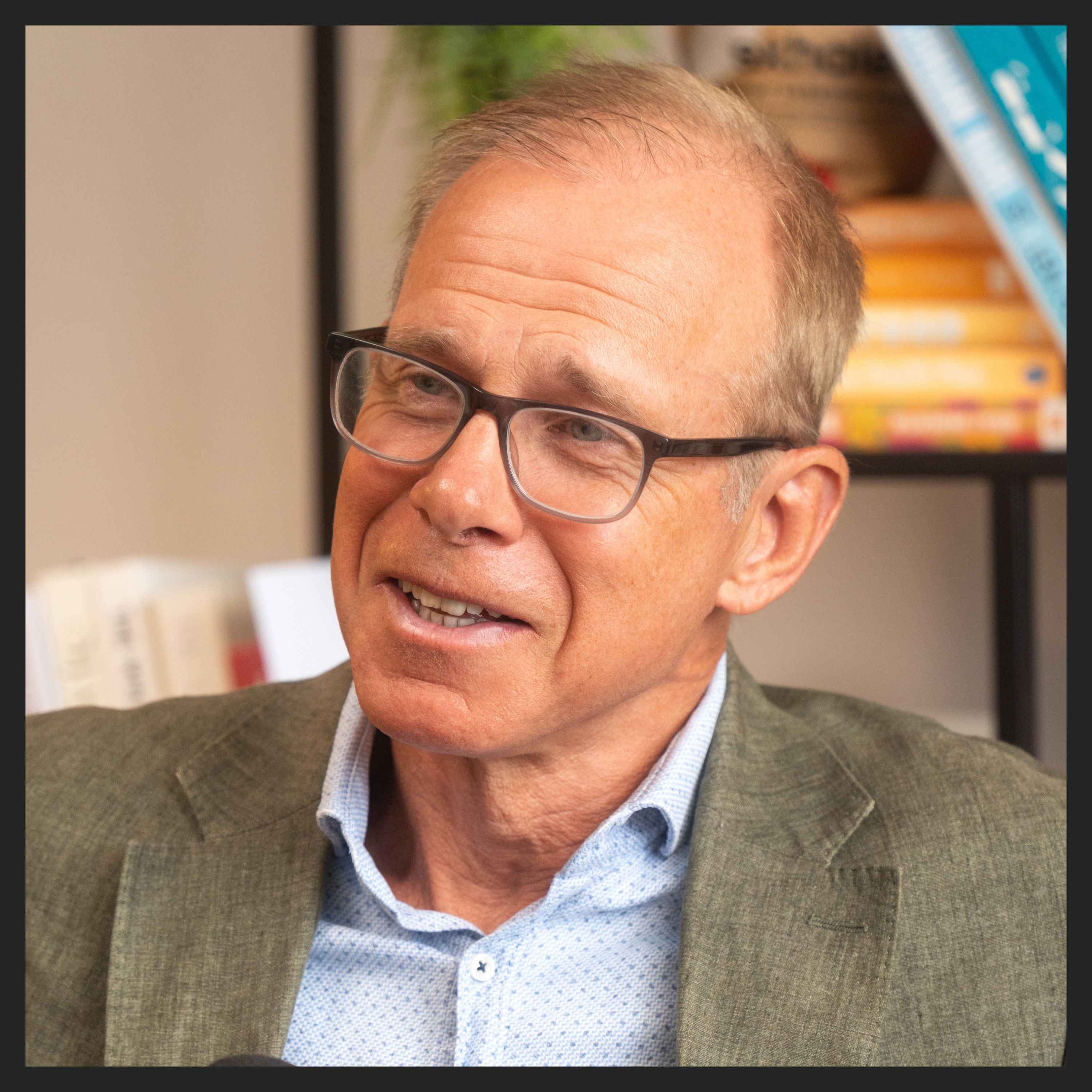
Robert Thomas

Robert Thomas war in den letzten 12 Monaten in 3 Podcast-Folgen aus 2 verschiedenen Sendungen zu Gast, am häufigsten bei Navigating Menopause After Cancer (2-mal). Zuletzt: The Doctor's Kitchen Podcast, 23. Sept. 2026.

Zwei Jahre auf Sendung

GastHostErwähnt

Gastauftritte

Mi23Sep
The Doctor's Kitchen Podcast

The Doctor's Kitchen Podcast

Professor shares 8 foods to lower inflammation and help you age slower | Professor Robert Thomas

If you want to stay healthier for longer, one of the best things you can do is lower chronic inflammation. The great thing is, food is one of the most powerful tools we have. So I sat down with Professor Rob Thomas, consultant oncologist at Addenbrooke's and UCLH, Professor of Sports and Nutritional Science, and one of the UK's leading experts in healthy ageing, to talk about what makes the biggest difference. We cover: The best foods to lower chronic inflammation The link between inflammation and ageing How to reduce your biological age Why grip strength predicts how well you'll age There are so many practical takeaways in this one. I hope it inspires you to add a few more anti-inflammatory foods to your plate this week! – One of the most important ways we can impact our health, feel stronger and more energetic everyday and even slow ageing is by lowering inflammation. And the good news is, that what you choose to put on your plate is a powerful lever to reduce it, alongside improving sleep, moving more and stressing less. So today I'm joined by Professor Robert Thomas, NHS Consultant Oncologist at Addenbrooke's and Bedford Hospitals, and Head of Integrative Oncology at The Royal London Hospital for Integrative Medicine, where he advises lifestyle, complementary and nutritional strategies to improve patient outcomes. We’re going to discuss the 8 key foods he believes we should be eating everyday to optimise inflammation to help us live longer, healthier lives and protect us from diseases of ageing including cancer and heart disease. Professor shares 8 longevity foods to eat daily to protect against ageing OR Eat these 8 foods daily to reduce inflammation and age slower SEE SUGGESTED DISCUSSION POINTS FROM ROB BELOW. 🎬 Watch the podcast on YouTube here 📱 Download The Doctor’s Kitchen app 🌐 View full show notes, including guest details, on our website ☕️ Try Exhale Coffee here 🥗 Join the newsletter and receive a 7 day meal plan 📷 Follow on Instagram Hosted on Acast. See acast.com/privacy for more information.
1 h 08 minAbspielen in:

Mi8Jul
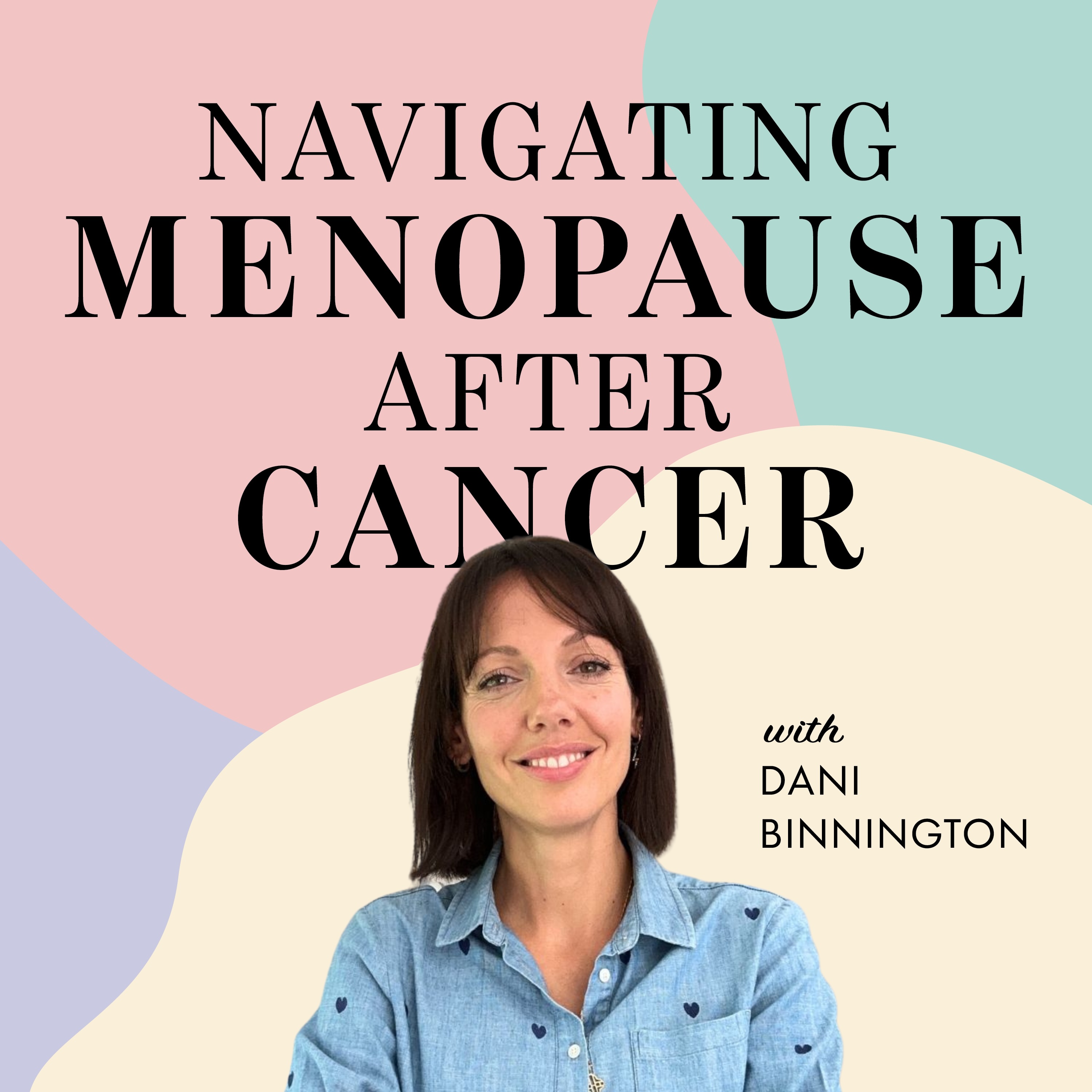
Navigating Menopause After Cancer

Navigating Menopause After Cancer

Episode 225 - Supplements And Cancer: Are We Missing Out?

Whether it's joint pain, fatigue, brain fog, poor sleep, hot flushes or anxiety, it can feel frustrating when symptoms linger long after treatment ends. For many people, supplements seem like a logical place to look for menopause support, but with endless products, conflicting advice and cupboards full of half-used bottles, how do you know what's actually worth taking? In this episode, I am once again joined by leading oncologist, researcher and integrative medicine specialist Professor Robert Thomas to explore the role supplements may play in supporting health and wellbeing after cancer. Make sure to have pen and paper ready, as I think you’ll need it! In this episode, we discuss: Why so many cancer survivors turn to supplements How to identify what symptoms you're actually trying to support Which supplements have anti-cancer properties? Which supplements help with joint pain? Supplements that may help with sleep The role of vitamin D, probiotics and omega-3 What should I NOT have too much of? The debate around multivitamins after cancer Common supplement mistakes that waste money Creatine: what we know and what we still don't know for cancer survivors One of the most powerful messages from this conversation is that there is rarely one magic supplement. Instead, the best results often come from understanding your symptoms, focusing on overall health and making informed decisions based on evidence rather than marketing. Episode Highlights: 00:00 Introduction 05:06 Discussing supplements with oncologists 08:34 Discussing supplement safety and benefits 11:13 Improving gut health in menopause 16:03 Concerns about multivitamins and antioxidants 17:52 Discussing supplements and deficiencies 20:57 Understanding Mineral Intake from Food 25:44 Discussing creatine vs collagen benefits Resources Keep Healthy: keep-healthy.com and https://keep-healthy.com/polyphenols/ Rob’s bestselling book "How to Live" About Dr Robert Thomas Dr Robert Thomas is a Consultant Oncologist, Professor of Nutritional and Sports Science, researcher, author and Head of Integrative Oncology at UCLH. His work focuses on helping people combine conventional cancer treatments with evidence-based lifestyle strategies to improve outcomes and quality of life. He also leads a research unit that has designed landmark scientific studies which provide the evidence that guide nutritionists, support groups, doctors and patients across the World. As well as mainstream oncology studies, the team focuses on randomised trials that evaluate the impact of exercise, diet, gut health and natural therapies on cancer, long covid and exercise performance, menopause and cancer. This included 5 RCT's addressing hormone related symptons after breast cancer including patient choice as a primary end point. His latest two double blind RCTs, discovered that boosting dietary phytochemicals (with Yourphyto) and gut health (with Yourgutplus) slowed prostate cancer progression, improved erectile function and urinary symptoms and improved three key biomarkers of longevity. Dani’s links: Join my NEW blog ‘Still Becoming’ on Substack: https://substack.com/@danibinnington?r=1osz6a&utm_campaign=profile&utm_medium=profile-page Buy my book ‘Navigating Menopause After Cancer’: https://amzn.eu/d/07dUoYBb Join the 12th September Thames Bridges Trek: https://fundraiseformenopauseandcancer.raiselysite.com/thamesbridgestrekultrachallenge Set up your own fundraiser: https://fundraiseformenopauseandcancer.raiselysite.com/fundraisingideas

34 minAbspielen in:

Mi1Jul
Navigating Menopause After Cancer

Navigating Menopause After Cancer

Episode 224 - Turmeric After Cancer: Have We Got It Wrong? With Professor Robert Thomas

Can turmeric really help with joint pain, inflammation and gut health after cancer? And why are so many people being told to avoid it? In this fascinating conversation, I sit down with leading oncologist, researcher and integrative medicine expert Professor Robert Thomas to unpack the science behind turmeric, gut health and cancer recovery. Prof Thomas shares why he believes many patients are receiving outdated advice about turmeric, explains where concerns about tamoxifen interactions originated, and explores what the latest research actually tells us. Together, we discuss the role of gut health in long-term wellbeing, why exercise remains one of the most powerful tools available after cancer, and how lifestyle medicine can work alongside conventional cancer treatments. In this episode, we discuss: The surprising evidence behind turmeric and cancer Why turmeric became controversial in breast cancer care The difference between turmeric, curcumin and supplements Gut health, inflammation and the microbiome Managing joint pain and menopausal symptoms after cancer Exercise as a tool to improve cancer outcomes How integrative oncology combines medical treatment with lifestyle strategies Common myths surrounding supplements and cancer Resources Keep Healthy: keep-healthy.com and https://keep-healthy.com/polyphenols/ Rob’s bestselling book "How to Live" Episode Highlights: 00:00 Introduction 09:33 Discussing hormone therapy options 12:30 Discussing health and patient advocacy 15:00 Discussing menopause treatments 20:06 Turmeric's rise in health circles 22:24 Antioxidant and anti-inflammatory benefits 24:21 Curcumin study and dosage discussion 28:01 Addressing turmeric's cancer misconceptions 32:28 Simplifying Supplement Choices About Prof Robert Thomas: Thomas is a Consultant Oncologist, Professor of Nutritional and Sports Science, author, researcher and Head of Integrative Oncology at UCLH. He has published extensively on lifestyle medicine, cancer prevention and survivorship, and is passionate about helping patients make informed decisions about their health using evidence-based approaches. He also leads a research unit that has designed landmark scientific studies which provide the evidence that guide nutritionists, support groups, doctors and patients across the World. As well as mainstream oncology studies, the team focuses on randomised trials that evaluate the impact of exercise, diet, gut health and natural therapies on cancer, long covid and exercise performance, menopause and cancer. This included 5 RCT's addressing hormone related symptons after breast cancer including patient choice as a primary end point. His latest two double blind RCTs, discovered that boosting dietary phytochemicals (with Yourphyto) and gut health (with Yourgutplus) slowed prostate cancer progression, improved erectile function and urinary symptoms and improved three key biomarkers of longevity. Connect with us: For more information and resources, visit our website: www.menopauseandcancer.org Follow us on Instagram @menopause_and_cancer Find us on YouTube: http://www.youtube.com/@NavigatingMenopauseAfterCancer Join my NEW blog ‘Still Becoming’ on Substack: https://substack.com/@danibinnington?... Buy my book ‘Navigating Menopause After Cancer’: https://amzn.eu/d/07dUoYBb Join our Facebook group: www.facebook.com/groups/menopauseandcancerchathub

39 minAbspielen in:

Warum PodAppear

Folge Menschen, nicht Podcasts.

Du hast Robert in einer Sendung gehört. PodAppear findet für dich die nächste, und genauso für alle anderen, die du hören willst.

  • Eine Meldung, wenn die Person zu Gast istPer E-Mail: sofort oder gebündelt als Tages- oder Wochenübersicht. Dann nur noch auf Play drücken.
  • Gäste statt bloßer ErwähnungenFolgen, in denen ein Name nur fällt, landen getrennt. Eine Meldung heißt: Die Person ist wirklich in der Sendung.
  • Alle in einem FeedGründerinnen, Autoren, Sportler, Forscherinnen. Folge allen mit Namen, quer durch jede Sendung, in der sie auftreten.

Bis zu 15 Personen kostenlos, ohne Kreditkarte.