Taking Control Of Your Diabetes® - The Podcast!
Diabetes and Your Eyes: Why Clear Vision Isn’t Enough
Wer in dieser Folge vorkommt
Eric NudlemanGast
Warum PodAppear „Gast“ sagt
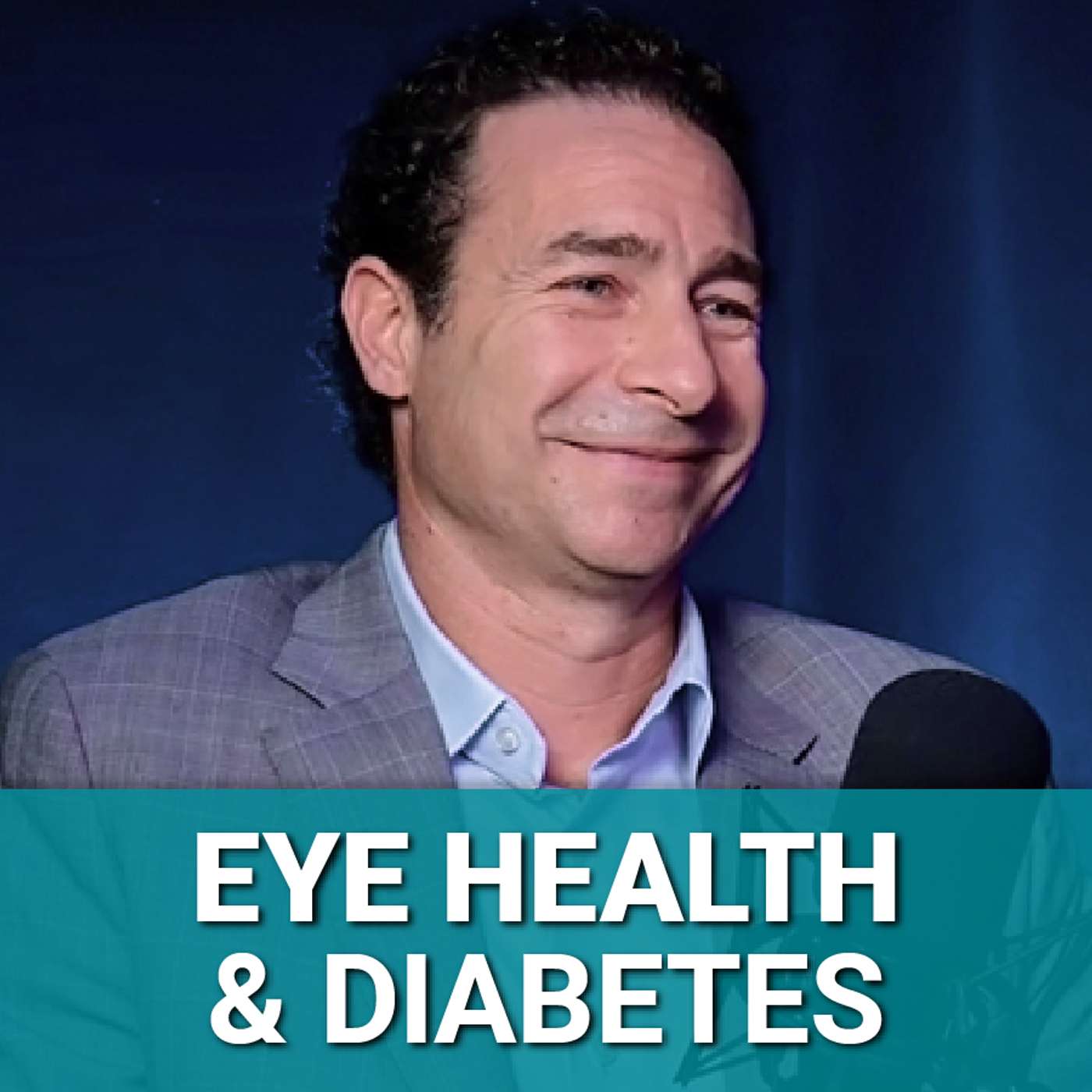
“Eric Nudleman, a retina specialist and associate professor at UC San Diego’s Shiley Eye Institute, to discuss how diabetes affects the eyes and what people living with type 1 and type 2 diabetes can do to preserve their vision.”Beschreibung der Folge
Diabetic eye disease can develop without any noticeable symptoms, but that doesn’t mean vision loss is inevitable. With regular eye exams, early detection, and advances in treatment, people living with diabetes have more options than ever to protect their eyesight and prevent serious complications.
In this episode, Dr. Steve Edelman sits down with Dr. Eric Nudleman, a retina specialist and associate professor at UC San Diego’s Shiley Eye Institute, to discuss how diabetes affects the eyes and what people living with type 1 and type 2 diabetes can do to preserve their vision. Drawing from his own experience living with diabetic retinopathy and macular edema, Dr. Edelman shares his personal journey with laser treatments, eye injections, and the advances in care that have helped stabilize his vision.
Ganze Beschreibung zeigen
The conversation begins with the basics of diabetic eye disease, including the differences between diabetic retinopathy and diabetic macular edema. Dr. Nudleman explains how diabetes can damage the small blood vessels in the retina, leading to swelling, leakage, and abnormal blood vessel growth. They also discuss why eye damage can occur long before someone notices blurry vision or other symptoms, making routine screening especially important. Dr. Nudleman walks through when people living with type 1 and type 2 diabetes should begin getting eye exams, how often follow-up visits may be needed, and what to expect during a comprehensive retinal examination.
Dr. Edelman and Dr. Nudleman also explore how treatments for diabetic eye disease have evolved over the years. From traditional laser therapy to modern anti-VEGF injections, they explain how these treatments work, when they’re recommended, and how they help prevent vision loss. Dr. Nudleman breaks down what actually happens during an eye injection, why the procedure is generally much less uncomfortable than people expect, and how newer medications and longer-lasting treatment options are helping reduce the burden of frequent injections. They also discuss alternative treatments for diabetic macular edema, including steroids and sustained-release therapies.
Beyond treatment, they emphasize the importance of managing blood sugar, blood pressure, and cholesterol to help reduce the risk of diabetic eye disease progression. Dr. Nudleman explains why keeping up with regular eye appointments is just as important as managing glucose levels, even when vision seems perfectly normal.
Finally, they look ahead at promising developments in diabetic eye care, including new medications targeting the Wnt signaling pathway and other approaches that could provide additional options for people who don’t respond fully to current treatments. Throughout the conversation, Dr. Edelman and Dr. Nudleman reinforce an encouraging message: diabetic eye disease is serious, but early detection, consistent monitoring, and effective treatment can make a tremendous difference in protecting your vision for the long term.
Key Topics:
How diabetes affects the retina and blood vessels in the eyes
The difference between diabetic retinopathy and diabetic macular edema
Nonproliferative vs. proliferative diabetic retinopathy
Why diabetic eye disease can develop without symptoms
When to start getting diabetic eye exams
Recommended screening and follow-up intervals for type 1 and type 2 diabetes
What to expect during a comprehensive retinal exam
How retinal photography and OCT imaging help detect eye damage
When diabetic retinopathy requires monitoring vs. treatment
The role of VEGF in abnormal blood vessel growth and leakage
How laser treatments work and their effects on peripheral and night vision
How anti-VEGF injections have changed diabetic eye disease treatment
What happens during an eye injection
Treating diabetic macular edema with anti-VEGF medications and steroids
Longer-lasting treatments and refillable drug delivery systems
The importance of blood sugar, blood pressure, and cholesterol management
Why early detection and consistent eye care are essential
Emerging treatments targeting the Wnt signaling pathway
The future of diabetic eye disease prevention and treatment
This episode was supported by Merck.
✨ Subscribe for practical diabetes management tips, technology updates, and treatment breakthroughs that help people with diabetes live healthier, more flexible lives.
More diabetes resources:
Website: tcoyd.org
Blog: tcoyd.org/blog
Podcast: tcoydthepodcast.transistor.fm
Instagram: / tcoyd
Facebook: / tcoyd
Stay connected! Sign up for our monthly newsletter here!
Support TCOYD's educational programs: tcoyd.org/donate
★ Support this podcast ★