Safe Travels: A Nature Podcast
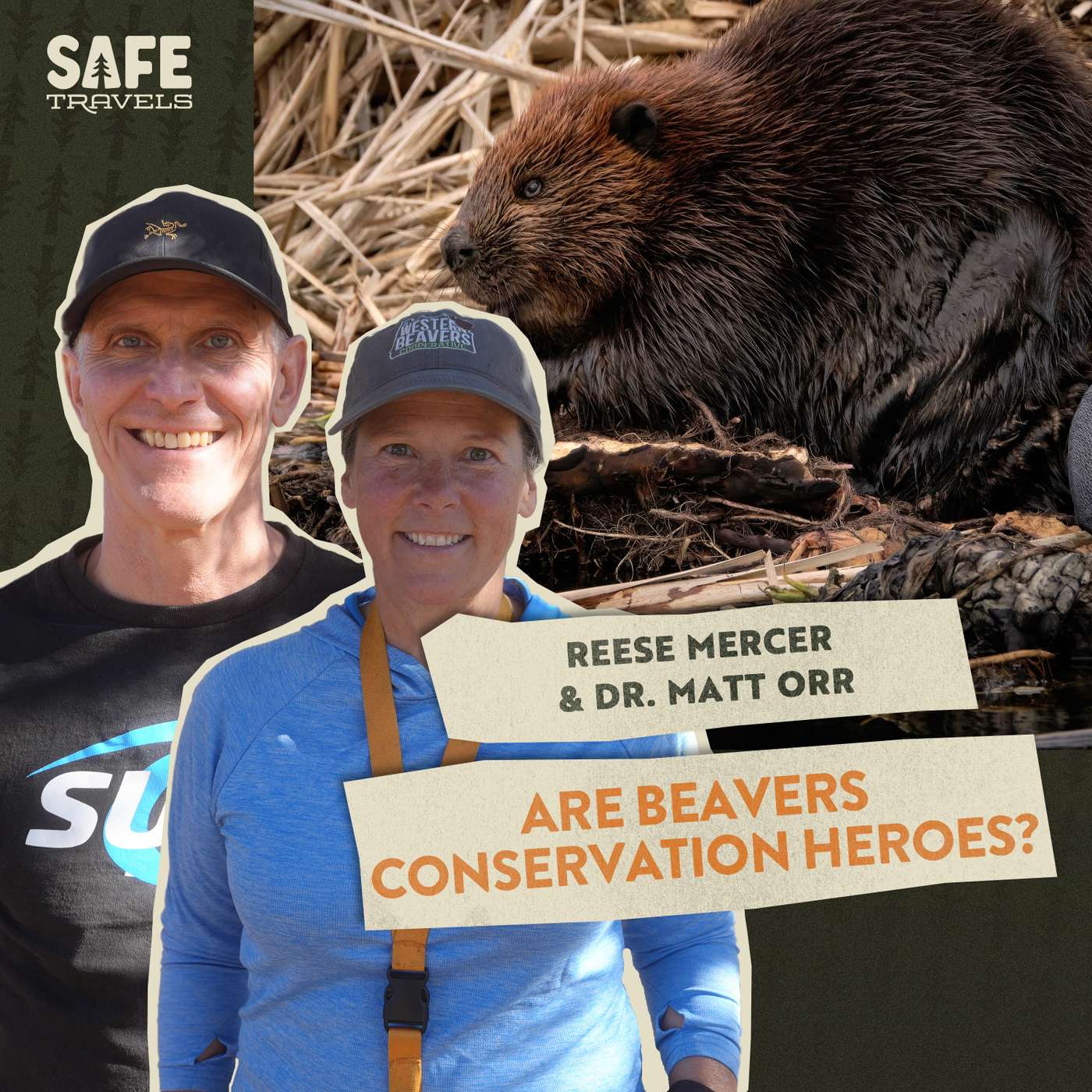
Beavers, Beaver Dam Analogs & Ecological Restoration with Reese Mercer and Dr. Matt Orr
Who is on this episode
Reese MercerGuest
Why PodAppear says guest
“Beavers, Beaver Dam Analogs & Ecological Restoration with Reese Mercer and Dr. Matt Orr”Episode notes
Beavers are often called nature's greatest ecosystem engineers. Their dams can reshape waterways, reconnect streams to their floodplains, support biodiversity, and help landscapes retain water. But what does it actually take to bring beavers back to a landscape, and are we approaching their restoration the right way?
In this episode of Safe Travels, we're in Central Oregon at the South Fork of the Crooked River, joined by Dr. Matt Orr, biology professor at Oregon State University–Cascades, and Reese Mercer, founder of Western Beavers Cooperative.
Together, we explore the fascinating relationship between beavers and the landscapes they inhabit, the emerging science of ecological restoration, and the challenges of helping degraded waterways recover.
Show all notes
We discuss the history of beaver removal throughout the American West, how the loss of beavers and changes in land use contributed to degraded stream systems, and why restoring these landscapes requires much more than simply building dams or relocating animals.
Reese explains why preparing habitat and establishing adequate food sources are essential for successful beaver recovery, while Matt shares what years of research and experimentation with beaver dam analogs have taught him about stream restoration.
We also explore how beaver activity can influence water retention, biodiversity, wildfire resilience, and the health of surrounding ecosystems.
Perhaps most importantly, this conversation challenges us to reconsider how we approach conservation. Beavers aren't restoration tools waiting to be deployed. They are wild animals with their own needs, behaviors, and agency. Our responsibility is to understand those needs and create landscapes where they can thrive.
In this episode, we discuss:
Why beavers are considered ecosystem engineers and keystone species
The history of beaver trapping and the transformation of waterways throughout the American West
How cattle grazing and stream incision have changed riparian ecosystems
What beaver dam analogs (BDAs) are and how they influence stream systems
Why planting adequate food and forage is essential for successful beaver restoration
How beavers can help reconnect streams to their floodplains and retain water
The relationship between beaver wetlands, biodiversity, and wildfire resilience
Why relocating beavers isn't necessarily the solution to restoring populations
The importance of long-term monitoring and adaptive management in ecological restoration
Whether restoration should recreate historical ecosystems or prepare landscapes for future climate conditions
The challenges of restoring ecosystems at watershed scale
How individuals and local communities can get involved in restoration
About the guests:
Dr. Matt Orr is a biology professor at Oregon State University–Cascades whose research includes ecology, stream restoration, and the effects of beaver dam analogs on aquatic and riparian ecosystems.
Reese Mercer is the founder of Western Beavers Cooperative, an organization working with landowners and local communities to prepare landscapes for beaver recovery and support watershed-scale restoration throughout Eastern Oregon.
Learn more:
Western Beavers Cooperative: https://westernbeavers.org/
Oregon State University–Cascades: https://osucascades.edu/directory/matthew-orr
Thanks for listening to Safe Travels: A Nature Podcast. If you enjoy these conversations and want to support independent nature journalism, you can find us on Patreon: patreon.com/safetravelspod
Safe travels!