Spring into wellbeing: primroses, pollinators, and peas
Who is on this episode
Olivia DrakeGuest
Why PodAppear says guest
“RHS Science & Horticulture Editor Olivia Drake joins us to explain why the common primrose is an essential early source of nectar for pollinators.”Ashby SachsGuest
Why PodAppear says guest
“Ashby Sachs and Vicky Shearing, who worked on the project, join us to talk about what the research reveals, and how we can all put those insights into practice.”Vicky ShearingGuest
Why PodAppear says guest
“Ashby Sachs and Vicky Shearing, who worked on the project, join us to talk about what the research reveals, and how we can all put those insights into practice.”Episode notes
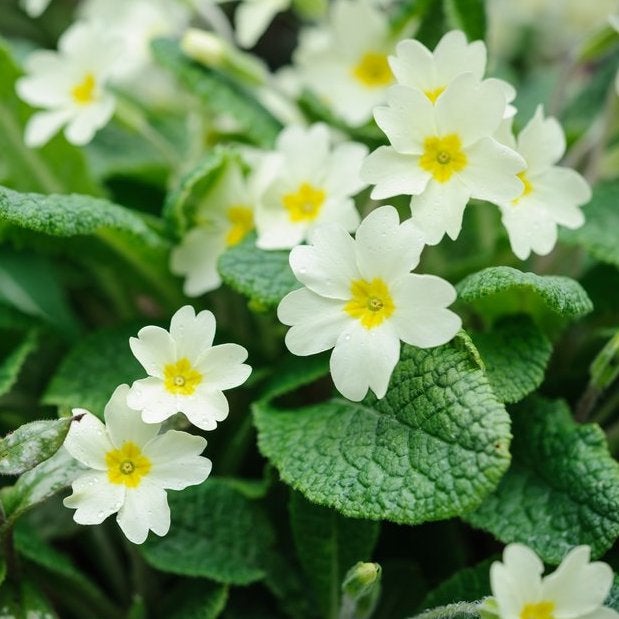
With the first glimmers of spring starting to show through, this week we’re diving into the theme of wellbeing – both for us and our garden wildlife. RHS Science & Horticulture Editor Olivia Drake joins us to explain why the common primrose is an essential early source of nectar for pollinators.
We’ll also be exploring the powerful role gardens can play in our own health and wellbeing. The RHS has just launched a new science-backed Wellbeing Blueprint, designed to help anyone create a garden that actively supports wellbeing. Ashby Sachs and Vicky Shearing, who worked on the project, join us to talk about what the research reveals, and how we can all put those insights into practice.
And finally we’ll also be dropping by the World Food Garden at RHS Garden Wisley, where edibles expert Liz Mooney will be showing us how, where and when to sow peas for a great harvest later in the year.
Show all notes
Host: Guy Barter
Contributors: Olivia Drake, Liz Mooney, Ross Cameron, Ashby Sachs, Victoria
Links:
RHS Daffodil Diaries
Primroses
RHS Wellbeing Garden Blueprint
What to plant in a wellbeing garden
The science behind the RHS Wellbeing Garden Blueprint
How to grow peas